15 Christmas Tree Decor Ideas for a Warm and Welcoming Home
December decorating often starts with good intentions and ends with a tree that looks crowded in one corner and strangely bare in another. Ornaments cluster where hands reach easily, the top carries too much weight, and the back stays empty because nobody walks around there. Plenty of families finish, step back, and feel the tree looks fine but not quite pulled together.
Luckily, balanced trees follow habits rather than talent, and christmas tree decor ideas work best when you decorate in layers instead of all at once. Lights first, then the biggest pieces, then medium ornaments, then small fillers in the gaps. Working slowly in rounds lets you spot bare patches early, and stepping back every few minutes keeps the whole shape even from top to bottom.
Below you will find fifteen complete looks, from classic red and gold to soft pastel candy colors and a bold black and white tree. Each look explains why it works, what you need, who it suits, and one mistake worth avoiding. Budget tips, a mistakes section, and quick answers follow at the end, so you can decorate once and enjoy the tree all season.
How do I decorate a Christmas tree so it looks full and balanced?
Fullness comes from layering, and balance comes from spreading each layer evenly around the whole tree before moving to the next one. Wrap lights close to the trunk first, hang large ornaments deep inside the branches, place medium ones midway, and finish with small pieces and fillers on the outer tips. Most christmas tree decor ideas fail when every ornament goes on the surface, so push roughly one third of your pieces deeper than you think.
Picture a six foot tree decorated in four calm rounds. Lights wind from trunk to tips, twelve large red baubles sit deep and evenly spaced, twenty medium gold pieces fill the middle layer, and small stars plus ribbon loops cover the outer gaps. Nothing crowds, nothing hides, and the tree looks full from every side of the room, including the side facing the wall.
Classic red and gold tree
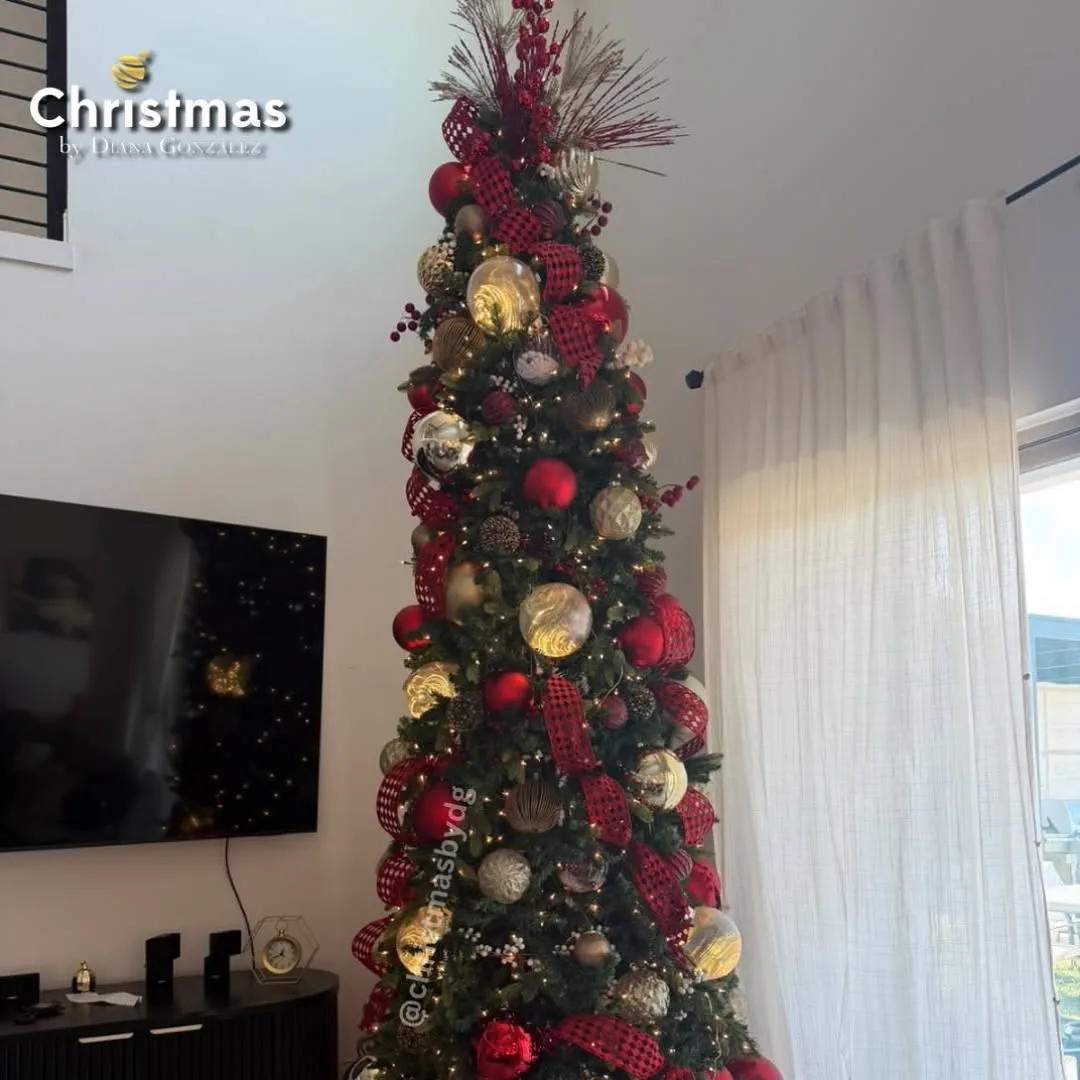
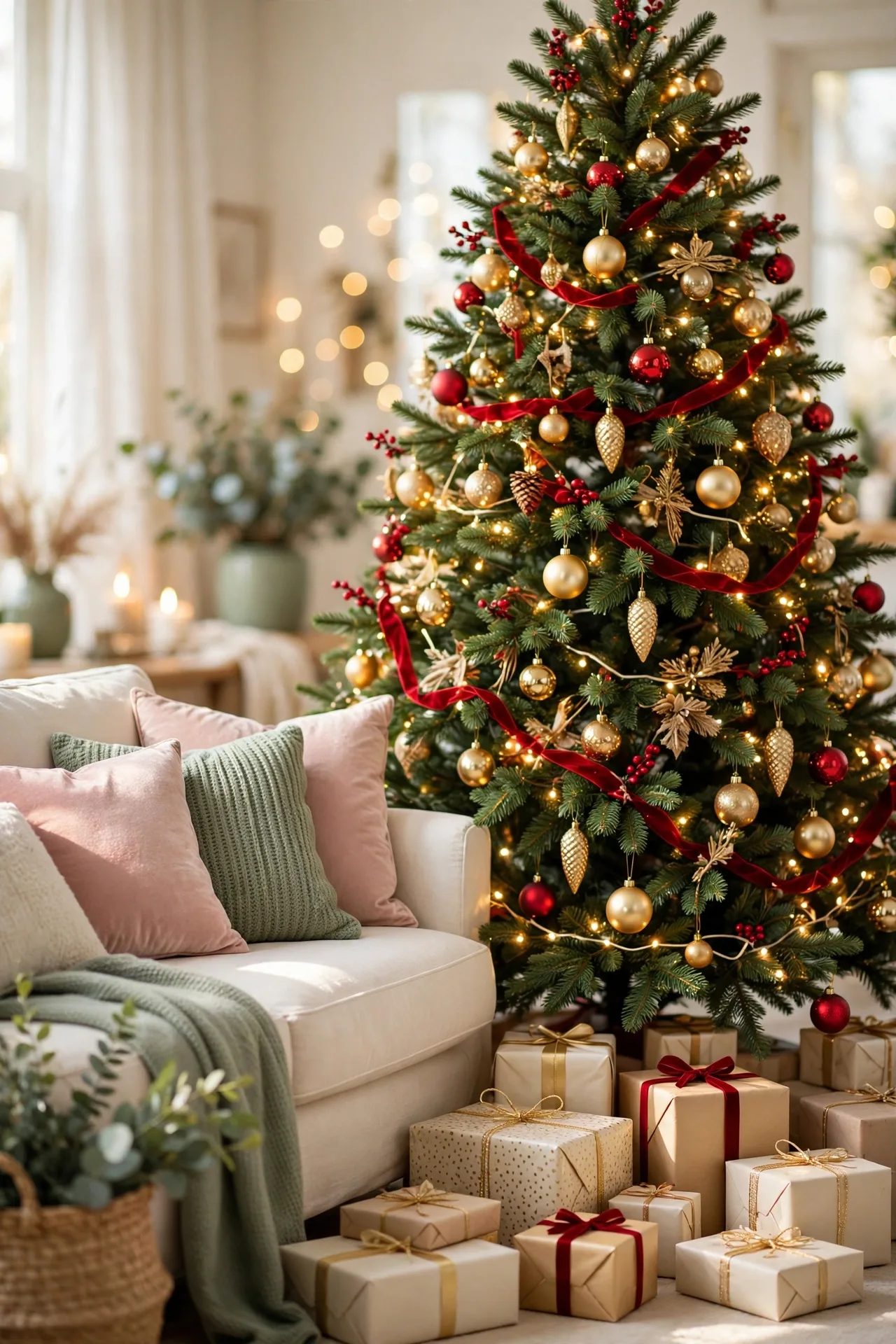
Red and gold remains the look most people picture first, and christmas tree decor ideas rarely get more welcoming than this pairing. Deep red brings warmth and tradition, while gold catches lamplight and candlelight and makes the whole tree glow in the evening. Together the two colors suit almost any room, any tree size, and decorations collected over many years.
Start with plain gold baubles in three sizes, then add red pieces in a mix of shiny and matte finishes so the tree gains depth. Roughly two red pieces for every gold one keeps the balance classic rather than brassy. Add one gold garland or a strand of gold beads wound loosely between branches, and finish with a gold star or angel on top.
Families who host big Christmas dinners usually love this look because it matches table linens, wrapping paper, and the colors already in most decoration boxes. Traditional rooms with wooden furniture and warm paint carry it especially well. Grandparents and children both read it instantly as Christmas, which makes it a safe choice for mixed age gatherings.
Try a hallway tree dressed only in red and gold, with a red velvet skirt hiding the stand and gold ribbon loops tucked into bare spots. One common mistake spoils the look often: mixing warm gold with pale icy gold in the same tree. Pick one gold tone, either rich yellow gold or soft champagne, and let every metallic piece follow it.
White and silver snowy tree
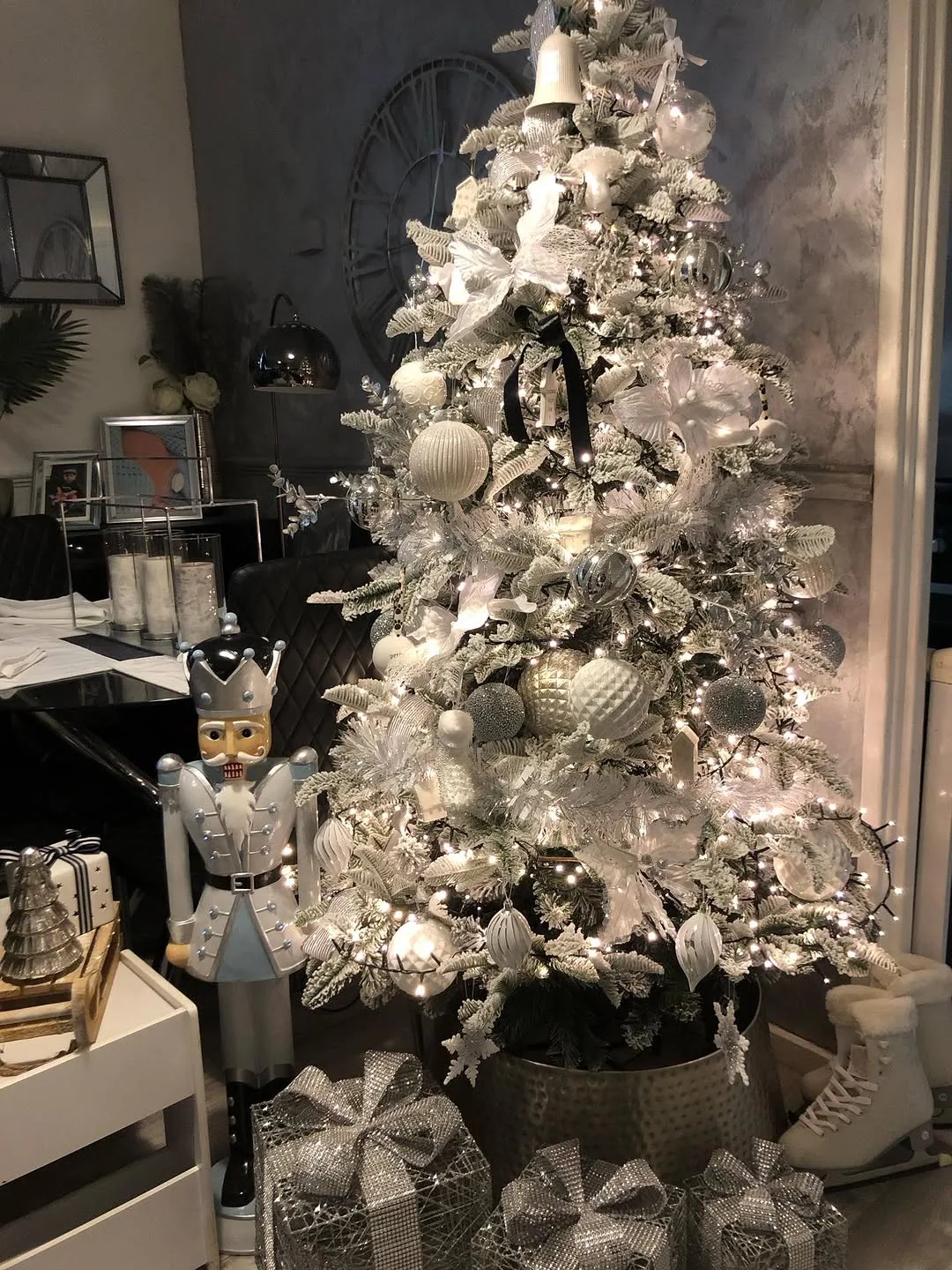
White and silver turns a tree into a quiet winter scene, calm and bright even on grey afternoons. Pale ornaments bounce daylight around the room, and silver sparkle reads as frost rather than glitter. Rooms that feel busy during December often settle down once a snowy tree stands in the corner, because the limited palette rests the eye.
Flocked branches give the strongest snow effect, though plain green trees work when you load them with white baubles, white ribbon, and clear pieces. Silver enters through baubles, beaded garlands, and slim icicle ornaments that hang and catch light as they turn. Keep roughly three quarters of the pieces white or clear, and let silver act as the accent rather than the main color.
Couples in modern flats and anyone decorating a smaller room usually enjoy this palette most, since pale colors make a tree feel lighter and less bulky. Bedrooms and calm sitting rooms suit it too. Households that find traditional red too loud often land here and keep the look for years.
One pretty version uses a slim tree beside a reading chair, dressed in white felt stars, clear baubles, and one strand of silver beads. Watch the temperature of your lights, because cool white bulbs can make the whole tree feel cold and blue. Warm white lights soften the snow effect and keep the corner inviting after dark.
Velvet bows in deep jewel tones
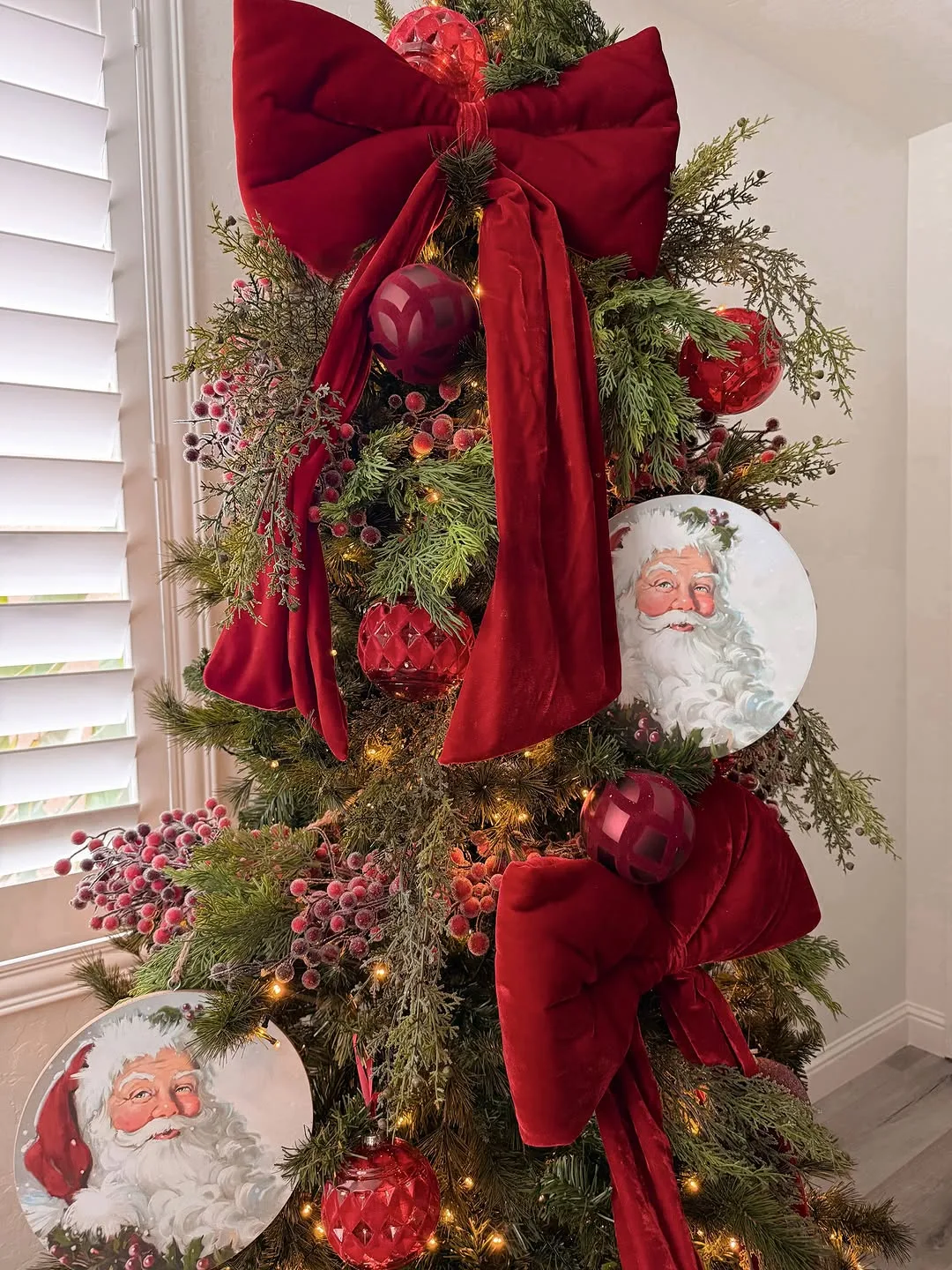
Velvet ribbon brings instant richness, and bows in emerald, burgundy, plum, and sapphire give plain trees a dressed up evening feel. Soft fabric balances hard shiny baubles, so trees look layered and finished rather than simply covered. Bows also fill wide gaps cheaply, which is why so many stylists lean on them when a tree looks thin.
Choose one jewel color or pair two that sit happily together, like burgundy with emerald or plum with gold. Cut ribbon into generous lengths, tie simple loops with long tails, and wire each bow onto a branch rather than hanging it. Plan on twelve to twenty bows for a six foot tree, spaced in a loose spiral from top to bottom.
Hosts who love evening gatherings and candlelit rooms tend to choose this look, because jewel tones deepen beautifully under warm light. Among christmas tree decor ideas, few change a plain tree faster or more completely. Dark painted walls and wooden furniture carry the colors well. Anyone bored with an all bauble tree often finds bows refresh the whole thing without replacing a single ornament.
Burgundy bows on a green tree with a few gold baubles nearby look especially rich, like wrapping on a present. Size is the usual mistake: tiny bows vanish among big branches and read as specks. Make each bow at least as wide as your hand, and let the tails hang long enough to move when someone walks past.
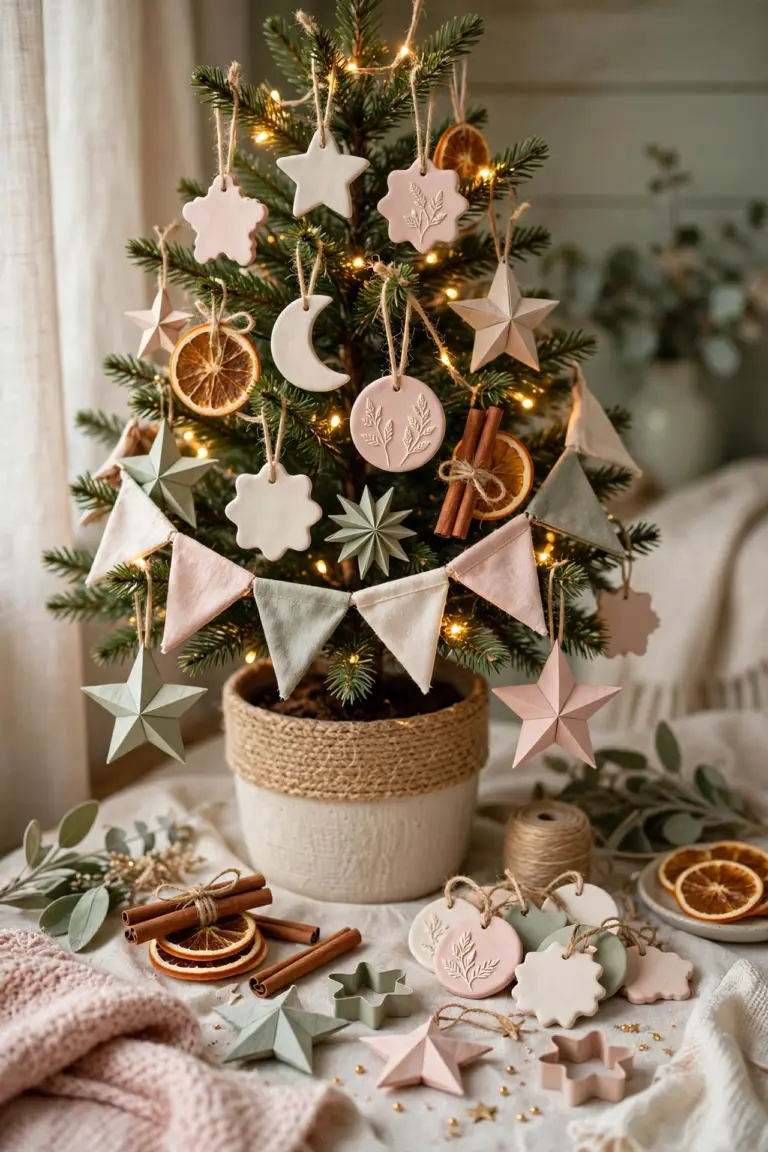
Dried orange slices and cinnamon sticks
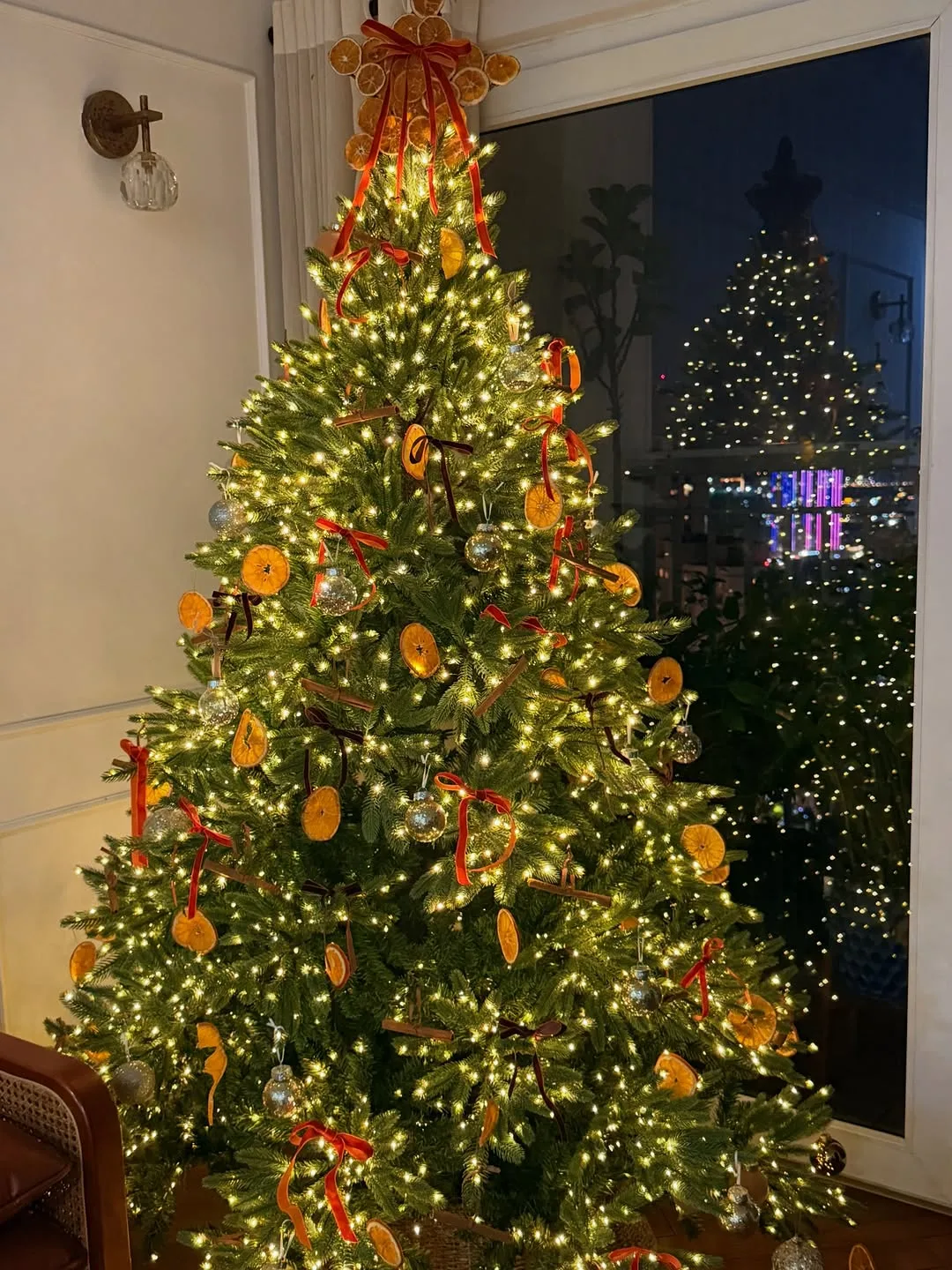
Dried oranges bring color that glows when lights shine behind the slices, and the whole tree gains a gentle spiced scent from cinnamon. Natural pieces soften plastic heavy trees and connect the decoration to the kitchen, where most December activity happens. Orange also warms up green branches without any glitter at all.
Slice oranges, dry the rounds slowly in a low oven until they feel firm and papery, then thread twine through a small hole near the rind. Bundle two or three cinnamon sticks with the same twine and a tiny sprig of rosemary or fir. Hang slices where a light sits behind them, and scatter roughly fifteen to twenty slices plus eight bundles over a family sized tree.
Country style homes, farmhouse kitchens, and open plan rooms where the tree stands near cooking space suit natural decorating best. Gardeners and bakers usually enjoy making the pieces as much as hanging them. Children can help thread twine, which turns decorating into an afternoon project rather than a chore.
Hang dried slices near the middle of the tree and save the lowest branches for wooden ornaments children can touch safely. Replace slices each year, because they darken and lose scent over time, and never rest them directly against hot bulbs. Led lights run cool and suit natural pieces far better than older warm bulbs.
Ribbon trails running down the tree
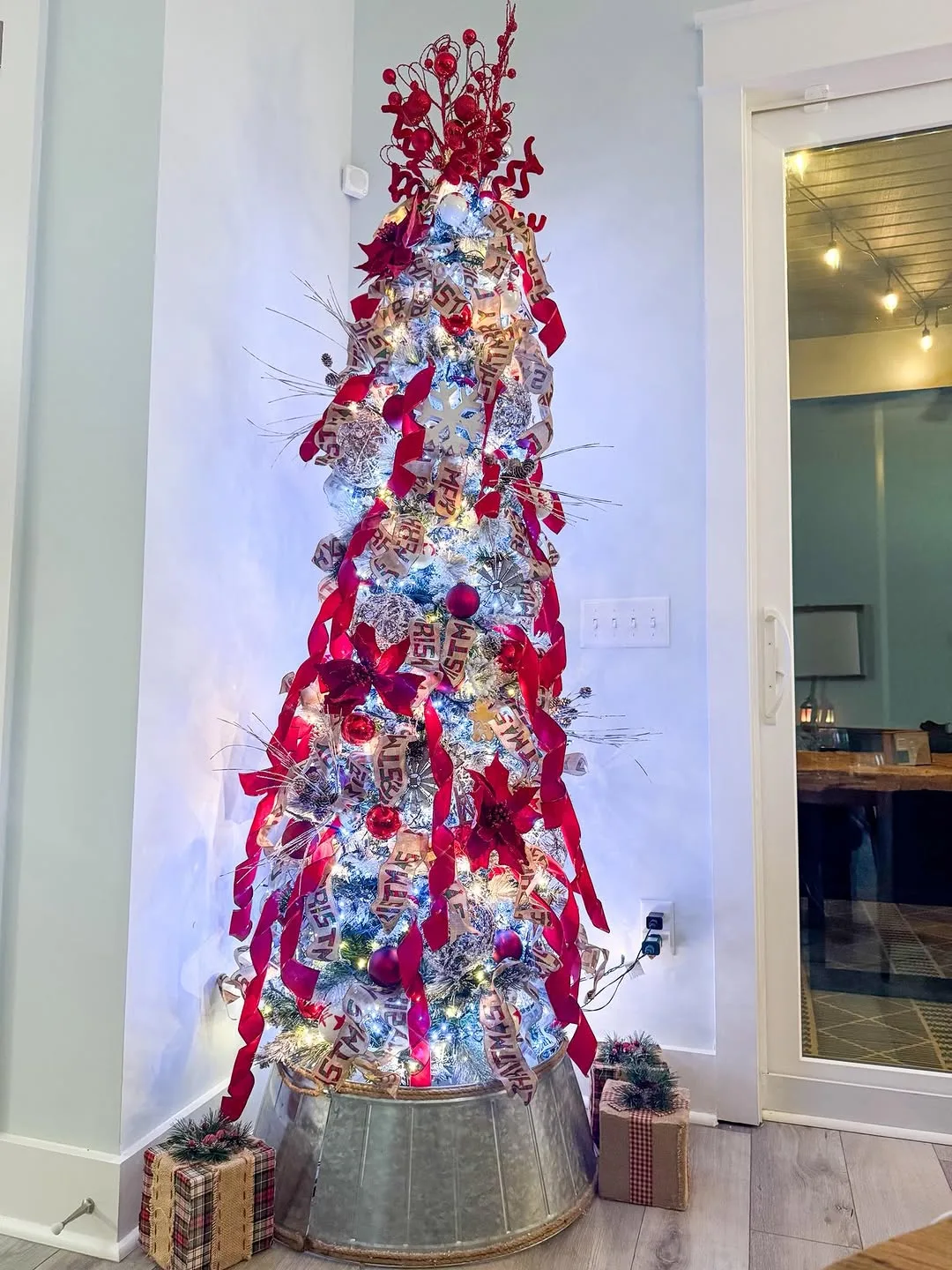
Ribbon trails give a tree movement, guiding the eye from the topper down to the skirt in long soft lines. Vertical trails also make short trees look taller, a handy trick in rooms with low ceilings. Many magazine trees rely on this single technique, and most christmas tree decor ideas with a formal feel start with ribbon before a single bauble appears.
Cut wired ribbon into lengths of roughly one metre, one for every thirty centimetres of tree height, and tuck the top of each length deep near the trunk. Let the ribbon billow out and tuck it in again lower down, creating soft waves rather than straight lines. Wired edges hold the curves, so spend a little more on ribbon with wire inside both edges.
Formal sitting rooms and tall trees in hallways show trails at their best, because height gives the ribbon room to fall. Anyone with a plain bauble collection can transform the whole tree with ribbon alone, no new ornaments needed. Choose one ribbon color that echoes curtains, cushions, or the tree skirt for a pulled together result.
Work from the top down and step back after every two trails, checking the spacing stays even around the trunk. Sagging ribbon is the common failure, and it almost always means the ribbon lacks wire or the tucks sit too far apart. Tuck every twenty centimetres or so, and the waves will hold all season.
Wooden bead garlands in soft loops
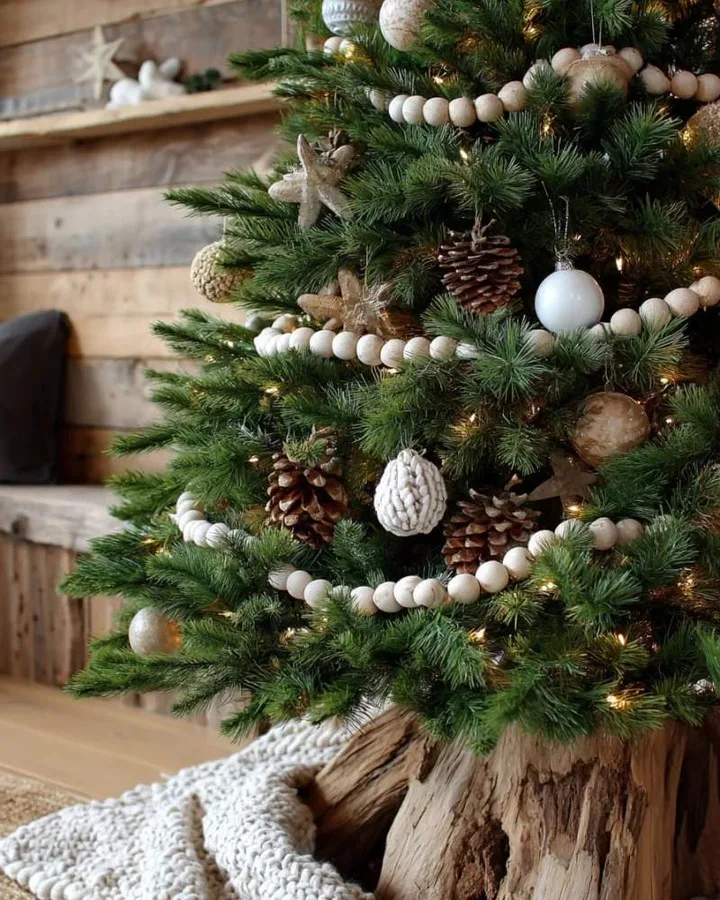
Wooden beads add texture that shiny baubles cannot, giving trees a handmade calm that suits slow December evenings. Natural wood tones warm up green branches and pair with almost every color scheme already in your box. Bead garlands also drape beautifully, falling in soft loops that fill the wide spaces between branch layers.
Loop the garland loosely around the tree in three or four swags, letting each swag dip gently rather than pulling tight against the branches. Natural beech or pale pine beads keep the look light, while walnut tones read richer against dark green. One garland of roughly four to five metres usually covers a six foot tree when you drape rather than wrap.
Scandinavian style rooms, calm neutral homes, and anyone cutting back on plastic decoration tend to love this look. Beads suit real trees especially well, since both materials come from wood and share the same natural feel. Pair them with linen, wool, and paper pieces for a tree that feels gathered rather than bought.
Drape beads above a layer of warm lights and below a handful of cream felt ornaments for a restful finish. Weight is the caution here: chunky beads can drag thin branch tips downward over a few days. Rest loops on stronger inner branches, and check the lowest swag after a day or two.
Photo ornaments of family memories
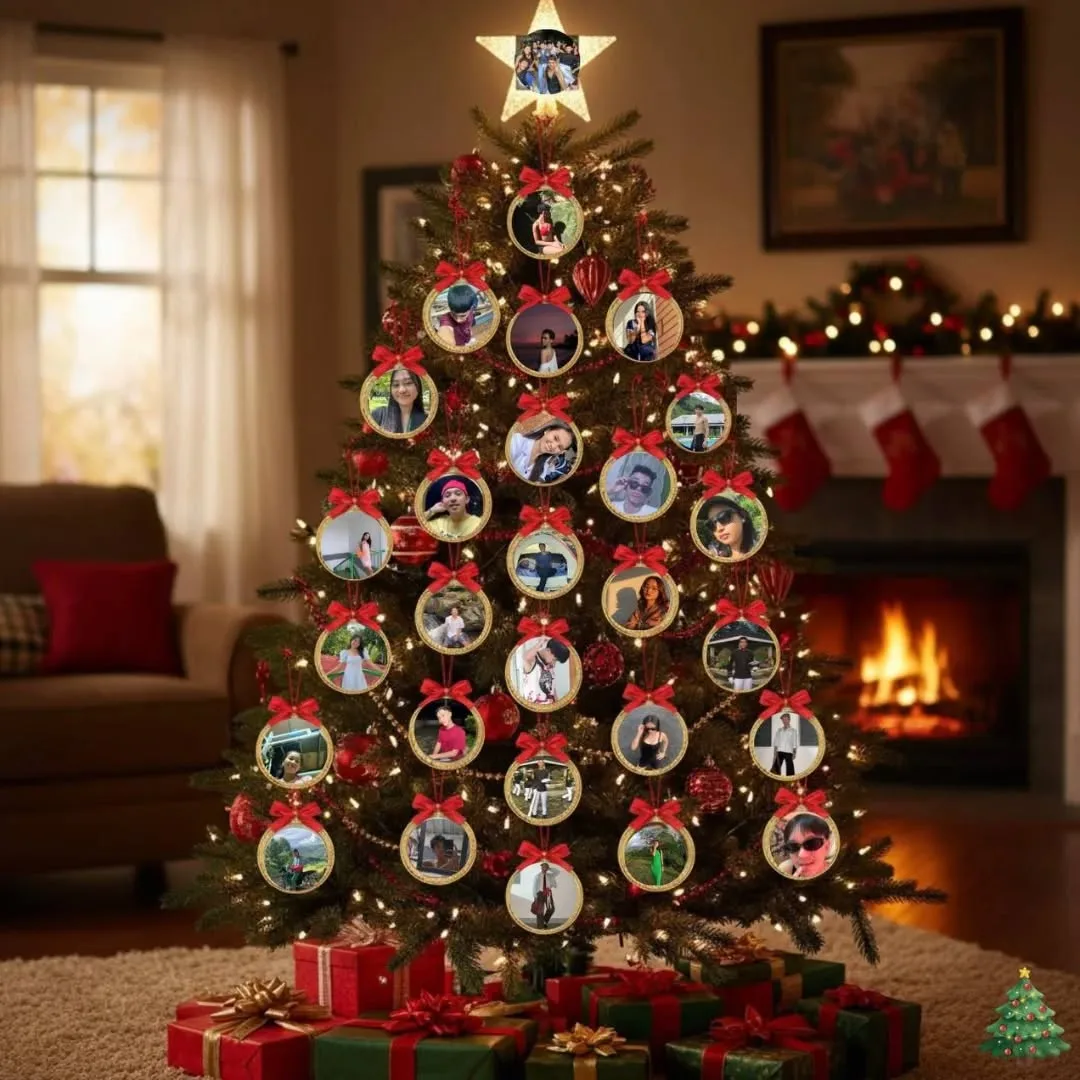
Photo ornaments turn a tree into a family album, and guests always stop to look closer. Faces from past Christmases, holidays, weddings, and baby pictures give the tree meaning no shop bought set can match. Many christmas tree decor ideas chase beauty alone, while this one builds a tradition children ask about every single year.
Print small photos in squares, slip them into mini frames, clear baubles, or clip them to branches with tiny wooden pegs. Sepia or gentle colour prints blend better than harsh glossy ones among green branches and warm lights. Mix roughly one photo for every four plain baubles, so faces stay special rather than overwhelming the tree.
Grandparents light up at this tree, and children love spotting themselves growing year by year. Family rooms and living rooms where people actually sit and talk suit photo trees far better than formal hallways. Anyone who lost a loved one often finds comfort in giving them a place on the tree each December.
Mix one wedding photo, one baby photo, and one silly holiday snapshot into each side of the tree, then fill around them with gold baubles. Glare is the small trap: frames angled toward windows bounce light and hide the picture. Tilt faces slightly downward and away from bright windows, and every photo stays readable.
Pastel candy colored tree
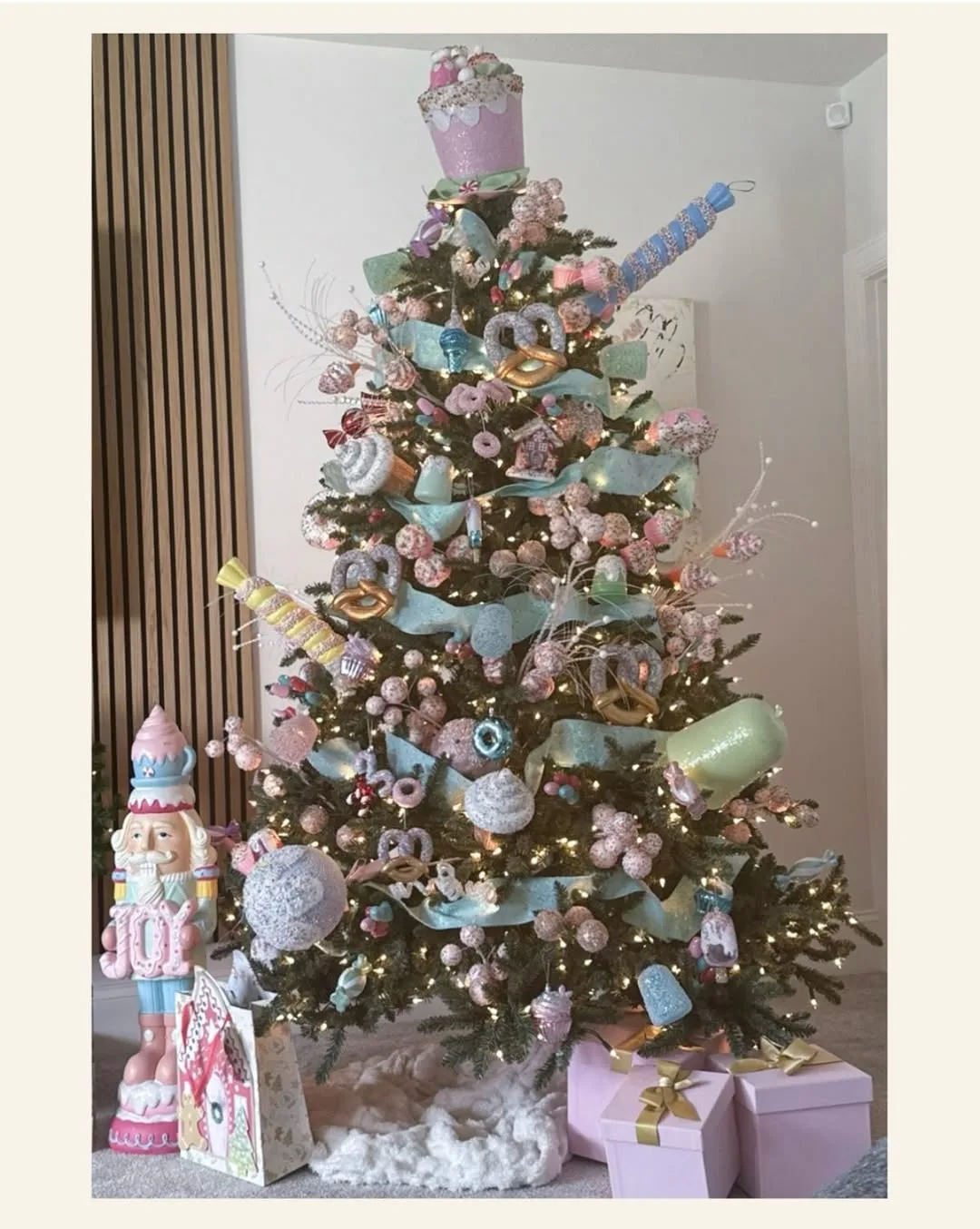
Pastel trees feel like a sweet shop window, soft pink, mint, lilac, and baby blue floating among pale branches. Younger decorators often start here, though the look charms any room that needs lightness during dark winter weeks. White or pale flocked trees carry pastels best, because green branches can fight the soft colors.
Pick three pastels at most and repeat them evenly, adding white baubles as a calm base between the colors. Candy shapes, lollipop picks, and cupcake ornaments suit the theme, though plain pastel baubles look sweeter and less themed. Metallic touches should stay silver or pearl, since gold warms the palette and can turn pastels muddy.
Bedrooms, dressing rooms, and small trees for children carry this look happily, and a pastel tree photographs beautifully for anyone who shares their home online. Teenagers decorating their first own tree often choose these colors. Nurseries suit a tiny pastel version placed safely out of reach.
Cotton candy pink baubles with mint ribbon on a white tabletop tree make a gentle night light corner for a child bedroom. Too many colors is the mistake that ruins the idea, because five or six pastels together look like a toy box spill. Hold the line at three colors plus white, and the tree stays dreamy.
Plaid ribbons and burlap accents
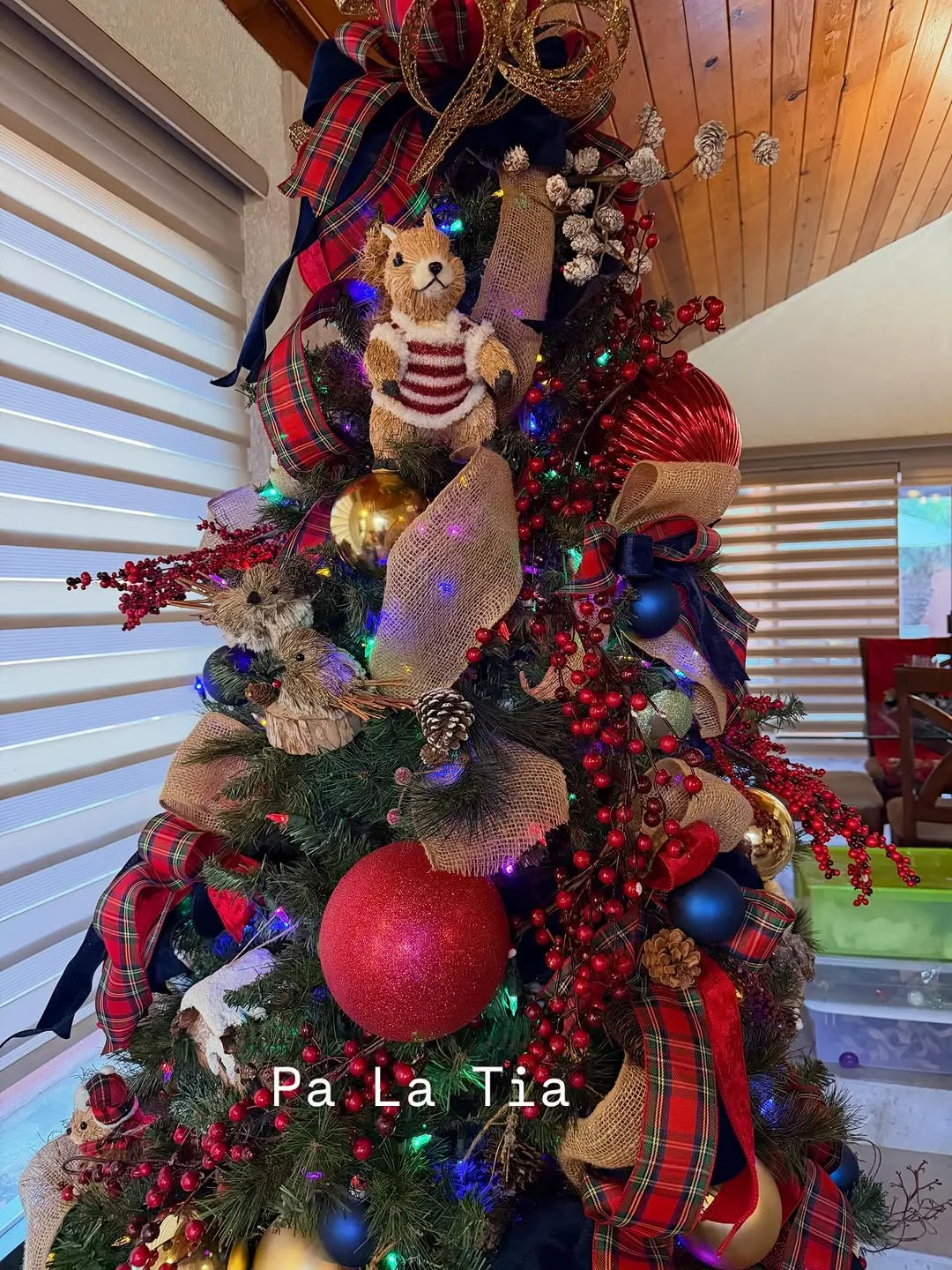
Plaid and burlap bring the log cabin feeling home, cozy, layered, and relaxed about perfection. Red plaid ribbon does most of the work, flashing pattern through the branches, while burlap softens the base and adds honest texture. Pinecones and wooden ornaments complete a tree that smells and looks like a winter walk.
Wrap a burlap garland or wide burlap ribbon loosely around the tree first, then weave plaid ribbon in the opposite direction so the two cross naturally. Add plaid bows at the tips of strong branches, roughly ten to fifteen on a family tree. Pinecones, cinnamon bundles, and red berries tuck into gaps and keep the woodland story going.
Cabins, farmhouses, and homes with leather chairs, wool throws, and wooden beams suit this tree perfectly. Anyone hosting a relaxed Christmas with board games and big dinners usually prefers it over formal looks. Dogs and children fit the forgiving style too, since nothing here needs careful handling.
Layer plaid ribbon over a tree skirt of plain burlap and stack wrapped parcels in brown paper beneath for a complete corner. Burlap sheds tiny fibres, so shake garlands outdoors before decorating and keep them away from delicate silk ornaments. Vacuum the floor after decorating day, because fibres travel surprisingly far on socks and sleeves.
Clear ornaments with warm white lights
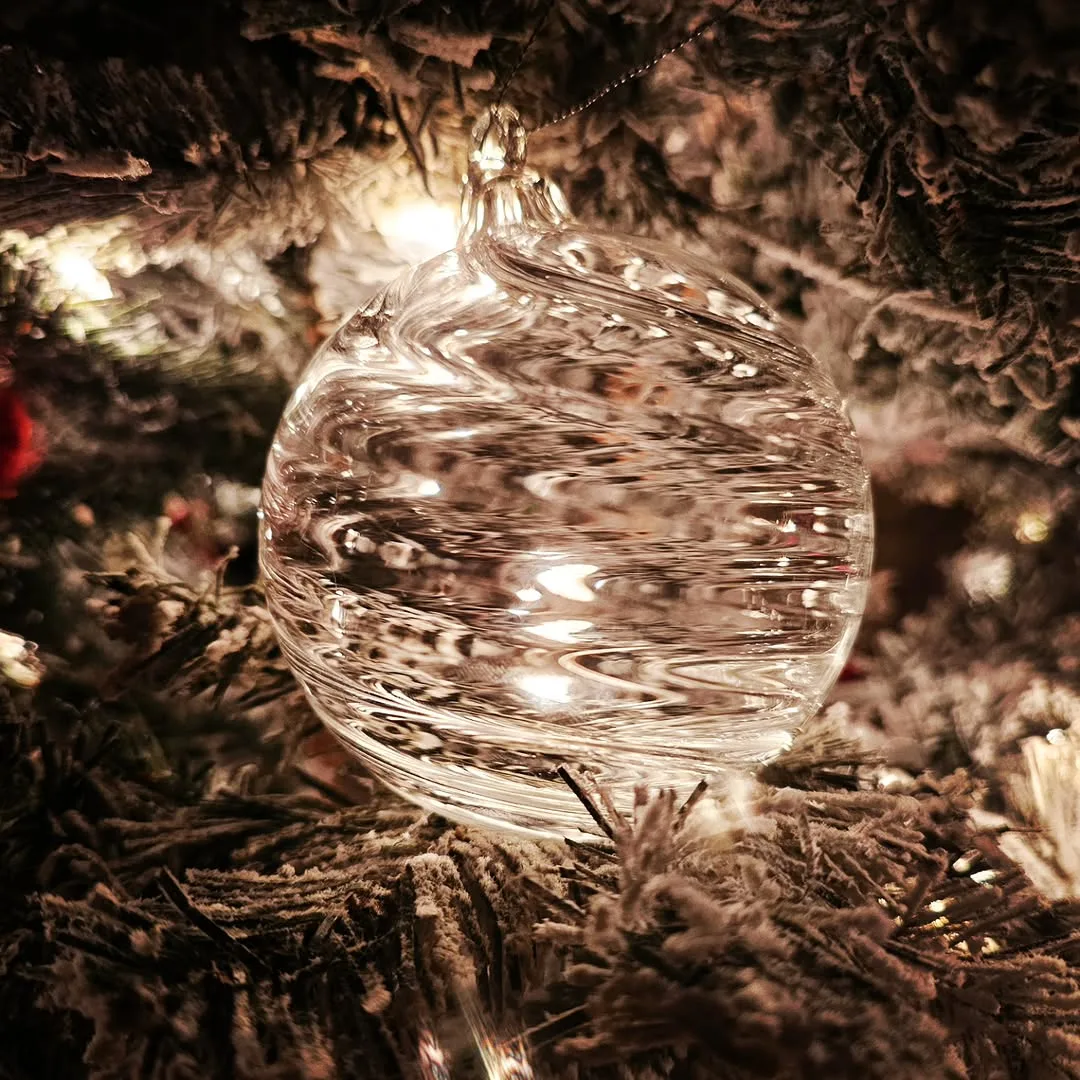
Clear ornaments act like drops of water on the branches, catching warm light and throwing it around the room without adding color. Glass and clear acrylic pieces suit any existing scheme, which makes them the easiest way to stretch a small ornament collection. Quiet rooms gain sparkle without gaining visual noise.
Fill clear baubles with a pinch of fake snow, tiny feathers, curled ribbon, or a single sprig of dried flowers for gentle variety. Hang the largest clear pieces deep near the trunk, where lights behind them create a glowing lantern effect. Keep other colors minimal nearby, maybe soft gold or cream, so the clear pieces stay the stars.
Small rooms and tabletop trees benefit most, because clear decoration adds shine without visual weight or dark color. Anyone with a calm neutral space, from a spare room to a studio corner, can use this look without clashing with existing furniture. Evening light matters here, since clear ornaments truly perform once lamps come on.
Group three clear baubles at different heights near a cluster of lights for a bright focal point on each side. Fragility is the caution: glass pieces and excited toddlers or large dogs mix badly. Choose acrylic versions for the lower half of the tree and save real glass for the top.
Oversized bow as a tree topper

Oversized bows make a confident topper, replacing stars and angels with soft height and long flowing tails. One generous bow draws the eye upward and finishes trees that otherwise feel unfinished at the top. Velvet, plaid, and wired satin all work, and the tails can trail down through the upper branches like ribbon.
Tie a bow with loops roughly as wide as the top of the tree, using wired ribbon so the loops hold their shape for weeks. Leave tails of sixty to ninety centimetres, and wire the bow firmly to the top branch or the central pole of an artificial tree. Choose a color already used lower down, or introduce one rich accent and repeat it in two or three bows below.
Plain trees with simple bauble sets gain the most, because the topper supplies the drama the rest of the tree skips. Homes without a treasured heirloom topper can start a new tradition here, and bow toppers store flat in a drawer afterward. Tall narrow trees look especially elegant under a bow with long tails.
Secure the bow before hanging fragile ornaments nearby, so wobbling the top branch risks nothing breakable. Weight causes the classic failure: a bow tied only with its own ribbon slowly slides sideways over a few days. Twist a pipe cleaner or floral wire around the branch as an anchor, and the bow stays proud all season.
Vintage ornaments mixed with new
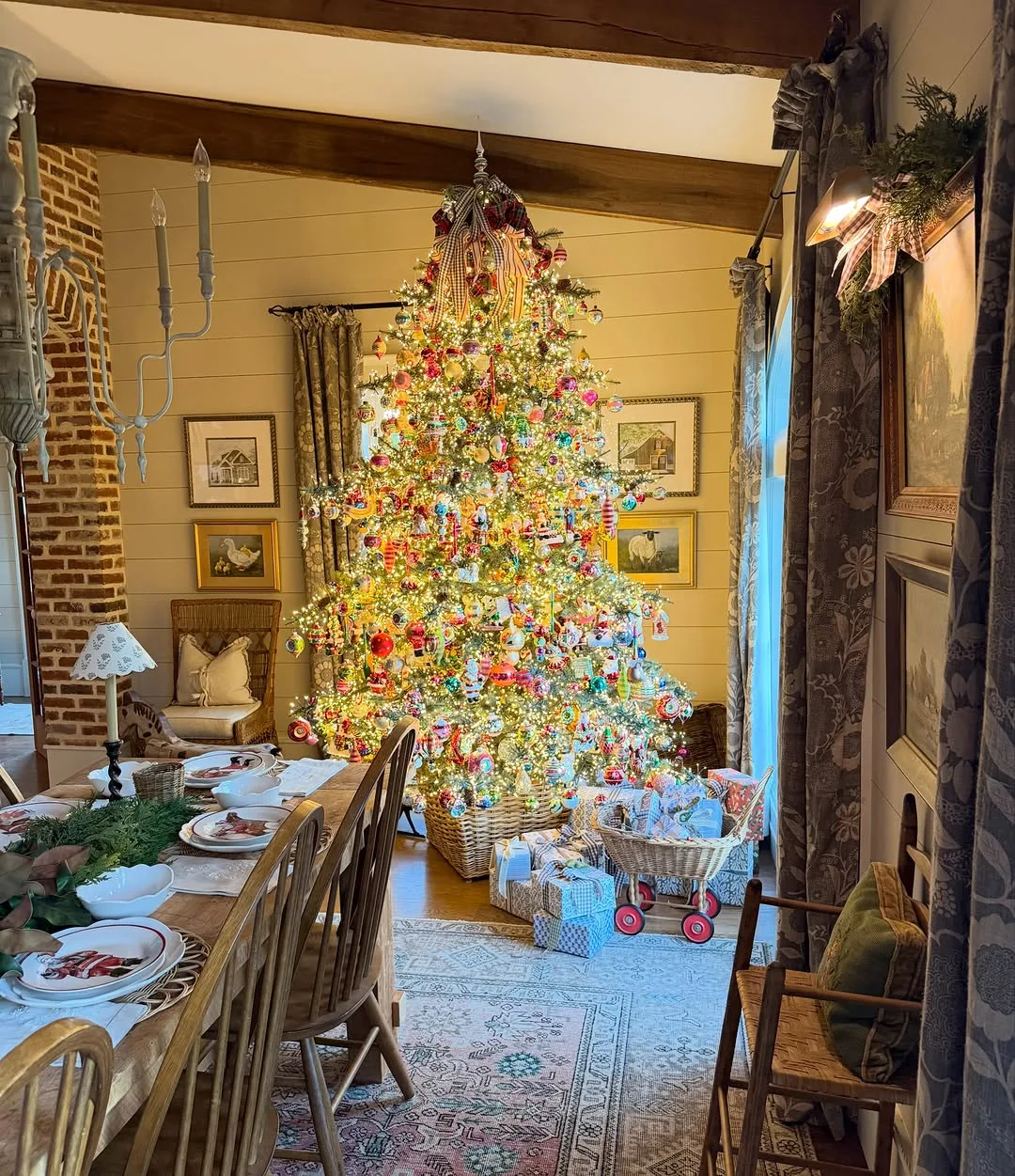
Vintage ornaments carry stories, chipped paint, faded gold, shapes nobody makes anymore, and mixing them with new pieces keeps those stories alive. Old glass reflects light differently, softer and deeper, so trees gain character that uniform sets cannot give. Plenty of christmas tree decor ideas start in a charity shop box rather than a department store, and this one rewards slow collecting.
Hunt charity shops, market stalls, and family boxes in the attic for mercury glass baubles, old bells, and hand painted pieces. Support fragile finds with new plain baubles in matching tones, so the vintage stars shine against a calm background. Hang delicate pieces high and deep, where sleeves and tails cannot brush them during the season.
Collectors and sentimental families choose this tree, often adding one or two finds each year. Older homes with layered furniture and patterned rugs carry the mix naturally. Grandparents frequently hand pieces down, and a tree that holds three generations of ornaments becomes a family landmark.
Spread vintage pieces evenly around the tree, one on each side and at several heights, rather than clustering them where you unpacked first. Clustering is the common mistake, leaving one magical patch and three plain ones. Handle old glass by the cap rather than the body, because aged paint flakes under warm fingers.
Paper stars and snowflakes tree
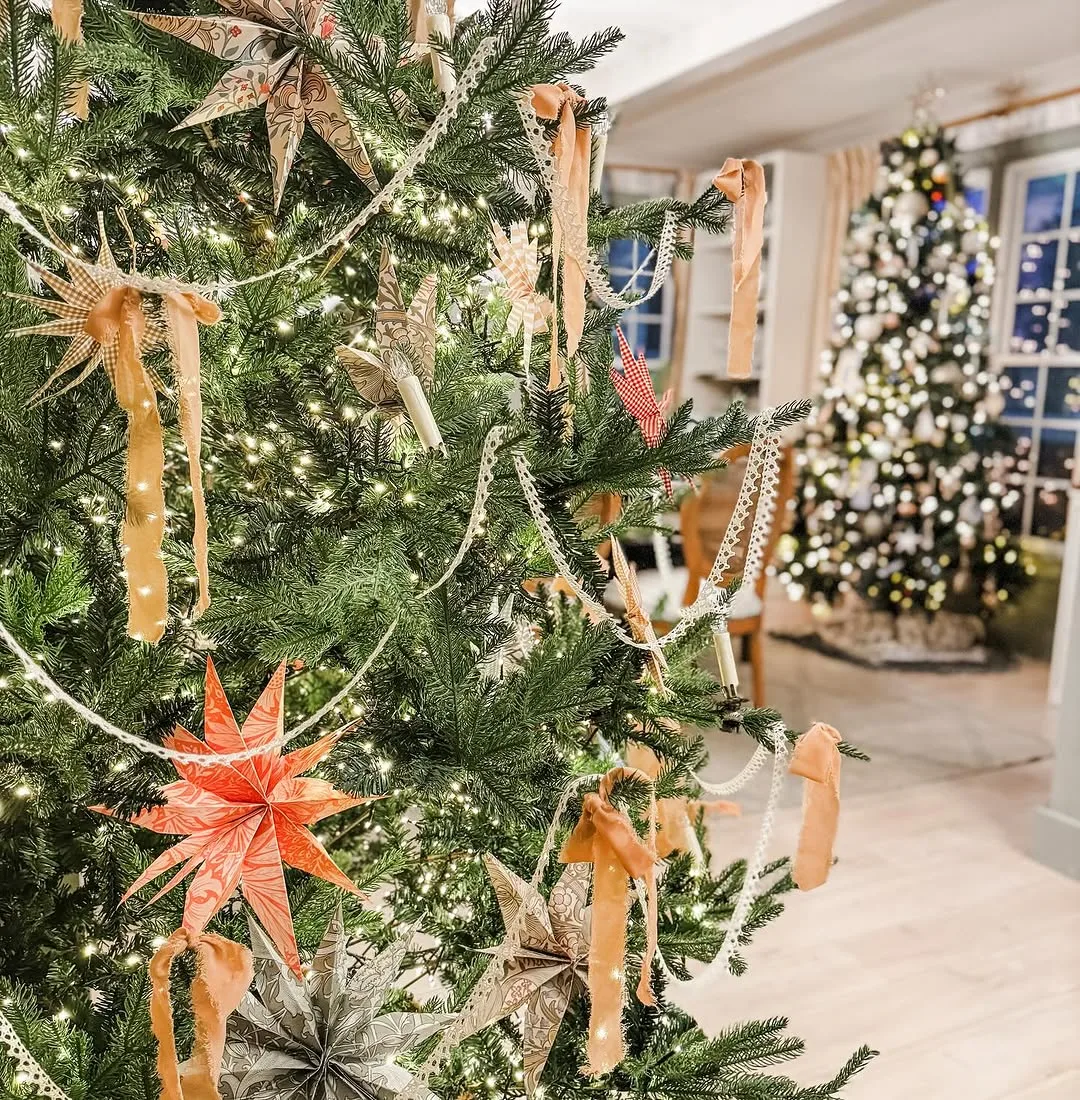
Paper decorations weigh almost nothing, cost very little, and fill a tree with handmade charm that guests always ask about. White stars and snowflakes glow against dark green branches, and paper catches light softly without any sparkle at all. Families often make the pieces together, which turns decorating into a craft afternoon.
Fold stars and snowflakes in three sizes, from palm sized pieces for the outer tips to large statement stars near the top. White paper reads snowy and calm, while brown kraft paper feels warm and rustic against green. Thread pieces with cotton string and hang roughly thirty to forty across a six foot tree for a full effect.
Beginners decorating a first tree love this look, because mistakes cost nothing and replacements take minutes. Classrooms, craft rooms, and children play areas suit paper trees, since every piece is safe and light. Anyone aiming for a plastic free Christmas usually starts with paper and adds wood and fabric.
Hang the largest star slightly below the topper and let sizes shrink as branches descend, like snow settling unevenly. Heat is the one real caution: paper must never rest against hot bulbs, so use led lights and keep a small gap around each fitting. Paper near candles on nearby shelves deserves the same care.
Black and white graphic tree
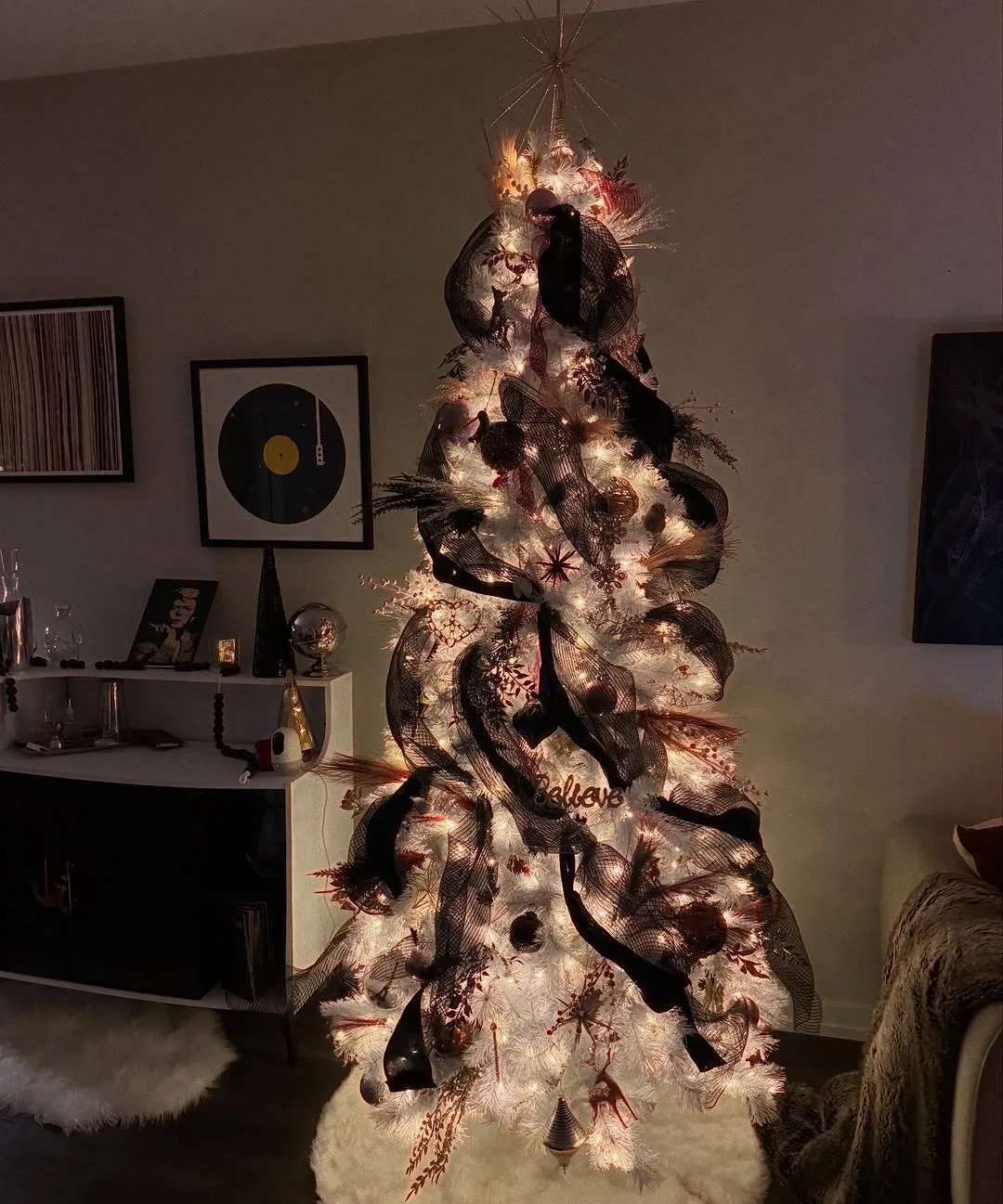
Black and white makes a bold graphic statement, stripes, spots, and strong contrast that reads clearly from across the room. Monochrome trees photograph sharply and suit homes where red and gold would clash with the furniture. Under warm lights the look softens from harsh to smart, like a tailored outfit.
Alternate black and white baubles evenly, then add striped ribbon or polka dot pieces for pattern. White pieces should slightly outnumber black ones, roughly three to two, so the tree stays bright rather than gloomy. Silver or clear accents bridge the two colors, and a white tree skirt keeps the base crisp.
Modern apartments, design minded homes, and anyone hosting a stylish New Year gathering under the same tree choose this look for its confidence. Teenagers often love the bold contrast of it. Rooms with black furniture, white walls, or monochrome art carry the scheme without any other changes.
Soften one side with a strand of warm lights woven deeper than usual, and the contrast gains a golden glow at its heart. Too much black is the usual failure, swallowing light and making the tree read as a dark cone. When in doubt, swap one black bauble for white and step back to judge again.
Lower branches decorated by kids
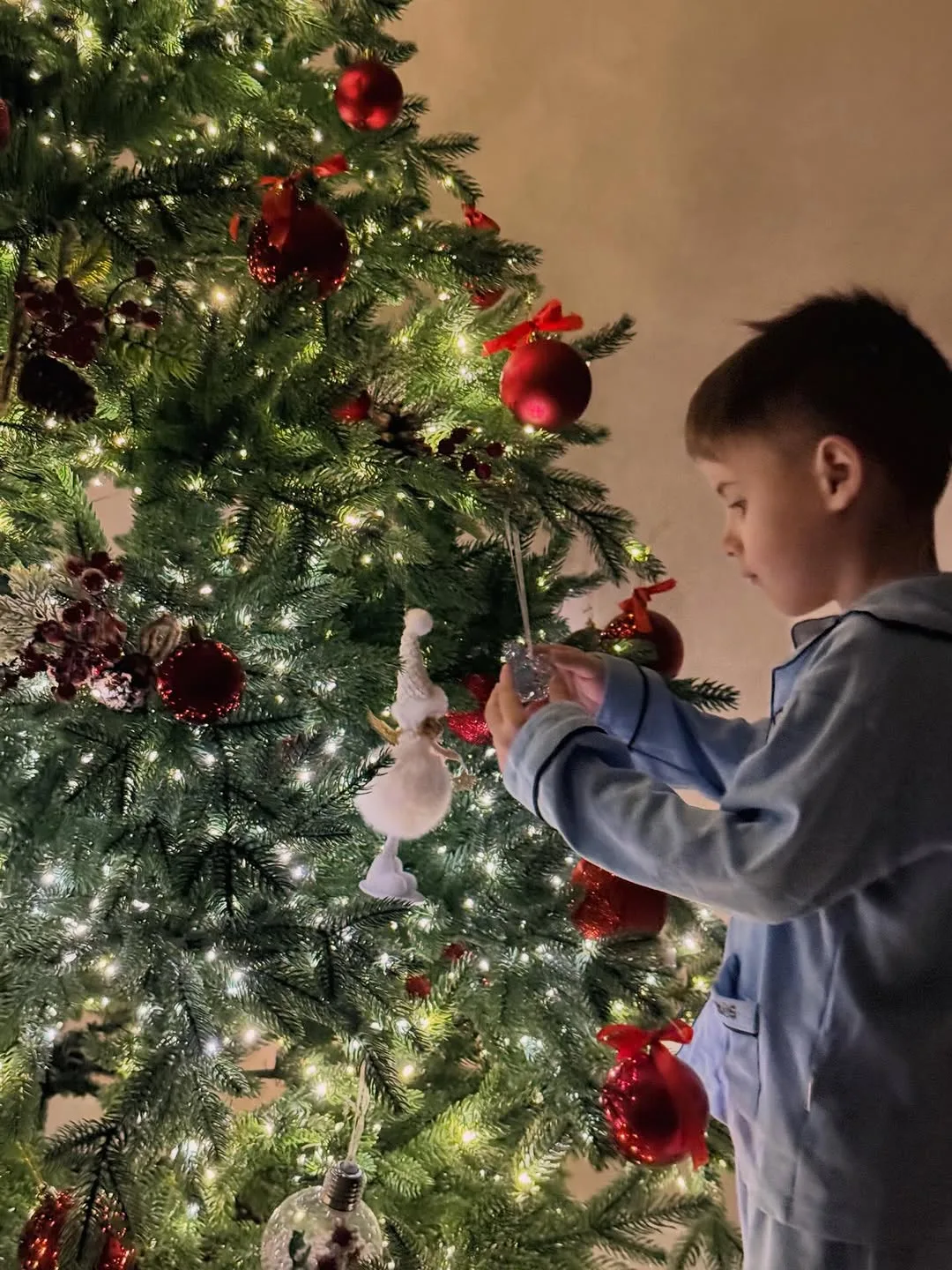
Lower branches belong to children in many homes, a zone where small hands hang their own treasures at their own height. Felt animals, wooden figures, and school made decorations live proudly at knee level, while grown up pieces stay safe above. Everyone gets a part of the tree, and nobody spends December saying careful every five minutes.
Choose unbreakable pieces for the bottom third: felt, wood, fabric, and sturdy plastic in bright colors children love. Add a few bells that jingle when small hands brush past, which delights toddlers and warns adults where little decorators are working. Keep hooks soft or use ribbon loops instead of wire for the pieces children hang themselves.
Toddlers and preschoolers gain the most, because the tree includes them rather than excluding them behind warnings. Grandparents hosting little visitors often set this up before the family arrives. The rest of the tree keeps any style you like, since a playful base pairs happily with classic, natural, or snowy looks above.
Let children arrange their zone completely, then resist fixing it when they step back, because pride matters more than spacing. Expecting adult tidiness is the mistake that spoils the fun and the photo you will treasure later. Small parts need one safety check though: keep tiny pieces and button like decorations away from children under three.
Common Mistakes to Avoid When Decorating a Tree
Many christmas tree decor ideas fall apart for one simple reason: everything goes on in a single rushed pass. Ornaments land where hands reach, the back stays bare, lights tangle over baubles, and the tree ends up lopsided without anyone noticing until the boxes are packed away. Slow rounds, one layer at a time, prevent nearly every decorating disappointment families describe.
Overloading the outer tips while the inner branches stay empty creates a decorated shell around a dark hollow tree. Heavy baubles bend weak tips downward, and crowded clusters hide your prettiest pieces behind each other. Push large ornaments inward, hang heavy pieces on strong branches near the trunk, and leave breathing room around special ornaments so each one earns its place.
Finally, skipping the step back check ruins more trees than any wrong color choice. Decorators stand close for an hour, nose nearly in the branches, and never see the bald patch at sitting height or the spiral that drifted sideways. Walk to the doorway every fifteen minutes, sit in the usual chairs, and judge the tree the way guests will see it.
Budget Friendly Ways to Decorate a Christmas Tree
Smart planning keeps christmas tree decor ideas affordable, because the most effective layers cost the least. Ribbon, paper, dried fruit, and wooden beads all fill space for a fraction of the price of boxed glass baubles. Decide your look first, list the layers it needs, and buy only those pieces instead of collecting random pretty things that fight each other.
Handmade fillers stretch a small budget furthest. Paper stars, popcorn strings, dried orange slices, and pinecones gathered on walks cost almost nothing yet cover huge areas of branch. Children can help make them, which turns the cheapest option into the most memorable one. Spend the saved money on one good set of warm led lights, because lighting quality shows more than ornament quantity.
Shop second hand before buying new, since charity shops and market stalls overflow with baubles every autumn at tiny prices. Swap a box of ornaments with a friend for a fresh color mix without spending anything, and store January sale finds for next year. Keep a short list on your phone of gaps in your collection, so sale shopping fills real needs.
Tree Decorating Tips That Make It Look Fuller
Fluff every branch before anything else. Spend ten minutes pulling artificial branches apart and shaping each tip upward and outward. Flat packed branches leave wide gaps that no ornament can hide, and fluffing alone can double how full a tree looks before a single bauble appears.
Decorate in layers, always. Lights first, then garlands or ribbon, then large ornaments, medium ones, small ones, and fillers last. Each layer has a job, and skipping ahead tangles everything. Working in order also shows you exactly where the bare patches hide while fixing them is still easy.
Use odd numbers for groupings. Clusters of three or five ornaments please the eye more than pairs, which can look stiff and matched. Group similar pieces at different heights near each other rather than scattering singles everywhere. Odd clusters create the relaxed rhythm that makes trees look professionally arranged.
Step back and squint often. Stand at the doorway and squint slightly, and the gaps and heavy patches jump out clearly while fine details blur away. Turn the tree a quarter turn if it stands in a corner, or walk around it fully in the middle of a room. Fix balance at every layer, not only at the end.
Fill gaps with cheap texture. Berries, pinecones, ribbon loops, paper stars, and small bows cover bare spots faster than extra baubles and cost far less. Push fillers slightly deeper than the surrounding ornaments to build depth. Keep a small basket of fillers beside you while decorating so gap filling becomes a habit.
Match your lights to your palette. Warm white lights flatter red, gold, jewel, and natural looks, while cool white suits snowy and monochrome trees. Mixing bulb tones on one tree looks accidental, so test a strand against your ornaments before committing. One consistent glow ties the whole scheme together.
Keep one clear colour story from topper to skirt, and even a modest tree will look deliberate and generous. Fullness is mostly patience and placement rather than money, and every year your eye gets better at spotting the gaps early. Trust the layers, step back often, and let the tree come together round by round.
FAQ
How many ornaments does a six foot tree need?
Most six foot trees look full with roughly sixty to eighty ornaments spread across large, medium, and small sizes. Large pieces number around twelve, mediums around thirty, and smalls fill the rest, though ribbon, garlands, and fillers reduce the count you need. Count layers rather than pieces, because a tree with good fillers needs fewer baubles.
Should lights go on before ornaments?
Lights belong on the tree first, always, because winding strands over finished ornaments knocks pieces down and tangles wires around hooks. Start near the trunk at the bottom, weave out to the tips and back, and work upward in sections. Step back with the lights on before adding anything else, and fix dark patches while the branches are still bare.
How do I stop my tree looking bare near the trunk?
Push your largest ornaments deep into the tree so they sit close to the trunk and fill the inner darkness. Reflective finishes help most inside, because they bounce light from the inner strands outward. Add a garland or ribbon layer wound near the trunk as well, and the hollow center disappears behind color and shine.
Can I mix gold and silver on one tree?
Yes, mixing metals works when one leads and the other supports, roughly three pieces of the main metal for every one of the second. Warm schemes suit gold leading with silver sparkle, while snowy schemes suit the reverse. Keep both metals in similar finishes, either both shiny or both brushed, so the mix looks chosen rather than accidental.
What colors suit a small tree in a small room?
Light palettes suit small rooms best, because pale colors add shine without visual weight or dark bulk. White, silver, clear, and one soft accent like blush or pale gold keep a tabletop tree bright against a wall. Limit the scheme to two or three colors, and a small tree will look jewel like rather than crowded.
How do I keep a real tree looking fresh longer?
Water is the whole secret, so stand the tree in a holder that carries plenty of it and check the level every morning. Keep the tree away from radiators and fires, because heat dries needles fast and dulls the green. Saw a thin slice off the trunk base before standing the tree, and fresh wood drinks far better than a sealed cut.
Conclusion
Whatever look you love, from classic red and gold to soft paper stars, the same habits make it succeed: layers, patience, and even spacing. Christmas tree decor ideas are simply starting points, and your own boxes, memories, and rooms should bend every idea toward your family. Choose one scheme, gather its layers, and decorate slowly with people you like nearby.
Begin with the tree you already own and the ornaments already in your cupboards, because most schemes need only one or two additions to feel new. Ribbon refreshes baubles, paper refreshes everything, and a new topper can change the whole mood for the price of a coffee out. Small changes, honestly chosen, beat a full new set bought in a rush.
Enjoy the process as much as the result, since decorating day becomes one of the memories the tree holds. Put music on, keep drinks warm, let children own the lower branches, and stop when the tree makes you smile from the doorway. A tree that makes the room happier has done its whole job, whatever the magazines say.