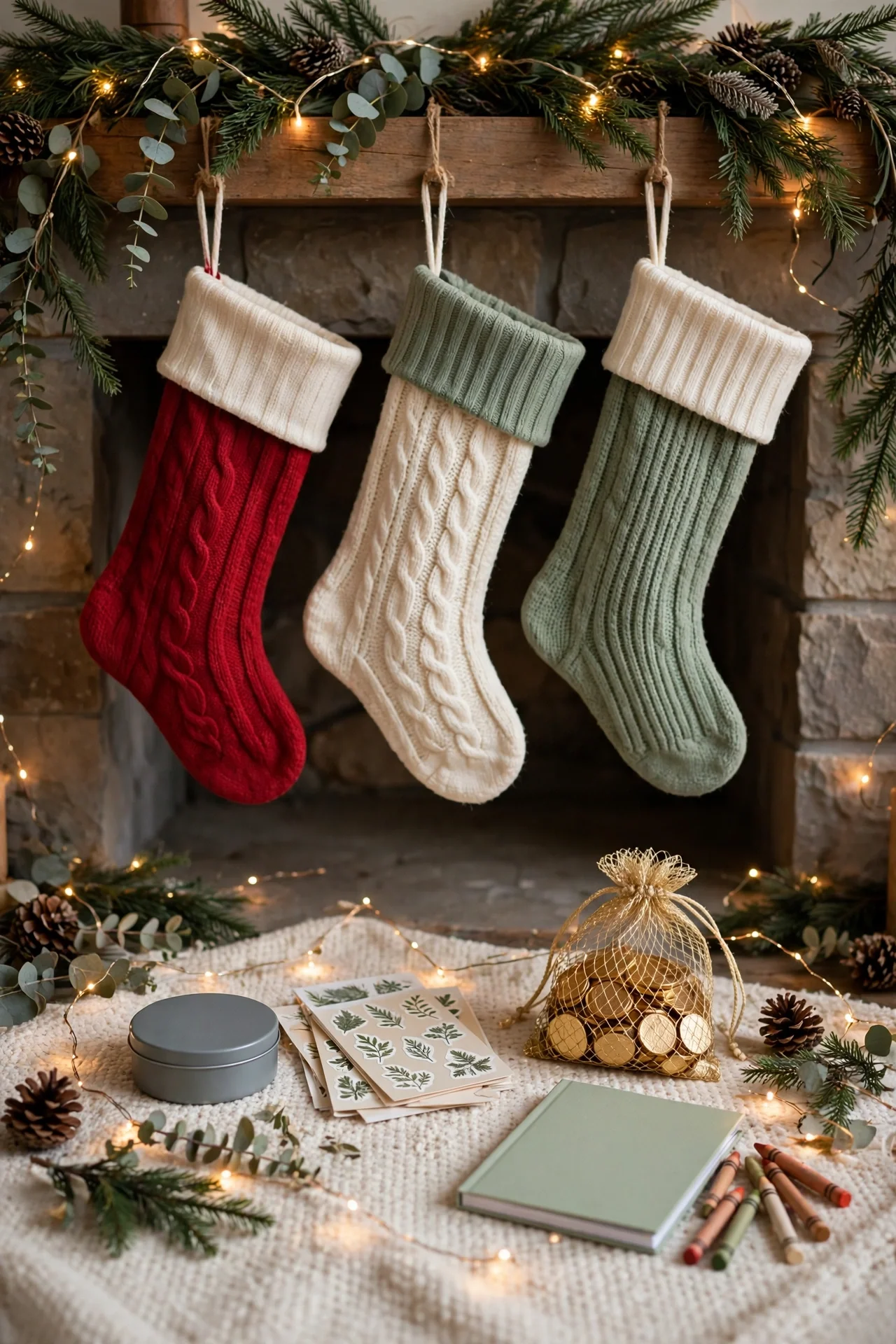
15 Christmas Stocking Stuffer Ideas for Kids
Stockings look small, yet they shape Christmas morning in a big way. Children often open them first, half awake and full of excitement, before the larger gifts get any attention. Parents want that first burst of joy to feel thoughtful, not random, and they want the little things inside to last longer than breakfast.
Parents also feel pressure to fill every corner, and shops make that pressure worse with bins of tiny plastic toys near the checkout. Good christmas stocking stuffer ideas for kids solve the real problem: small size, real use, safe materials, and a price that leaves room for the main gift. Calm planning beats a crowded basket every time.
Inside the guide, you will find fifteen small gifts that children can use, wear, read, play with, eat, or enjoy during quiet moments. Each idea includes the ages it suits best, simple buying details, one clear example, and one caution worth knowing before you spend money. Simple choices, chosen well, make a stocking feel generous without waste.
What are good stocking stuffers for kids that are not junk?
Good christmas stocking stuffer ideas for kids share four traits: children understand them at once, use them beyond Christmas morning, carry them easily, and enjoy them without adult help every five minutes. Coloring books, socks, mini puzzles, bath letters, lip balm, and card games all pass that test because they join daily life quickly and quietly.
Picture a seven year old who finds a small puzzle, funny socks, chocolate coins, and a coupon for choosing Friday movie night. Each item has a job, a moment, or a taste she will remember. Nothing in that stocking needs batteries, storage bins, or a parent reading long instructions before coffee.
Pocket coloring book and crayons
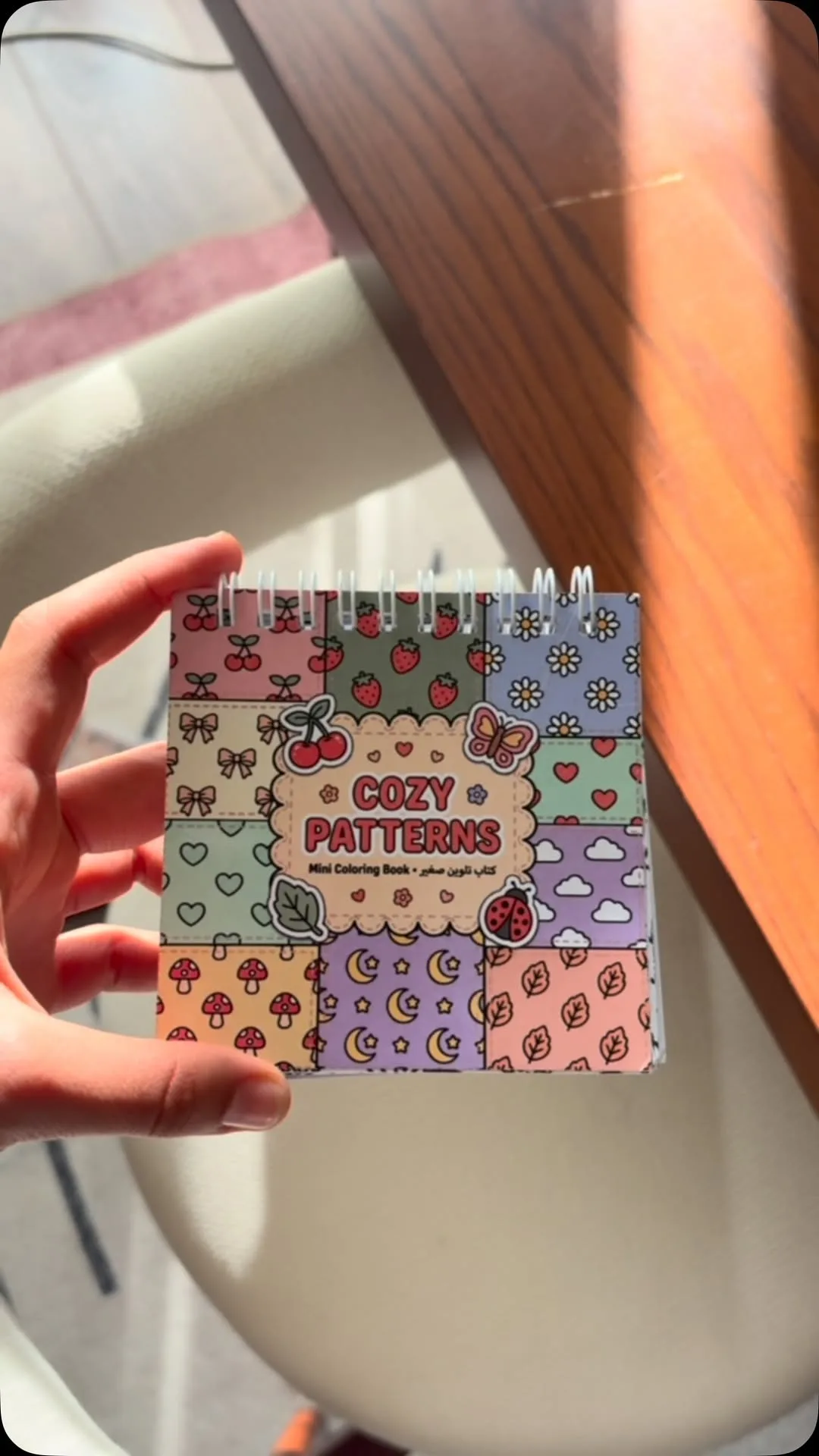
Pocket coloring books belong on any short list of christmas stocking stuffer ideas for kids because they turn waiting time into quiet time. Small pages suit car rides, restaurant tables, church services, and slow holiday afternoons at home. Children get a fresh creative tool that feels personal, especially when you choose animals, vehicles, space, fairies, or winter scenes they already love.
Choose a book with thick pages when younger children will use markers, and pair it with eight or twelve crayons in a small case. Crayons travel better than loose pencils because they need no sharpener and make less mess in a bag. Look for pages with one picture per sheet, since crowded scenes can frustrate small hands and short attention spans.
Younger children aged three to five enjoy bold shapes and familiar animals they can finish before their focus fades. Older children aged six to ten often prefer detailed scenes, jokes, mazes, or word games mixed between pictures. Match the book to the child rather than the shelf label, because one proud finished page matters more than twenty ignored ones.
Keep the set together with a simple elastic band or a small zip pouch so the book does not slide to the bottom of the stocking. Loose crayons can mark fabric, snap under heavier gifts, or roll away during the first excited shake. Placing the pouch near the top also gives children an easy first activity while adults make drinks.
Sticker sheets they will actually use
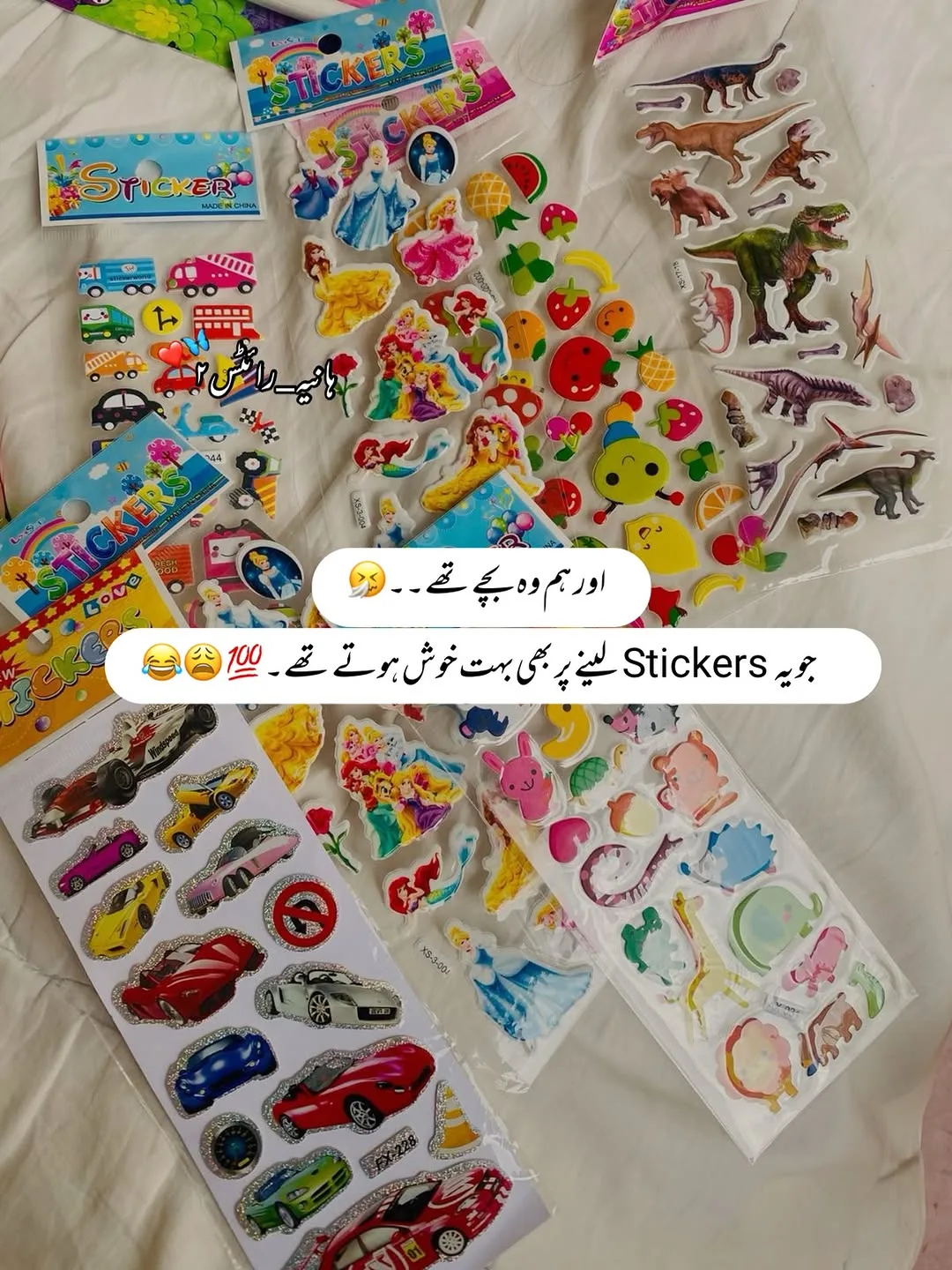
Sticker sheets work when children can use them in notebooks, letters, water bottles, lunch boxes, and homemade cards. Choose themes tied to real interests, such as dinosaurs, ballet shoes, farm animals, planets, or winter animals, rather than random shapes with no story. Sheets with many medium stickers usually beat one sheet of huge stickers because children can share, trade, and decorate more places.
Look for stickers with clean edges and a surface that peels without tearing into sticky scraps. Vinyl stickers suit bottles and lunch boxes because they handle washing better than paper ones. Paper stickers suit journals and cards, where children can draw roads, gardens, or frames around them. Read the pack size before buying, since display packaging can make six stickers look like sixty.
Preschool children enjoy large stickers they can peel with support and place on plain paper without worrying about perfect lines. Primary school children often like reward words, tiny icons, and themed scenes they can arrange into a picture. Tweens may prefer letters, stars, and simple designs for decorating diaries, phone cases with adult permission, or gift tags for friends.
Skip packs with glitter that sheds everywhere unless you know the child and the home well. Loose glitter travels across carpets, clothes, and wrapping paper, and it can turn a sweet gift into a cleanup job. Choose sealed sheets instead, and avoid tiny gel stickers for children who still mouth objects or peel items from windows and furniture.
Foam letters for bath time
Foam letters turn bath time into a playful spelling moment without making the bathroom feel like a classroom. Wet foam pieces stick to tiles and the side of the tub, so children can build names, simple words, and silly messages while they wash. Bright colors help younger children notice letter shapes, and the soft material feels safer than hard plastic near wet hands.
Soft sets usually include letters and sometimes numbers, and the best ones feel thick enough to grip without bending into shreds. Rinse the pieces after use and let them dry in a mesh bag or on the tub edge. Check the stated age guide and choose larger pieces for toddlers, because small foam corners can tear when children chew or pull them hard.
Toddlers aged two to four can match letters from their name, copy a color, or line pieces along the tub while an adult names each one. Children aged five to seven can spell short words, build rhyming pairs, or leave a message for the next bath. Keep the activity light and playful, because bath time should still feel like winding down.
Rinse and dry the set often, since foam left in a dark wet corner can smell stale and grow grime in the seams. Replace pieces that crack, crumble, or stay slimy after washing. Parents should also empty the mesh bag fully once a week, because the bottom letters hide moisture longest and get forgotten first.
Mini puzzle in a small tin
Mini puzzles make strong christmas stocking stuffer ideas for kids because they give a child one complete challenge in a neat little package. Small tins protect the pieces, look smart in a stocking, and travel well to grandparents, cafés, and holiday visits. Children can finish the picture, tip the pieces back in, and start again without needing a big table.
Small piece counts matter more than cute artwork when you want a child to finish with pride. Choose twelve to twenty four pieces for younger children and fifty to one hundred pieces for older children who enjoy patience games. Check that the tin closes firmly, since a loose lid can spill tiny pieces through the stocking and into wrapping paper piles.
Older children aged eight to twelve often enjoy mini puzzles with animals, maps, famous places, or funny food pictures they can complete in one sitting. Younger children need chunky pieces and a picture with clear blocks of color, not a busy scene full of similar shades. Grandparents often love joining in, which makes a small puzzle feel social rather than solitary.
Avoid puzzles with missing piece risks in homes with babies or pets who chew small objects. Keep tins closed and store them on a shelf after Christmas morning, not loose in a toy basket. Parents should also check piece size before gifting, because mini can mean truly tiny, and frustration grows fast when edges bend.
Hair clips and soft hair bands
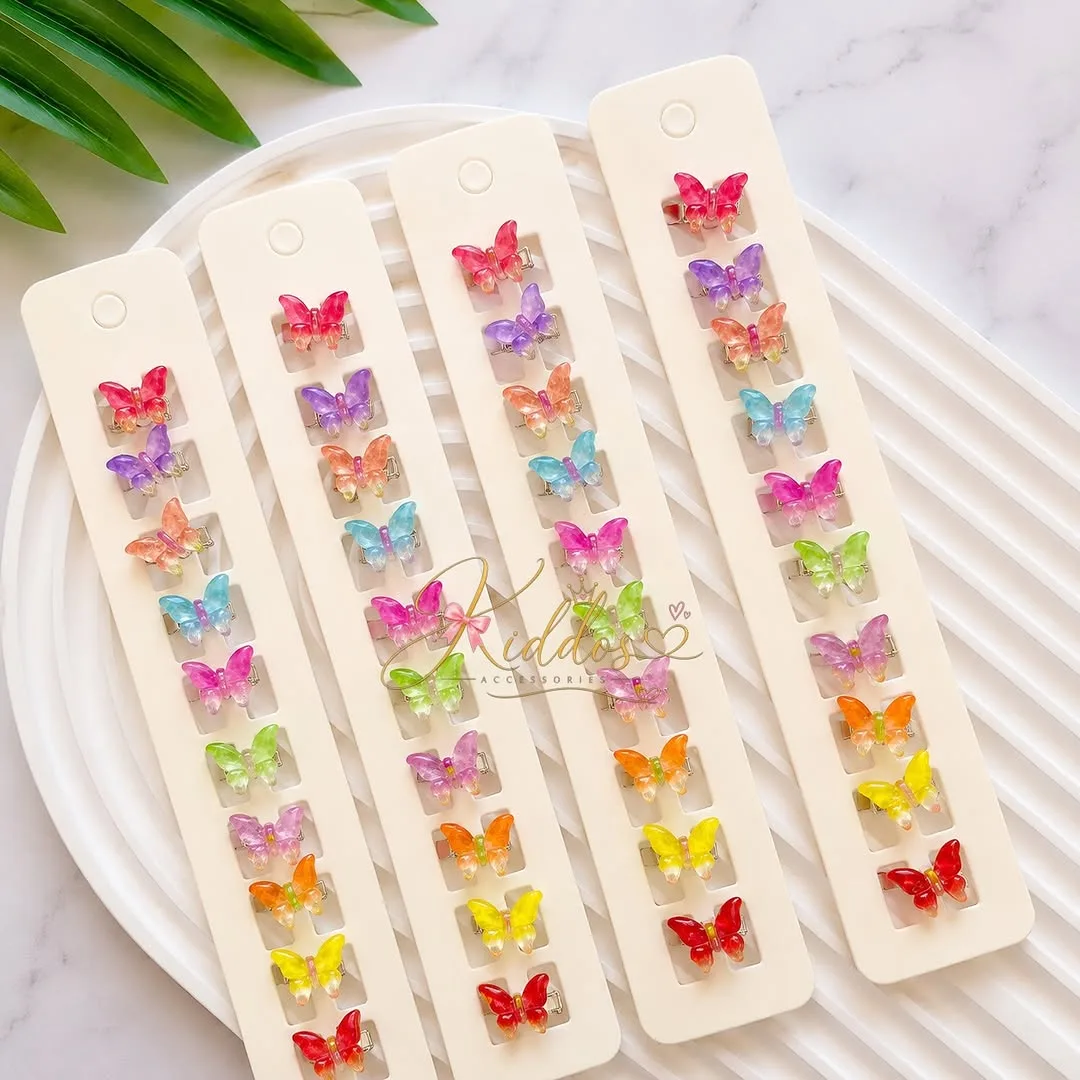
Hair clips and soft hair bands add color to a stocking while serving school mornings, parties, sports, and photo days. Children who like dressing up enjoy choosing a star, bow, flower, or animal clip that matches an outfit. Soft bands feel gentle for daily wear, and small clips help keep fringes away from eyes during reading, eating, and play.
Soft fabrics, smooth edges, and secure but gentle grips should guide your choice more than sparkle alone. Metal clips need covered tips so they do not scratch skin or snag fine hair. Fabric bands should stretch without feeling tight, and smaller clips suit fine hair better than heavy designs that slide down within minutes. Buy pairs when possible, because one lost clip quickly ends the set.
Children with long hair can use clips for school, dance, and family photos, while children with short hair may prefer one soft band for sport or dress up play. Ask quietly about colors if you are unsure, since a child who loves football may reject pink bows but happily wear green stars. Personal taste matters more than tradition here.
Check every clip before wrapping, and remove any piece with sharp points, loose stones, or glue showing at the edges. Small decorative parts can break off and become a hazard for younger siblings. Keep clips in a tiny pouch inside the stocking, because loose metal pieces hide in folds and scratch other gifts.
Tiny flashlight for bedtime reading
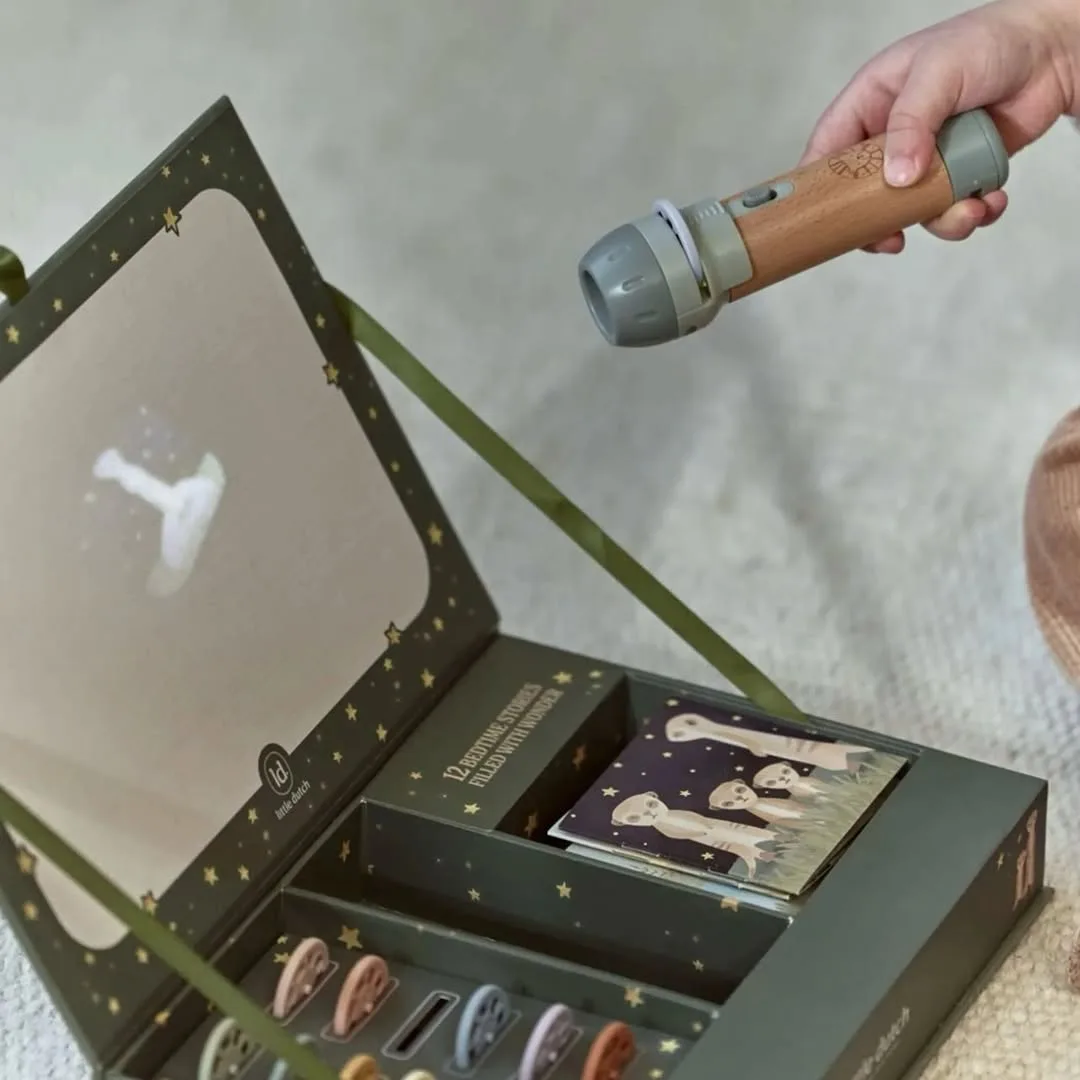
Tiny flashlights give children a small sense of independence while staying safe and useful. Kids use them for reading under a blanket, finding a toy after lights out, walking to the bathroom during a sleepover, or shining a beam during a family power cut. Choose a simple model with one clear switch, because complicated modes annoy parents and drain batteries faster.
Bedtime reading works best when the light feels warm and focused rather than blinding. Look for a small torch with a soft beam, a wrist loop, and a battery cover that closes with a screw or a firm click. Avoid loose button batteries completely for younger children, and choose rechargeable options only when an adult will manage charging safely at home.
School aged children aged six to twelve usually get the most value from a flashlight because they read alone, camp in gardens, and enjoy small adventures after dark. Give one to a child who loves stories, den building, or nature walks, and add a simple rule about shining lights at faces. Younger children can use one with an adult nearby during story time.
Test the switch and battery cover before wrapping, and remove any model that feels hot, flickers oddly, or opens too easily. Packaging often hides weak clips and thin plastic, so a quick home check saves disappointment on Christmas morning. Place the flashlight in a small pouch if it has a metal clip that might scratch books or crayons.
Lip balm in a sweet flavor
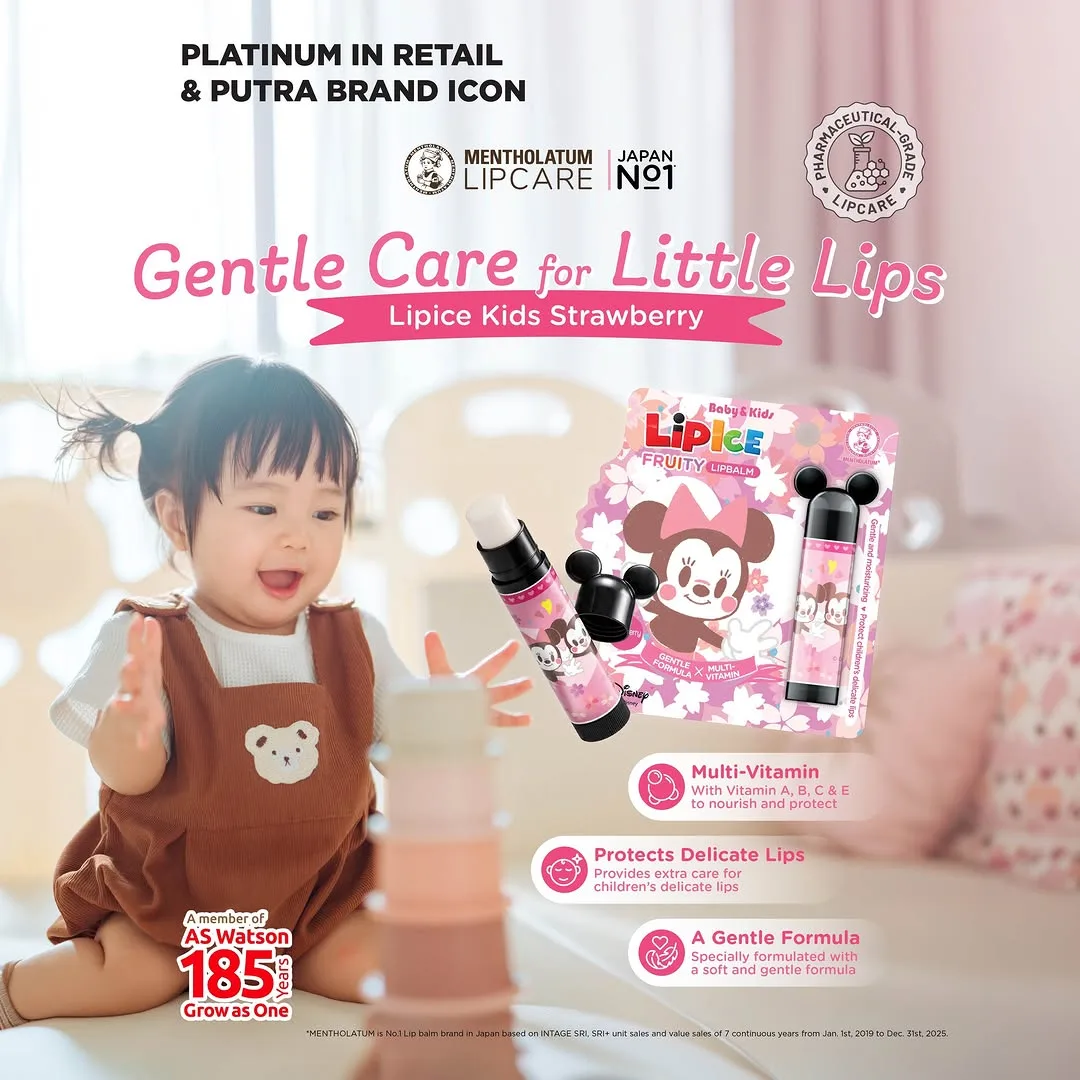
Lip balm earns a place among practical christmas stocking stuffer ideas for kids because winter air dries small lips fast. Children feel grown up when they carry their own tube in a coat pocket, school bag, or bedside drawer. Gentle flavors like vanilla, strawberry, apple, or mild mint make the gift feel fun while still solving a daily problem.
Sweet flavors should stay subtle, since strong scents can bother children with sensitive skin or a dislike of flavored products. Read the ingredient list when a child has allergies, eczema, or a history of reacting to cosmetics. Choose sealed tubes from known brands, check the expiry date, and avoid novelty balms shaped like food if a young child might bite them.
Winter sports, school runs, and dry heated rooms make lip balm especially useful for children aged five and older. Younger children often lick balm off at once or twist the tube too far, so parents may want to keep it as a supervised treat. One tube per child also prevents sharing, which matters during cold season and school term.
Read reviews for texture before buying a large multipack for several children. Greasy balms can stain pillowcases and coat collars, while very hard balms frustrate small fingers. Keep the tube sealed until Christmas morning, and remind children that lip balm belongs on lips only, not on cheeks, toys, or the family dog.
Socks with a funny print
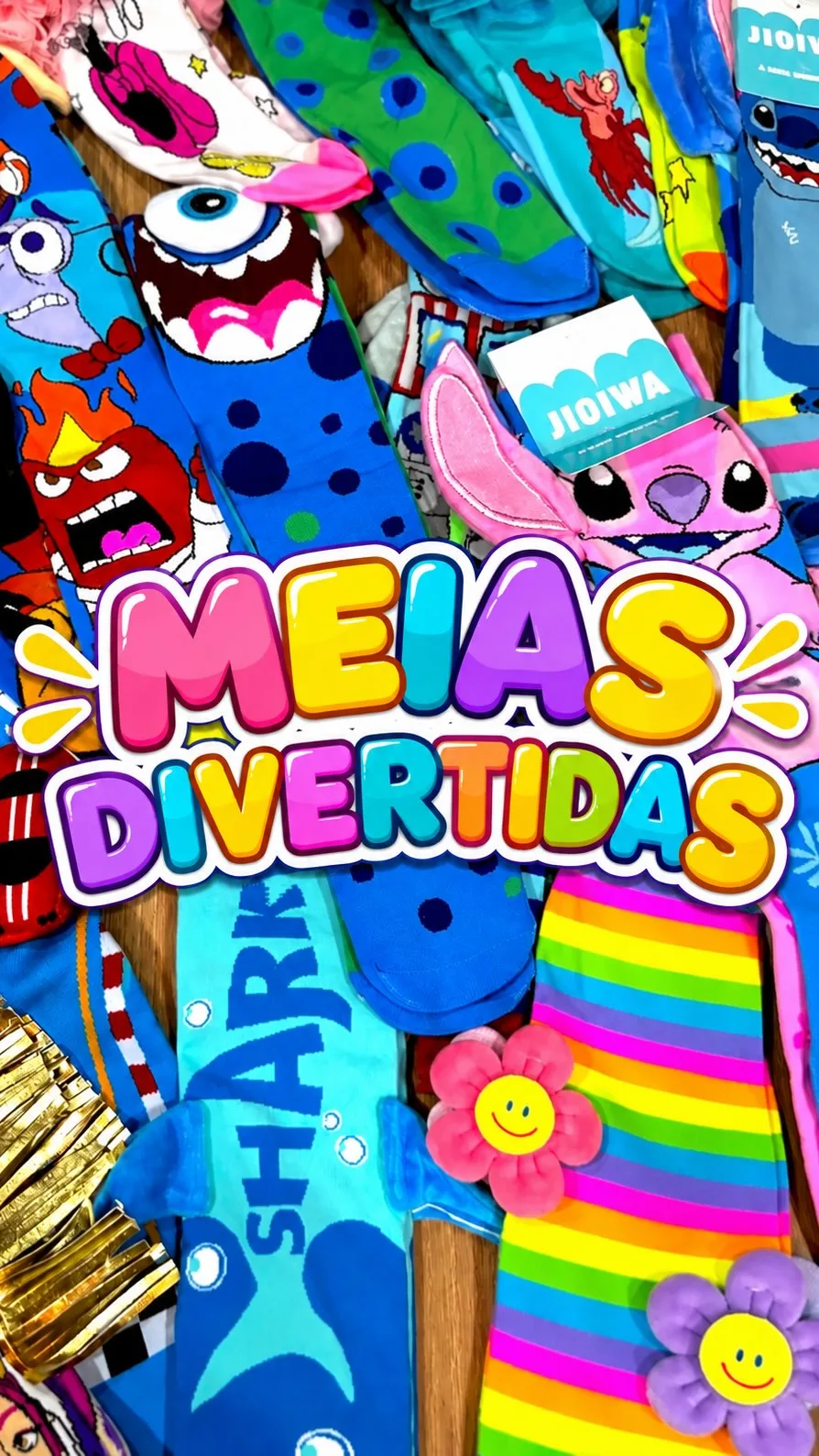
Socks sound ordinary until a child pulls out a pair covered in tacos, penguins, rockets, cats, or smiling rainbows. Practical clothing becomes a joke and a daily favorite when the print matches a real interest. Parents appreciate socks because children always need them, they roll into a tiny ball, and they add soft padding around harder gifts inside the stocking.
Funny prints work best when the size is right and the fabric feels soft after washing. Cotton blends with a little stretch usually stay comfortable for school and play, while very thick socks suit cold homes and winter boots. Check the size chart carefully, because children grow at wild speeds and one brand may run much smaller than another.
Everyday wear gives socks a longer life than most novelty gifts, especially when you choose a design a child will proudly show friends. Dinosaurs suit a young scientist, books suit a reader, and sport prints suit a child who lives in trainers. Buy one special pair rather than a huge bundle if the stocking already holds several small treats.
Buy socks with smooth toe seams for children who complain about bumps inside shoes. Loose threads, scratchy glitter yarn, and stiff printed patches can make a cute pair unwearable by lunch. Wash dark or bright pairs once before gifting if the child has sensitive skin, and fold them neatly so the print shows first.
Small notebook with a smooth pen
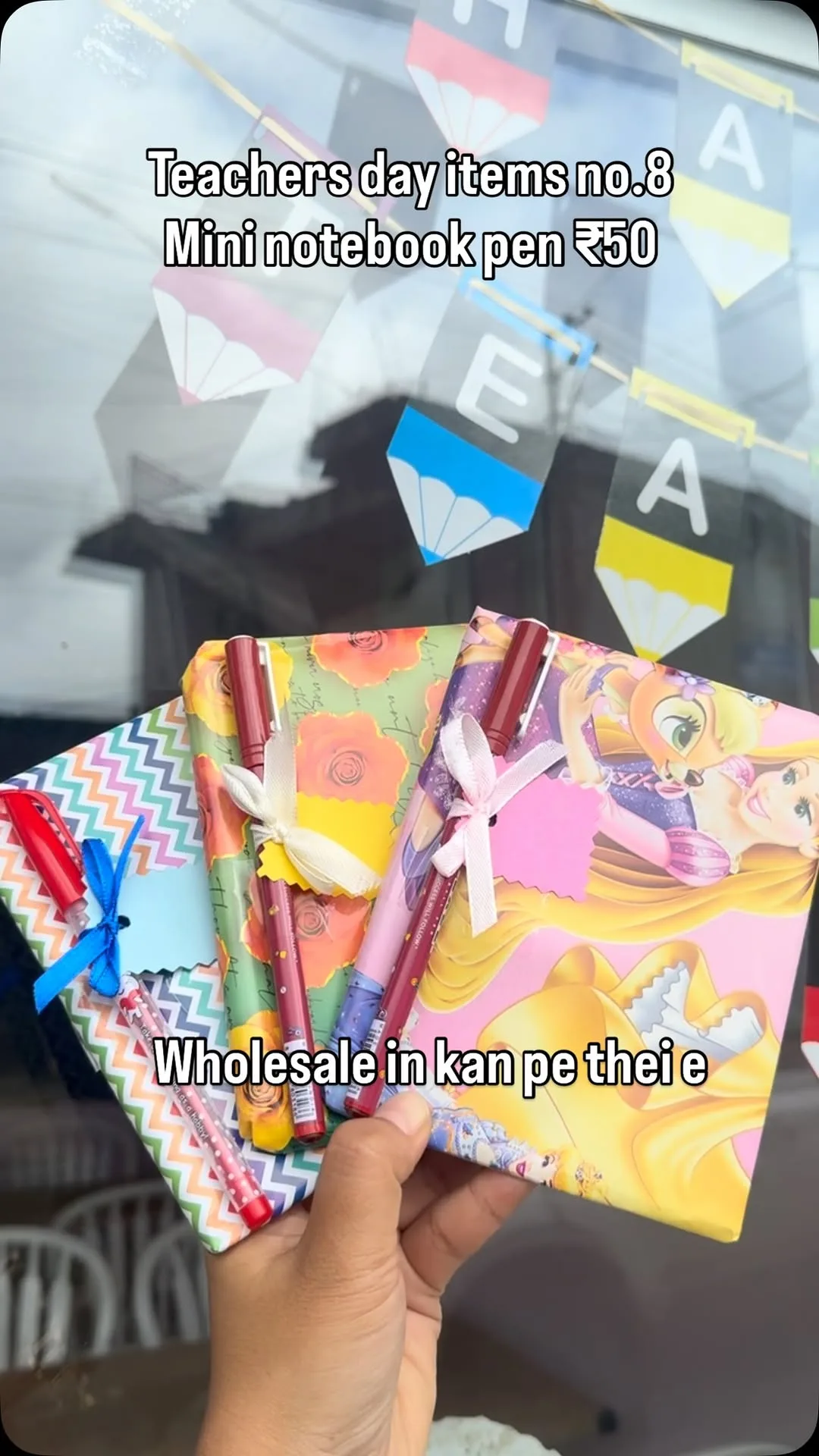
Small notebooks invite children to write lists, draw plans, record jokes, and keep secrets in a place that feels truly theirs. Pairing a notebook with a smooth pen makes the gift complete at once, with no hunting for supplies on Christmas morning. Choose lined pages for writers, plain pages for drawing, or dotted pages for children who like both words and sketches.
Smooth pens matter because scratchy ink makes new writers press too hard and give up quickly. Gel pens glide well but can smear for left handed children, while fine ballpoint pens dry faster and suit school bags. Pick a notebook with a firm cover, stitched or spiral binding that opens flat, and paper thick enough to stop heavy pen marks showing through.
Budding writers aged six to twelve enjoy notebooks for stories, nature notes, football scores, and plans for inventions nobody else may read yet. Younger children can use plain pages for stamps, stickers, and big letters practiced with crayons. Add one simple prompt on the first page, such as a list of five favorite things, to help a shy writer begin.
Skip pens with tiny caps for children under five, and avoid glitter ink that clogs or leaks inside a bag. Notebooks with very thin covers bend inside a stocking and arrive looking tired before the child even opens them. Place the notebook low in the stocking where its flat shape supports softer gifts above it.
Chocolate coins in a gold net bag
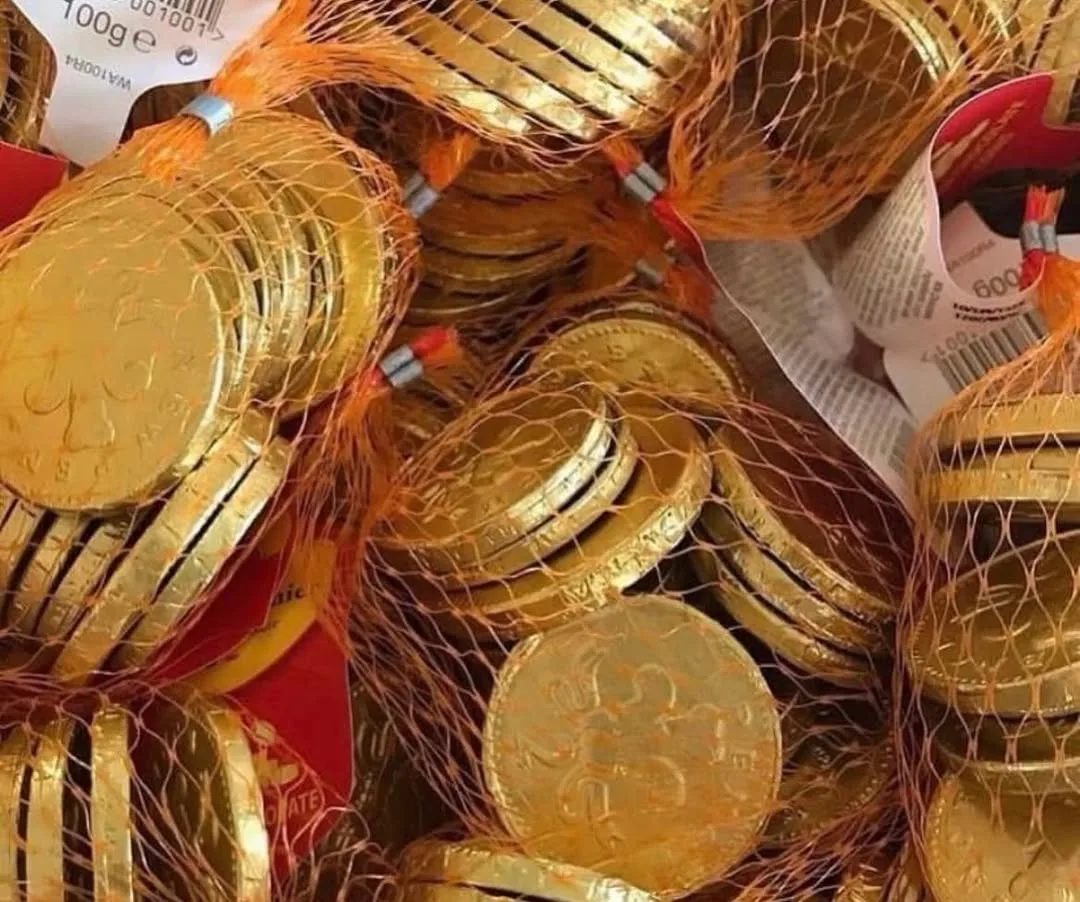
Chocolate coins bring a little treasure hunt magic to christmas stocking stuffer ideas for kids while keeping the treat simple and familiar. Shiny gold wrappers catch the light, children enjoy peeling each coin slowly, and parents can control the amount more easily than with a huge chocolate bar. Small net bags also tuck into corners that bigger sweets cannot fill.
Gold foil looks festive, but chocolate quality still matters more than shine. Choose coins from a brand you trust, check the best before date, and store them away from heat before Christmas. Milk chocolate suits most children, while dark chocolate may taste bitter to younger palates. Families with allergies should read labels closely, because coin factories often handle nuts and milk.
Most children enjoy coins as a small treat after breakfast or lunch rather than a meal sized sugar rush. Grandparents often remember coins from their own childhood stockings, which gives the gift a sweet family link across generations. Pair coins with a non food gift in the same stocking so the morning does not become only about sweets.
Check the net bag for broken stitching before you place it in the stocking, because loose coins can slip down and hide until laundry day. Avoid chocolate coins for children who cannot yet manage foil safely or who need strict sugar limits. Keep portions modest and clear, since stockings can quietly hold more treats than parents realize.
Set of finger puppets
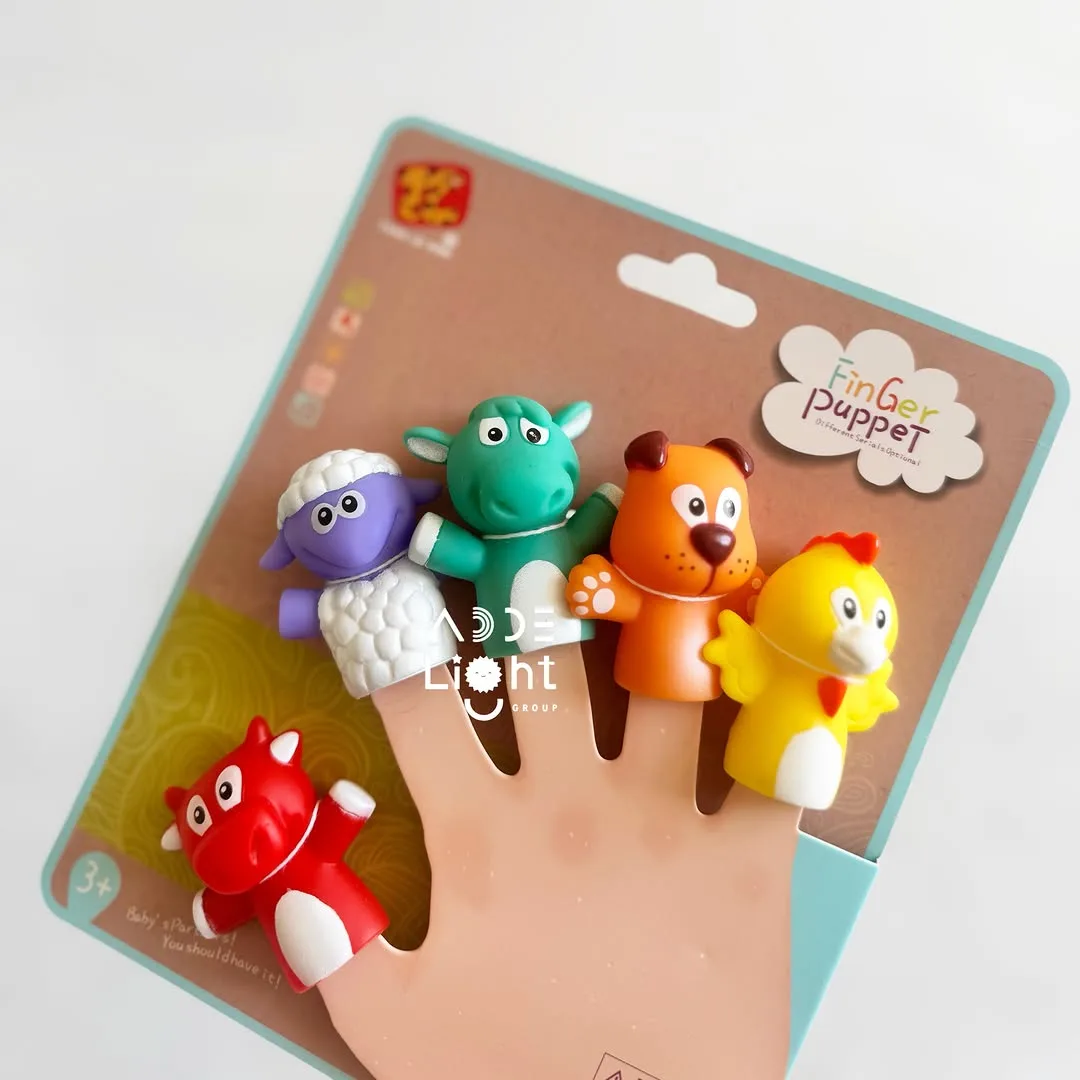
Finger puppets turn small hands into storytellers within seconds of opening the stocking. Children invent voices, arguments, rescues, and jokes with almost no setup, and adults can join in from the sofa with very little effort. Animal sets, family sets, and fairy tale sets all work, especially when the characters can talk to one another in scenes.
Sets with five or ten puppets give children enough characters for a small story without filling the stocking completely. Soft felt or fabric puppets feel kind on skin and fold flat for travel, while thicker card puppets may tear during rough play. Choose stitched faces over glued plastic eyes for younger children, because loose parts create worry during unsupervised play.
Toddlers enjoy simple animal sounds and peekaboo games with one puppet at a time, while children aged four to eight build longer stories with heroes and villains. Quiet children sometimes speak more freely through a puppet than in their own voice, which makes the gift surprisingly touching. Siblings can share a set during car rides if each child keeps favorites in a small pouch.
Choose puppets with seams that feel firm when you tug gently before wrapping. Painted details should not smell strongly or flake onto fingers, and very small puppets can frustrate children with larger hands. Wash fabric sets before gifting when packaging smells stale, then dry them fully so the stocking stays fresh.
Small card game for family nights

Card games earn their tiny space by bringing the whole family together after the wrapping paper settles. Children practice taking turns, reading simple cues, counting, and losing with grace while everyone laughs at the same table. Compact games suit holidays because grandparents, cousins, and neighbors can learn the rules quickly and join without a long lesson.
Family decks vary widely, so match the game to reading level and attention span before you buy. Matching games suit younger children, simple collecting games suit early primary years, and quick reaction games suit older kids who enjoy speed. Look for sturdy cards with rounded corners, a box that closes well, and rules printed clearly enough for a new player to start fast.
Older children aged seven to twelve often enjoy games they can teach friends without adult help. Sleepovers, rainy afternoons, and travel days all become easier when a child owns a game that fits in a coat pocket. Choose themes carefully, because a beautiful deck with dull play will sit untouched while a plain deck with smart rules gets used weekly.
Avoid games with dozens of loose tokens unless the stocking belongs to a careful older child. Missing pieces reduce the fun quickly, and tiny counters can spread across the room during excited play. Read the age guide honestly, because a game that feels too babyish or too complex will miss the sweet middle where families actually play.
Bath bomb with a surprise inside

Bath bombs make bath time feel like a small event, especially when a tiny figure or color change appears as the water fizzes. Children who resist baths may climb in happily when they can watch colors swirl and guess what surprise waits inside. Parents should treat bath bombs as an occasional treat rather than a nightly habit, since skin comfort matters more than foam.
Warm water helps the bomb dissolve fully, and children enjoy holding it under the tap for a stronger swirl. Choose gentle formulas made for children, with clear ingredient lists and mild scents that will not overwhelm a small bathroom. Surprise figures should be large enough to spot easily in cloudy water and smooth enough to hold safely once the fizz ends.
Sensitive skin needs extra care, so test a small amount first when a child has eczema or reacts to scented soaps. Children aged four and older usually understand not to drink bath water or rub eyes with fizzy hands, while younger children need close supervision. Rinse skin with clean water after the bath when the product leaves color or glitter behind.
Read the label for staining warnings before choosing deep blue, purple, or glitter rich bombs. Some colors can mark pale tubs or towels, and cleaning dye on Christmas night is nobody’s wish. Pick one bomb per stocking rather than a large set, because novelty fades and storage in damp bathrooms can soften extras.
Keychain for a school bag
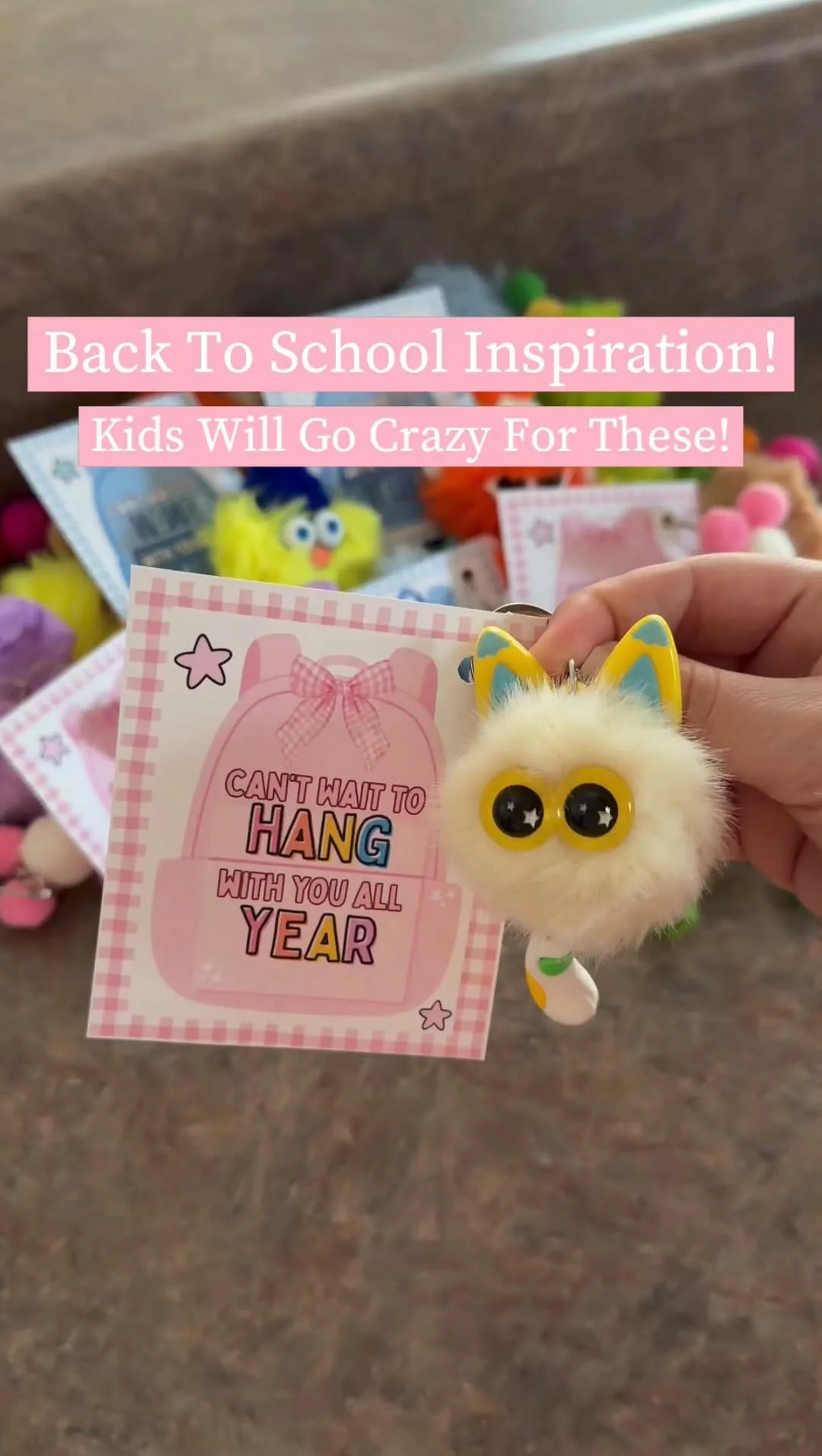
Keychains give children a tiny piece of personality they can carry every school day. Soft plush charms, initial letters, animals, sports balls, and favorite colors all help a child spot their bag quickly in a crowded cloakroom. Choose a clip that opens and closes smoothly, because a stiff ring can pinch fingers or break nails during rushed mornings.
Clip strength matters more than size, since a weak clip will lose the charm on the first busy bus ride. Fabric and silicone charms handle knocks better than hard resin pieces with thin loops. Medium size works best: large enough to find by touch, small enough not to bang against legs or get caught on zips and straps.
School children aged five and older get the most use from a keychain, especially when bags look alike across a class. Initial charms feel personal without using a full name in public, which many parents prefer for safety. Children who walk home with a house key can also use a sturdy charm to keep the key easier to hold.
Skip keychains with sharp metal points, loud bells near classrooms, or tiny parts that twist off with little force. Reflective charms can be useful for winter walks, but they should still feel fun rather than like safety equipment only. Attach the keychain loosely in the stocking so it does not snag knitted fabric.
Coupon book made by hand
Coupon books cost almost nothing, yet children often treasure them because the promises feel personal and exciting. Pages can offer choosing a movie, baking with a parent, staying up fifteen minutes later, picking breakfast, or having a story read in a silly voice. Handmade coupons also balance a stocking full of bought items with something that speaks directly from you.
Handmade pages can be as simple as folded card strips tied with ribbon, or a small stapled booklet with drawings on every page. Write each promise clearly, keep the rewards realistic, and set gentle limits such as one coupon per week. Children read coupons again and again, so choose words they can understand without needing an adult to explain the joke.
Children aged four to twelve enjoy different kinds of promises, from extra park time to choosing the music on a car ride. Older children may value time with a parent more than another object, especially during busy school terms. Add one blank coupon where the child can write a wish, then talk about it together before you agree.
Keep promises you can truly honor, because a coupon that never gets used teaches the wrong lesson about handmade gifts. Avoid rewards that create conflict with school nights, health rules, or family budgets. Date the booklet for this Christmas, and place it near the top of the stocking where small hands will find your words early.
Common Mistakes to Avoid With Stocking Stuffers
Many weak christmas stocking stuffer ideas for kids fail for one plain reason: adults shop by size and price before thinking about use. Tiny toys that break, squeak, or need missing parts often cost little at the till and plenty in frustration later. Start with the child’s habits, then choose small things that fit those habits through January and beyond.
Buying five versions of the same treat is another common slip, because novelty fades when every item does the same job. One sweet, one useful item, one game, one creative tool, and one personal surprise create a better mix than five plastic figures. Variety also helps when one gift misses the mark, since the stocking still holds other small wins.
Candy overload can crowd out the gifts children would remember after lunch. Treats matter, and stockings should feel joyful, but too many sweets lead to sticky hands, quick crashes, and arguments about saving the rest. Balance chocolate and candy with socks, books, games, and small tools that keep giving value after the sugar is gone.
Budget Friendly Ways to Fill Every Stocking
Smart christmas stocking stuffer ideas for kids begin with a simple limit for each stocking, set before you enter a shop or open a sale page. Limits stop the slow creep of one more little thing, and they help siblings feel treated fairly. Decide how many items each stocking needs, then shop for roles: something to wear, read, play, taste, and use.
Bulk packs can lower the cost when you split crayons, stickers, socks, or hair clips across several children with different tastes. Keep the split fair and hide the spare packaging, because children notice when one stocking looks like leftovers from another. Dollar stores, school fairs, and end of season sales can help, but quality still matters more than a bargain bin thrill.
Save money by making one item yourself, such as the coupon book, a small drawing, or a note that promises time together. Handmade pieces carry meaning money cannot copy, and they cost only card, ribbon, and a few quiet minutes. Spend the saved amount on one better item, like a sturdy card game, rather than three fragile novelties.
Stocking Stuffer Tips That Keep Christmas Morning Calm
Fill the toe with purpose. Heavy or flat items belong low in the stocking, where they support softer gifts and stop the shape from sagging. Notebooks, books, and tins sit well at the bottom, while fragile treats and handmade coupons stay near the top for gentle hands.
Balance sweet and useful. One or two treats feel joyful, while socks, balm, crayons, and games carry the stocking into normal life. Children enjoy the mix because each handful brings a different kind of surprise, and parents enjoy knowing the money did more than buy sugar.
Wrap the tiny things. Small gifts disappear inside stocking fabric, so wrap sharp edged boxes, clips, and coins in tissue or paper. Wrapping also slows the opening just enough to build excitement and helps adults spot small pieces before they fall into cushions or wrapping piles.
Label by child when stockings look alike. Matching stockings look lovely in photos, yet mixed sizes, flavors, and age needs can cause tears within minutes. Tie a small tag, ribbon color, or initial charm to each stocking before bed, and fill them in the same order every year.
Pack one quiet activity. Coloring books, puzzles, and card games rescue the early morning gap when children wake before adults feel ready for big gifts. Place that activity where a child can start alone safely, and Christmas morning gains a calmer rhythm for everyone in the house.
Check sizes and ages twice. Socks, clips, balms, and games only delight when they fit the child in front of you, not the child from last year. Read size charts, age guides, and allergy notes during a calm moment at home, not while standing in a crowded shop queue.
Calm mornings come from preparation, and thoughtful christmas stocking stuffer ideas for kids make that preparation feel loving rather than strict. You choose fewer, better things, place them with care, and let children discover each small surprise at a happy pace. Stockings then support the day instead of competing with it.
FAQ
How many items should go in a kids stocking?
Most stockings feel generous with five to eight well chosen items, depending on size, budget, and the child’s age. One item to wear, one to read or make, one to play, one treat, and one personal surprise create a strong base. Add more only when each item still has a clear purpose.
What ages enjoy stocking stuffers most?
You can fill stockings for toddlers, school children, and tweens, but the contents should change with ability and taste. Toddlers need soft, large, supervised items, while older children enjoy tools, games, and small independence. Tweens often prefer useful care items, notebooks, and designs that respect their growing style.
How can parents avoid cheap plastic overload?
Three simple limits help: buy fewer items, choose natural daily uses, and skip anything that needs missing parts to be fun. Parents can favor paper, fabric, wood, food treats, and personal coupons over bins of molded novelties. One sturdy item usually brings more joy than several fragile pieces that crack by New Year.
When should families shop for stocking stuffers?
Shop during November and early December when useful small items still sit on shelves and you can compare sizes calmly. Leaving stockings to the final days pushes parents toward random checkout bins and duplicate sweets. Early shopping also leaves time to make coupon books, tags, and small handmade touches without rushing.
What should go in a stocking for a child with allergies?
Families should build around safe non food gifts first, such as socks, crayons, puzzles, bath letters, and notebooks. Read every label on balms, bath bombs, and chocolate, and keep safe items away from shared treat bowls. Ask the child’s parents when you feel unsure, because guessing with allergies helps nobody.
Can stocking stuffers be educational without feeling dull?
Keep learning tucked inside play, and children will accept it happily. Foam letters teach through water, puzzles build patience, notebooks invite writing, and card games practice counting and turn taking. Children resist lectures, not learning, so choose gifts that feel like fun first and skill building second.
Conclusion
Thoughtful christmas stocking stuffer ideas for kids prove that small gifts can carry real thought, use, and love. You do not need a huge budget or a stocking that bursts at the seams. You need items matched to the child, safe details checked with care, and a mix that keeps delight going after the first sweet taste.
Start with the child’s daily life, then choose one thing to wear, one thing to make or read, one thing to play, one treat, and one personal surprise. Check sizes, ages, ingredients, and small parts before you wrap. Simple planning turns a handful of small gifts into a stocking that feels rich with attention.
Let the stocking be the gentle opening to Christmas, not a race to empty it. Children remember the funny socks they wore all winter, the puzzle they finished with Grandma, and the coupon that gave them time with you. Small things, chosen with heart, can hold the biggest warmth of the morning.