
15 Advent Calendar Ideas for Kids
December mornings change completely when a child has a small door to open or a pocket to peek inside before breakfast. Families searching for advent calendar ideas for kids usually want the excitement without the daily sugar rush or the pile of plastic toys. Gentle options exist in plenty, and most of them cost very little while building warm memories day after day.
Parents often worry that a homemade calendar means hours of crafting and a long shopping list. Honestly, the opposite usually proves true. Paper, envelopes, a glass jar, and a handful of small surprises already sitting in a drawer can carry the whole month. Planning takes one quiet evening, and the daily part takes under a minute once everything sits ready.
Below, you will find fifteen advent calendar ideas for kids that lean on activities, kindness, stories, and small surprises instead of sweets. Every idea explains why it works, what you need, which ages enjoy it most, and one mistake worth avoiding. Budget help and calm December tips follow, so you can pick one idea and prepare it with confidence.
What can I put in an advent calendar besides chocolate?
You can fill a calendar with activity cards, tiny books, kindness tasks, puzzle pieces, jokes, stickers, craft supplies, photographs, songs, and simple clues that lead to small surprises. Most advent calendar ideas for kids fall into three groups, things to do, things to make, and things to discover. Choosing one group keeps shopping short and keeps every morning feeling fresh.
Picture a plain envelope taped to the kitchen wall, holding nothing but a folded joke card and one sticker. Your child reads the joke at breakfast, laughs, sticks the sticker on a growing winter scene, and the whole ritual costs pennies. Small moments like that one carry December far better than an expensive toy ever could.
Paper pockets on a string
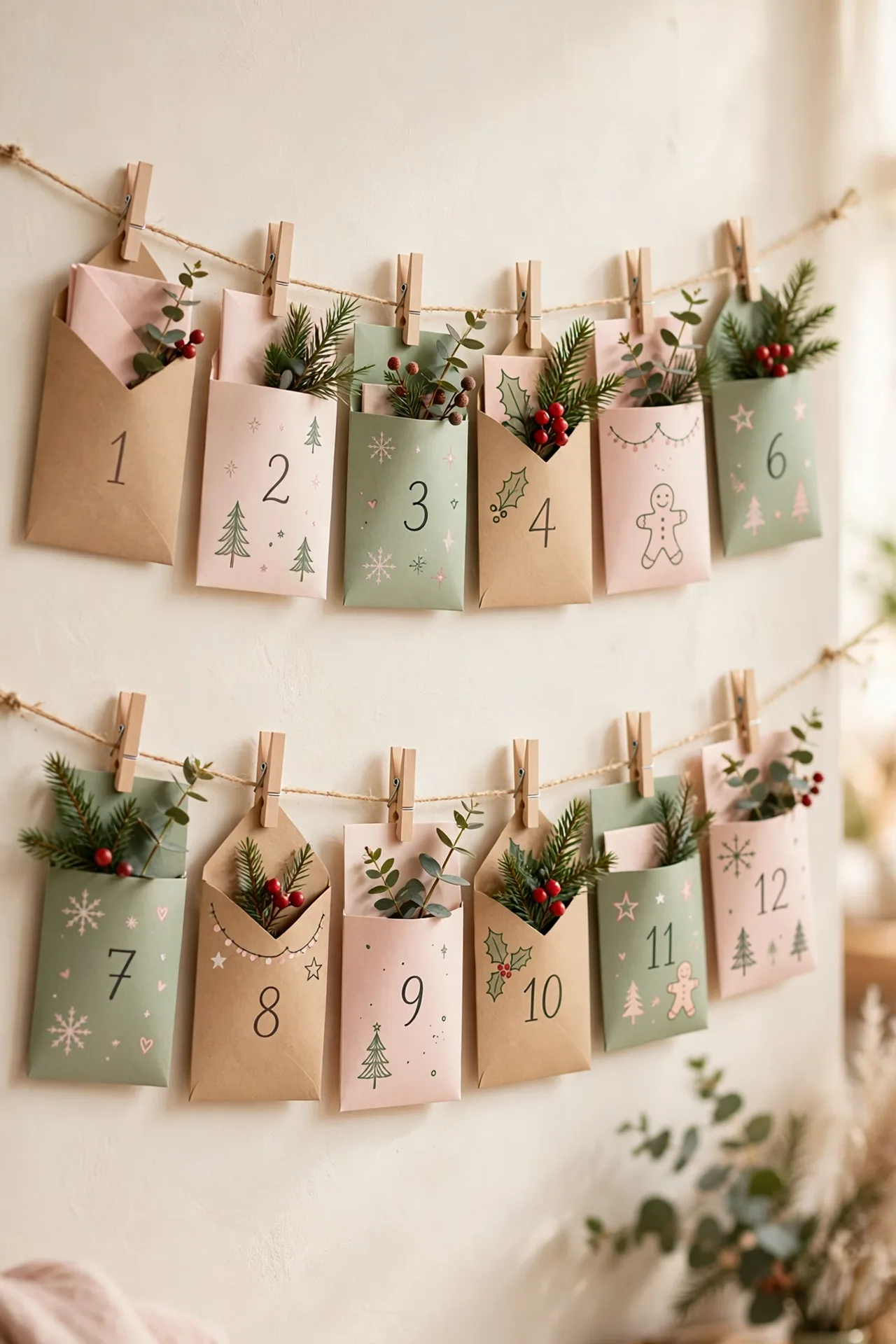
Folded paper pockets strung along a length of twine make a calendar that doubles as room decoration. Each pocket hides one small card, one tiny treat, or one folded note, and children love lifting the flap every morning. Garland styling also suits narrow homes because the whole calendar hangs on a wall instead of taking table space.
Making the pockets takes one evening with craft paper, glue, and small pegs or ribbon ties. Cut each sheet into a rectangle, fold up the lower third, glue the sides, and write the number on the front in bold marker. Twenty four pockets sound like plenty of work, yet simple shapes keep the job fast and relaxing.
Younger children from about age three manage pockets easily because small fingers can open flaps without tearing them. Older children enjoy pockets too when the contents feel grown up, such as a compliment note or a clue card. Keep pocket size generous for bulkier surprises like crayons, hair clips, or small wooden figures.
One lovely setup runs the string along a staircase rail, so the calendar becomes part of the morning walk downstairs. Fill each pocket the night before if surprises tend to wander. Watch pocket strength, though, because heavy fillers stretch the paper and spill secrets early, and repair jobs on December mornings feel nobody's idea of festive.
Numbered envelopes on the wall
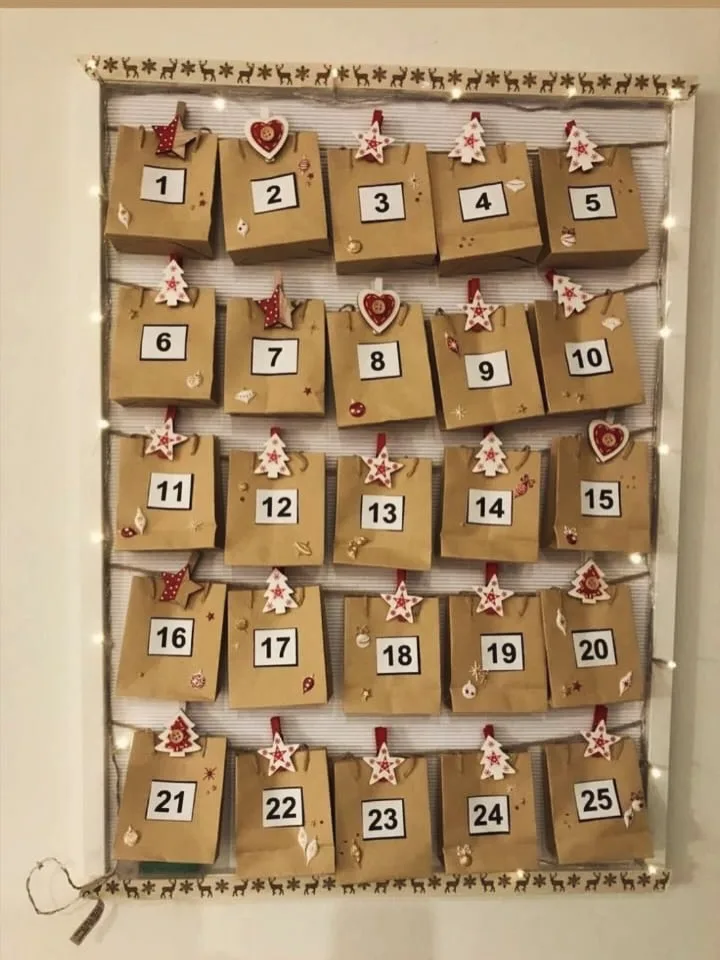
Plain envelopes taped or pegged in neat rows turn any spare wall into a cheerful countdown. Envelopes stay flat, hold flat surprises beautifully, and cost almost nothing in big packs. Children read the large number, slide out the card inside, and feel genuine ceremony from something wonderfully simple. Hallways and bedroom doors work especially well for this style.
Write each number big and clear so sleepy eyes find the right envelope fast. Inside, place joke cards, activity slips, stickers, photographs, or a single wrapped sweet on special days. Arrange envelopes in a tree shape, a grid, or a gentle zigzag, and use removable strips so paint stays safe. Order matters less than clear numbering.
School age children gain the most here because reading the card inside becomes part of the fun. Preschoolers still enjoy envelopes when an adult reads aloud and the surprise stays simple. Teenagers secretly like this format too, especially with song suggestions, kind notes, or small cash free treats like choosing dinner.
Try a kitchen wall near the breakfast table, where opening the envelope joins the morning routine naturally. Seal envelopes lightly so small hands succeed without ripping. Avoid placing a heavy surprise inside a thin envelope, because torn paper and a disappointed face make a poor start to any school day.
Jar of daily activity cards
Filling a clear jar with folded cards is one of the calmest advent calendar ideas for kids to prepare and to use. Every morning, one card comes out and names the activity of the day, such as baking biscuits, calling grandparents, or building a blanket fort. Anticipation stays high because nobody knows which card waits inside.
Cards cut from thick paper or recycled greeting cards hold up well through December. Write one activity per card, fold once, and drop all twenty four into the jar with a ribbon tied around the neck. Keep activities short and realistic, mostly ten to thirty minutes, so busy evenings never turn the ritual into a chore.
Children from about age four grasp the jar idea quickly, and mixed age siblings share it happily because activities adapt on the spot. Toddlers can join in by pulling the card out and handing it over with great pride. Families with teenagers sometimes swap silly tasks in, and laughter usually follows within seconds.
Let your child shake the jar and pick the card blind, which adds a tiny thrill to a plain Tuesday. Keep two spare blank cards for days when weather or illness ruins the planned activity. Never write an outing you cannot actually deliver, because a promised zoo trip that vanishes teaches doubt instead of joy.
Wrapped book for every day
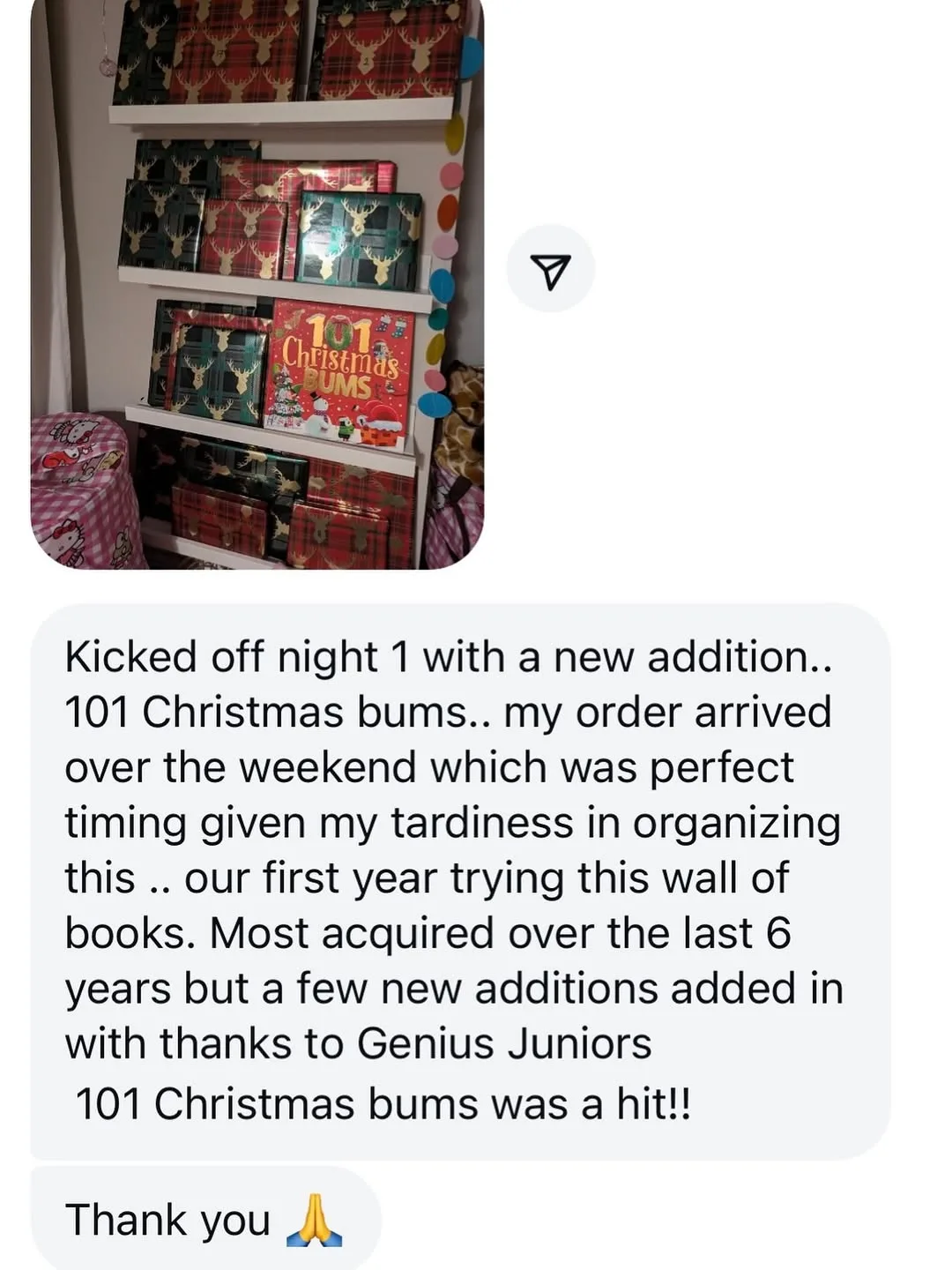
Wrapping twenty four books sounds grand, yet the result feels like a cosy library growing beside the tree. Your child unwraps one book each evening, and bedtime gains a fresh story without any screen or sweet involved. Families often keep the same wrapped set for years, and children greet old favourites like returning friends.
Secondhand shops, library sales, and the back of your own shelves supply most of the books cheaply. Mix picture books, short chapter books, poetry, and one longer story split across several nights. Wrap in brown paper or leftover gift wrap, number each parcel, and stack the books in a basket where small hands can reach.
Babies enjoy board books with bright faces, while confident readers devour chapter books parcel by parcel. Choose gentler stories for very young children and save adventure tales for older ones. Reading together also slows December evenings down, and many parents quietly admit the book ritual becomes their favourite part of the season.
Start with the shortest book on December first if your child is new to the idea, and build toward the longest near Christmas Eve. Store wrapped books upright so spines stay safe. Running short of books is the usual trap, so count your stack twice before wrapping and borrow from the library if needed.
Kindness task for every day
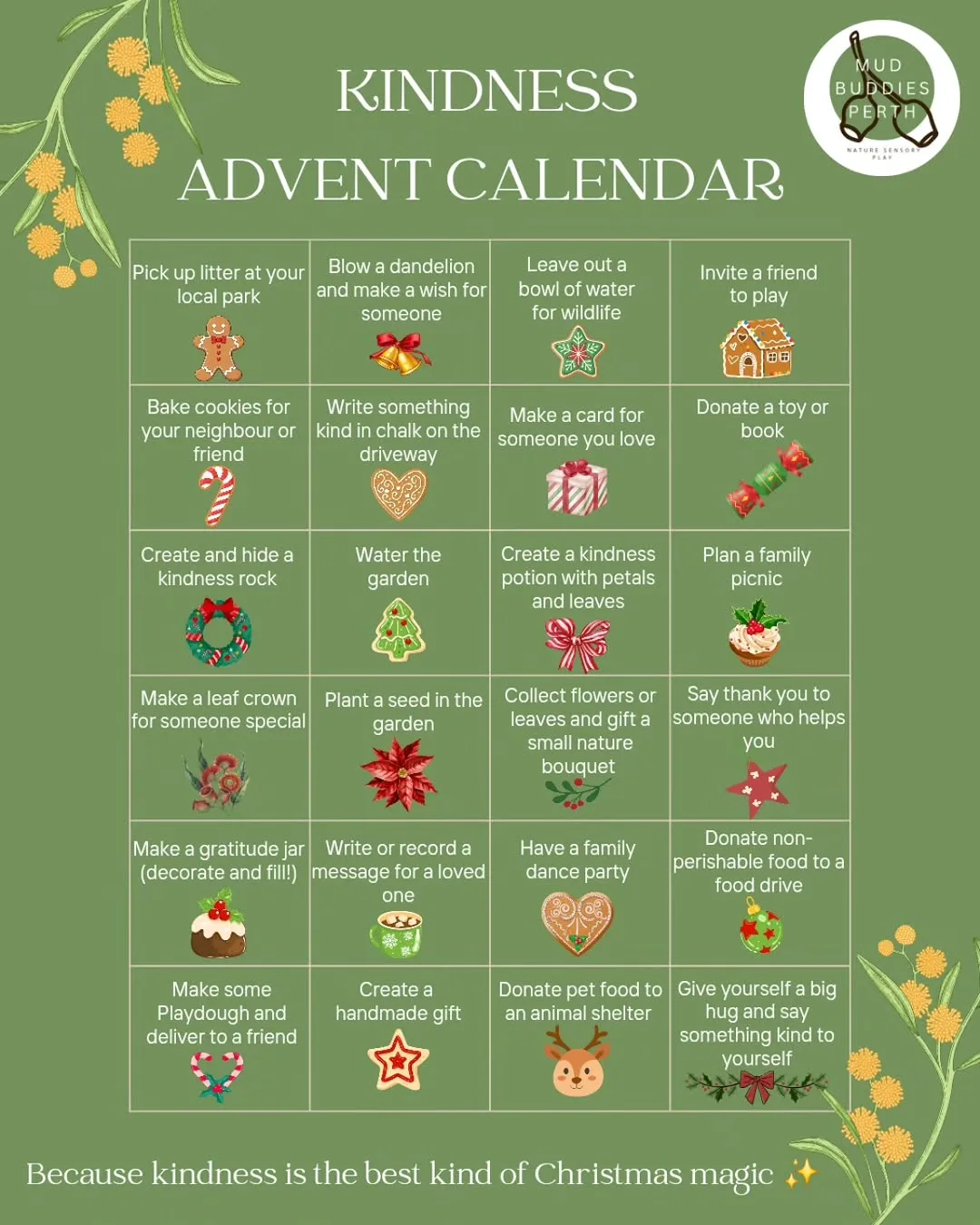
Kindness tasks turn the countdown toward other people, which suits the season beautifully. Each day brings one small good deed, such as feeding birds, thanking the postman, or leaving a kind note in a lunchbox. Children finish December proud of themselves, and the feeling lasts far longer than any chocolate could.
Slips of paper carry the tasks, tucked into pockets, envelopes, or a simple jar. Write tasks that cost nothing and finish within the day, because kindness should feel easy rather than heavy. Add a few family tasks too, like donating one toy or baking extra biscuits for a neighbour, and share the warm results together.
Tasks suit children from about age five, when helping others starts to feel rewarding rather than confusing. Younger children join happily when an adult frames the deed as a secret mission. Older children and teenagers respond well to bigger challenges, such as cooking a meal for grandparents or organising a small charity collection.
Pair each task with a tiny celebration, like a sticker on a chart or a compliment at dinner, and kindness becomes a game. Keep tasks varied so the month never feels repetitive. Avoid turning deeds into homework with marks or pressure, because forced kindness loses its heart and children sense the difference quickly.
One puzzle piece each day
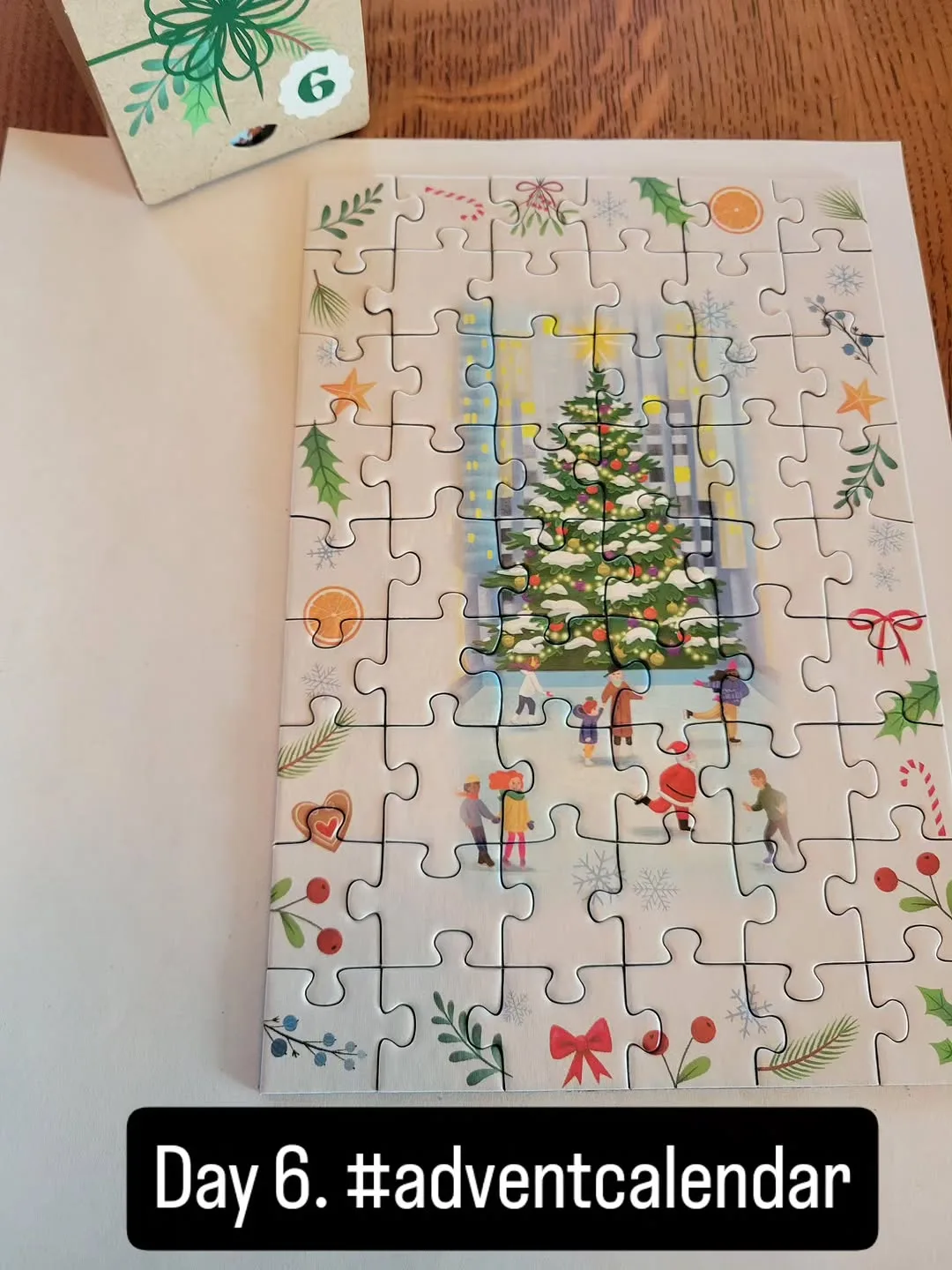
Buy one jigsaw puzzle and turn it into a whole month of slow discovery. Each day adds a few pieces, the picture grows, and Christmas Day often brings the satisfying final fit. Puzzles with a festive scene work best, because the finished image joins your decorations and rewards all that patience. Big families turn the daily build into a shared table ritual.
Sort the pieces into twenty four small envelopes or paper bags before December begins. Edge pieces make a kind start, so place them in the early envelopes and save the tricky middle pieces for later days. A puzzle board or large tray keeps the growing picture safe from pets, toddlers, and enthusiastic dusting.
Patient children from about age six handle this calendar well, and puzzle loving adults often hover nearby offering unneeded help. Younger children manage chunky wooden puzzles split across days instead. Count the pieces in each envelope fairly, because one child receiving ten pieces while another receives two starts arguments faster than any missing corner piece.
Keep a photograph of the finished puzzle on your phone before anyone breaks it up, because children love showing grandparents the result. Store the envelopes in order inside one box. Losing pieces is the obvious risk, so count pieces during sorting and keep the box well away from the vacuum cleaner.
Small craft supply in each pocket
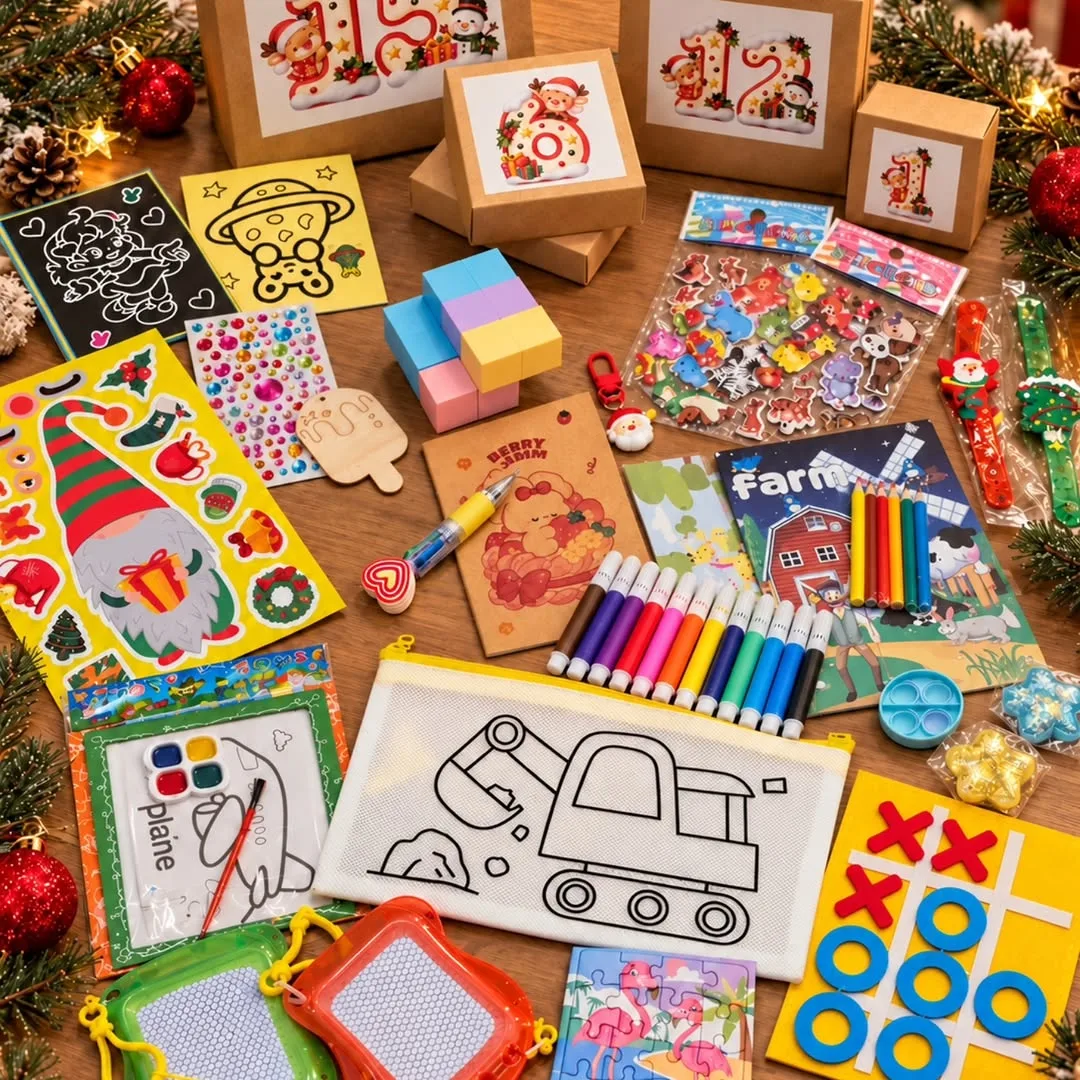
Tiny craft supplies rank among the most useful advent calendar ideas for kids, because every day adds one small tool or material toward a final project. Glue sticks, crayons, ribbon offcuts, buttons, and stamps build up quietly in a box. By Christmas week, your child owns a full little craft kit assembled through daily excitement.
Glue sticks, washi tape, pipe cleaners, googly eyes, and pom poms all fit small pockets and cost little in multipacks. Spread one colour theme across the month so the growing kit looks coordinated. Save the special item, like glitter glue or a stamp set, for the final days when excitement needs a gentle lift.
Crafty children from about age four light up at this calendar, though honestly most children enjoy collecting supplies day by day. Match supplies to skill level, with chunky crayons for toddlers and finer tools for older makers. Planning the end project together, perhaps cards for teachers or decorations for grandparents, gives every small item a purpose.
Plan backward from the final project so every supply earns its place in the box. Buy multipacks and split them across siblings to keep costs low. Messy items cause the main trouble, so skip loose glitter, store paints upright, and keep one small tray ready for the daily unboxing moment.
Story prompts in mini envelopes
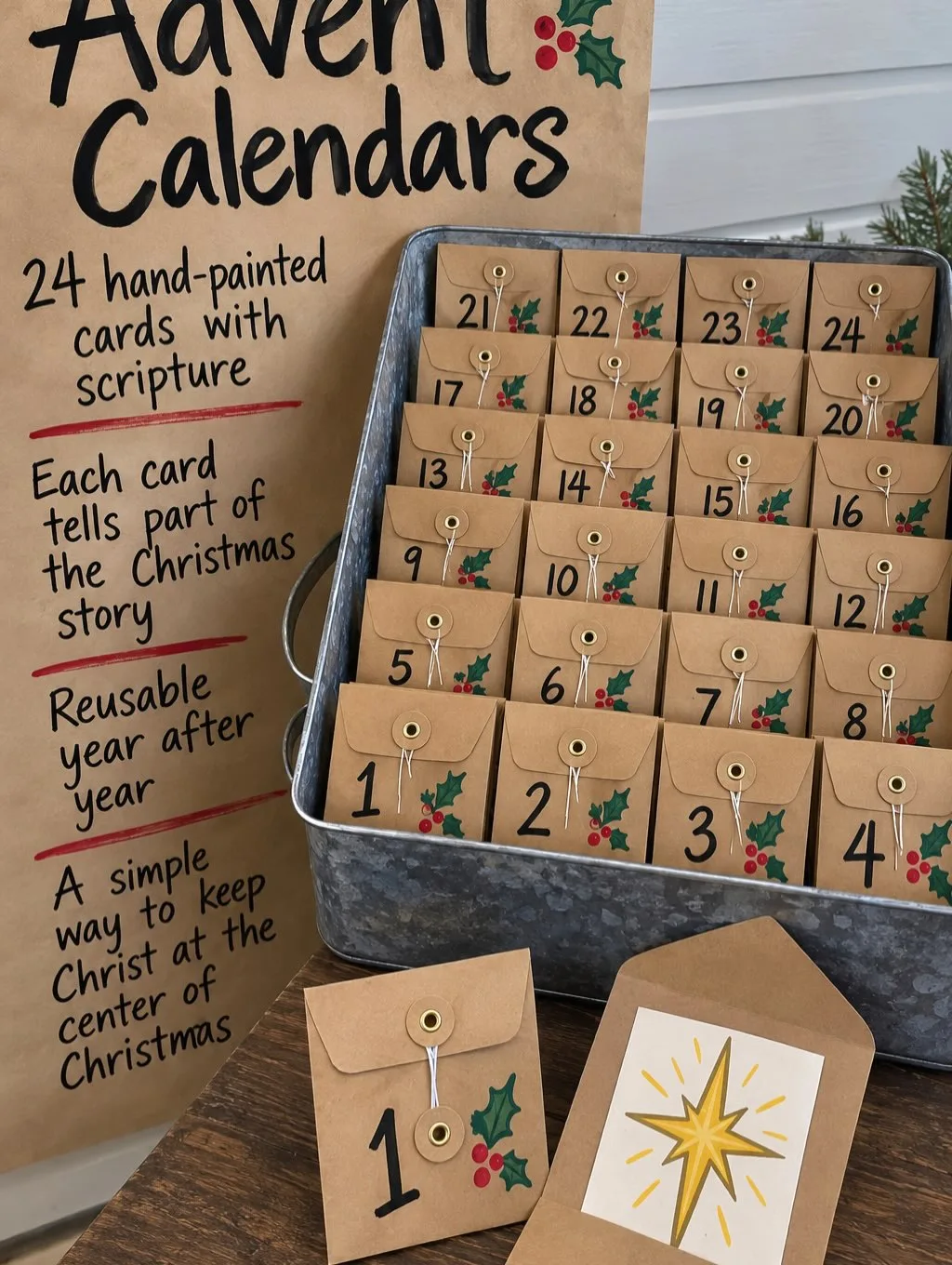
Storytelling needs no shopping at all, which makes prompt envelopes a gift for busy parents. Each envelope holds one opening idea, and the family invents the rest of the tale together at breakfast or bedtime. Silly voices and wild twists appear quickly, and quiet children often surprise everyone with the boldest plots.
Prompts work best when they start mid adventure, like a snowman who forgot his nose or a reindeer applying for a new job. Write one prompt per envelope, add a character or place on some days, and let children combine cards for longer tales. Keep a notebook nearby if your family enjoys saving favourite stories.
Confident talkers from about age five thrive with prompts, while shy children prefer drawing the story or whispering one line at a time. Teenagers enjoy the joke version, inventing absurd tales for younger siblings. Reading the prompt aloud together removes pressure, and nobody needs to perform alone unless they want the stage.
Take turns adding one sentence each, and even a two minute tale feels like a real family production. Photograph the envelope wall as it empties, because the shrinking row shows Christmas approaching. Prompts that sound too clever confuse younger children, so test each idea for plain words and a clear picture.
Family photo behind every door

Printed photographs turn a simple cardboard calendar into a walk through your family year. Behind each door sits one small photo, perhaps a holiday snap, a birthday grin, or a muddy dog. Children slow down to remember the moment, and December gains a gentle gratitude theme without any lecture at all.
Choose twenty four photos across the seasons so winter does not dominate the set. Print small copies at home or through a cheap online service, trim them to fit the doors, and fix each one with a dot of glue. Faces work better than landscapes at small sizes, so favour close ups of people and pets.
Sentimental children of every age adore this calendar, and grandparents living far away often receive a twin version by post. Toddlers point at familiar faces with delight, while older children retell the story behind each picture. Families separated by distance find this idea especially comforting during a month built around togetherness.
Stick each revealed photo onto the fridge or a growing ribbon line, and the kitchen slowly fills with your year. Keep spare prints in case one tears during enthusiastic opening. Blurry or dark photos disappoint at small sizes, so check every print in good light before hiding it away.
Christmas joke behind every number

Laughter costs nothing and fills a house faster than tinsel, so a joke calendar earns its place easily. Behind every number waits one short Christmas joke, riddle, or silly question. Children race to open the day's card, read the joke aloud in their best announcer voice, and groan together at the answer.
Write jokes on sturdy cards so favourites survive being read twenty times. Sources include joke books, cracker jokes saved from last year, and family inventions tested at dinner. Keep answers upside down or on the back, because suspense makes even a gentle joke land better, and let children guess before revealing.
Readers from about age six enjoy opening and performing the joke alone, while younger children need an adult co reader and simpler wordplay. Older children love collecting jokes to deploy at school, building a small reputation as the class comedian. Rotate who reads each morning so everyone gets a turn in the spotlight.
Save your strongest joke for Christmas Eve and let the whole family vote on the winner of the month. A small joke notebook preserves the favourites for next year. Repeating the same joke twice deflates the fun fast, so tick jokes off a master list while preparing the cards.
Sticker advent scene that grows daily
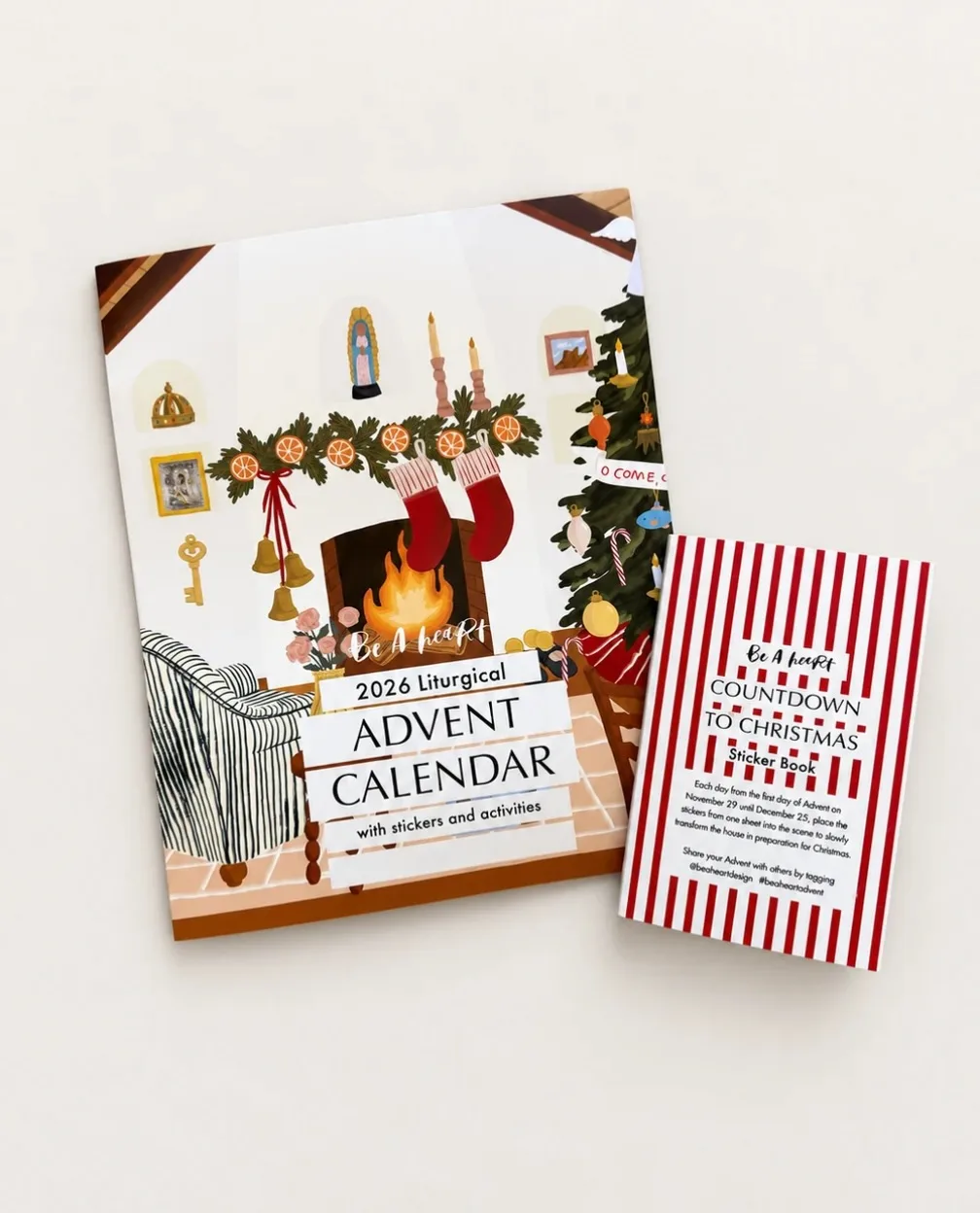
Blank winter scenes beg for decoration, and sticker calendars supply one piece of that decoration daily. Among the most visual advent calendar ideas for kids, a growing sticker scene shows progress at a glance, which younger children find deeply satisfying. Every morning adds one tree, animal, star, or tiny figure to the picture.
Stickers come in festive books and multipacks, so sorting twenty four good ones takes minutes. Start with background pieces like snow drifts and a big tree, then add characters, animals, and details across the month. Save the star or the Father Christmas figure for the final day, because finishing touches deserve a little ceremony.
Toddlers and preschoolers shine with this calendar because peeling and placing stickers builds finger strength and patience. Older children enjoy designing the scene layout and planning where each new piece belongs. Thick reusable stickers suit the youngest hands, while detailed sticker sets challenge older artists who love tiny finishing touches.
Leave generous blank space on the scene so late stickers still find a home near the end. Stick the scene at child height on a door or the fridge, where small hands reach easily each morning. Furniture collects stray stickers in many homes, so agree the scene boundary on day one and choose stickers that peel away cleanly.
Clue cards that lead to small surprises
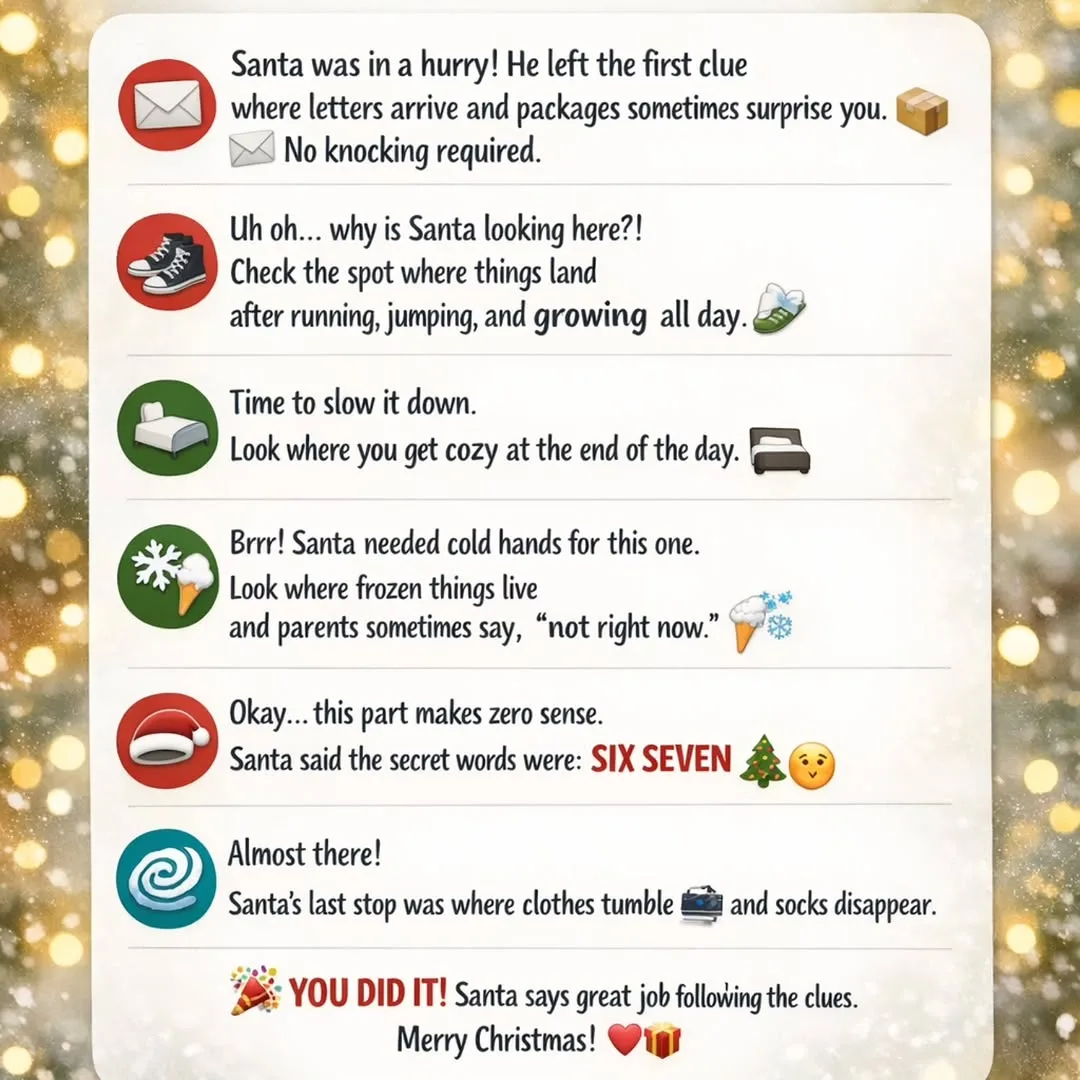
Treasure hunt energy lifts an ordinary morning, and clue cards deliver that energy in miniature. Each card sends your child to one hiding spot, where a small surprise waits. Breakfast can wait two minutes when a mystery needs solving, and children remember these mornings long after December ends. Even tiny hunts feel epic to a six year old.
Clues range from simple pictures for young children to riddles and rhymes for older detectives. Favourite hiding spots include shoes, books, the fruit bowl, and under pillows, all quick to load the night before. Keep hunts inside one or two rooms so mornings stay calm and nobody hunts while half dressed for school.
Older children from about age seven adore cracking codes, secret words, and map style clues. Younger siblings pair up beautifully with an older guide, turning the hunt into teamwork. Difficulty matters more than prize size here, because a clue solved after real thought brings proud grins that sweets rarely match.
Hide each surprise after bedtime and write yourself a tiny note about the spot, because tired parents forget hiding places embarrassingly often. Keep surprises small and light, like a sticker, a coin, or a kind note. Clues that prove too hard end in tears, so always keep one gentle hint ready in your pocket.
Gratitude note written every day

Gratitude slows December down in the best possible way, one small note at a time. Every day, your child names one good thing and writes or dictates it onto a card. Cards collect in a jar or hang on a string, and the growing collection quietly proves how much good one ordinary month holds.
Notes stay tiny, often one line about a friend, a meal, a game, or a kind teacher. Young children dictate while adults write, and older children enjoy decorating their cards. Keep the jar somewhere visible, like the kitchen table, because seeing gratitude grow encourages everyone, including the adults, to join in.
Every age can join this calendar, from toddlers naming favourite foods to teenagers grudgingly admitting one decent thing per day. Schools use similar gratitude habits because the practice lifts mood gently and reliably. Families facing a hard year often find this simple ritual surprisingly steadying, which makes it far more than a cute activity.
Read the whole collection aloud on Christmas Eve or New Year's Eve, and watch small moments become the story of your season. Photograph the cards before storing them with the decorations. Forcing long or emotional notes backfires, so accept one word answers happily and let depth arrive on its own schedule.
Carol or song to sing each day
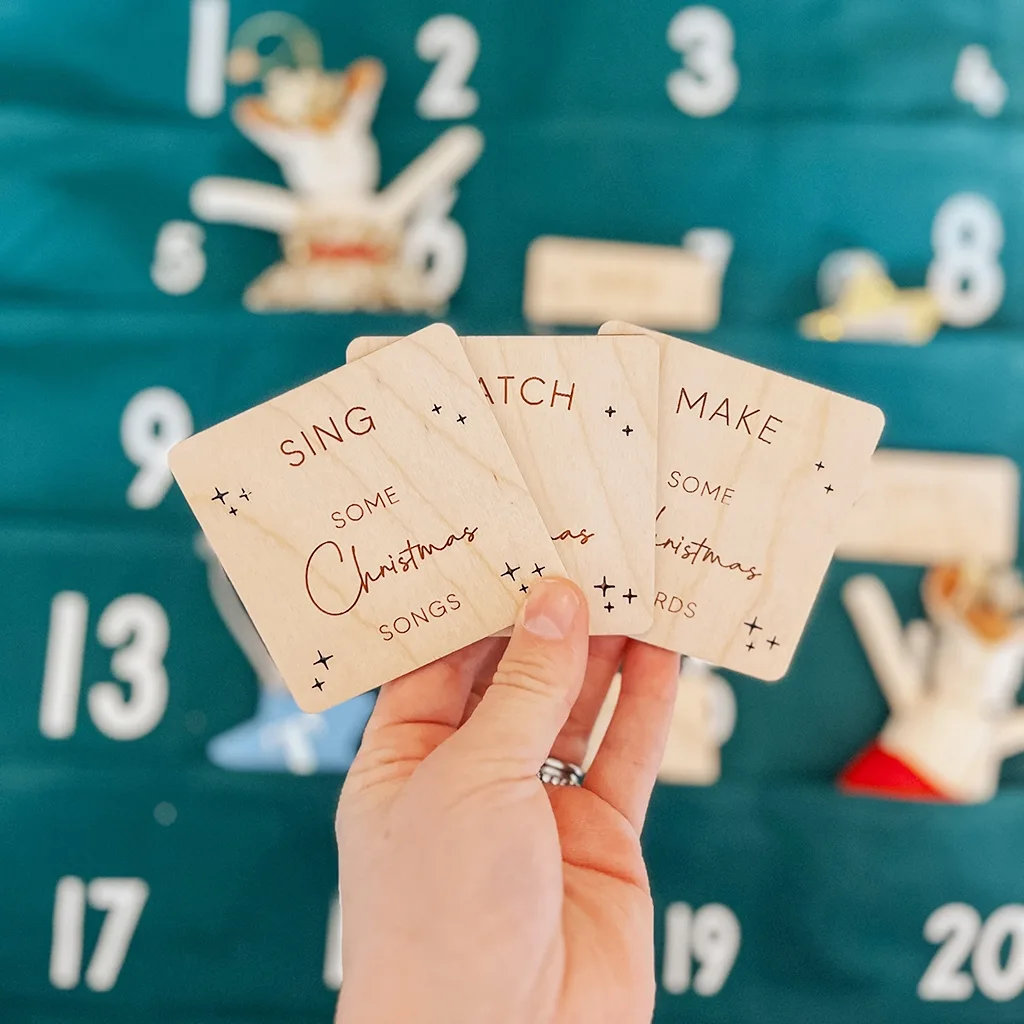
Music fills a house with celebration faster than any decoration, and a song calendar spreads that joy across the whole month. Each day reveals one carol or festive song to sing together. Voices improve with practice, confidence grows, and by Christmas Eve your family owns a small concert ready to perform.
Song cards simply name the tune, perhaps with the first line written out for younger singers. Mix famous carols with silly favourites and one or two songs from grandparents' childhoods for variety. A free playlist on a phone supports shy singers, and kitchen concerts during dish washing count fully as performances.
Musical families adore this calendar, though enthusiasm matters far more than talent here. Toddlers join with jingling bells or wooden spoons, school children learn verses properly, and teenagers negotiate one modern song per week. Singing together lowers stress and lifts energy, which December households usually welcome at around dinner time.
Record one song each week on a phone, and by Christmas you hold a tiny family album worth keeping. Grandparents far away treasure these clips more than most posted gifts. Choosing songs nobody knows kills the mood quickly, so favour familiar tunes and teach only one brand new carol across the whole month.
Paper chain countdown to Christmas Day
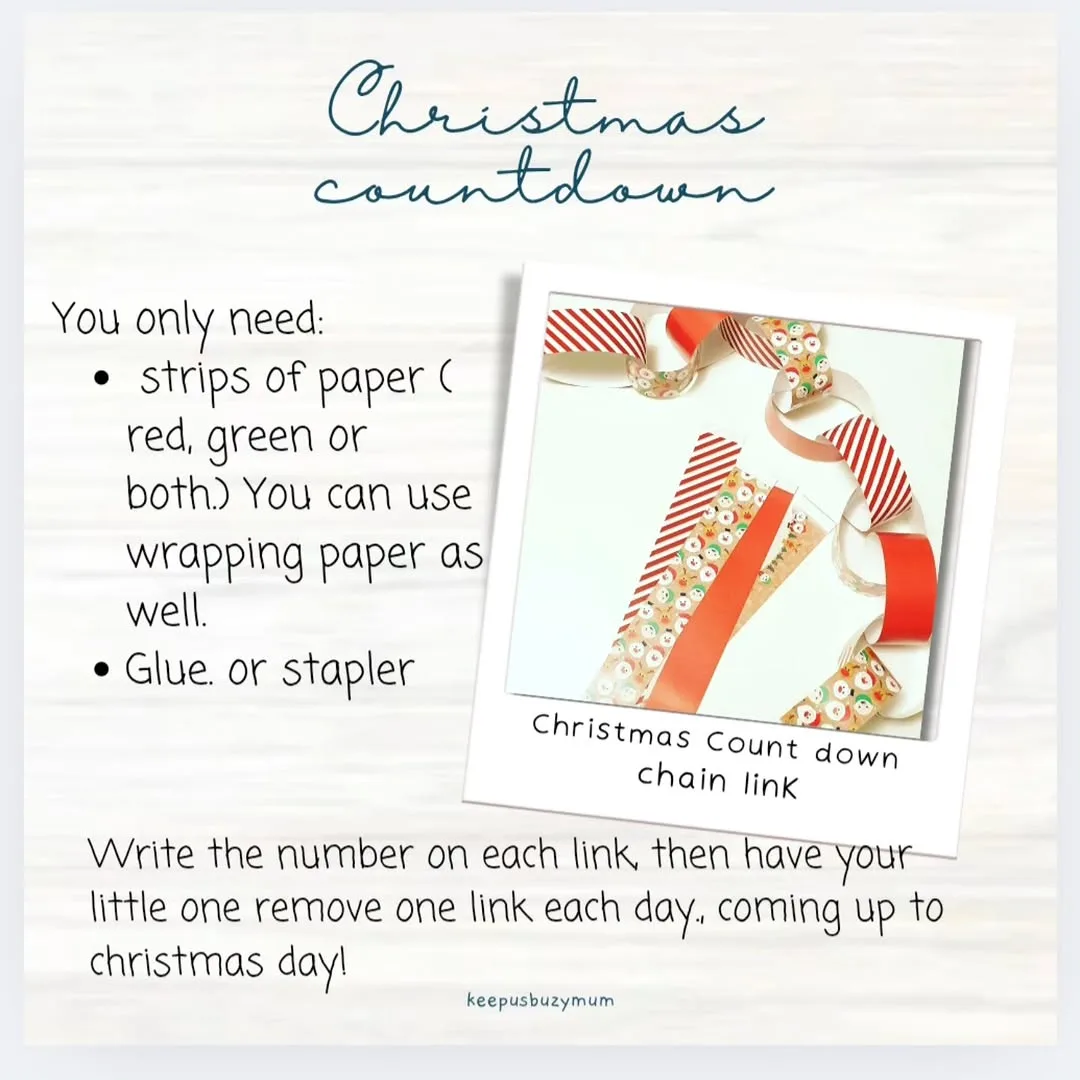
Paper chains decorated classrooms for generations, and a countdown chain brings that cheerful colour home. Children make one long chain in late November, then remove one link every day. Shrinking chains show time passing in a way little children truly understand, which ends the daily question about how many sleeps remain.
Strips cut from coloured paper, old wrapping paper, or children's artwork form the links. Loop each strip through the last, glue or tape the ends, and aim for twenty four links ending on Christmas Eve. Write one tiny activity, joke, or kind word inside some links for a gentle surprise as the chain comes apart.
Preschoolers adore this calendar because tearing or cutting one link feels powerful and clear. Older children enjoy making the chain and leading the daily snip for younger siblings. Scissors practice sneaks in useful skill building, and the daily link makes a sweet bookmark or tree decoration once removed. Bedrooms and hallways both suit the hanging spot.
Hang the chain across a doorway, along a shelf, or around the tree where everyone passes daily. Count links twice while making it, because a chain that ends three days early causes genuine heartbreak. Paper tears near sticky little hands, so keep spare strips ready for quick repairs that nobody needs to announce.
Common Mistakes to Avoid With Advent Calendars
Even the sweetest advent calendar ideas for kids can wobble when preparation slips or expectations grow too big. Most problems come from three habits, overfilling, under planning, and forgetting that children value ritual more than price. Reading the traps below saves money, stress, and at least one tearful morning before school.
Buying twenty four separate gifts drains both wallet and imagination by the second week of December. Fillers repeat, quality drops, and children sense the scramble. Variety works better than value, mixing activities, jokes, notes, and tiny objects across the month. One calendar style chosen early prevents the expensive panic buying that ruins many good intentions.
Forgetting to load the next day is the classic disaster, usually discovered by a hopeful child at dawn. Prep five days at a time and keep a small supply box hidden nearby for rescues. Calendars also fail when activities demand time nobody has, so match every promise to your real December schedule.
Budget Friendly Ways to Fill an Advent Calendar
Most fillers in this guide cost pennies because paper, jokes, songs, and kindness carry the month. Envelopes, cards, and chain strips come from one cheap paper pack with leftovers for wrapping. Raiding your own drawers first usually uncovers stickers, ribbons, and small toys your child has forgotten existed. Free really can feel festive here.
Set one small total for the whole calendar and divide it across the weeks before shopping begins. Families who plan advent calendar ideas for kids in November catch early offers on sticker books, puzzle sets, and craft multipacks. Splitting multipacks between siblings stretches money further, and swapping filler ideas with a friend doubles variety for free.
Reuse the calendar shell every year and change only the fillings, because pockets, envelopes, and jars all survive careful storage. Library books fill the book calendar at no cost, and printed photos cost little when ordered early. Homemade beats shop bought here in both price and charm, which makes the budget version genuinely better.
Advent Calendar Tips That Keep December Calm
Start in November. One calm evening of cutting, writing, and sorting beats five rushed mornings of panic. Lists help enormously, so note fillers day by day before buying anything. Store the finished calendar out of sight, and let December first arrive like a small celebration all by itself.
Prep in small batches. Refilling five days at a time keeps surprises fresh and mistakes rare. Sunday evenings suit this rhythm well for most families. Keep spare jokes and stickers in the prep box, because one blank morning fixed quietly never needs to become a family legend. Batching also protects the secret from older children.
Keep mornings short. School day openings should take five minutes at most, with longer activities saved for weekends. Place big tasks, outings, and crafts on Saturdays and Sundays while planning your cards. Calm rituals survive busy weeks, while ambitious daily projects collapse by the middle of the month.
Mix the filler types. Rotate activities, jokes, small objects, and kind tasks so no two days feel the same. Children stay curious when the category keeps changing under their fingers. One simple pattern works well, activity, joke, object, kindness, repeated across the month with weekends holding the bigger moments.
Let children help build it. Making the calendar together in November builds excitement before a single door opens. Children can cut strips, decorate envelopes, and sort stickers without spoiling the daily surprises. Ownership matters, because a calendar your child helped create gets treated with far more care and pride.
Put one bigger moment in every week. A special outing, a favourite meal, or the best joke of the month gives children milestones inside the countdown. Mark these days with a gold star on the calendar itself. Anticipation stretches further when something extra waits beyond the ordinary daily opening.
Done gently, advent calendar ideas for kids become the part of December your family talks about all year. Ritual matters more than expense, and consistency matters more than perfection. Miss a day, laugh, open two doors tomorrow, and carry on, because the calendar serves your family and never the other way around.
FAQ
How many days should an advent calendar have?
Most calendars run for twenty four days, starting on December first and ending on Christmas Eve. Some families add a twenty fifth surprise for Christmas morning itself. Shorter versions suit very young children, and starting with twelve days keeps the ritual manageable during an especially busy year.
What age suits advent calendars best?
Toddlers from about age two enjoy simple versions with stickers, photos, and songs. Children between four and ten usually gain the most, because anticipation and reading skills grow together. Teenagers join happily when the calendar respects their humour, with jokes, music, and snack free treats like choosing the family film.
How do I handle advent calendars for several children?
Shared calendars with turn taking teach patience and keep costs low for bigger families. Alternating who opens each day works when the treat inside suits everyone. Sibling sets also work well, with identical small fillers prepared in one batch, because fairness matters more than variety to most children.
Can I start an advent calendar late?
Starting on December fifth or even tenth works perfectly well, and nobody official checks your calendar. Simply remove the early doors, shorten the chain, or begin the jar with fewer cards. Children care about the days they get, and a late start beats a stressed parent forcing a full month.
What if my child only wants chocolate?
Compromise usually wins, so place a chocolate on a few chosen days inside an activity based calendar. Fridays or Sundays make natural sweet days without returning to daily sugar. Many children convert fully once jokes, clues, and hunts start arriving, and the chocolate becomes the least interesting part.
How early should I prepare everything?
November preparation gives you time to gather books, print photos, and sort puzzle pieces without rushing. One or two evenings cover most calendars in this guide completely. Preparing early also spreads spending across two paydays for many families, which softens December costs in a very practical way.
Conclusion
Whichever style you choose, advent calendar ideas for kids succeed when they match your real home, your real budget, and your child's real personality. Pockets, jars, books, jokes, and chains all work beautifully when filled with thought. Pick one idea today and prepare it calmly, and December mornings will greet you with genuine excitement.
Start small if this is your first homemade calendar, and let success build your ambition for next year. Notes from this December, kept with the decorations, will guide the next version kindly. Families grow into traditions one season at a time, and a simple calendar repeated yearly becomes a treasured part of childhood.
December will feel busy either way, so give it one small ritual worth remembering. A card read at breakfast, a song sung badly together, or one paper link removed each morning can carry the whole season. May your countdown feel warm, calm, and full of small good days.