
15 Cookie Exchange Party Ideas for a Sweet Swap
December calendars fill quickly, and most people still want one relaxed evening with friends before the holiday rush peaks. Cookie swaps answer that wish well, because every guest brings one batch of baking and leaves with a whole assortment to enjoy and share at home. Hosting stays light too, since guests provide most of the food on the table and the host mainly provides space, drinks, and a simple plan.
You do not need a big house, fancy dishes, or advanced baking skills to host a swap that guests remember fondly. One clear invitation, a table with room for trays, and a few boxes for carrying cookies home cover nearly everything. Guests care far more about clear rules and a friendly mood than about matching decorations or expensive extras.
Below you will find fifteen cookie exchange party ideas that cover the whole party, from the first invitation to the last leftover cookie. Each idea explains why it works, the practical details that matter, who it suits best, one real example, and one mistake to skip. Read through the list, pick the ideas that fit your space and your guest list, and keep the rest simple.
How do I host a cookie exchange party without stress?
Simple cookie exchange party ideas work best when three things are settled early: how many cookies each guest brings, how the swap itself runs, and how guests carry their treats home. Set the guest list at eight to twelve people, ask everyone to bring one kind of cookie in a set quantity, and plan one round where guests walk the table and fill their boxes. Clear rules shared in advance prevent nearly every problem hosts worry about.
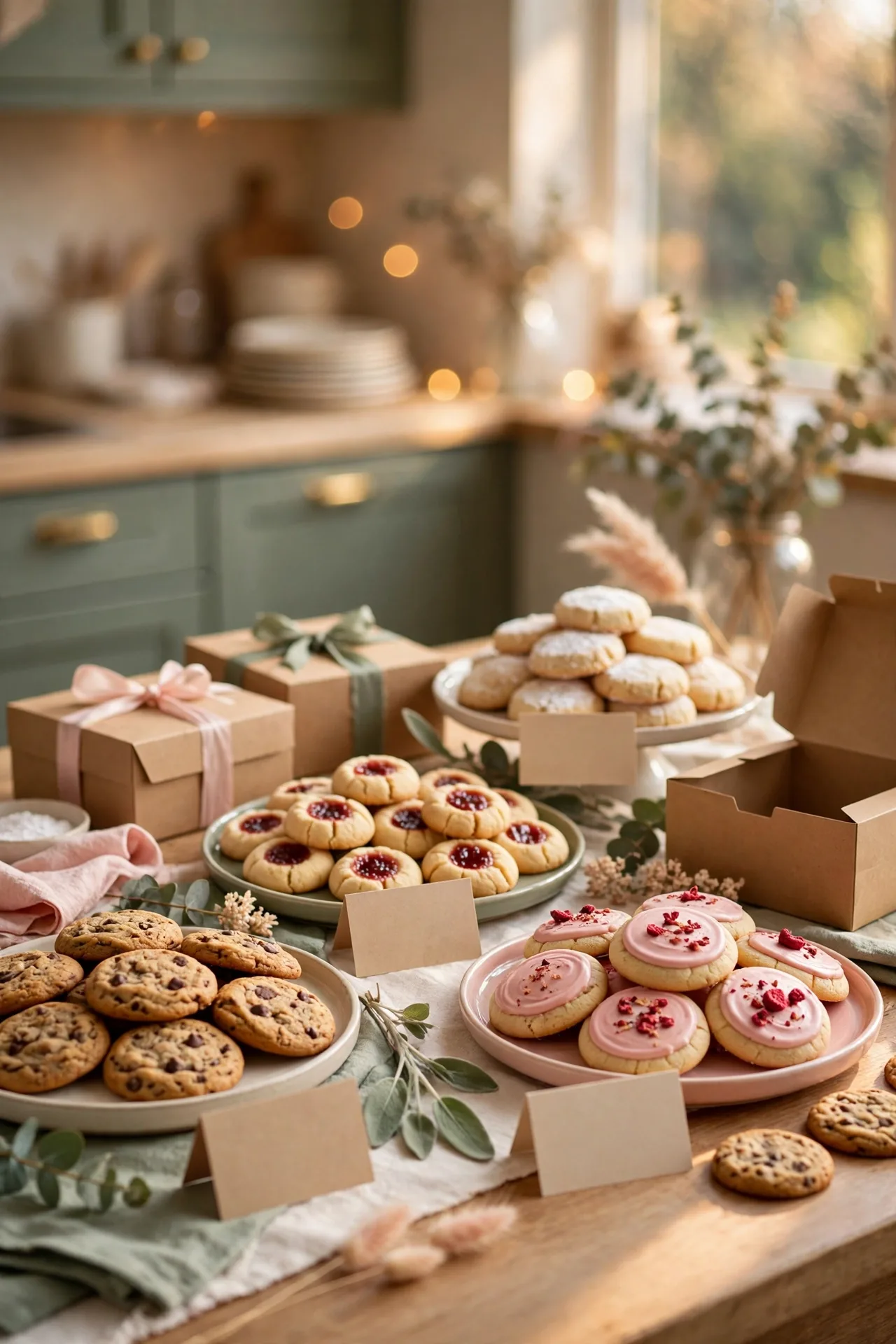
Picture ten friends arriving with trays of ginger snaps, jam thumbprints, and chocolate crinkles, each batch labeled with a small sign. Guests taste a few cookies, sip coffee, vote for a favorite, and then circle the table once with empty boxes. Everyone leaves with ten kinds of cookies, a few new recipes, and photos of a table that looked far more impressive than the effort behind it.
Invitations with clear swap rules
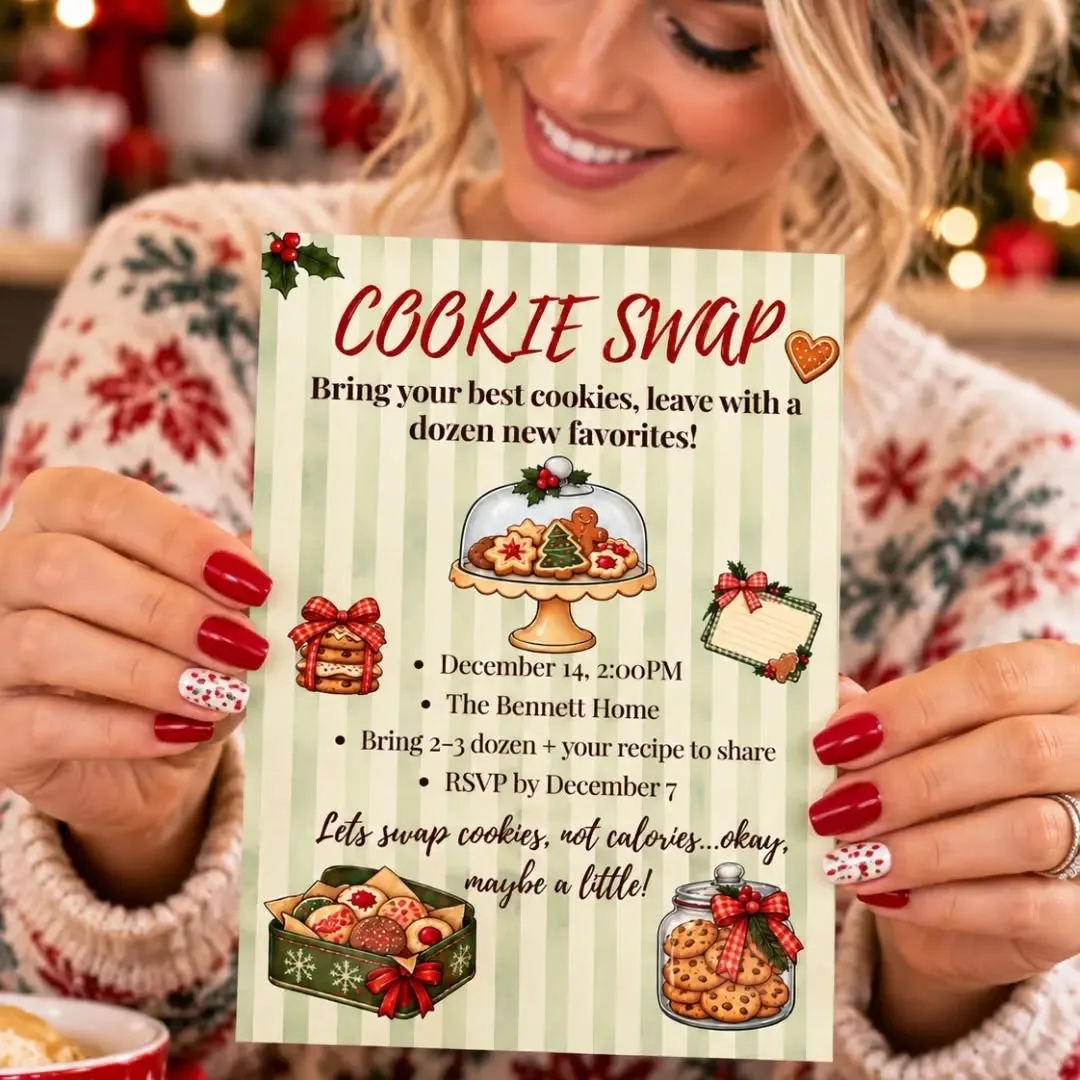
Invitations do far more than share a date and an address, because they set the rules that make the whole swap fair and relaxed. Guests bake with confidence when they know exactly how many cookies to bring and what kind of event to expect. Clear early information also stops the classic problem of one guest bringing twelve cookies while another brings sixty.
Send invitations at least three weeks ahead, since baking takes planning during a busy season. State the number of guests, the quantity each person brings, and whether cookies should arrive on a tray ready for the table. Common guidance asks each guest to bring enough cookies for every guest to take home a set amount, plus a few extra for tasting at the party. Add a line asking guests to share any nut or other allergy concerns in advance.
Groups of coworkers, neighbors, and school parents suit this format especially well, because clear written rules help people who may not know each other closely. New hosts benefit most of all, since written rules answer questions before guests start asking them one by one. Book clubs and church groups also love swaps, because members already enjoy sharing food and news in equal measure.
Imagine an invitation that reads: bring three dozen of one favorite cookie, plus a printed copy of the recipe if you would like to share it, and arrive ready to taste. Guests immediately understand the assignment and start choosing recipes with a smile. Hosts receive far fewer worried messages when every answer sits inside the invitation itself.
Skip sending rules the night before the party, because guests need time to shop, bake, and cool cookies properly. Vague invitations cause the most stress, since guests guess at quantities and quietly worry their batch looks small or plain beside the others. Share the plan early and repeat the key numbers once in a friendly reminder a few days before the party.
Long display table with labeled trays
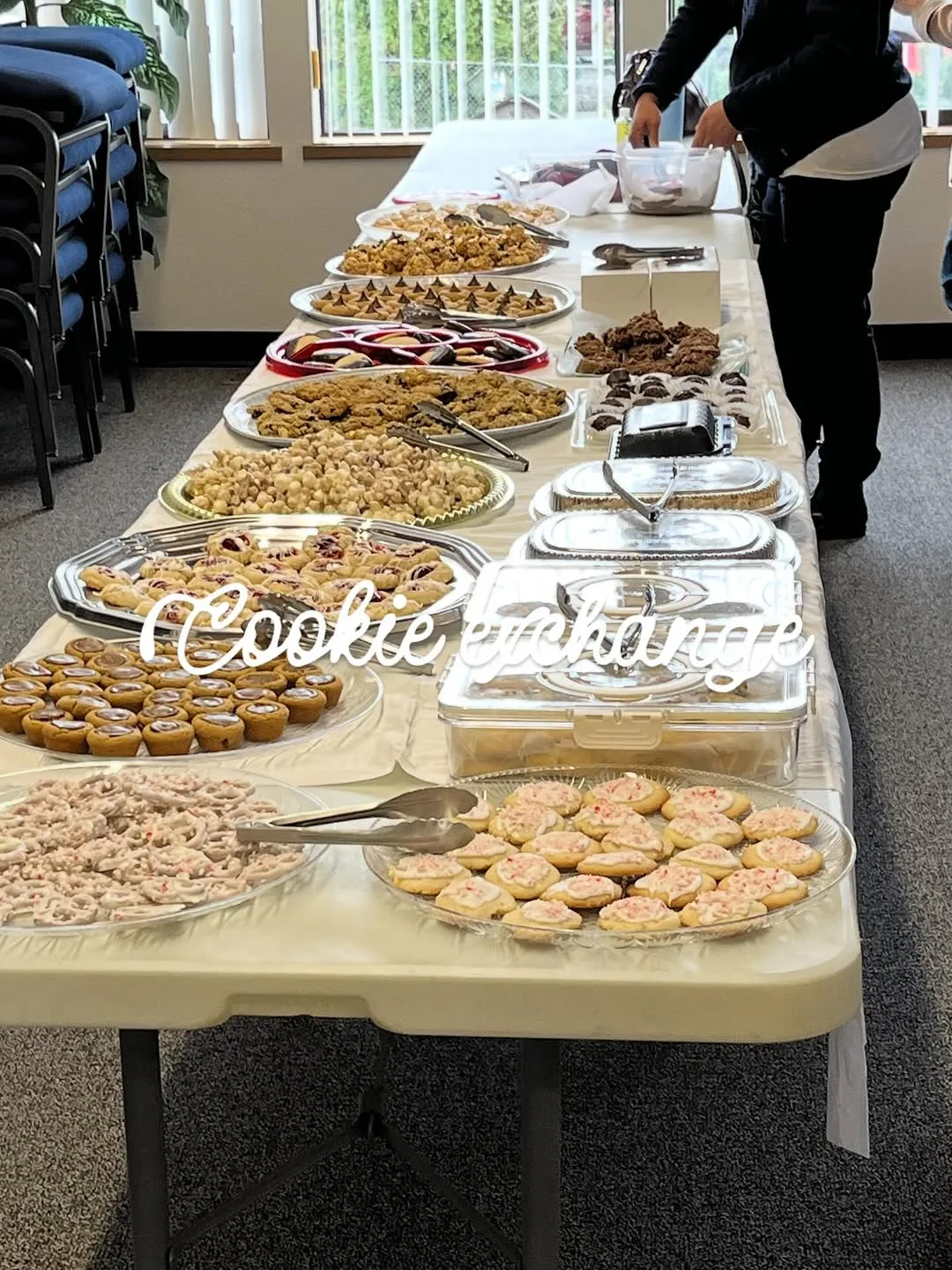
One long table turns a pile of separate trays into a display that looks generous and inviting the moment guests walk in. Cookies arranged in a single line or a gentle curve invite slow browsing, tasting, and conversation along the way. Guests also swap more fairly from one shared table, because everyone sees the full selection before filling a box.
Cover the table with a plain cloth in cream, red, or deep green, and leave the middle strip free for trays while the edges hold drinks and napkins. Place trays at slight angles with small gaps between kinds, so flavors and crumbs stay separate. Set taller stands or stacked books under a cloth at the back to lift a few trays and add height. Keep the tasting plates and napkins at one end where the browsing line naturally begins.
Homes with a dining table that seats eight or more suit this idea perfectly, though two folding tables pushed together work just as well. Apartment hosts can run trays along a kitchen counter in one clear line and skip the table entirely. Larger groups of twelve to fifteen guests need the long layout most, because crowding around one small table slows the swap and breaks cookies.
Picture a table holding twelve trays in a row, each with a small sign, fairy lights woven between them, and a stack of tasting plates waiting at the start. Guests drift along with coffee in hand, pointing out favorites and asking who baked what. Photos of that table usually become the picture everyone shares the next day.
Crowding every tray onto a small side table causes the first avoidable mess, since elbows knock cookies and guests cannot reach the back row. Mixing unlabeled trays together creates the second problem, because similar looking cookies get swapped by mistake. Give each batch its own tray and its own clear space, even when the table feels full.
Small signs with cookie names and bakers

Small signs in front of each tray quietly solve half the questions at a cookie swap. Guests learn the cookie name, the baker, and key warnings such as contains nuts without hunting for the person who baked them. Signs also make shy bakers feel proud, because their name sits beside their work for everyone to admire.
Fold small cards from plain card stock, or write on tent cards from a party shop and set one in front of every tray. Ask guests to write the cookie name, their own name, and any major ingredients worth flagging, such as nuts, peanut butter, or strong spice. Keep a few blank cards and a pen on the table for guests who forget. Hosts who offer cookie exchange party ideas to friends often say the signs become the most praised detail of the whole party.
Swaps with new bakers or mixed friend groups gain the most from signs, since guests can compliment the right person and ask about flavors with confidence. Groups with allergy concerns need signs most of all, because clear labels protect everyone without awkward conversations. Families with children also rely on signs when little hands reach for trays during tasting time.
Imagine a guest reading a card that says spiced molasses cookies, baked by Priya, contains ginger and cloves, then finding Priya across the room to ask how the edges stay crisp. That small exchange starts conversations that carry the whole evening. Later, the same signs help guests remember which cookies sit inside their take home boxes.
Leaving trays unlabeled forces guests to guess flavors, and guessing goes wrong with look alike cookies such as plain shortbread beside lemon shortbread. Tiny writing causes the second failure, because guests skip cards they cannot read from a normal standing distance. Ask for large clear letters, and quickly rewrite any card that arrives too small to read.
Cookie tasting plates for sampling
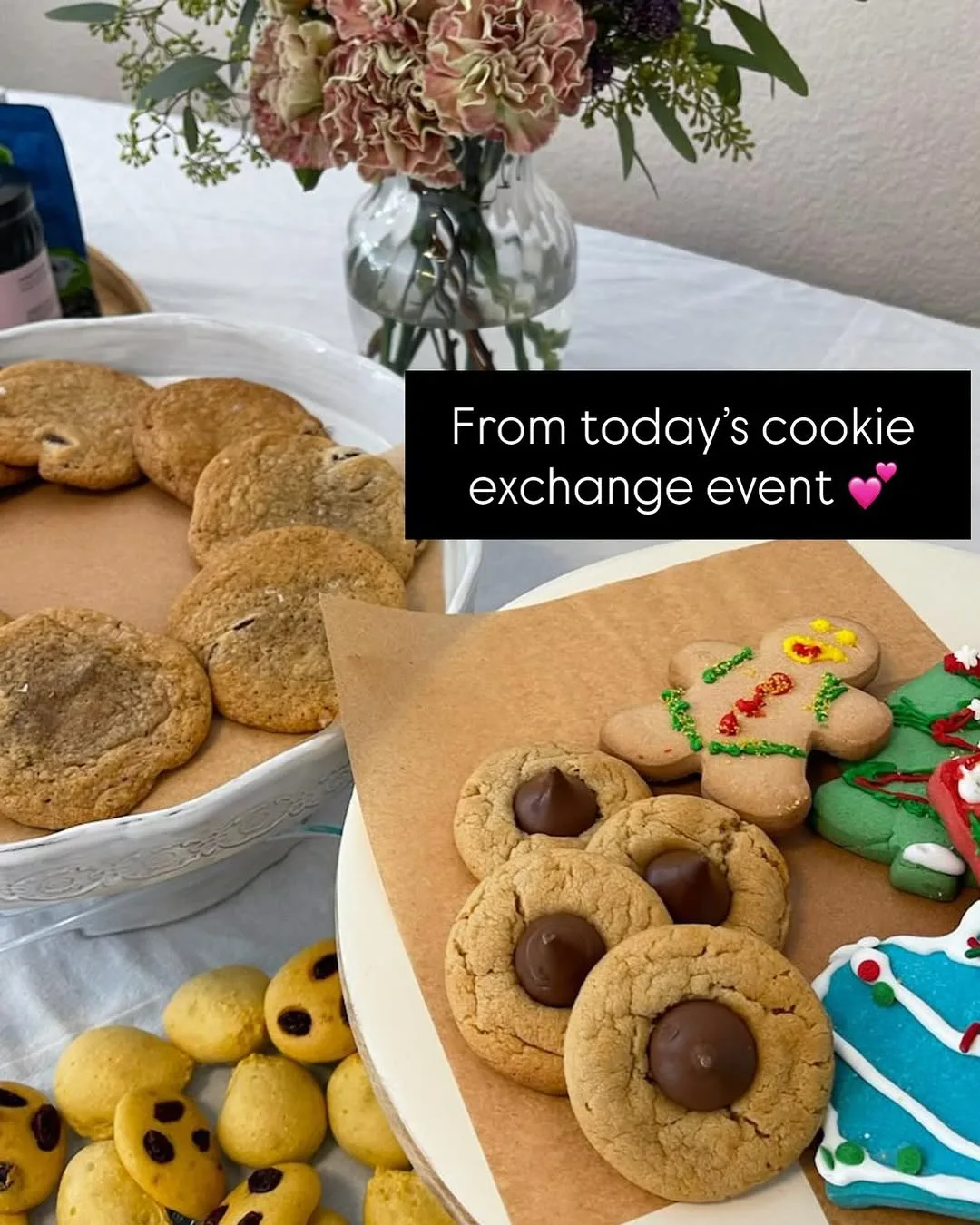
Tasting sits at the heart of a cookie swap, because guests want to sample before they choose which cookies fill their boxes. Small plates set aside for sampling keep tasting tidy and separate from the swap trays. Guests enjoy the party more when sampling feels encouraged rather than sneaky, and bakers feel honored when people taste with real attention.
Set out small plates, napkins, and a few knives for splitting larger cookies into halves or quarters. Place a small bowl of plain crackers or a jug of water nearby so guests can clear sweet flavors between samples. Suggest a gentle limit, such as tasting four or five favorites before the swap round begins. Keep one plate per guest moving, and stack spares at the end of the table for seconds.
Parties with many rich or unusual flavors suit a tasting setup best, because guests commit their box space wisely after sampling. First time swappers benefit too, since tasting teaches them which styles their own family enjoys before boxes get packed. Groups that include keen bakers turn tasting into the liveliest part of the evening, swapping opinions like friendly critics.
Picture a guest moving slowly along the table with a small plate holding a quarter of a linzer cookie, half a snickerdoodle, and one small brownie bite. Notes get shared, favorites get marked mentally, and the voting jars suddenly make sense. When the swap round starts, that guest fills a box with total confidence.
Letting guests pick at swap trays with bare fingers spoils both hygiene and fairness, because the best cookies vanish before the swap begins. Hosts also regret skipping knives, since guests break cookies by hand and leave crumbs across every tray. Keep tasting food and swap food clearly separate from the very first tray.
Take home boxes tied with ribbon

Pretty take home boxes turn a pile of swapped cookies into a gift each guest carries out the door with pride. Boxes protect cookies far better than plates wrapped in foil, and they stack neatly in cars and fridges at home. Hosts who provide boxes also control the swap fairly, because every guest fills the same size container.
Buy plain bakery boxes with windows, or simple kraft boxes from a craft shop, sized to hold about two dozen cookies in two layers. Add tissue paper sheets for layering and a short length of ribbon or twine for tying each box closed. Set the boxes out at the packing end of the table with names written on the lids if guests like a personal touch. Order boxes early, since December stock disappears quickly from local shops.
Hosts who love a polished finish suit this idea best, though plain boxes tied with simple twine look charming without any fuss. Office swaps and school staff swaps benefit most, because guests travel further with their cookies and need sturdy packaging. Grandparents and neighbors receiving a spare box also feel included in the fun.
Imagine each guest circling the table once, placing a few cookies from every tray into a box lined with tissue, then tying the lid with red ribbon at the packing spot. Boxes line up along the counter like small gifts waiting for a tree. Guests photograph their boxes almost as often as they photograph the table.
Waiting until party week to buy boxes usually means paying more for whatever stock remains, or settling for sizes that crush tall cookies. Offering boxes that are far too large causes the opposite problem, because guests feel pressure to overfill them and trays empty unevenly. Match the box size to the agreed cookie quantity and the fairness problem solves itself.
Paper bags for extra cookies
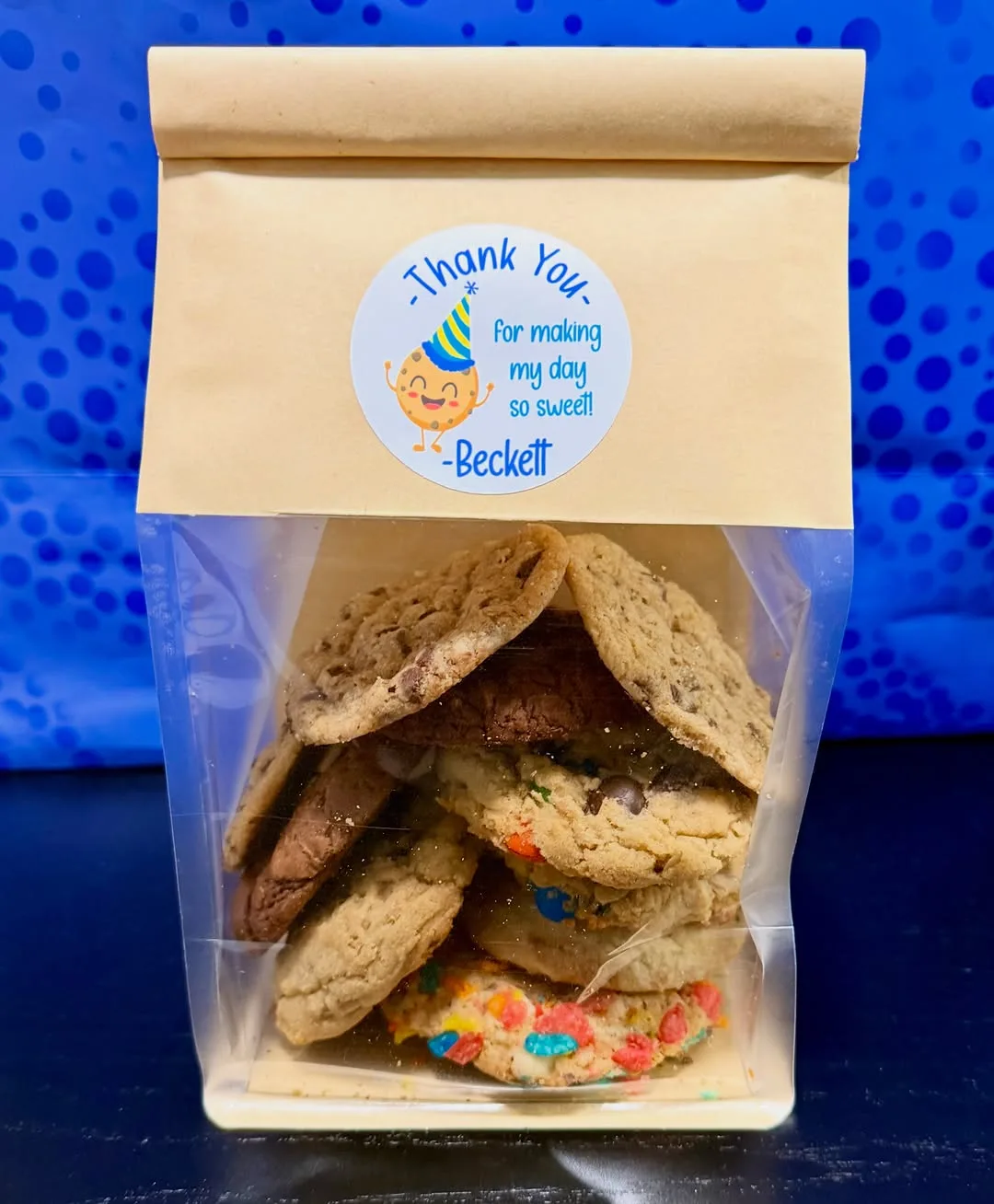
Simple paper bags rescue every swap, because guests always collect a little more than their box holds. Extra cookies from tasting, a gifted batch from a generous baker, or a swap with a friend at the door all need somewhere safe to go. Bags also keep costs low for hosts who already bought boxes and do not want a second packaging bill.
Choose sturdy bakery bags with a grease resistant lining, or plain lunch bags folded down at the top for a neat finish. Set a small stack beside the boxes and another near the door for last minute sharing. Write guest names on bags with a marker when children carry their own treats. Keep a few bags in reserve for guests who arrive with cookies but forget a container entirely.
Budget conscious hosts suit this idea perfectly, since bags cost very little and still look tidy in plain brown or white. Large swaps with fifteen or more guests also need bags, because sorting and carrying get chaotic without backup containers. School swaps where children bring smaller batches rely on bags almost entirely.
Picture a guest whose box filled up two trays before the end of the table, quietly opening a paper bag for the remaining kinds. Nobody feels embarrassed, nobody leaves cookies behind, and the swap round keeps moving smoothly. Small kindnesses like ready bags shape how relaxed a party feels.
Handing out thin plastic bags from a grocery roll disappoints everyone, because cookies slide, break, and pick up a stale smell by morning. Hosts also misjudge by offering bags only after guests start juggling cookies in napkins. Set bags out beside the boxes from the start so guests plan their packing calmly.
Packing station with tissue and twine
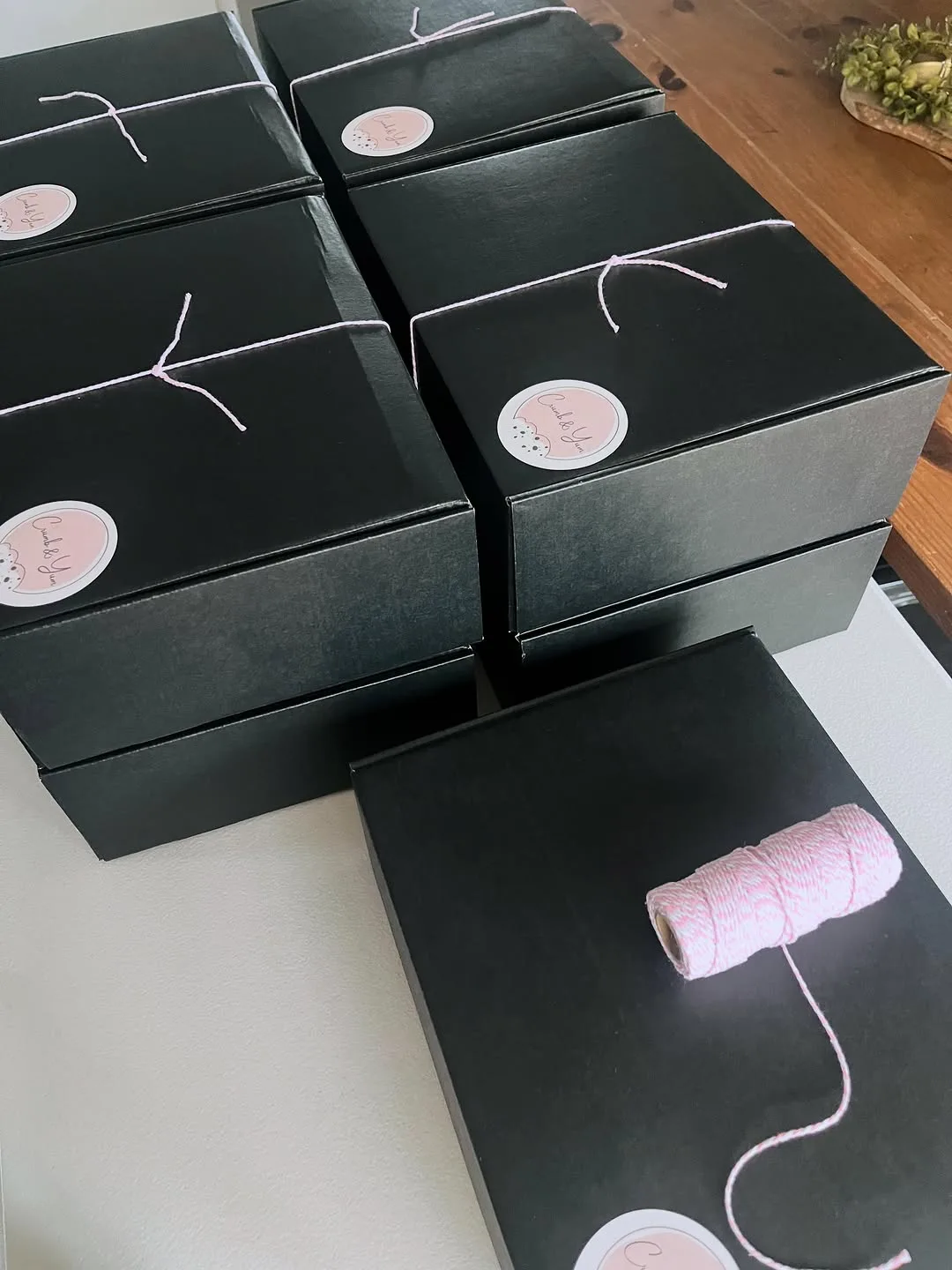
One small packing station keeps the end of the swap calm, tidy, and fair for every guest. Guests circle the table, fill their boxes, and then move to the station to layer, close, and tie their cookies without blocking the trays. Order at the finish line matters more than hosts expect, because excited guests tend to crowd around the last steps.
Stock the station with tissue paper sheets, wax paper squares for sticky cookies, twine or ribbon, scissors, tape, and a pen for writing names on lids. Add a small stack of paper towels for buttery fingers and a bin for crumbs and scraps. Place the station on a side table or counter away from the main display. Clear signage helps, even if the sign is one folded card reading packing station.
Hosts with small rooms gain the most, because moving the packing crowd away from the table keeps the display open for slower guests. Parties with elderly guests or young children also run better when nobody feels rushed by a line behind them. Careful bakers love the wax paper squares, since delicate frosted cookies survive the trip home unmarked.
Imagine the swap round ending with guests drifting to a side table, layering tissue between cookie rows, tying twine bows, and writing names on lids while chatting. Finished boxes gather in a neat row, ready for the group photo. Hosts get a quiet minute to breathe and top up coffee while the station does its work.
Skipping the station entirely leads to a crush around the table, spilled crumbs in the trays, and guests holding open boxes while searching for tape. Forgetting scissors or a pen causes smaller but constant delays. Walk through the packing steps yourself before guests arrive and stock whatever your own hands reached for.
Recipe card swap table
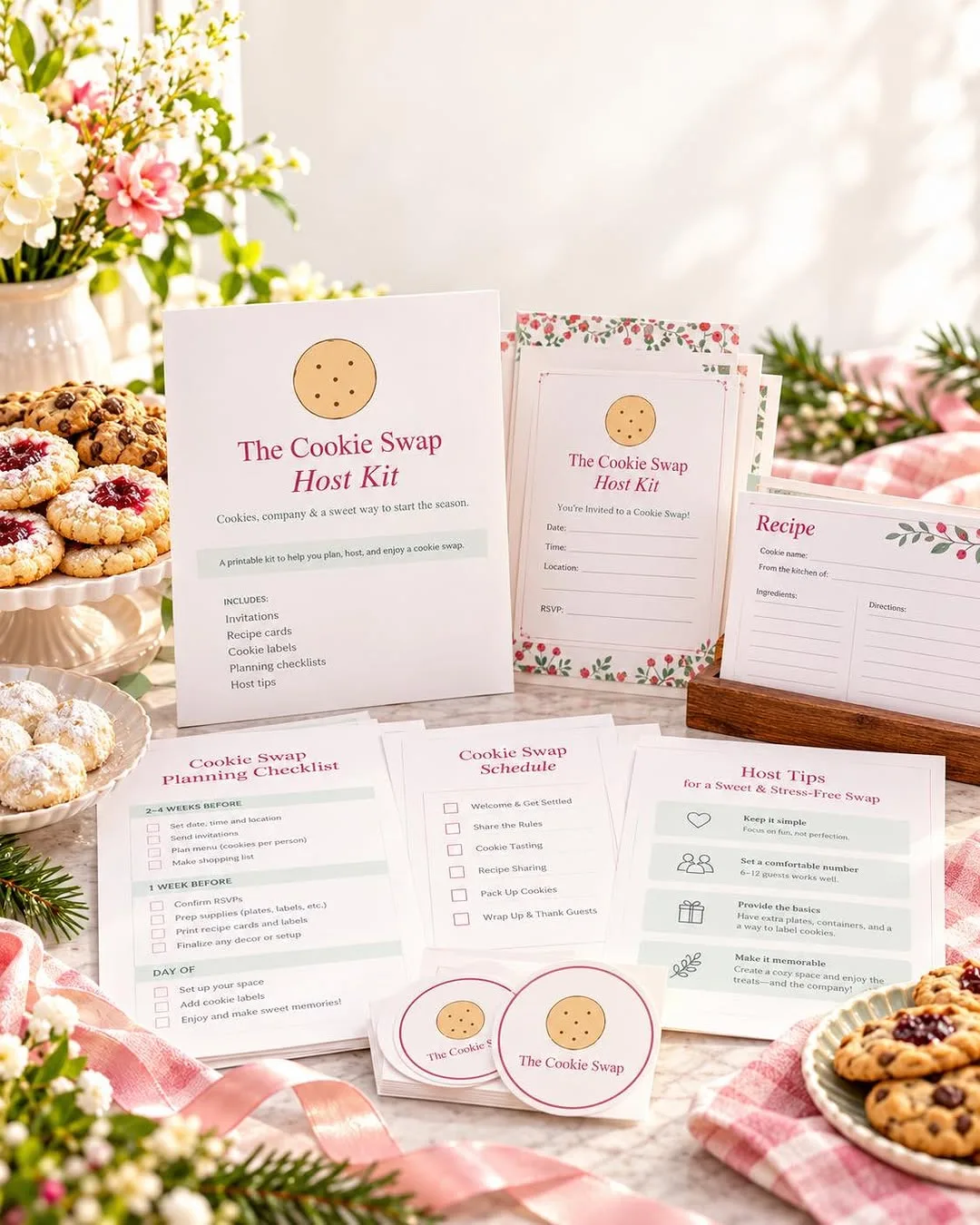
Recipe sharing turns one pleasant evening into baking inspiration that lasts all season. Guests who fall in love with a new cookie want the method behind it, and bakers usually feel flattered to share. Setting one small table aside for recipes keeps cards tidy instead of scattered among the trays and cups.
Ask each guest to bring printed copies of their recipe, or place blank cards and pens on the recipe table for handwritten copies. Remind guests that sharing stays optional, since family recipes sometimes stay private and nobody should feel pressed. Arrange the cards in small stacks beside a sign with the cookie name, matching the signs on the main table. Hosts collecting cookie exchange party ideas from friends consistently rank recipe sharing among the most requested features.
Keen bakers suit this idea best, though casual guests enjoy browsing the cards while their coffee cools. Groups that meet yearly build a shared collection over time, and returning guests ask for past favorites by name. New guests gain confidence from the table too, because a pocketful of recipes makes next year feel easy.
Picture a guest tasting a cardamom shortbread, walking to the recipe table, and sliding one printed card into a pocket with real delight. Another guest photographs cards with a phone instead, promising to bake a batch for a family birthday. Conversations about butter, spice, and baking times keep the room lively long after the swap round ends.
Demanding recipes from every guest sours the mood quickly, because sharing should feel like a gift rather than a rule. Hosts also regret placing recipe cards directly beside trays, where butter spots and crumbs ruin the paper within minutes. Keep cards on their own table and let guests visit it at leisure.
Voting jars for favorite cookie
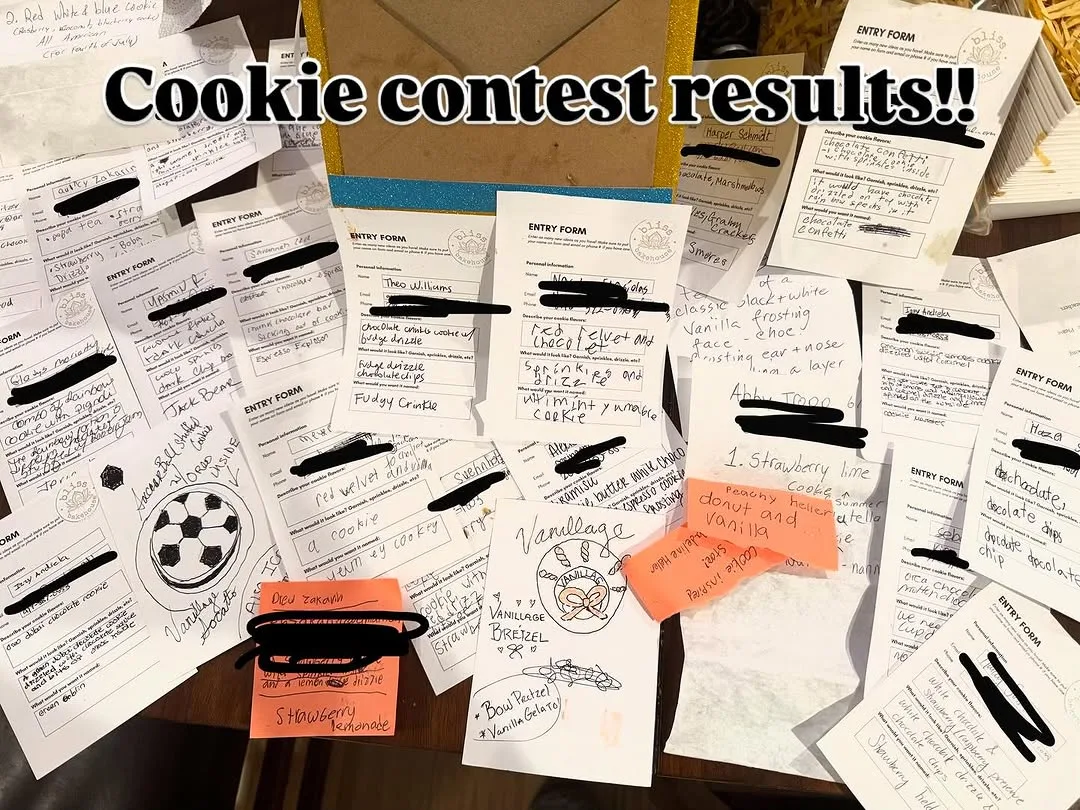
Friendly voting gives the party a playful center and gives bakers a moment of glory without any serious competition. Guests drop a token into the jar beside their favorite cookie, and the host announces a winner near the end of the evening. Light rivalry keeps energy high during tasting and gives everyone a reason to sample widely.
Place one small jar, cup, or bowl beside each tray, plus a basket of tokens such as dried beans, buttons, or paper stars. Give each guest three tokens so second and third favorites also get love, and count the jars during a natural pause. Keep categories loose, with one overall favorite or playful extras like prettiest cookie or most unusual flavor. Write the winning cookie name on a small card for the photo at the end.
Playful friend groups suit voting best, though even quiet groups warm up once tokens appear in their hands. Workplace swaps benefit too, because voting gives colleagues an easy topic that keeps conversation flowing. Children adore voting and take their token choices very seriously, which entertains everyone else.
Imagine the tasting round ending with guests circling back along the table, dropping beans into jars with great ceremony and a little friendly campaigning. One baker peeks at jar levels and laughs, while another pretends not to care at all. Counting the jars together becomes the small event that closes the party on a high note.
Turning voting into a serious contest with long speeches or big prizes changes the mood and can leave quieter bakers feeling exposed. Counting tokens in secret and announcing winners without showing the jars also feels unfair to some guests. Keep voting visible, quick, and cheerful, and celebrate every baker who receives even a few tokens.
Small prizes for winning bakers

Modest prizes give the voting a cheerful payoff and send the winning baker home with a story. Prizes work best when they stay small, useful, and clearly lighthearted, such as a wooden spoon, a pretty spatula, or a packet of cookie cutters. Guests remember the laughter around the prize moment far longer than the prize itself.
Wrap two or three prizes in advance so the announcement feels like a small ceremony. Add playful categories so more than one baker wins, such as best looking cookie, boldest flavor, or best classic recipe. Keep total spending low, ideally under the cost of one batch of baking per prize. Present prizes right after the vote count, while everyone still stands near the table with drinks in hand.
Groups that meet every year suit prizes especially well, because friendly rivalries grow and returning winners defend titles with pride. New hosts can skip prizes entirely and still run a warm party, so treat them as a bonus rather than a duty. Families with children might add a youngest baker prize to encourage small helpers.
Picture the host lifting a golden painted wooden spoon for the winning ginger snap baker while guests applaud and demand a speech. Winning bakers pose beside their trays for photos, still laughing. Simple moments like that give the party its stories for the following year.
Expensive prizes raise the stakes in the wrong direction and quietly pressure guests to overspend on ingredients next time. Awarding only one prize in a group of twelve bakers also leaves the ending feeling flat for everyone else. Spread small prizes across playful categories so the celebration includes several winners.
Milk and coffee station
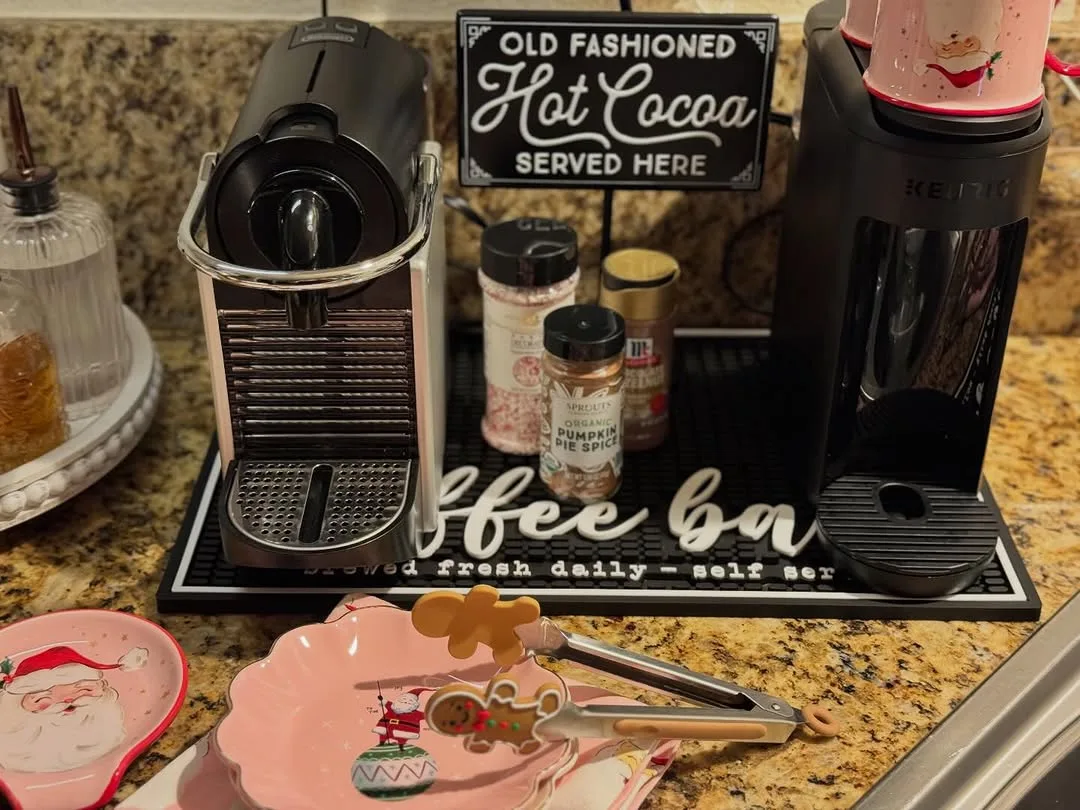
Cookies demand drinks, and a simple self serve station keeps guests refreshed without trapping the host in the kitchen. Cold milk suits classic cookies, coffee suits rich chocolate bakes, and water quietly saves everyone from sugar overload. Guests pace their tasting better when drinks sit within easy reach of the table.
Set a tray with a jug of milk on ice, a pot of coffee or a kettle with tea options, sugar, and cups guests can refill freely. Add a large jug of water with lemon slices, because plain water becomes the most popular drink by the second hour. Place the station at the end of the table or on a nearby counter so drink traffic flows one way. Label anything unusual, such as spiced coffee or flavored milk, with a small card.
Evening parties suit coffee service best, while afternoon swaps with children lean on milk, juice, and water. Hosts following cookie exchange party ideas from experienced friends hear the same advice every time: drinks placed away from the trays keep both the cookies and the guests in better shape. Large groups need two drink spots, one at each end of the room, to prevent a permanent queue.
Imagine guests drifting between the cookie table and the coffee tray, cup in hand, comparing favorites and planning which cookies to box first. Nobody waits for the host, nobody goes thirsty, and the host finally joins the tasting instead of refilling cups in the kitchen. Relaxed hosts create relaxed parties more than any decoration can.
Serving only sweet drinks beside a table full of cookies overwhelms taste buds within half an hour and sends guests home early feeling queasy. Running out of plain water causes the most complaints of all, and hosts rarely expect it. Fill the water jug before guests arrive and check it once during the party.
Hot chocolate with simple toppings
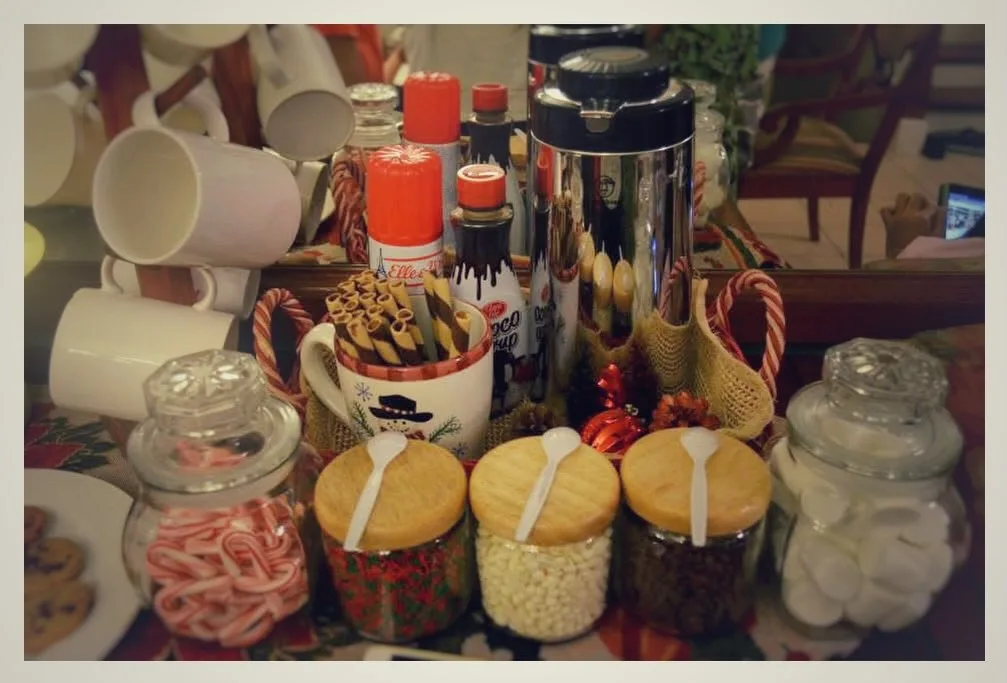
Warm drinks make a December party feel complete, and hot chocolate flatters nearly every cookie on the table. Guests who skip coffee still get a festive cup, and children feel included in the grown up ritual of choosing toppings. One slow cooker of hot chocolate also frees the host, since the drink stays warm without any watching.
Fill a slow cooker with hot chocolate before guests arrive and set the heat to low. Place small bowls of toppings beside it: mini marshmallows, whipped cream, crushed candy cane, and a shaker of cinnamon. Add a stack of sturdy mugs and a ladle that rests on a small plate to catch drips. Keep a few plain cups ready for guests who prefer their drink simple.
Family parties suit hot chocolate best, especially swaps held on weekend afternoons when children attend in numbers. Evening parties gain a cozy finish when hot chocolate appears after the swap, giving guests a reason to linger. Hosts in cold climates find the station becomes the warm gathering corner of the whole room.
Picture guests ladling steaming drinks, adding marshmallows, and carrying mugs to the sofa while the cookie boxes wait safely on the counter. Laughter rises, coats come off, and the party settles into its friendliest stretch. Many hosts serve hot chocolate every year afterward because guests ask for it by name.
Offering too many toppings creates sticky counters, long queues, and cups that taste more like candy than chocolate. Thin paper cups cause the second failure, since hot drinks soften them and spills follow quickly. Limit toppings to four, use real mugs or sturdy cups, and keep a cloth beside the station for fast wipe ups.
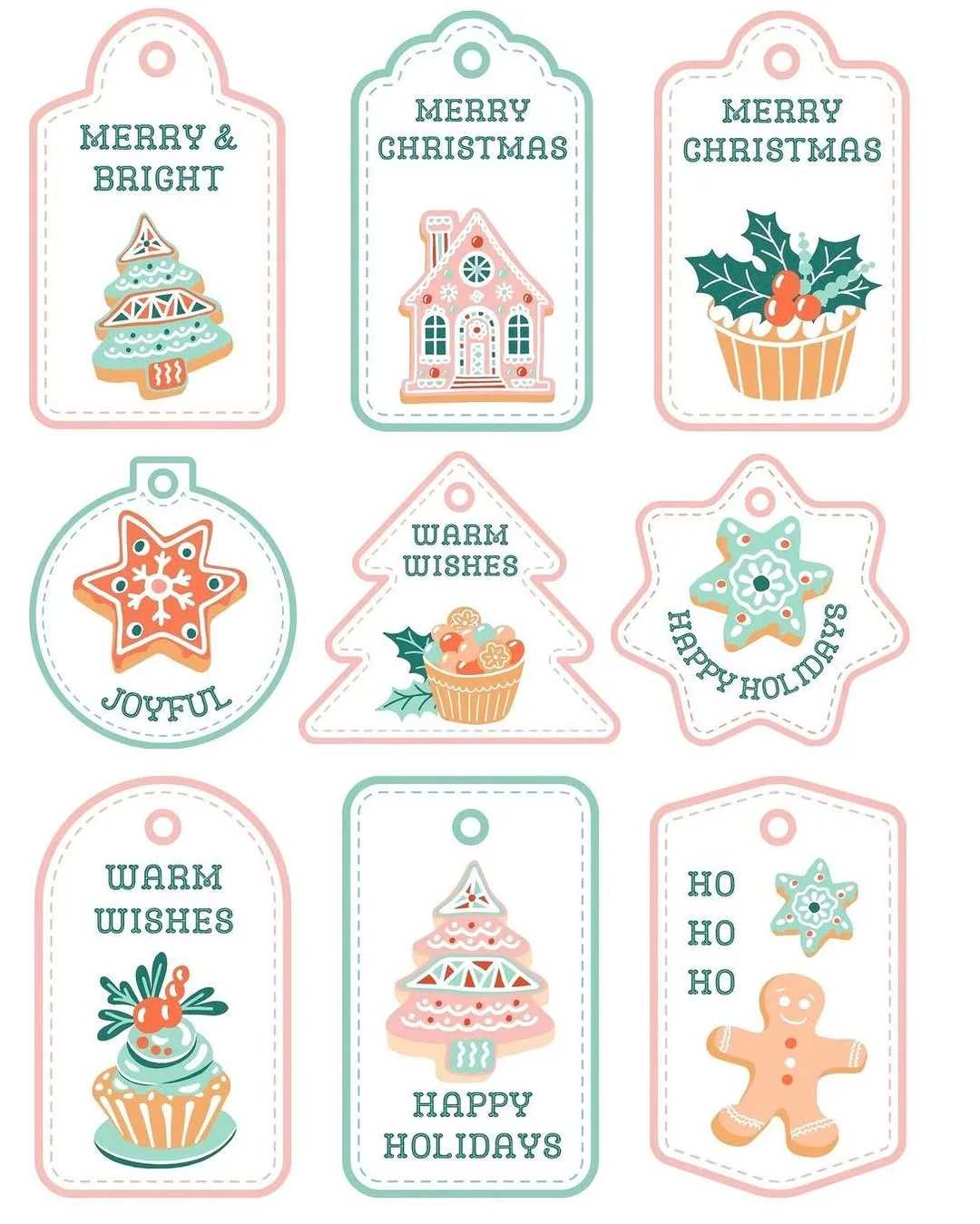
Thank you tags for guests
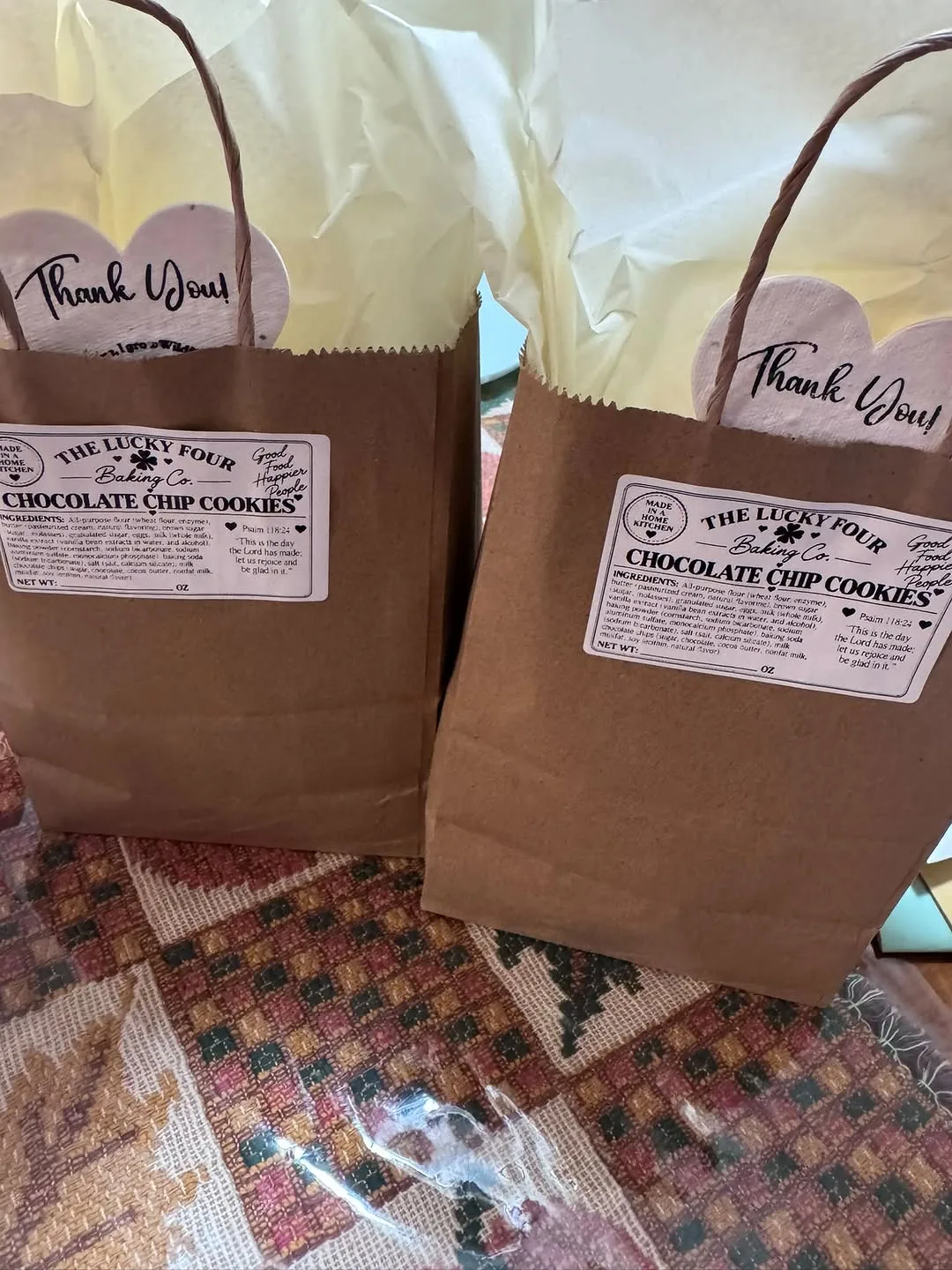
Small thank you tags add a gracious finish to every box and cost almost nothing to make. Guests discover the tag at home when they open their cookies, and the kind words extend the party feeling into the next day. Tags also help hosts express real gratitude to friends who baked, traveled, and shared their best recipes.
Write a short line on plain tags, such as thank you for baking and swapping with us, plus the date and the host name. Tie one tag to each box with the same twine used at the packing station, or slip tags inside the lids where guests find them later. Prepare tags in advance during a quiet evening, since party day leaves no spare minutes. Hosts who test cookie exchange party ideas before the season often prepare tags first, because the small job finishes fast and feels rewarding.
Thoughtful hosts suit this idea naturally, though any host can manage tags with ten minutes and a pen. First year swaps benefit most, because a gracious touch encourages guests to accept next year invitation without hesitation. Guests who traveled a long distance or baked with children feel especially seen by a handwritten line.
Imagine a guest opening a box the next morning, finding a tag that thanks them for the lemon crinkles everyone loved. That guest texts the host a photo of the box beside a morning coffee. Small courtesies like that quietly build the guest list loyalty every annual party depends on.
Printing fancy custom tags with photos and logos wastes money on a detail guests barely notice, while forgetting tags entirely loses an easy win. Handwritten tags on plain card beat polished printing every time, because guests value the personal effort. Write them early in the week and store them with the boxes so nothing gets missed.
Group photo by the cookie table
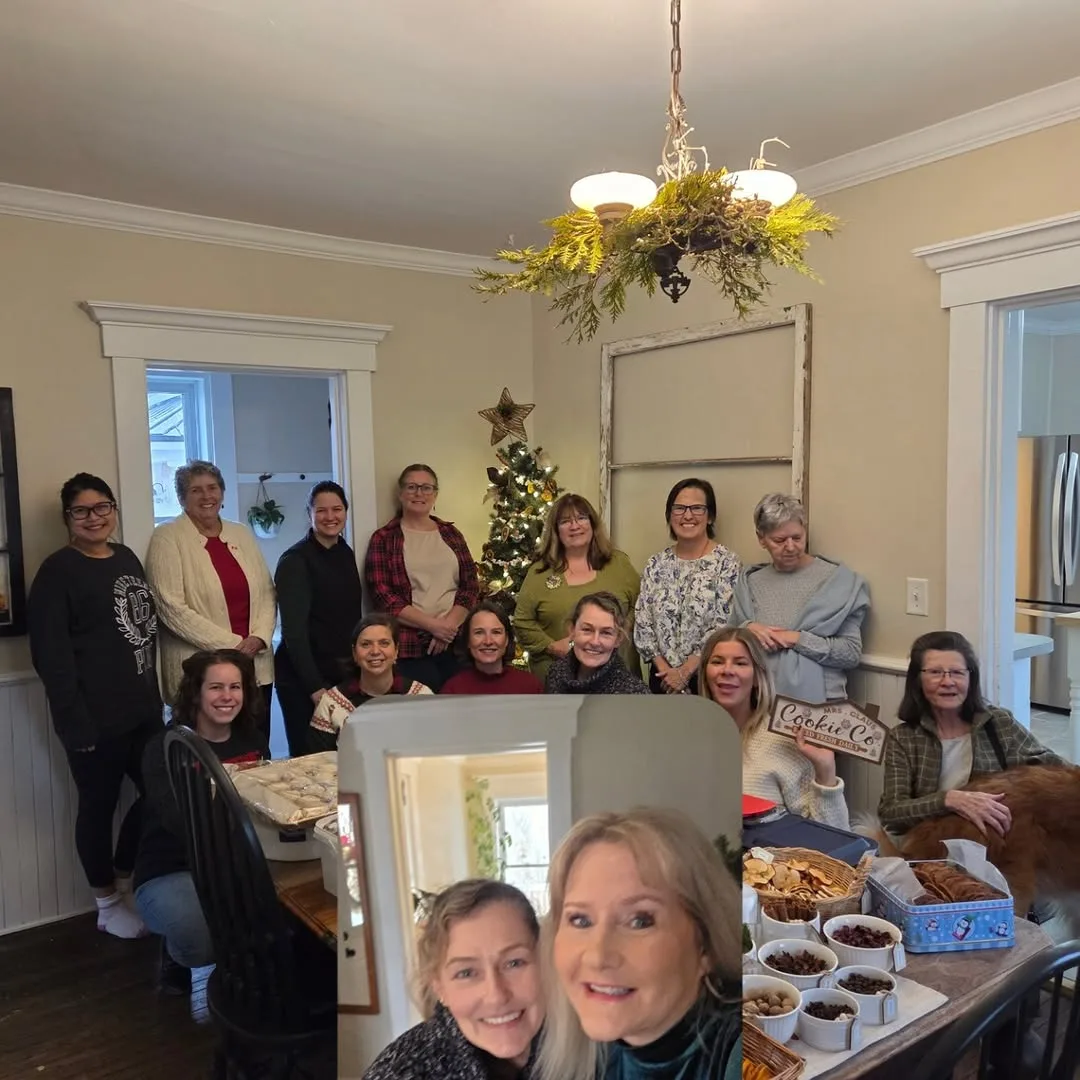
One group photo captures the whole point of the party: friends gathered around food they made for each other. Photos also give the swap a gentle ending signal, since gathering everyone naturally slows the evening toward goodbyes. Guests share the picture in group chats for days, which keeps the party alive long after the last cookie leaves.
Take the photo while the table still looks full, ideally after tasting and before the main swap round empties the trays. Stand the group behind the table, hold boxes or trays at waist height, and face the best light in the room. Ask one guest with a steady hand to take several shots so everyone appears in at least one frame. Send the best photo to the group chat that same evening.
Annual swaps suit the photo tradition best, because comparing pictures across years becomes part of the fun. New groups benefit too, since one shared photo helps guests learn names and faces after the party. Families enjoy placing children in front with their own small boxes held high.
Picture twelve bakers squeezed behind a glowing table, holding boxes tied with ribbon, laughing at a joke from the back row. Winning bakers stand beside their trays with prizes raised like trophies. That single image usually becomes the invitation picture for the following year party.
Waiting until coats are on and trays stand empty produces a flat photo nobody shares. Forcing reluctant guests into posed arrangements also backfires, so keep the moment quick, loose, and fun. Announce the photo once, gather whoever steps forward happily, and let the laughter do the arranging.
Leftover cookies shared at the end
Nearly every swap ends with a few trays still holding cookies, and a clear plan for leftovers prevents waste and awkwardness. Some bakers happily take their remaining cookies home, while others prefer leaving extras for the host or for sharing further. Settling the question out loud at the end keeps everyone comfortable.
Announce the plan during the swap round: bakers may reclaim their leftovers, add them to a shared plate for guests still chatting, or leave them for the host family. Offer spare bags so leftover cookies travel home with anyone who wants more. Send a few boxes to neighbors, doormen, or colleagues the next day when the host ends up with plenty. Freeze suitable cookies in airtight containers for later holiday visitors.
Hosts who dislike waste suit a clear leftover plan best, and bakers with large batches appreciate the choice. Large swaps generate the most leftovers, so the announcement matters most when trays started full. Guests leaving for long drives often welcome a small extra bag for the road.
Imagine the host setting one generous plate in the middle of the coffee table while final drinks circulate, then bagging the rest for two guests who admired the molasses cookies earlier. Nothing gets thrown away, nobody feels shy about asking, and the table clears in minutes. Calm endings leave the strongest final impression of the whole party.
Quietly throwing leftover cookies away in front of the baker who made them hurts feelings more than almost any other host slip. Assuming every baker wants leftovers back also fails, because some guests feel relieved to leave extras behind. Ask once, clearly and kindly, and let each baker choose without discussion.
Common Mistakes to Avoid at a Cookie Swap
Skipping clear rules in the invitation causes more swap problems than any other single error. Guests arrive with wildly different quantities, flavors clash or repeat, and the host spends the party solving puzzles instead of enjoying friends. Hosts reviewing cookie exchange party ideas after a rough first year nearly always point to vague invitations as the root cause. Write the numbers down, send them early, and repeat them once before the day.
Serving only sweet drinks beside a table of cookies overwhelms everyone by the second round of tasting. Plain water, black coffee, and unsweetened tea balance the sugar and keep guests comfortable for hours. Check the water jug during the party, because empty jugs go unnoticed while hosts chat. Balanced drinks quietly decide whether guests stay for one hour or three.
Ignoring allergies risks real harm, not just disappointment, so treat labels and warnings seriously from the invitation onward. Ask about allergies early, label nut bakes clearly, and keep one or two safer options at a separate end of the table. Guests with allergies relax and join the tasting when they trust the labels. Care shown here earns more gratitude than any decoration on the table.
Letting the swap round run without any order creates a rush where fast guests fill boxes twice while slower guests find empty trays. Guide the round simply: one circle of the table, a set number from each tray, then open sharing for whatever remains. Announce each stage with a smile and the fairness takes care of itself. Guests remember fair swaps and return the following year.
Budget Friendly Ways to Host a Cookie Swap
Cookie swaps already rank among the cheapest parties to host, because guests provide the food and the entertainment in one tray. Hosts mainly fund drinks, boxes, and small decorations, and smart choices keep even those costs modest. Many cookie exchange party ideas cost nothing at all, since clear rules, signs, and a voting game need only paper, jars, and a pen. Spend energy on planning before spending money on supplies.
Borrow before buying wherever possible, starting with trays, stands, and a slow cooker from friends or family. Plain white or kraft boxes from a discount shop serve guests just as happily as printed holiday designs. Twine from a kitchen drawer ties boxes neatly, and greenery snipped from the garden fills gaps on the table without a florist bill. One borrowed platter often looks better than three cheap new ones.
Buy drinks in large containers rather than single servings, and choose one coffee, one hot chocolate, and plenty of water instead of a long drinks list. Store brand cocoa, sugar, and milk keep the drink stations generous for very little money. Guests rarely notice brands once cups are warm and cookies are flowing. Savings here can fund the small prizes without stretching the total budget.
Ask each guest to bring one small extra, such as napkins, cups, or a bag of ice, only when the group enjoys sharing costs openly. Close friend groups usually accept happily, while new groups may prefer the host to cover basics quietly. Judge the group honestly and keep requests tiny and specific. Generosity flows both ways at swaps, and most guests offer help before being asked.
Cookie Swap Tips for a Relaxed Host
Set the table the night before. Arrange trays, signs, jars, and the packing station in the evening, then cover the display area with a clean cloth. Morning setup takes minutes, and party day energy stays free for baking smells and welcoming guests. Calm starts the night before every smooth party.
Keep the guest list near twelve. Twelve bakers bring enough variety for a rich table without overwhelming space, boxes, or budgets. Larger swaps tire guests during tasting and stretch every supply on the table. Smaller groups of eight feel intimate and suit first time hosts perfectly. Choose the size your room handles with room to spare.
Freeze one backup batch. Bake and freeze a simple batch of your own cookies a week early, ready to fill gaps if a guest cancels late. Backup cookies also rescue the host who burns a tray on party day. Few hosting tricks lower stress as reliably as a frozen spare batch. Thaw the cookies during setup and nobody ever knows.
Place drinks away from trays. Spills happen at every party, and drinks set beside open cookies turn one stumble into a ruined tray. One separate drinks counter protects the display and keeps traffic moving in one direction. Guests adapt within minutes and the table stays clean all evening. Add a small cloth at the drinks spot for instant wipe ups.
Announce each stage out loud. Clear friendly announcements move the party from tasting to voting to swapping without confusion or crowding. Guests relax when they know what happens next and when boxes finally open. Keep announcements short, warm, and cheerful. One confident host voice replaces a dozen repeated explanations.
End with thanks and leftovers. Gather guests briefly near the end, thank the bakers by name, announce the leftover plan, and take the group photo before coats appear. Endings shape memories more than middles do. Guests leave feeling appreciated, organized, and already willing to bake again next year.
FAQ
How many cookies should each guest bring to a swap?
Common guidance asks each guest to bring enough cookies so every guest takes home a set number, often six cookies from each baker, plus extra for tasting. Hosts with ten guests might ask for five dozen per baker, while smaller groups scale down comfortably. State the number clearly in the invitation so nobody guesses. Baking one large batch of a single recipe keeps the work simple for everyone.
How many guests suit a cookie swap best?
Eight to twelve guests give the best balance of variety, space, and cost for most homes. Smaller groups still enjoy a lovely swap, though the final assortment stays modest. Larger groups need a long table, two drink stations, and firm swap rules to stay fair. Match the guest list to your table size before sending invitations.
What drinks pair well with a table full of cookies?
Plain water, black coffee, milk, and unsweetened tea balance sweet cookies better than juices or sodas. Hot chocolate adds a festive option for children and guests who skip coffee. Keep the water jug full all evening, because water quietly becomes the most requested drink. One warm drink and one cold drink cover nearly every preference at the table.
How do hosts handle nut allergies at a swap?
Ask about allergies on the invitation and share the answers with all bakers before baking day. Label any tray containing nuts with a clear sign, and place those trays at one end of the table away from safer options. Guests with serious allergies should still check with individual bakers before tasting. Clear labels and honest answers protect everyone without spoiling the fun.
Can guests who do not bake still join a cookie swap?
Hosts decide this rule, and many groups welcome non bakers who contribute drinks, boxes, or a savory snack plate instead. Buying cookies from a good bakery also works when the group agrees in advance. Clear expectations keep feelings smooth, since bakers invest real time in their trays. Whatever the group chooses, the invitation should state the rule kindly and early.
What is the fairest way to run the swap round?
Guests circle the table once in a line, taking a set number of cookies from each tray until every box holds the same share. After one full round, open the table for free sharing of whatever remains. Hosts who study cookie exchange party ideas before their first swap usually choose this method, because equal first rounds prevent rushing and hurt feelings. Announce the stages out loud so slower guests never feel left behind.
Conclusion
Cookie swaps succeed on warmth, clarity, and sugar in roughly equal measure. Clear invitations, one generous table, fair swapping, and boxes tied with ribbon carry the whole event without stress or heavy spending. Guests leave with full boxes, new recipes, and the pleasant feeling of being expected and appreciated. Few parties give so much back for so little effort. Good cookie exchange party ideas simply make that generosity easy to organize.
Start with the basics for your first swap: rules in the invitation, labels on the table, water beside the coffee, and one friendly vote near the end. Add the prettier touches, such as thank you tags and prizes, once the basics feel easy. Every year the party gets smoother, because guests learn the rhythm and hosts learn their room. Traditions grow from simple repeats, and cookie swaps repeat beautifully.
Invite your favorite bakers, set the date early, and let the trays do the showing off. Your table will fill with more variety than any single baker could produce alone, and your kitchen will smell wonderful for days. Here is to full boxes, fair swaps, and friends who bake.