15 Easy Party Themes for Kids and Adults
Every great party starts with one decision: the theme. Not because guests demand matching napkins, but because a theme quietly plans the party for you. Once you choose one, the decorations suggest themselves, the food names itself, the activities fall into place, and even the invitation writes its own opening line. Hosts without a theme shop in circles; hosts with one walk a straight line from idea to party day.
The fear is that a theme means expense and effort, specialist shops, custom printing, a weekend of crafting. It does not have to. The fifteen easy party themes in this guide were chosen because each one can be pulled off with ordinary supplies, a small budget, and decorations you mostly already own or can make in an evening. Every theme here also works across ages: each includes the twist that makes it sing for young children, for older kids, and for the adults who stay, help, and quietly have the best time.
Inside this guide, you get a simple plan for each of these easy party themes: what it looks like, how to decorate it simply, what to serve and do, who it suits best, and the mistake that dulls it. You will also find the common theme choosing mistakes to avoid, budget friendly ways to theme any party, quick tips, and answers to the questions party hosts ask most.
What is the easiest party theme for kids and adults?
Most easy party themes are built from a color or a setting rather than a licensed character: a rainbow color party, a pastel garden party, a movie night under the stars, or an ice cream social. They need no specialist supplies, balloons, paper, and food in the theme's colors do all the work, and they suit every age at the same table, which is why experienced hosts return to them year after year.
One foolproof example: a rainbow party for a six year old and her grandparents at the same table needs only balloons and streamers in rainbow order, food arranged in color stripes, and one rainbow layered cake moment. Total specialist shopping: none. Total effect: a room that looks professionally themed in every photograph.
Travel and Adventure Party
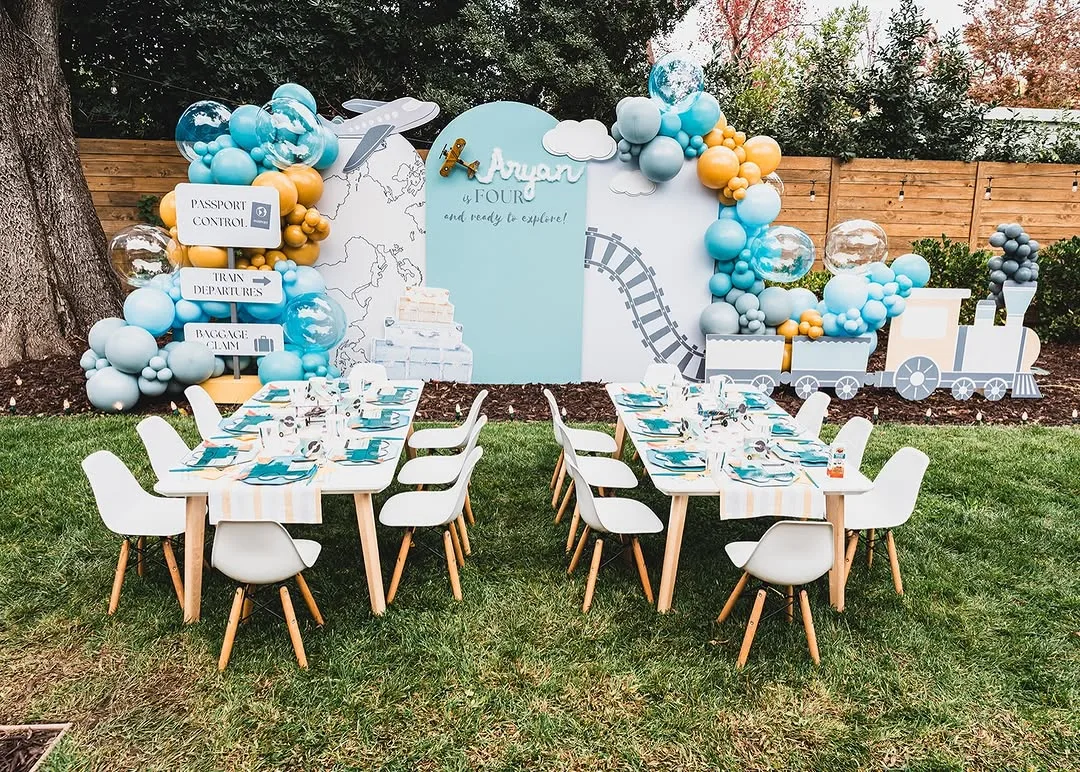
Travel and adventure is a theme that turns the room into a journey: maps on the walls, suitcases and globes as decor, paper airplanes overhead, and guests as travelers collecting stamps. It is the rare theme that feels as right for a seven year old's birthday as for a forty year old's.
It works because travel is a story everyone already loves. Decorations are mostly free, old maps, atlases from charity shops, postcards, a globe if you own one, "passport" invitations guests bring to be stamped at the door. Food stations become destinations: a table of Italian snacks, a table of Mexican bites, a dessert stop in Paris.
Best fits for the theme are mixed age parties, milestone birthdays, bon voyage and graduation celebrations, and families with a trip to celebrate. Activities plan themselves: a passport stamp trail around the garden, a paper airplane contest, a photo wall of famous landmarks.
Picture one lovely example: each guest receives a paper passport at the door and collects a stamp at every food and game station; a full passport wins a prize from the "duty free" (a bowl of wrapped sweets).
The common mistake is buying new "travel decor" when the charm is precisely in real, worn, map and suitcase authenticity. Borrow, print, and raid the attic first.
Pastel Garden Party
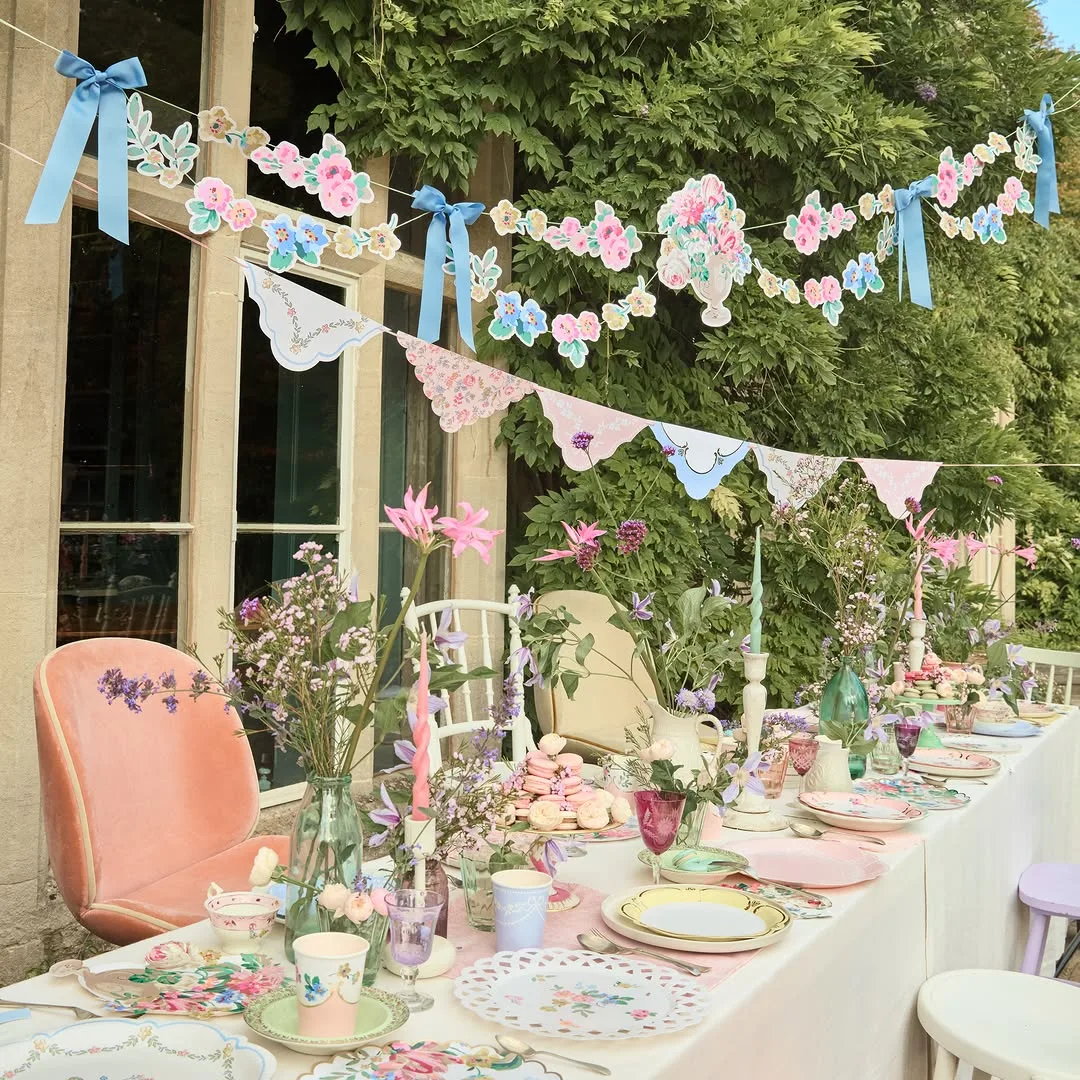
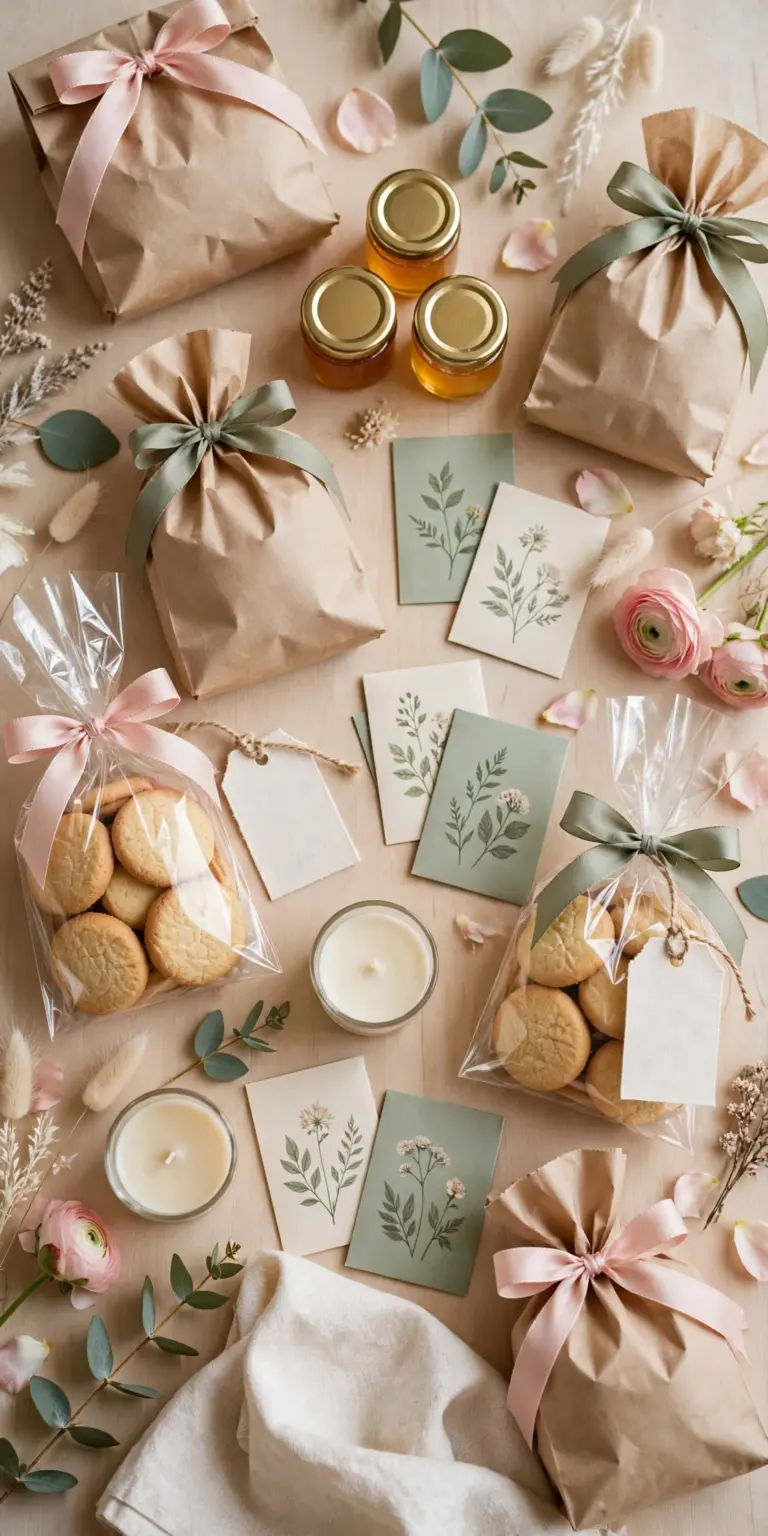
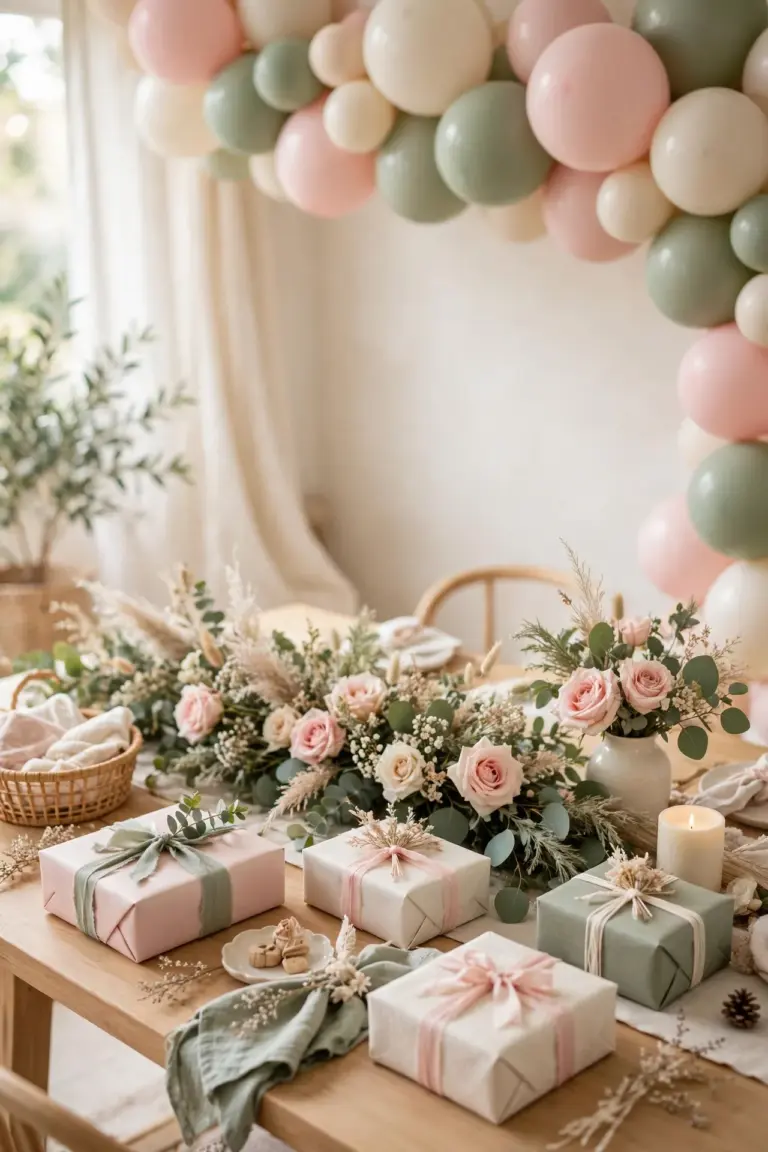
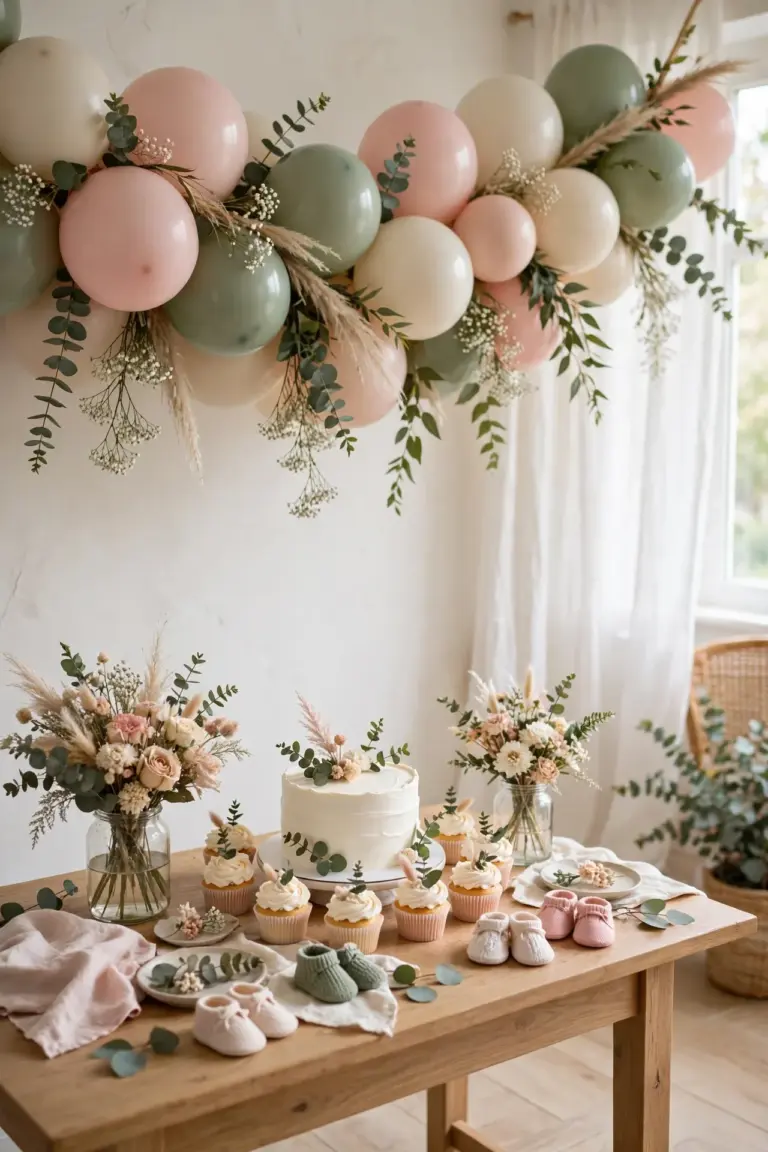
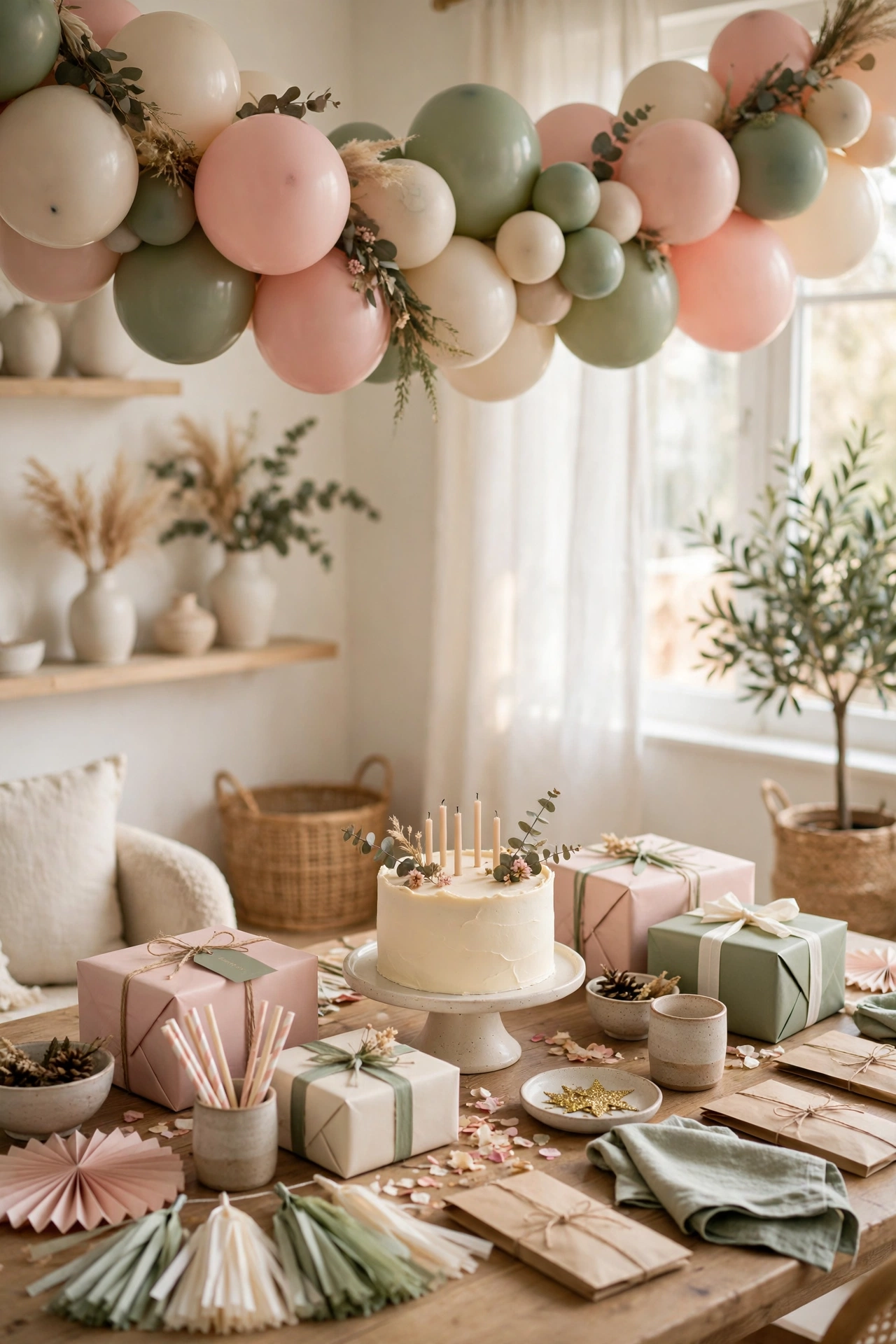
Softness itself becomes the theme at a pastel garden party: blush, sage, cream, and pale yellow among real greenery, flowers in jars, bunting overhead, and a table that looks like spring decided to stay. It is the signature look of this site for a reason, it flatters every garden, every outfit, and every photograph.
It works because nature does most of the decorating. You provide the pastel layer, tablecloth, napkins, balloons in the palette, flowers from the garden or a supermarket bunch divided into small jars, and the garden provides the rest. Food is light and pretty: sandwiches, fruit, lemonade in a dispenser, a simple cake with flowers on top.
Spring and summer birthdays suit it best, along with baby showers, mothers, grandmothers, and anyone whose dream party is "beautiful" rather than "loud." Gentle games suit it too, with a flower crown making table as the classic activity, plus long, unhurried afternoons. Few easy party themes are loved more.
The example that never fails: a low table or picnic blankets on the lawn, cushions for seats, jars of flowers down the middle, and a fabric garland strung between two trees. Guests photograph it before they sit down.
Watch out for pastel overload without greenery or white to rest the eye. Anchor the palette with green leaves and cream basics, and let the pastel be the accent, not the entire room.
Rainbow Color Party
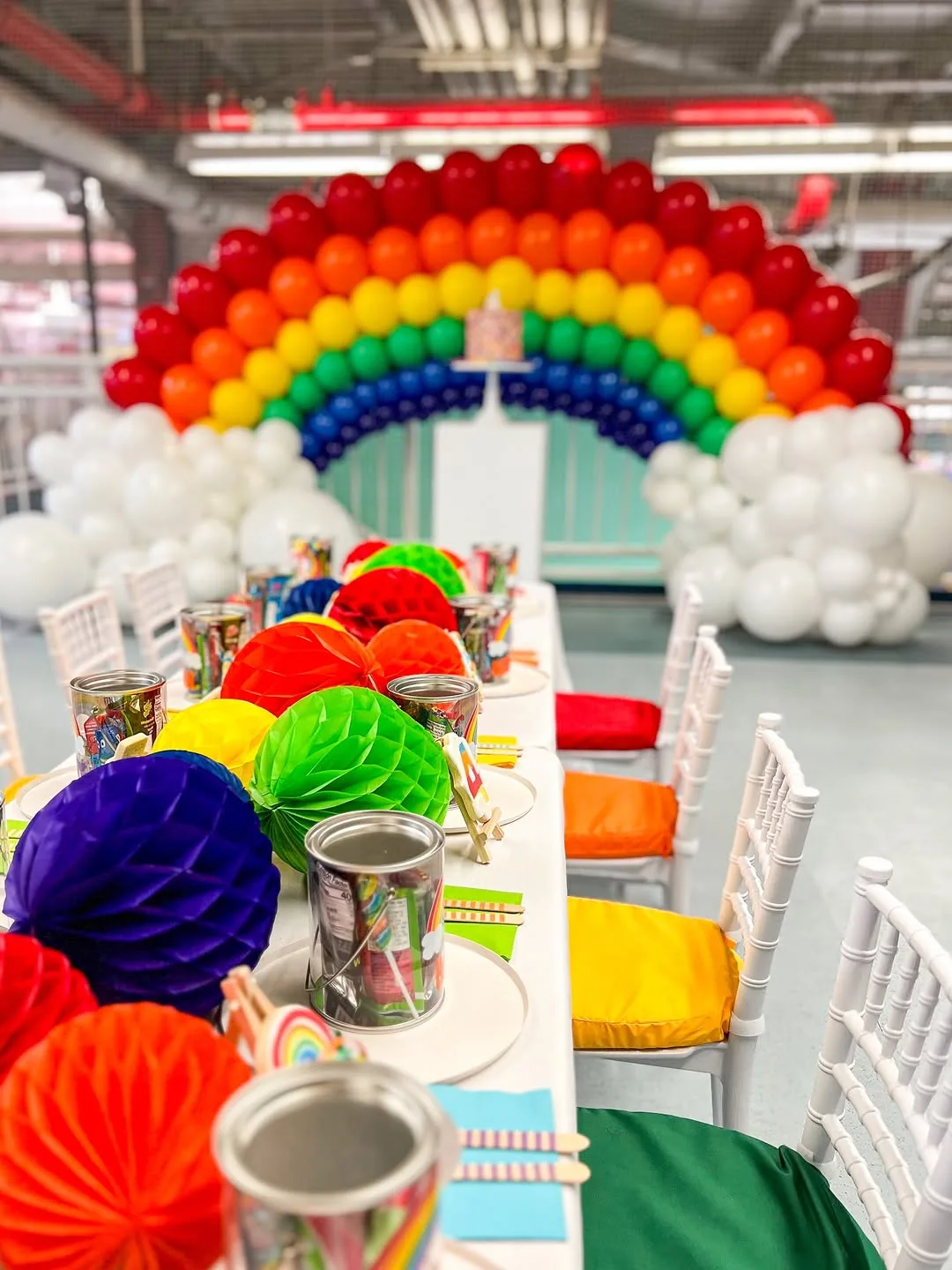
The rainbow party is the happiest of these easy party themes and the easiest to shop for: if it is red, orange, yellow, green, blue, or purple, it belongs. Balloons in rainbow order, streamers in stripes, food arranged in color bands, a child can art direct it, and many do.
It works because color is the celebration. There is no character to license, no story to explain, and no wrong purchase. Everything you already own that is bright becomes decor: toys in color order on a shelf, books stacked by spine color, the fruit bowl arranged in stripes.
Rainbow is best for young children's birthdays, big cheerful gatherings, and any party where the budget is small but the joy should be large. Activities: a color hunt (find something red, then orange…), rainbow parachute games, and painting with the full palette.
Serve the rainbow: a fruit platter in stripes, sandwiches on colored picks, drinks in colored cups sorted by hue, and one cake or jelly moment where the layers do the showing off.
The common mistake is chaos, rainbow everything with no order. The rainbow works when colors appear in sequence and in blocks. Line things up in rainbow order and the same supplies look designed instead of spilled.
Movie Night Under the Stars
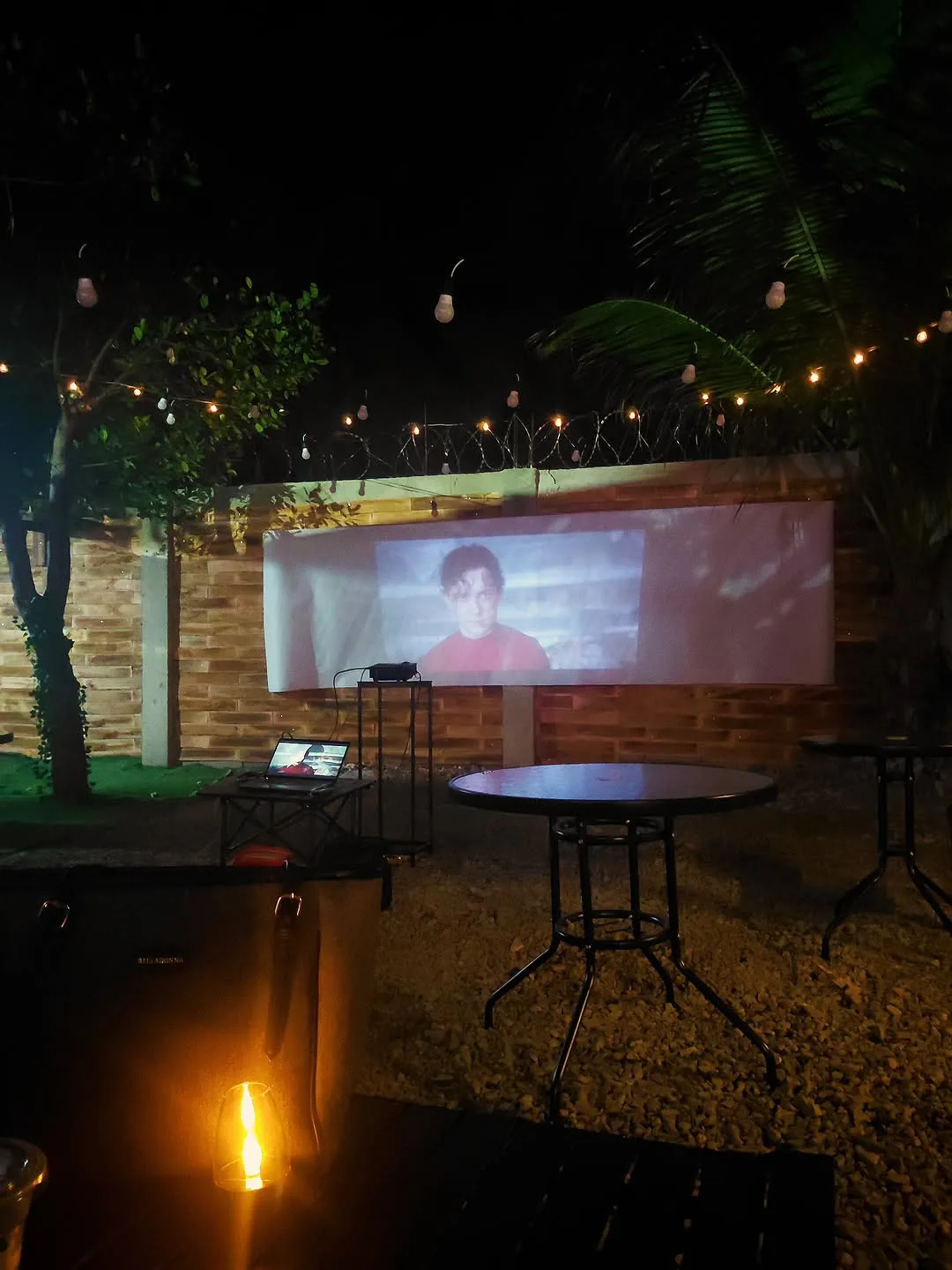
Movie night trades the party hall for a screen, blankets, cushions, and a sky. A projector (borrowed ones count) or the biggest screen you have, a film everyone loves, popcorn in striped bags, and fairy lights for the intermission glow.
It works because the entertainment is built in and beloved, which makes this the lowest effort, high delight theme in the guide for older children, teens, and adults. Decor is atmosphere: darkening light, strings of warm bulbs, a "now showing" board with the birthday star's name in lights, ticket style invitations.
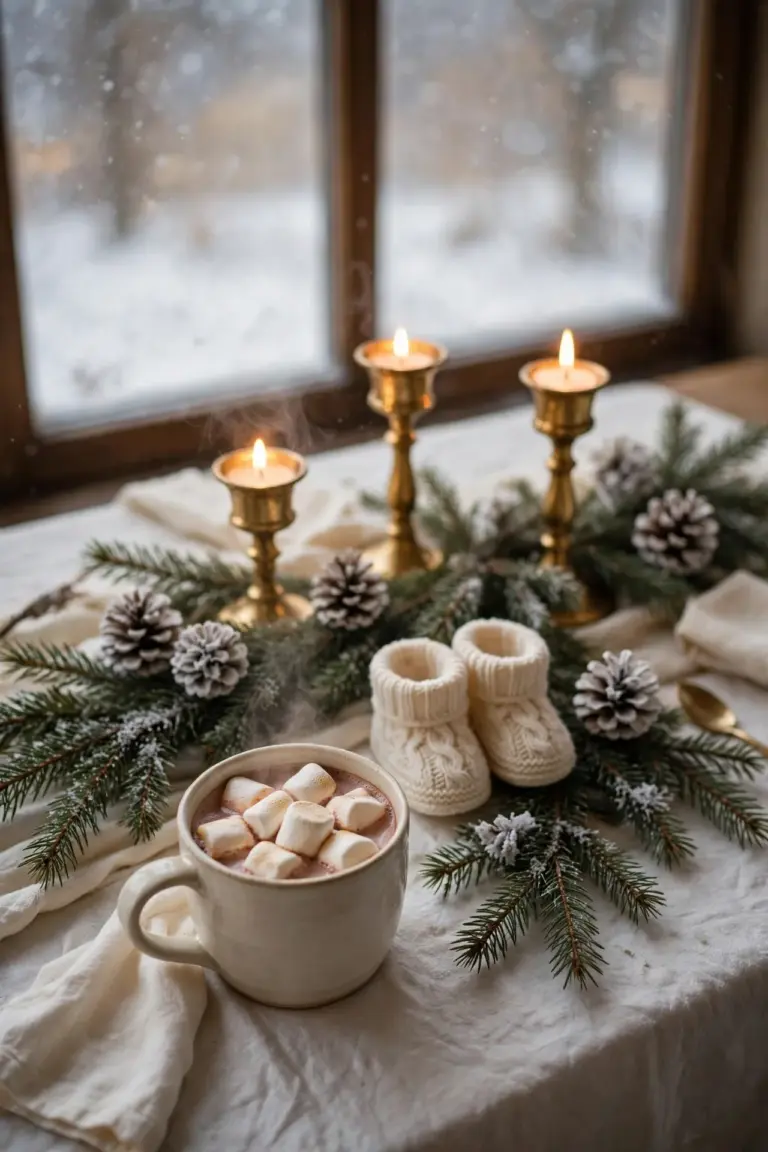
Movie night is best for evening parties, cooler seasons with blankets and hot chocolate, and birthdays of film loving kids and grown ups alike. Add a concession stand, popcorn, drinks, sweet bags at "cinema prices" of zero, and let a guest play cashier with a toy till.
The example: a garden screening with hay bales or floor cushions, a blanket fort row for the youngest viewers, hot chocolate at intermission, and the birthday person's name on the marquee board in every photo.
Technical optimism is the mistake to avoid. Test the projector, sound, and seating sightlines the day before, in the dark, at the same hour. Every failed movie night failed at a cable, check yours in advance.
Carnival Funfair Party
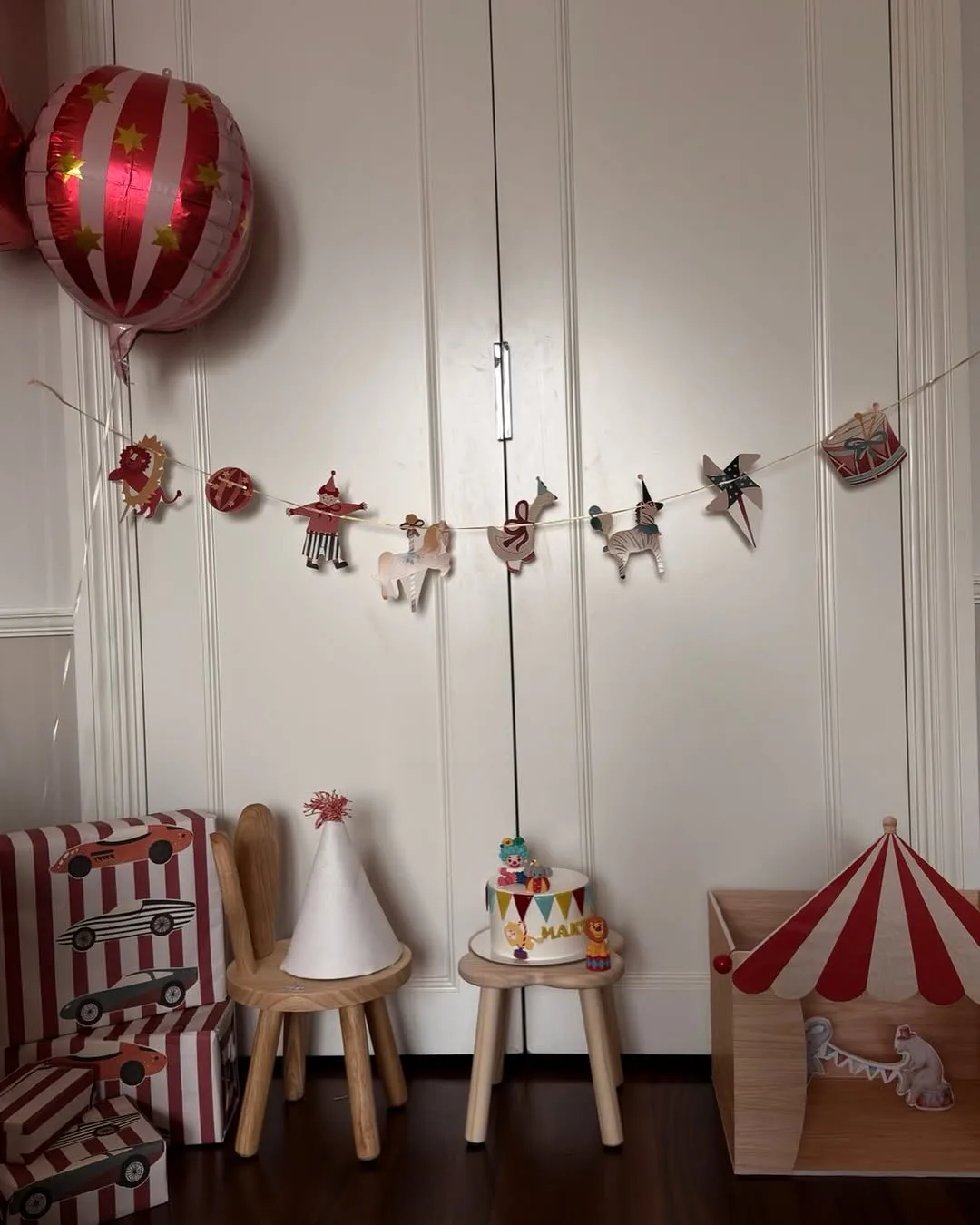
Carnival brings the funfair home: red and white stripes, game booths around the garden, tickets, prizes, and food on sticks. It is less a decoration theme than an activity theme, the games ARE the party, and children talk about it for weeks.
It works because it solves the entertainer problem completely. Simple booths, a ring toss, tin can alley, balloon darts (supervised), a fish for a duck pond, guess the sweets jar, run by adults or older kids at stations, with every child holding a strip of tickets and a prize bag to fill. Decorations are stripes, bunting, and bold signs, all makeable from paper.
Carnival is best for school age children, larger groups, school and community events, and outdoor spaces. It scales: four booths delight twelve children; eight booths run a fair.
Food is part of the theme: popcorn, hot dogs, candy floss if your machine dreams allow, lemonade, served from a striped "food stall" so even lunch is a booth.
The mistake is games that are too hard or prizes that run out. Every game should be winnable by the youngest guest with a little luck, and every prize bag should end up full, rig the carnival kindly; the house always lets the children win.
Under the Sea Party
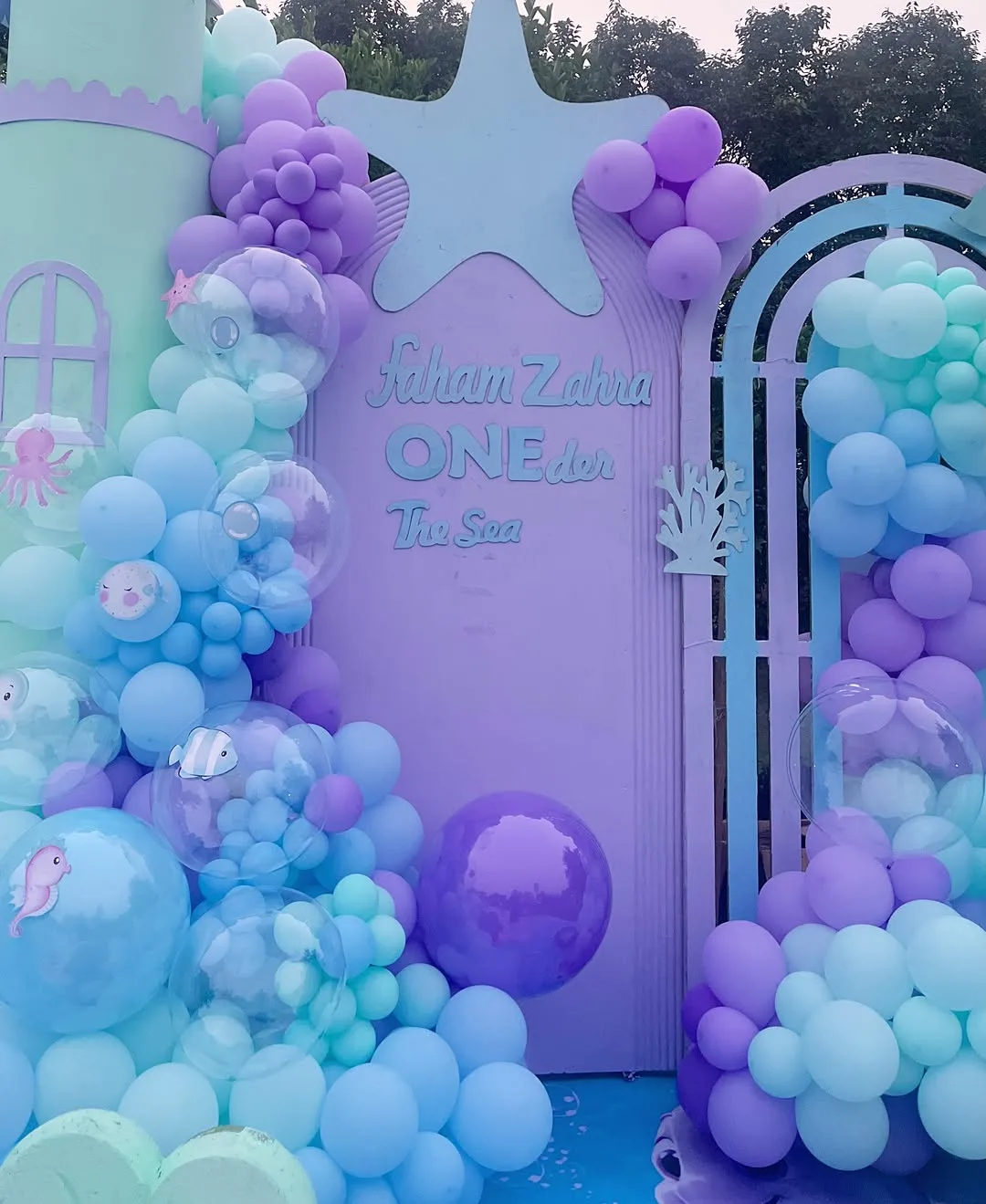
Under the sea turns the room blue and green and fills it with creatures: paper fish and jellyfish hanging from the ceiling, blue fabric or streamers as water, shells and sand colored accents on the table, and guests swimming between activities.
It works because the transformation is mostly color and hanging shapes, the two cheapest forms of decorating. Jellyfish made from paper bowls and ribbon tentacles are the star craft: thirty of them over a table and the room is an aquarium. Blue lighting or blue cellophane over a lamp completes the dive.
Under the sea suits toddlers through school age children, mermaid and ocean lovers, summer parties near water, and indoor winter parties that want a world to enter. Activities: a fishing game with magnets, "pearl" hunts in a sand tray, bubble machines, bubbles are mandatory; they are the water you can see.
Serve "sea" food with straight faced labels: fish shaped sandwiches, blue jelly cups with a fish sweet inside, "seaweed" popcorn, and juice renamed ocean water.
The mistake is a dark room. Underwater should feel dappled and bright blue, not murky, keep lights up, use light blues alongside the deep ones, and save the dimness for a five minute "deep sea" game moment only.
Dinosaur Discovery Party
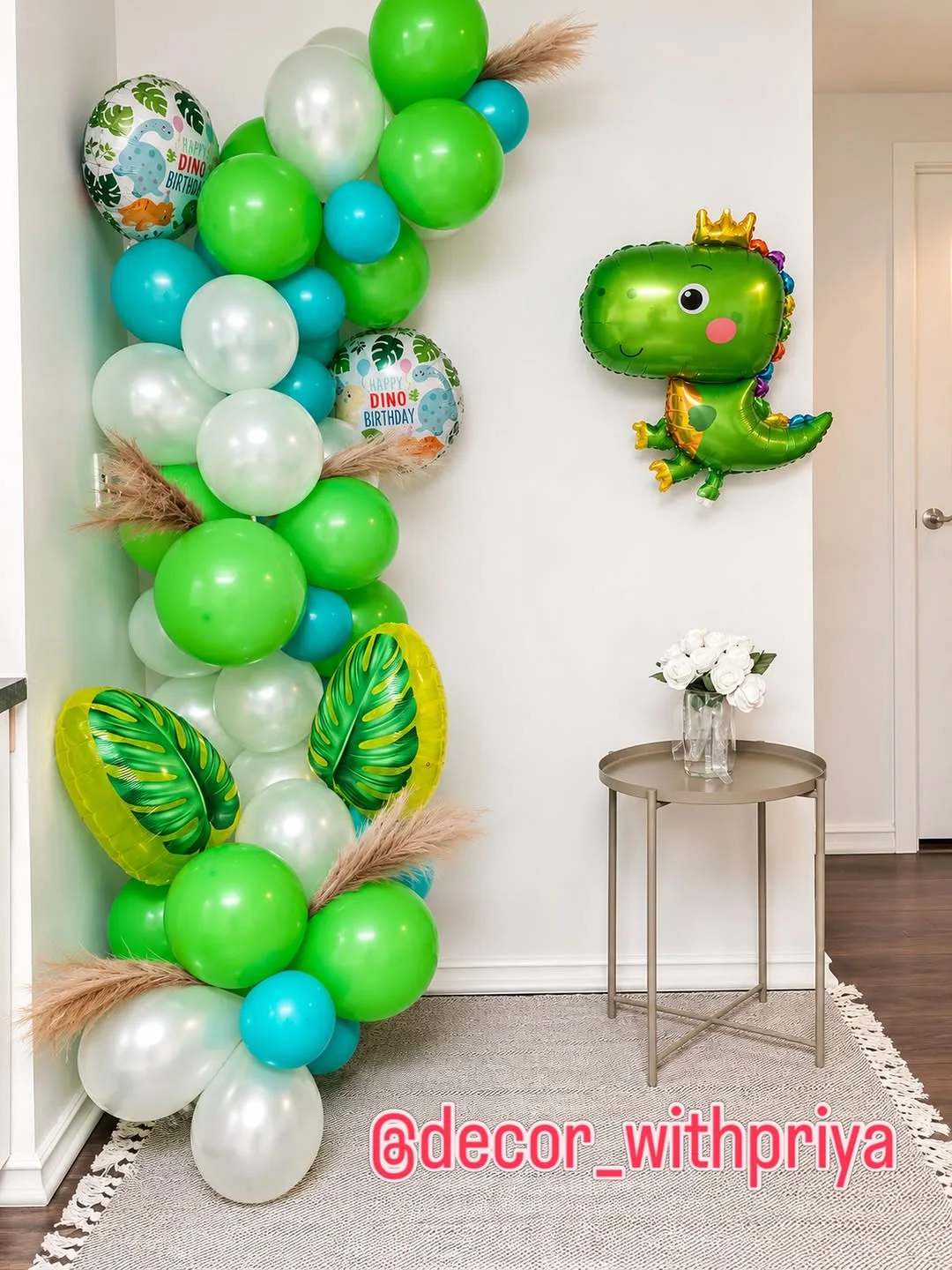
Dinosaur parties have stomped at the top of children's requests for decades because they combine animals, adventure, and mild danger in perfect proportions. Greens and browns, giant leaves, footprints on the floor, and dinosaurs, toy ones, paper ones, one enormous cardboard one if an adult can be persuaded.
It works because children are genuine experts: they arrive knowing the names and will happily teach the party. Decorate with what you have, every toy dinosaur the birthday child owns, arranged in a "jungle" of houseplants and green fabric, and spend your effort on activities: a fossil dig in a sand tray, dinosaur egg hunts (painted stones or wrapped treats), and footprint trails to follow.
Dino parties are best for ages three to eight, outdoor spaces, and museum trip children. A paleontologist dress code (hats, waistcoats) delights older kids in the group.
Food joins in: "dino nuggets" (the shape exists for this day), herbivore platters of vegetables, carnivore plates of tenders, and a volcano jelly with a fizzy eruption moment at the table.
The mistake is frightening the youngest guests with roaring realism. Keep dinosaurs friendly and cartoonish for under fives; the scary precision can wait for the seven year olds who demand it.
Tea Party (Classic or Vintage)
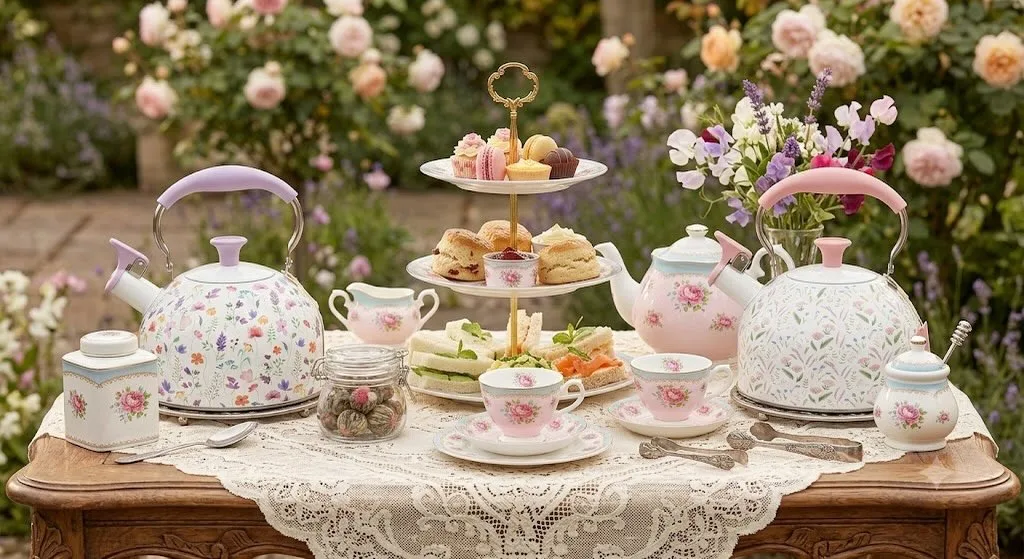
Elegance scaled down is a tea party: a pretty tablecloth, real cups where possible, small sandwiches and cakes on stands, flowers in the middle, and guests who arrive in their best. Classic or vintage styling, lace, pastel china, paper doilies, makes it feel like a storybook afternoon.
It works because children adore ceremony. Being poured "tea" (or juice, or very milky tea for older children) from a real pot, choosing a cake from a stand, using a napkin properly, the rituals are the entertainment, and they photograph like a dream. Adults, handed a proper cup themselves, enjoy this party more than any other on the list.
Tea parties suit ages four and up, smaller guest lists, garden or dining room settings, and celebrations for grandmothers, mothers, and little hosts with old souls. Activities stay gentle: decorating a plain biscuit, making a paper fan or flower crown, a sedate treasure hunt.
The menu is the decor: tiered stands of small things, sandwich shapes, mini cakes, fruit, with one beautiful cake as the centerpiece.
Fragility anxiety is the mistake here. Use the nice but not irreplaceable cups, keep a cloth in reach, and remember the party is for the children at the table, not the china. Charm survives a chip; it does not survive a host hovering.
Sports Day Party
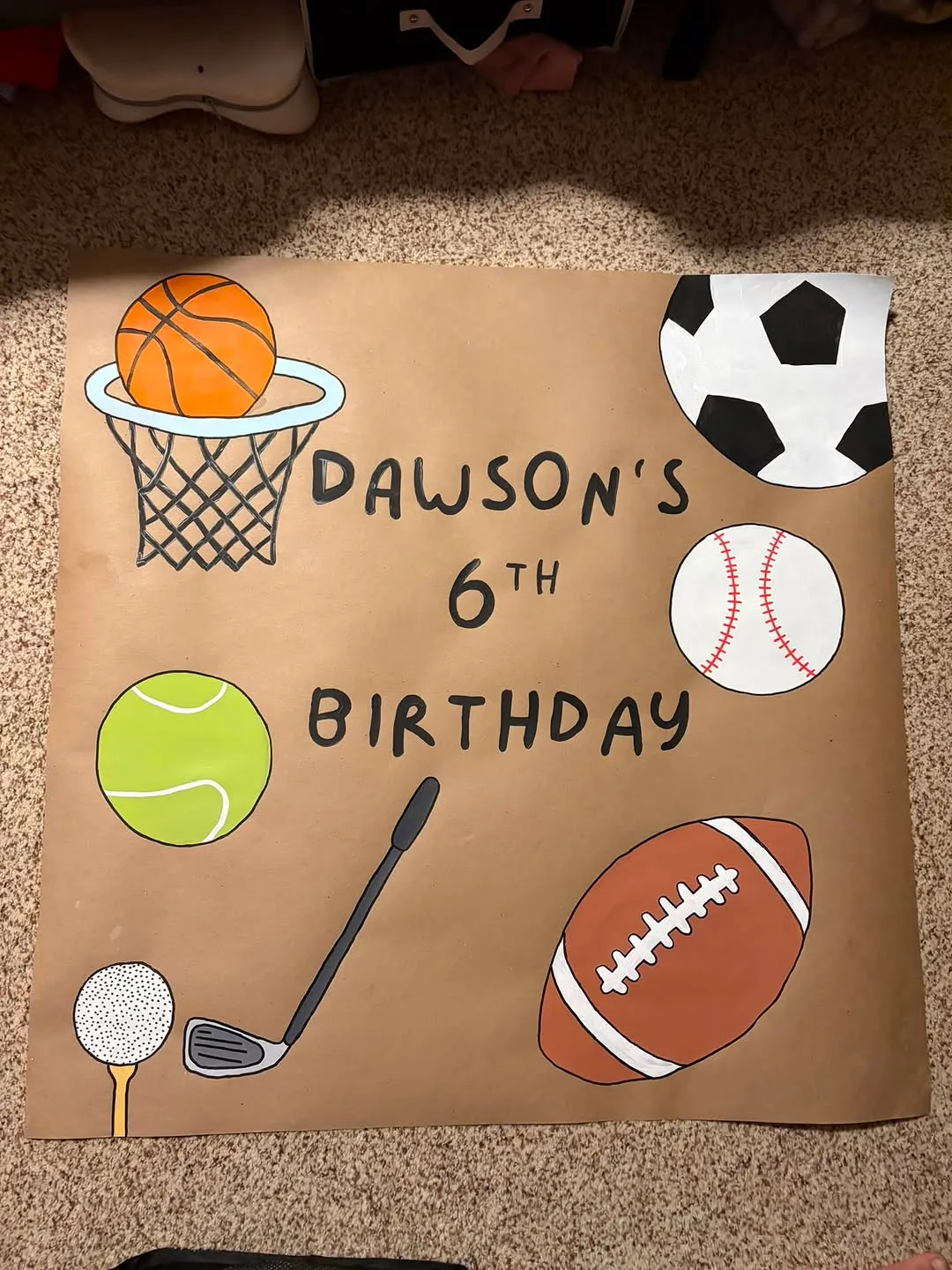
Sports day turns the garden into a tournament: team colors, simple events, a scoreboard, medals for everyone, and a crowd of family spectators. Sack races, egg and spoon, three legged races, a mini penalty shootout, the classics need almost no equipment and generate maximum shouting.
It works because the entertainment is physical, structured, and free. Children burn the energy that usually destroys parties, events give the afternoon a storyline (heats, finals, the medal ceremony), and team colors, two sets of cheap sashes, bibs, or face paint stripes, create the visual theme without a decoration budget.
Sports day is best for ages five to twelve, bigger groups, summer, and venues with grass. Mixed age teams keep it fair; silly events (welly throwing, parent races) keep adults inside the fun instead of at its edge.
Food is pitch side: hot dogs, fruit, popcorn, drinks in team colors, and a medal shaped biscuit or a trophy cake at the ceremony.
The mistake is taking the competition seriously. Medals for all, events rigged toward laughter, and scores kept loosely, the child who "loses" every race at a birthday party remembers it for the wrong reasons. Engineer joy; let winning distribute itself.
Space Adventure Party
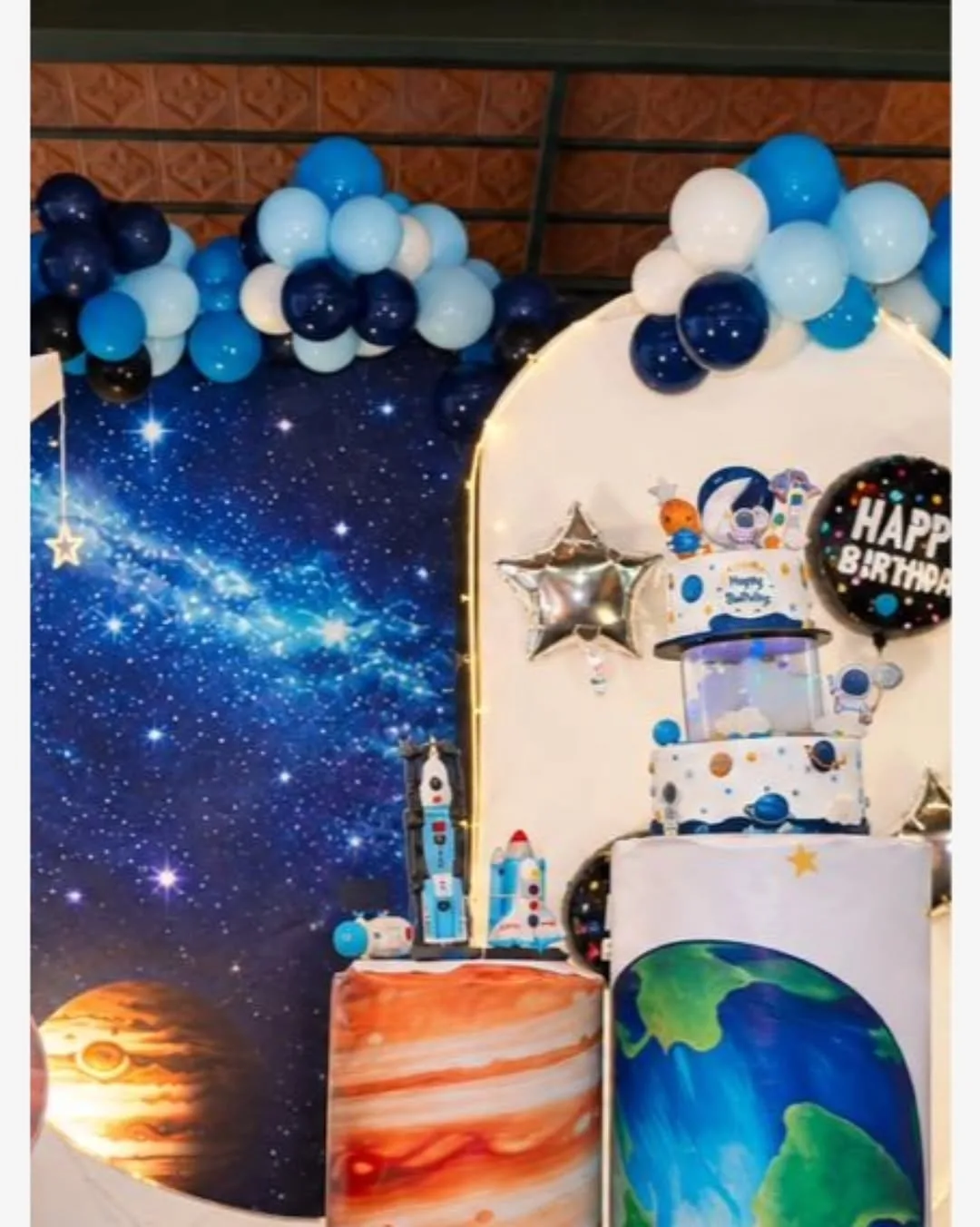
Space launches the room into orbit: dark blue and silver, stars everywhere, planets hanging from the ceiling, a rocket photo backdrop, and astronauts collecting moon rocks. It is the most dramatic transformation per dollar in this guide after the rainbow party.
It works because space is wonder at full strength, children who can name the planets meet children who just love rockets, and both are served. Silver foil, black paper with star stickers, and glow in the dark stars make the decor; a cardboard rocket (one big box, painted) is the photo spot every guest will use.
Space suits ages four to ten, evening parties where darkness helps, science minded kids, and indoor parties needing a whole world indoors. Activities: moon rock hunts (foil wrapped treats), astronaut training courses (an obstacle course with a certificate), and stargazing if the sky cooperates.
Serve "rocket fuel" drinks, star shaped everything, and planet cupcakes in solar system order on the table, a display children will correct if you misplace Jupiter, which is its own entertainment.
The mistake is darkness overdone for young children: keep the room starry, not black. Glow accents and one dark "mission control" corner beat a whole dim house for under sixes.
Farm and Barnyard Party
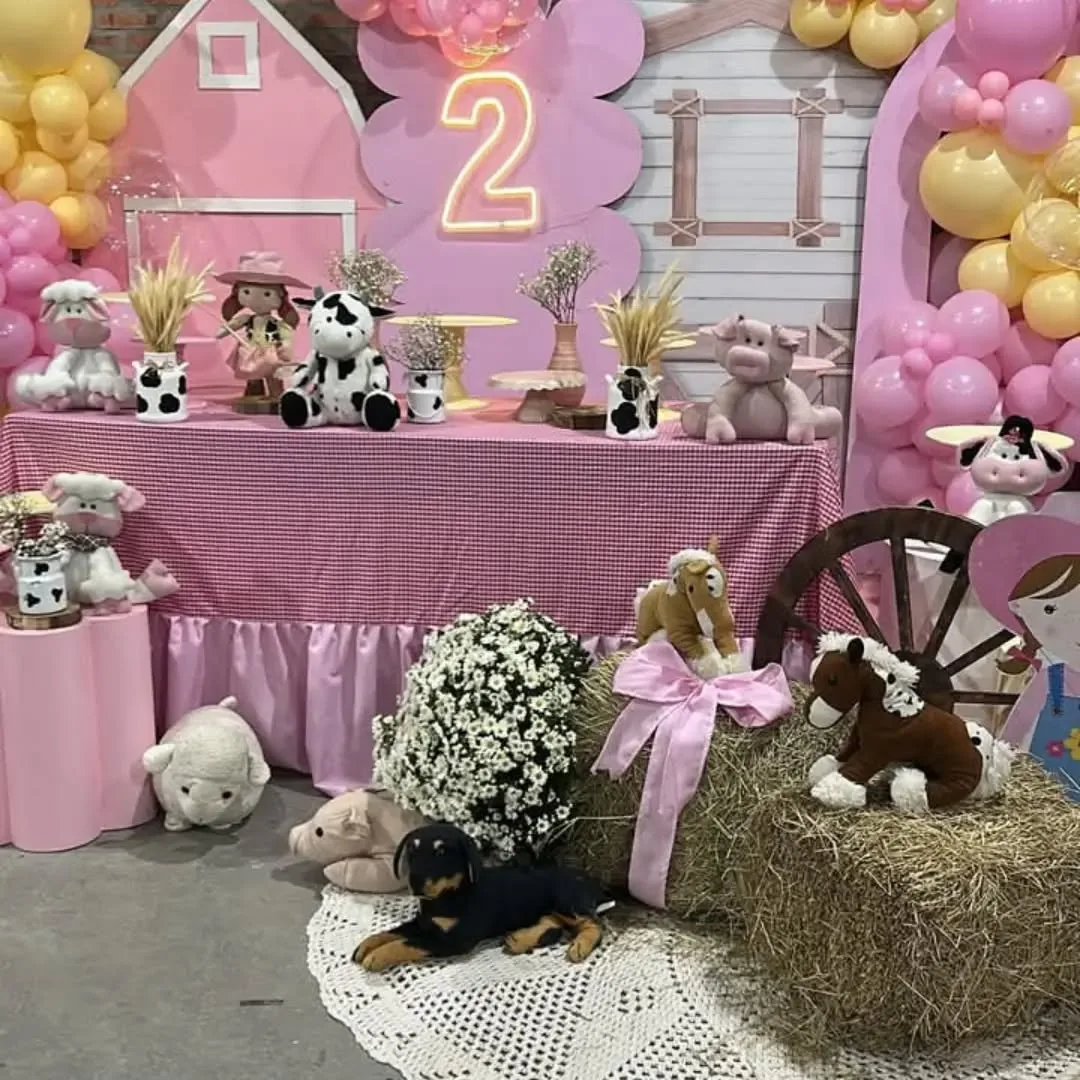
Red barns, gingham, hay bales, and the friendliest animals on Earth make a farm party. It suits the youngest children perfectly, farm animals are the first vocabulary of toddlerhood, and charms adults with pure nostalgia.
It works because the decor is texture and color rather than shopping: gingham cloths, wooden crates, toy animals in a "pen" of hay or shredded paper, bunting in red and white. If a real farm visit or a petting corner is possible locally, the theme becomes an outing; if not, cardboard barn doors on the garden fence work wonders.
Farm parties are best for ages one to six, countryside venues, and spring. Activities: a "feed the animals" beanbag toss into painted buckets, egg hunts in straw, pony shaped everything, and milking a "cow" (a glove filled with water on a frame) for the older comics.
Serve farm food with farm names: hay bales (cereal bars), piggies in blankets, farm eggs, carrot "crops" to dig from chocolate "soil" cups, and lemonade in jam jars.
The mistake is real hay around children with allergies or asthma, check with parents, use shredded paper "straw" indoors, and keep the real bales outside for sitting and photos only.
Ice Cream Social Party
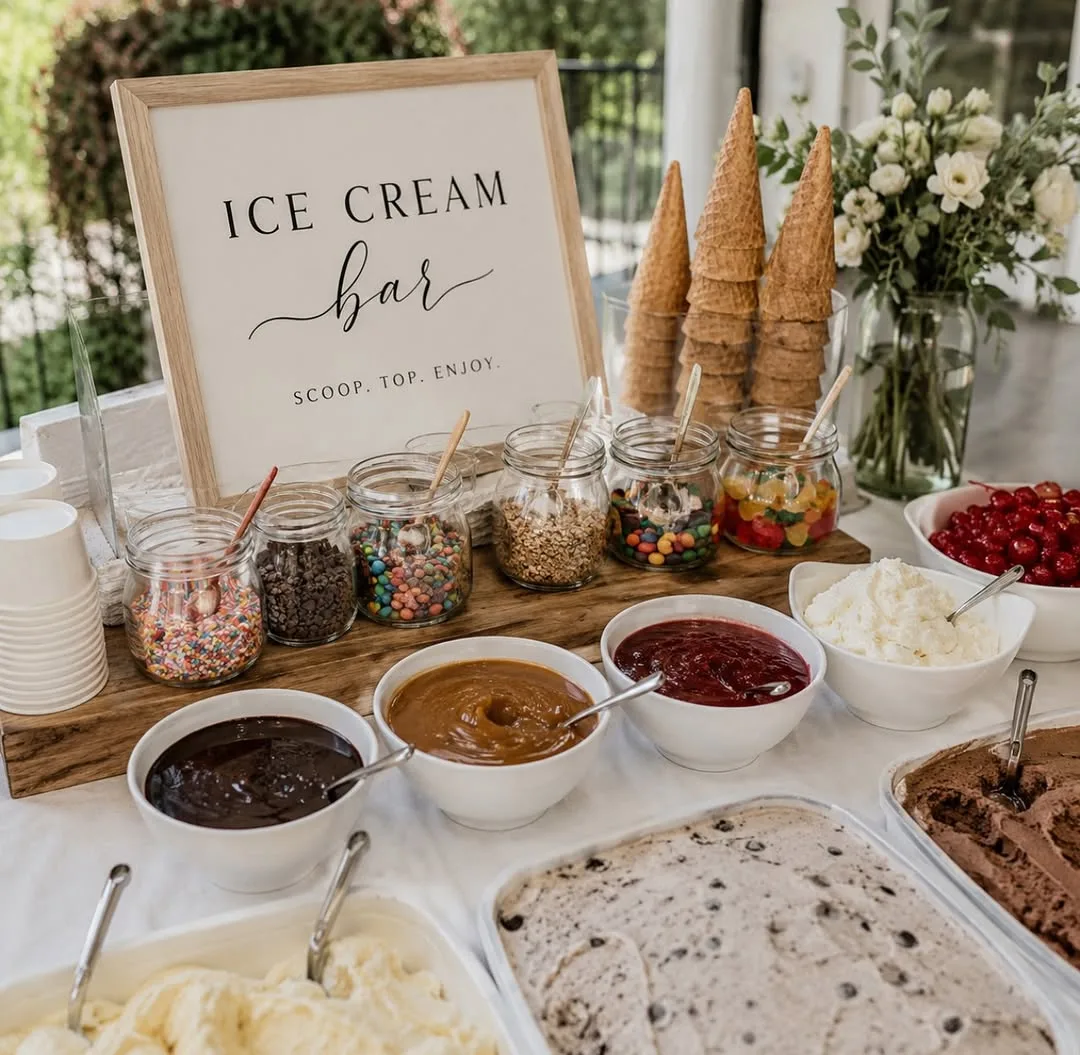
Ice cream socials are a theme that is also dessert: a sundae station as the centerpiece, pastel or retro styling, scoops, sauces, and sprinkles as both food and entertainment. It is the sweetest shortcut in party planning, the theme, the activity, and the menu in one station.
It works because building a sundae is play, and because the station delights every age simultaneously, grandparents and four year olds queue with the same expression. Decor is a striped awning over the station if you can manage it, jars of toppings as the table display, and colors from the ice cream itself.
Ice cream socials are best for summer, afternoon parties, mixed generations, and hosts who want the food to BE the event. Keep choices curated: two or three ice creams, three sauces, five toppings, so the line moves and children decide happily.
Add one savory anchor before the station opens, a tray of sandwiches or tenders, so the party has eaten something real before the sugar ceremony, and serve the social as the grand finale.
The mistake is opening the station at the start. An ice cream social revealed too early melts, literally and socially. Covered, mysterious, and opened with a small ceremony, it is the party's peak.
Art and Craft Party
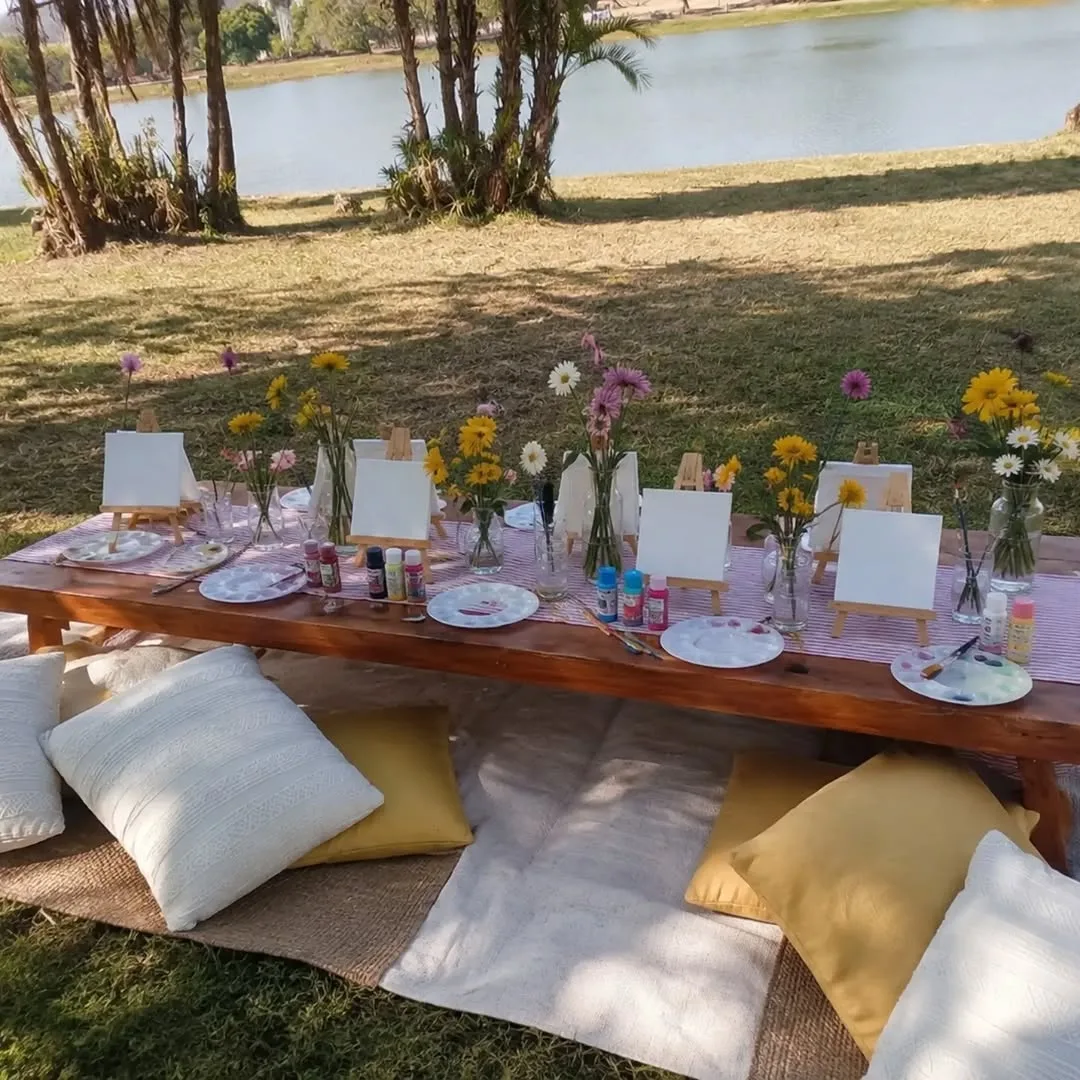
Art parties turn the activity children love most into the whole event: stations for painting, collage, clay, and decorating, aprons as party uniform, and every guest going home with their own work as the favor. The decorations are the supplies themselves, jars of brushes, rainbow paper stacks, a "gallery" line for drying masterpieces.
It works because it entertains continuously without a host performing. Children rotate between stations at their own speed; there is no queue, no elimination, no tears. Cover the table with paper (it becomes the tablecloth and a bonus doodle surface), put an adult or older child at the messiest station, and let creation happen.
Art parties suit ages four to twelve, indoor rainy day birthdays, and creative kids who would rather make than race. Each child gets a "gallery spot", a labeled section of string with pegs, where their work hangs to dry and be admired.
Food stays clean fingered and away from the paint water: sandwiches, fruit, and drinks with lids, served in a separate "café" corner. The cake can be a palette, a round cake with dollops of colored icing as paint blobs.
The mistake is precious surfaces and best clothes. State "dress for mess" on the invitation, cover everything, use washable everything, the party's joy is directly proportional to how little anyone worries about the carpet.
Cozy Pajama Party
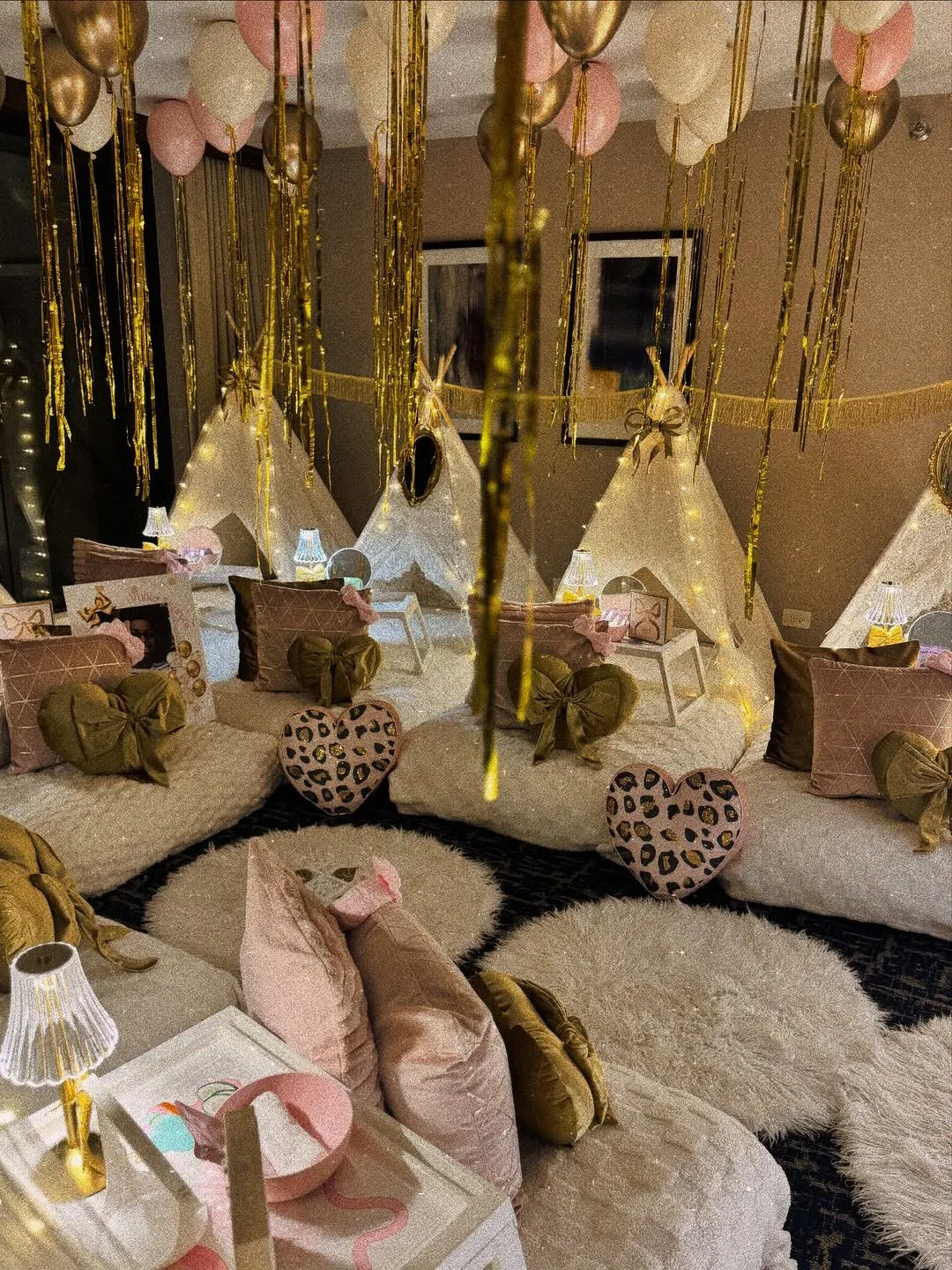
Evening soft focus is a pajama party: guests in PJs, blankets and cushions everywhere, fairy lights low, hot chocolate, a film or stories, and breakfast food for dinner. For young children it is a "sleepover simulation" that ends at eight; for older kids it is the real thing.
It works because it breaks every party rule deliciously, night clothes at a party, breakfast at night, lying down at the table (there is no table). The novelty entertains without a single organized game, and the cozy factor makes shy children relax completely.
Pajama parties suit ages four to ten for the early evening version, small guest lists, winter birthdays, and family parties where cousins pile into one room. Activities: blanket fort building, pillowcase decorating, a torchlight treasure hunt, bedtime story reading by a grandparent, an honor role.
Serve breakfast: pancakes, fruit, mini sausages, hot chocolate with marshmallows, and "midnight feast" sweet bags revealed at the party's end (which, for the little ones, is heroically late at 7:45 p.m.).
The mistake is inviting more children than your cushion and blanket geography can hold. Cozy has a capacity; exceed it and cozy becomes crowded. Small and snug wins.
Seasonal Holiday Party
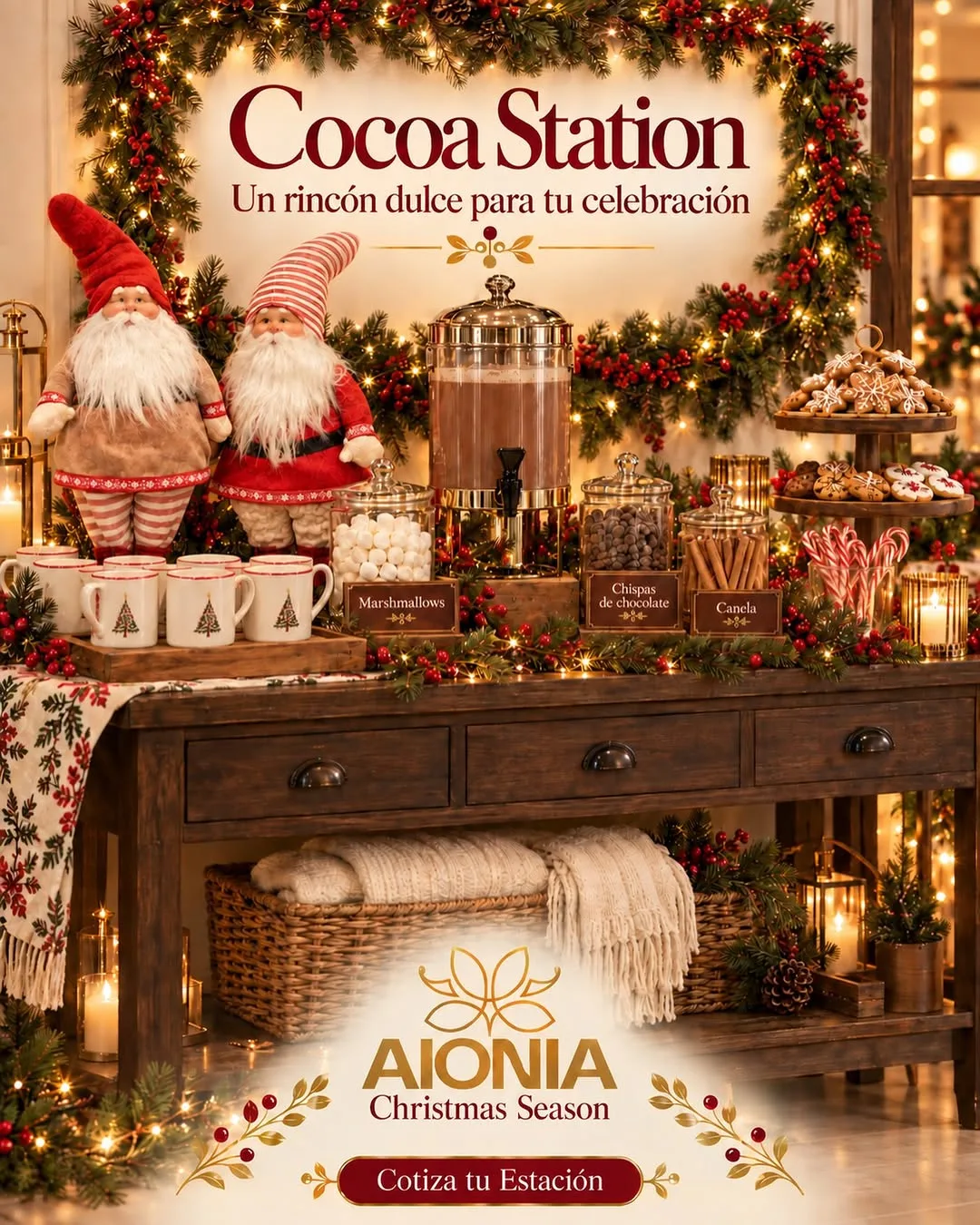
Seasonal holiday parties take their theme from the calendar, a spring blossom party, a summer splash party, an autumn leaves party, a winter wonderland, or the big festivals themselves (Christmas, Eid, Easter, Halloween handled gently). The season provides the colors, the food, and half the decorations for free.
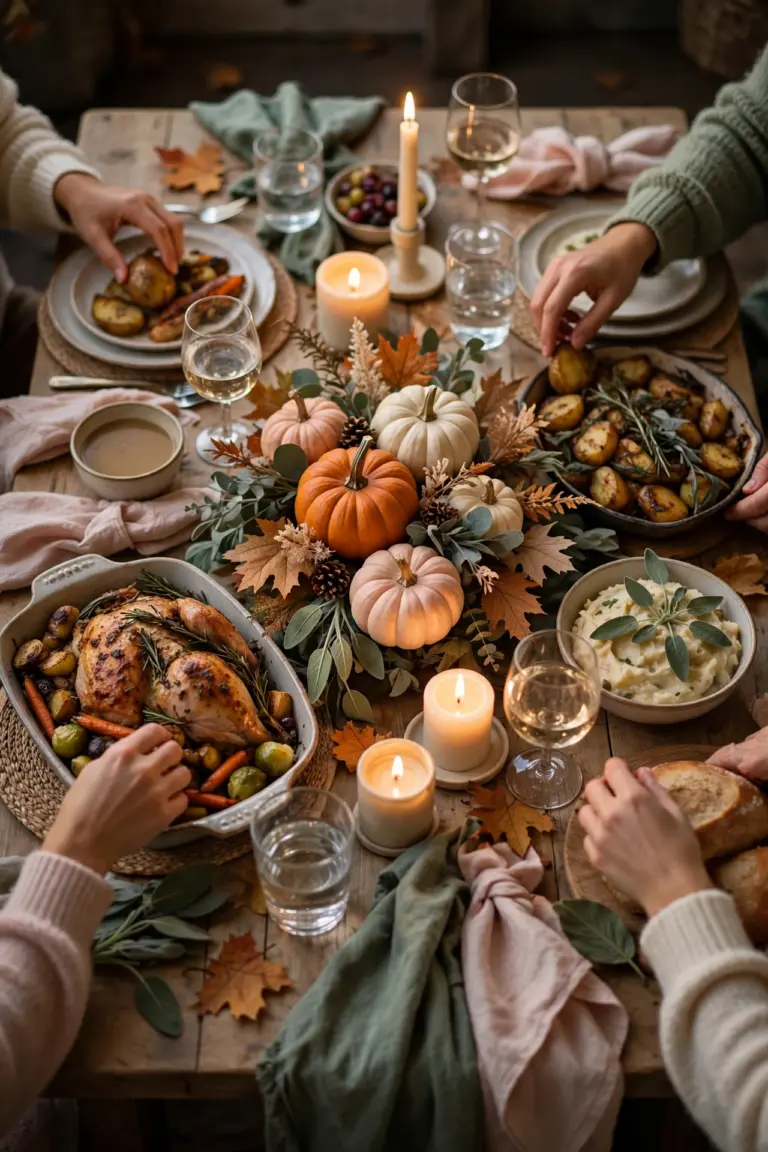
It works because seasonal material is everywhere and inexpensive in its moment: autumn leaves and conkers, spring blossom and eggs, summer water play, winter snowflakes and candlelight. Guests also arrive in the mood already, the world outside matches the party inside.
Seasonal parties suit any age and are the natural choice for birthdays that fall near a festival: borrow the festival's glow rather than competing with it. A December birthday becomes a winter wonderland (white, silver, one red accent), distinct from Christmas itself but shining with the same lights.
Build the party from the season's activities: leaf hunts and pumpkin bowling in autumn, blossom viewing picnics in spring, paddling pools and ice in summer, snowflake crafts and hot drinks in winter.
The mistake is fighting the season, a beach theme in a snowstorm, a snow party in a heatwave. Themes that agree with the weather photograph better, cost less, and never require an explanation.
Common Mistakes to Avoid When Choosing a Party Theme
Mistake one is choosing the theme for the photographs instead of the guests. A theme the birthday child does not care about produces a beautiful party that feels like someone else's. Start from the child's current passion, or, for adults, the guest of honor's humor, and let the photos follow the joy.
Another mistake is a theme that cannot feed or entertain. If the theme suggests no food and no activities, it is a color scheme wearing a costume. Every one of these easy party themes was chosen because it answers "what do we eat?" and "what do we do?" before you even ask.
Hosts also go wrong by buying before borrowing and making. Themed merchandise is the most expensive way to decorate and usually the least charming. Raid the house, the toy boxes, the garden, and the craft drawer first; print what you can; buy only the gaps, balloons, the cake, the one hero piece.
Fourth comes theme tyranny. The theme is a guide, not a border guard: the beloved game that does not fit, the favorite food in the wrong color, include them anyway. Guests remember fun, food, and feeling celebrated; nobody has ever remembered that the napkins broke theme.
Finally, hosts stumble by announcing a theme too complicated to explain. If the invitation needs a paragraph, the theme will wobble. The best themes fit in three words, "rainbow," "dinosaurs," "pajama party", and a child can say them with pride.
Budget Friendly Party Theme Ideas
The cheapest easy party themes in this guide are the color and calendar ones: a rainbow party decorates from what you own, a seasonal party decorates from what the world is giving away that month, and a garden party decorates from the garden. Start your shortlist there whenever money is tight.
Second, follow the budget principle: spend on the anchor, improvise the rest. One hero element, the cake in theme, a big balloon bunch, the cardboard rocket, photographs as "the theme," while paper, fabric, toys, and printed signs carry the room for pennies. Guests' photos will feature the anchor and the people; the filler only needs to be cheerful.
Borrow big items without shame: projectors, gazebos, tiered stands, globes, hay bales from a friendly farmer. Party equipment lives unused in other people's garages 364 days a year; borrowing is a social skill, and lending back with cake is its currency.
Finally, choose easy party themes whose leftovers live on: fabric bunting, reusable games, plain colored tableware in your palette. A theme box that comes out again next year halves the cost of every future party.
Party Theme Tips for a Celebration That Comes Together
Decide the theme before anything else. Invitations, shopping, food, and games all queue behind it.
Limit the palette to two or three colors plus a neutral. Even rainbow parties work in ordered color blocks.
Name the food in theme language. Labels cost nothing and double the theme's presence at the table.
Plan one photo spot. A backdrop, a frame, a marquee board, one designed corner carries the whole party's photographs.
Match the activity level to the age. Under fives need free play inside a theme; over sevens want missions, scores, and ceremonies.
Brief your helpers in theme terms. "You're running the passport office" gets better help than "watch that table."
End with the theme's ritual. The medal ceremony, the passport prize, the film's opening credits, the sundae station unveiling, a themed ending makes the party feel complete.
FAQ
How do I choose a party theme my child will actually love?
Offer a shortlist of two or three themes you are genuinely willing to host, and let the child choose between them. You keep control of budget and effort; they get the power of the decision, and a child who chose the theme defends and enjoys it all day.
What are the best party themes for mixed ages?
Travel and adventure, carnival, garden, movie night, and ice cream social all entertain adults and children simultaneously, because their pleasures, food stations, games with luck, atmosphere, building your own sundae, are not age specific. Avoid themes built on a single young children's character when half the guests are grown.
How much should a themed party cost?
You can host a home themed party beautifully for the cost of food plus a small decor budget, balloons, paper, printing, and one hero item. The themes in this guide are designed for that range. Venue, entertainers, and catered food are what multiply party costs, not themes.
Can I do a themed party without buying themed merchandise?
Yes, and it is usually better. Color palettes, printed signs, the child's own toys, garden and kitchen materials, and food naming create themes with more charm than licensed plates and cups. Buy plain supplies in your palette and let the theme live in the details you control.
What theme works for a last minute party?
Several easy party themes work beautifully at the last minute. Rainbow (supplies are colors), pajama (supplies are blankets), movie night (supplies are a film and popcorn), and garden (supplies are the garden) can all be assembled in a day. Choose by what you already own, and spend the saved time on food and a warm welcome.
How do I theme an adult party without it feeling childish?
Keep the theme, refine the execution: travel with real maps and destination food stations, a garden party with beautiful tableware, a movie night with a proper marquee and concession stand. Adults love themes executed with quality materials and good food, it is flimsy merchandise, not themes, that reads as childish.
Conclusion
Themes are the kindest gift a host can give themselves: one decision that makes a hundred smaller decisions for free. The fifteen easy party themes here, journeys and gardens, rainbows and rockets, tea cups and trophies, share one quality: each can be hosted with ordinary supplies, an ordinary budget, and an extraordinary amount of heart.
Choose the theme your guest of honor will say with a grin, build it from what you own before you buy a thing, name the food, plan one photo spot and one closing ritual, and let the theme do its quiet work. The party that results will look pulled together in every photograph and, far more importantly, feel effortless to the people inside it.
Happy celebrating, pick your theme, and let the party plan itself from there.