15 Small Living Room Storage Ideas That Hide the Clutter
Living in a compact home often means the smallest room carries the heaviest load. Coats land on the sofa, books pile on the floor, and remote controls vanish between cushions. Most families do not own too much stuff. Most rooms simply lack a planned home for the things used every single day. Good small living room storage ideas fix that gap quietly, giving every daily item a resting place that stays out of sight.
Start by looking at the room with honest eyes. Notice where clutter gathers, because piles always point to the storage that is missing. Maybe blankets slide off the sofa arm each evening, or charging cables snake across the floor near the outlet. Each pile is a small clue. Answer that clue with one right sized container or surface, and the room begins to calm down almost at once.
Inside this guide you will find fifteen practical small living room storage ideas that work in real homes with real budgets. Some use furniture that earns its floor space twice, while others claim the walls and corners most people ignore. Every idea includes placement advice, honest limits, and the mistake that usually ruins it. Pick two or three that match your own clutter clues and begin there.
How can I add storage to a small living room without more furniture?
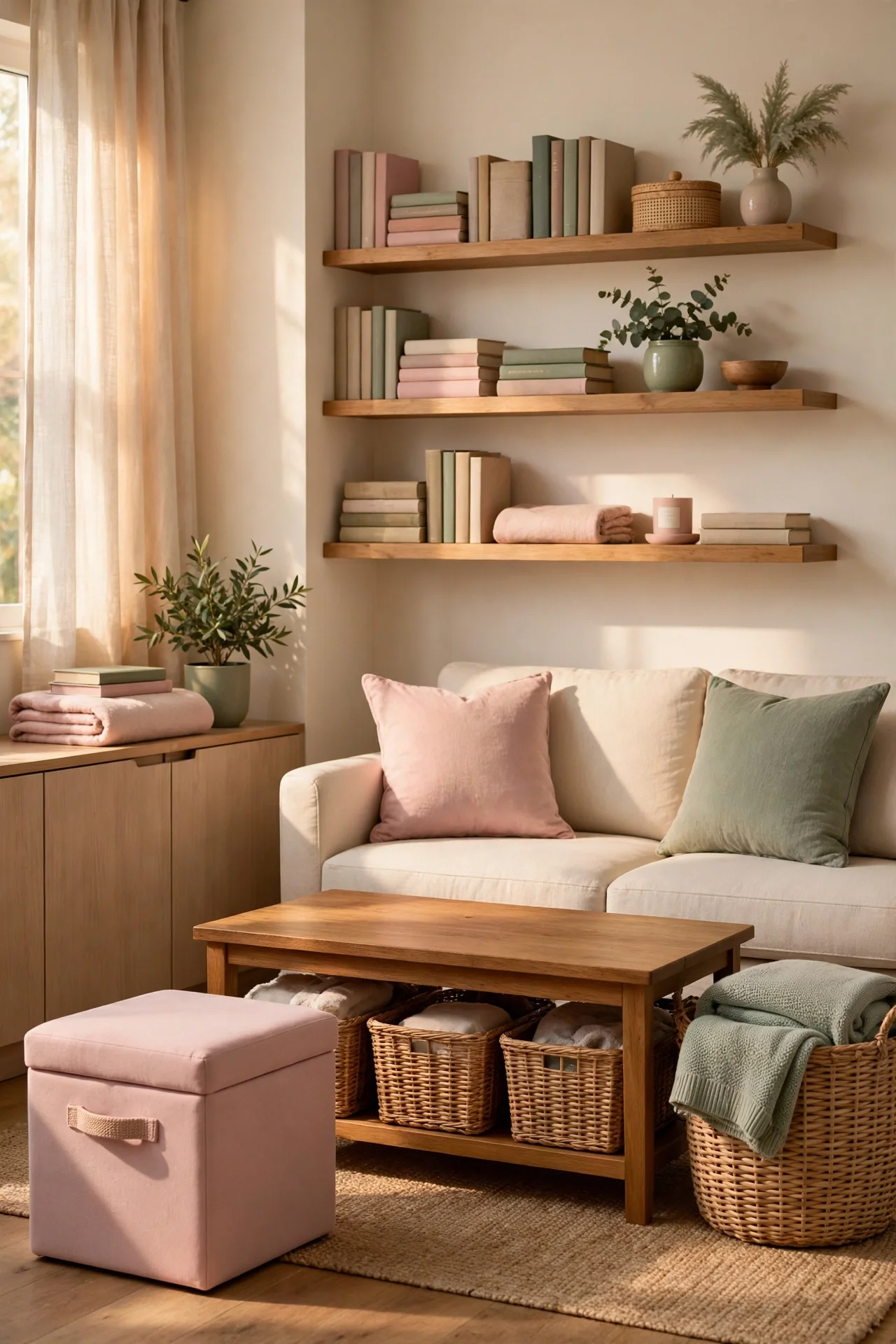
You add storage without new furniture by using the space your current pieces already offer. Swap a plain footstool for one with a hollow center, slide baskets beneath the coffee table, and hang shelves on the wall space above the sofa. Small living room storage ideas like these borrow room from air, corners, and gaps instead of the floor, so the room gains order without gaining bulk.
Picture a narrow room where four people watch films on Friday nights. One storage ottoman holds the blankets, a lidded basket under the table hides games, and a slim tray keeps remotes in one row. Nothing new crowds the floor, yet everything the family needs sits within reach. Calm evenings like that come from small changes placed with care, not from a bigger room.
Storage ottoman that works as a footrest
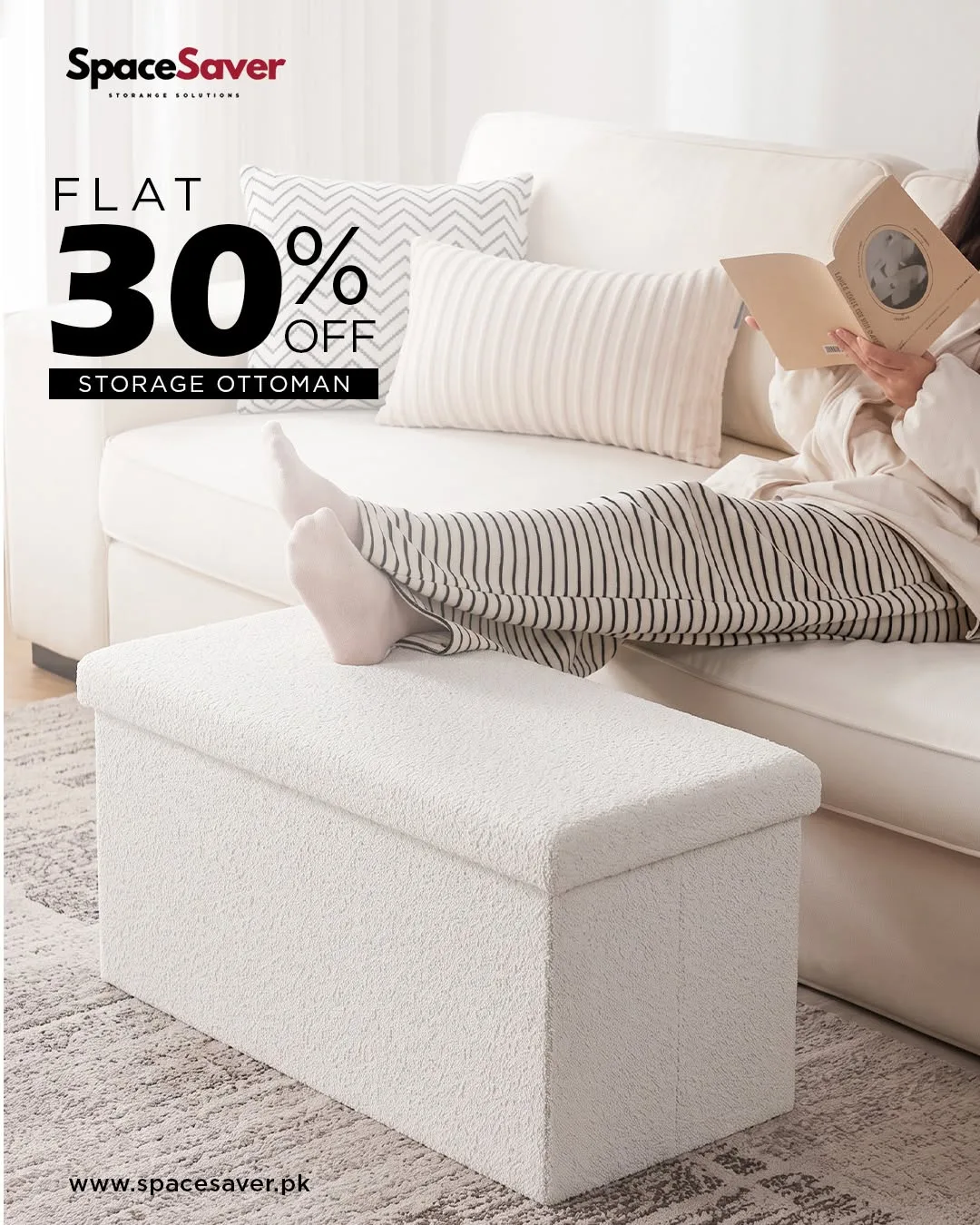
Few pieces work harder in a compact room than an ottoman with a hollow center and a firm lid. Feet rest on top during the evening, while blankets, board games, or spare cushions wait inside, hidden from view. Upholstered versions soften a room full of hard edges, and a tray placed on the lid turns the piece into a spare side table when guests arrive.
Measure the inside before you buy, because depth decides what the ottoman can honestly hold. Deep models swallow folded throws and winter blankets, while shallow ones suit magazines and remotes better. Choose wipeable fabric if children eat snacks in the room. Place the ottoman close to the sofa rather than the middle of the floor, so walkways stay clear and feet reach it without stretching.
Families who gather often gain the most from this piece. Board games live inside during the week, then the lid closes and spare seats appear when cousins visit. Parents of toddlers like the soft padded edges better than hard corners near crawling babies. People who rearrange the room for exercise or guests will also enjoy how easily a lighter ottoman slides aside.
One common mistake is treating the ottoman like a junk drawer with a lid. Random cables, dead batteries, and old papers pile in until nobody opens it. Give the inside one clear job, such as blankets only or games only. Add a small basket inside if loose pieces need sorting, and clear the whole space out twice a year.
Baskets tucked under the coffee table
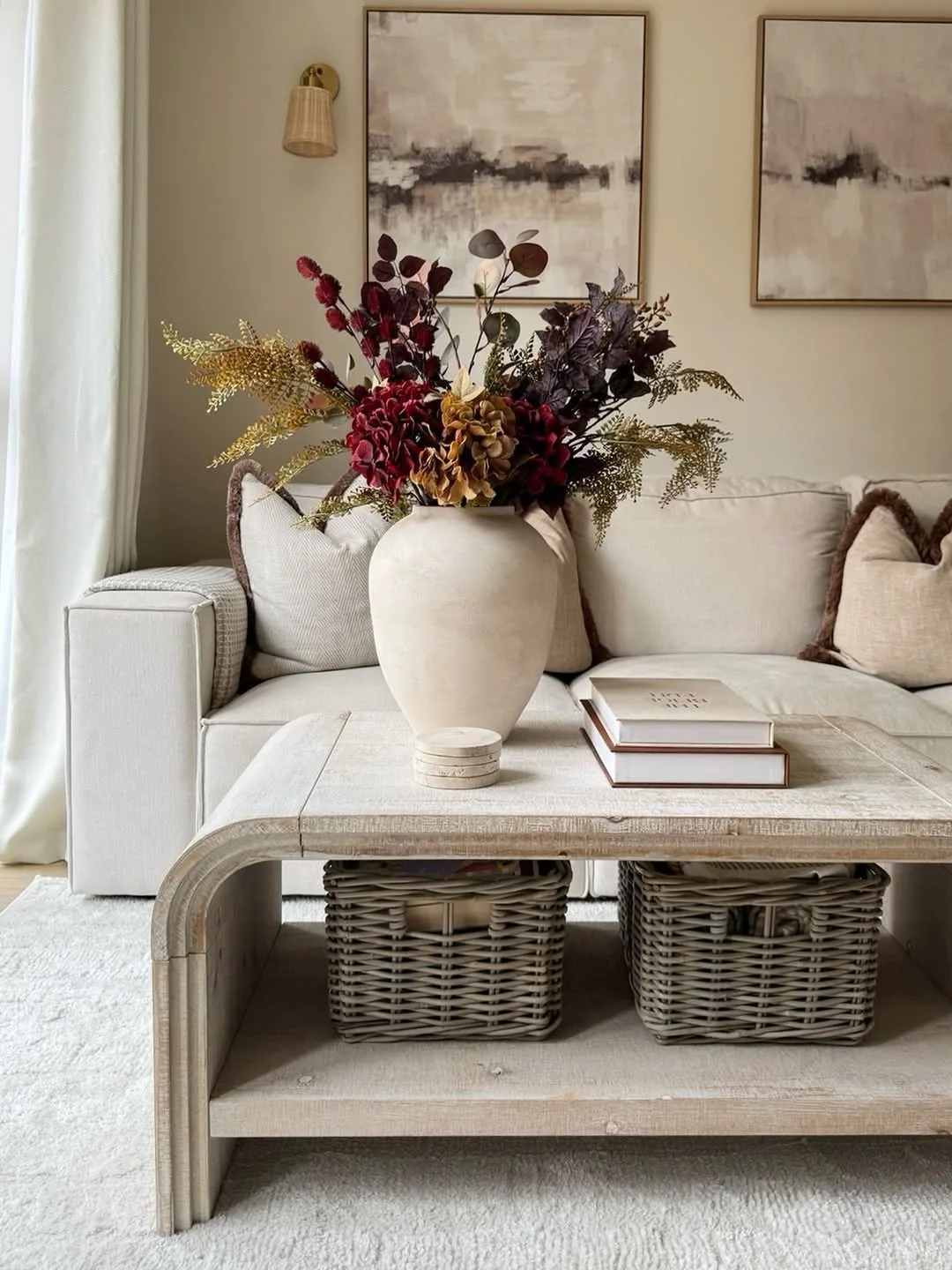
Open space beneath a coffee table often goes completely to waste, yet it sits right where clutter collects. Two or three baskets slid underneath gather magazines, knitting, toys, and chargers into tidy groups. Handles make each basket easy to pull out and carry. Natural woven textures also warm up a room that leans heavily on glass, metal, and plain painted wood.
Check the height between the floor and the table frame before buying anything. Baskets should slide in with a finger of space to spare, or daily use becomes a wrestling match. Softer woven styles forgive tight fits, while rigid boxes demand exact measurements. Line the bottom with a cloth if the weave might scratch a wooden floor when the basket moves.
Busy households benefit most, because sorting by basket beats sorting by pile. Give children one basket for their current projects and adults another for reading material. Guests see a clean table surface, while the family still keeps everything close. Movie nights run smoother when the snack basket, the blanket basket, and the game basket each have a set place.
Avoid baskets that are deeper than the items they hold. Deep baskets swallow small things and turn quick tidying into digging. Shallow and medium depths keep contents visible at a glance. Label the baskets quietly with small tags if family members keep mixing categories, and shake out crumbs and dust during the weekly clean so hidden dirt never builds up unseen.
Floating shelves above the sofa
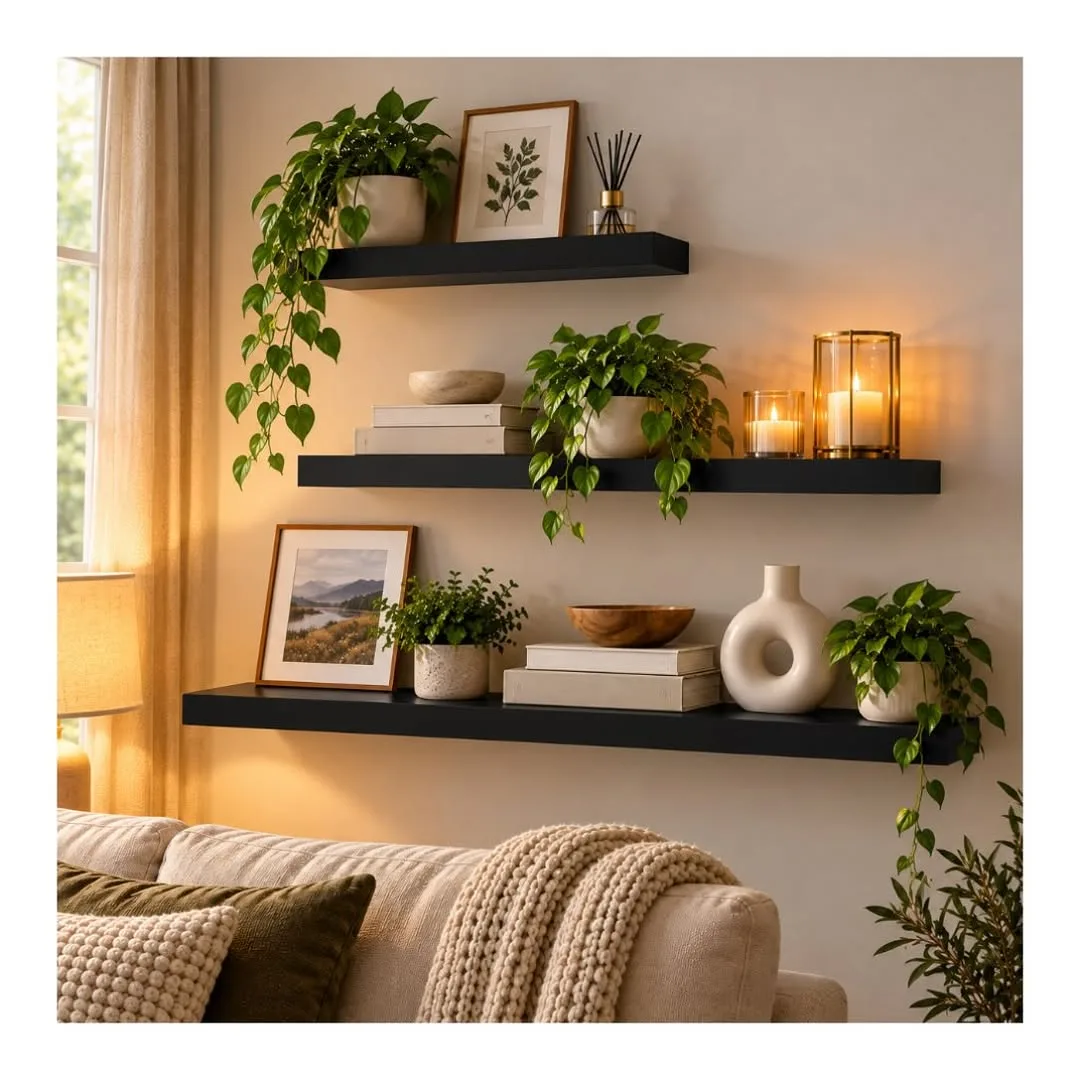
Wall space above the sofa usually holds one picture and nothing more, which wastes the longest free stretch in the room. Two floating shelves along that wall carry books, plants, and framed photos without touching the floor at all. Styling them in odd numbered groups keeps the display calm. Leave breathing room between objects so the shelves read as decor first and storage second.
Hang the lowest shelf high enough that tall guests can lean back without meeting the edge with their heads. Sturdy brackets matter more than shelf thickness, because books grow heavy fast. Spread weight along the shelf rather than stacking everything in the middle. Keep everyday reads on the lower shelf and lighter decor pieces, like vases and small frames, on the higher one.
Readers and collectors gain the most from this idea, since shelves turn a plain wall into a small library or display. Among small living room storage ideas, few change the feel of a room this quickly for this little cost. Compact rooms benefit the most because the storage climbs upward instead of spreading outward across precious floor space.
Many people overload floating shelves until the wall looks like a warehouse rack. Crowding also makes dusting miserable, so items stay grimy and the display loses its charm. Edit the shelves every season and remove anything that no longer earns its spot. Keep one shelf partly empty on purpose. Empty space is what makes the filled space look intentional.
Closed console that hides media clutter
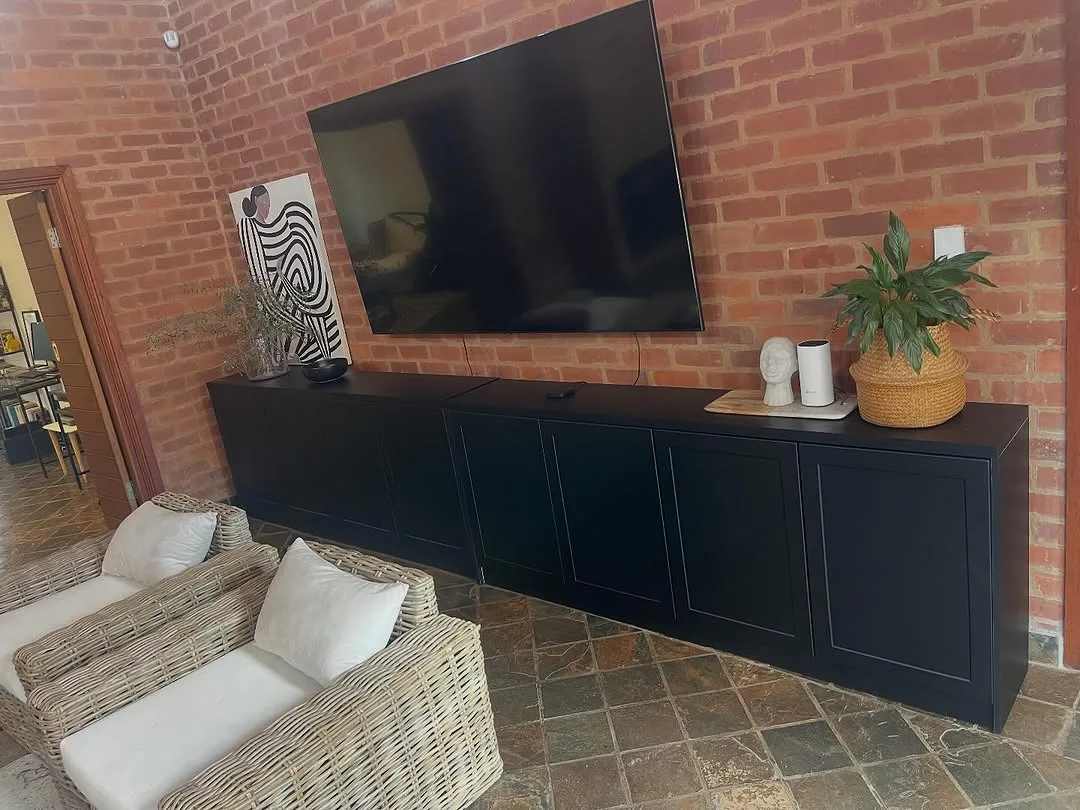
Television corners collect more clutter than any other spot in the room. Consoles, game boxes, routers, and tangled cables all compete for the same small patch of floor. One closed console with doors gathers the whole mess behind a calm front. Vented backs or open slots let air move around warm electronics, and the flat top gives you a clean stage for a lamp or plant.
Choose a console slightly wider than the television so the setup looks balanced rather than top heavy. Doors beat open shelves here, because closed fronts forgive messy stacking inside. Adjustable shelves help fit tall game consoles beside short streaming boxes. Use the cable holes at the back so cords drop straight down instead of spilling out the sides toward the floor.
Gamers and film lovers gain the most, since their gear multiplies faster than anyone expects. Families with curious toddlers also win, because doors keep small hands away from buttons and blinking lights. Anyone who works from the sofa some days will enjoy closing the doors at five and watching the office disappear. Visual quiet matters greatly in a small room.
People often buy a console that is too deep for a narrow room, and the walkway shrinks to a shuffle. Measure the path between the console and the coffee table before ordering. Leave enough room for legs and passing feet. Also avoid sealing electronics in a fully closed box with no airflow, because heat shortens the life of the machines inside.
Tall shelf in the unused corner
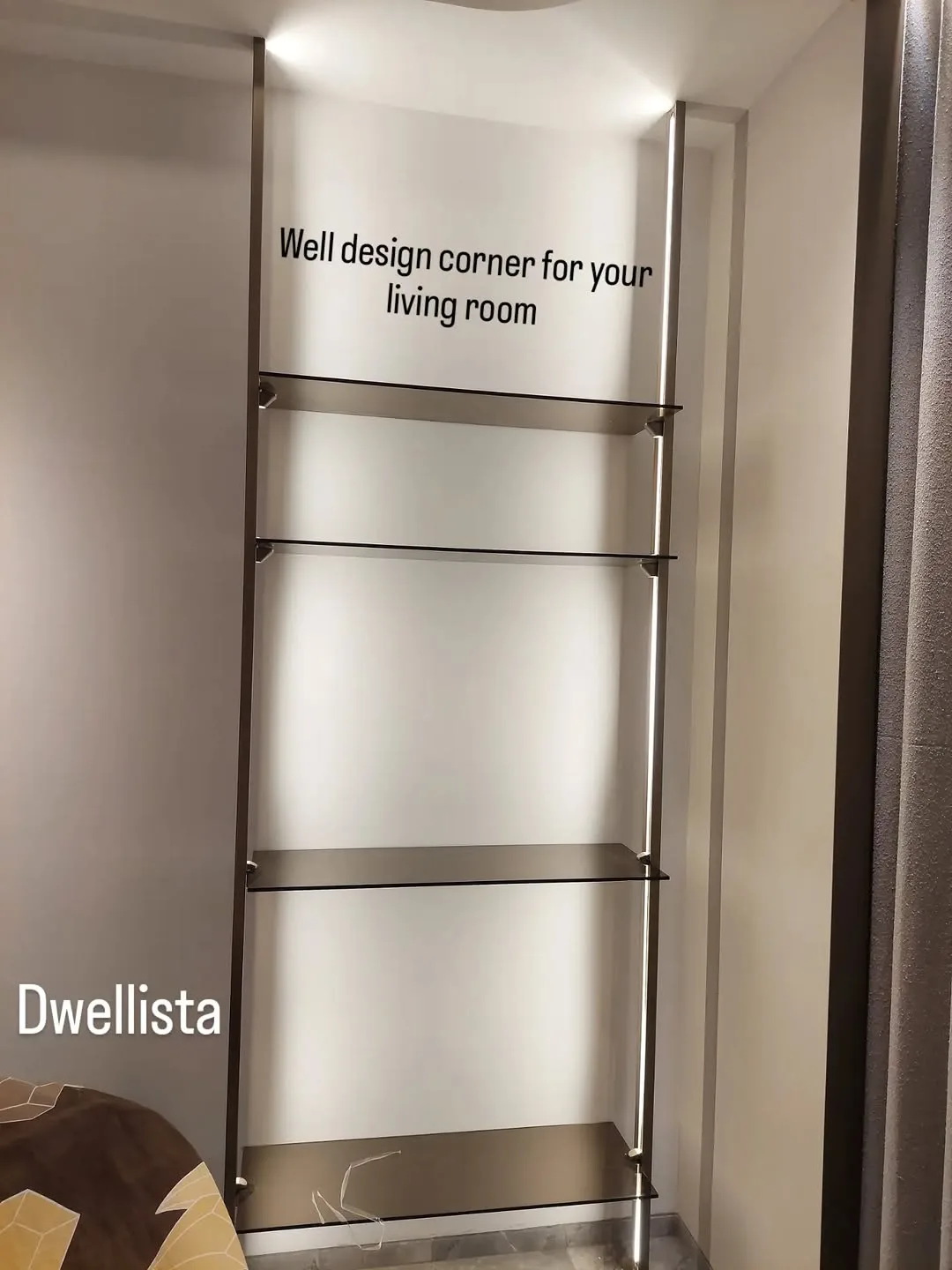
Corners collect dust and little else in most rooms, yet a corner offers vertical space that touches almost no traffic. One tall narrow shelf standing there can hold books, baskets, and decor from floor to near the ceiling. Lean the style toward light colors so the piece feels airy. A corner shelf also balances a room when one side carries a heavy sofa.
Anchor tall shelves to the wall whenever children or pets live in the home, because tall narrow pieces tip more easily than low wide ones. Put heavy items, like full baskets and big books, on the bottom shelves. Save the top shelves for light decor that rarely moves. Measure the corner angle first, since some rooms hide odd angles behind the baseboards.
Homes with very little wall space gain the most, because the corner may be the only free vertical surface left. Plant lovers use the shelves for trailing greens that soften the room. Crafters store jars of supplies where they can see them. Students in shared houses give each person one shelf, which keeps peace when space runs tight.
Filling every shelf edge to edge is the mistake that ruins this idea. Packed shelves look heavy and make a small room feel smaller. Mix open gaps, one plant, and a few closed boxes among the books. Closed boxes matter because they hide the ugly essentials, like spare cables and instruction booklets, that open shelves display to everyone.
Vintage trunk as a coffee table
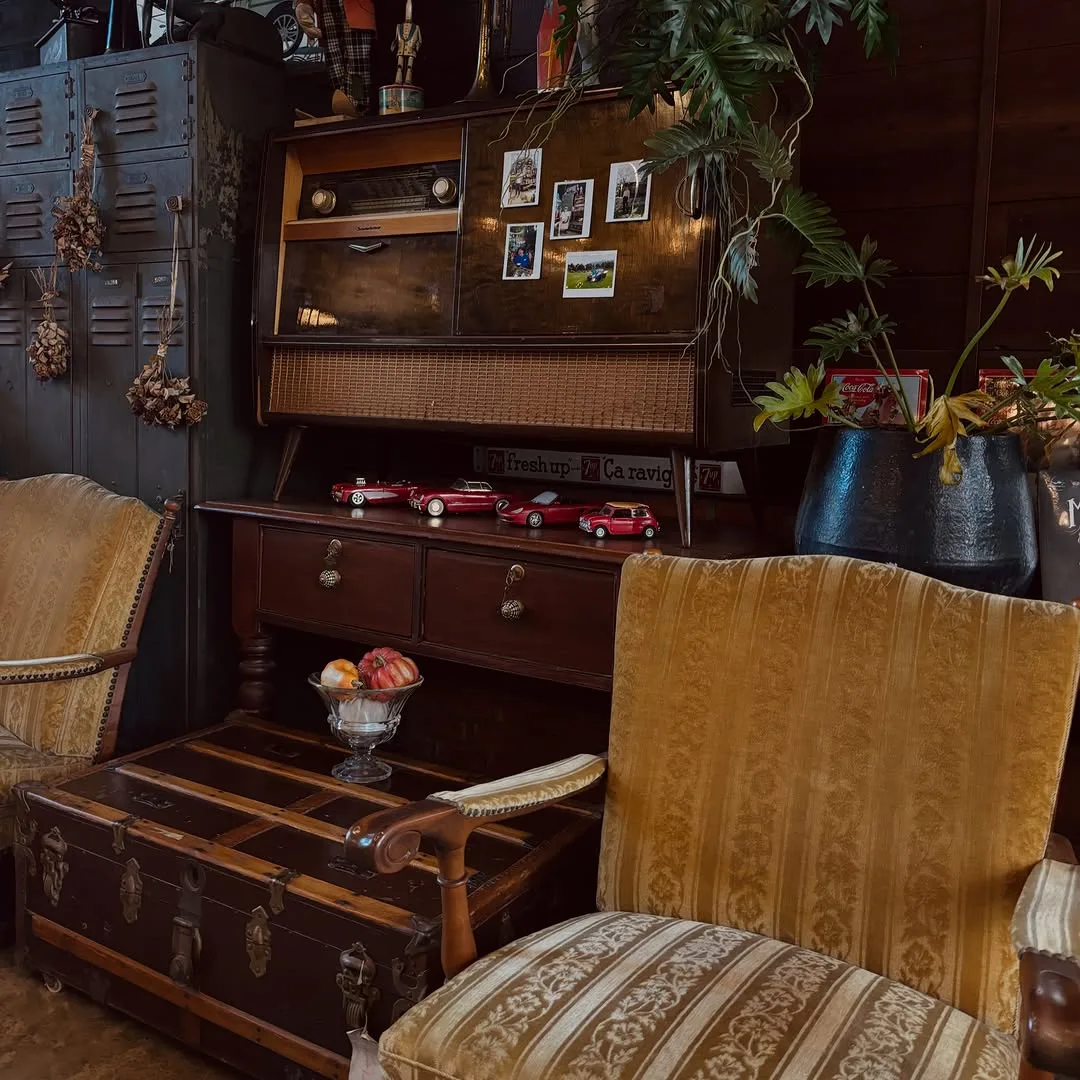
Old trunks bring storage and character in a single piece. Used as a coffee table, a trunk offers a wide flat top for drinks and books while the deep body swallows blankets, games, and seasonal decor. Metal corners and worn leather handles add texture that new furniture rarely matches. Rooms styled around wood and warm colors welcome a trunk instantly.
Inspect the inside before bringing a trunk home, because old pieces sometimes carry musty smells or rough splinters. Air it outdoors, clean it well, and line the base with an old cotton sheet. Test the lid hinges and make sure they hold open safely. Round any sharp inner edges with sandpaper if children will reach inside for toys.
Anyone who loves flea markets and family hand me downs will enjoy hunting for the right trunk. Large families use the deep body for the blanket mountain that winter evenings demand. Couples in first homes gain a table and a storage chest for the price of one piece. People who photograph pretty rooms adore trunks because they anchor a picture beautifully.
Heavy lids cause the common injury with this idea, especially when children lift them alone. Choose a trunk with a lid that stays open on its own, or add a soft close hinge from the hardware shop. Also mind the height. A trunk that sits higher than the sofa seat makes drinks awkward and knees bump the sides, so compare heights before you commit.
Slim console behind the sofa
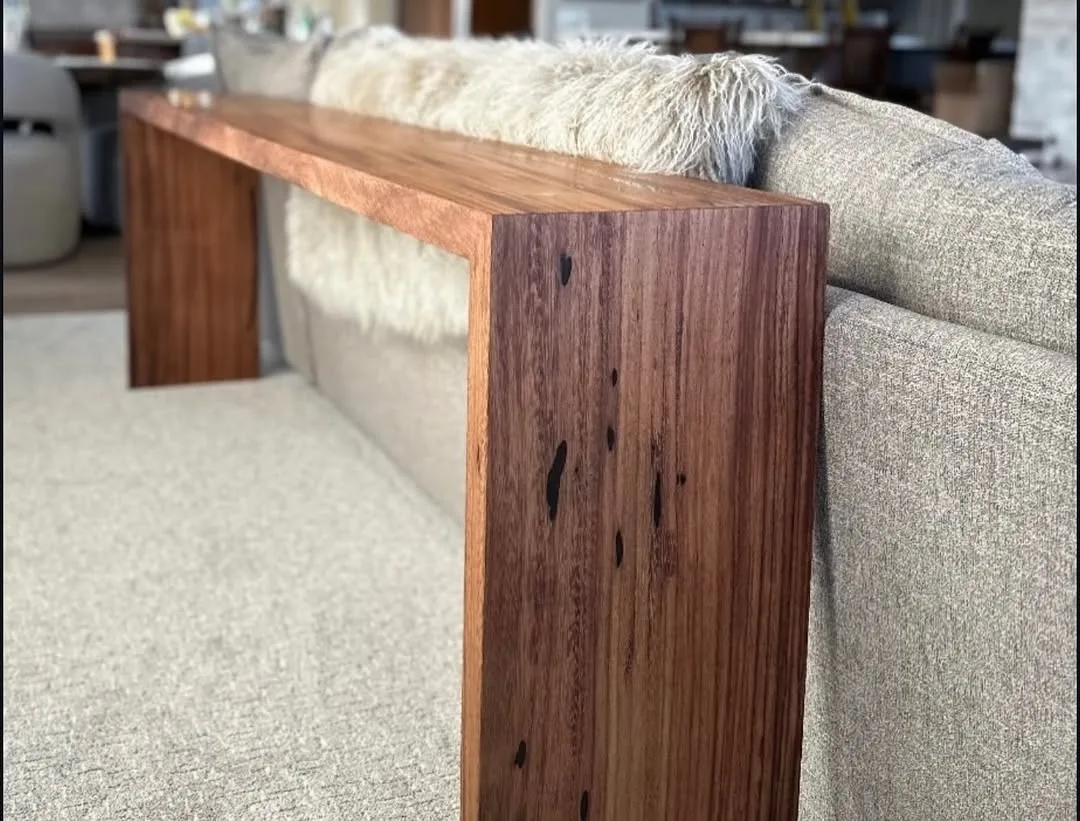
Sofa backs often face a wall or float in the middle of the room with dead space behind them. Sliding a slim console into that gap creates a surface for lamps, drinks, and books plus shelves or baskets below. Among the most useful small living room storage ideas, this one hides in plain sight and steals zero walking space from the room.
Keep the console a few centimetres lower than the sofa back so cushions never snag on the edge. Narrow depths work best, often no deeper than a hardcover book is wide. Run a power strip along the back leg for lamps and chargers, keeping cords off the floor. Baskets underneath hold the overflow, like spare throws and the board game of the month.
Open plan rooms gain the most, because the console gives the floating sofa a finished back and a clear boundary. Couples who read in the evening finally gain lamp light at the right height on both ends. Hosts use the surface as a drinks station during gatherings, which frees the coffee table for food and games.
Loading the console top with every small object in the room defeats the purpose quickly. Treat it like a shelf with a strict limit: two lamps, one stack of books, one plant, nothing more. Everything else belongs in the baskets below or out of the room entirely. Review the surface weekly, because slim surfaces collect clutter faster than wide ones.
Nesting tables that tuck away
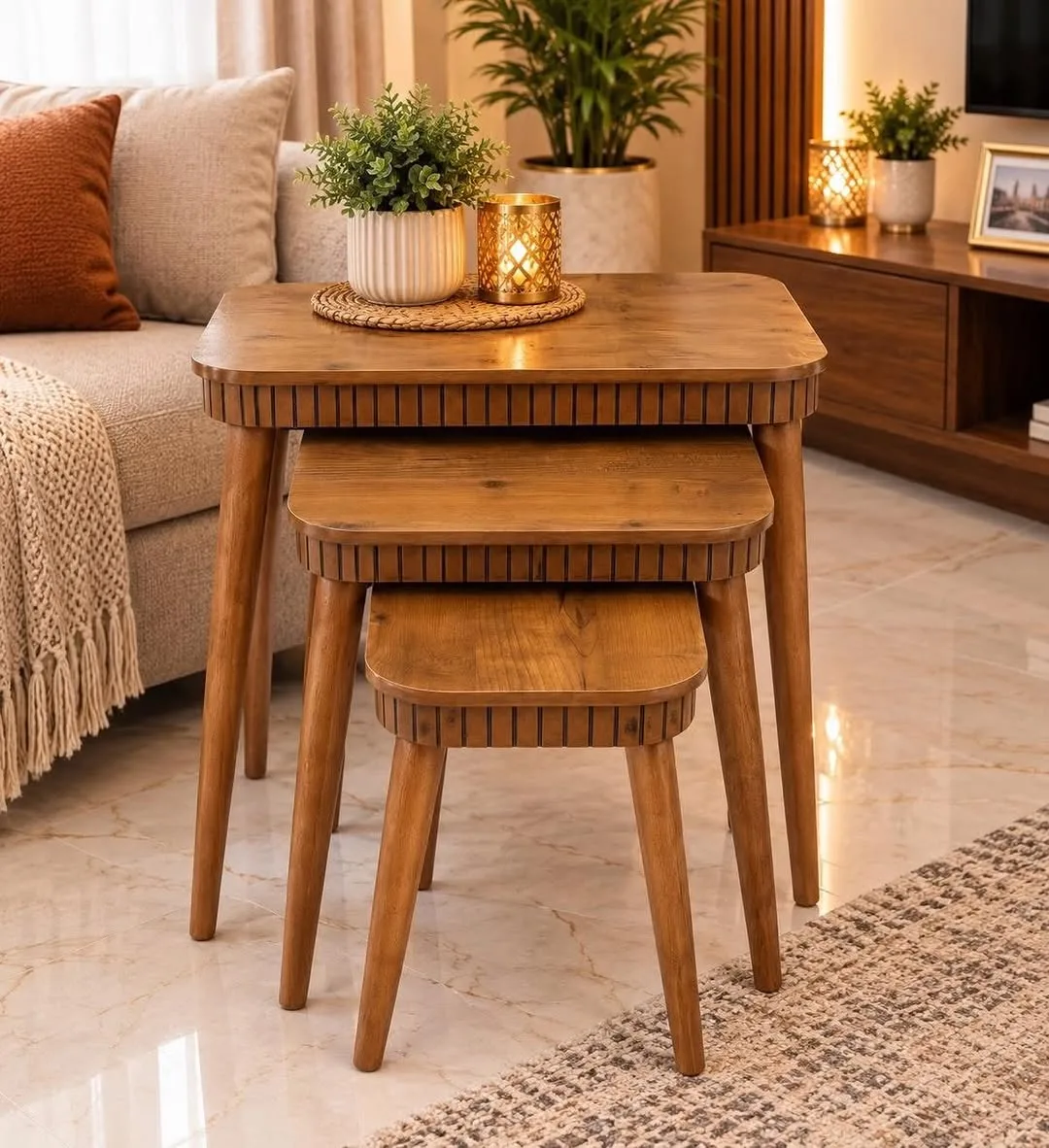
Side tables earn their keep during movie nights and vanish as a need the rest of the week. Nesting tables solve that swing perfectly. Two or three small tables stack into one footprint, then spread out when guests need a spot for cups and plates. Lightweight frames make the shuffle effortless, and matching finishes keep the group looking like one planned piece.
Pick tables with slightly different heights so each one slides fully under the tallest. Metal or slim wooden legs waste less room than chunky block bases. Test the glide on your own floor before buying if possible, because wobbly nesting sets annoy everyone. Tuck the smallest table under with the opening facing out, ready to pull like a drawer.
Hosts gain the most from nesting tables, since guest counts change at every gathering. Small families use one table daily and keep the others nested for birthdays and game nights. Anyone who does puzzles, crafts, or homework in the living room gains a movable work surface that parks itself afterward. Flexibility like this suits rooms that change jobs all day long.
People often leave all the tables spread out forever, which eats the floor space the idea was meant to save. Make a habit of nesting them again before bed. Also watch the weight limit on the smallest table. Laptops and heavy plant pots belong on the largest table, while the little one handles cups, glasses, and paperbacks.
One big basket for throws
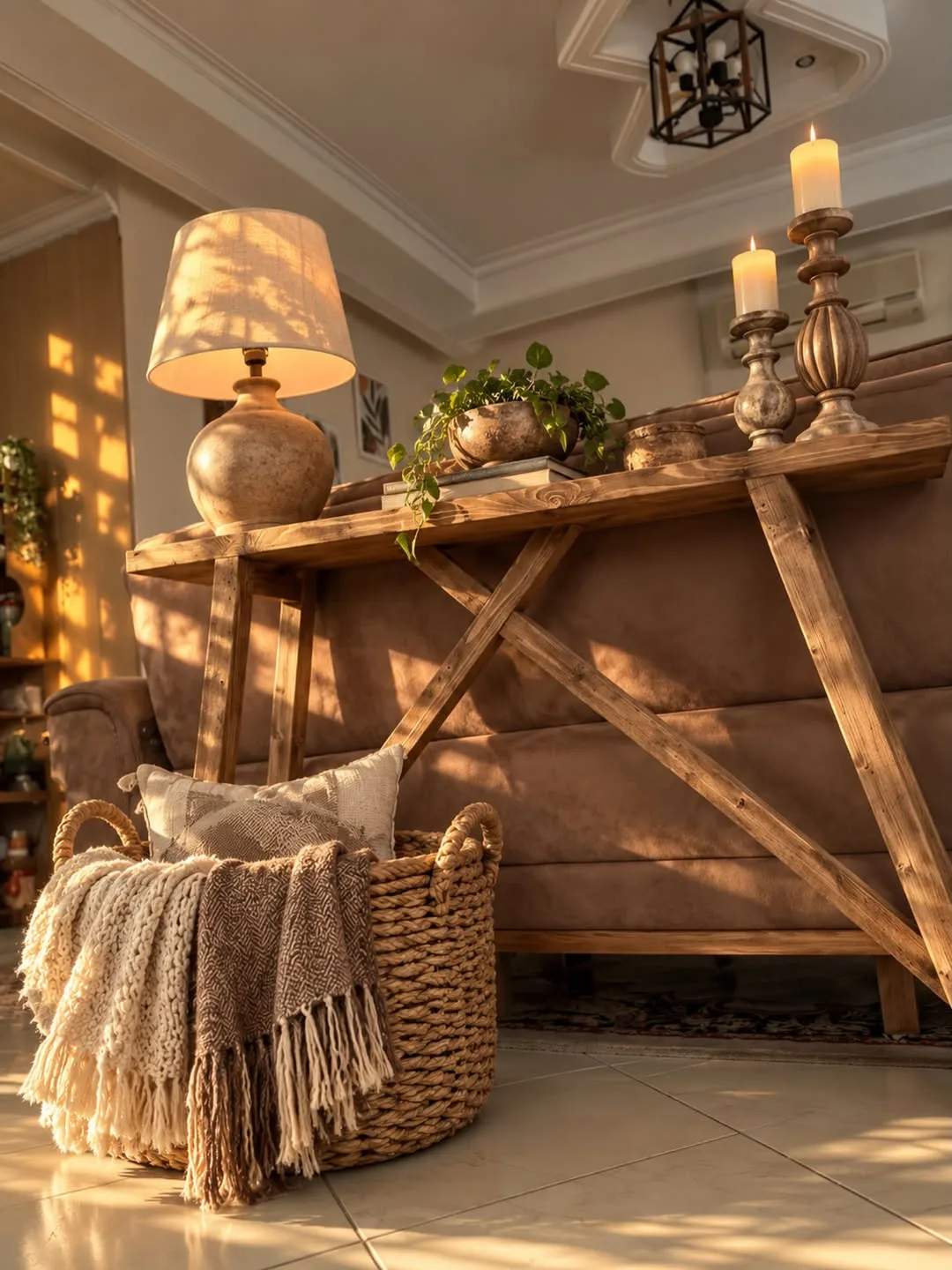
Throws and blankets multiply quietly in a living room until every chair wears one. Gathering them into a single large basket beside the sofa gives the whole collection one address. Rolled blankets look tidy and take less room than folded stacks. A basket with sturdy handles moves easily on cleaning day, and natural fibers add warmth beside plain upholstery.
Size the basket for your real collection, not the collection you wish you had. Count the throws in the room, roll each one, and measure the bundle before shopping. Leave a little growing room for one winter addition. Place the basket where people actually sit, usually beside the sofa arm or near the reading chair, rather than in a far corner.
Cold climate families gain the most, since blanket use runs all winter long. Movie lovers keep favorites rolled and ready instead of draped over every surface. Pet owners also benefit, because one basket gives the dog or cat a defined blanket of their own. Guests understand the system instantly, which keeps shared rooms tidier during long visits.
Stuffing every blanket you own into one basket makes a lumpy mountain nobody wants to dig through. Keep only the current season in the living room and store the rest in a bedroom closet. Wash throws on a simple rotation so the bottom ones stay fresh. Shake the basket out monthly, because crumbs and pet hair settle deep between the rolls.
Magazine rack on the wall
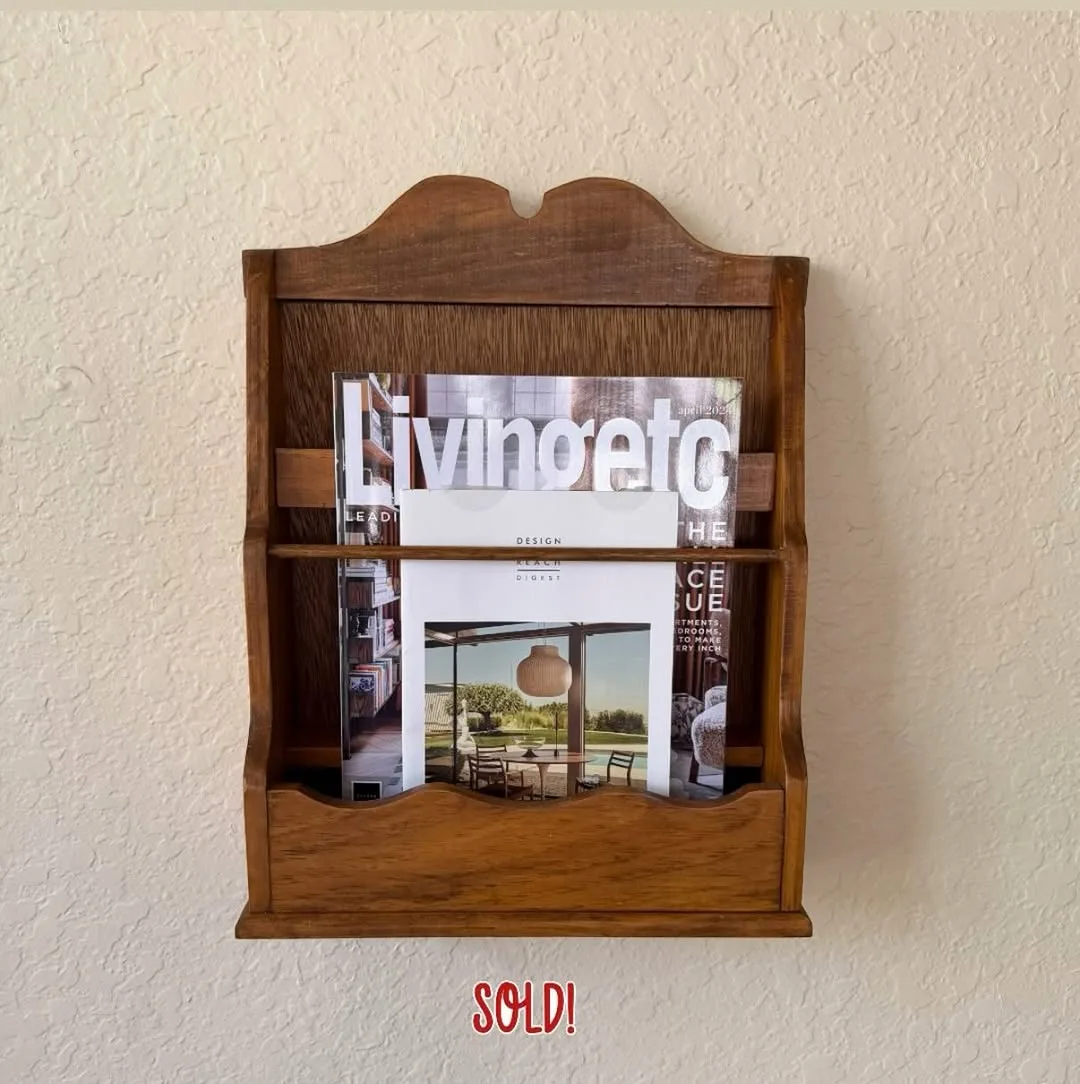
Reading material spreads across small rooms faster than almost any other clutter. A wall mounted magazine rack gathers catalogs, comics, and current reads into one slim pocket of space. Clear acrylic styles show covers at a glance, while wooden racks warm up plain walls. Mounted beside the reading chair, the rack keeps favorites close without claiming any floor.
Mount the rack into studs or use proper wall anchors, because a full rack of glossy magazines grows surprisingly heavy. Choose a height that suits the chair beside it, roughly at arm level when seated. Limit the rack to two rows at most. Deeper racks tempt people to file papers forever, and the weight strains both the rack and the wall.
News lovers and magazine subscribers gain the most, since fresh issues arrive constantly. Families with school children use a lower rack for library books that must not get lost. Guests enjoy browsing a tidy rack while dinner finishes cooking in the kitchen. Anyone tired of clearing the coffee table before every meal will feel the relief within a week.
Letting old issues pile up turns the rack into a dusty archive that nobody reads. Set a simple rule: when a new issue enters, the oldest one leaves for recycling. Wipe the rack during weekly dusting, because open pockets collect fluff along every edge. Keep sharp tools away from racks within toddler reach, since low pockets invite tiny hands.
Low cubes for toy storage
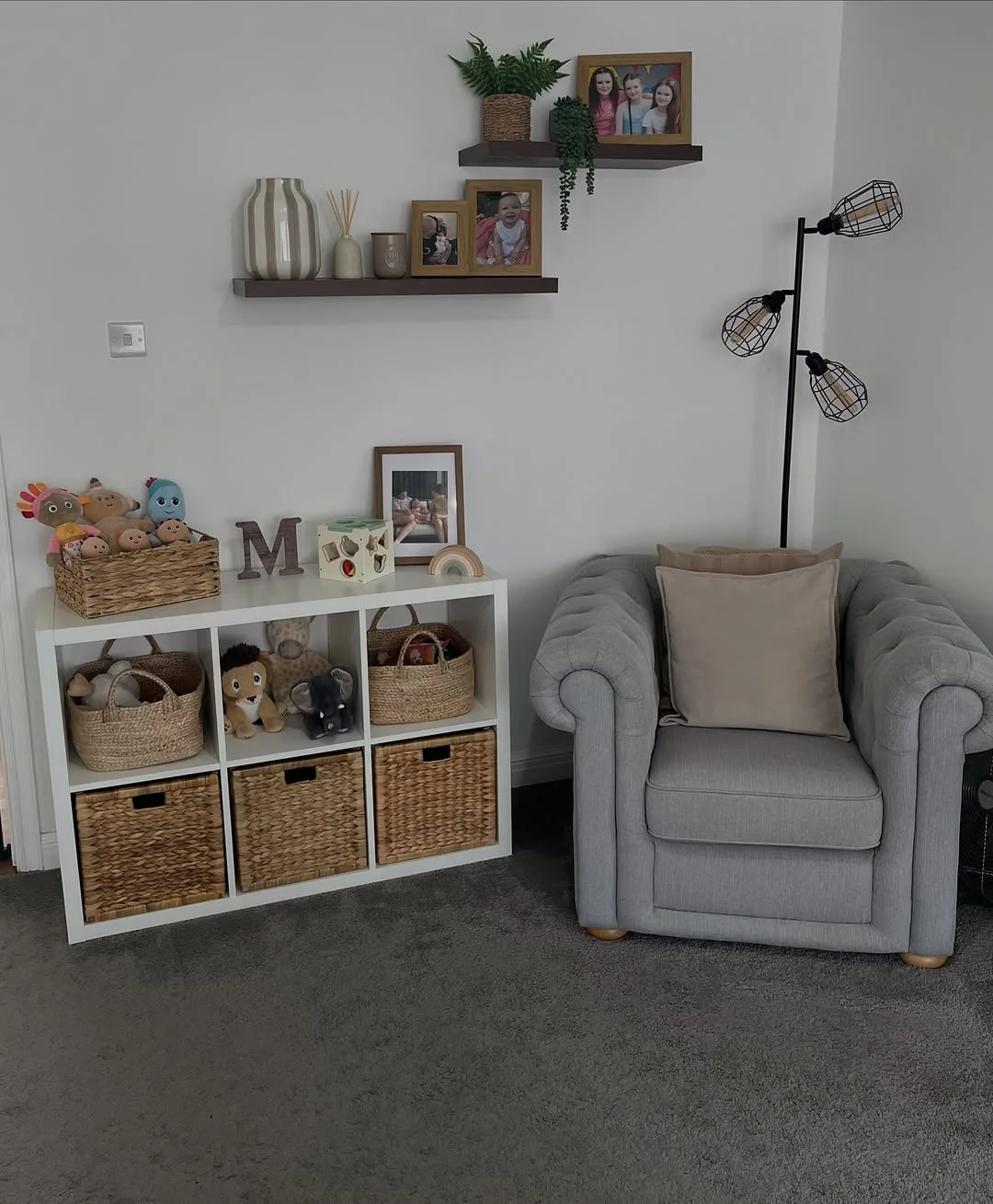
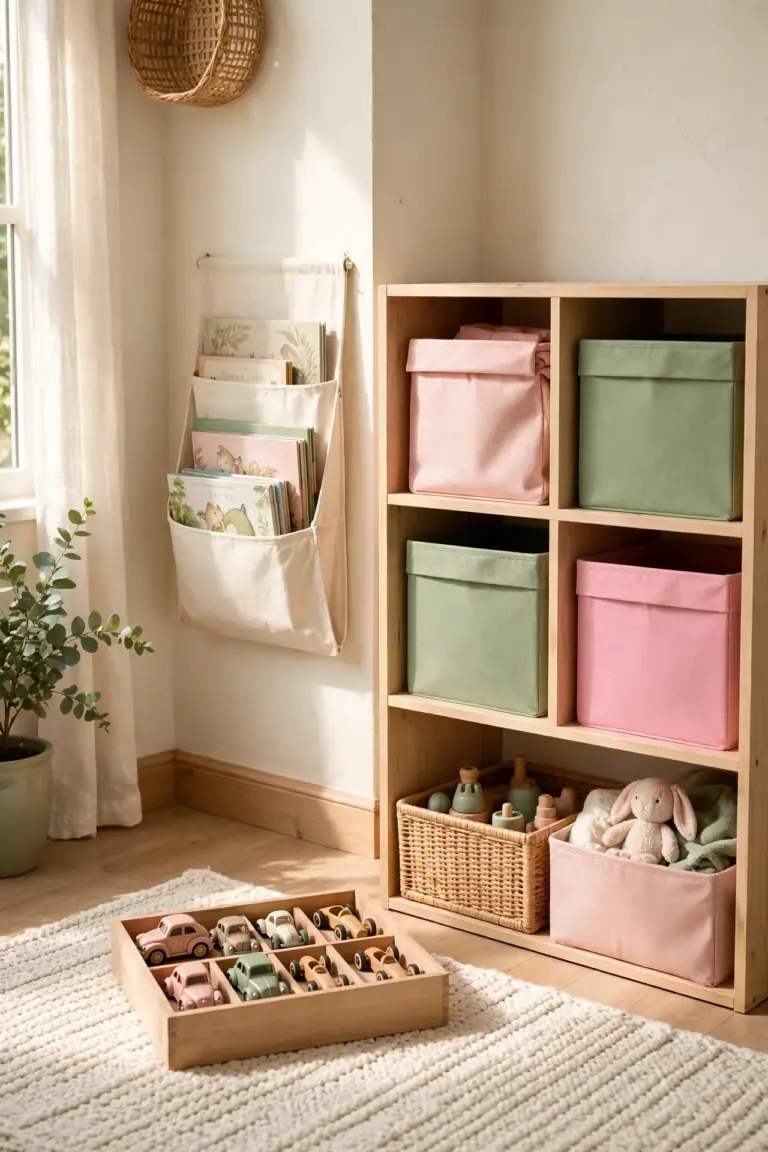
Toy clutter ends most evenings scattered from the sofa to the door. Low open cubes placed along one wall give children a storage system they can actually reach and use alone. Each cube takes one family of toys, like blocks, cars, or soft animals. Fabric bins inside the cubes hide the visual noise and lift out for quick cleanup races before dinner.
Keep cube height at or below a child's waist so small arms reach the back without climbing. Anchor the unit to the wall even when it feels steady, because children pull themselves up on furniture edges. Choose bins without lids for daily toys, since lids slow cleanup and get lost. Save lidded boxes for craft supplies that adults hand out.
Parents of toddlers and preschoolers gain the most, because cleanup becomes part of play instead of a nightly battle. Grandparents who host young visitors keep one cube of guest toys ready and close the rest away. Shared living rooms benefit hugely, since closed bins let the room return to adult mode in minutes once children head to bed.
Buying cubes in bright clashing colors makes the whole wall shout, which fights against a calm room. Pick bins in two or three quiet colors that match the sofa and curtains. Rotate toys between the cubes and a closet box every few weeks. Fresh rotations feel like new toys, and the living room never carries the full collection at once.
Side table with two drawers
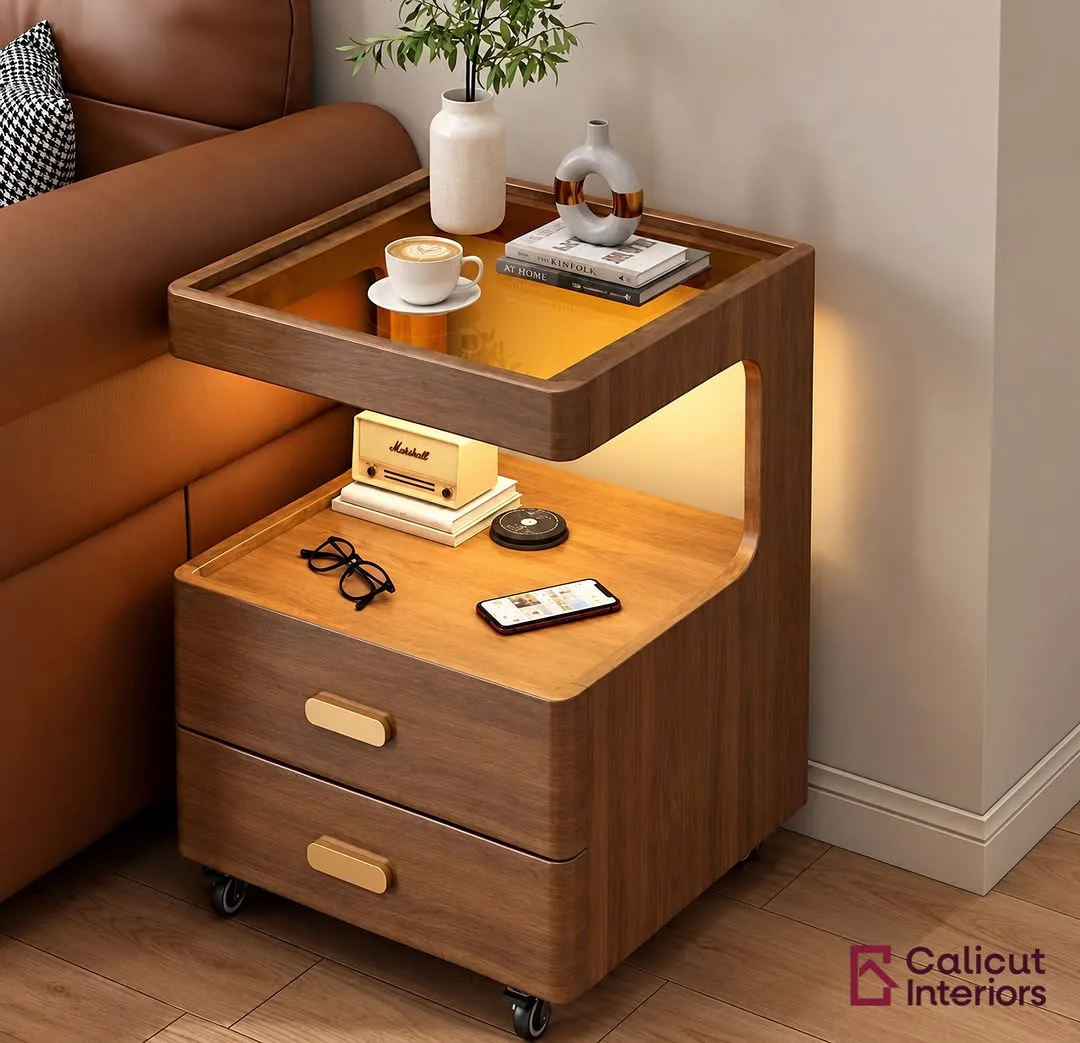
Loose small items make a room look messy faster than big furniture ever could. A side table with two drawers beside the sofa swallows remotes, chargers, coasters, reading glasses, and medicines in seconds. The top stays free for a lamp and a cup of tea. Drawers beat open shelves here because the mess disappears completely instead of sitting on display.
Give each drawer one job. Let the top drawer hold daily items like remotes and chargers, while the lower one stores slower things like batteries and instruction booklets. Small trays or old boxes inside the drawers stop items from sliding into a jumble. Measure drawer depth before buying if you hope to store game controllers or larger remotes inside.
Anyone who shares the sofa with family members will value a drawer system with clear rules. Multigenerational homes sometimes use one drawer per generation without any fuss. People who work from the living room gain a place to park notebooks and pens at the end of the day, which keeps work from spreading across every cushion and table in sight.
Drawers invite the famous junk drawer habit when nobody sets limits. Review the contents every few months and remove anything that found a better home elsewhere. Keep a tiny trash habit too: dead pens, old receipts, and broken chargers should leave the drawer the day they die. A drawer that opens smoothly and shows order calms the whole room.
Cable box that hides the cords
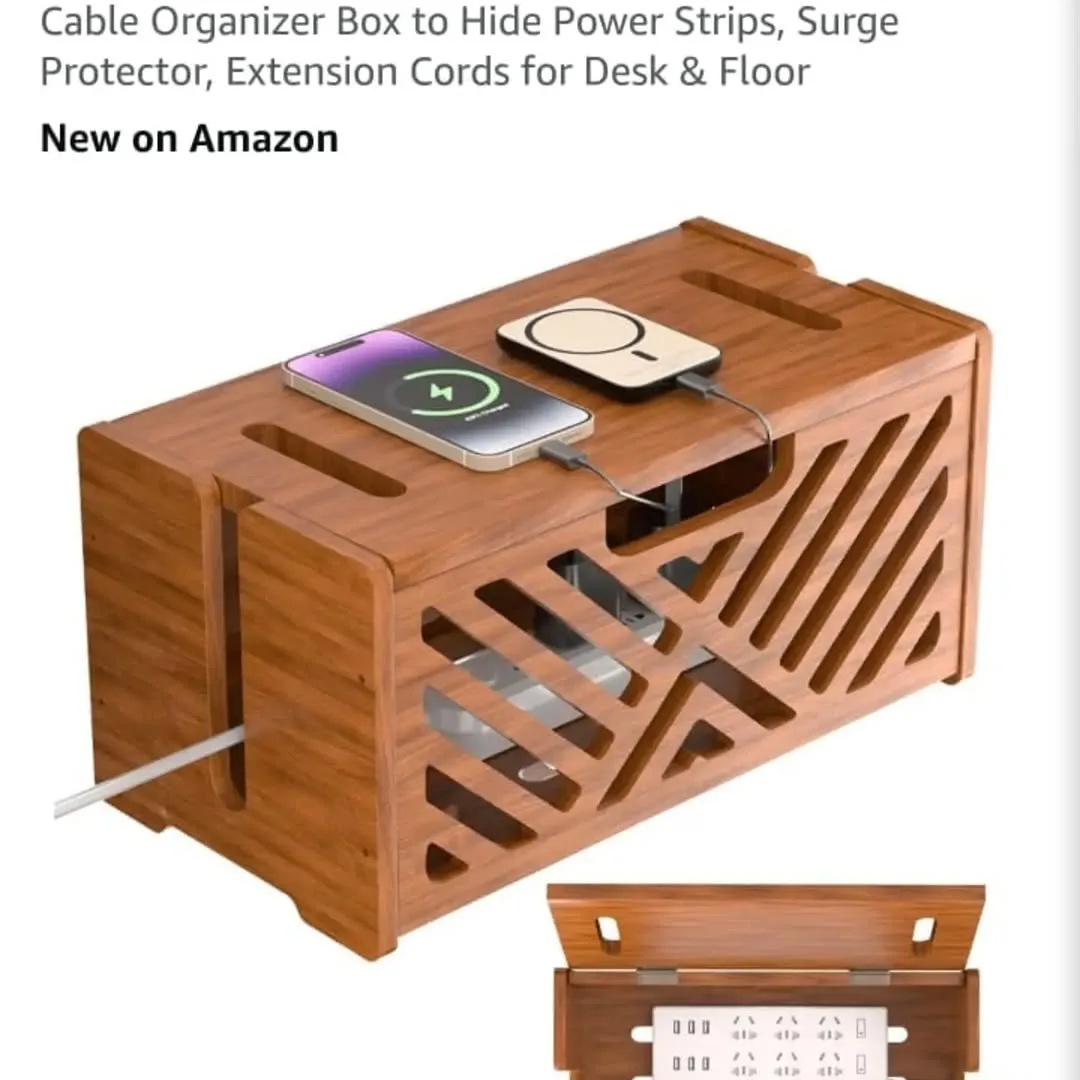
Cords spoil the look of even the tidiest room. Charging cables, power strips, and adapters tangle into a grey nest behind the television or beside the sofa. One cable box with a lid gathers the power strip and the slack into a single neat shape. Vents or open ends let heat escape, and the lid lifts in seconds when a charger needs swapping.
Choose a box long enough for your power strip with room for bulky adapter plugs, which often decide the real size needed. Label each cable with a small tag or a piece of tape before it goes inside, because unplugging the wrong device wastes time later. Route charging ends out the front slot so phones rest on the box lid while they fill.
Households with many devices gain the most, since every phone, tablet, and game controller adds another cord. People who vacuum often will enjoy floors that finally clear in one pass. Pet owners reduce chewing risks by lifting cords off open ground. Readers who join video calls from home also gain a tidier background, which matters more each year.
Cramming every cord in the home into one box creates a hot tangled knot that helps nobody. Give entertainment cords and charging cords separate boxes if the count runs high. Dust inside the box monthly, because enclosed spaces collect fluff around warm plugs. Replace frayed cables instead of hiding them, since a hidden damaged cable stays a danger.
Ladder shelf by the window
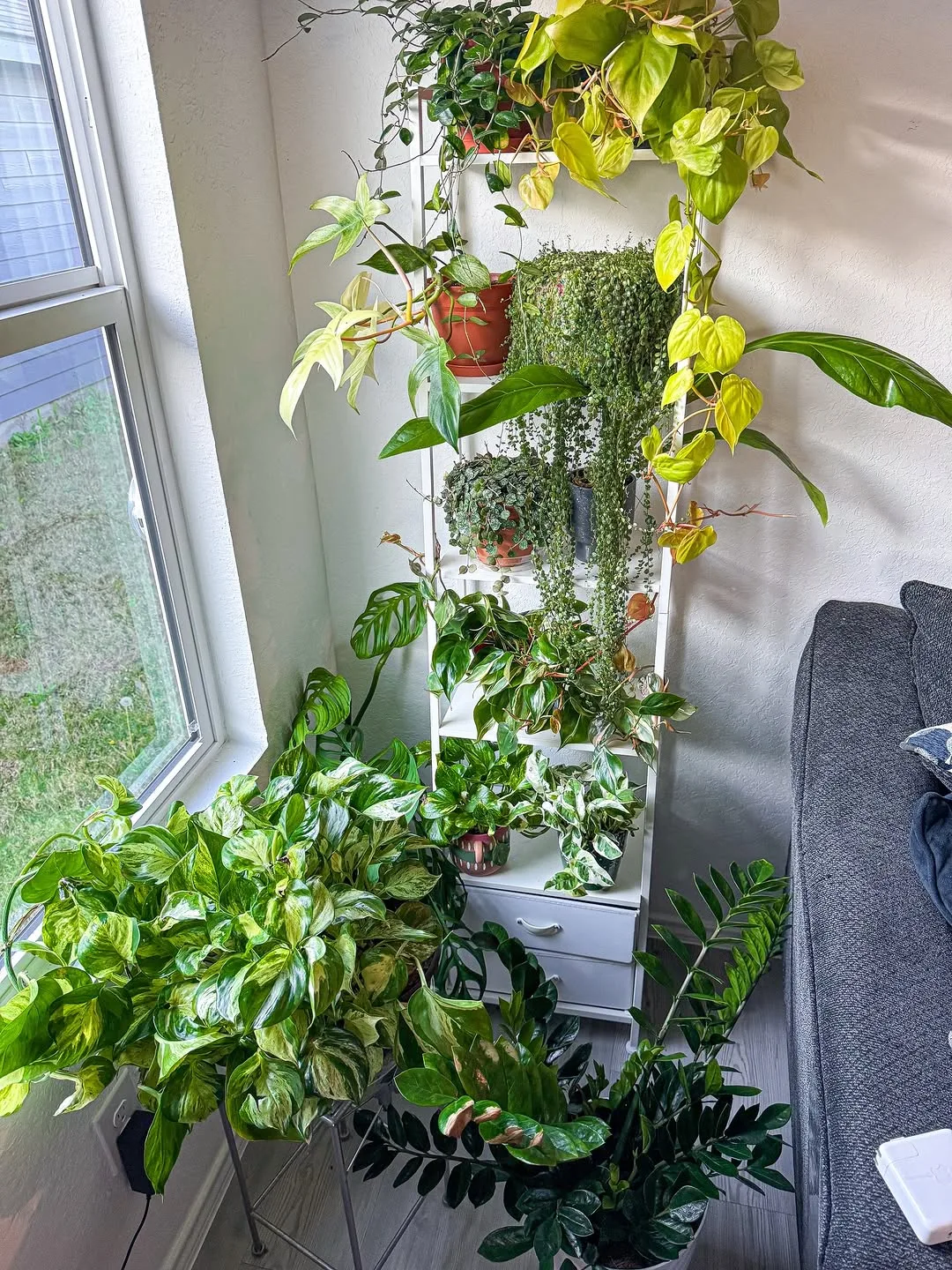
Ladder shelves lean against the wall and climb upward in widening steps, which suits the bright strip of space beside a window. Lower shelves hold baskets and books, while upper shelves carry plants that enjoy the light. The open frame keeps the window area feeling airy instead of blocked. Rooms with one long blank wall gain height and interest from the shape.
Secure the top of the shelf to the wall, because leaning pieces shift when bumped by children, pets, or vacuum cleaners. Keep heavier storage low where the shelves run deepest. Reserve the narrow top shelf for light frames and small plants. Turn the whole arrangement slightly if sunlight fades book spines or fabric on one side during summer afternoons.
Plant lovers gain the most, since the shelf works like a small greenhouse and storage unit in one. Book collectors mix novels with greenery for a relaxed look. Anyone with a reading chair near the window gains shelves exactly where the chair already sits. Morning light readers especially love starting the day in that bright, ordered corner.
Overloading the top shelves makes ladder shelves look ready to topple, even when they stand secure. Keep the visual weight low and the top light. Dust open shelves weekly, because sunlight shows every speck. Also leave the window side partly open so curtains still move freely and daylight keeps flowing into the room instead of dying at the glass.
Flat trays that slide under the sofa
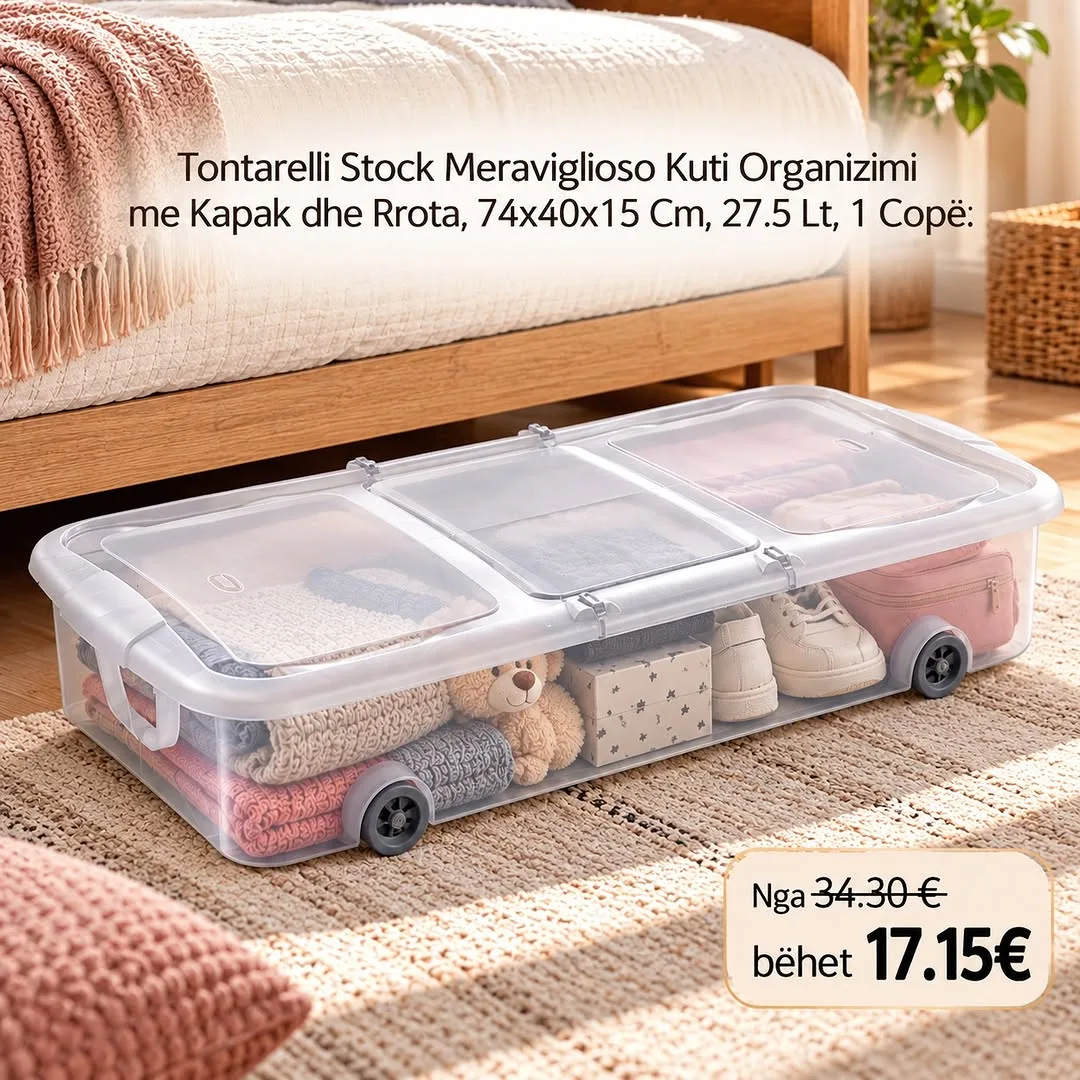
Under sofa space hides in plain sight, yet most homes store nothing but dust and lost socks there. Low flat trays or shallow boxes slide into that gap and hold items the room needs rarely: gift wrap rolls, board game extras, or the good table linen. Handles or cut grips on the tray fronts make pulling them out simple and quick.
Measure the clearance under your sofa before shopping, because many modern sofas sit lower than people expect. Trays only a few centimetres tall fit most gaps. Choose smooth bottoms or felt pads so trays glide without scratching the floor. Keep one tray per category instead of one giant tray, since smaller trays lift out easily even when full.
Families short on closets gain the most from this hidden strip of storage. Seasonal items, like holiday table runners and spare cushion covers, rest here without stealing closet room. Crafters slide paper and fabric flat, which keeps materials smooth and ready. Anyone preparing for guests can hide the room overflow under the sofa in under five minutes flat.
Forgetting what lives under the sofa is the classic failure of this idea. Label each tray on the front edge where the words show at a glance. Keep a simple list inside the first tray if your memory needs help. Pull the trays out during deep cleans, because dust gathers fast in low hidden spaces and old crumbs attract pests.
Common Mistakes to Avoid in a Small Living Room
Biggest mistake of all is buying storage before knowing what needs storing. People fall for pretty baskets, then discover the blankets, games, and cables fit nowhere. Good small living room storage ideas always begin with a clear list of homeless items. Sort the clutter first, measure the piles, and only then shop for pieces that match the real problem in your room.
Second mistake is choosing storage that matches nothing else in the room. Mismatched boxes in clashing colors make even tidy shelves look chaotic. Pick a small palette of two or three materials, like warm wood, woven fiber, and one painted color, and repeat it across the room. Matching containers calm the eye, and calmer rooms always feel larger than they measure.
Finally, many people fill every centimetre of storage the day it arrives. Packed shelves and stuffed baskets leave no room for daily life, so new items land on the floor again. Leave roughly one fifth of every storage space empty. Empty room inside a basket welcomes the unexpected, like a gift book or a guest's forgotten scarf, without breaking the system.
Budget Friendly Ways to Add Living Room Storage
Start with what the house already holds before spending anything. Suitcases, sturdy shoe boxes, and unused kitchen trays all hide living room clutter surprisingly well. Cover a plain box with leftover wrapping paper or fabric and it becomes decor. Shopping your own cupboards first often solves a third of the problem for zero cost, which frees money for one good piece later.
Secondhand shops and community sales overflow with baskets, trunks, and small tables at gentle prices. Solid older furniture often outlasts cheap new pieces, and a coat of paint unifies mixed finds. Some of the smartest small living room storage ideas begin in a charity shop rather than a catalog. Clean everything well, check for wobbles, and measure before money changes hands.
Spend the savings on the one piece that works hardest, usually the item you touch daily. A sturdy ottoman or a well made console earns back its price through years of service. Cheap versions of hard working pieces sag, jam, and annoy quickly. Buying slowly, one piece per month, also lets each new arrival prove itself before the next one joins the room.
Living Room Tips That Keep Surfaces Clear
Adopt a one in, one out rule. Every new book, throw, or game that enters the room sends something older out to the charity box by the door. Small steady exits keep storage from creeping back toward stuffed. The habit costs nothing but attention, and the whole household can learn it within a single week of gentle reminders.
Keep one clear surface sacred. Choose the coffee table or the console top and let that one surface stay empty at bedtime. Everything else may hold a planned item, but an empty surface resets the whole room's mood in seconds and gives eyes a resting place. Families keep the rule better when everyone agrees which surface counts and the rule never changes.
Use trays to corral small things. Remotes, coasters, and reading glasses wander less when a tray gives them borders. A tray turns five loose items into one neat group and lifts away in one hand before guests arrive. Choose trays with low edges so items stay visible and easy to grab. One tray per surface is the limit, or the cure becomes clutter of its own.
Store by activity, not by object. Keep the film night kit, meaning blankets, remotes, and the snack basket, within reach of the sofa. Keep reading supplies beside the reading chair instead of scattered across the room. Activity zones cut the nightly hunt for missing pieces and make tidying obvious, because every item returns to the zone where it gets used.
Give every item a parking spot. Say the spots out loud so the whole household learns them. Remotes park in the drawer, chargers park in the cable box, and library books park in the wall rack. Shared knowledge keeps systems alive. Systems kept in one person's head collapse the moment that person travels, rests, or simply gets busy.
Reset the room in five minutes nightly. Carry stray items to their spots, fold the throws into the basket, and clear the sacred surface before bed. Short daily resets prevent the weekend long cleanup nobody enjoys. Music or a podcast makes the habit pleasant, and children often join in when the task stays short enough to feel like a game.
Combined with patience, these small living room storage ideas turn daily tidying into a light habit instead of a heavy chore. Nobody fixes a whole room in one weekend, and nobody needs to. Add one idea, live with it for a fortnight, and adjust the fit. Rooms grow calmer layer by layer, and each layer makes the next one easier to choose.
FAQ
How much storage does a small living room really need?
Enough storage hides the items used weekly while leaving about one fifth of the space empty for new arrivals. Count the homeless piles in your room and plan one home for each pile. Most rooms need less than people fear once every category has a spot. Start small, live with the result for a month, and add only where piles reappear.
Which storage piece should I buy first?
Buy for the biggest pile first. Blanket mountains point to a storage ottoman or a large basket, while scattered remotes and chargers point to a drawer table or cable box. Solving the loudest problem gives the fastest visible win and builds motivation for the next fix. Pretty pieces for tiny problems can wait until the main clutter calms down.
How do I store things when I have almost no floor space?
Walls and gaps carry the load when floors run out. Floating shelves above the sofa, a magazine rack beside the chair, and trays under the sofa all store without touching walking space. Many small living room storage ideas rely on exactly this trick. Measure each gap before buying, because vertical storage fails when pieces strain, wobble, or block light and doors.
What should I do with items I only use at holidays?
Seasonal items belong in the least reachable storage you own, like under sofa trays or the top shelf of a closet. Daily living room storage should serve daily life first. Label seasonal boxes clearly on the side that faces outward. When the season returns, swap the contents with the current decorations so the same space keeps serving the house all year.
How can I keep storage looking tidy instead of cluttered?
Matching containers calm the eye more than any other trick. Keep baskets, boxes, and bins within two or three materials and colors across the room. Leave small gaps between grouped items on open shelves. Edit each shelf and basket every season, removing anything unused, broken, or duplicated. Tidy looks come from editing often, not from owning perfect furniture.
Can a small living room hold toys and still look grown up?
Yes, with closed storage and a nightly reset. Low cubes with fabric bins hide toys completely once children sleep, and one large basket gathers soft toys in seconds. Keep toy categories limited so the system stays small. Adult evenings feel restored when the room visibly changes mode, and children learn the routine faster when bins stay light enough to carry.
Conclusion
Small rooms do not need more space nearly as much as they need better homes for the things already inside them. Ottomans, baskets, slim consoles, and wall shelves each claim forgotten corners of the room and put them to work. Start with the pile that annoys you most, give it one proper home, and enjoy how quickly the room feels calmer and larger.
Remember that the best small living room storage ideas fit the way your household actually lives, not the way a catalog photo pretends people live. Measure honestly, buy slowly, and leave breathing room inside every basket and shelf. Storage that matches your habits survives busy weeks, while storage bought for looks alone fills with junk by the second month.
Pick one idea from this guide today and finish it fully before adding another. A room that gains one working system each month transforms within a season. Guests will notice the calm first and the storage second, which is exactly the right order. Your small living room can hold real life comfortably, with every blanket, book, and cable resting in its place.