15 Valentine Crafts for Kids to Make and Give
February turns every kitchen table into a small workshop, and children love a season that lets them cut, glue and give their work away. Hearts are the easiest shape of all, forgiving for beginners and cheerful in any color.
Good craft sessions grow from simple shapes, short steps and supplies already in the box. Gentle valentine crafts for kids thinking repeats red, pink and white with one clear finished sample on the table, so children always know what they are aiming for.
Inside this guide, fifteen practical projects move from paper and paint to felt and yarn, each with real quantities, budget friendly options, and the one small mistake that quietly spoils the finish. Most projects suit one relaxed afternoon at home or one class session at school.
What valentine crafts for kids suit children who are new to crafting?
Projects with one clear shape, three or four steps and a fast finish suit new crafters best. Paper hearts, stamped art and fingerprint pictures forgive wobbly lines, while one finished sample on the table answers most questions before they are asked.
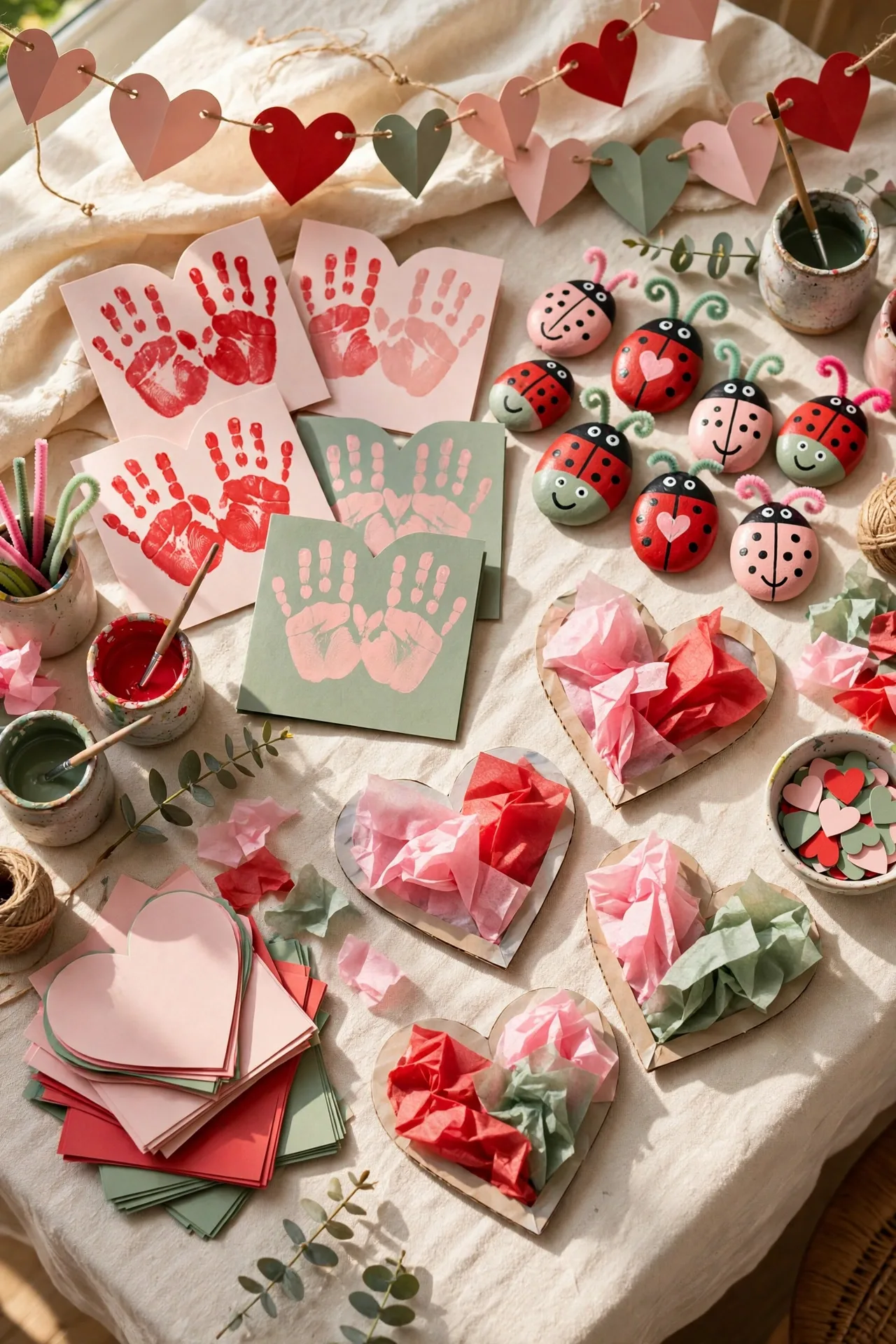
Picture one table by mid morning: paper hearts wait in a bowl, paint sits in small lids, a finished garland hangs above the window as the example, and children choose colors before anyone touches glue. Calm starts like these produce the proudest finishes.
Disclosure: As an Amazon Associate I earn from qualifying purchases. Some of the links below are affiliate links, which means Bloomie Living may earn a small commission if you buy through them, at no extra cost to you.
Paper heart garland
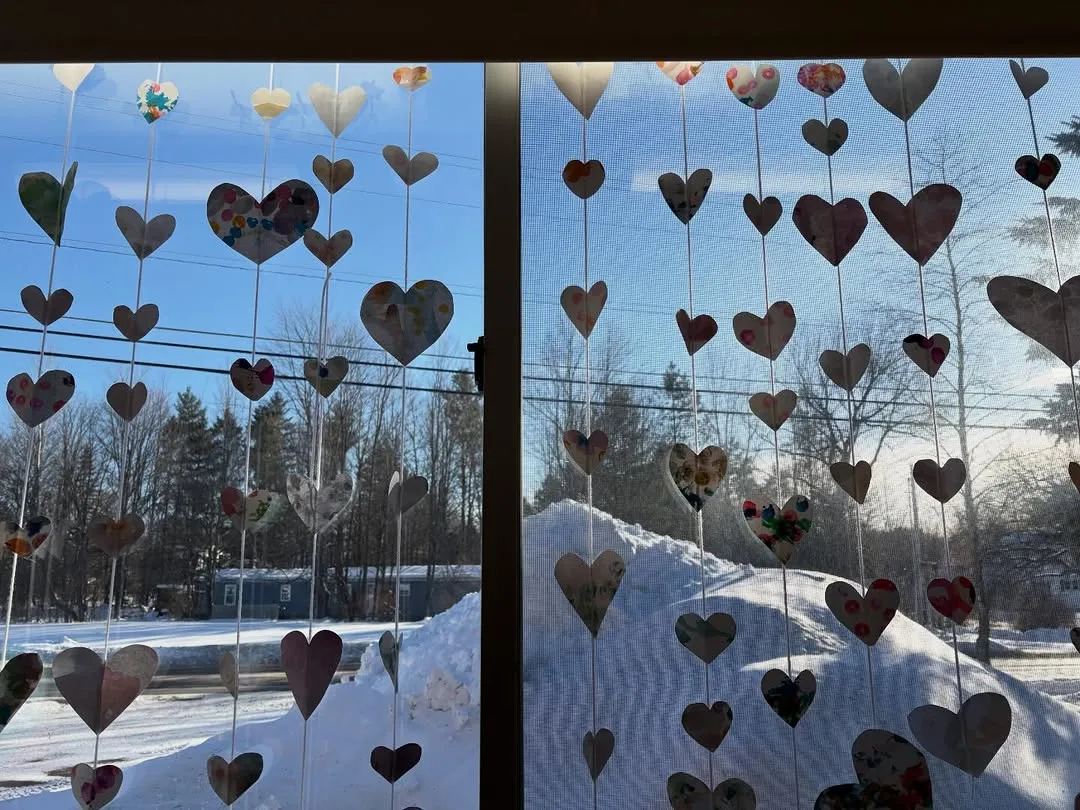
Good projects grow from folding and stringing a paper heart garland with red and pink hearts, so one window or wall turns festive in minutes. Small hands stay busy, simple skills grow quietly, and every maker finishes with something to show.
Practical planning keeps effort realistic. Cut heart shapes from colored paper or old cards, fold each heart gently down the middle, thread them along two meters of string with small gaps, and tape test hearts first to check the drape before finishing. Cover the table first, pour small amounts of paint or glue at a time, and refill bowls as makers finish.
Happiest users are children aged four and up who enjoy cutting and threading. Success comes from matching the project to the maker sitting at the table, not to a photo online.
Picture the routine in real life. One class strung a garland across the reading corner, and the teacher said the room felt ready for the class party. Photos of the finished pieces looked joyful, because the projects matched real makers instead of a magazine shoot.
Watch out for handing young children long string without supervision, because tangles and tears end the fun faster than any other snag. Change one part at a time, watch what happens for a week, and adjust sizes before buying more.
Paper Heart Garland Streamers 52 Feet: Four ready strung garlands give kids a finished garland to copy while they fold and thread their own paper hearts.
Handprint heart cards
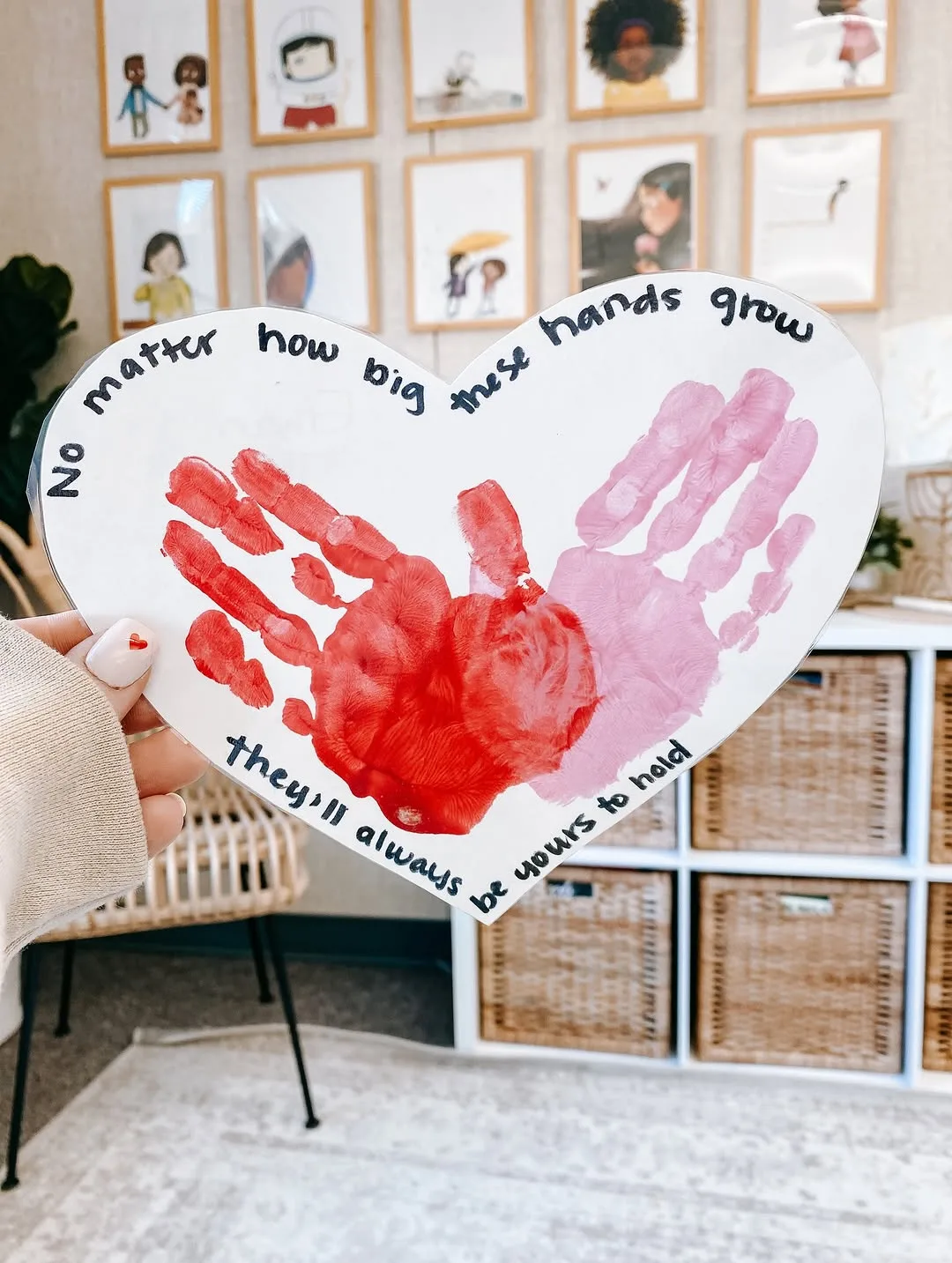
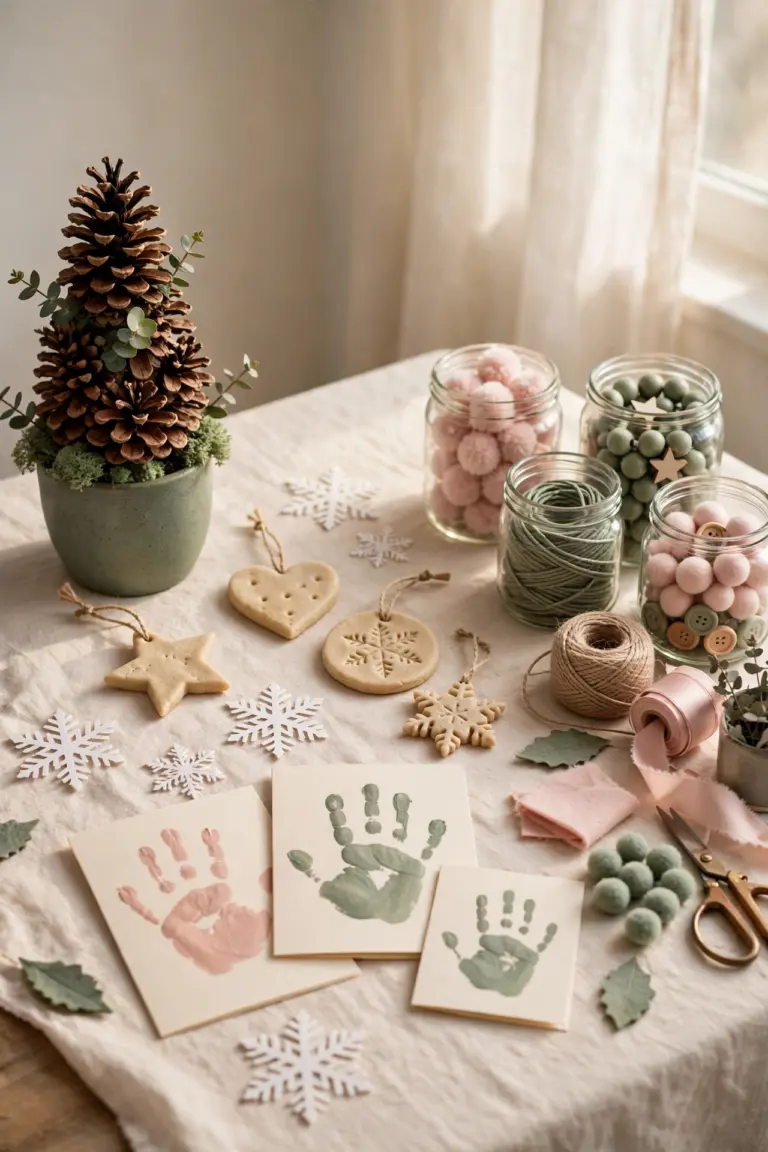
Proud makes begin with printing handprint heart cards with washable paint, so small children give a card that is truly their own. Tables stay calmer, steps feel easy, and even first attempts come out looking sweet.
Practical planning keeps effort realistic. Paint one palm pink or red, press two prints angled together so fingertips meet and palms form a heart, let prints dry fully, then write the message under the print with a thick marker. Sort supplies into small bowls by step, because hunting for pieces breaks the making mood.
Strongest fit is toddlers and preschoolers making cards for family. Small groups gain the most, because help arrives fast and nobody waits long for shared supplies.
Picture the routine in real life. One grandmother framed her card the same week, saying the tiny heart print beat any shop card. Praise from family members kept the idea in the regular rotation long after craft day ended.
Watch out for rushing the message before paint dries, because damp prints smudge and small makers lose heart. Write the rule on a label or note, because visible reminders protect good systems from quiet drift.
Washable Finger Paint Set 12 Colors with Brushes and Sponges: Creamy washable paints in twelve colors make handprint hearts easy for small hands and simple to clean up after.
Tissue paper heart suncatchers
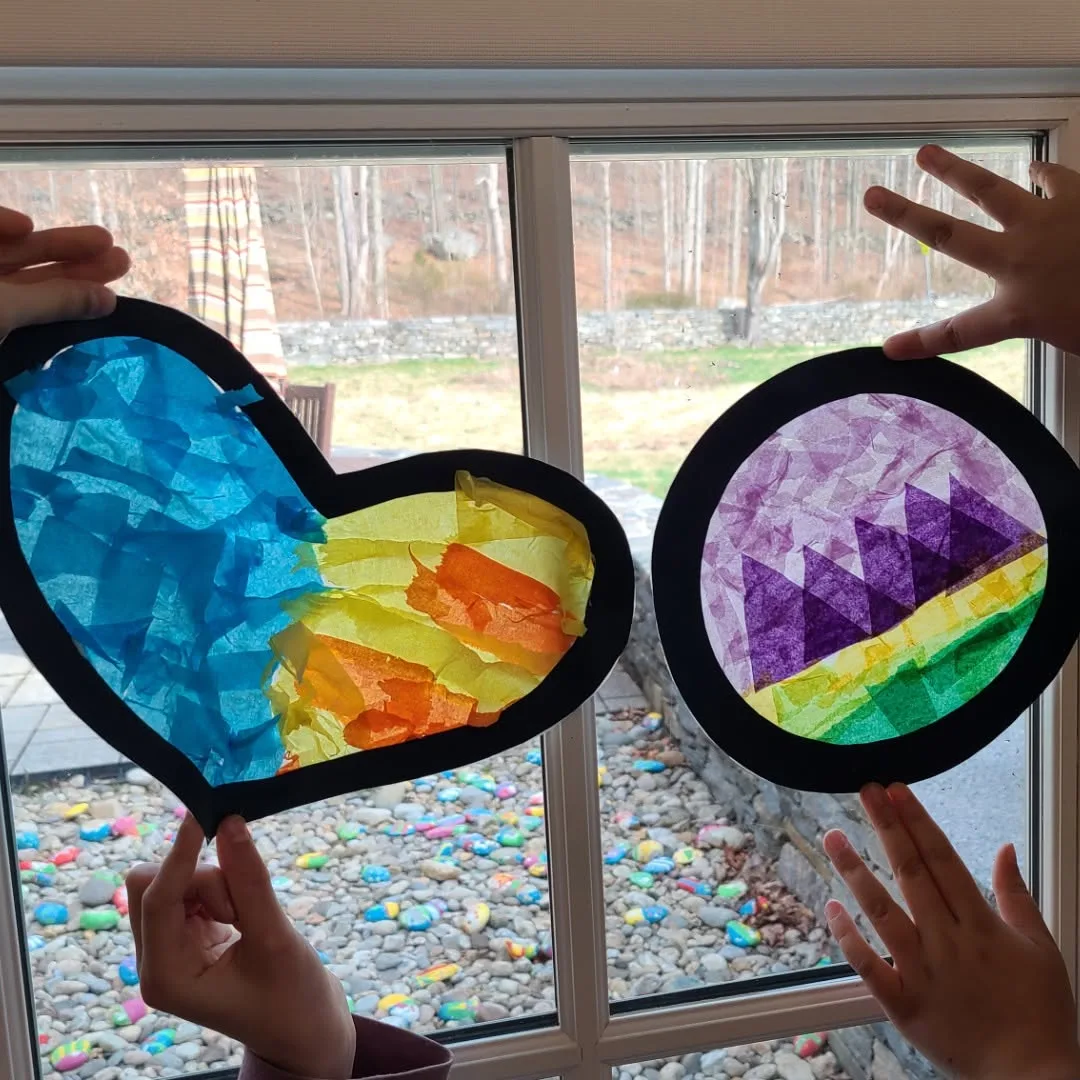
Calm crafting comes from layering tissue paper heart suncatchers on clear contact paper, so windows glow pink and red in winter light. Materials stretch further, mess stays manageable, and cleanup afterwards takes only minutes. Strong valentine crafts for kids habits keep projects simple, cheerful and easy to repeat every February.
Practical planning keeps effort realistic. Cut a heart frame from card, stick it onto contact paper with the sticky side up, let children press small tissue squares inside the frame, seal with a second sheet, and trim the edges once full. Test one finished sample before the group starts, because a clear example prevents most confusion.
Best results come for children aged five and up who love color sorting. Simple steps, forgiving materials and quick finishes matter more than perfect technique.
Picture the routine in real life. One row of suncatchers along a classroom window turned grey morning light into soft pink all week. Teachers and parents asked for the idea again, and it joined the regular craft day list.
Watch out for cutting tissue squares too large, because big pieces wrinkle, overlap badly and hide the heart shape. Slow down, fix the setup first, and repeat the small version until the habit holds on busy days too.
Tissue Paper Squares for Crafts 6300 Pieces 42 Colors: Precut one inch squares in forty two colors save cutting time and give suncatcher hearts a bright stained glass look.
Felt heart bookmarks
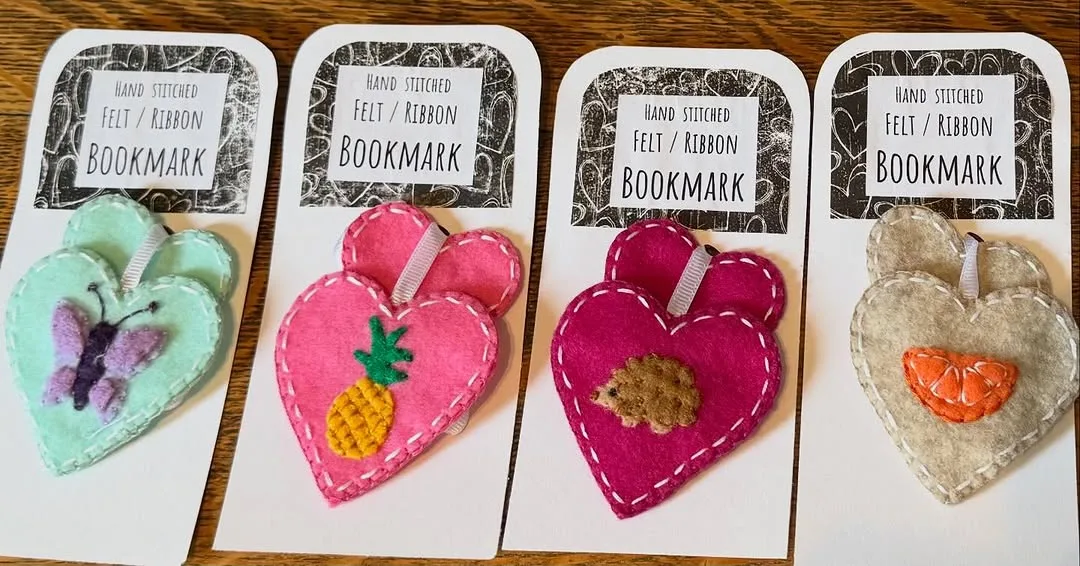
Lovely results follow from stitching felt heart bookmarks with big stitches, so older children make a gift readers actually keep. Confidence builds with every finished piece, and the craft box empties in the happiest way.
Practical planning keeps effort realistic. Cut two matching hearts from felt, place a small pinch of stuffing between them, sew the edges with a blunt needle and thick thread, and leave the bottom point open so the heart hugs a page corner. Keep a damp cloth and a scrap bin on the table, so small spills never become big stops.
Happiest users are children aged eight and up with patience for slow steps. Success comes from matching the project to the maker sitting at the table, not to a photo online.
Picture the routine in real life. One boy made three bookmarks in school colors, and his teacher used hers in the class reading book. Photos of the finished pieces looked joyful, because the projects matched real makers instead of a magazine shoot.
Watch out for choosing thin felt that tears at the needle holes, because floppy felt frustrates new stitchers. Change one part at a time, watch what happens for a week, and adjust sizes before buying more.
Felt Sheets for Crafts 40 Pack Assorted Colors: Stiff felt sheets in forty colors cut cleanly into hearts and hold their shape in bookmarks and pocket hearts.
Paper plate heart wreaths
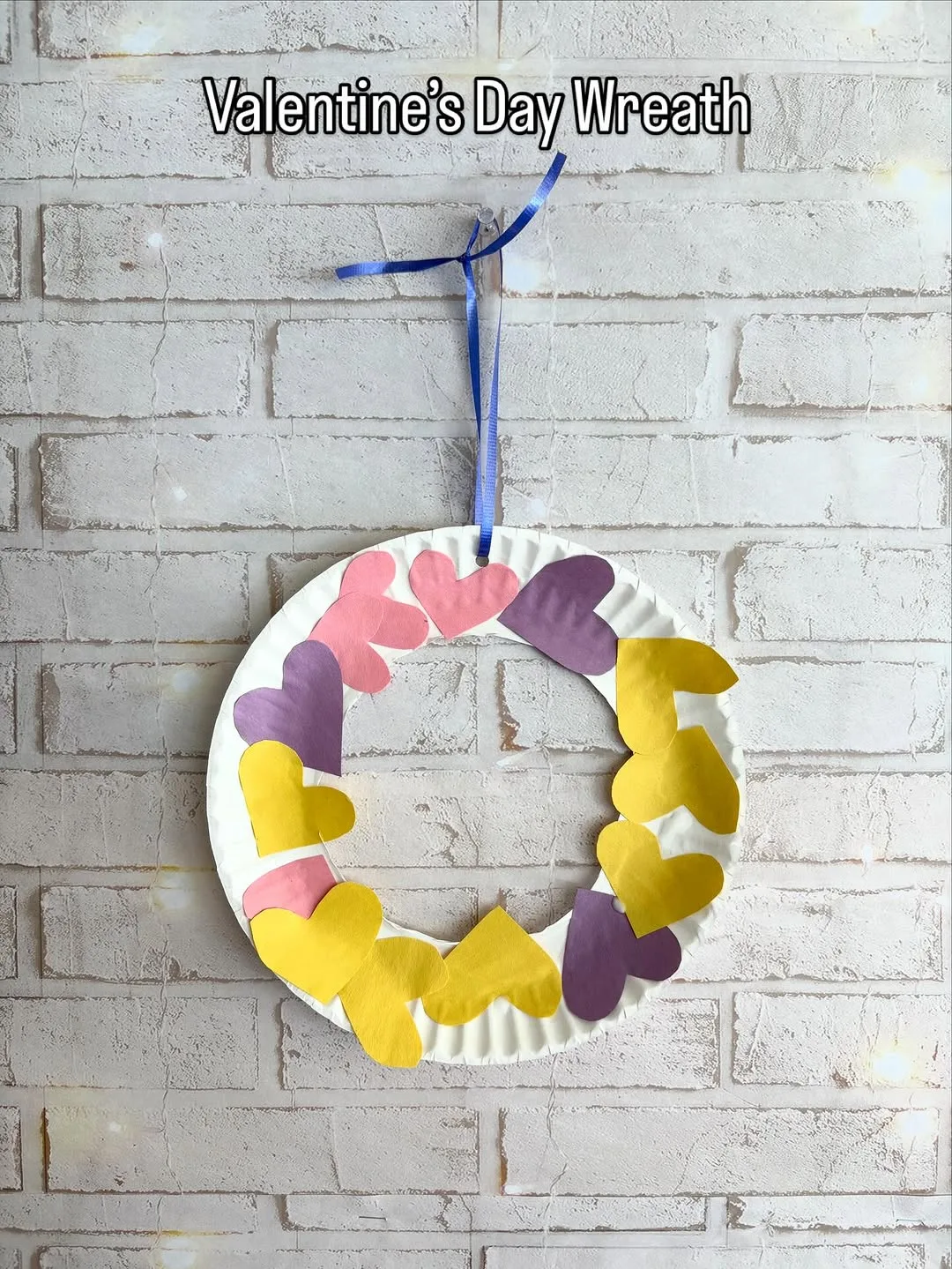
Happy crafting starts with turning paper plates into heart wreaths for doors, so every child finishes a full sized make. Finished pieces look neat, makers feel proud, and every project leaves the table ready to give or display.
Practical planning keeps effort realistic. Cut the center from a paper plate, glue scrunched tissue squares or paper hearts around the ring, add a ribbon loop at the top, and write the maker name on the back before hanging. Cut pieces in batches, lay out one finished sample, and keep glue, scissors and wipes within easy reach.
Strongest fit is mixed age groups where one project must suit everyone. Small groups gain the most, because help arrives fast and nobody waits long for shared supplies.
Picture the routine in real life. One hallway of wreaths at school drew compliments from every passing class for a whole week. Praise from family members kept the idea in the regular rotation long after craft day ended.
Watch out for loading the ring with wet glue, because heavy plates sag and pieces slide before drying. Write the rule on a label or note, because visible reminders protect good systems from quiet drift.
White Paper Plates 6 Inch 100 Count: Plain uncoated plates take paint and glue well and turn into sturdy wreaths with a heart cut from the middle.
Yarn wrapped cardboard hearts
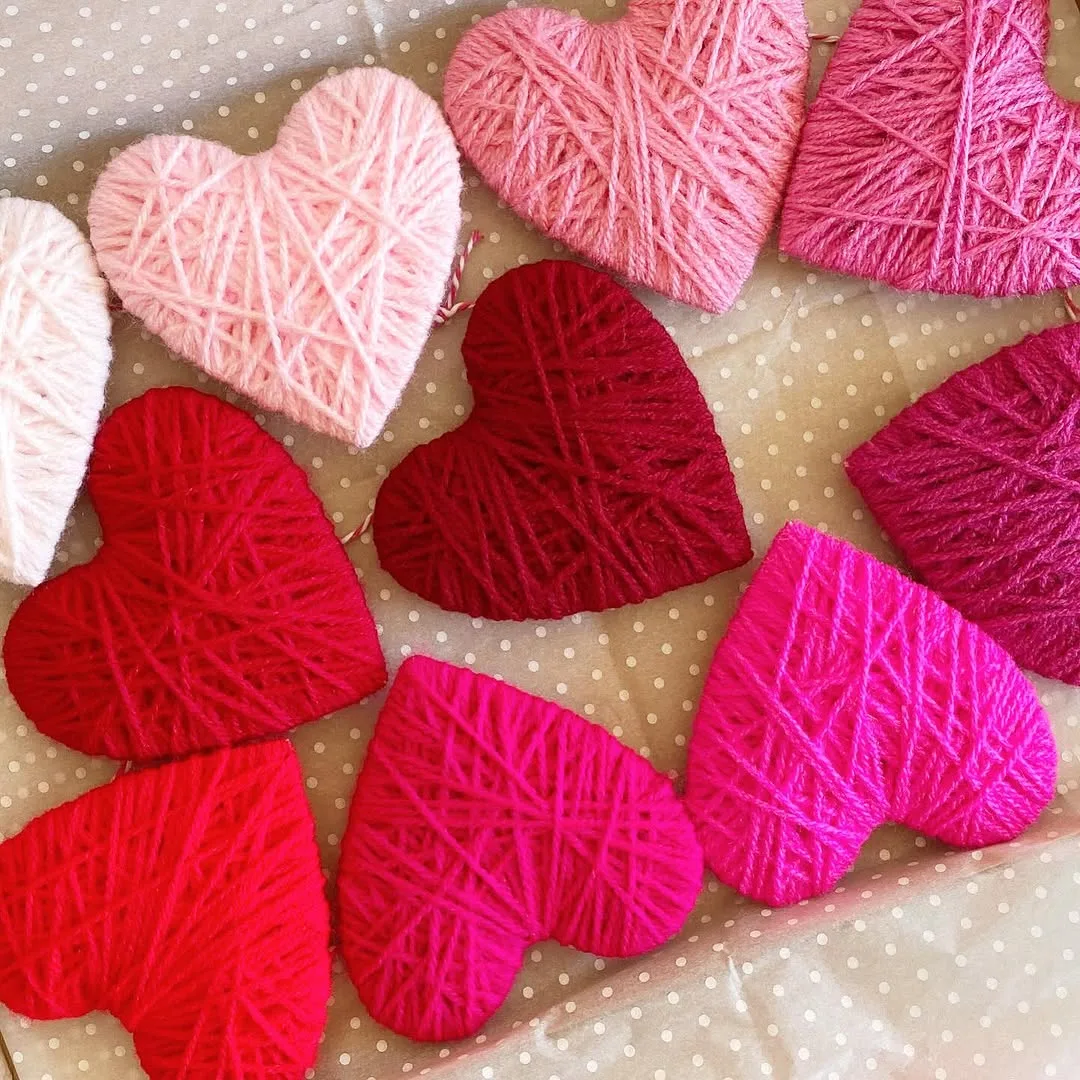
Good projects grow from wrapping yarn around cardboard hearts in pinks and reds, so a simple shape becomes a soft hanging decoration. Small hands stay busy, simple skills grow quietly, and every maker finishes with something to show. Strong valentine crafts for kids habits keep projects simple, cheerful and easy to repeat every February.
Practical planning keeps effort realistic. Cut thick heart shapes from strong cardboard, notch the edges lightly, tape the yarn end at the back, wrap in changing directions until the card hides, and finish with a loop for hanging. Cover the table first, pour small amounts of paint or glue at a time, and refill bowls as makers finish.
Best results come for children aged six and up who enjoy repetitive calm steps. Simple steps, forgiving materials and quick finishes matter more than perfect technique.
Picture the routine in real life. One quiet crafter wrapped four hearts during one film, and each one went to a different grandparent. Teachers and parents asked for the idea again, and it joined the regular craft day list.
Watch out for wrapping too loosely at the start, because slack yarn slides off the curves of the heart. Slow down, fix the setup first, and repeat the small version until the habit holds on busy days too.
Acrylic Yarn Skeins 60 Pack Assorted Colors: Small skeins in sixty colors suit wrapping projects because each cardboard heart uses only a short length of yarn.
Painted pebble love bugs
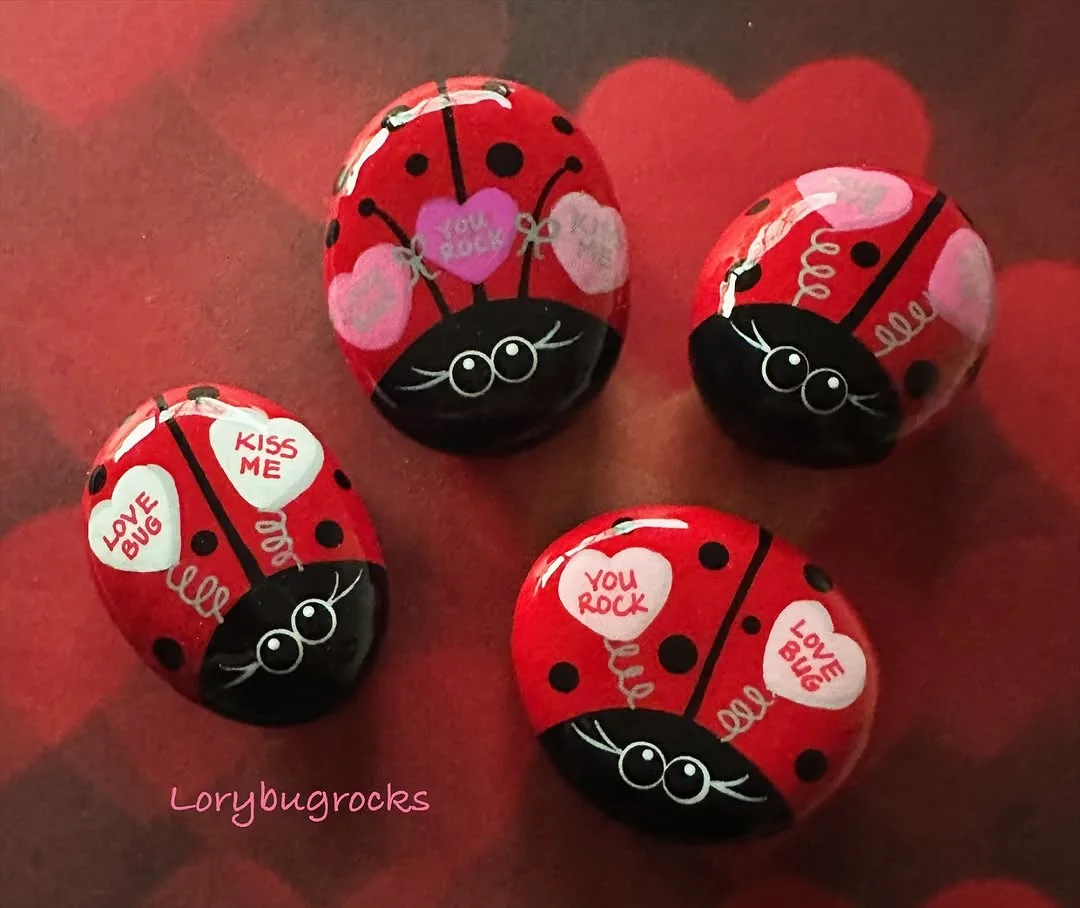
Proud makes begin with painting pebble love bugs with hearts and wings, so a garden stone becomes a pocket sized gift. Tables stay calmer, steps feel easy, and even first attempts come out looking sweet.
Practical planning keeps effort realistic. Choose smooth flat stones, wash and dry them well, paint a red or pink body, add a heart, wings and two dot eyes with a fine brush, and seal with clear craft varnish once fully dry. Sort supplies into small bowls by step, because hunting for pieces breaks the making mood.
Happiest users are children who love painting and small finished pieces. Success comes from matching the project to the maker sitting at the table, not to a photo online.
Picture the routine in real life. One set of love bugs hid in plant pots around a classroom, and finding them became a morning game. Photos of the finished pieces looked joyful, because the projects matched real makers instead of a magazine shoot.
Watch out for using stones with sharp edges, because rough pebbles chip paint and feel unpleasant in small hands. Change one part at a time, watch what happens for a week, and adjust sizes before buying more.
Acrylic Paint Markers 24 Colors for Rock Painting: Dual tip markers lay down smooth opaque color on pebbles so love bug faces and spots stay neat.
Heart shaped bird seed feeders
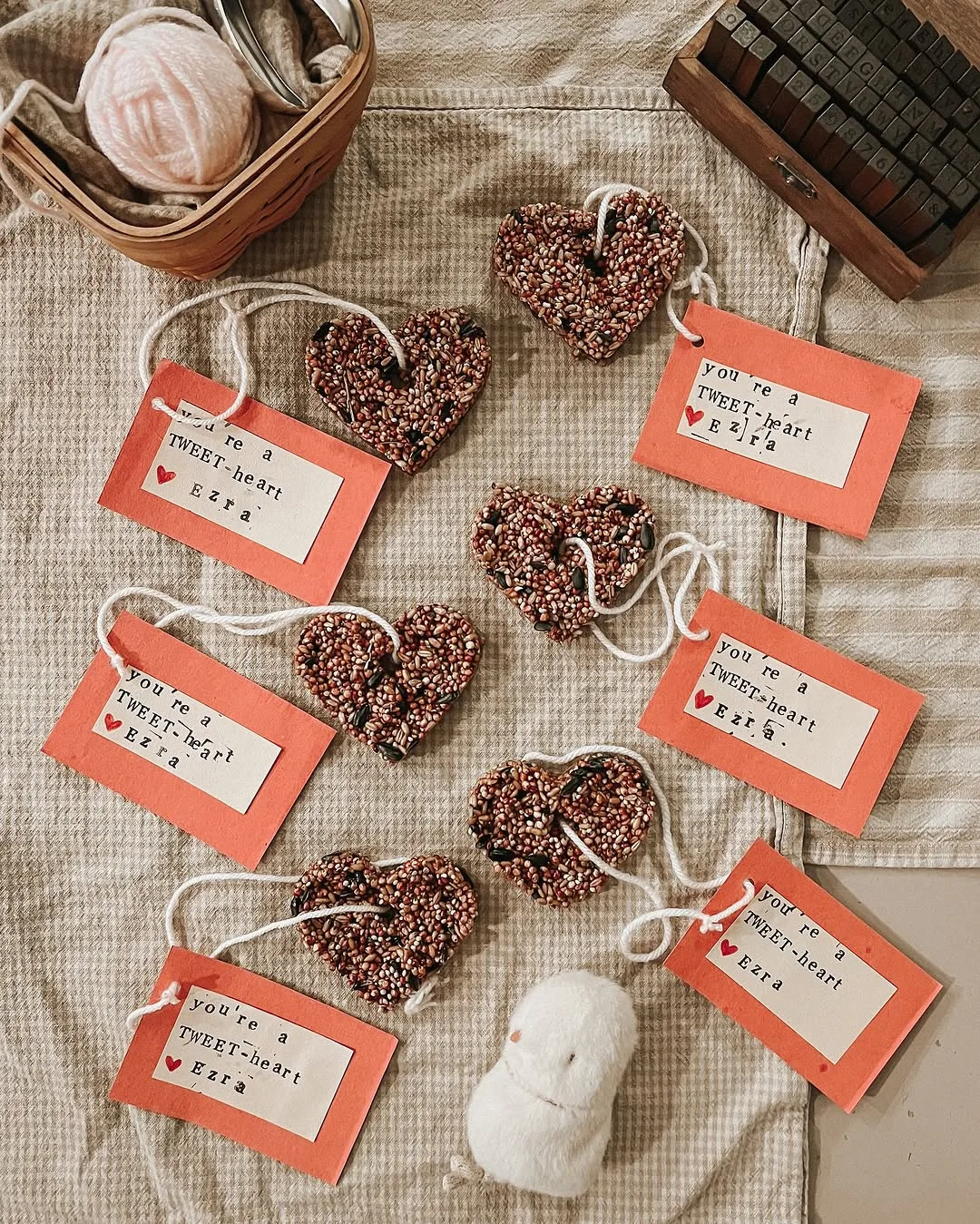
Calm crafting comes from pressing heart shaped bird seed feeders from simple ingredients, so children give a gift the garden enjoys. Materials stretch further, mess stays manageable, and cleanup afterwards takes only minutes.
Practical planning keeps effort realistic. Mix bird seed with melted coconut oil or gelatin as the family prefers, press the mix firmly into heart shaped cookie cutters, push a straw hole near the top, chill until hard, then thread string through. Test one finished sample before the group starts, because a clear example prevents most confusion.
Strongest fit is families who enjoy watching birds from the kitchen window. Small groups gain the most, because help arrives fast and nobody waits long for shared supplies.
Picture the routine in real life. One feeder hung outside a classroom window brought daily visitors, and children charted the birds for a week. Praise from family members kept the idea in the regular rotation long after craft day ended.
Watch out for hanging feeders where cats wait below, because a kind gift should stay safe for its visitors. Write the rule on a label or note, because visible reminders protect good systems from quiet drift.
Wild Bird Seed Mix 20 Pound Bag: A sunflower rich seed blend fills many heart feeders and keeps garden birds visiting long after craft day ends.
Fingerprint heart tree art
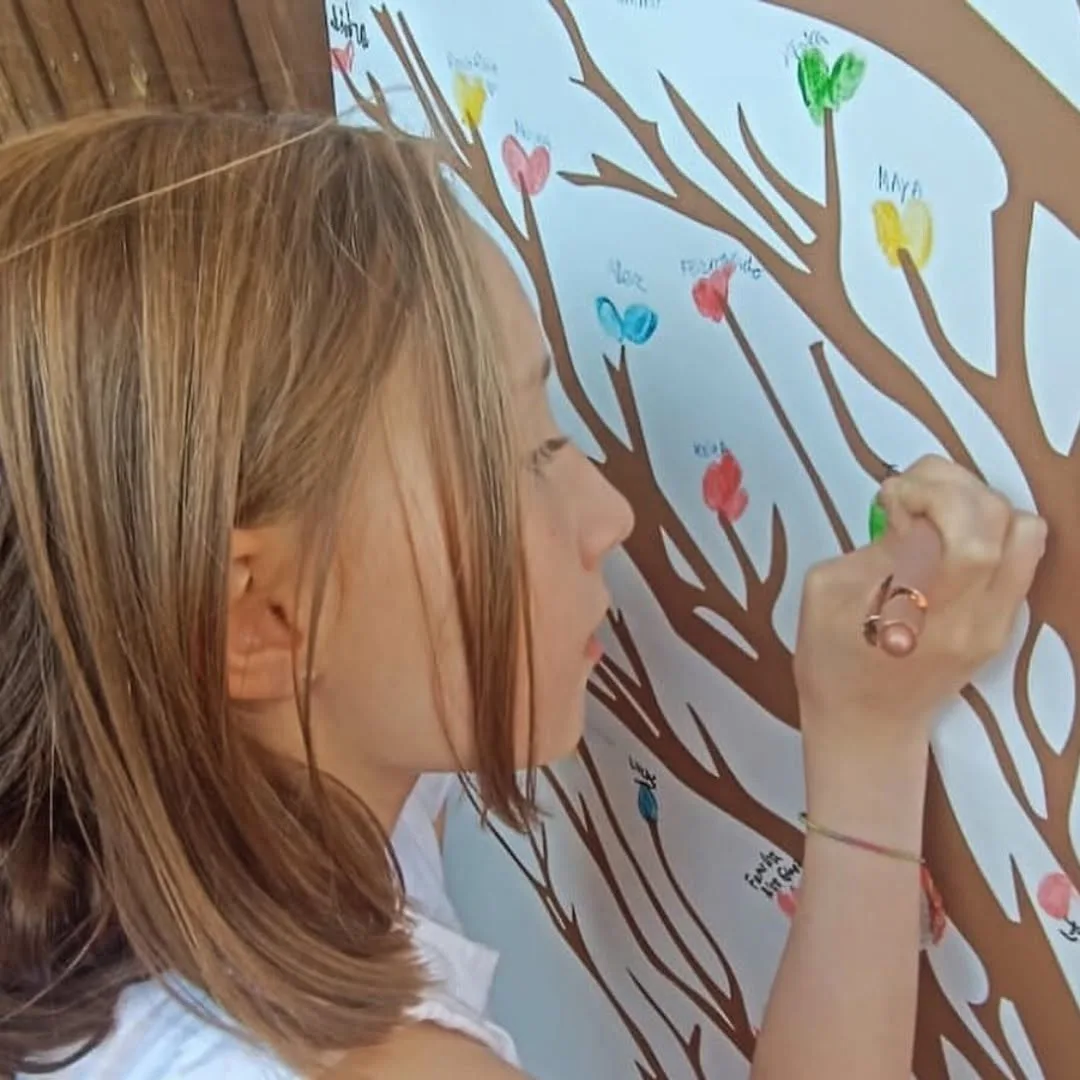
Lovely results follow from printing a fingerprint heart tree with pink fingertips, so a whole class can fill one shared picture. Confidence builds with every finished piece, and the craft box empties in the happiest way. Strong valentine crafts for kids habits keep projects simple, cheerful and easy to repeat every February.
Practical planning keeps effort realistic. Draw or paint a simple tree with bare branches on large paper, let each child press pink and red fingerprints as heart shaped leaves, add names under prints once dry, and frame the finished sheet. Keep a damp cloth and a scrap bin on the table, so small spills never become big stops.
Best results come for teachers needing one cooperative artwork for the wall. Simple steps, forgiving materials and quick finishes matter more than perfect technique.
Picture the routine in real life. One class tree hung beside the door all February, and visiting parents searched for their child print first. Teachers and parents asked for the idea again, and it joined the regular craft day list.
Watch out for letting children press prints before the trunk paint dries, because brown smears muddy every pink leaf. Slow down, fix the setup first, and repeat the small version until the habit holds on busy days too.
Washable Craft Ink Pads 15 Colors: Fifteen washable inks let small fingertips print neat heart leaves and petals across a paper tree.
Paper heart caterpillar chain
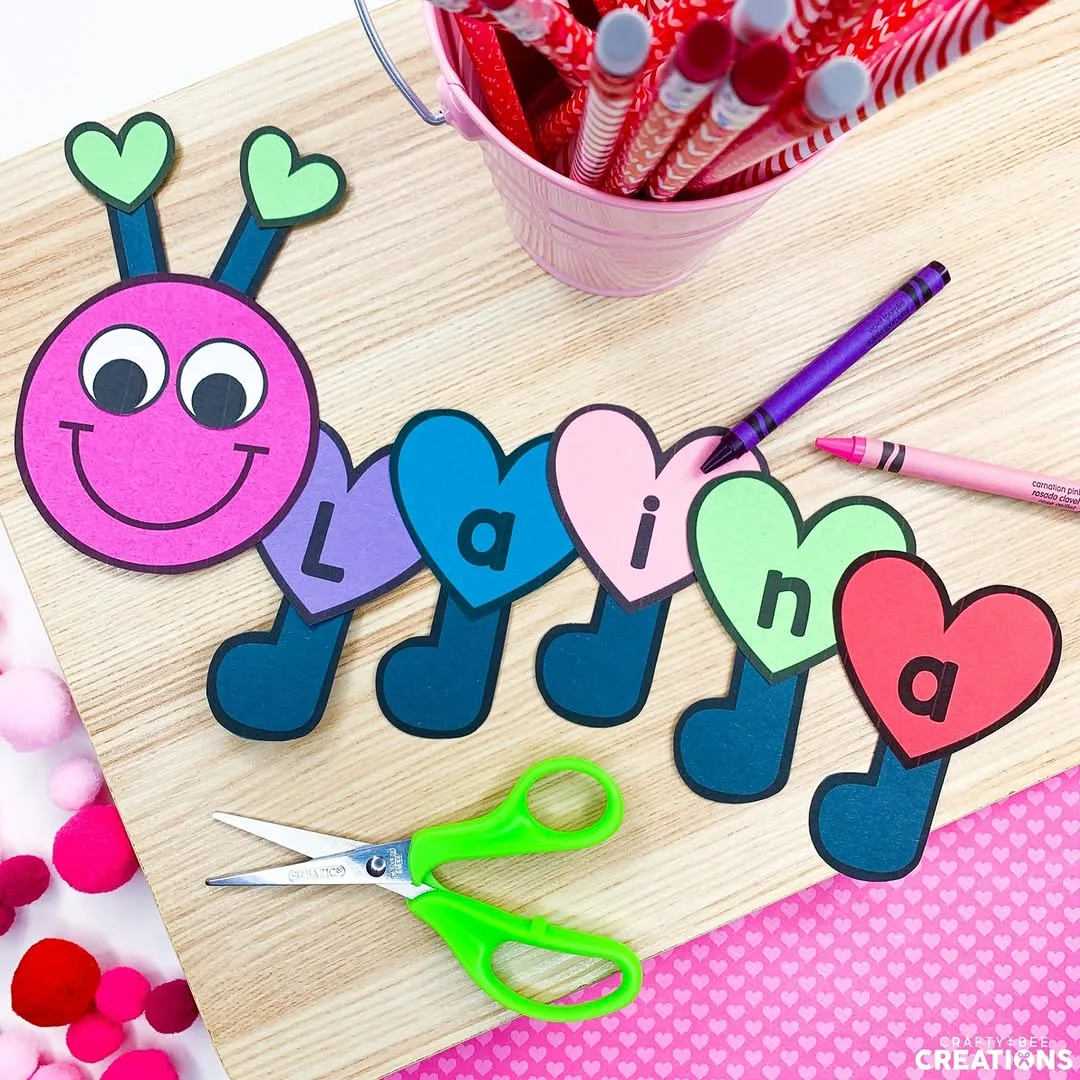
Happy crafting starts with folding a paper heart caterpillar chain with a smiling face, so cutting practice turns into a toy. Finished pieces look neat, makers feel proud, and every project leaves the table ready to give or display.
Practical planning keeps effort realistic. Cut six equal hearts in bright colors, glue them in a row overlapping slightly, draw a friendly face on the first heart, add paper antennae, and let makers name their caterpillar on the back. Cut pieces in batches, lay out one finished sample, and keep glue, scissors and wipes within easy reach.
Happiest users are younger children building scissor confidence. Success comes from matching the project to the maker sitting at the table, not to a photo online.
Picture the routine in real life. One caterpillar chain stretched across a bedroom door, and its maker fed it paper leaves for a week. Photos of the finished pieces looked joyful, because the projects matched real makers instead of a magazine shoot.
Watch out for gluing hearts with points in mixed directions, because a tidy row needs every heart facing the same way. Change one part at a time, watch what happens for a week, and adjust sizes before buying more.
Construction Paper Pack 300 Sheets 10 Colors: Three hundred sheets in ten colors give a whole class enough reds and pinks for long caterpillar chains.
Heart shaped crayons
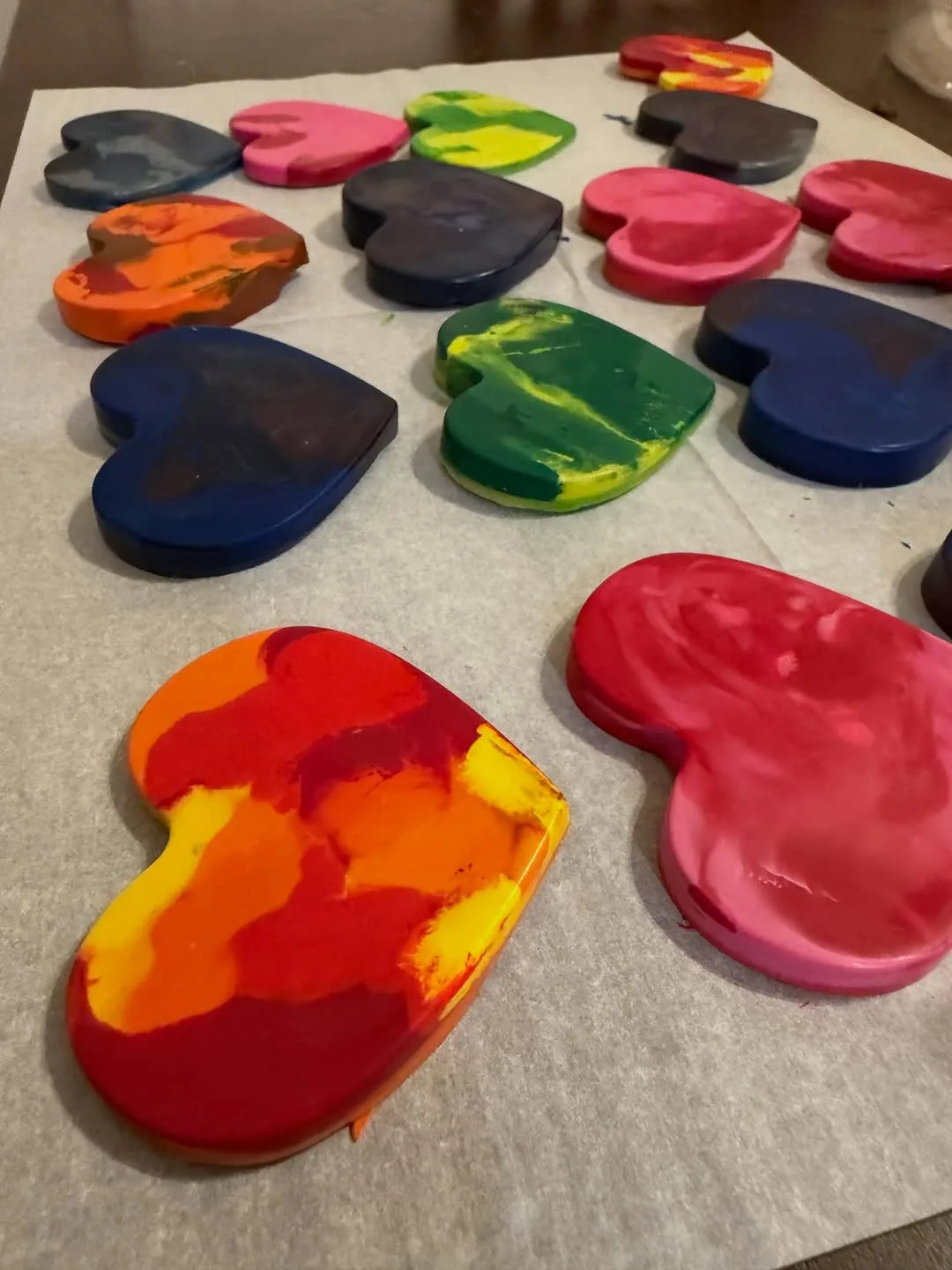
Good projects grow from melting broken crayons into heart shaped crayons, so the scrap box becomes a gift box. Small hands stay busy, simple skills grow quietly, and every maker finishes with something to show.
Practical planning keeps effort realistic. Peel paper from broken crayons, sort pieces by color family, fill silicone heart moulds generously, melt in a low oven with an adult in charge, cool fully, and pop out smooth new crayons. Cover the table first, pour small amounts of paint or glue at a time, and refill bowls as makers finish.
Strongest fit is families with a drawer full of crayon stubs. Small groups gain the most, because help arrives fast and nobody waits long for shared supplies.
Picture the routine in real life. One batch of pink heart crayons filled a whole class set of gift bags for almost no money. Praise from family members kept the idea in the regular rotation long after craft day ended.
Watch out for letting children handle hot moulds, because melted wax burns quickly and adult hands must do the oven steps. Write the rule on a label or note, because visible reminders protect good systems from quiet drift.
Silicone Heart Mold 8 Cavity: Eight heart cavities melt broken crayon pieces into chunky new crayons that small hands grip with ease.
Beaded pipe cleaner hearts
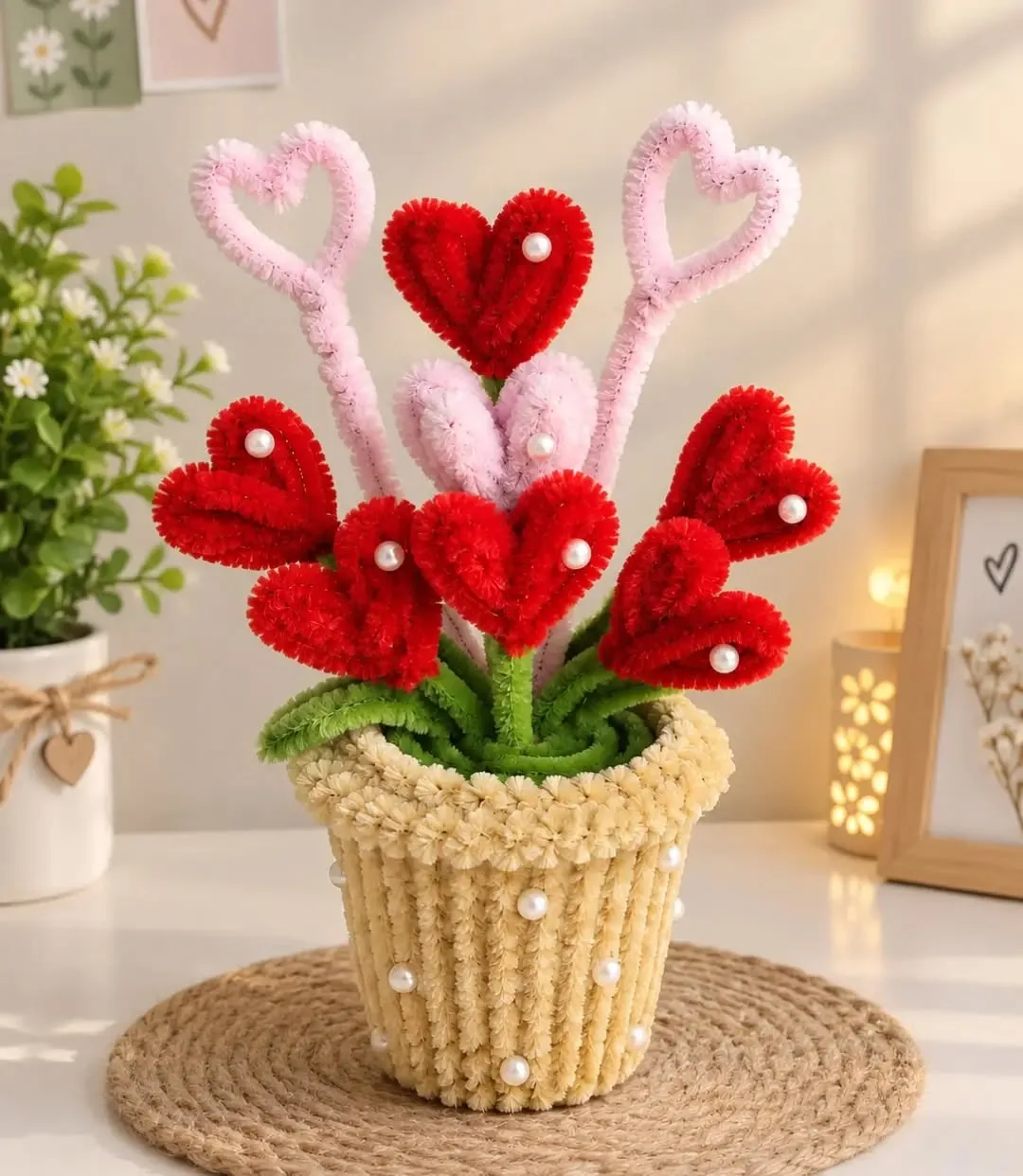
Proud makes begin with threading beads onto pipe cleaner hearts, so fine motor practice ends with a sparkly decoration. Tables stay calmer, steps feel easy, and even first attempts come out looking sweet. Strong valentine crafts for kids habits keep projects simple, cheerful and easy to repeat every February.
Practical planning keeps effort realistic. Thread beads along a pipe cleaner leaving both ends bare, bend the middle into a dip, bring the ends together at the top and twist, then shape the curves until the heart sits round and even. Sort supplies into small bowls by step, because hunting for pieces breaks the making mood.
Best results come for children aged five and up who enjoy sorting colors. Simple steps, forgiving materials and quick finishes matter more than perfect technique.
Picture the routine in real life. One set of beaded hearts hung on door handles around a home, one for every member of the family. Teachers and parents asked for the idea again, and it joined the regular craft day list.
Watch out for choosing beads with tiny holes, because slow threading frustrates small fingers and empties the table fast. Slow down, fix the setup first, and repeat the small version until the habit holds on busy days too.
Craft Supply Kit with Pipe Cleaners and Pony Beads 1200 Pieces: Pipe cleaners and pony beads come together in one box so beaded hearts can start without extra shopping.
Sponge heart stamp art
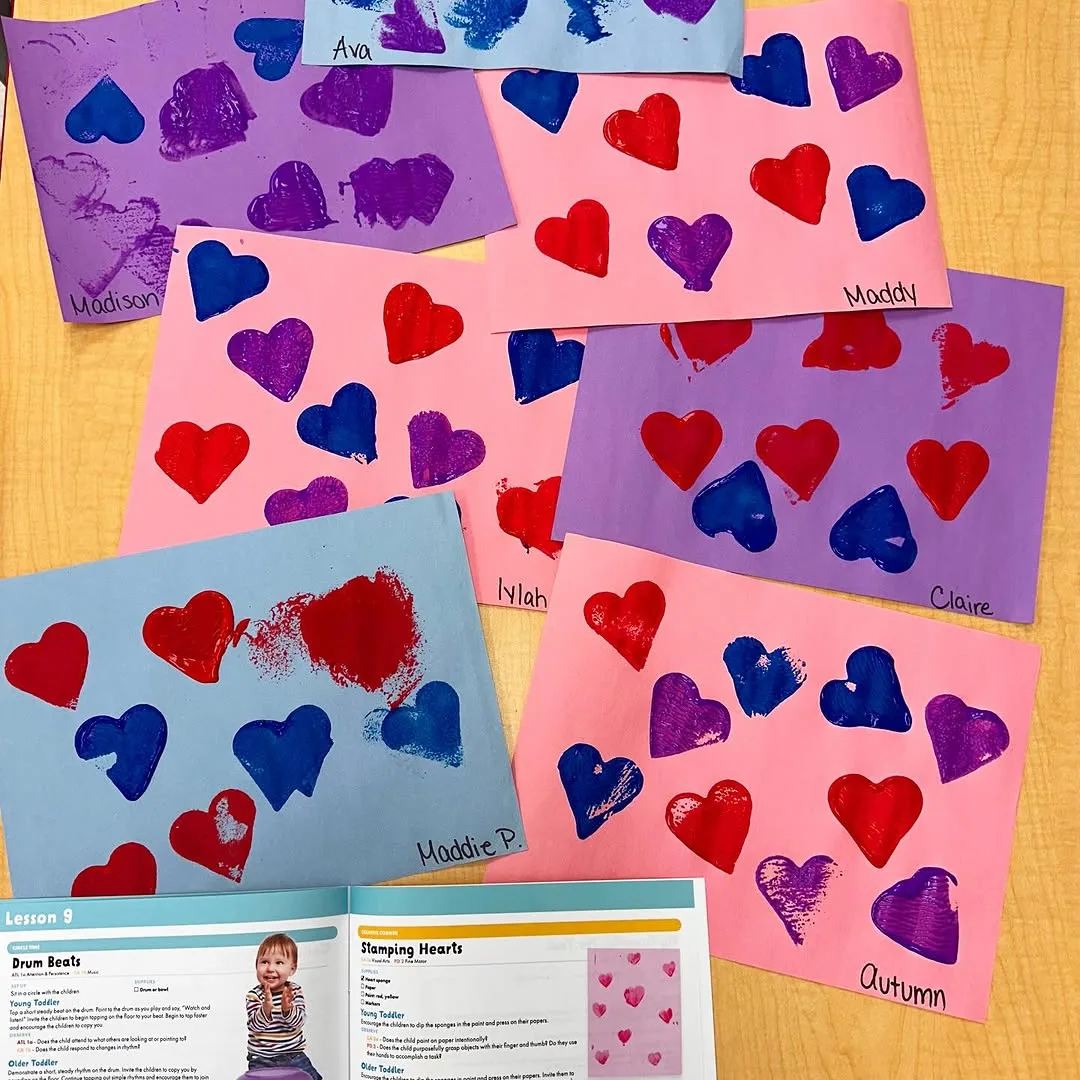
Calm crafting comes from printing sponge heart stamp art on paper and bags, so one simple tool covers cards, wrap and banners. Materials stretch further, mess stays manageable, and cleanup afterwards takes only minutes.
Practical planning keeps effort realistic. Cut a heart from a thick new sponge, pour paint thinly on a plate, press the sponge lightly so paint coats evenly, stamp in rows or clusters, and rinse the sponge between colors. Test one finished sample before the group starts, because a clear example prevents most confusion.
Happiest users are groups needing fast results with very little setup. Success comes from matching the project to the maker sitting at the table, not to a photo online.
Picture the routine in real life. One afternoon of stamping covered gift wrap for the whole family, and the children signed the corner proudly. Photos of the finished pieces looked joyful, because the projects matched real makers instead of a magazine shoot.
Watch out for soaking the sponge with too much paint, because flooded stamps blur and the heart shape disappears. Change one part at a time, watch what happens for a week, and adjust sizes before buying more.
Sponge Paint Brushes for Kids 29 Pieces: Soft sponge shapes and rollers help young children stamp even hearts without needing careful brush control.
Heart shaped paper lanterns
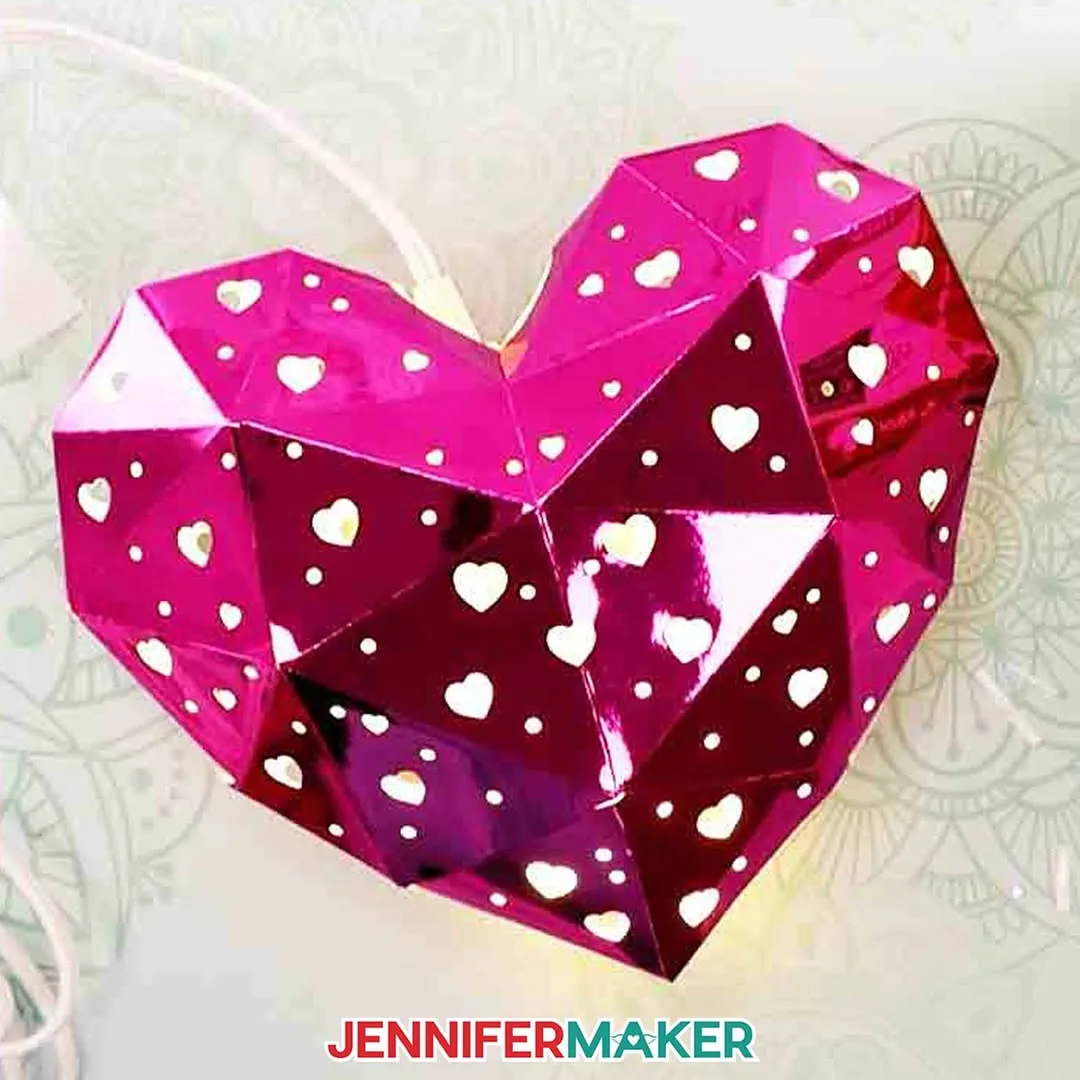
Lovely results follow from folding heart shaped paper lanterns with safe battery lights, so bedrooms gain a soft February glow. Confidence builds with every finished piece, and the craft box empties in the happiest way.
Practical planning keeps effort realistic. Cut matching heart panels from sturdy paper, join edges with glue strips leaving the top open, add a handle of ribbon, place a battery tea light inside, and keep paper well away from any real flame. Keep a damp cloth and a scrap bin on the table, so small spills never become big stops.
Strongest fit is older children decorating their own rooms. Small groups gain the most, because help arrives fast and nobody waits long for shared supplies.
Picture the routine in real life. One lantern glowed on a bedside table for the whole month, and an adult refreshed its light each weekend. Praise from family members kept the idea in the regular rotation long after craft day ended.
Watch out for putting real candles inside paper lanterns, because open flames and paper never belong together. Write the rule on a label or note, because visible reminders protect good systems from quiet drift.
Paper Lanterns 15 Pack Pink White and Rose Red: Round lanterns in three sizes and soft pink shades show how the finished paper lanterns should look hung together.
Felt pocket heart hugs
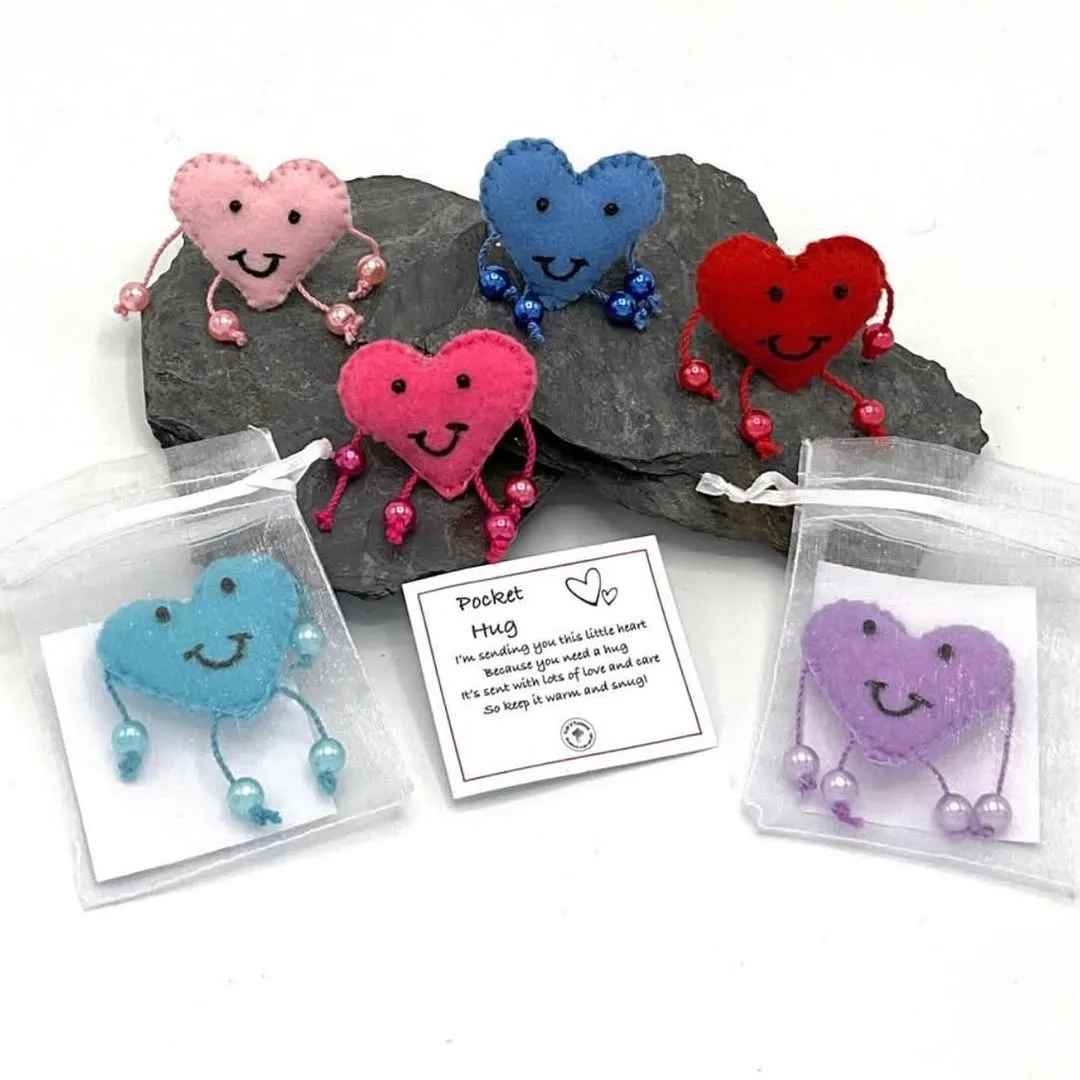
Happy crafting starts with sewing felt pocket heart hugs with a tiny note inside, so children give comfort that fits in a pocket. Finished pieces look neat, makers feel proud, and every project leaves the table ready to give or display. Strong valentine crafts for kids habits keep projects simple, cheerful and easy to repeat every February.
Practical planning keeps effort realistic. Cut two felt hearts, stitch most edges with a blunt needle, slip a folded kind note inside before closing, add two small arms from ribbon if liked, and finish with a stitched smile. Cut pieces in batches, lay out one finished sample, and keep glue, scissors and wipes within easy reach.
Best results come for thoughtful children making gifts for friends who live far away. Simple steps, forgiving materials and quick finishes matter more than perfect technique.
Picture the routine in real life. One pocket heart travelled in a school bag all term, and its owner called it her brave heart. Teachers and parents asked for the idea again, and it joined the regular craft day list.
Watch out for writing the note after stitching the heart closed, because the pocket must be planned before the last stitches. Slow down, fix the setup first, and repeat the small version until the habit holds on busy days too.
Pocket Hug Heart Tokens 30 Sets with Cards and Bags: Ready made wooden heart tokens with cards and bags offer a sweet shortcut when sewing time runs short.
Common Mistakes to Avoid
Choosing projects with ten steps for young children ends in tears, because attention fades long before the finish line appears. Matching step counts to ages keeps energy high, and older children can always add details to a simple base.
Pouring full bottles of glue and paint onto the table wastes supplies and floods careful work. Small lids, small pours and one refill station keep pieces clean and stretch one bottle across a whole group.
Skipping the finished sample causes twenty questions per project, since children cannot picture the goal from loose supplies. One completed example, made slowly in front of the group, quietly answers shape, size and order questions.
Budget Friendly Ways to Craft Valentines With Kids
Smart spending starts with the craft box at home, including colored paper, card scraps, felt offcuts, yarn ends and the crayon stubs every drawer collects. Honest supplies already owned beat rushed craft shop trips, and children happily turn scraps into treasure.
Paper, tissue and pipe cleaners cost very little in supermarket craft aisles, especially when colors stay within red, pink and white. Buying one shared pack per material, rather than one kit per child, keeps the table full and the receipt short.
Nature and recycling stretch money further, since smooth pebbles, sturdy cardboard boxes and old greeting cards all arrive free. Saving on bases leaves room for one nice extra, like good felt or washable paint, that improves every project it touches.
Simple Tips That Keep Craft Time Calm
Cover. Spread an old sheet or paper over the table before supplies come out, because one covered surface turns cleanup into a single shake outside. Covered tables keep good floors safe from glitter and glue.
Sort. Put each material in its own small bowl by step, so children reach instead of rummage and the table stays readable at a glance. Sorted bowls save more time than any fancy storage box.
Extra guidance on valentine crafts for kids comes from testing each project once with adult hands, timing the steps and noting where small fingers will struggle. Fixes made during the test save the whole session later.
Dry. Give finished pieces one clear drying tray or line, because wet work stacked in piles sticks together and breaks small hearts. One drying line protects a whole afternoon of effort.
Name. Write each maker name on the back of every piece as it finishes, because identical hearts become mysteries within the hour. Names on backs settle every ownership question at once.
Remember that strong valentine crafts for kids choices respect short attention spans, honest budgets and the drying time nobody can hurry. Finished pieces children carry away proudly matter far more than perfect edges.
Pace. Offer one project at a time instead of the whole list at once, because focus stays high when the next surprise waits its turn. Slow reveals keep excitement alive across the session.
Show. Hang or display finished work the same day, on a line, a door or the fridge, because makers work harder when an audience is promised. Fresh displays make children ask for craft day again.
FAQ
What age suits most of these projects?
Most projects suit ages four to ten with small adjustments, because younger children can stamp, stick and print while older children stitch, wrap and bead. Adult hands handle ovens, sharp cutting and hot steps at every age.
How long does one project take?
Plan on twenty to forty minutes for most projects, including drying time for paint and glue pieces. Stitched and wrapped projects run longer, so save those for calm afternoons rather than short gaps.
What basic supplies cover most projects?
Colored paper, card, child safe scissors, glue sticks, washable paint, felt scraps and yarn cover nearly every project on the list. One small pack of pipe cleaners and a bag of beads stretch the list even further.
How can teachers run these in a classroom?
Batch preparation does the heavy lifting, including pre cut hearts, sorted bowls and one finished sample per table. Helpers at each table, a drying line and names written first keep thirty children moving calmly.
Can these crafts become gifts for family?
Nearly every project gives away beautifully, especially bookmarks, pocket hearts, love bugs and handprint cards. Adding the maker name and the date on the back turns a simple craft into a keepsake.
How do we keep craft time from becoming a mess?
Covered tables, small pours, aprons and a scrap bin within reach contain most of the chaos honestly. Ending five minutes early for a group cleanup race keeps the last memory cheerful instead of scolding.
Conclusion
Good craft sessions grow from simple shapes, calm setup and projects matched to the hands at the table. Strong valentine crafts for kids choices respect your supplies, your budget and your drying space, so every maker finishes proud instead of frustrated.
Pick three projects from this list, prepare them fully this week, and let the rest wait until the craft box and the calendar feel ready. Small finished pieces build confidence and keep spending calm and sensible.
Enjoy the proud faces that follow, and let one pink February afternoon remind everyone why making things by hand deserves a date in the calendar every year. One heart, one card and one kind gift at a time, a simple craft table becomes a tradition.