15 Bedroom Organization Ideas for a Calmer Night
Bedrooms collect clutter quietly, one jacket on a chair, one charger on the floor, one stack of books beside the bed. None of it feels serious during the day, yet all of it greets you at night when you want rest. Good bedroom organization ideas solve that slow build up by giving daily items fixed homes, so tidying becomes a short habit instead of a weekend project.
You do not need a bigger bedroom or a matching set of storage furniture to feel the difference. Small rooms respond well to a few repeatable systems, because the same items cause most of the mess every single week. Clothes worn once, spare bedding, cables, books, shoes, and laundry need clear places, and calm arrives when nobody has to decide where things go at bedtime.
Inside this guide, you will find fifteen practical systems for nightstands, closets, dressers, doors, and the floor space around the bed. Every idea explains what to buy or reuse, where it works best, and which mistake quietly undoes it. You will also find budget guidance, a short nightly routine, and answers to common questions, all built around bedroom organization ideas that ordinary households can maintain.
How can I organize a bedroom so it feels calm at night?
Start with the surfaces you see from the bed, because your eyes decide whether the room feels calm long before your body settles. Clear the nightstand, the dresser top, and the chair, then give everything you removed a drawer, basket, hook, or tray to live in. Strong bedroom organization ideas always pair a clear surface with a hidden home, since clearing alone only moves the mess for one evening.
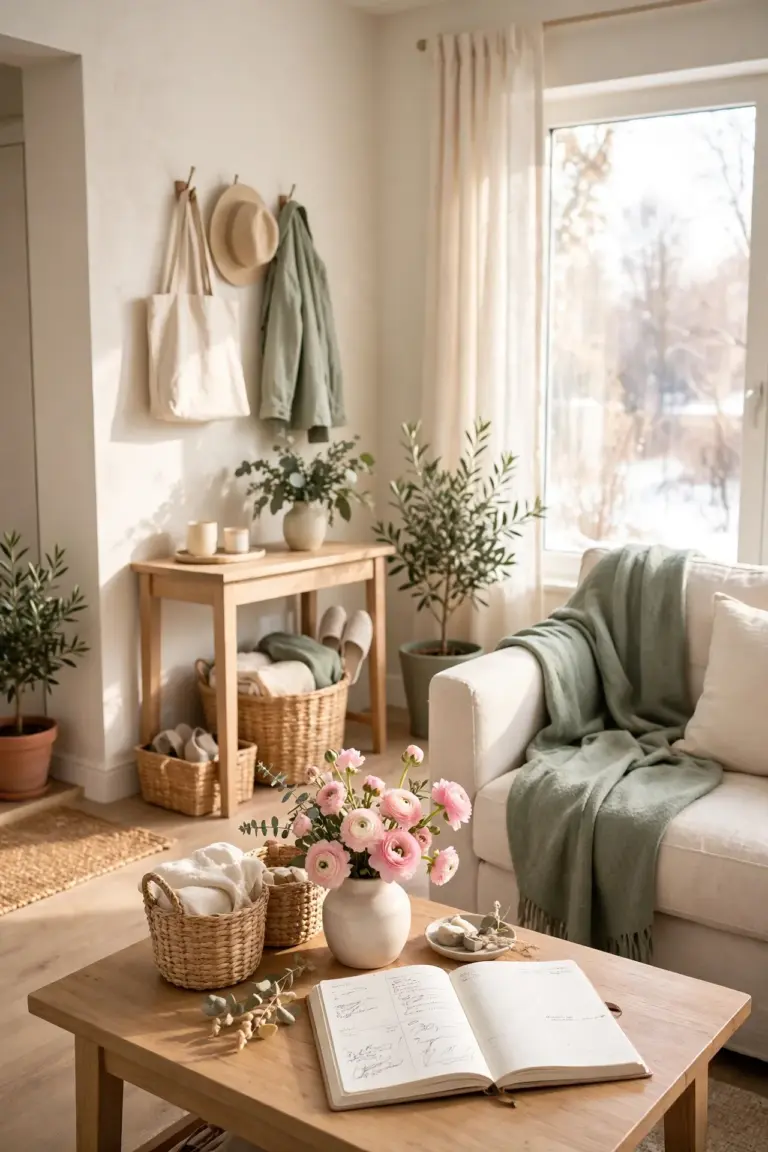
Picture a room where the nightstand holds a lamp, a book, and a glass of water, while chargers wait in one basket and spare bedding sleeps in boxes under the bed. Laundry lands in a corner basket instead of on the floor, and shoes line up beneath a bench. Nothing in that picture costs much, yet the room feels finished, because bedroom organization ideas work through placement more than price.
Nightstand drawer with divided trays

Loose items inside a nightstand drawer still behave like clutter, since you dig through lip balm, tissues, pens, and spare batteries every time you need one thing. Divided trays turn that drawer into small neighborhoods, so each category sits in its own lane. You open the drawer, see everything at once, and close it again in seconds, which is exactly what a sleepy brain wants at night.
Small trays from kitchen or bathroom storage usually fit bedroom drawers well, and shallow boxes work when trays feel too costly. Measure the drawer before buying anything, then assign sections for medicines, hand cream, reading bits, and small electronics. Leave one section empty on purpose, because new small items arrive through the year and an empty lane stops the drawer from jamming shut.
Couples sharing one nightstand benefit most from divided trays, since two people drop different things into the same drawer and blame each other for the tangle. Give each person one side, keep shared items in the middle, and agree that nothing lands on top of the drawer dividers. Households with children can move medicines into the top section and keep it pushed to the back.
Keep the drawer at half full or less, because a stuffed tray hides the very items it was meant to display. Review the contents whenever seasons change, throw away dried pens and empty tubes, and return stray items to their real homes. People often buy trays before sorting, then organize clutter they should have discarded, so sort first and divide second for a drawer that stays useful.
Under bed boxes for spare bedding
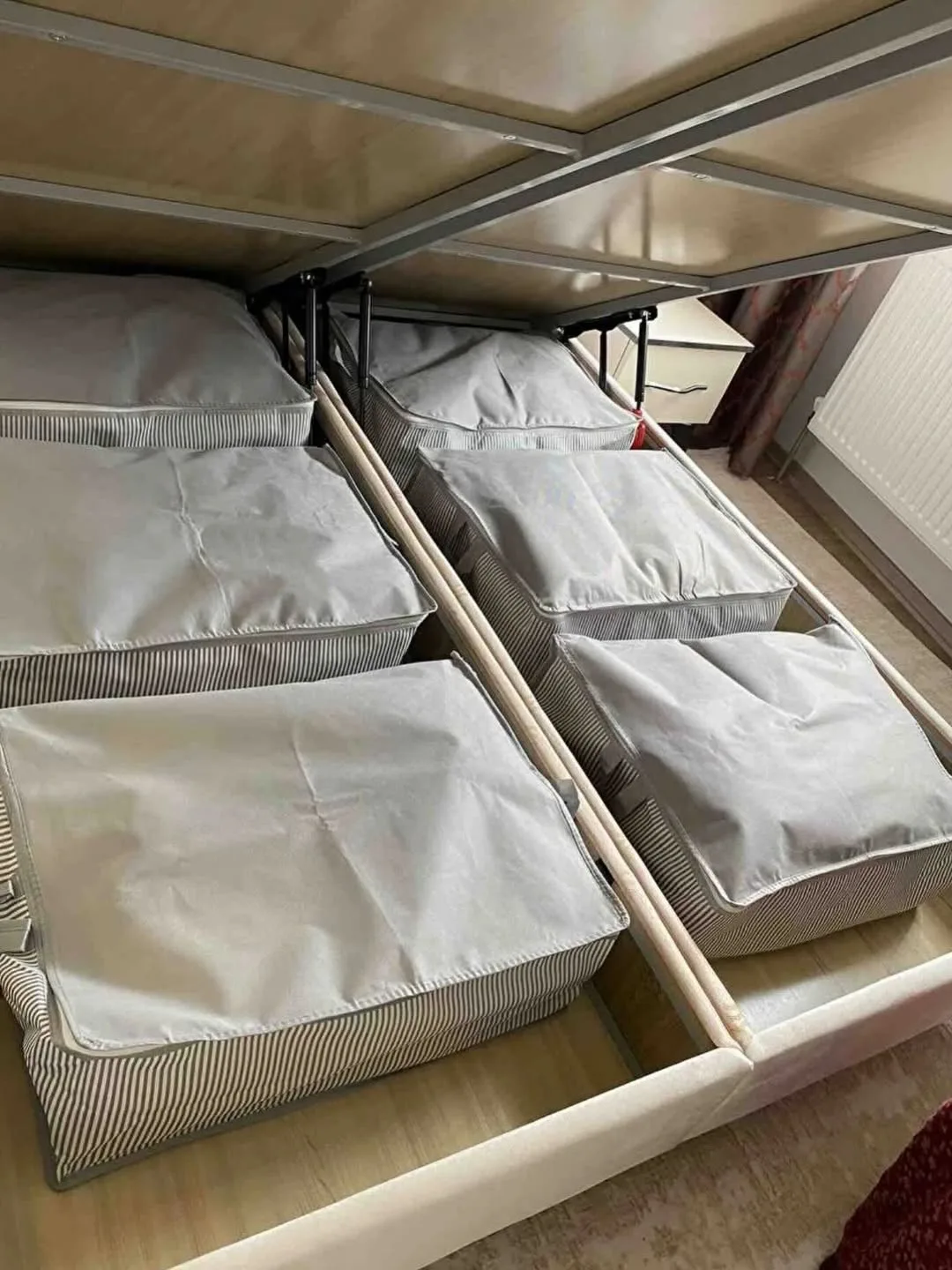
Flat boxes under the bed use the largest forgotten storage space in most bedrooms, and spare bedding suits that space perfectly because you reach for it rarely. Duvets, extra blankets, guest pillows, and seasonal quilts all fold flat and slide out only when needed. Keeping bedding beneath the bed also frees closet shelves for clothes you wear every week, which need faster access.
Measure the clearance under your bed frame before choosing boxes, since low frames accept only slim containers while taller frames take deeper ones. Boxes with lids keep dust away from clean bedding, and soft fabric bags work when you need to squeeze a bulky quilt through a narrow gap. Wash and fully dry every item before storing it, because trapped moisture smells stale within weeks.
Families gain the most from this system, because spare bedding for children, guests, and winter nights otherwise eats an entire closet. Store one labeled box per bed in the house, and keep a small scented sachet inside each box if your household likes that touch. Anyone with a bed that lifts for storage can skip boxes and use labeled bags in the open space instead.
Label every box on the short end that faces outward, since unlabeled boxes force you to pull out three containers to find one blanket. People often store random items under the bed simply because space exists, then forget them for years. Reserve the space for bedding and one seasonal category only, and the under bed zone stays a system rather than a hiding place.
Closet shelves with matching baskets
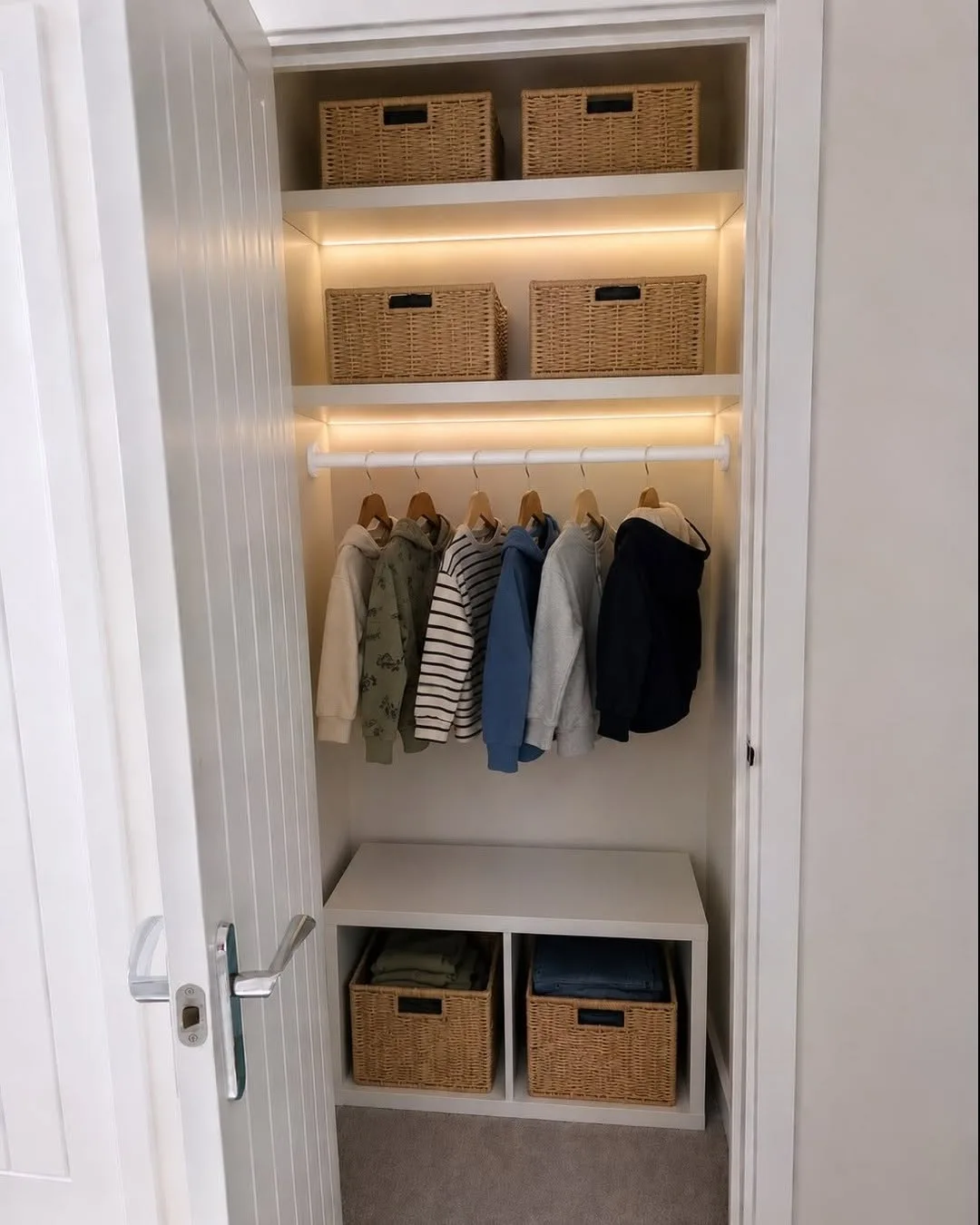
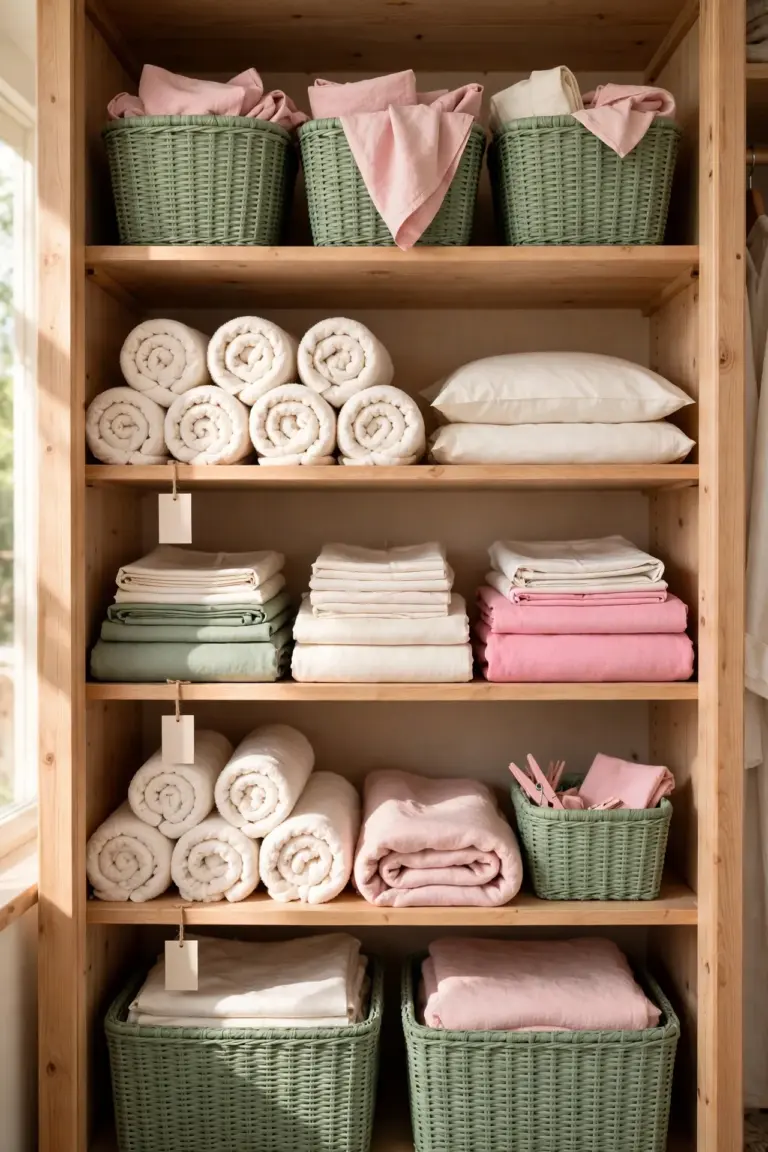
Matching baskets bring instant order to closet shelves, and they rank among the most forgiving bedroom organization ideas because they hide visual noise without demanding perfect folding. Sweaters, scarves, gym clothes, and pajamas all look calmer inside identical containers, even when the contents sit loosely folded. Your eye reads one tidy row instead of fifteen different colors and shapes competing for attention every morning.
Sort clothes into clear categories before buying baskets, then count your shelves and measure their depth so baskets sit flush instead of hanging over the edge. Choose baskets with handles when shelves sit high, since you will pull them down with one hand. Natural woven baskets suit open closets you see from the bed, while plain fabric boxes cost less and weigh almost nothing.
Shared closets calm down quickly with this approach, because each person claims a color or a shelf and the boundary stays visible. Parents can give children the lowest baskets for pajamas and school clothes, which encourages kids to dress themselves without unfolding everything. Tall shelves benefit from one spare basket as well, ready for new clothes that arrive after birthdays and holidays.
Watch basket sizes over time, because a basket that overflows daily tells you the category grew beyond its container. Either donate from that category or split it into two honest groups, tops in one basket and bottoms in another. Buying ever bigger baskets only postpones the decision, and crowded baskets wrinkle clothes so badly that getting dressed takes longer, not less time.
A laundry basket that lives in the corner

Corner laundry baskets end the daily trail of worn clothes across bedroom floors, but only when the basket stays in one fixed spot that everyone respects. Pick the corner nearest the door or the closet, since laundry travels toward the bathroom and the washing machine from there. A basket with a lid suits bedrooms where guests might see in, while open baskets make tossing clothes effortless.
Pick a size that matches your real laundry rhythm, because a tiny basket overflows by Wednesday in a busy household while a huge one invites people to delay washing for weeks. Two smaller baskets let you sort lights and darks as you undress, which saves a sorting session later. Place the basket where the door swing and walking paths stay clear, since a basket in a walkway becomes a tripping hazard at night.
Anyone who dresses and undresses in the bedroom gains from a fixed laundry corner, and teenagers gain the most because the rule stays simple enough to follow half asleep. Put the basket where clothes naturally fall, near the chair or the closet door, instead of where a tidy photograph says it should live. Convenience beats appearance every time for a system people must use daily.
One basket per bedroom works better than one giant family basket down the hall, because carrying laundry a long way gives people an excuse to drop clothes where they stand. Empty bedroom baskets into the main laundry area on set days, and return them to the same corner immediately. People forget the corner rule when the basket travels, so a basket that always comes home keeps the habit alive.
Hooks behind the bedroom door
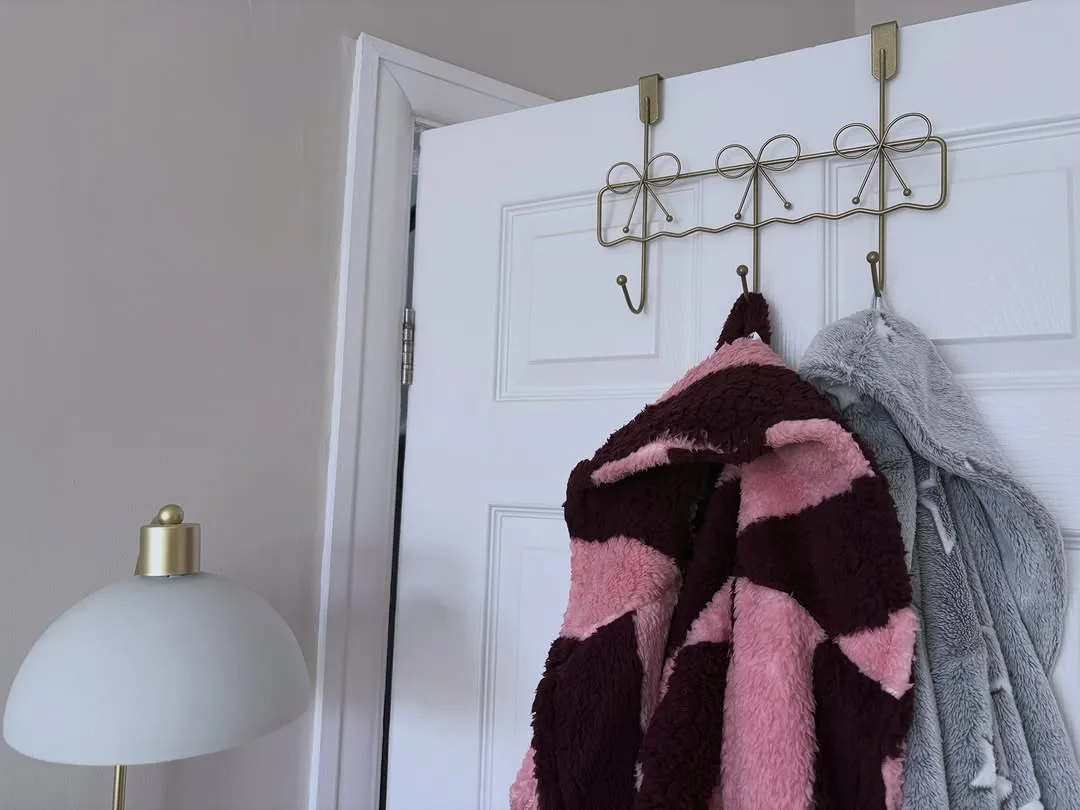
Hooks behind the bedroom door rescue the clothes that are too clean for laundry and too worn for the closet, the exact pile that usually grows on a chair. Pajamas, robes, tomorrow outfits, and a favorite cardigan all hang happily on a short row of hooks. Vertical storage keeps these in between clothes off every flat surface, and the door hides them whenever it stands closed.
Hang hooks at a height every user can reach, and space them far enough apart that bulky robes do not swallow smaller items. Over door racks suit doors without screws, while fixed hooks carry heavier loads like thick dressing gowns. Limit the row to four or five hooks, because a door covered in hanging clothes starts to feel like a market stall and blocks the door from opening fully.
Busy households lean on door hooks during rushed mornings, since an outfit planned the night before hangs ready without touching the bed or the floor. Children manage hooks more easily than hangers, so a low hook for a school uniform removes one morning argument. Guests in a spare room also appreciate a hook row, because suitcases otherwise become the only clothing storage they get.
Forget the hook limit and the system collapses, because hooks invite casual hanging and soon hold twelve items in a stiff bundle nobody can sort through. Set a household rule that each hook holds one item, and do a quick hook check during the Sunday reset. Anything unworn for a week returns to the closet or the laundry basket, which keeps the door row honest and light.
Dresser top with only three things
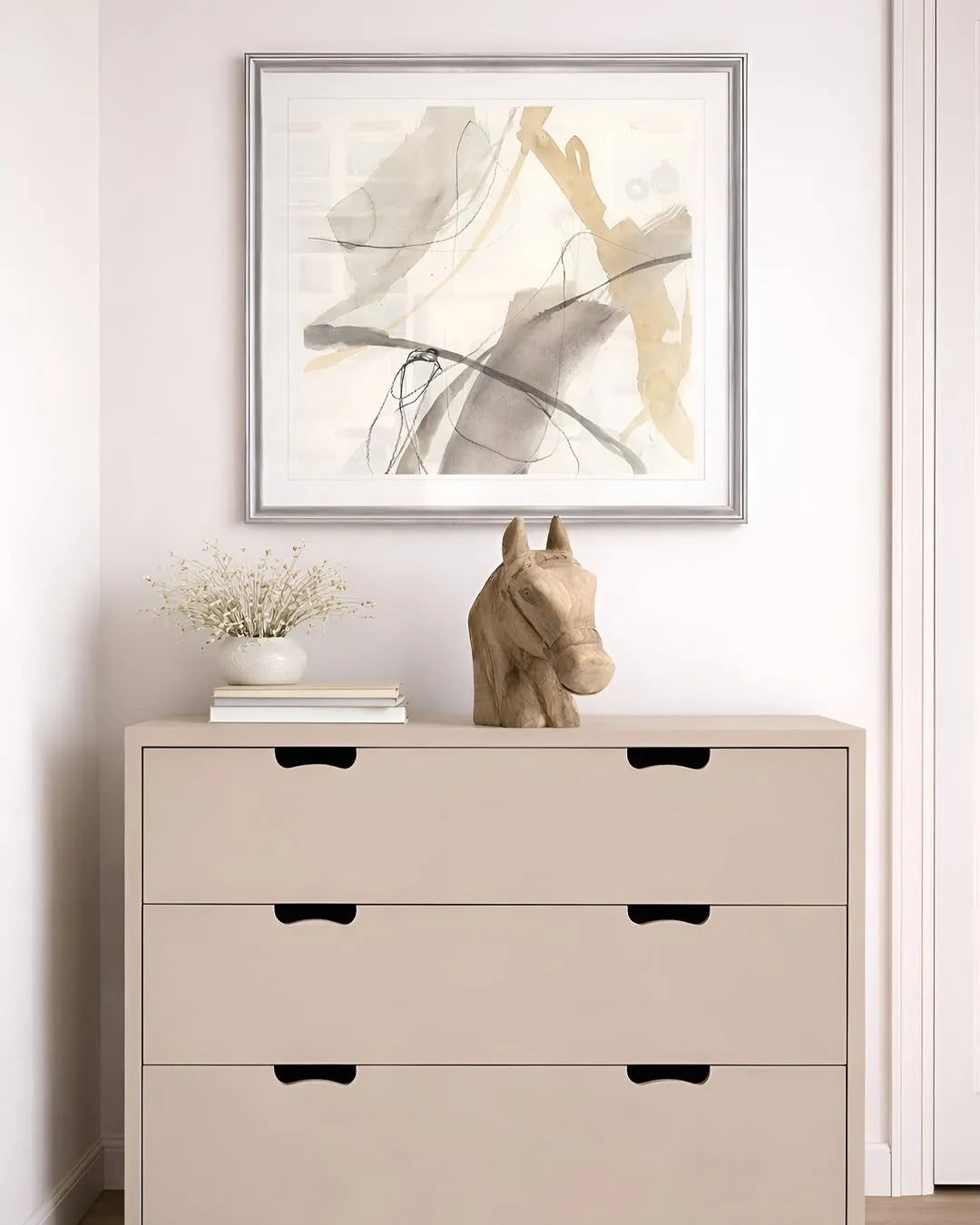
Three things on a dresser top sounds strict, yet a strict limit is the only rule that survives busy weeks when everyone drops items while passing. Choose your three deliberately, perhaps a tray for daily jewelry, a small plant, and a framed photo, or a lamp, a book stack, and a clock. Everything else needs a drawer, a shelf, or a different room, because the dresser top works as a calm visual anchor for the whole bedroom.
Leave real breathing room between the three items, since spacing signals intention and turns plain objects into a small display. Wipe the surface weekly, because dust shows quickly on an open top and makes even tidy rooms feel neglected. People who use the dresser as a getting ready station can count a makeup bag as one of the three things, as long as the bag leaves the surface at night or sits inside a top drawer.
Anyone who dresses in a hurry benefits from a bare dresser top, because outfits get laid out there in the morning without moving clutter aside first. Partners sharing a dresser can split the rule, three items per side, which keeps the compromise fair and visible. Bedrooms without a dresser can apply the same three thing rule to a chest, a wide shelf, or the top of a low bookcase instead.
Crowded tops return when other storage runs out, so treat a creeping dresser as a signal that drawers below need sorting rather than as a discipline failure. Move one category at a time, starting with papers and receipts that never belonged in a bedroom at all. Photographs of the tidy top help, because your household sees the target every time someone promises to clear it later.
Bedside caddy for books and glasses
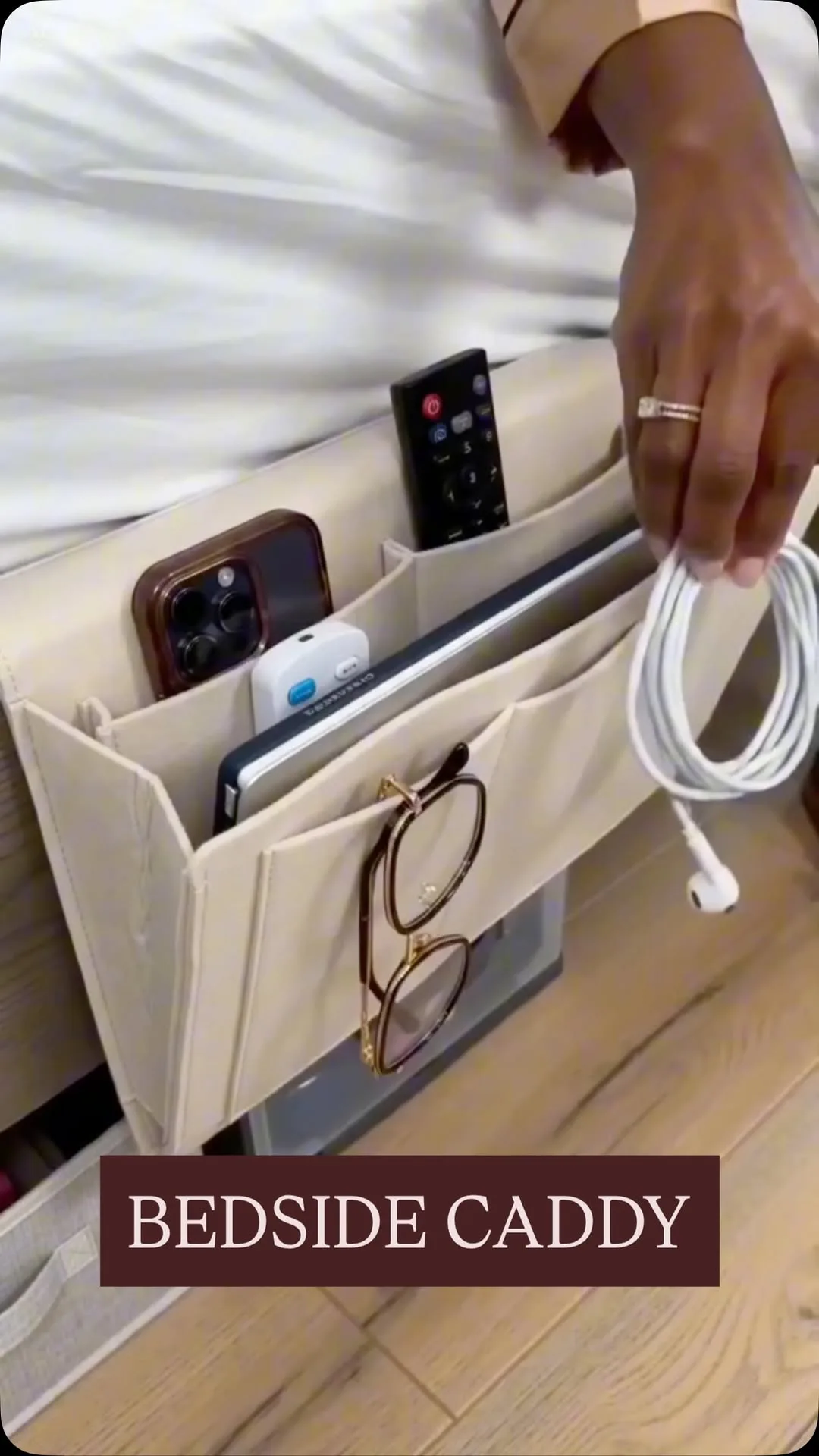
Bedside caddies hang from the mattress or sit slim against the bed frame, holding the small set of items your hands reach for in the dark. Books, glasses, a phone, tissues, and a remote all slide into pockets instead of balancing on the mattress edge. Renters of small rooms and owners of narrow nightstands alike gain a station without buying furniture, and bunk beds finally get storage that shelves never provided.
Soft fabric caddies suit most beds, and stiff felt versions hold their shape better for heavier books and tablets. Pick pockets in varied sizes, deep ones for books and shallow ones for glasses, since glasses crushed under a novel start the morning badly. Match the caddy color to the bedding if the bed sits in view of the door, because a calm color keeps the extra storage from shouting.
Night readers gain the most, because a current book, a bookmark, and reading glasses wait in one place and return there without thought. Parents reading in a child bed during story time can keep a caddy on the spare bed too, stocked with tissues and a small water bottle. Anyone whose nightstand space went to a lamp and a clock finally gets room for the rest of the nightly kit.
Losing items inside a deep caddy happens when pockets multiply beyond the nightly routine, so empty the caddy monthly and question everything inside it. A caddy should hold tonight things only, not archives of old magazines and dead pens. Keep one item per pocket where possible, and the morning search for glasses ends, which alone makes the whole idea worth its small cost.
One small tray for jewelry

Jewelry tangles fast when necklaces land in a heap, and one small tray gives daily pieces a single landing spot on the dresser or nightstand. Everyday earrings, a watch, rings, and one or two necklaces rest in view, which helps you wear them more and lose them less. Among bedroom organization ideas, the tray earns its place by solving a daily annoyance for almost no money.
Shallow trays with a raised edge stop rings from rolling away, and trays with small sections separate studs from chains that love to knot together. Ceramic dishes, small wooden trays, and even a pretty saucer from the kitchen all work, so check your cupboards before buying new. Place the tray where you actually remove jewelry at night, not where a photograph suggests, because habits beat styling every single time.
Dressers shared by two people work well with two modest trays, one per person, instead of one large tray where pieces migrate and mix. People who wear the same few pieces daily gain the most, since the tray holds a working set rather than a collection. Special occasion jewelry belongs in a box or pouch inside a drawer, where dust and sunlight cannot dull it between rare outings.
Leaving jewelry scattered across several rooms undoes the tray within a week, so make one promise, every piece lands on the tray or goes back in its box the same night. Clean the tray when you clean the dresser top, and return borrowed pieces to their owners during that minute. Small systems survive on small rituals, and the tray ritual takes less time than untangling one chain.
Shoes lined under a bedroom bench
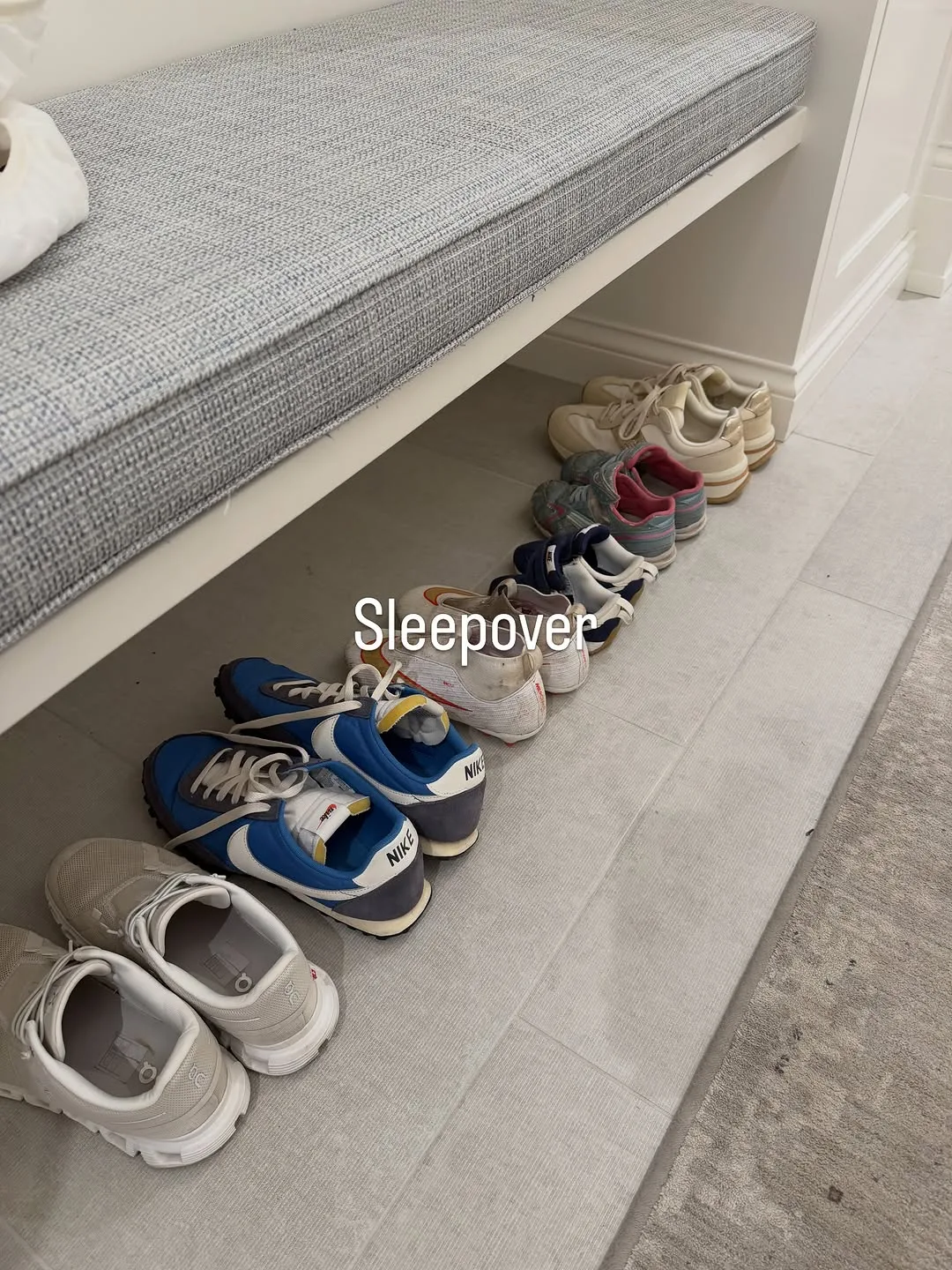
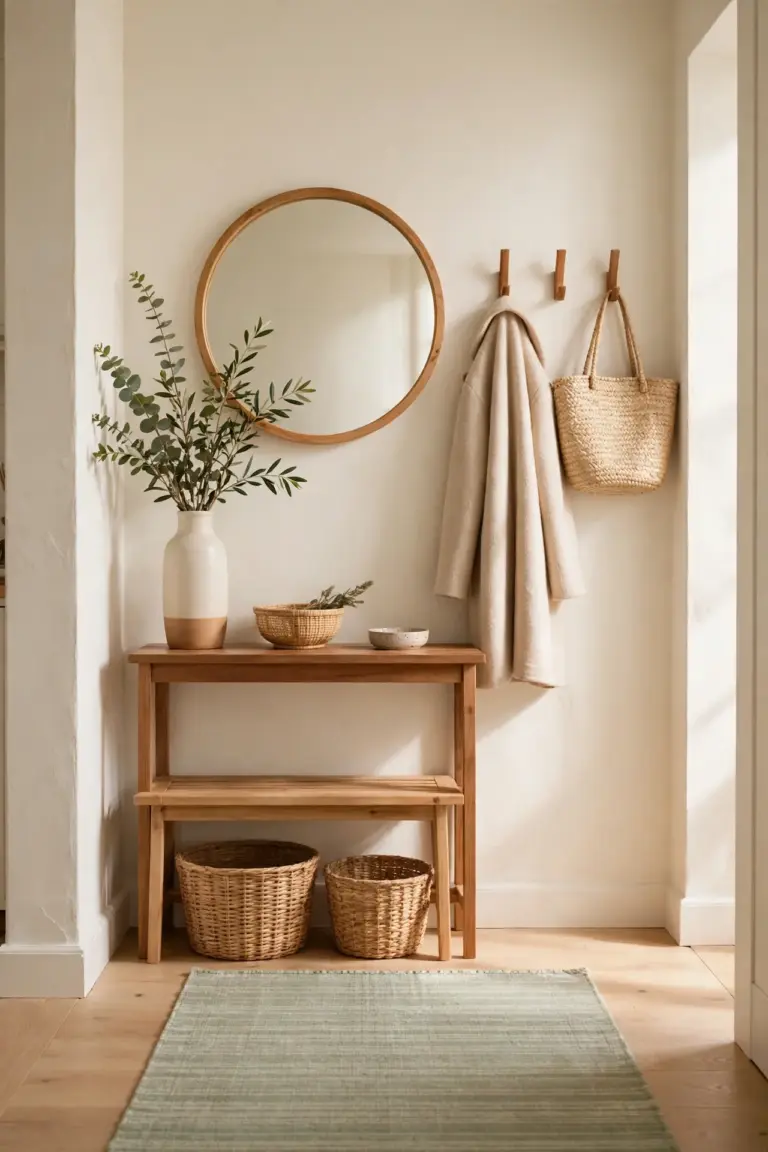
Shoes worn daily deserve a planned row instead of a scattered arc around the bedroom door, and a bench at the foot of the bed gives that row a natural home. Line pairs heel to toe beneath the bench, where they stay reachable for mornings yet out of the walking path. The bench itself earns double duty, offering a seat for dressing and a surface for laying out clothes the night before.
Slide a slim shoe tray or a washable mat under the bench to catch dirt from soles, especially during wet months when shoes carry the street indoors. Limit the row to pairs worn every week, three to five pairs for most people, and store the rest in the closet or entryway. Open space under the bench also suits a low basket for slippers, which keeps soft footwear separate from outdoor shoes.
Entryways too small for shoe storage push this job into the bedroom, and the bench solution keeps that overflow tidy instead of apologetic. Couples can split the row by side, each person claiming the half nearest their side of the bed. Anyone who exercises early can park trainers at the end of the row, ready for dark mornings without a cupboard hunt.
Wearing shoes straight from the bench to the door and back builds dirt into bedroom carpets over time, so shake soles over the mat and clean the tray during the weekly reset. Rotate pairs when seasons change, sending sandals or heavy boots to the closet as weather turns. A row that matches the season stays short, visible, and easy to keep straight in under a minute.
Labeled baskets on wardrobe shelves
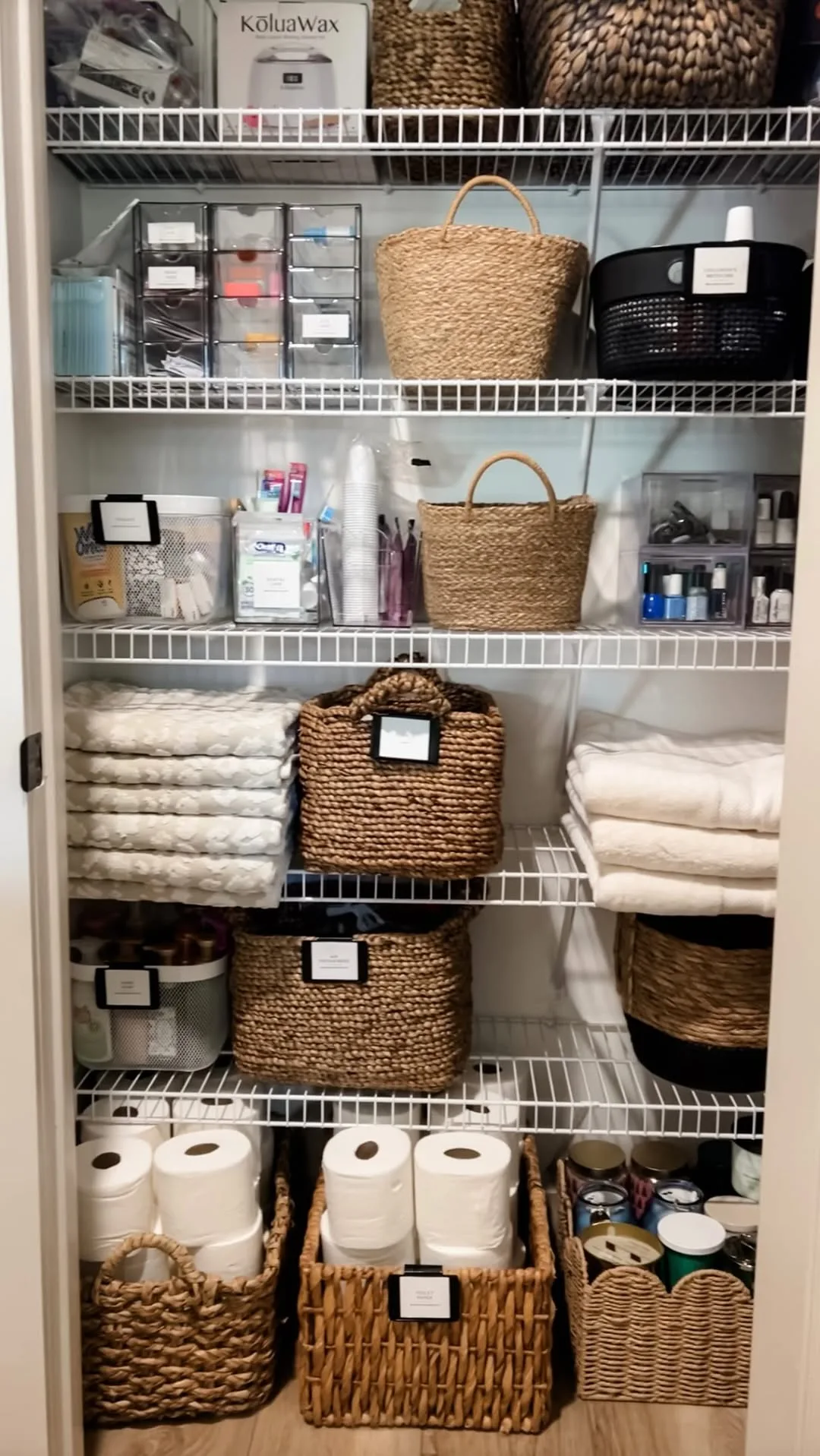
Labeled baskets stop wardrobe shelves from becoming anonymous stacks, because the label tells tired hands exactly where each category returns after washing. One basket takes gym wear, another takes sleepwear, a third takes scarves and gloves, and nobody needs to unfold piles to find a favorite top. Labels also help partners and children put laundry away correctly without asking, which protects the system on days when one person does all the tidying.
Turn baskets so labels face outward at eye level, and write words large enough to read without pulling the basket down. Card tags tied with string cost almost nothing and swap easily when categories change, while printed labels suit households that rarely rearrange. Photographs on labels help young children match contents, turning tidying into a quick game instead of a guessing exercise during rushed mornings.
Partners sharing one wardrobe gain the most, because labels replace the silent rule that one person simply knows where everything lives. Guest room wardrobes benefit too, since spare towels and blankets in labeled baskets tell visitors what they may use. Wardrobes with deep shelves need labels most of all, because deep spaces hide rear items until they wrinkle, smell stale, or get bought twice by mistake.
Faded or wrong labels quietly train everyone to ignore the system, so update labels the same day you change a basket contents, not someday later. Review the wardrobe twice a year, when seasons turn, and move off season categories to higher shelves with fresh labels. Ten honest labels beat twenty hopeful ones, because a label is a promise the basket has to keep every day.
Donation box that lives in the closet
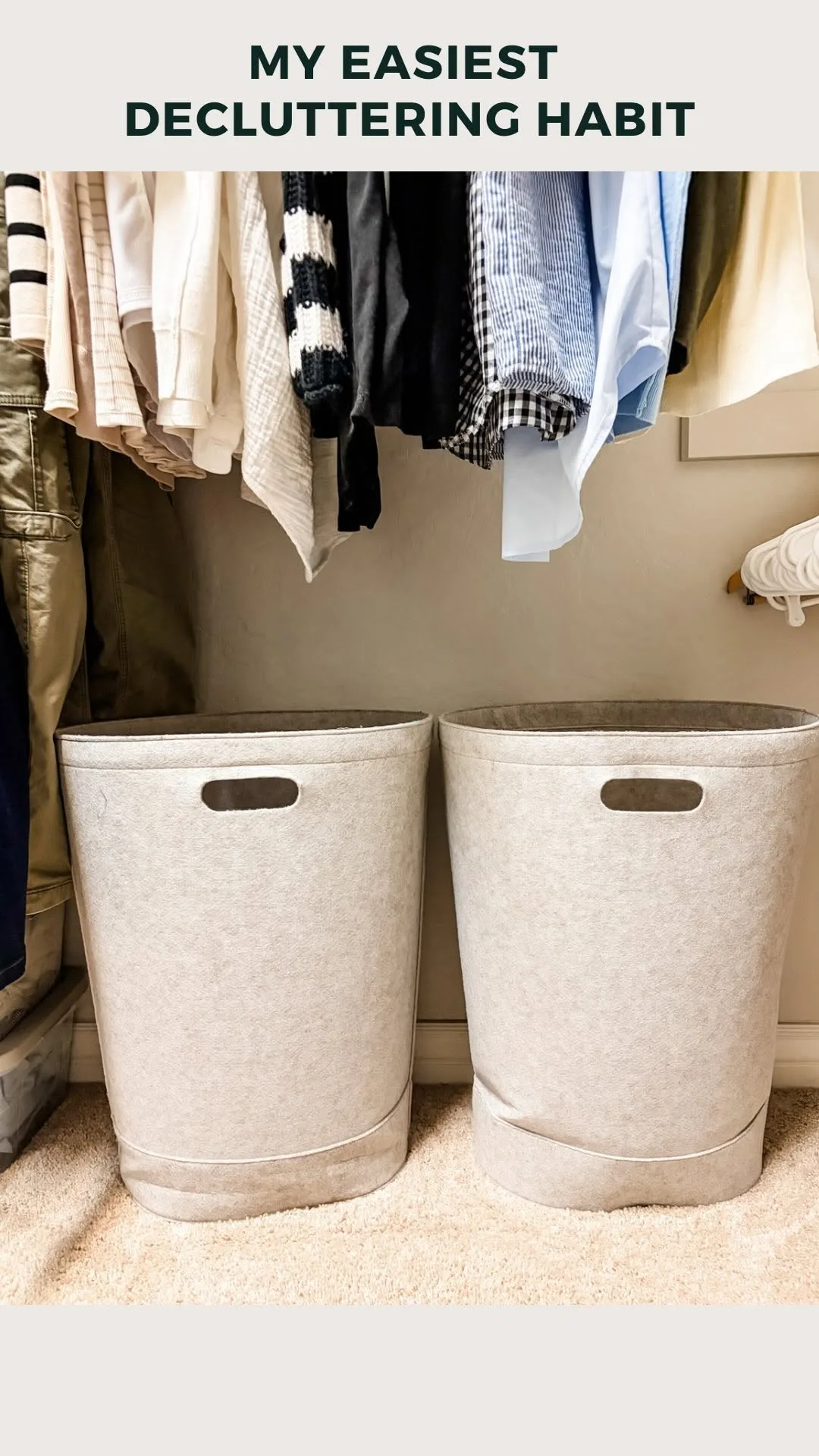
Donation boxes living inside the closet catch clothes at the exact moment you decide against them, while trying things on in front of the mirror. A skirt that no longer fits and a shirt that never feels right go straight into the box instead of back onto the rail for another month of guilt. Small steady donating keeps the wardrobe at a size your shelves can actually serve, without emotional clear out weekends.
Keep the box lidless and reachable, since a box buried behind luggage asks too much effort at the moment of decision. A medium box fills in about two or three months for most households, which creates a natural rhythm of drop offs at charity shops. Line the box with a bag, and donating becomes one lift and one trip, with no sorting session standing between intention and action.
Families grow out of clothes constantly, so a closet donation box saves parents from storing three sizes of child clothing in active space. Partners can share one box with a simple agreement, anything inside stays untouched for one week, which protects hasty decisions from regret. Spare rooms serving as overflow closets also deserve a box, because overflow only grows when nothing ever leaves the house.
Filling the box and never delivering it turns generosity into a new clutter category, so tie drop offs to an existing routine like the monthly grocery run or the school term end. Photograph the full box if you track donations for records, then take it the same day. A box that empties regularly stays small and welcome, while a permanent box becomes furniture nobody questions anymore.
One basket for chargers and cables
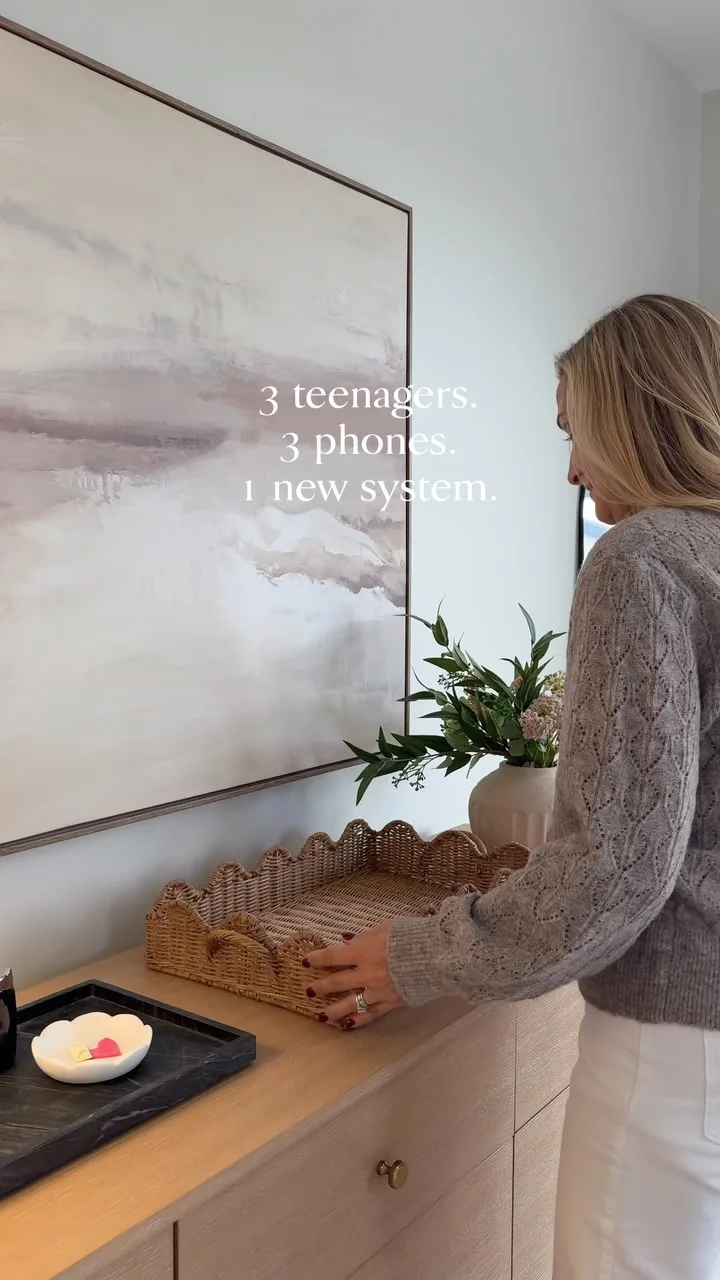
Chargers multiply across bedrooms until cables snake from every socket, and one basket gathers them into a single calm station. Phone chargers, tablet cables, a power bank, earbuds, and a small extension lead all live in the basket, which sits near one chosen socket. Phones can charge on the nightstand while spare cables wait in the basket, ending the nightly hunt through drawers and bedding.
Coil each cable loosely and secure it with a tie or a strip of hook and loop tape before it enters the basket, because loose cables knot themselves within days. A basket with a lid hides the tangle fully, while a divided insert separates his cables, her cables, and shared spares. Keep the basket away from bedding and curtains, and never bury a warm power brick under cables, since chargers need air while they work.
Anyone working from a bedroom desk gains twice, because work cables return to the basket at night and the bedroom feels like a bedroom again. Households with several children can run one basket per room, labeled by name, which ends the morning argument about whose charger vanished. Guest rooms deserve a small basket too, stocked with common cables visitors always forget to pack.
Heat inside a closed basket is the risk people overlook, so check that charging bricks stay uncovered and switch off the extension lead at night if your household prefers that habit. Remove dead cables and mystery leads during the monthly tidy, because unknown cables breed fastest in the dark. One basket, one socket, and one monthly purge keep the whole cable population under calm control.
Basket of folded throws by the bed
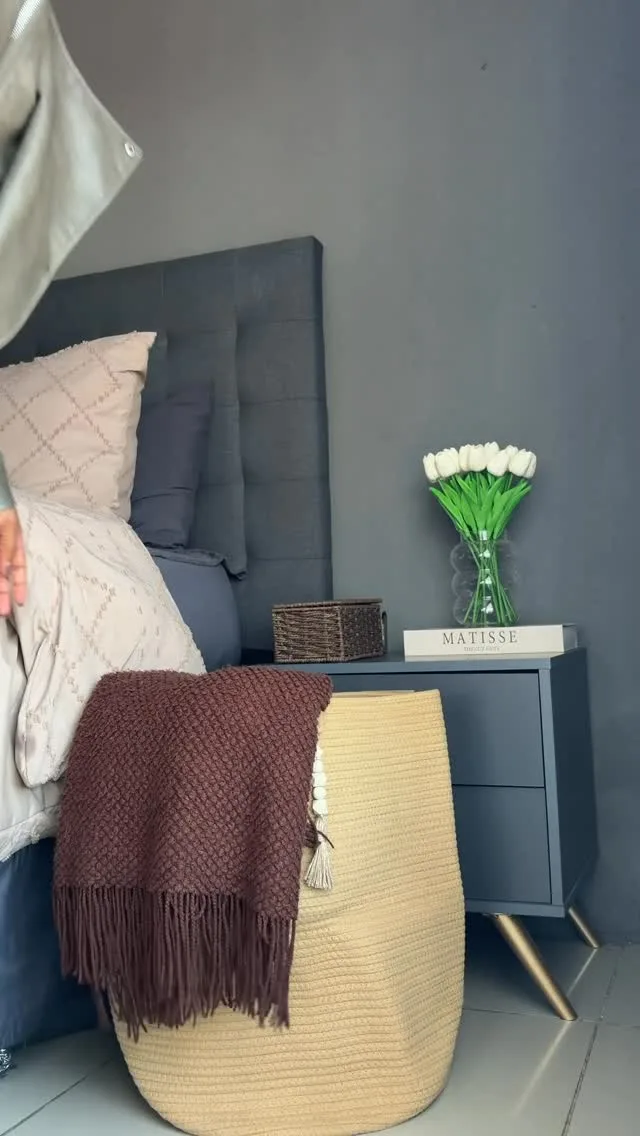
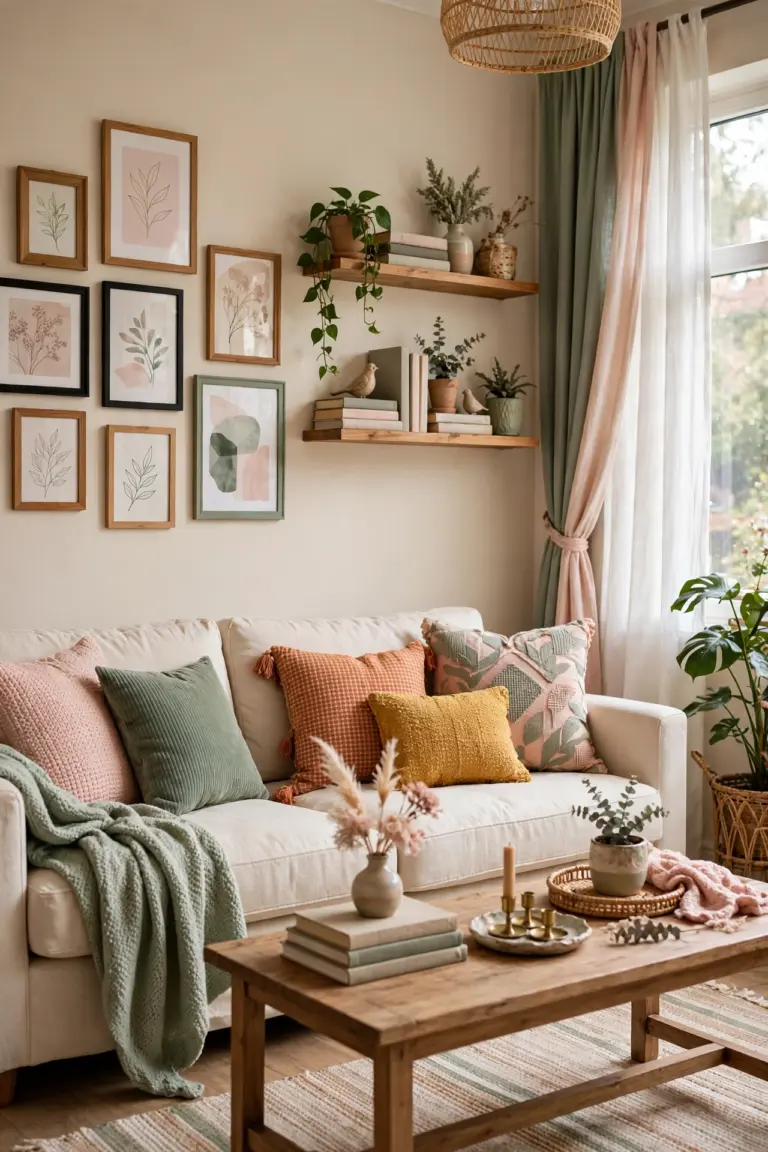
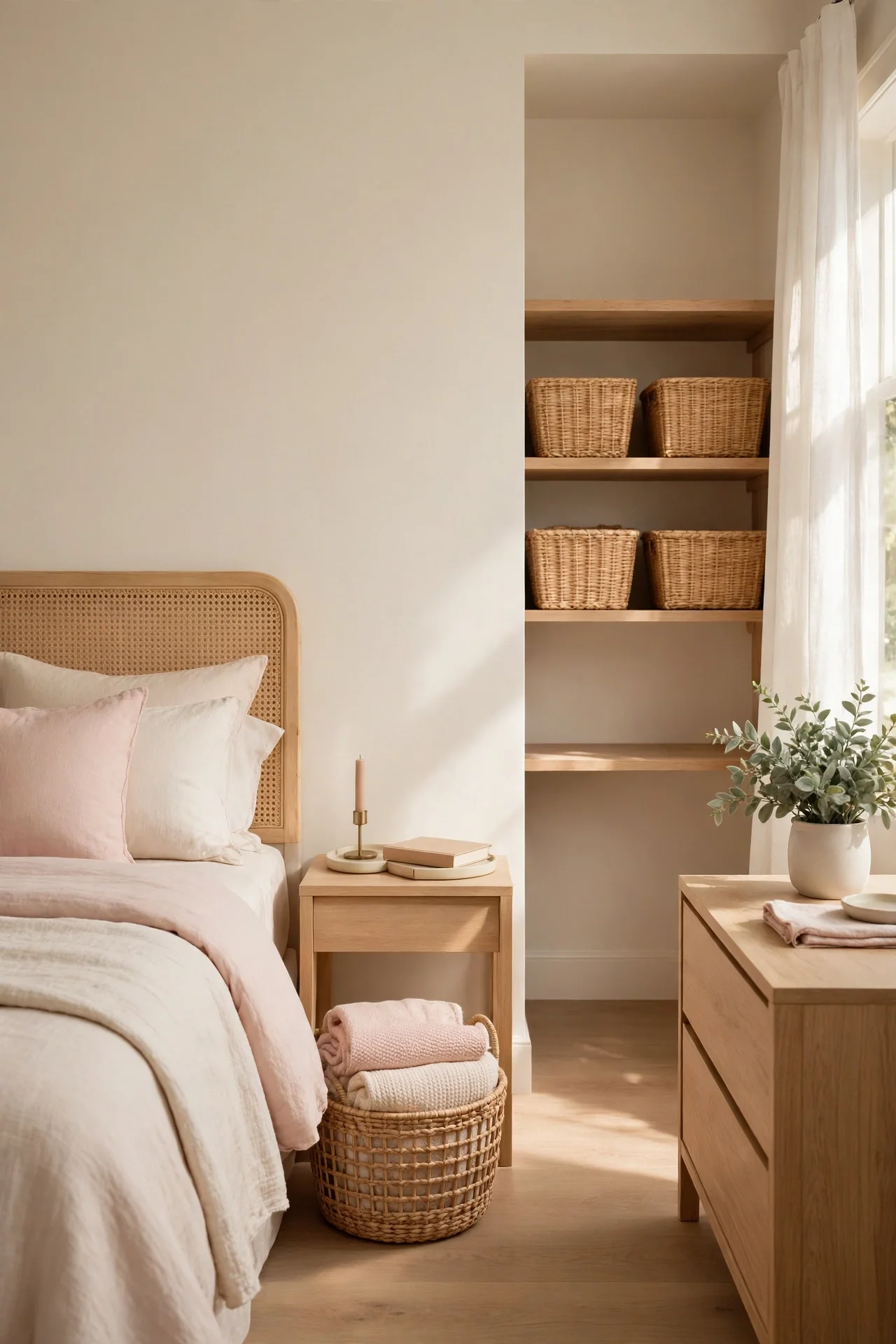
Folded throws in a basket beside the bed bring warmth within reach without turning the bed into a layered mountain every morning. Many bedroom organization ideas focus on hiding things, yet this one displays something soft and useful, which makes the room feel cared for rather than emptied. A spare blanket for reading, a light throw for afternoon naps, and an extra layer for cold nights all wait in one rolled or folded stack.
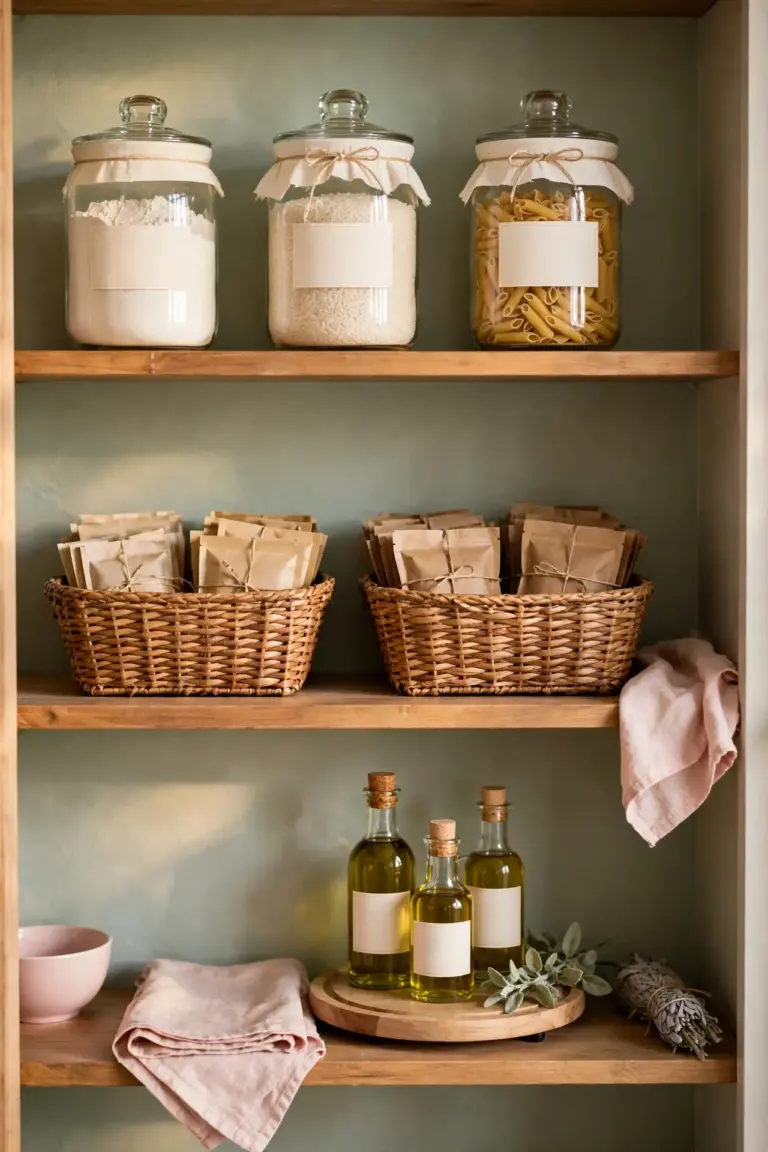
Choose a basket tall enough to hold throws upright in rolls, since rolls show every option at a glance and slide out without unfolding the rest. Woven baskets suit most bedrooms, and fabric bins fold flat if the basket ever needs storing itself. Keep two or three throws in rotation at most, because a basket stuffed with six blankets becomes a laundry problem wearing a pretty disguise during busy weeks.
Evenings in cooler homes suit this system best, since one person always runs colder and reaches for a layer while the other sleeps comfortably. Readers in bed, parents settling children, and anyone who takes Sunday naps all use the basket weekly, which keeps throws fresh instead of dusty. Place the basket on the side of the bed where the colder sleeper lies, because storage works when it sits exactly where hands reach.
Washing throws on a simple rhythm keeps the basket inviting, since throws collect dust, pet hair, and snack crumbs faster than bedding does. Swap in a clean set monthly, or whenever a throw starts to smell like the room instead of the laundry. Shake throws outdoors during the Sunday reset, and the basket stays a comfort station rather than a textile archive nobody trusts.
Mirror with a slim shelf beneath

Mirror and shelf pairings give small bedrooms a getting ready station without claiming floor space for a vanity table. The mirror bounces light around the room, which makes morning routines feel less cramped, while the slim shelf holds the few items used in front of it. Brushes, a watch dish, perfume, and a hair tie or two fit comfortably, and everything else stays in drawers where visual calm survives.
Hang the mirror at face height for the tallest regular user, and mount the shelf just below chin level so bottles stand within easy reach. Shelves around ten to fifteen centimeters deep hold toiletries without inviting stockpiles, and a lip along the front edge stops bottles sliding off during rushed mornings. Check wall fixings carefully, because a mirror above a shelf carries real weight and deserves proper anchors in the wall.
Small bedrooms in shared houses gain privacy from this setup, since one person can get ready fully in the bedroom while the bathroom queue moves slowly. Partners on different schedules also benefit, because quiet bedroom preparation avoids waking a sleeper with bathroom light and noise. Anyone who applies makeup or styles hair daily will use the shelf constantly, which means the small wall investment pays back every single morning.
Heavy bottles and crowded shelves turn the station back into clutter, so audit the shelf weekly and return anything unused for seven days to a drawer or bathroom cabinet. Clean the mirror during the same minute, because toothpaste spots and fingerprints undo the light and calm the mirror was hung to create. A shelf that holds only daily items stays slim, useful, and easy to wipe in seconds.
Reset basket for Sunday sorting
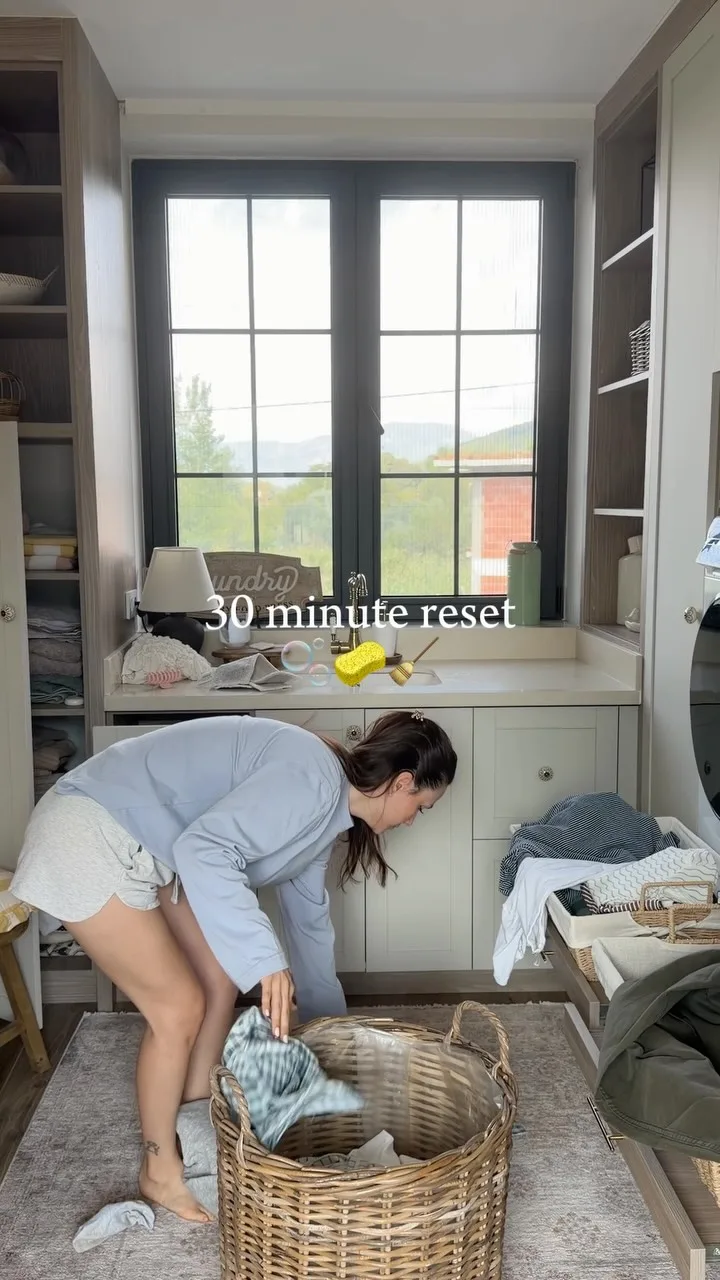
Reset baskets give stray bedroom items one temporary home, so a weekly sort takes ten minutes instead of an afternoon of wandering between rooms. Books borrowed from shelves, clothes tried on and rejected, letters, toys, and random small objects all collect in the basket during the week. Sunday sorting then moves each item back to its real home in one focused pass, while the bedroom returns to calm before the new week begins.
Use a basket large enough for a week of strays yet small enough that sorting never feels heavy, and place it somewhere visible like beside the dresser. An attractive basket matters here, because the reset basket lives in view and should look like part of the room rather than a punishment corner. Empty it fully every Sunday, even when only three items sit inside, since the habit protects the system more than the volume does.
One calm example helps, a Sunday evening where music plays, the basket empties item by item, laundry moves to its corner basket, and the bed gets fresh sheets in the same pass. Families can give each child a turn as the sorter, delivering items to their homes like a postal round. Partners can split the basket contents by destination room, which halves the time and ends debates about whose mess travels where.
Turning the reset basket into permanent storage is the mistake to avoid, because a basket that never empties becomes one more pile with better branding. If items regularly overflow, the room lacks a home for that category, so create one instead of buying a bigger basket. Repeat offenders like paperwork usually need a tray in another room, and honest diagnosis beats repeated tidying that never lasts beyond Tuesday.
Common Mistakes to Avoid in a Busy Bedroom
Most bedrooms slide back into mess for predictable reasons, and naming them helps you design around them honestly. People buy storage before sorting, hide items they should release, and clear surfaces without giving objects real homes. Even strong bedroom organization ideas fail under those habits, because containers fill with clutter and flat surfaces collect the overflow within a fortnight of any big tidy.
Buying matching storage in one excited trip feels productive, yet sizes rarely match real shelves and real habits discovered later. Sort one zone first, live with it for two weeks, and let the room teach you what it actually needs. Returns and exchanges drop sharply with that patience, and money saved on wrong baskets can fund one item you truly need, like a better lamp or a sturdier laundry basket.
Surfaces betray progress fastest, so watch the chair, the dresser top, and the bed itself during the first month of any new system. When items gather in one spot repeatedly, the room is reporting a missing home, not a lazy household. Add a hook, a tray, or a basket exactly there, and the pile usually stops forming, which is calmer than scolding anyone in the house.
Budget Friendly Ways to Organize a Bedroom
Begin with what the house already owns, because bedrooms hide spare baskets in closets, spare trays in kitchens, and spare boxes in garages that can start working tonight. Move one tray to the nightstand, one basket to the throws, and one box under the bed before spending anything at all. Free storage that fits your real shelves beats beautiful storage bought on guesswork, every single time it gets tested by daily life.
Clean secondhand baskets, wooden crates, and glass jars from thrift shops cost very little and suit bedroom organization ideas that rely on containers more than furniture. Wash fabric items, air woven pieces outdoors, and check wooden items for splinters before they meet clothing. Charity shops near the end of the month often price storage lower, and one Saturday visit can kit out a whole closet for the price of one new basket bought elsewhere.
Borrow systems before buying them, by testing a cardboard box as the donation box and a shoebox as the drawer divider for two weeks. Cardboard prototypes reveal true sizes, true habits, and true weak points without costing a cent. Spend money only where the prototype proved itself, like a sturdier donation box or a washable runner, and your budget lands on items the household already knows it will use daily.
Bedroom Tips That Keep the Room Calm
Clear the bed first. Beds dominate every bedroom visually, so a made bed calms the whole room before any other task begins each morning. Shake the duvet, fold the throw back into its basket, and let the largest surface in the room set the tone. Guests judge bedrooms by the bed, and honestly, so do the people who sleep in them after long days.
Empty one surface every night. Nightstands and dresser tops collect the day quickly, so return five items to their homes before lights out each evening. Small nightly effort prevents the weekend avalanche that makes bedrooms feel hopeless on Saturday mornings. Pair the habit with brushing your teeth, and the routine anchors itself without alarms, charts, or willpower battles in your household.
Give every stray a basket. Stray items cause most bedroom stress, so keep the reset basket ready for anything homeless that appears during the week. Books, toys, letters, and odd socks wait there calmly instead of spreading across the floor and furniture. Sunday sorting empties the basket in minutes, and the room never reaches the tipping point where tidying feels pointless.
Fold throws before bed. Throws migrate around bedrooms during evenings, so fold them back into their basket as part of the nightly close down. Two minutes of folding keeps spare blankets clean, visible, and ready for the next cold night without a search. Cold sleepers especially appreciate finding a fresh throw exactly where yesterday left it, night after night.
Charge devices in one place. Phones and tablets charge best from one station, so let the charger basket own every cable in the bedroom from tonight onward. Scattered chargers tangle, vanish, and pull people into late night hunts through bedding and drawers. One station also keeps glowing screens and warm bricks away from pillows, which helps the room feel like a place for rest.
Review one drawer every week. Drawers hide slow clutter better than any furniture, so open one drawer during the Sunday reset and question everything inside it. Ten minutes weekly keeps drawers honest without the dread of a full wardrobe overhaul twice a year. Move one item out each time, and the bedroom improves steadily in a way nobody in the house finds disruptive.
Small habits protect every system in this guide better than any container you can buy this year. Clear the bed, empty one surface, fold the throws, and let baskets catch the rest, and evenings start to feel quieter within a week. Calm bedrooms come from repetition far more than renovation, which is good news for every household watching its budget this season.
FAQ
Where should I start when my whole bedroom feels messy?
Begin at the bed, because the bed fills most of the room and a made bed changes the feeling of the space within two minutes. Clear the nightstand next, then the chair, giving every removed item a basket, drawer, or hook before touching anything else. Work in twenty minute rounds with breaks, and the room improves in visible steps that encourage you to continue tomorrow.
How many storage baskets does one bedroom actually need?
Count the jobs before counting baskets, because most bedrooms need homes for laundry, throws, chargers, donations, and weekly strays, plus closet categories. Five to eight baskets cover an average room well when each basket owns one clear job and a fixed place. Extra baskets without jobs become clutter themselves, so add containers only when a real category lacks a home in your current setup.
What should stay on a nightstand at night?
Keep only tonight items within reach, a lamp, your current book, a glass of water, and perhaps tissues and lip balm in the drawer below. Phones can charge there if the charger basket lives nearby, though many people sleep better with phones across the room. Everything else, paperwork, spare cables, old magazines, belongs elsewhere, because the nightstand serves the night rather than the whole household.
How do I keep closet shelves from sliding back into piles?
Sort clothes into categories that match how you actually dress, then give each category a basket with a clear label facing outward. Return laundry on set days instead of whenever energy appears, because rhythm protects shelves better than motivation ever will. Review one shelf monthly, move off season clothes higher, and donate misfits into the closet donation box before piles rebuild their old territory again.
What can I do when two people share one small bedroom?
Talk about zones before buying anything, because shared bedrooms stay calm when each person owns clear shelves, hooks, and drawer space. Split the nightstand drawer, the wardrobe baskets, and the shoe row by side, and agree on shared rules for the dresser top and the laundry corner. Fair visible boundaries prevent the slow creep where one person storage slowly swallows the whole room over time.
How often should I reset a bedroom to keep it calm?
Choose a weekly reset on a fixed day, Sunday suits many households, and keep it short enough that nobody dreads it at all. Empty the reset basket, deliver strays, straighten shelves, shake the throws, and swap bedding if your routine calls for it that day. Ten focused minutes weekly protect the room far better than one heroic clean every few months ever manages.
Conclusion
Calm bedrooms rarely come from one big shopping trip, they grow from small systems that match how your household actually lives each day. Clear surfaces, honest baskets, hooks for in between clothes, and a weekly reset cover nearly every mess a bedroom creates. Start with the three bedroom organization ideas that solve your loudest daily annoyance, and let early wins carry the rest.
Your bedroom does not need to look like a showroom to feel restful at night and workable in the morning light. Visible floors, a made bed, contained cables, and clothes with homes already place you ahead of most rooms people complain about. Add one system each week, keep the rules shared and simple, and resist buying storage for problems you have not sorted yet.
Start tonight with the smallest possible version, a made bed, a clear nightstand, and one basket catching the strays you would normally drop. Photograph the room when it feels calm, because that picture becomes your target on messy weeks when motivation runs low. Bedrooms reward steady small effort generously, and your future sleepy self will thank you every single night.