15 Pantry Organization Ideas on a Budget
Most pantries hold plenty of food, yet dinner still feels hard to plan because nothing sits where you expect it. Packets lean behind cans, flour hides in torn bags, and three open boxes of pasta wait at the back. Simple pantry organization ideas fix the mess by giving every item a clear home you can see at a glance.
Money quietly leaks out of a crowded pantry every single week. Duplicate purchases happen when you cannot spot the rice you already own, and good food expires behind newer groceries. Order on the shelves protects your budget as much as any sale or coupon ever could.
Inside this guide you will find fifteen practical pantry organization ideas that rely on jars, labels, baskets and zones rather than expensive fittings. Each idea explains why it works, how to set it up, and which mistake to skip. Budget help, waste saving tips and honest answers follow at the end.
How can I organize a pantry on a small budget?
Start with what you already own and add only a few cheap helpers. Empty the shelves, group food by type, and place daily items where your hands reach first. Jars you have saved, boxes cut down to size and handwritten labels cover most needs. Pantry organization ideas on a budget depend on visibility and habits, not on matching designer containers.
Picture a parent opening the pantry at six in the evening with hungry kids nearby. Breakfast foods sit together at eye level, pasta and sauces share one zone, and snacks live in a single basket. Dinner choices appear in seconds, nothing gets bought twice, and the whole setup cost less than one takeaway meal.
Clear jars for flour, rice and pasta
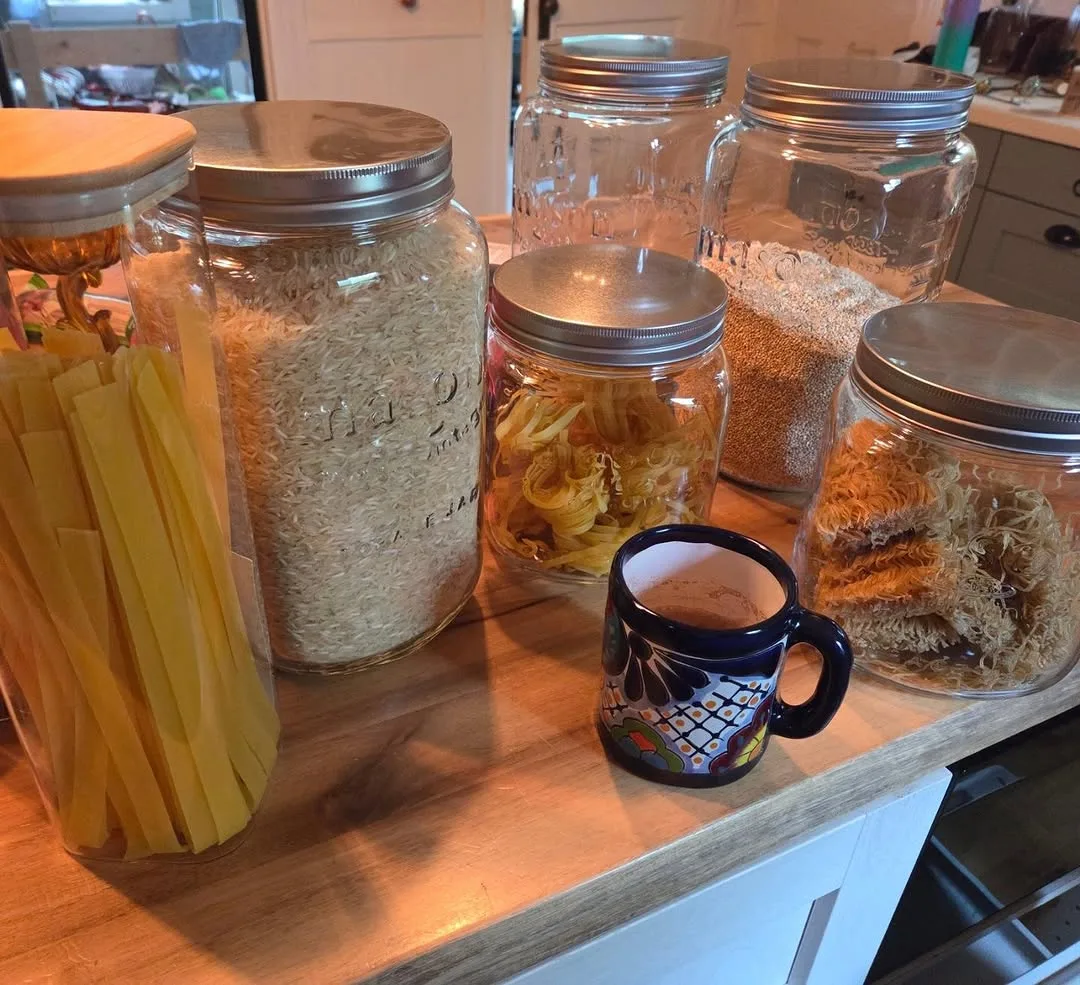
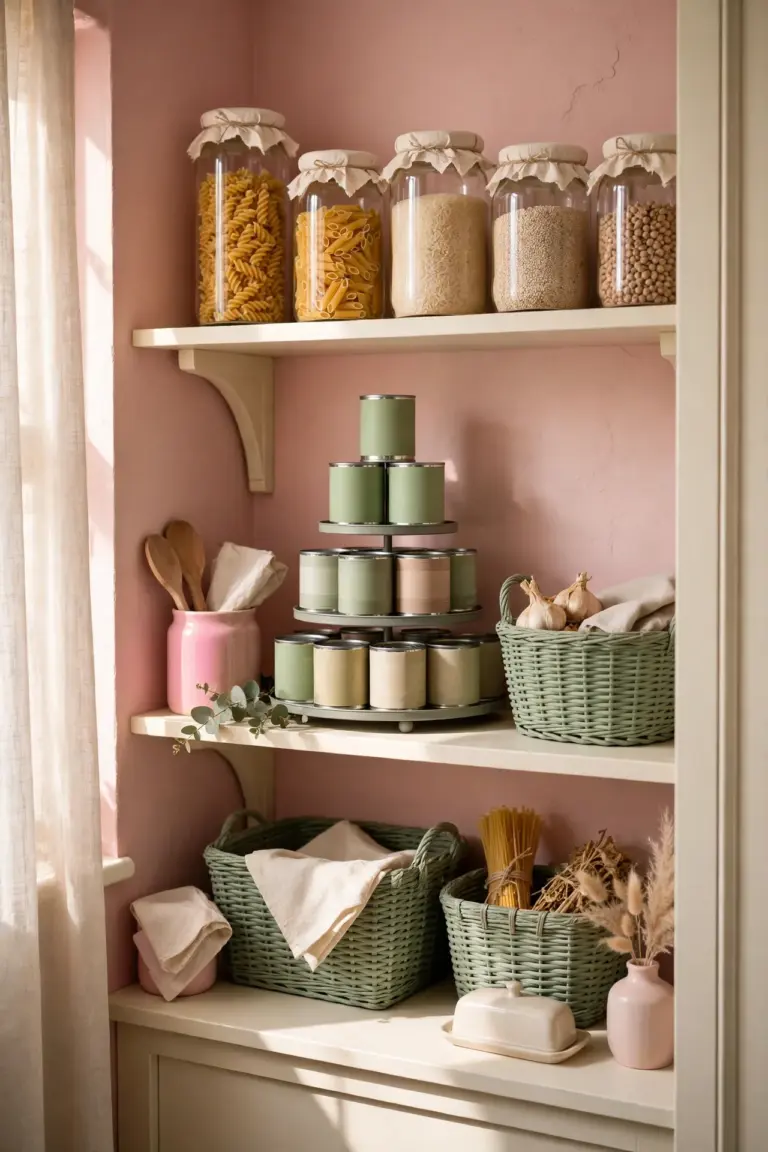
Clear jars turn staple foods into something you can judge with one look. Flour, rice and pasta show their true levels through glass or clear plastic, so you always know when supplies run low. Pantry organization ideas built on visibility stop the habit of buying food you already have at home. Sealed lids also keep staples fresh and safe from pantry moths.
Choose jars with wide mouths that welcome a scoop without spilling. Square jars sit shoulder to shoulder and waste less shelf space than round ones, while round jars suit deep shelves where you pull items forward. Wash and dry every jar fully before filling, and keep the original cooking instructions in a small envelope taped inside the cupboard door if you need them.
Busy home cooks gain the most from jars because daily staples stay visible during fast meal prep. Beginner cooks also benefit, since clear jars make simple ingredients feel approachable rather than hidden in messy bags. Anyone sharing a kitchen with housemates finds jars helpful too, because neat rows mark personal staples clearly without extra furniture or fittings.
Buying every jar in one shopping trip can strain a small budget and leave you with sizes that fit nothing. Start with three or four jars for the staples you use weekly, live with them for a month, and add more slowly. Mismatched saved jars from jam, sauces and pickles work perfectly well while your collection grows.
Labels with dates on every jar
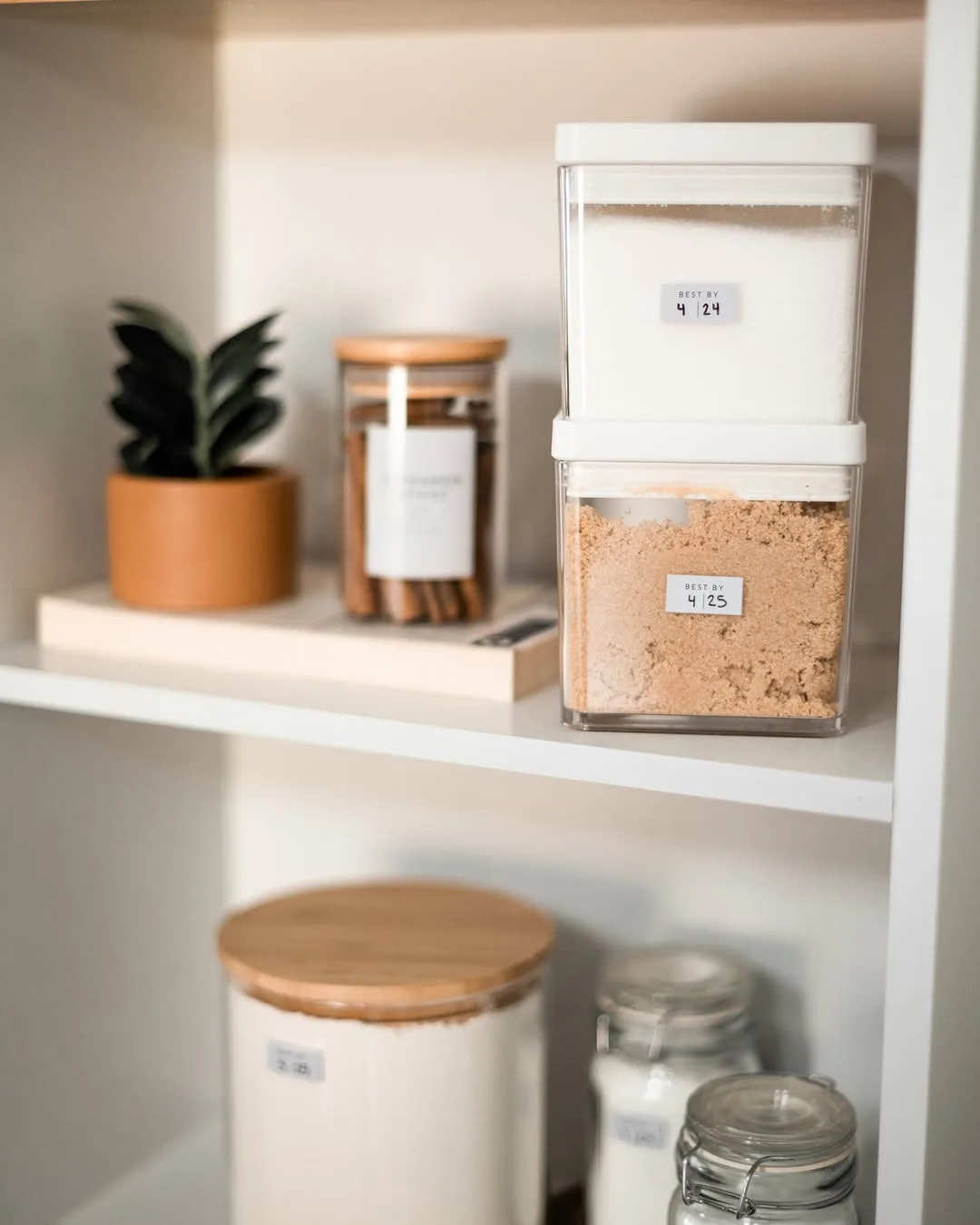
Labels turn plain jars into a system you can trust at speed. Each label carries the food name and the date you filled the jar or the date printed on the packet. Fresh eyes spot older stock first, and nobody has to guess whether white powder means flour, cornflour or baking soda during a busy cooking session.
Write labels in thick marker on masking tape for the cheapest option, or use a small label maker if you own one already. Place every label at the same height so your eyes scan a tidy row instead of hunting around each jar. Add the month and year in big clear numbers, and rewrite labels whenever you refill or swap contents.
Families who bake often gain plenty from dated labels because baking powders lose strength over time. Households that buy staples in bulk also rely on dates, since bulk bags move into jars weeks before use. Anyone cooking for a baby or an older relative can check dates quickly and serve food with confidence.
Skipping dates counts as the biggest label mistake, because names alone tell you nothing about freshness. Another common slip involves pretty script fonts that look lovely online yet prove hard to read in dim pantry light. Plain block letters in dark ink beat decorative writing every single time you need information fast.
Baskets for sauce packets and snacks
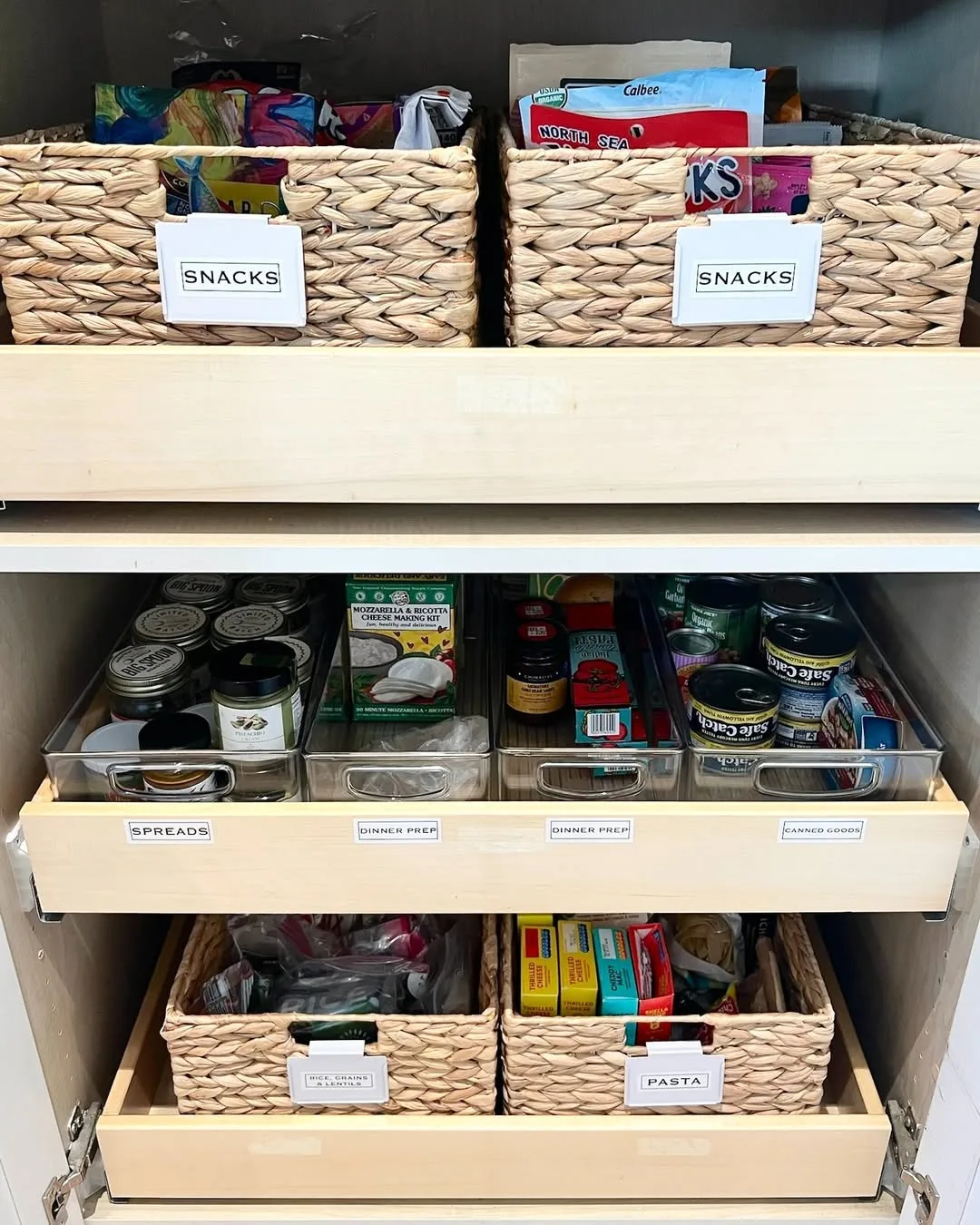
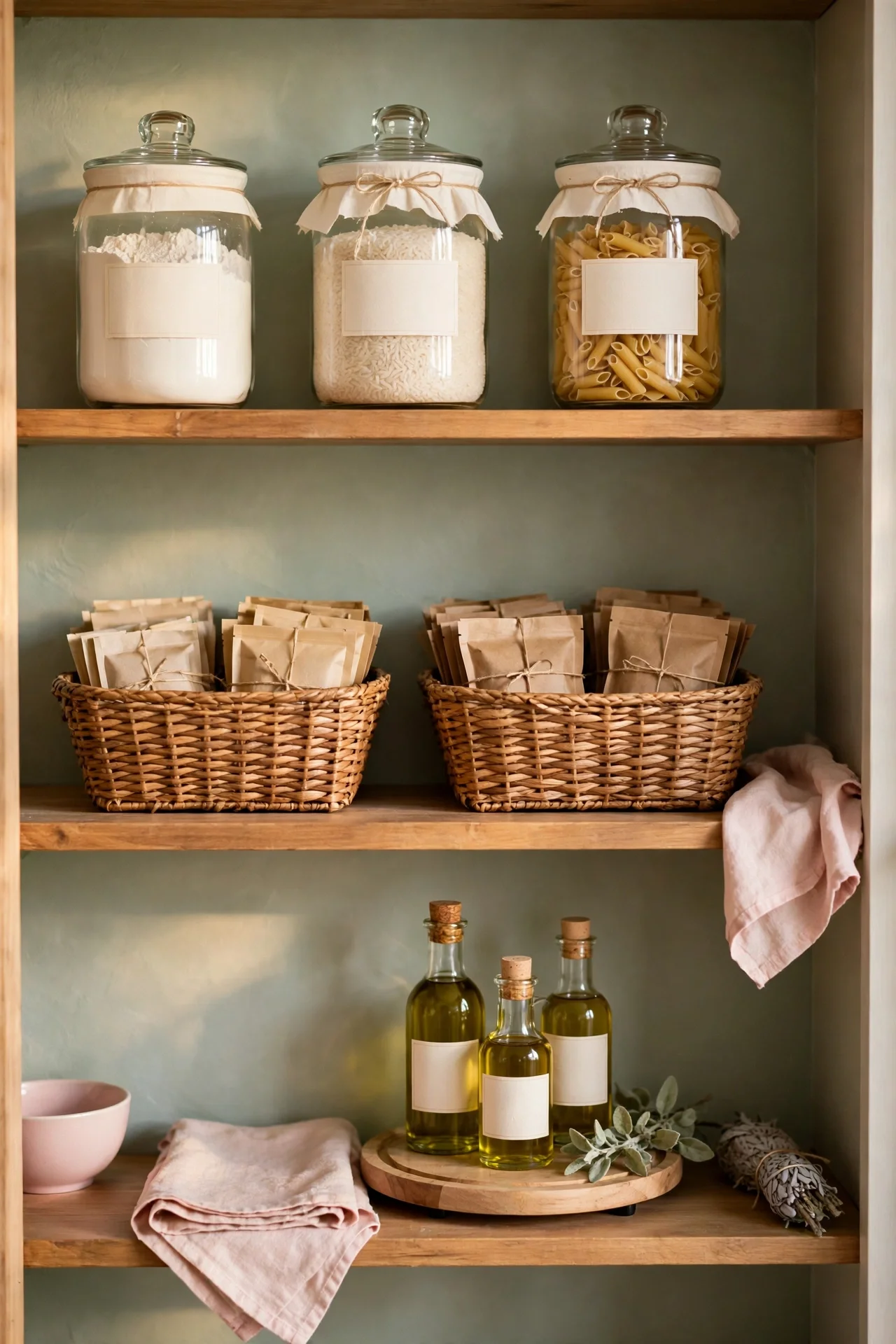
Loose packets slide, tear and vanish behind cans in every busy pantry. One basket gathers sauce mixes, stock cubes, spice sachets and small snack bars into a single spot you can lift out and search. Grouping tiny items together ends the daily rummage through shelves for one small packet hiding at the back.
Measure your shelf depth before buying any basket, and pick sizes that slide out without catching on the shelf above. Open baskets suit items you grab daily, while baskets with handles help on high shelves. Keep one basket for cooking packets and a separate one for snacks so sweet and savoury smells never mingle in soft packaging.
Snack baskets suit school lunch prep especially well because parents can pack boxes quickly in the morning rush. Packet baskets also help anyone who cooks from meal kits or seasoning blends, since every sachet waits in one place. Small pantries gain the most, as baskets use vertical corners that loose packets simply waste.
Overfilling a basket recreates the original mess inside a prettier box. Leave a little space so fingers can flip through packets like pages in a file. Heavy glass bottles never belong in lightweight baskets, and soft baskets sag under cans, so keep baskets for light packets, bars and bags only.
Turntable for oils and sauces
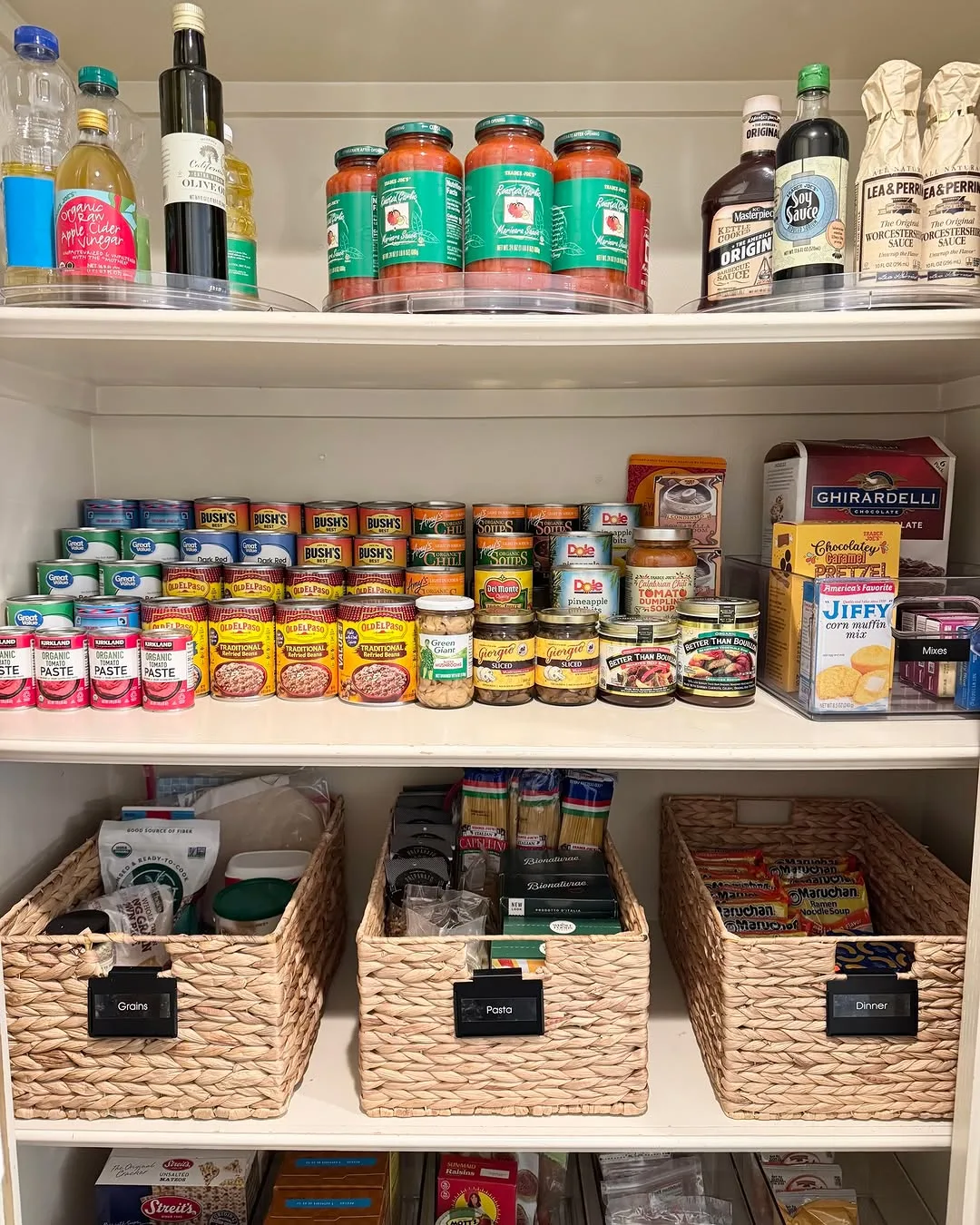
Turntables bring the back row of bottles within easy reach. One slow spin shows every oil, vinegar and sauce you own, so bottles stop hiding behind each other. Corners and deep shelves become useful storage instead of forgotten zones where sticky bottles gather dust and quietly pass their best dates.
Round turntables come in many sizes, so measure your shelf and leave a small gap around the edge for spinning. Models with a raised rim keep bottles steady, and simple plastic versions wash clean in seconds after a spill. Two smaller turntables often serve a long shelf better than one huge circle that wastes the corners beside it.
Tall bottles of oil and sauces suit turntables best because their labels tower above cans and jars. Cooks who enjoy dressings, marinades and stir fry sauces keep many bottles, and a turntable keeps the whole collection in view. Older cooks and anyone with stiff shoulders also appreciate reaching everything without stretching deep into the cupboard.
Loading a turntable with every bottle you own makes spinning heavy and messy. Keep only cooking oils and sauces you use weekly on the circle, and store spare bottles elsewhere. Glass bottles clink as they turn, so leave small gaps between them and spin gently rather than whirling the tray at speed.
Risers that double shelf space
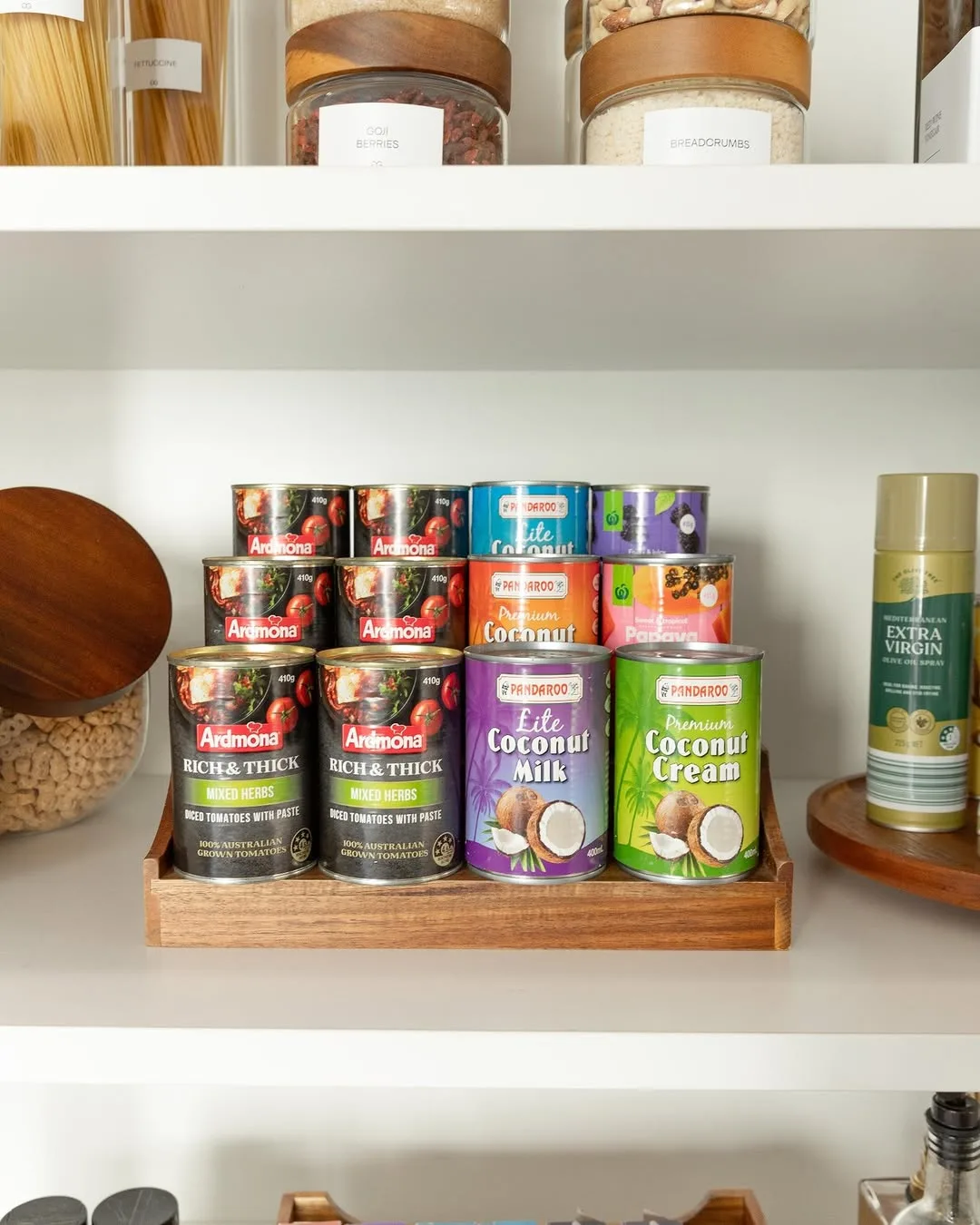
Risers lift the back row of jars and cans up where your eyes can see them. Stepped shelves and simple stacking racks turn one flat shelf into two or three visible levels. Food stops hiding behind taller items, and you gain storage without drilling, building or buying a new cupboard.
Sturdy risers stack cans safely and hold their shape under weight. Measure the height between your shelves first, because a riser plus tall jars may block the shelf above. Narrow risers suit spice jars and small tins, while wide steps hold standard cans and sauce jars. Secondhand shops often stock shelf racks for very little money.
Short jars and spice tins benefit most because they vanish behind cereal boxes on flat shelves. Home bakers use risers for sprinkles, food colours and small flavour bottles that would otherwise scatter. Anyone with a tall pantry cupboard gains extra levels inside space that currently holds only air above short items.
Wobbly risers cause more harm than clutter, since one collapse sends glass jars crashing down. Test each riser with cans before trusting it with glass, and keep the heaviest items on the lowest level. Plastic risers with thin legs bend over time, so choose metal or thick wood whenever your budget allows even a small spend.
Spice rack on the pantry door
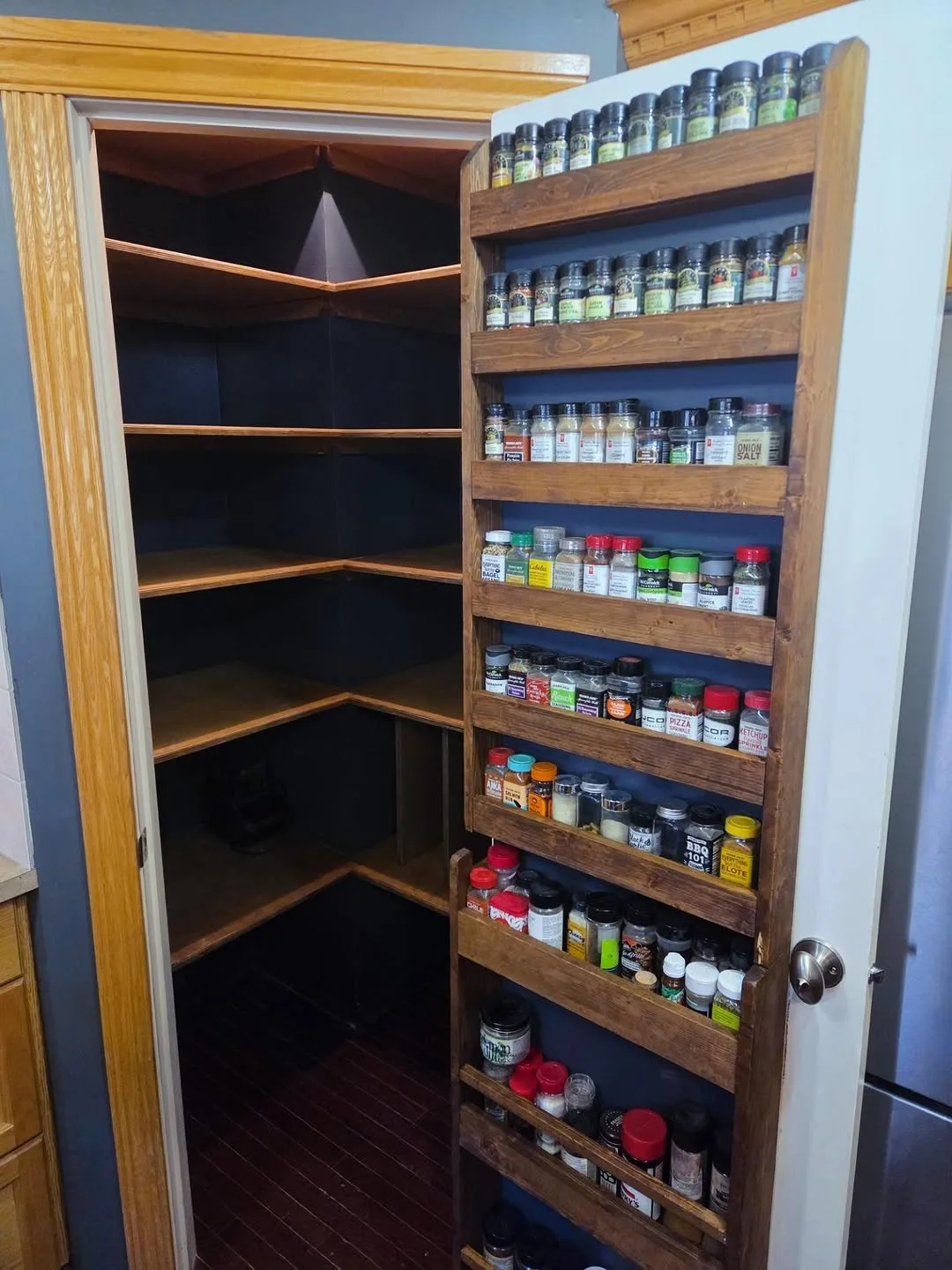
Door space often sits empty while shelves groan under crowded jars. Slim racks mounted inside the pantry door hold spice jars in neat rows at eye level. Every spice shows its label at once, cooking speeds up, and precious shelf room opens for cans, jars and boxes that truly need a flat surface.
Slim racks mount with screws or strong over door hooks, so check that your door still closes smoothly after fitting one. Wire racks let labels show through, and clear pockets suit tiny jars. Sort spices by how often you cook with them, keeping daily favourites at hand height and rare spices higher or lower.
Small spice jars suit door racks best because they weigh little and line up neatly. Keen cooks with large spice collections gain the most, since door storage can hold dozens of jars in one glance. Compact kitchens benefit hugely, as the door becomes a whole extra shelf unit without taking any floor space at all.
Heavy jars belong on shelves, never on a door rack that swings all day. Weight strains hinges, jars rattle with every opening, and glass can chip when bottles knock together. Keep door racks for spices, small packets and light tins, and test the swing of the door slowly after loading each new row.
Zones grouped by meal type
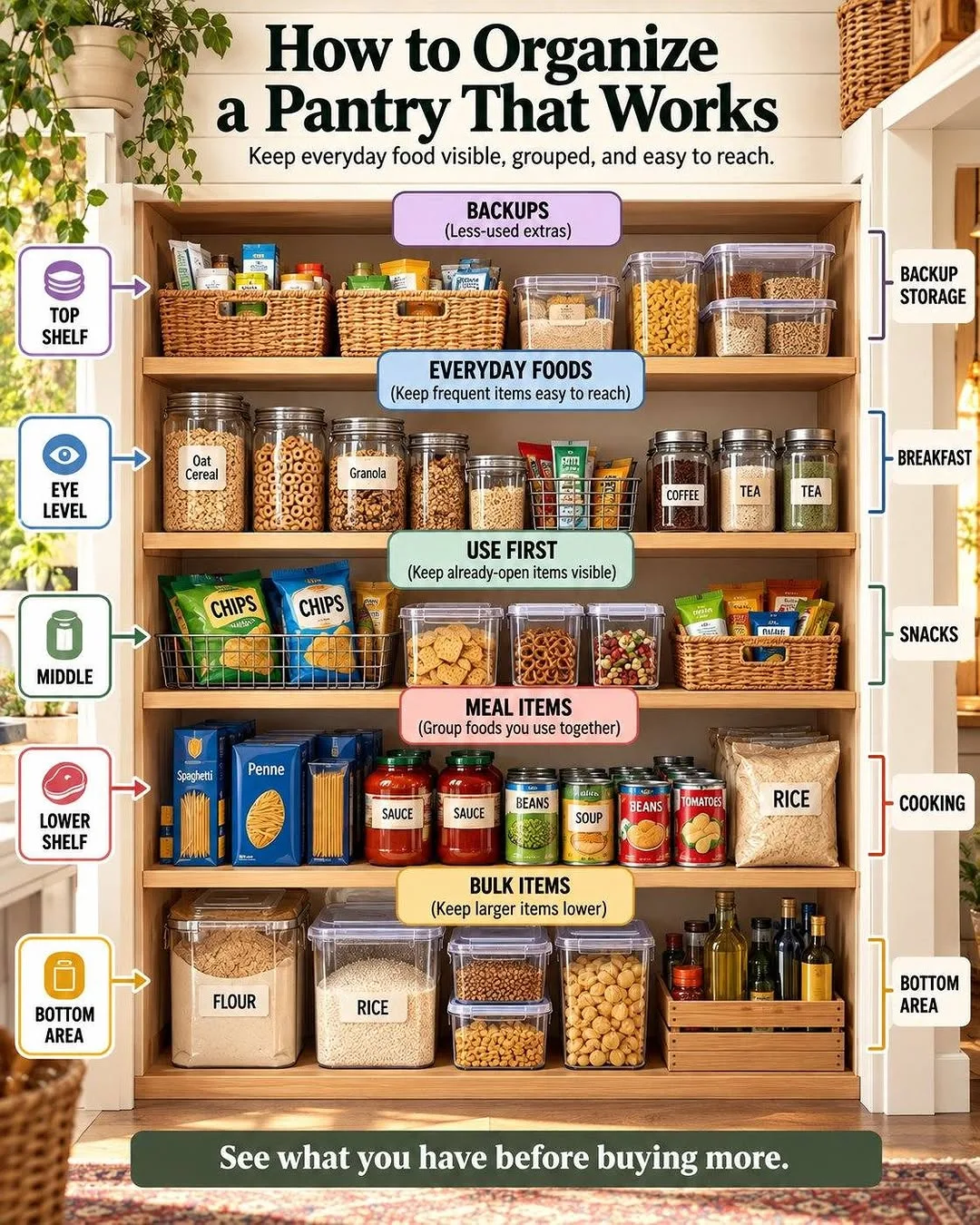
Zones grouped by meal type rank among the simplest pantry organization ideas because they match how you actually cook. Breakfast foods share one area, pasta and sauces share another, and baking supplies gather in a third. Your hands learn the map within days, and meal decisions start from a zone instead of a whole crowded cupboard.
Keep breakfast foods near the front if mornings run fast at your house, with cereals, oats, spreads and coffee in one block. Dinner zones hold pasta, rice, tinned tomatoes and sauces together so a meal nearly plans itself. Baking zones gather flour, sugar, cocoa and raising agents near your mixing bowls if shelf layout allows that pairing.
Weeknight cooks benefit most from zones because dinner comes together without opening every packet in the house. Parents packing lunches also move faster when lunchbox items share one zone they can reach half asleep. New cooks build confidence too, since zones quietly teach which ingredients belong together in real meals.
Zones only work when everyone in the house returns food to the right area. One lazy week of random putting away scrambles the whole map again. Solve drift with small labels on shelf edges naming each zone, and spend two minutes each week nudging stray items back home before the muddle grows roots.
Cans lined in shallow boxes
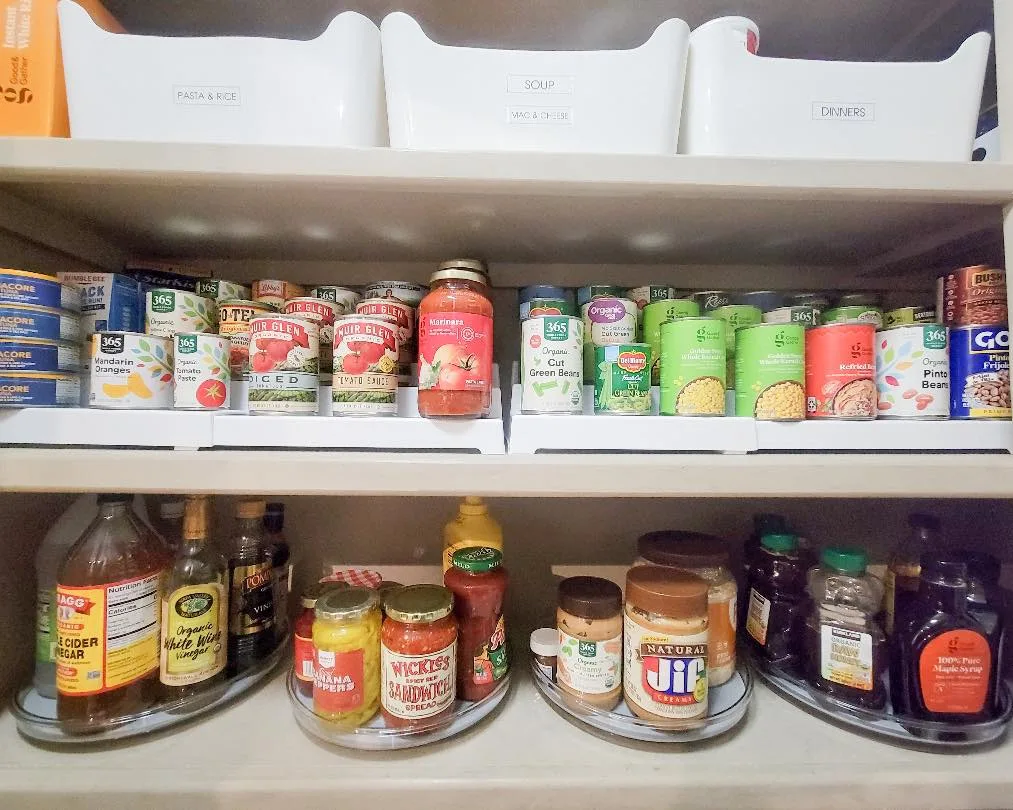
Shallow boxes corral cans into tidy rows that slide out like drawers. Soup, beans and tinned tomatoes sit in single layers where every label faces you. Pull the box forward, take the can you need, and push the box back without toppling a stacked tower of tins behind it.
Cardboard boxes from drinks or fruit trays often fit pantry shelves perfectly and cost nothing at all. Cut the front wall low so labels show while the sides still hold cans in line. Line each box with paper if the cardboard sheds fibres, and replace soggy or torn boxes during your monthly clean.
Soup cans and tinned beans suit shallow boxes best because they share one standard size and stack poorly on their own. Households that batch cook or keep emergency stores also gain order fast. People with deep shelves win the most, since boxes pull the far back row within comfortable reach.
Deep boxes hide small cans and turn into junk pits within weeks. Keep boxes shallow enough that you see every can from above at a glance. Mixing raw ingredients with ready meals in one box also slows cooking, so give soups, vegetables and fruits their own separate boxes whenever space allows.
One bin for baking supplies
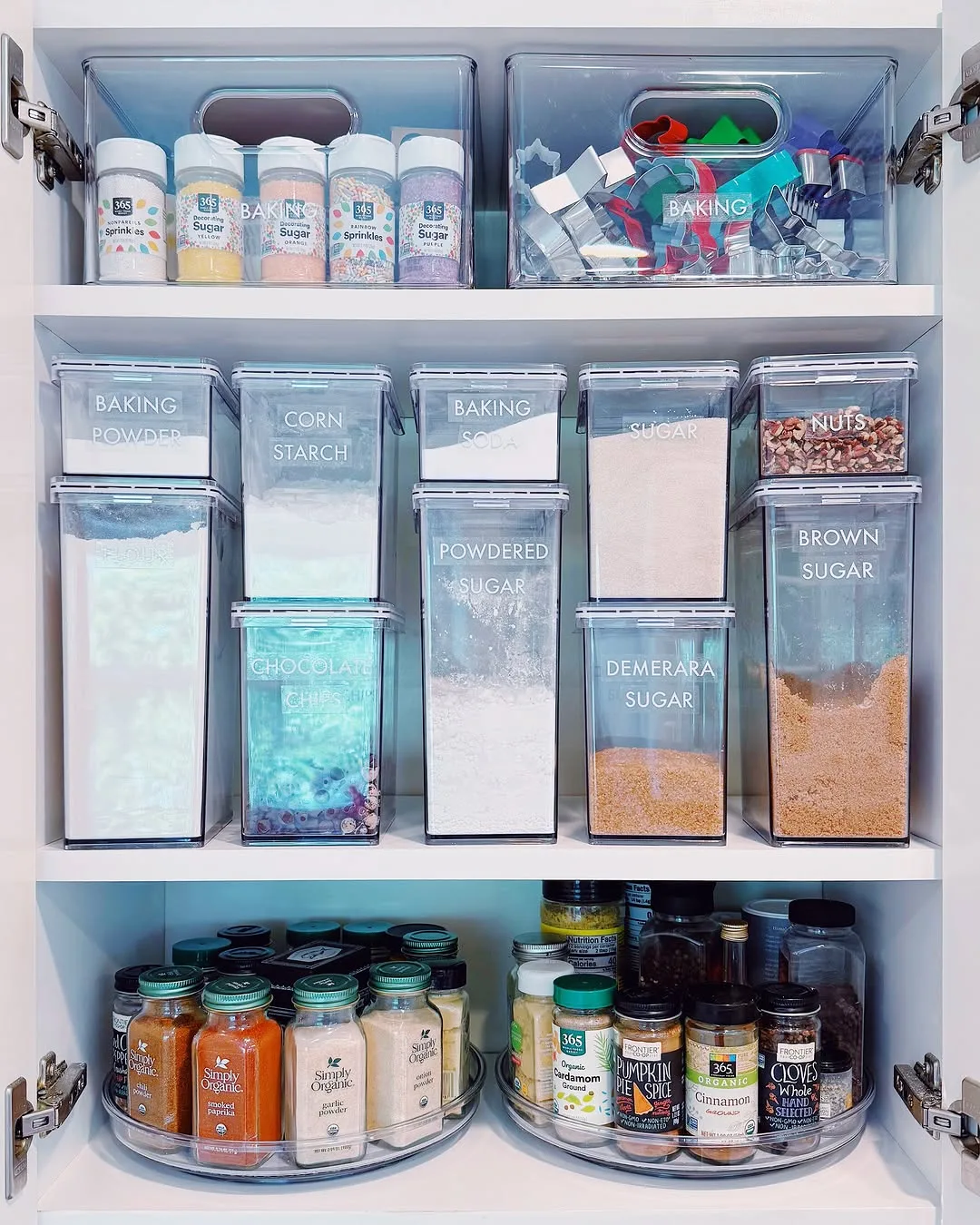
Baking supplies scatter across shelves until one bin gathers them into a single grab and go home. Flour for dusting, sugar, cocoa, baking powder, vanilla and chocolate chips all wait together. Baking day starts with lifting one bin to the counter instead of hunting through five shelves for small packets and half used bags.
Flour dust settles on everything nearby, so choose a bin with a lid that closes firmly. Stand tall items at the back of the bin and small jars at the front where labels show. Keep a small scoop inside for flour and sugar, and wipe the bin out monthly because fine powders creep into every corner.
Weekend bakers and birthday cake makers gain the most from a dedicated bin. Grandparents who bake with grandchildren also love the ritual of lifting down one special box together. Occasional bakers benefit too, because grouped supplies reveal forgotten ingredients like chopped nuts before they turn stale at the back of a shelf.
Storing the bin somewhere dark and damp ruins good supplies quickly. Keep baking ingredients in the coolest, driest part of the pantry, away from onions or strong spices whose smells creep into flour. Check the bin before each bake and move anything close to its date into your next recipe plan.
Low snack basket for kids
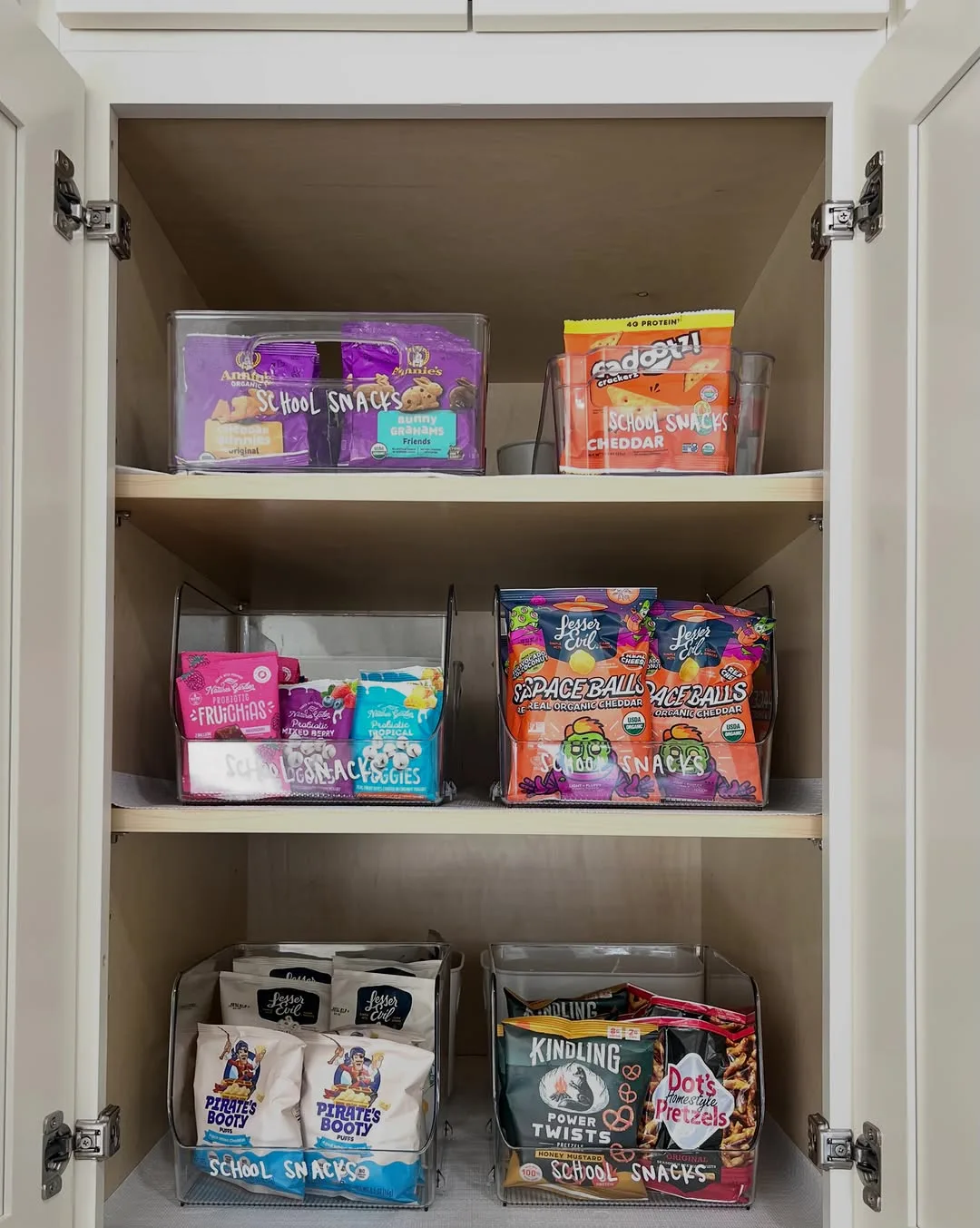
Kids dig through shelves and climb for treats when snacks hide out of reach. One basket placed low gives children independence while keeping the rest of the pantry calm. Fill the basket with approved snacks only, and children can help themselves without toppling jars or begging for help at every hungry moment.
Place the basket at a height small hands reach safely without stools or climbing. Choose a sturdy basket with no sharp edges, and keep portions small so the basket needs regular refills. Fruit bars, raisins, crackers and small rice cakes travel well from basket to school bag or sofa snack time.
School aged children gain healthy independence from choosing their own snack within limits you set. Parents gain quieter afternoons, and grandparents enjoy offering treats without opening cupboards full of cooking ingredients. Families with several children can even assign one basket per child during holidays to end arguments about fair shares.
Refill the basket from a higher adult shelf rather than from the shopping bag each time. Direct filling from shopping teaches children that snacks appear endlessly, and the basket empties in a day. Watch sugary items too, and balance sweet treats with filling options so the basket supports energy instead of constant sugar dips.
Front row for food to use first
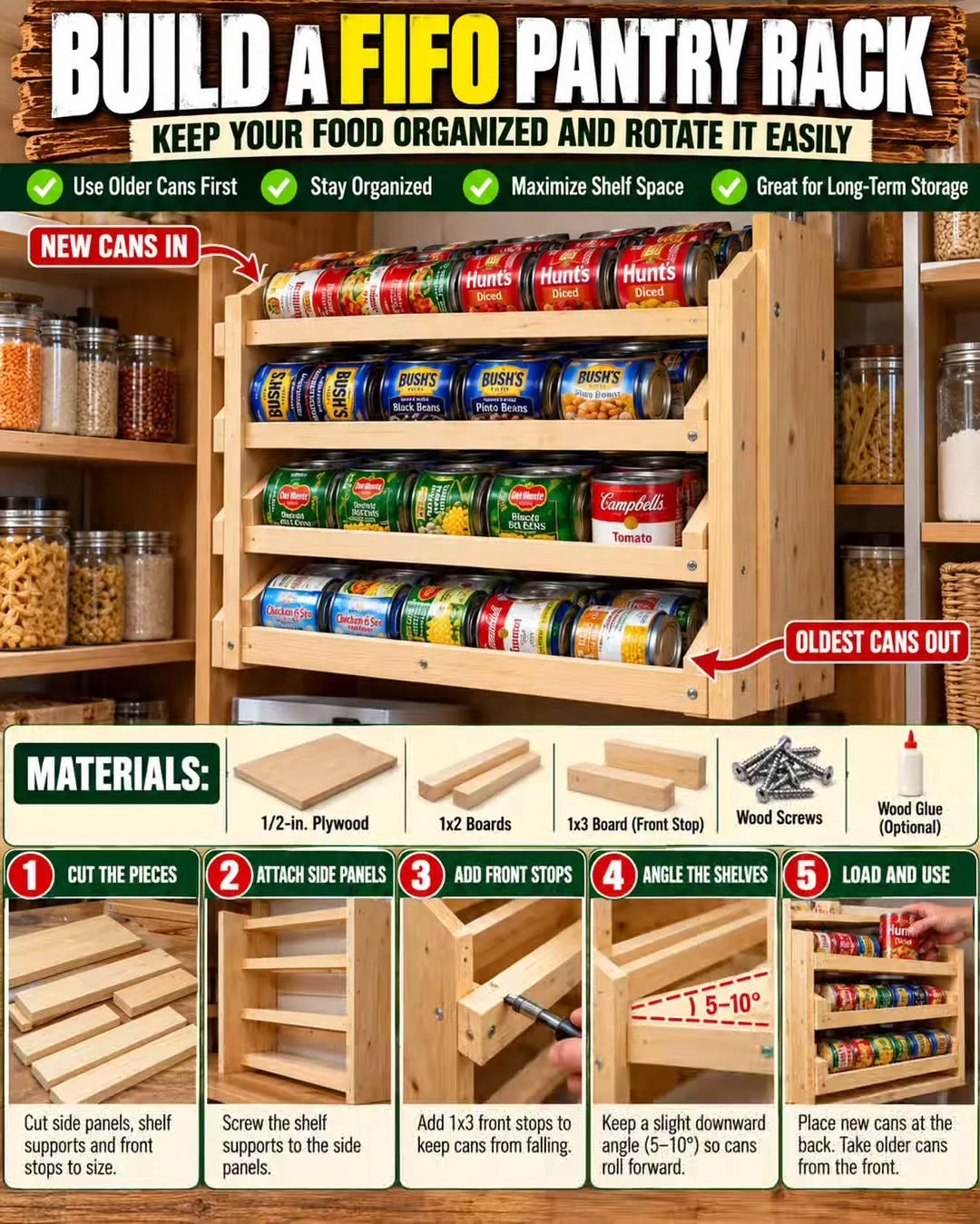
Front row placement may be the cheapest of all pantry organization ideas, because it costs nothing and saves food every week. Older packets, opened bags and near date items move to the front where your eyes land first. Cooking starts with what needs using, and far less food ends its life in the bin.
Move older packets forward every time you unpack shopping, and place new purchases behind them without exception. Keep a small use first area on one shelf end for opened items and anything with a short date. Teach everyone in the house the habit, because one person stacking new food at the front undoes the whole system.
Anyone who shops weekly benefits, since fresh deliveries constantly push older food backward. Large families gain serious savings because their shelves turn over fast and waste hides easily in the crowd. People who hate throwing food away will love watching their bin stay lighter month after month.
Forgetting to rotate stock after a big shop counts as the classic failure here. Set a tiny routine instead: bags down, older food forward, new food behind, door closed. Two minutes during unpacking protects far more money than the effort costs, especially with pricey items like nuts, oils and spices.
Baskets that hang under shelves
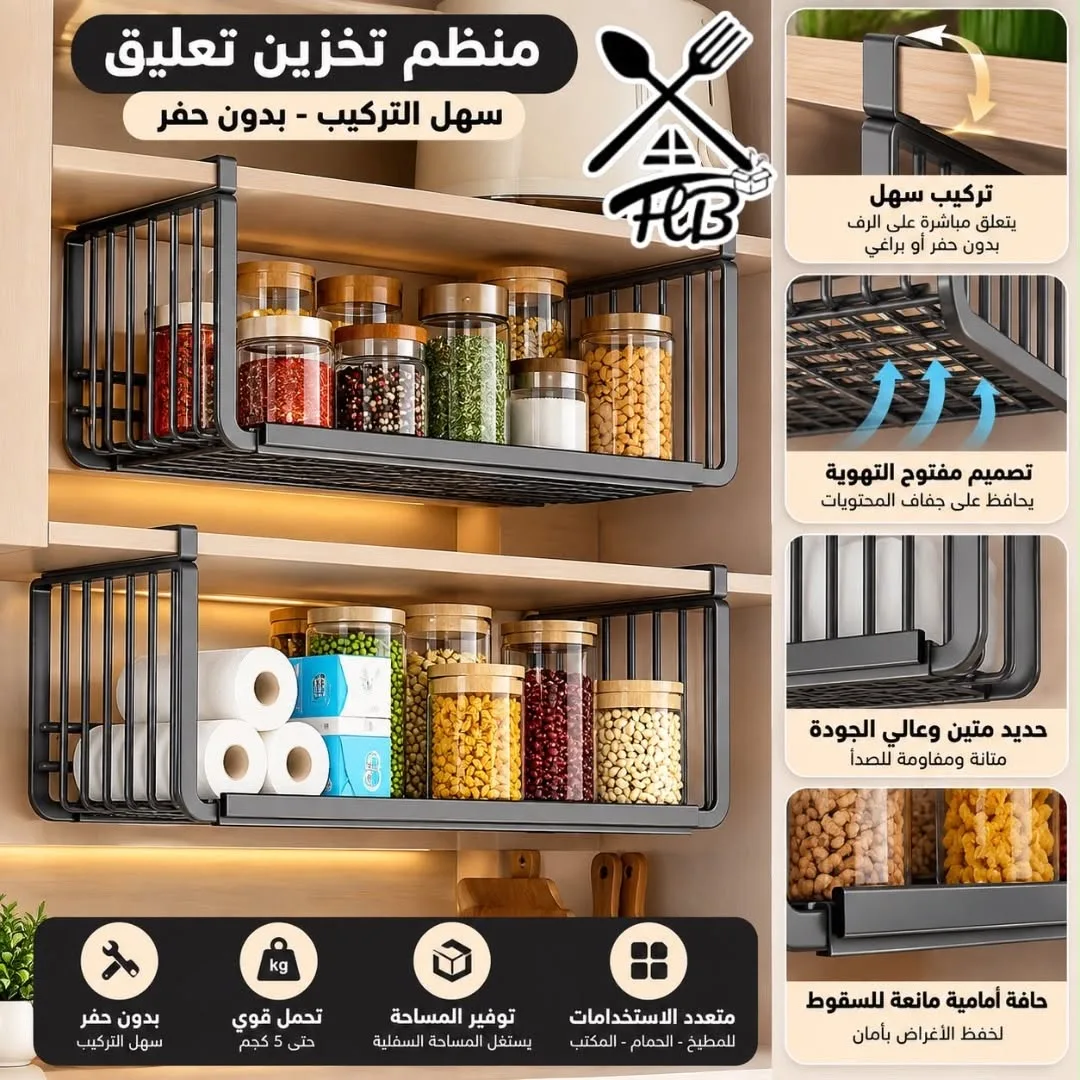
Space under a shelf usually holds nothing but air and dust. Wire baskets hook onto the shelf above and hang below it, creating a bonus level for light items. Bread rolls, wraps, packets and small bags gain a home without stealing room from jars and cans standing on the shelf itself.
Wire baskets hook over most standard shelves without screws or tools. Slide one on, test the fit with a gentle push, and check that the shelf above still holds its load safely. Keep hanging baskets clear of tall jars below so nothing knocks together when you pull items out during busy cooking.
Light items suit hanging baskets best, since heavy loads bend the hooks and strain the shelf. Tortilla wraps, bread, stock cubes and seasoning packets all rest happily in the air. Small pantries with tall gaps between shelves gain the most, because hanging baskets harvest space that shelves alone leave completely unused.
Hanging baskets swing when doors slam or hands grab quickly, and loose items can spill. Load them with soft or boxed goods rather than glass, and leave a small gap between the basket and items below. One basket per shelf section works better than a crowded row that rattles along the whole shelf.
Running list on the inside of the door
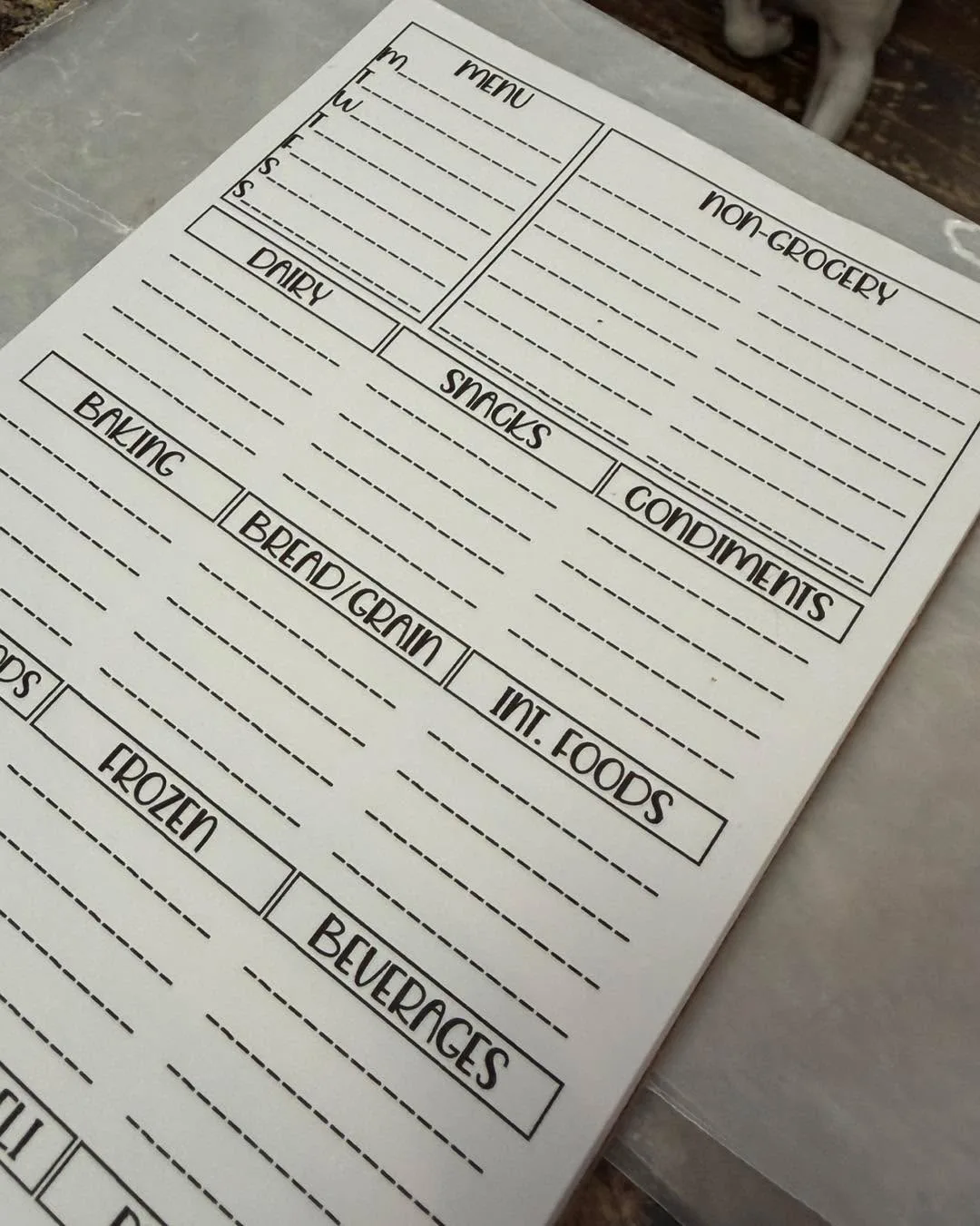
Shopping lists work best when they live exactly where food runs out. Keeping a running list inside the pantry door means the moment you finish the last oats, you write oats down. Memory stops leaking items between the pantry and the shops, and duplicate buying drops because the list reflects real stock.
Stick a small notepad and pencil on the inside of the door with removable strips, or hang a tiny board with a marker. Write items the second you notice supplies running low, not at the end of the day. Keep the list in food groups so shopping flows around the store in the same order you wrote it.
Whoever uses the last of anything owns the job of writing it on the list. Children enjoy adding their snack requests in their own handwriting, and partners stop relying on hints and guesses. Before each shop, one person photographs the list or carries the page, then crosses items off as the trolley fills.
Lists fail when they wander around the kitchen and vanish under school papers. Keep the pad fixed to the door and the pencil tied on a short string so tools never migrate. Review the list monthly as well, and remove treats nobody eats anymore so shopping stays honest and focused.
Bulk bags clipped inside bins
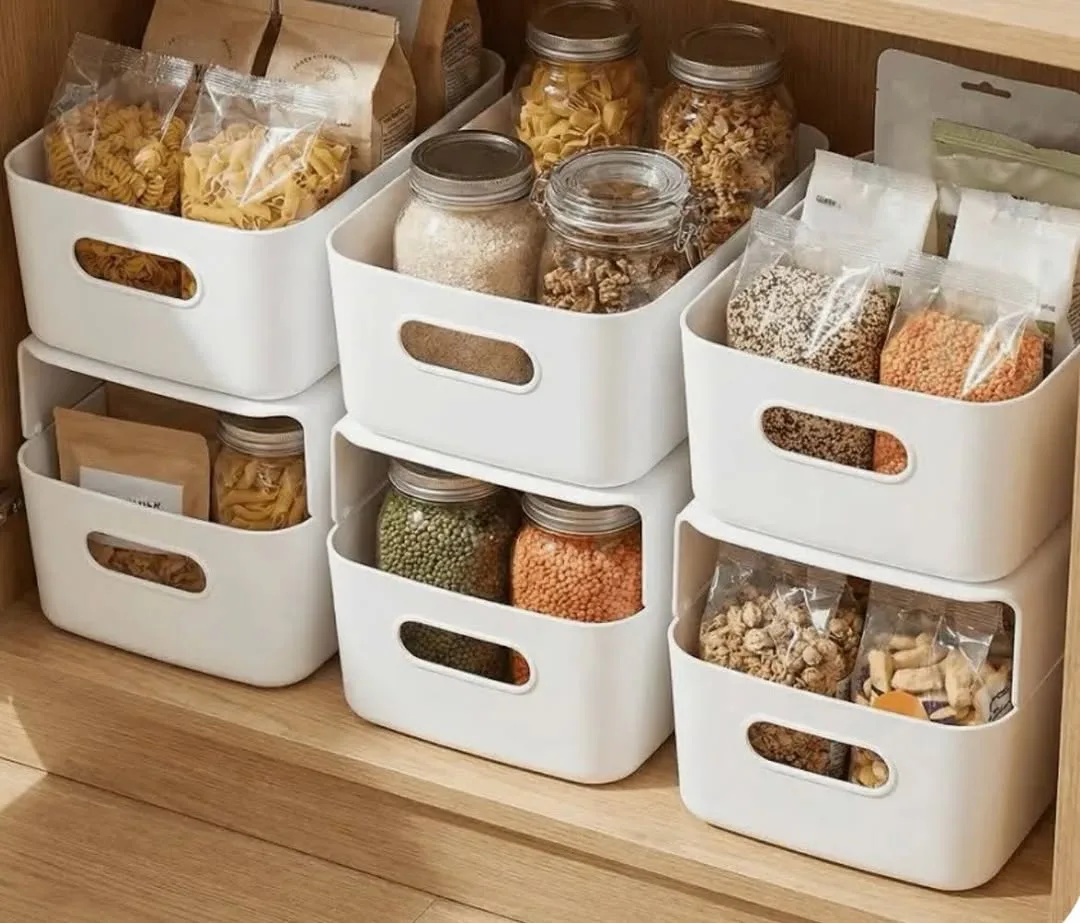
Bulk bags slump, spill and tear open across pantry floors and deep shelves. Standing each open bag inside a sturdy bin with its top clipped shut keeps rice, lentils and pet food tidy and contained. Spills stay inside the bin instead of spreading across the shelf, and scooping becomes calm instead of messy.
Strong clips and simple clothespins seal bag tops well between uses. Fold the bag top down twice before clipping so air stays out and contents stay fresh longer. Label the bin rather than the bag, because bags change often while the bin keeps its job for years of refills.
Rice, lentils and dried beans suit clipped bins perfectly because they pour and scoop daily. Households with dogs or cats also keep pet food fresher in a clipped bin than in a rolled bag on the floor. Bulk shoppers gain order fast, since one bin per staple ends the pile of leaning sacks.
Clips alone cannot rescue food stored warm or damp. Keep bulk bins in the coolest dry corner of the pantry, raised off cold floors where moisture gathers. Check stored grains monthly for any sign of pantry moths, and freeze new bulk flour for a few days if your house battles them often.
Monthly sweep for expired food
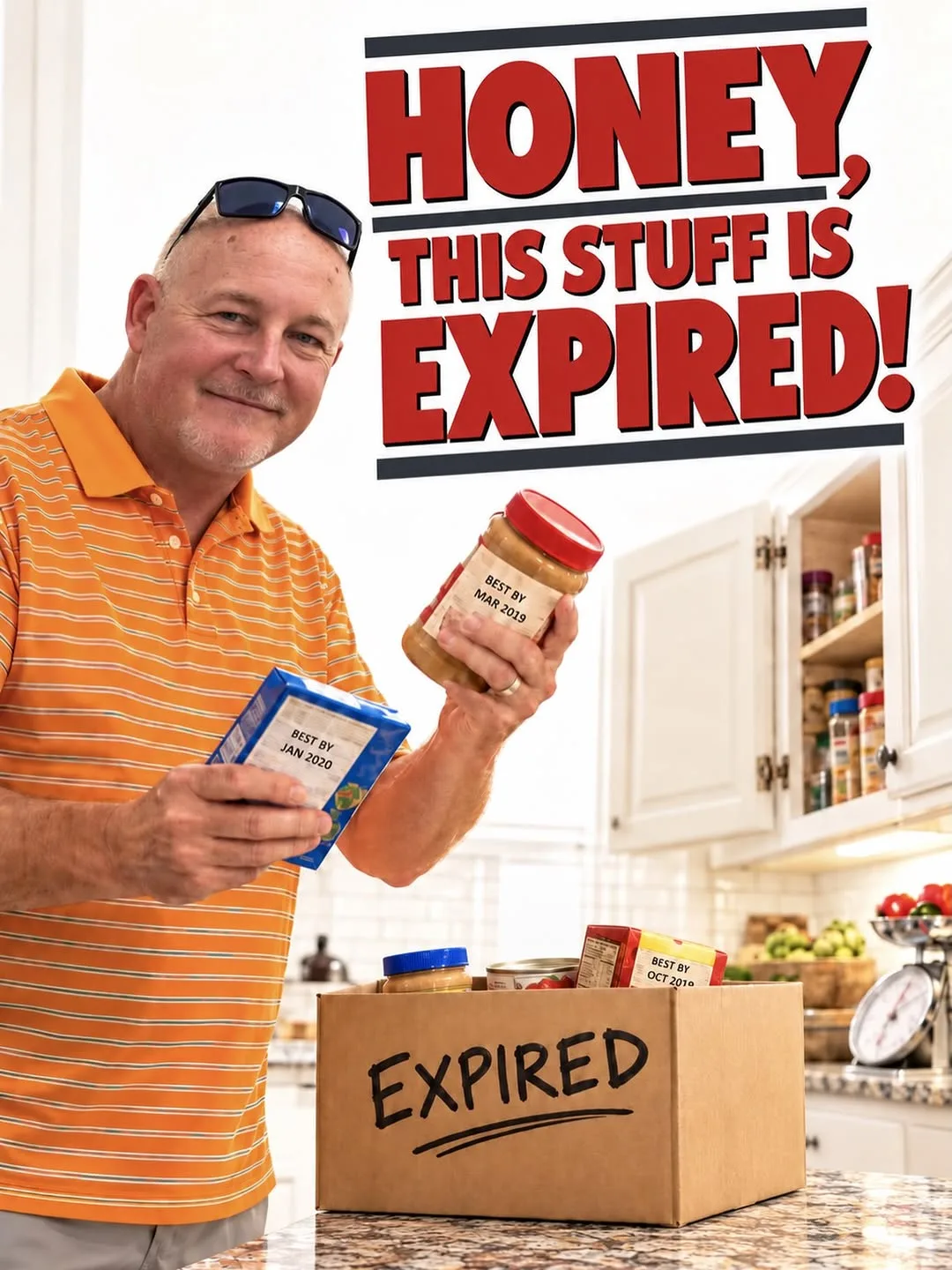
Monthly sweeps keep every other system in this guide honest and safe. Pull each shelf empty in turn, check every date, wipe the shelf, and return only food you will truly eat. Old jars surface before they become science projects, and the whole pantry smells fresher after each short session.
Set aside twenty minutes on the same day each month, perhaps the evening before your biggest shop. Work shelf by shelf with a bin beside you for rubbish and a box for food bank donations. Note anything you threw away, because repeated waste points to buying habits worth changing at the shops.
Families who shop in bulk gain the most from sweeps, since deep stock hides ageing items easily. Anyone with allergies or a medical diet should sweep carefully too, checking labels and dates with extra attention. Small households also benefit, because slow turnover means jars linger far longer than busy families ever allow.
Sweeps feel pointless at first when the first session uncovers plenty of waste. Treat early findings as lessons rather than failures, and let the list of thrown food guide smaller future shops. Skipping months lets clutter rebuild quietly, so protect the habit by pairing the sweep with a treat like baking day.
Common Mistakes to Avoid in a Pantry
Even thoughtful pantry organization ideas fail when the basics slip, and most pantry problems start with buying containers before making a plan. Pretty jars arrive home in the wrong sizes, food stays in bags anyway, and money sits wasted on the shelf. Measure first, group your food, and buy storage last, once real needs show themselves clearly.
Buying matching containers for food you rarely eat wastes both money and prime shelf room. Daily staples deserve the best spots and the sturdiest jars, while rare items can live in simple saved containers at the back. Focus spending where your hands travel every day and let the rest stay plain and practical.
Ignoring dates leads straight to waste and the odd nasty surprise in a sauce or spice. Old baking powder ruins cakes quietly, stale nuts spoil baking, and expired tinned food belongs in the bin for safety. Date checks take seconds during cooking and sweeps, and they protect both your money and your family meals.
Budget Friendly Ways to Organize a Pantry
Strong pantry organization ideas rarely need a shopping trip before they start working. Empty shelves, honest sorting and clear zones cost nothing at all and deliver the biggest visible change. Saved jars, cut down boxes and handwritten labels then finish the job for pennies, proving that order comes from habits far more than from products.
Glass jars from jam, pickles and sauces build a full storage set over a few months of normal cooking. Ask friends and family to save jars for you, and soak labels off in warm soapy water for a clean finish. Cardboard trays from the supermarket stack into free can storage, and leftover wrapping paper can line shelves prettily.
Spend first on labels and a marker, because information saves more food than any container. Add one basket or turntable each month if the budget allows, choosing the helper that fixes your most annoying daily problem. Slow building keeps costs gentle and lets each new piece prove its worth before more money follows.
Pantry Tips That Stop Food Waste
Write dates where your eyes land. Place the filling date on the front of every jar at eye height inside the label, and older food will call out to you each time the door opens during daily cooking.
Shop your shelves before any store. Build each shopping list from a quick pantry scan, and meals will start from food you already own instead of doubling ingredients that wait patiently at home already.
Keep a marker living in the pantry. Store one thick marker beside the labels so dating a new jar takes seconds, and nobody skips the step because the right pen hides somewhere across the kitchen.
Store like with like, always. Return every item to its zone after cooking, even when you feel tired, because two minutes of tidying tonight saves a full shelf rescue at the weekend.
Check dates while dinner cooks. Glance at one shelf of dates during the quiet minutes while pots simmer, and near date food moves into tomorrow meal plans before freshness runs out quietly.
Leave breathing room on every shelf. Crowded shelves hide food and invite spills, so keep a little empty space in each zone and restocking stays visible, calm and far less wasteful for everyone.
Small habits protect every system in this guide far better than any single product. Pantry organization ideas only save money when real life backs them up daily, through quick rotations, honest lists and short monthly sweeps. Start gently, keep the routines tiny, and the shelves will stay friendly long after the first tidy weekend.
FAQ
How long does a full pantry reset take?
Most home pantries need about one hour for a full empty, sort and refill session. Very deep or crowded cupboards can take a whole afternoon, so work shelf by shelf with breaks. Sorting into keep, use soon and throw piles speeds decisions, and labelling jars as they return keeps the new order clear from day one.
Which containers work best for dry goods?
Glass and sturdy plastic containers with tight lids both protect dry goods well. Glass feels heavier and washes beautifully, while plastic suits high shelves and households with small children. Choose wide mouths for easy scooping, and keep sizes consistent where you can so jars stack and line up without wasting precious shelf corners.
How do I keep track of what is inside each jar?
Removable labels solve the tracking problem neatly, since masking tape and chalk labels peel away cleanly at refill time. Write the food name plus the filling date in thick marker for fast reading. Keeping one label style across the whole pantry also helps guests and children find and return items correctly.
What should I organize first in a very small pantry?
Begin with one shelf only, ideally the shelf you use most each day. Clear it, group the food, and give daily staples the front spots before touching anything else. Small wins build confidence, and each finished shelf teaches tricks that make the next shelf faster and easier to sort well.
How often should I check for expired food?
Monthly checks suit most homes and match the sweep rhythm in this guide. Fast moving family pantries can stretch to every six weeks, while bulk buyers should check more often. Tie the check to a regular event like the big monthly shop so the habit never depends on memory alone.
Can I organize a pantry without buying anything new?
Yes, boxes, jars and baskets already hiding around your home can organise nearly everything. Cut down delivery boxes for cans, save glass jars for staples, and use bowls or trays as temporary baskets. Order grows from grouping and labelling, so money can follow later only where a real gap still shows.
Conclusion
Calm shelves prove that pantry organization ideas do not need a big budget or a full weekend to work well. Clear jars, honest dates, simple baskets and steady zones turn daily cooking into a calmer job. Food stays visible, shopping lists stay truthful, and far less good food ends up thrown away each month.
Pick one shelf this week and give it the full treatment, from emptying and wiping to grouping and labelling. Cook from the new shelf for a few days and notice how much faster meals come together. Small proof like that makes the next shelf feel easy rather than like another huge household project.
Over the next month, add one helper at a time and keep the monthly sweep in your calendar. Zones will settle, the running list will fill, and your pantry will quietly start saving you money. Gentle systems maintained little and often beat grand makeovers that fade within a fortnight every single time.