15 Budget Living Room Decor Ideas That Feel Warm and Pulled Together
Many families look at their living room and see a room that works yet feels unfinished, even though the sofa, the chairs and the table still serve everyone well. Good budget living room decor ideas close that gap without a full makeover, new furniture or a large spend in one weekend. Small changes, chosen in the right order, make the whole room feel warmer and more pulled together.
You do not need matching sets, designer labels or a talent for styling to make a living room feel cared for and comfortable. Most welcoming rooms simply combine clear surfaces, soft layers, decent light and a few personal pieces that mean something to the people who live there. Honest effort and a modest budget beat expensive shopping almost every time in a real family home.
Simple steps work best when you plan them around the way your household actually lives, from morning coffee to film nights with children on the floor. Smart budget living room decor ideas focus on walls, textiles, lighting and the pieces you already own before they ask you to buy anything new. Reading through the fifteen ideas below helps you pick two or three strong starting points for your own room.
How can I decorate a living room on a small budget?
Start with the largest surfaces first, because walls, windows and the floor shape how the whole room feels before anyone notices small ornaments. Paint one wall, hang curtains higher and wider, and lay a rug that grounds the seating area. Strong budget living room decor ideas then add layers slowly, using cushions, throws, plants and lamps you buy one at a time as money allows.
Picture a plain room with a grey sofa, bare walls and a single ceiling light that feels flat in the evening. Fresh paint behind the sofa, six framed family photos, two lamps and a soft rug change that room completely for the price of one new armchair. Guests notice warmth and comfort first, and nobody asks what any single piece cost you.
Gallery wall with mixed frames
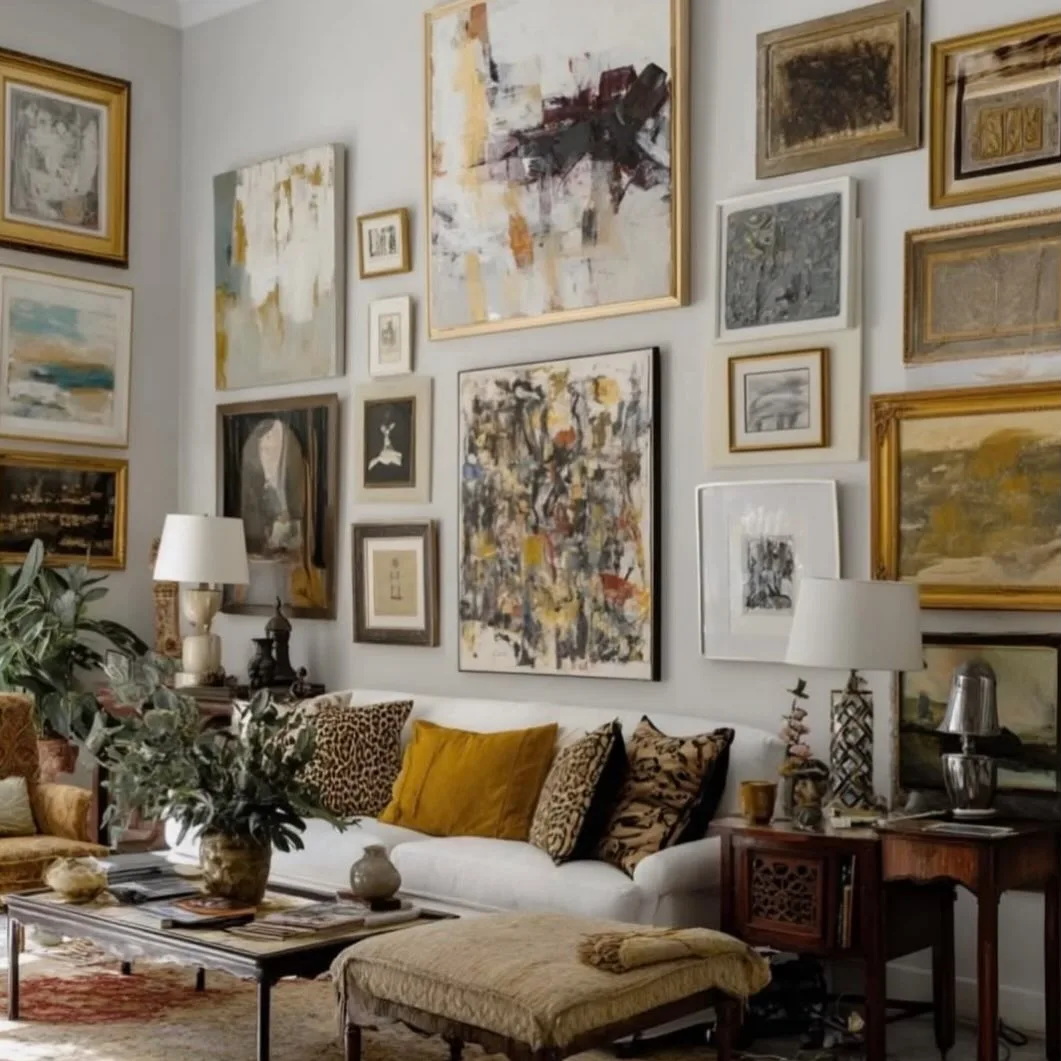
Gallery walls fill a large blank wall for very little money, and they turn family photos, postcards and simple prints into one strong focal point above the sofa. Mixed frames look relaxed rather than matched, so you can gather frames from cupboards, charity shops and discount stores over time. Personal pictures also give guests something real to look at and talk about.
Frames work best in a mix of two or three finishes, such as warm wood, black and one metallic tone repeated across the whole arrangement. Spacing of about two to three inches between frames keeps the group tidy, and the center of the arrangement should sit near eye level from the sofa. Honest budget living room decor ideas often begin here because frames cost little and last for years.
Families with children gain the most from a gallery wall, because school art, holiday snaps and grandparents portraits all earn a place without buying formal artwork. Grandparents, new parents and proud aunties alike enjoy updating one or two frames each season. Swapping a print takes minutes, so the wall grows with your family instead of dating quickly.
Careful planning on the floor saves your wall from stray holes and crooked rows that spoil the finished look. Lay the whole arrangement on the floor first, photograph it, and mark each position with pencil dots before you drill or hammer anything. Skipping the layout step is the mistake that leaves most gallery walls looking scattered instead of collected.
Floating shelves with books and plants
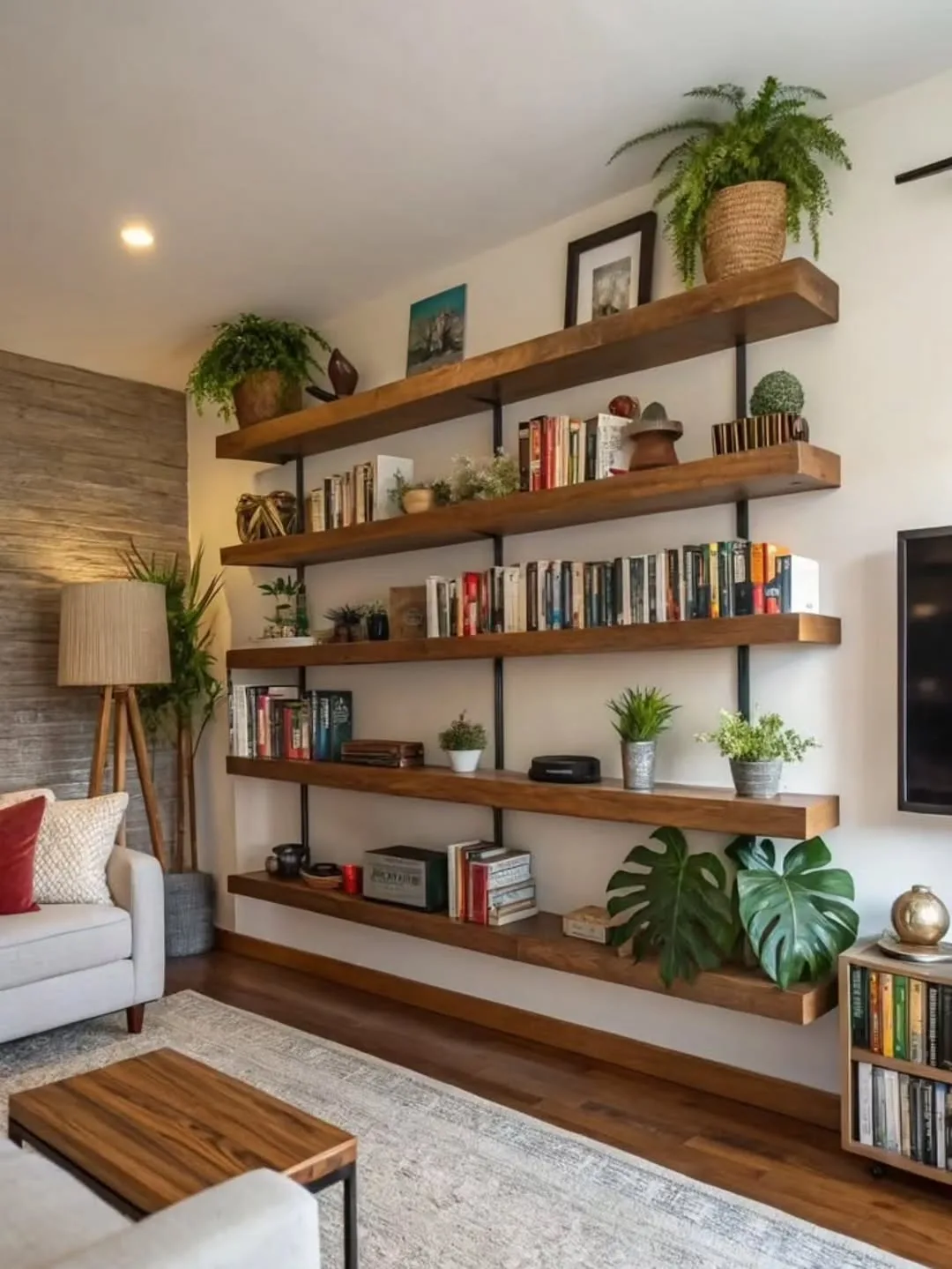
Floating shelves turn an empty stretch of wall into useful display space while the floor below stays clear for walking, playing and cleaning. Books, small plants and pottery sit at eye level where people actually notice them, unlike ornaments hidden in a cabinet. Shelves also suit narrow rooms where a bookcase would eat valuable floor space and make the room feel crowded.
Shelves need solid fixings matched to your wall type, and each shelf should hold less weight than the brackets allow, with heavy books placed near the ends above the supports. Boards around one to two inches thick look sturdy and hold everyday items without sagging over time. Wiping the boards weekly keeps dust from dulling the display, since open shelves show dust quickly under lamplight.
Small living rooms benefit most from floating shelves, especially rooms where the television takes the main wall and storage furniture feels bulky. One shelf above a reading chair holds a lamp, a plant and a short stack of books within easy reach. Hallway walls beside the living room door also work well, carrying the same style through the home.
Overloading shelves with every ornament you own makes the wall look like storage rather than decor, and heavy loads strain fixings over time. Group items in threes, leave breathing space between groups, and store the rest in a cupboard for rotation later. Checking fixings twice a year keeps shelves safe in busy homes with children and pets moving underneath.
Decorative wall panels in soft colors
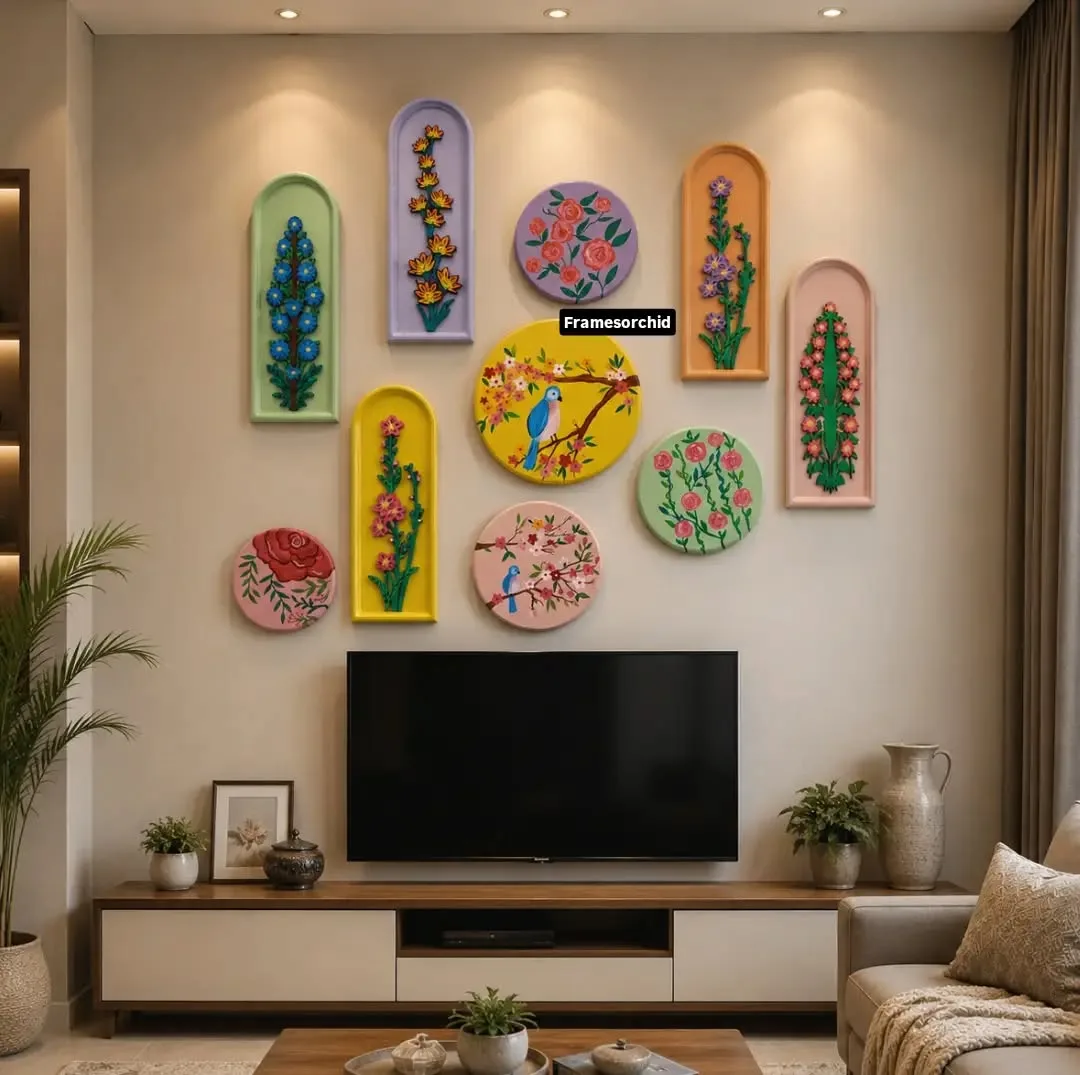
Soft panels add depth and shadow to a flat wall, which makes plain paint look richer without patterned wallpaper or busy prints competing with your furniture. Panels in cream, sage or pale blush calm a room and suit both modern and traditional sofas. Gentle color also hides minor scuffs better than bright white, so busy family walls stay looking fresh for longer.
Panels come as wooden battens, moulding strips that form rectangles, or fabric covered boards you fix in a row behind the sofa or around the television. Paint every panel the same color as the wall for a calm, built in look, or choose one shade deeper for gentle contrast. Measuring each section and using a level keeps lines straight, which matters more than expensive materials here.
Quiet reading corners and television walls gain the most from panels, because the texture sits in your eyeline for hours each day. Panels also help large open rooms feel divided into zones without screens or extra furniture. Choosing one wall only keeps the project affordable and stops the room from feeling boxed in by texture on every side.
Measuring once and cutting in a hurry is the mistake that leaves gaps at corners and uneven rectangles you notice every evening. Measure twice, mark lines in pencil, and step back to check the layout from the doorway before fixing anything. Filling small gaps and sanding joints before painting gives cheap materials a finished, professional looking result.
Painted accent wall behind the sofa
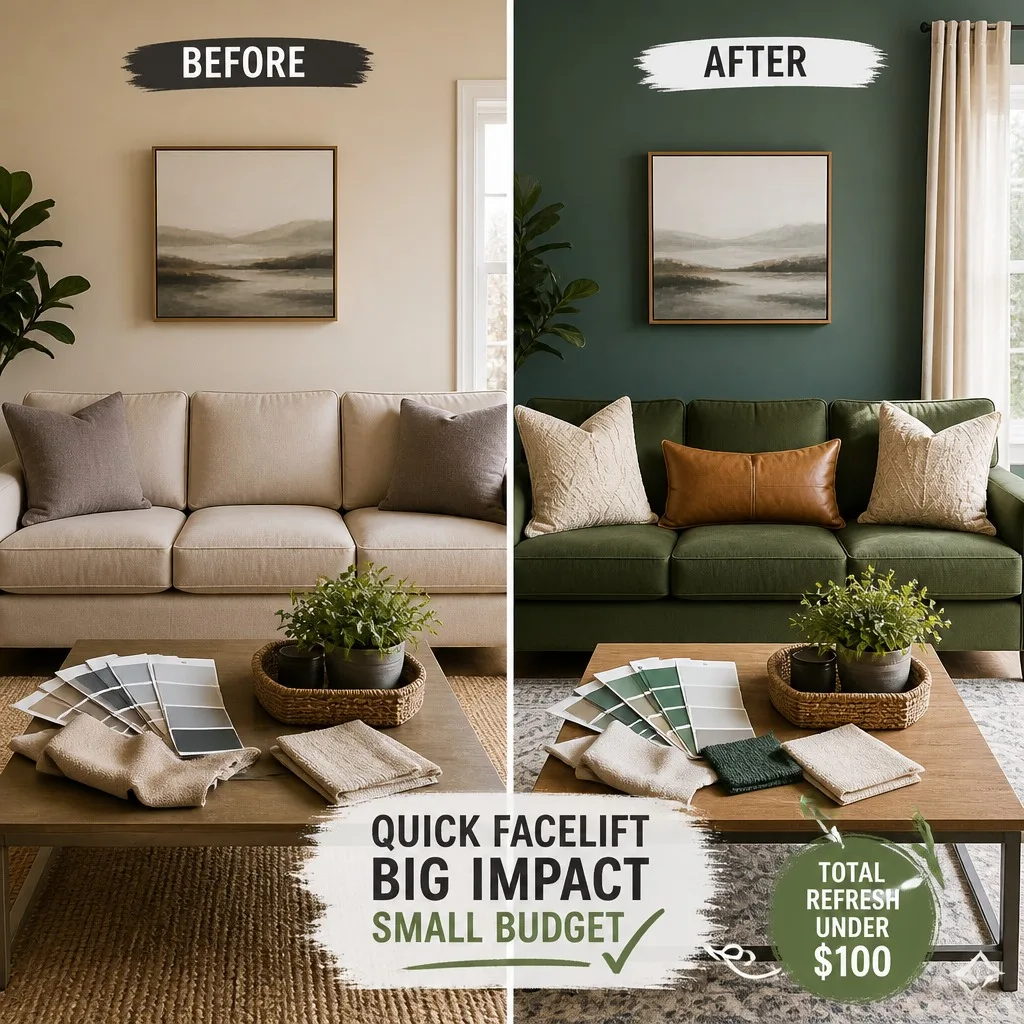
Paint changes the mood of a room faster and cheaper than almost any other project, and one accent wall behind the sofa gives the whole seating area a clear backdrop. Deep sage, warm terracotta or soft navy makes light colored sofas look crisp and deliberate. One wall needs only a small tin of paint, so the project suits a single weekend and a tight budget.
Color choice matters more than paint price, so test large swatches on the wall and watch them in morning and evening light before you commit. Warm colors make large rooms feel closer and cosier, while cooler shades calm bright rooms that get strong sun. Painting the skirting board the same color as the wall creates a clean, modern line that looks planned.
Sofas placed against the longest wall suit an accent color best, because the wall frames the seating like a picture and anchors the rug and coffee table in front. Rooms with plain white walls everywhere gain instant character from this single change. Adding two cushion covers in a related shade ties the wall to the furniture without more painting.
Testing paint only on a tiny card often misleads people, because small samples look darker once they cover a whole wall. Paint a patch at least as wide as a cushion, live with it for two days, and check it beside your sofa fabric and curtains. Rushing this step leads to repainting, which doubles the cost of a budget project.
Colorful cushion covers on a plain sofa
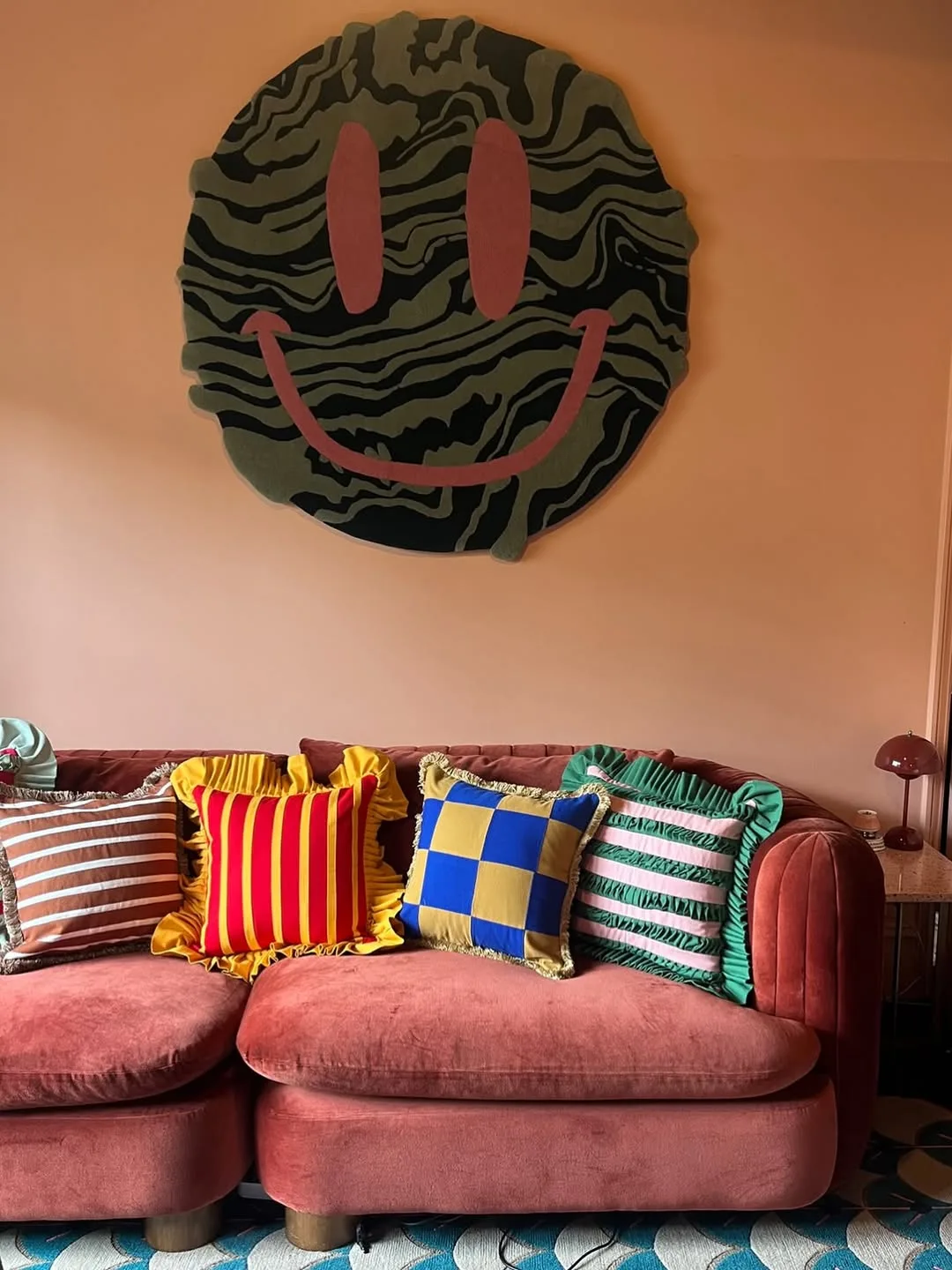
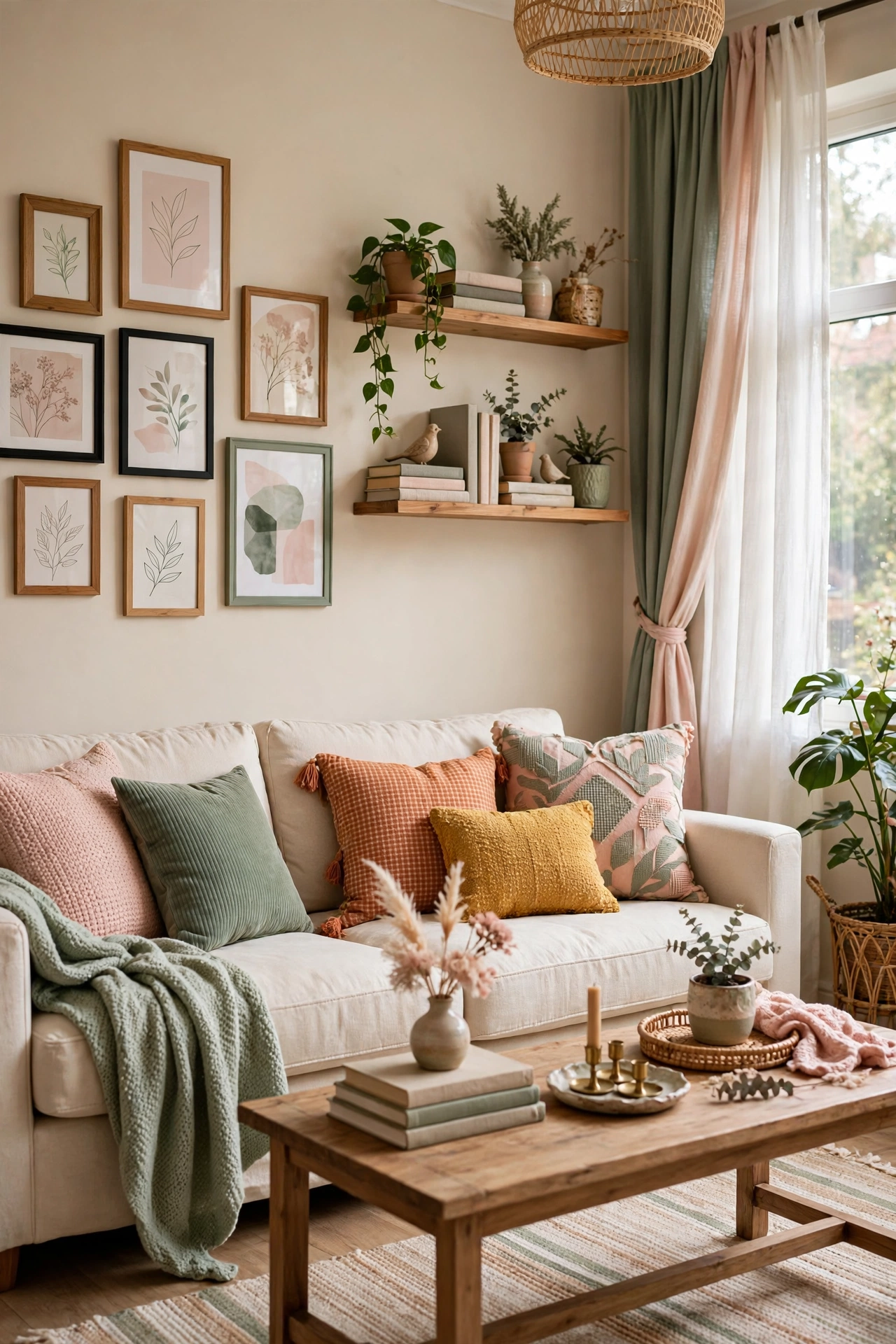
Cushions bring color to a plain sofa in minutes, and removable covers cost a fraction of new upholstery while letting you change the look each season. Bright covers cheer up beige, grey and cream sofas that still feel comfortable but look tired. Covers also come off for washing, which matters in homes with children, pets and regular snack trays.
Plain sofas take patterns best, so mix one striped cover, one small print and two solid colors that echo your rug or curtains. Odd numbers look relaxed, so groups of three or five cushions suit most sofas better than stiff pairs. Sizes around eighteen to twenty inches fill standard sofas well, and firm inserts keep shapes plump instead of flat and sad.
Seasonal refreshes become easy with covers, since one set in warm rust and mustard suits autumn while pale blue and lemon lift the same sofa in spring. Many budget living room decor ideas rely on this swap because storage needs only a drawer, and covers fold flat between seasons. Guests often assume the sofa itself is new after a simple cover change.
Bold colors on every cushion at once can fight with each other and make the sofa look messy rather than cheerful. Pick one strong color, support it with neutrals, and repeat that color in one other place, such as a throw or a vase. Keeping two spare covers folded away also helps when spills happen during parties or film nights.
Textured cushions in neutral shades
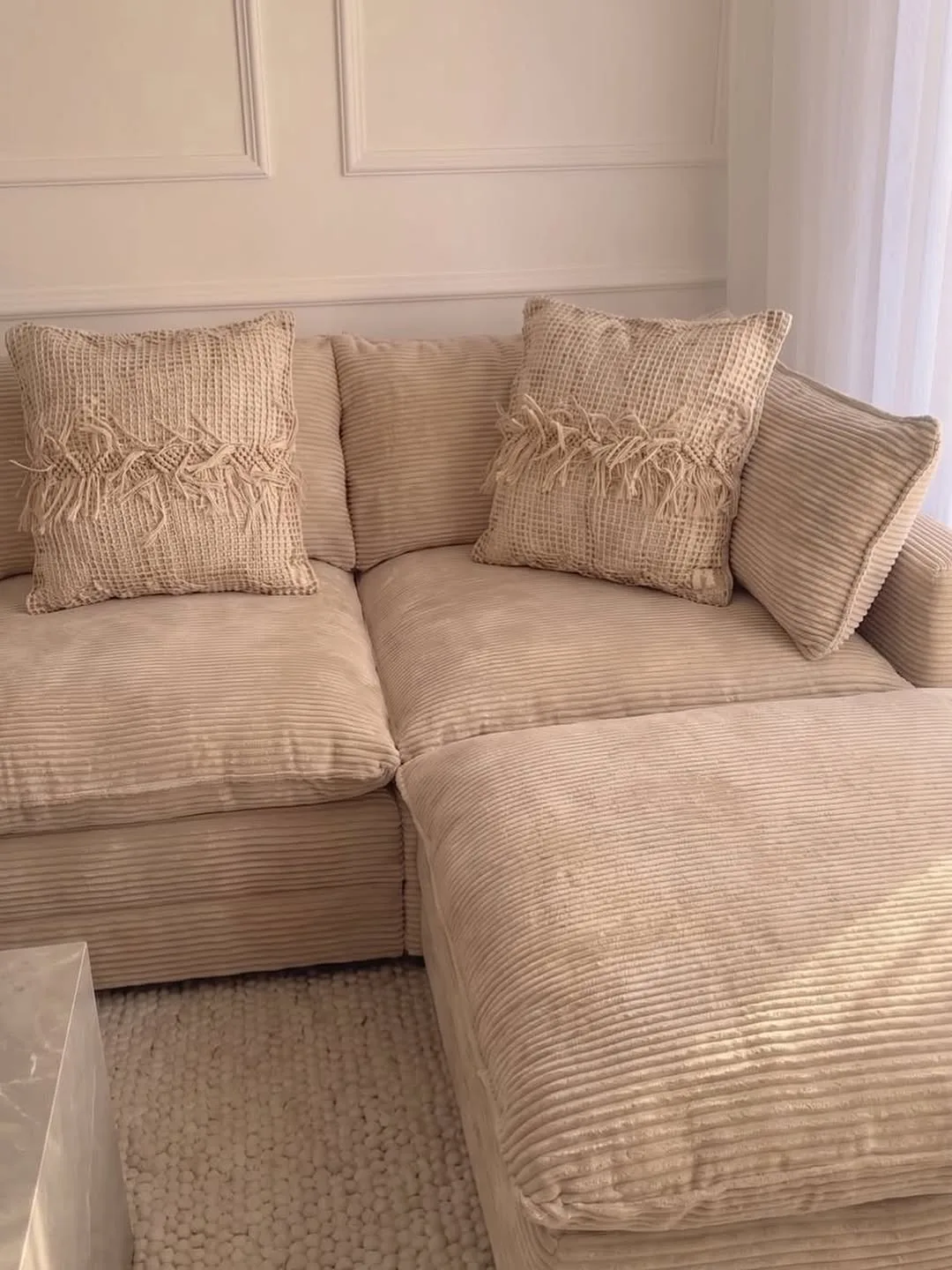
Neutral cushions in linen, cotton, wool and woven fabrics add warmth without adding color, which suits rooms that already carry pattern in the rug or curtains. Texture catches light and shadow across the sofa, so a calm palette still feels rich and layered. Neutral shades also move easily between rooms when you restyle, giving each cushion a longer working life.
Texture works best when each cushion feels different to the hand, such as one smooth linen, one chunky knit and one with a woven stripe or gentle fringe. Cream, oatmeal, stone and soft grey mix happily as long as the tones stay warm or cool together. Plumping cushions daily and turning them weekly keeps fillings even and covers wearing at the same slow rate.
Calm schemes suit this idea best, especially Scandinavian and country styles where wood, plants and natural fabrics carry the interest. Neutral cushions also calm a room where children toys and books already bring plenty of bright color into view. Hosts who tire of trends quickly gain a base that accepts one colorful throw when they fancy a change.
Piling on too many cushions pushes people to move them onto the floor before sitting down, which defeats the comfort they should bring. Leave seat space for real people, aiming for two cushions per seat at most on a family sofa. Choosing covers without zips or buttons also avoids scratchy backs against bare arms in summer.
Throw blanket draped over the sofa arm
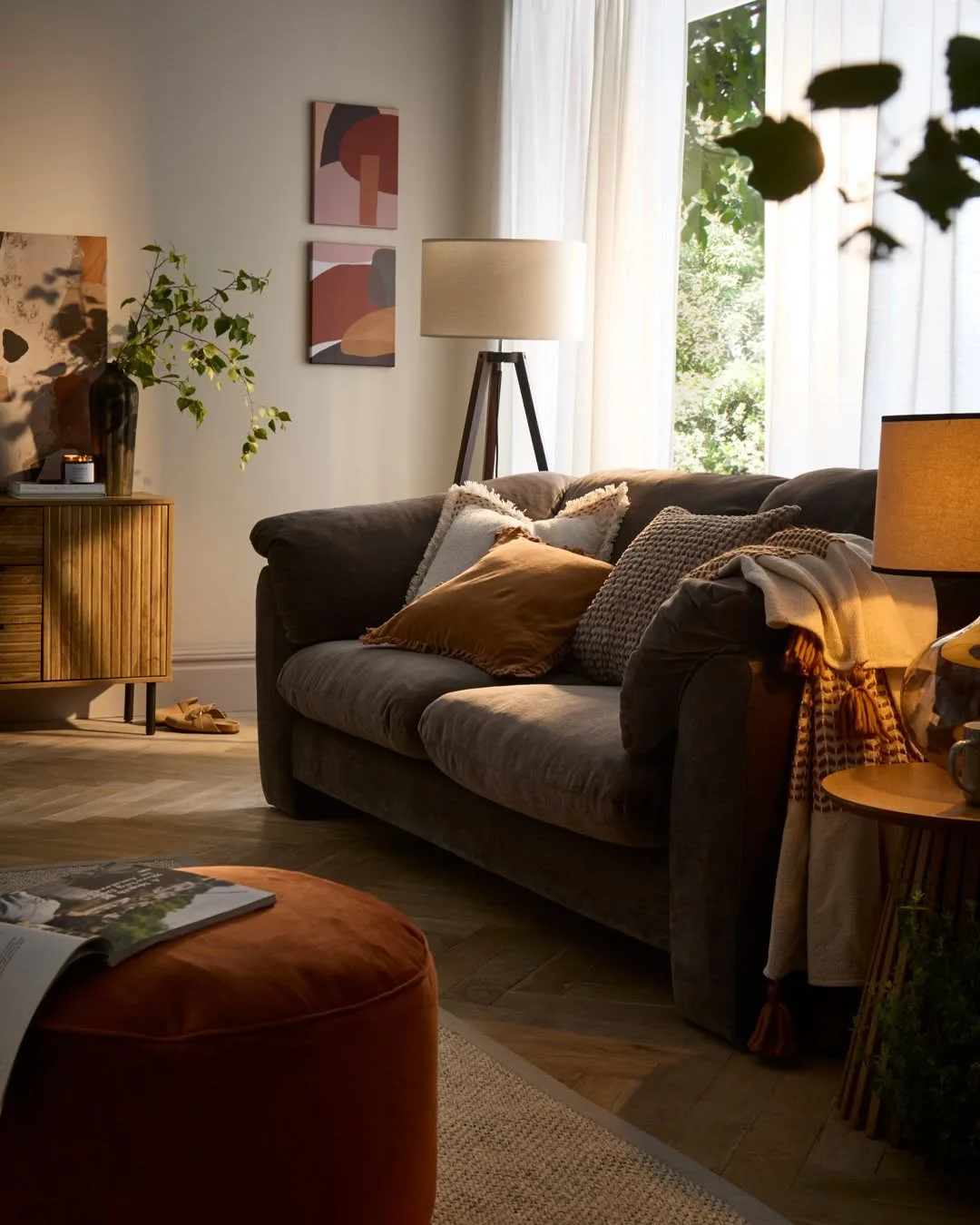
One good throw softens the hard lines of a sofa arm, adds a layer of color and waits ready for anyone who feels chilly in the evening. Draping takes seconds, yet the result looks deliberate when the throw echoes a color from your rug or artwork. Throws also protect sofa arms, which usually wear and fade faster than the rest of the fabric.
Fabric choice decides how a throw behaves, since cotton drapes neatly, wool feels warm in winter and knitted styles fold with soft, casual edges. Fold long throws into thirds lengthwise for a tidy band of color, or let a short throw fall loosely for a relaxed look. Washing throws monthly keeps them fresh, because arms and shoulders touch them every single day.
Evenings suit throws best, when families gather for television, reading and board games and the room cools down after dinner. Throws also welcome overnight guests who sleep on the sofa, turning a plain bed setup into something that feels prepared. Keeping one spare throw in a basket means nobody fights over the warmest seat covering.
Washing throws with towels or rough laundry dulls soft fibres and leaves bobbles that make even new throws look old within months. Wash throws gently, dry them flat or on a line, and store summer throws in a drawer so sunlight cannot fade one folded stripe. Neglecting care turns a cheap throw into a yearly replacement cost.
Styled coffee table with books and a tray
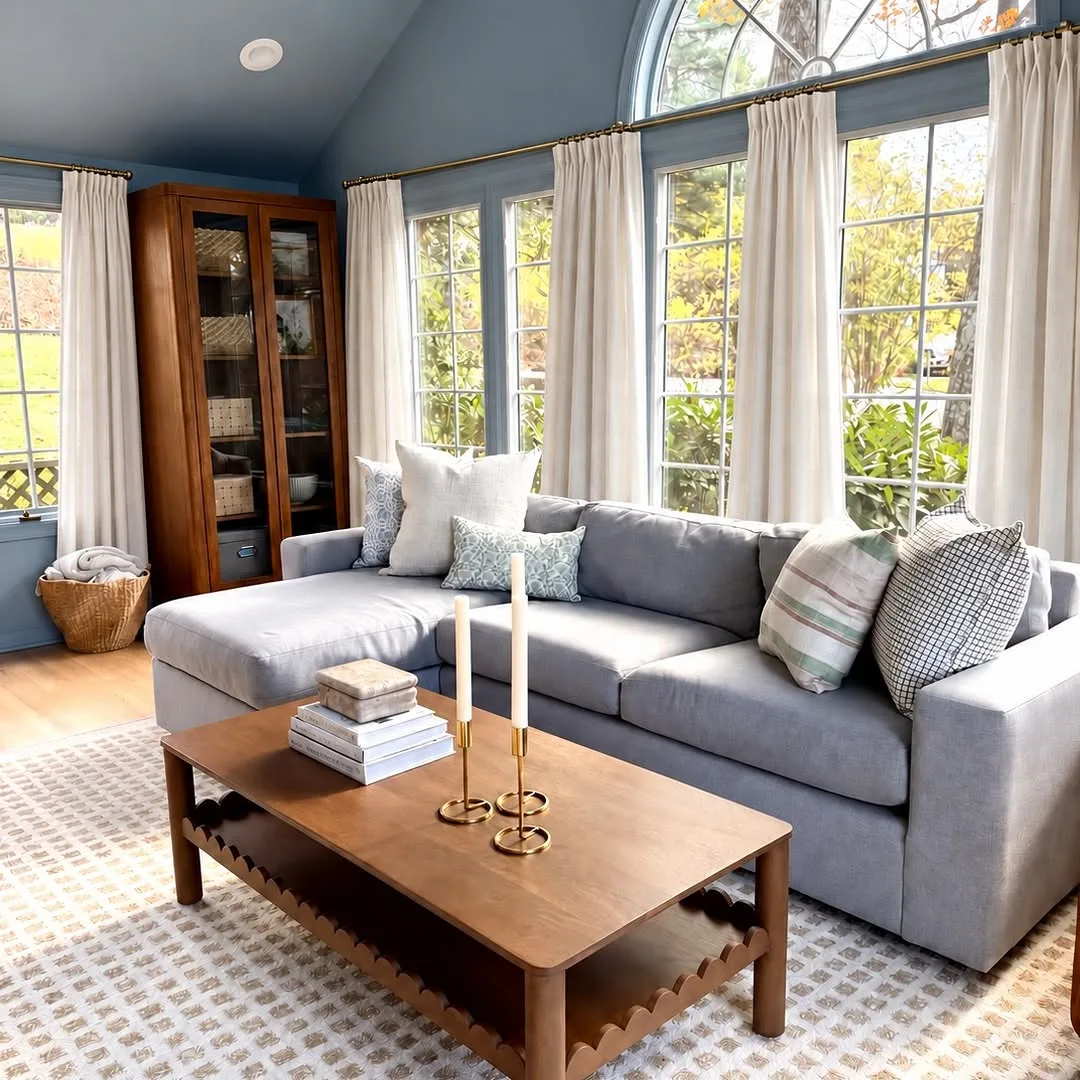
Coffee tables sit in the middle of the room, so a styled surface pulls the whole seating area together and gives the eye a calm place to land. Books, a tray and one natural object, such as a small plant or a wooden bowl, cover most tables beautifully. Styling costs little because coffee table books often already live on your shelves.
Trays corral small items like remotes, coasters and candles into one tidy group, which makes the table look styled instead of scattered. Stack two or three books with the largest at the bottom, and top the stack with one small object for height. Leaving at least half the surface empty keeps room for mugs, plates and the everyday life a family table must serve.
Guests notice the coffee table first when they sit down, so this idea suits anyone who hosts often or photographs their room for selling unwanted furniture later. Low tables in small rooms gain presence from one strong stack of books rather than many tiny ornaments. Choosing book covers in your room colors doubles their decorative value for free.
Clutter creeps back within days when styling ignores daily habits, so every styled item needs a home that takes seconds to restore. Skip fragile ornaments where toddlers play, and avoid tall arrangements that block television sightlines or conversation across the table. Reviewing the table each Sunday keeps the styled look alive without effort.
Layered curtains for a softer window
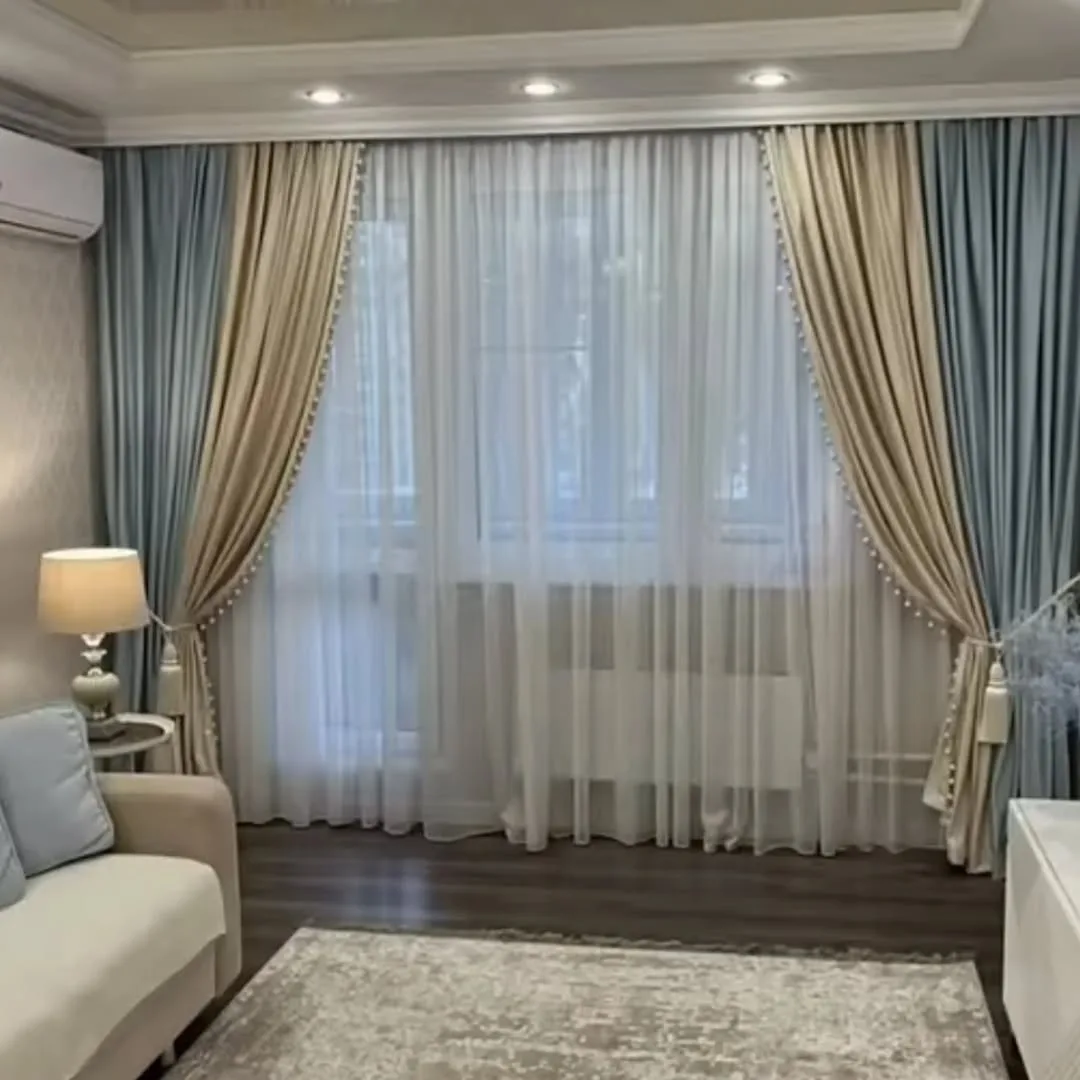
Layered curtains soften hard window frames, filter harsh sunlight and make ceilings feel taller when the rod sits close to the ceiling rather than on the frame. Sheer panels under heavier curtains give privacy in the day and warmth at night in one fitting. Windows often cover a full wall, so dressing them well lifts the entire room for modest money.
Sheer fabric in white or cream spreads daylight evenly and hides an uninspiring view while plants on the sill still get their light. Outer curtains look richest when they just touch the floor and hang in loose folds, so measure drop and width carefully before ordering. Buying curtain fabric by the metre and hemming it yourself cuts costs further for confident sewers.
Daylight filled rooms suit layering best, especially south facing living rooms where glare fades sofas and makes screens hard to watch in the afternoon. Bedrooms that double as living space in small flats also gain privacy from sheers during the day. Matching curtain color to the wall keeps the look calm in compact rooms.
Short curtains that end mid wall usually make windows look smaller and the room feel unfinished, unless radiators or furniture force that length. Check what sits under the window before choosing, then let curtains fall to the floor or stop cleanly at the sill. Ignoring the in between length saves money and disappointment later.
Large area rug under the seating
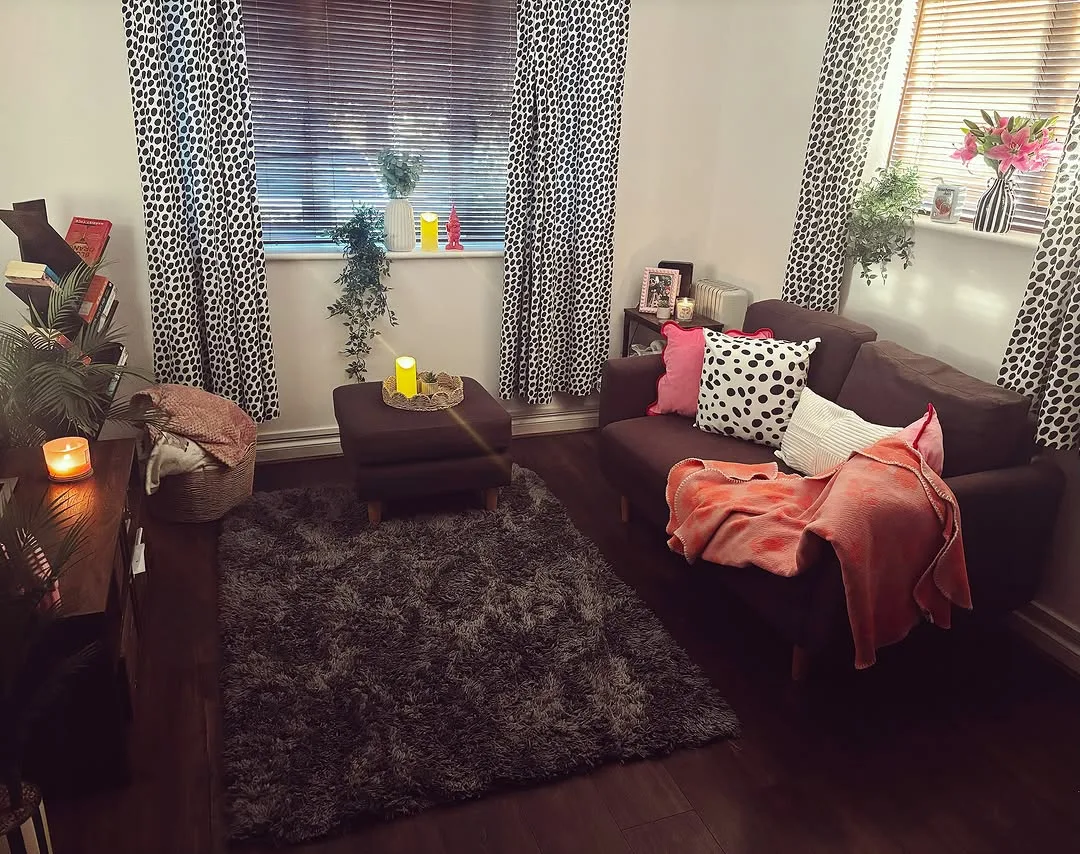
Large rugs anchor sofas and chairs into one conversation area, warm bare floors and soften echo in rooms with wood or tile underfoot. Grounding the seating stops furniture from looking as if it floats around the edges of the room. Smart budget living room decor ideas treat the rug as a foundation piece, because one good rug improves every item placed on it.
Size decides whether a rug works, so choose one wide enough for at least the front legs of the sofa and chairs to rest on the pile. Patterns hide crumbs and pet hair between cleans, while plain rugs show texture better in calm schemes. Placing a non slip underlay beneath thin rugs stops corners curling and keeps the rug flat in walkways.
Open plan rooms gain the most from a large rug, because the rug draws a clear border around the living zone without walls or screens. Families with crawling babies and playing toddlers also gain a soft, warm surface that invites everyone onto the floor. One proper deep clean each year keeps a pale rug looking respectable through all that daily use.
Thin rugs that curl at the corners trip people and cheapen the room faster than bare floor does, so tape or underlay matters from day one. Buying too small is the classic budget mistake, since replacing a small rug with a larger one costs more than choosing the right size first. Measure the seating area, mark it with tape, and live with the outline for a day.
Plants arranged on open shelves
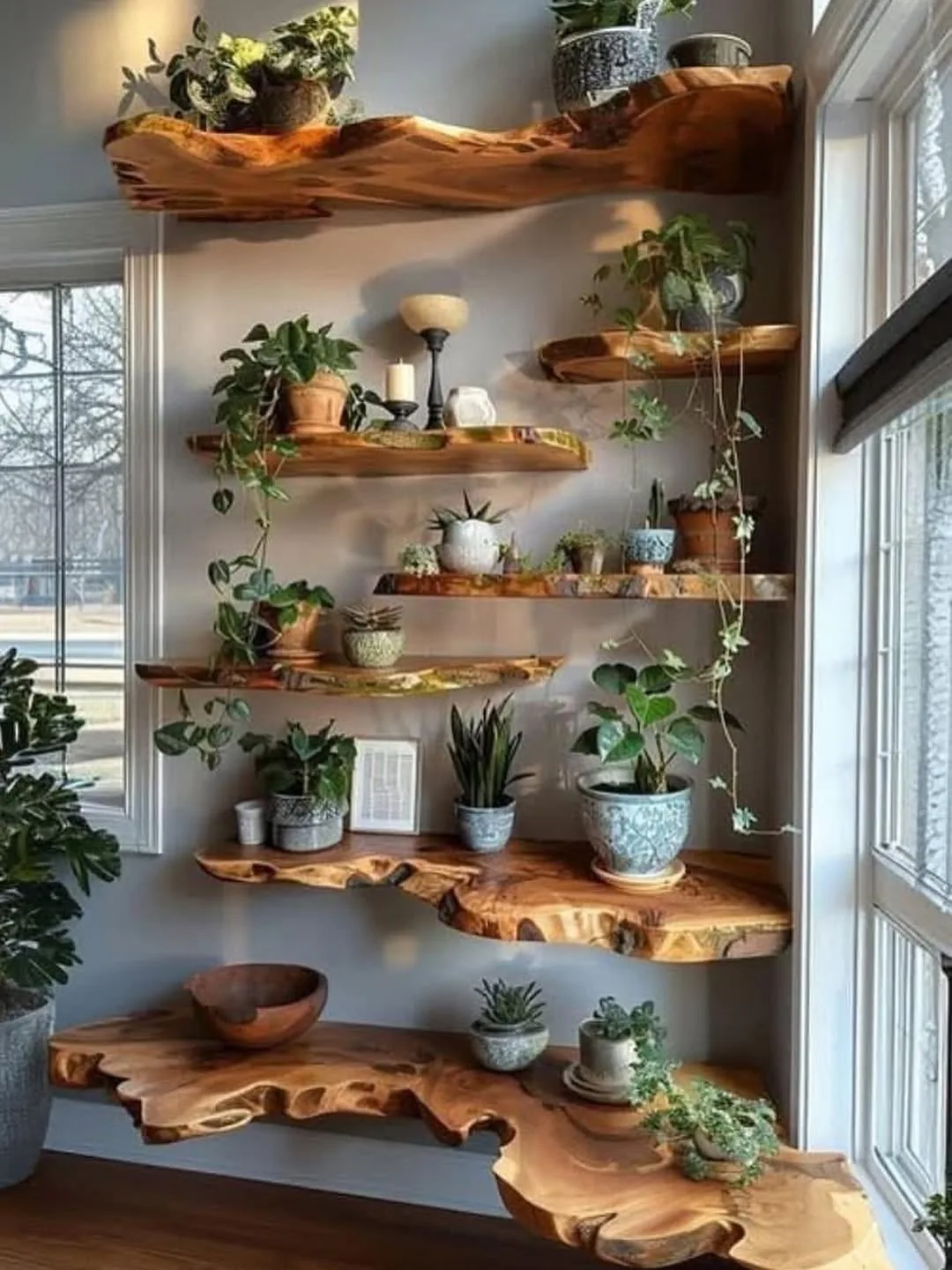
Plants bring living color, soft shapes and cleaner feeling air to shelves that might otherwise hold only books and ornaments. Green leaves suit every color scheme, so plants rarely clash with paint or fabric choices elsewhere in the room. Trailing plants soften shelf edges, while upright plants add height beside picture frames and stacks of books.
Pots matter almost as much as plants, so repeat two or three pot finishes, such as terracotta, white ceramic and woven baskets, across every shelf for a collected look. Group plants where light reaches them, near windows rather than in dark corners, and size pots to the shelf depth. Saucers under pots protect wooden boards from water marks that spoil painted finishes.
Sunny shelves suit herbs, succulents and trailing pothos, while shadier shelves carry ferns and snake plants that forgive low light and missed watering. Beginners succeed fastest with hardy plants from market stalls and supermarket shelves, which cost little and grow quickly. Cuttings from friends fill extra pots for free and root in water on the sill within weeks.
Watering without checking the soil first drowns more houseplants than drought ever does, so press a finger into the compost before reaching for the watering can. Honest budget living room decor ideas admit that dead plants cost money twice, once to buy and once to replace. Choosing fewer, hardier plants keeps shelves green and spending low all year.
Arched floor lamp in a quiet corner
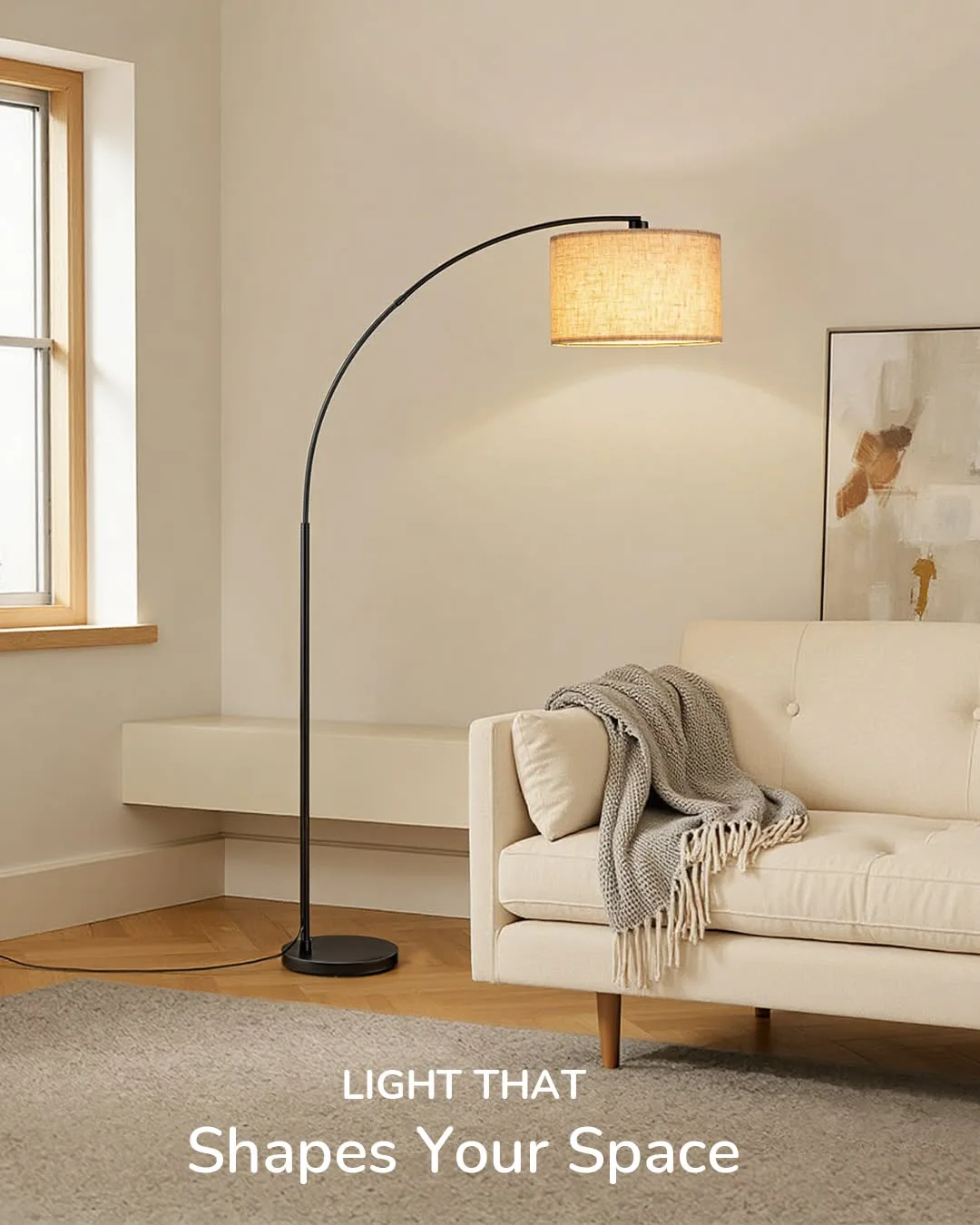
Corners often sit dark and unused, and an arched floor lamp fills that space with warm light while its curve reaches over a chair or sofa end. Light at sitting height flatters faces and pages far more than a single ceiling bulb. Lamps also divide a room gently, marking a reading corner without furniture or screens taking floor space.
Light bulbs shape the mood, so choose warm white bulbs and test the lamp height so the shade clears heads when people sit beneath the arc. Heavy bases keep tall lamps steady on carpet, and a foot switch helps when the socket hides behind the sofa. Second hand lamps often need only a new shade and bulb to look current again.
Reading chairs gain the most from an arched lamp, since the light lands on the book rather than behind the reader shoulders. Dark corners beside the sofa also suit this idea in rooms where ceiling lights feel harsh during films. Placing the lamp where its arc mirrors a curved cushion or round mirror ties shapes together quietly.
Cords trailing across walkways cause trips and look untidy, so run cords along the skirting board and secure them with clips made for the job. Choosing a lamp too large for the corner crowds the chair and blocks shelving or curtains beside it. Measuring the corner and the chair together prevents an expensive return trip.
Styled fireplace mantel with a round mirror
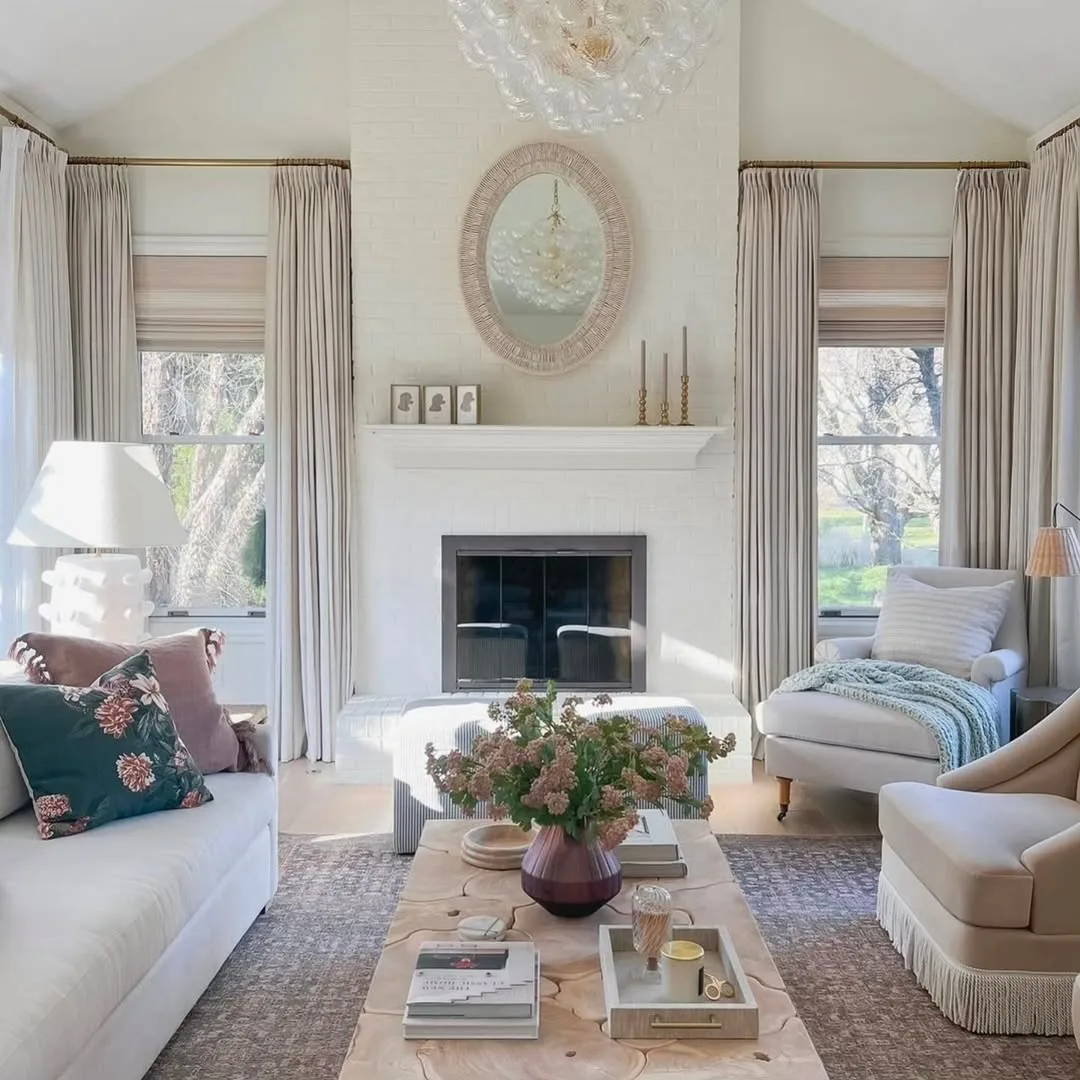
Mantels give a room a ready made stage, and a round mirror above the fireplace reflects light, softens straight lines and makes small rooms feel wider. Styling the mantel turns an everyday heating feature into the focal point guests notice on entry. Mirrors cost less than large artwork and suit every season with simple changes around the frame.
Mirrors should hang or lean with the bottom edge a few inches above the mantel shelf, wide enough to echo the fireplace opening below without dwarfing it. Flank the mirror with pairs of candlesticks, small plants or stacked books, keeping heights varied so the display feels collected. Leaving the center of the shelf partly clear stops the arrangement from looking like a shop counter.
Holidays suit mantel styling best, because garlands, stockings and candles transform the same mirror backdrop in minutes each December. Everyday displays of family photos and pottery keep the mantel working through the rest of the year without extra spending. Rooms without a working fire still gain, since the mantel shelf works purely as decor.
Crowding every inch of the mantel with small ornaments makes dusting miserable and the display look anxious rather than calm. Choose five to seven pieces with breathing room, store the rest, and rotate pieces monthly if you miss them. Leaning mirrors need a secure fixing as well, because a sliding mirror above a hard hearth breaks dangerously.
Painted shelves filled with books and keepsakes
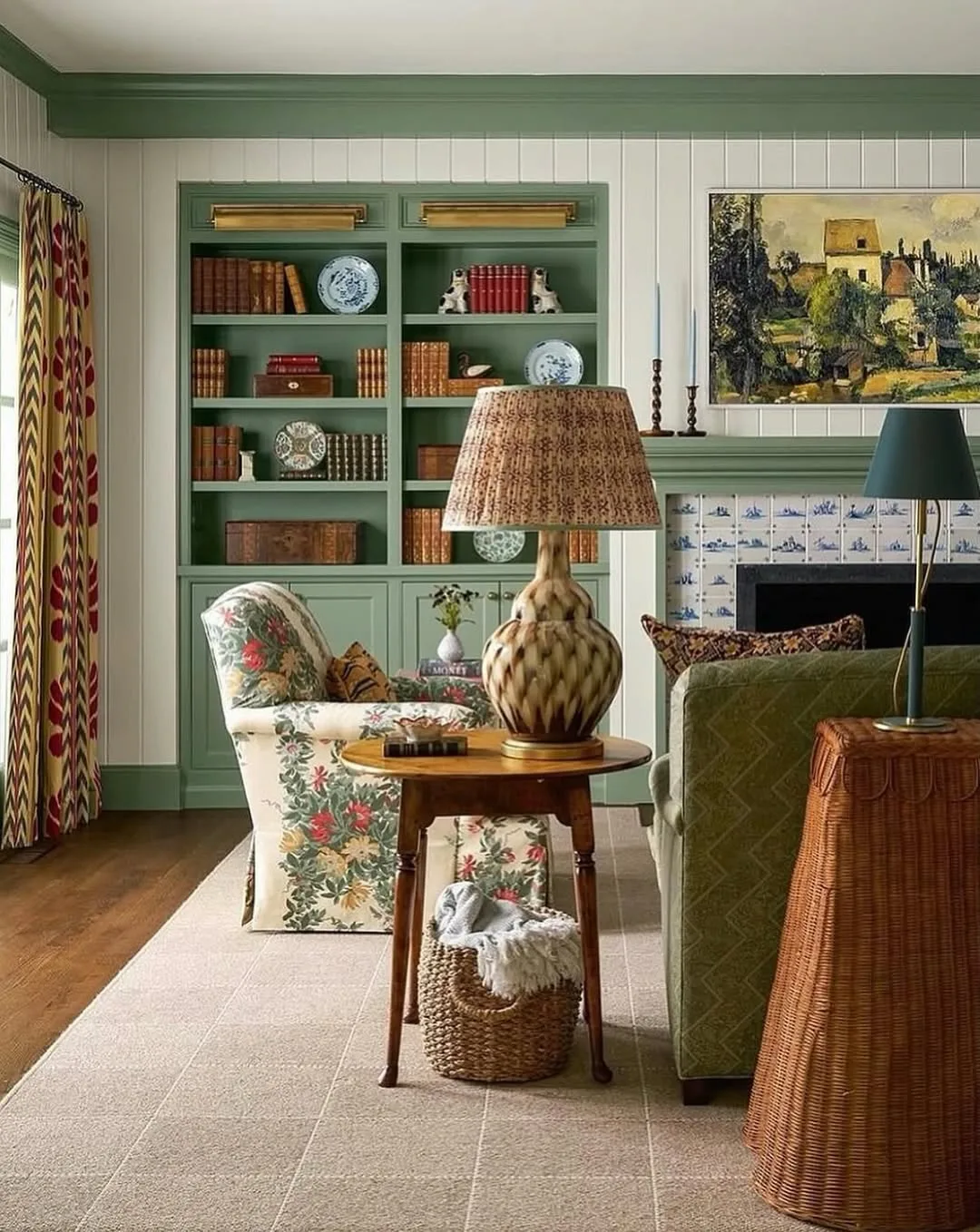
Old shelves and bookcases often hide good bones under tired varnish or dull paint, and a fresh coat turns them into a feature that looks bought for the room. Painting the back panel a deeper shade than the shelves makes books and keepsakes stand out like pictures in a frame. Paint costs little and covers scratches that cleaning alone cannot fix.
Painting shelves well means emptying them fully, washing away grease, sanding shiny surfaces lightly and using two thin coats rather than one thick coat that drips. Line the back with leftover wallpaper or fabric offcuts for pattern when paint alone feels plain. Letting paint cure for several days before loading books prevents covers sticking to tacky shelves and tearing later.
Keepsakes deserve shelf space beside books, because shells, pottery, framed tickets and travel finds tell your family story better than bought ornaments ever could. Group keepsakes in small clusters, leave gaps, and repeat one color across the shelves to calm a busy mix. Children enjoy choosing one shelf for their own treasures, which keeps the display personal.
Dust builds quickly on open shelves, and painted surfaces show it clearly under lamplight, especially on dark colors. Dust weekly with a dry cloth, lift items rather than pushing them aside, and keep heavy books on lower shelves where boards stay strongest. Skipping dusting for months turns a proud project into a chore you avoid.
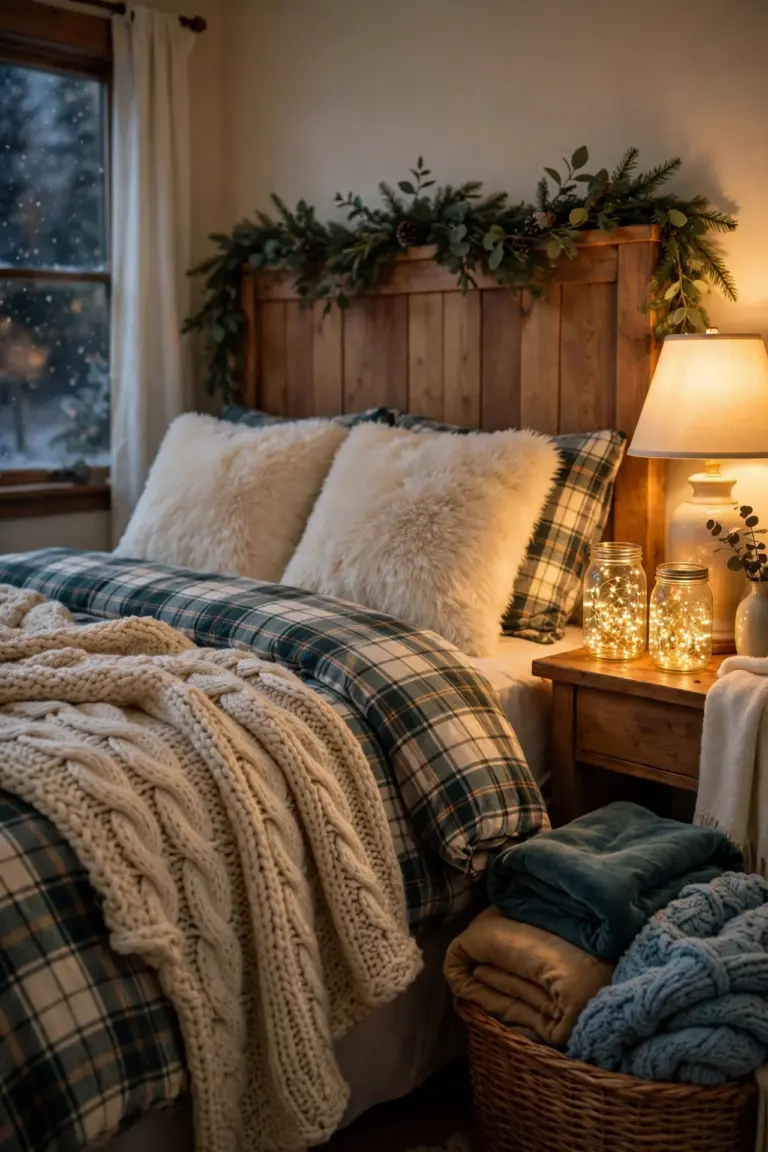
Cozy seating layered with soft textiles
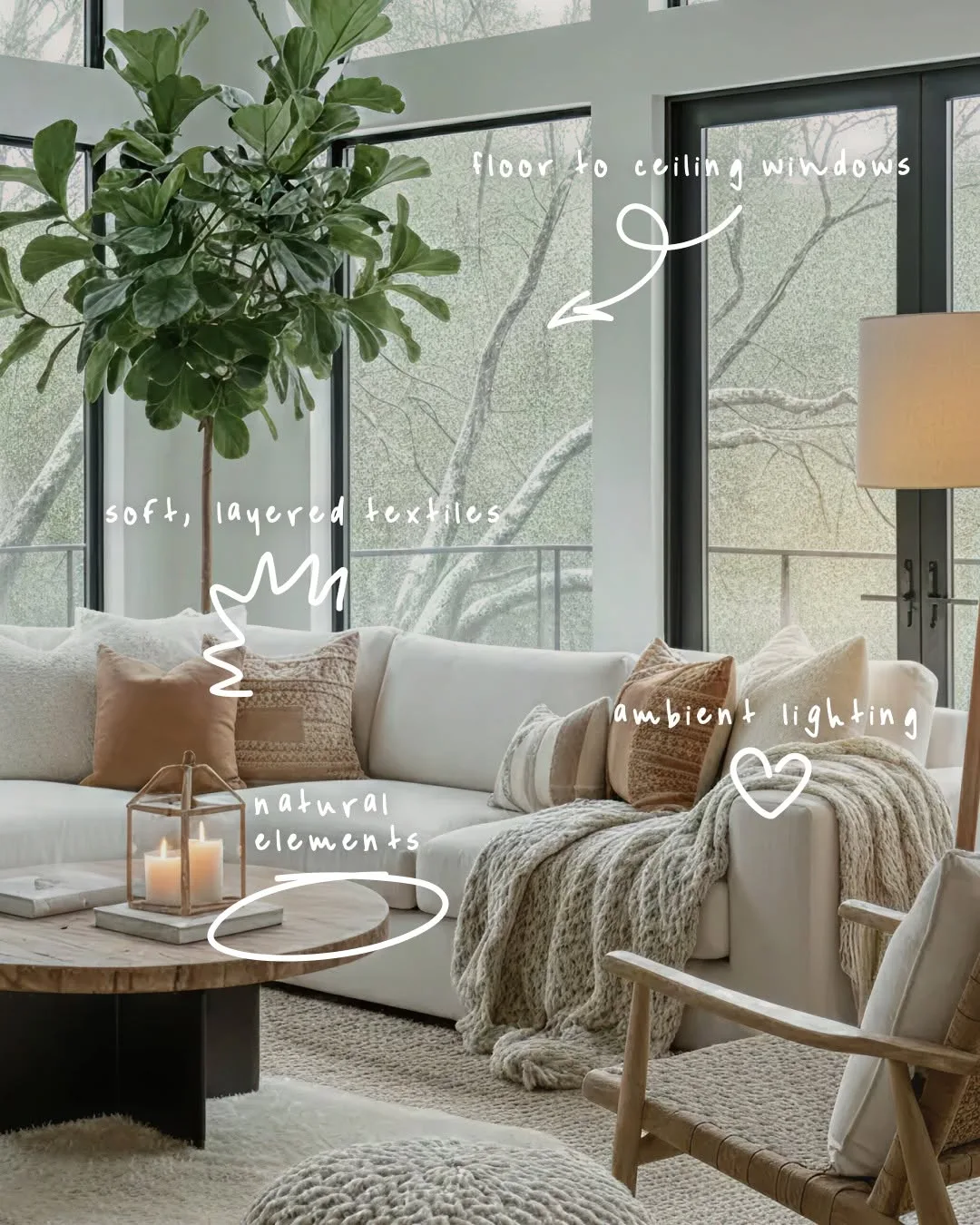
Seating feels inviting when layers of cushions, throws and soft covers welcome people to sit, curl up and stay longer than planned. Layering also lets one sofa serve summer and winter, with linen in warm months and wool when evenings turn cold. Textiles forgive worn upholstery, odd chairs and mismatched pieces better than any other budget tool.
Layers work in order, starting with the largest piece, such as a washable sofa cover or a big throw across the seat, then cushions, then one folded throw for color. Mixing smooth, knitted and woven textures keeps neutral layers interesting, while one repeated color stops the pile looking random. Keeping a basket beside the sofa gives spare layers a tidy home during the day.
Movie nights and long conversations suit layered seating best, because people settle in, pull a throw over their knees and relax into the room. Grandparents, teenagers and toddlers all find their own comfortable corner in a layered setup without anyone buying new chairs. Hosts also gain spare warmth for guests when the house cools late in the evening.
Loose layers slide into a heap when nobody folds or shakes them back into place, so choose fabrics with some grip and weight. Covers that need dry cleaning cost money every season, which quietly eats the savings this idea should bring. Machine washable textiles, checked on the label before buying, keep layered seating practical for real family life.
Common Mistakes to Avoid When Decorating on a Budget
Buying everything in one weekend tops the list of budget mistakes, because rushed choices rarely suit each other and sales pressure pushes people toward pieces they only half like. Rooms gathered slowly look collected, while rooms bought in a day often look like a showroom copy. Living with bare corners for a few weeks teaches you what the room truly needs next.
Matching every item to one color or one shop range flattens a room and makes it feel staged rather than lived in and loved. Thoughtful budget living room decor ideas mix old and new, smooth and rough, plain and patterned, so the room carries your family character. Repeating a color three times across the room gives enough connection without forcing everything to match exactly.
Rushing paint, rug sizes and curtain lengths wastes more money than any single ornament, because large items cost the most to replace when measurements go wrong. Measuring twice, testing colors in real light and marking layouts with tape all cost nothing and prevent most regrets. Skipping these free steps turns a careful budget into a pile of returns and second purchases.
Budget Friendly Ways to Refresh a Living Room Slowly
Slow decorating protects your wallet and your taste, because one change a month lets each piece settle before you judge what the room still lacks. Treating budget living room decor ideas as a gentle sequence rather than a race means the rug comes first, then curtains, then cushions that link the two. Spreading costs across seasons also lets you wait for sales on the larger items.
Lists keep slow decorating on track, so write the room plan once, rank items by impact, and carry the list on your phone whenever you shop. Charity shops, market stalls and second hand apps reward patient hunters with solid frames, lamps and pottery at low prices. Checking measurements at home before buying second hand prevents bargains that never fit through the door.
Patience also makes room for free changes, such as swapping cushions with the bedroom, moving a plant from the hall or restyling shelves with books you already own. Rearranging furniture costs nothing and sometimes solves the problem you planned to shop for. Saving the money you nearly spent builds a small fund for the one quality piece your room really deserves.
Living Room Tips That Make Simple Decor Feel Finished
Start with one wall. Choosing a single wall for paint, panels or a gallery display gives the room a clear focal point and stops small budgets spreading too thin across every surface. Finishing one wall completely, including pictures hung and shelves styled, delivers a satisfying result you enjoy daily while saving for the next project on your list.
Keep one color story. Repeating two or three colors across cushions, curtains, rug and artwork makes separate bargains look like a planned scheme that belongs together. Carrying a paint chip and fabric scrap in your bag while shopping prevents clashes bought on impulse. Calm repetition reads as confidence, even when every piece arrived from a different shop.
Shop the whole home first. Raiding other rooms for spare lamps, plants, baskets and picture frames fills living room gaps for free and gives forgotten pieces a fresh audience. Swapping items between rooms changes both spaces at once and reveals what you genuinely lack. Returning pieces later costs nothing, so experiments carry no risk at all for your budget.
Add texture before color. Layering linen, wool, wood, rattan and woven cotton warms a plain room without committing to strong colors you might tire of quickly. Texture survives trend changes and suits every season, so money spent on natural materials rarely feels wasted. Running your hand across a display shelf should meet at least three different surfaces.
Move pieces before buying more. Shifting the sofa angle, swapping side tables or moving the rug sometimes fixes balance problems that shopping never would have solved. Photographing the room from the doorway after each move helps you judge the change honestly. Living with a new layout for one week costs nothing and often ends the urge to spend.
Leave empty space on purpose. Bare patches on shelves, walls and tables let the eye rest and make the pieces you display look chosen rather than stored. Crowded rooms feel smaller and harder to clean, while edited rooms feel calm and generous at any size. Removing one item from every shelf is the fastest free refresh most rooms ever get.
Rooms feel finished when light, texture and personal pieces work together, even if every item arrived slowly and cheaply over many months. Trusting your own eye, checking the view from the doorway and fixing small annoyances as they appear keeps a room feeling cared for. Perfection never arrives, yet warmth and order absolutely can on a modest budget.
FAQ
How much should I spend on a living room refresh?
Most households refresh a living room comfortably by spending in small monthly amounts rather than one large sum, starting with paint and textiles that change the most for the least money. Setting a simple ceiling for each item keeps choices honest and stops small bargains quietly growing into a large bill. Rooms improve steadily when spending follows a ranked list instead of impulse.
Which change makes the biggest difference for the least money?
You will usually gain the most from paint on one wall, because color changes the backdrop for every piece of furniture you already own for the price of a single tin. Curtains hung high and wide come second, softening the window wall and making ceilings feel taller. Cushions and a throw follow closely, adding color and comfort in one short shopping trip.
Where can I find affordable decor pieces?
Secondhand shops, charity stores, market stalls and community selling groups offer frames, lamps, pottery and solid wooden pieces at prices far below new retail. Factory outlet stores and end of season sales also reward patient buyers who know their measurements and colors. Checking items carefully for damage, working parts and clean fabrics keeps bargains genuinely good value.
How many colors should a small living room use?
Three colors usually serve a small living room well, with one main color on walls and large items, one supporting color in textiles and one accent for cushions and small pieces. Repeating each color at least three times around the room makes the scheme feel deliberate rather than accidental. Neutral textures between colors give the eye rest and stop compact rooms feeling busy.
Can I mix old furniture with new decor?
Every welcoming room mixes ages, because older furniture brings character and solid build quality that new budget pieces rarely match at the same price. Uniting mixed pieces takes only a shared color, similar wood tones or textiles that cover both eras comfortably. Polishing old wood and adding fresh cushions to a worn sofa often impresses guests more than a matching new suite.
How do I keep a decorated living room easy to clean?
Saving time on cleaning starts with washable cushion covers, throws that survive the machine and shelves styled with space between groups of items. Choosing lidded baskets for remotes, chargers and toys hides daily clutter in seconds before guests arrive. Dusting little and often, rather than rarely and deeply, keeps styled surfaces looking fresh without turning weekends into cleaning marathons.
Conclusion
Warm living rooms rarely come from one expensive purchase, and they almost never arrive finished in a single weekend of frantic shopping. Layer upon layer of paint, fabric, light and personal pieces builds the feeling guests describe as welcoming the moment they sit down. Your existing furniture holds more potential than catalogues admit, especially once color and texture support it properly.
Good planning turns even modest spending into rooms that serve family life beautifully, from quiet reading corners to crowded birthday evenings on the rug. Following budget living room decor ideas in a slow, sensible order keeps costs honest and results personal, since every piece earns its place before the next one arrives. Starting small beats waiting for a perfect budget that may never come.
Enjoy the process of gathering your room piece by piece, because homes built slowly tend to suit their families best and date the slowest. Photograph your progress, celebrate each finished corner and share spare finds with friends who are decorating too. Comfort, color and character grow together, one thoughtful and affordable change at a time.