15 Junk Drawer Organization Ideas That Finally Work
Every home owns one drawer where batteries, tape, mystery keys, dead pens and three phone chargers live in cheerful anarchy. Junk drawers form honestly, because daily life produces small homeless items faster than cupboards claim them, and one deep drawer swallows everything without complaint.
Relief comes from simple systems that match real family life, honest sorting, and storage that fits the space already owned. Strong junk drawer organization ideas thinking puts daily items within easy reach and pushes rarely used pieces out of prime spots, so rooms serve the family instead of storing forgotten piles.
Inside this guide, fifteen practical ideas walk through the whole job in a sensible order, from the first honest sort to the tiny weekly habits that keep order alive. Every idea includes real quantities, budget friendly options, and the one mistake that quietly undoes good work in busy homes.
How does a strong junk drawer organization ideas work in real homes?
Simple order wins every time: sort first, group second, store third, and label last of all. Order lasts when the drawer holds only daily tools in slim divided sections, everything earns its spot through weekly use, and overflow moves to proper homes elsewhere. A junk drawer can work beautifully as a utility drawer, once categories shrink to what fits honestly.
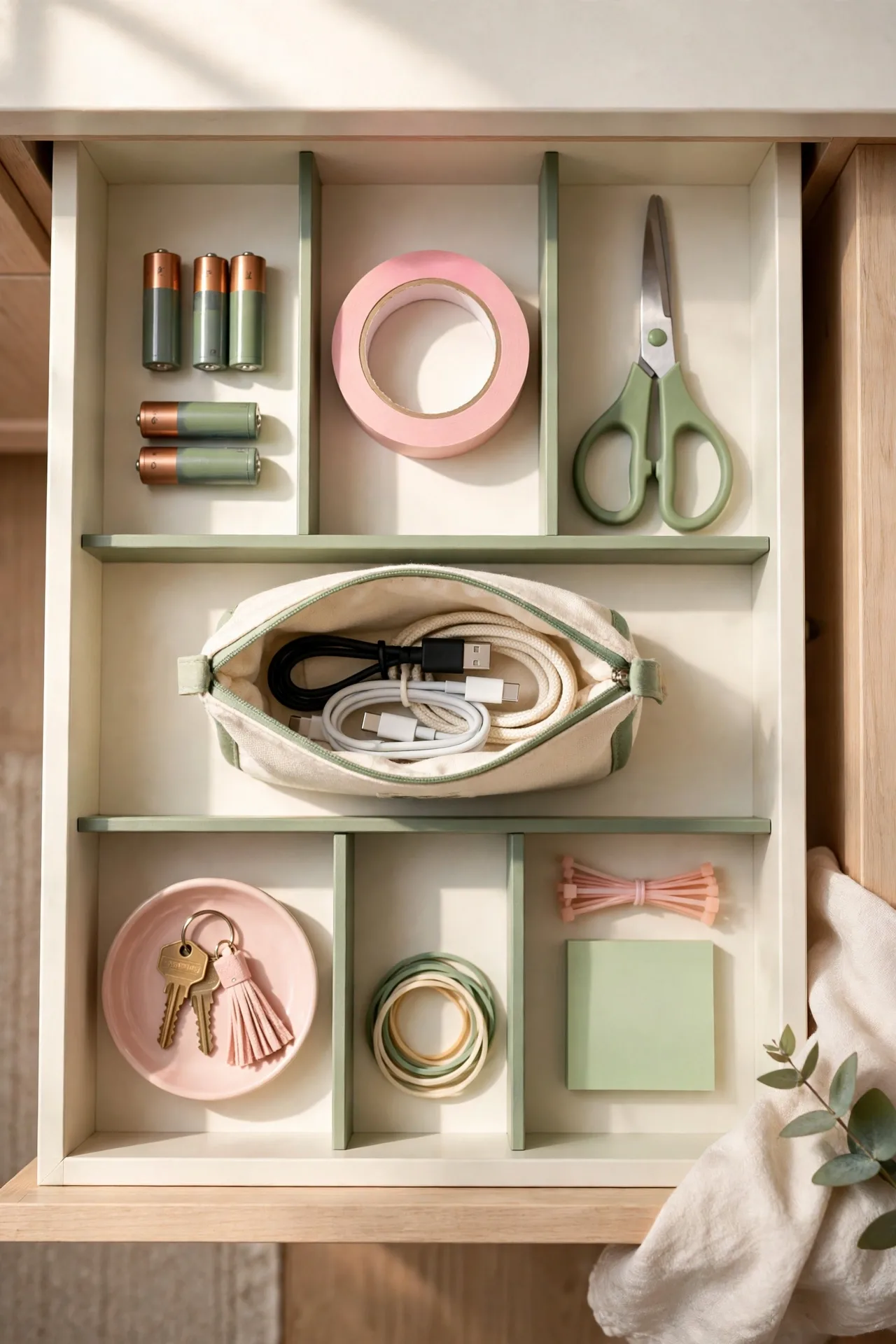
Picture one finished corner by tonight: batteries stand in a tested case, tape and scissors rest in their tray, cords coil inside a zip pouch, and keys wait in a small dish at the front. Hands find tools in seconds, and the drawer closes without the famous shove and pray.
Disclosure: As an Amazon Associate I earn from qualifying purchases. Some of the links below are affiliate links, which means Bloomie Living may earn a small commission if you buy through them, at no extra cost to you.
Empty and wipe before sorting
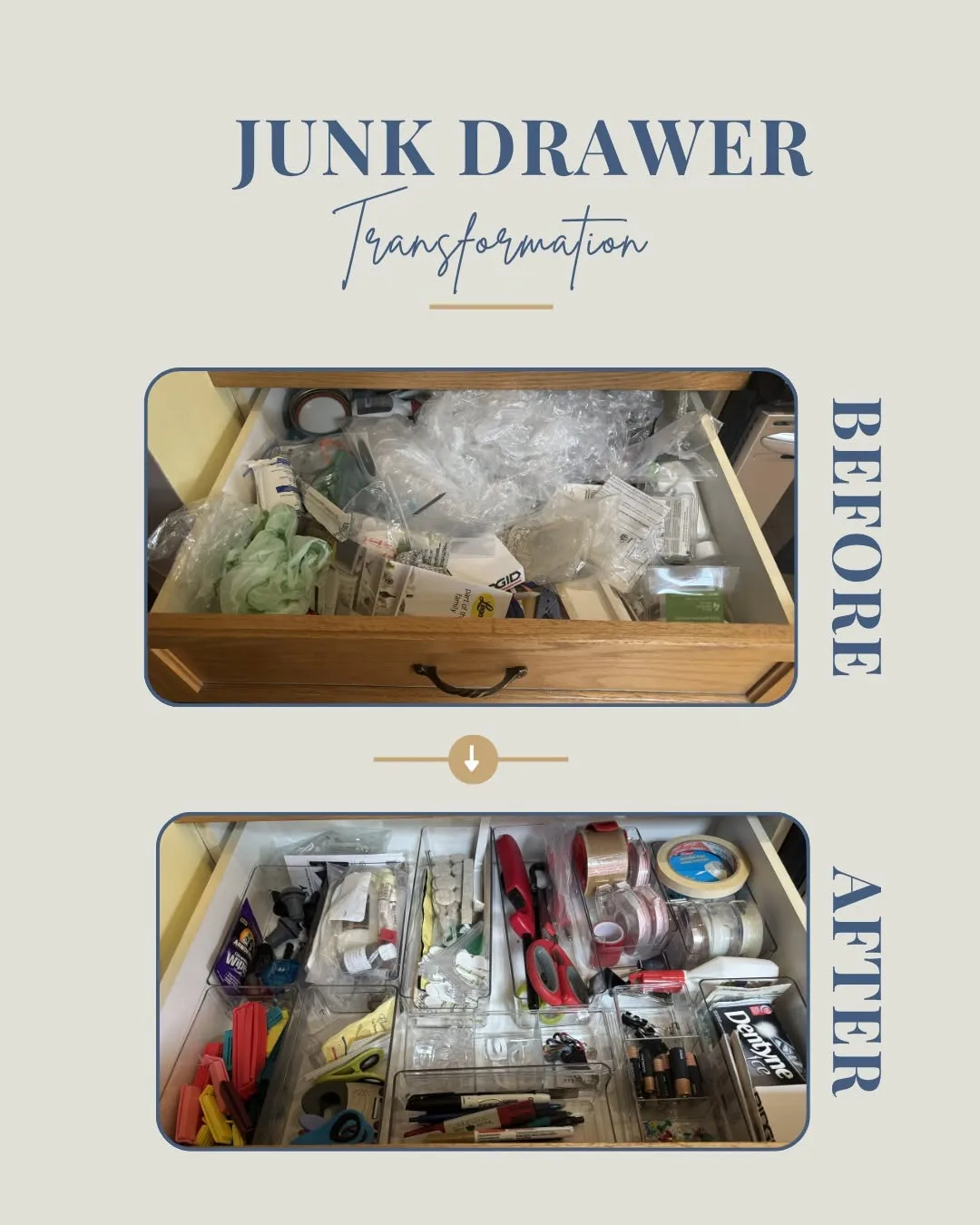
Good order grows from tipping every item onto a table and washing the drawer, because partial sorts never reach the truth at the back. Daily routines run smoother, guests can be welcomed without a scramble, and every item earns its place.
Practical planning keeps effort realistic. Sort into keep, move, recycle and bin piles, test every pen and battery, and return only items on the allowed category list. Work in short timed sessions, keep a donation bag by the door, and stop while energy is still high.
Happiest users are anyone whose drawer holds items untouched since the last house move. Success comes from placing items where hands naturally reach during the busiest hour of the day.
Picture the routine in real life. one family filled a whole recycling bag from one drawer, and found tools believed lost for years. Guests noticed the calm first, and the family noticed faster cleanups every single day afterwards.
Watch out for returning items during cleaning before sorting finishes, because early returns rebuild the mess mid sort. Change one part at a time, watch what happens for a week, and adjust sizes before buying more storage.
15 Pack Clear Plastic Drawer Organizer Trays: Clear tray set gives the emptied, wiped drawer a fresh layout so everything goes back into a set place.
Slim dividers with small sections
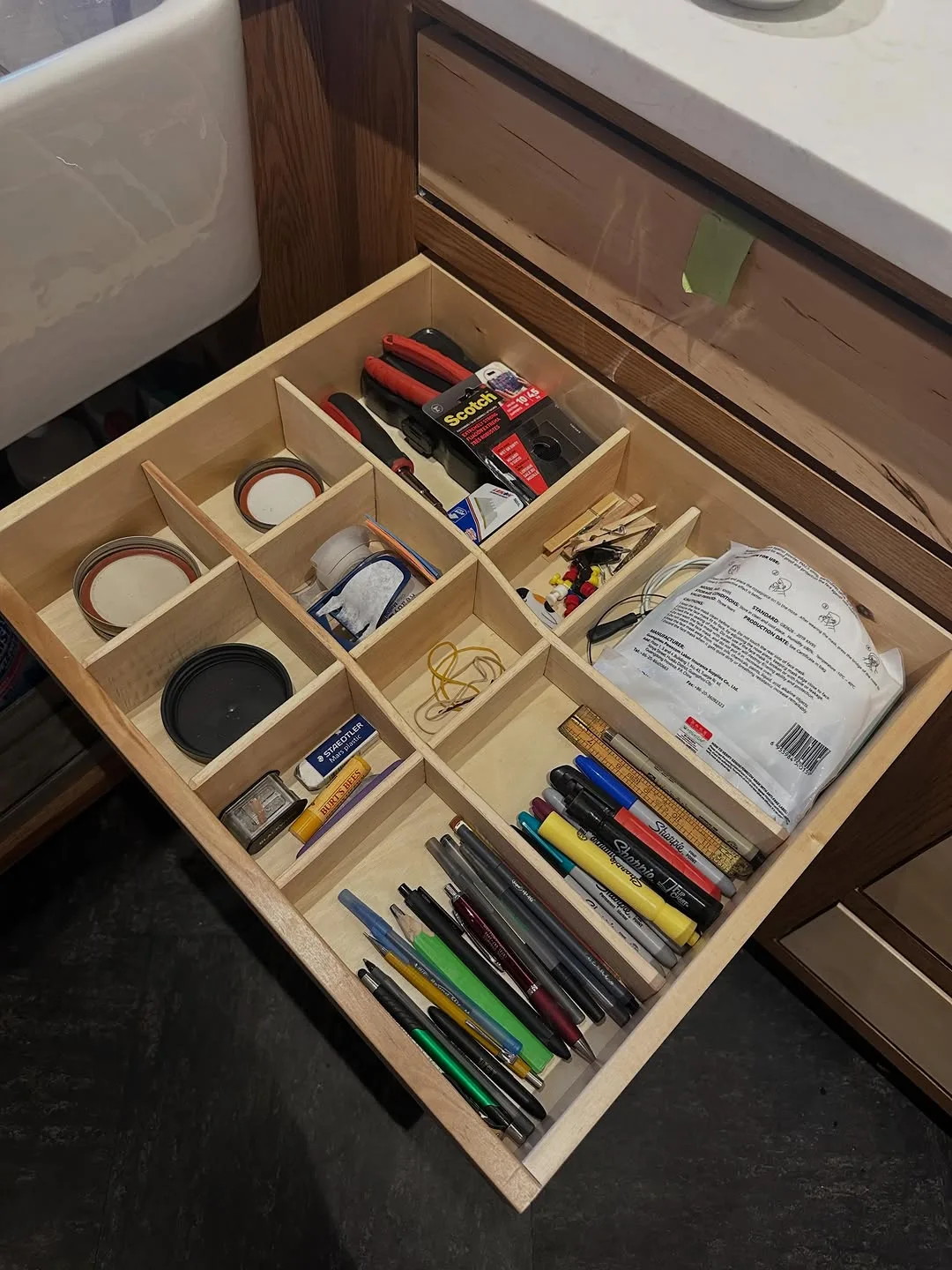
Calm rooms begin with dividing the drawer into small honest sections that match the tools actually kept. Finding things becomes quick, putting things away becomes obvious, and the whole space feels lighter.
Practical planning keeps effort realistic. Measure carefully, choose low dividers, assign each section one job, and leave one flexible section for items in transit. Photograph the finished result, because a clear picture makes resetting the space fast and simple.
Strongest fit is shallow kitchen drawers where chunky organizers waste precious height. Small homes gain the most, because every shelf and drawer must work hard without feeling crammed.
Picture the routine in real life. one cook fitted dividers in fifteen minutes, and tool finding dropped from digging to glancing. Praise from family members kept the system going long after the first tidy weekend ended.
Watch out for buying divider sets without measuring, because almost fitting organizers jam drawers and tempers. Write the rule on a label or note, because visible reminders protect good systems from quiet drift.
9 Piece Clear Plastic Drawer Organizer Set with Dividers: Nine slim trays in four sizes create small sections for batteries, clips, tools and other tiny drawer clutter.
Top tray for daily tools
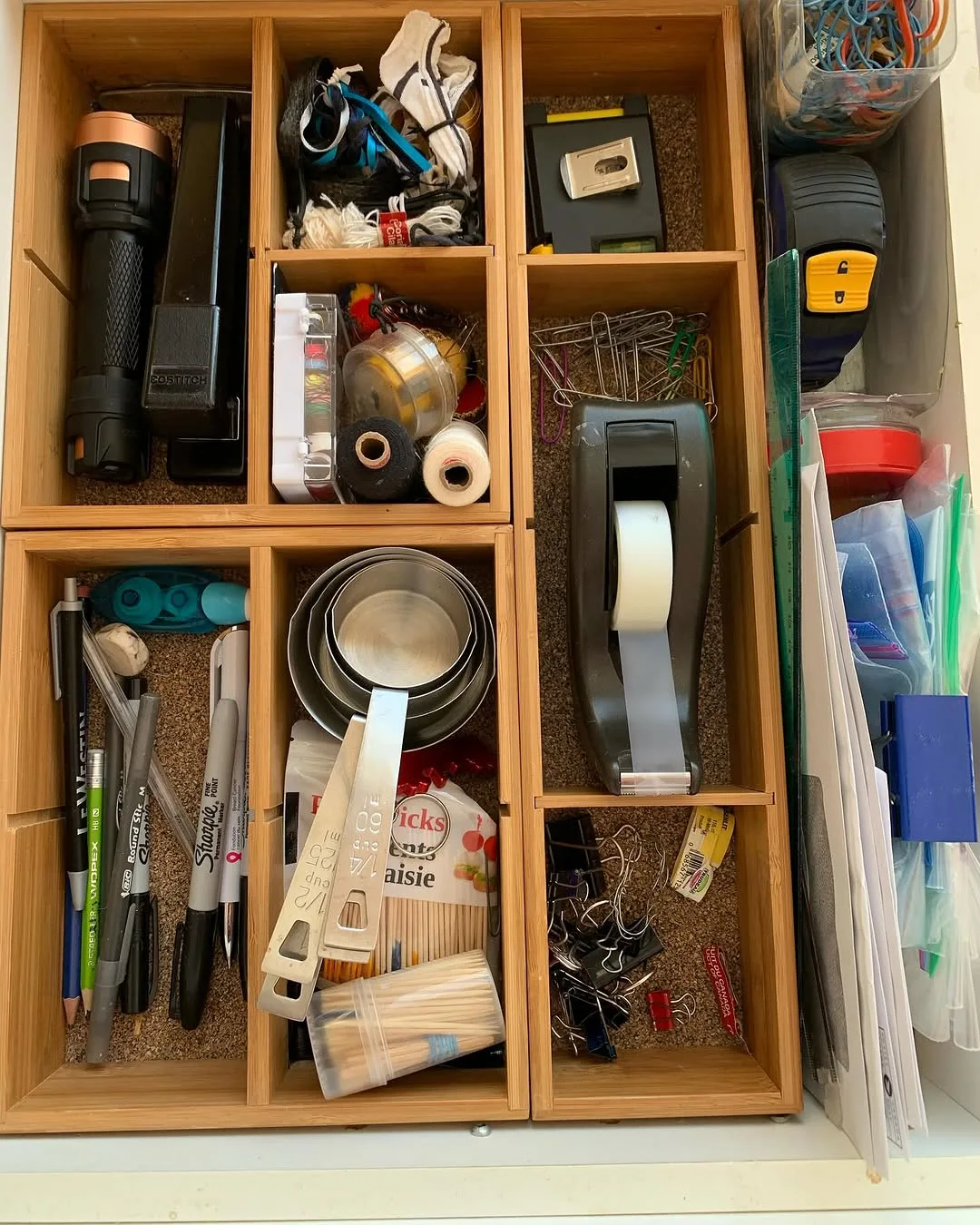
Thoughtful families choose keeping the five most used tools in one lift out tray at the drawer front. Money stops leaking into duplicate buys, because everyone can see what the home already owns. Strong junk drawer organization ideas habits grow from small finished sessions like this one, repeated steadily week after week.
Practical planning keeps effort realistic. Choose tape, scissors, a pen, a small screwdriver and a torch, rest them in order, and refill the tray during monthly edits. Tell everyone at home where things now live, because shared knowledge keeps new systems alive.
Best results come for busy households where the same tools get hunted several times weekly. Clear limits, honest labels and easy access matter more than expensive matching containers.
Picture the routine in real life. one dad grabbed the tray for a repair and had every tool in one trip for once. Finished results stayed tidy for weeks, because the setup matched real habits instead of wishful thinking.
Watch out for letting the tray become a mini junk drawer, because heroes only stay heroes when extras stay out. Slow down, fix the setup first, and repeat the small version until the habit holds on busy days too.
Bamboo Drawer Organizer Set 5 Piece Wood Storage Trays: Bamboo trays form a top layer for daily tools like scissors, tape and a flashlight that you grab first.
Battery case with a tester
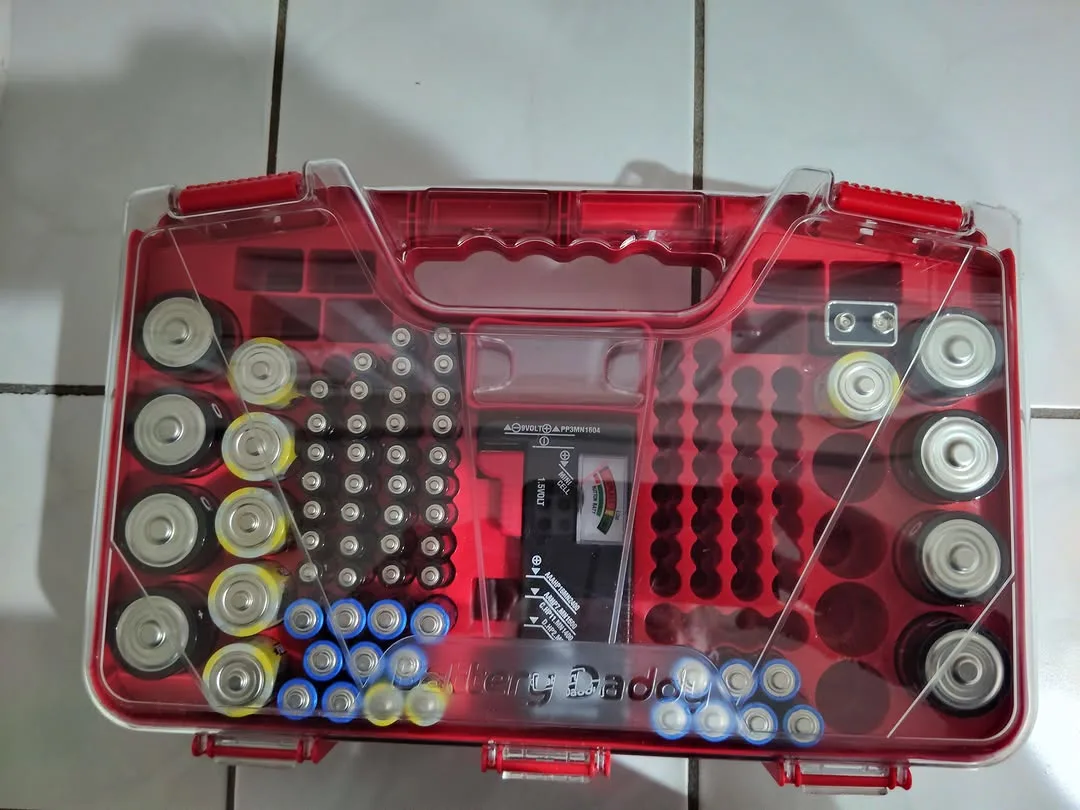
Neat spaces come from storing batteries by size in a fitted case, with a small tester for doubtful cells. Mornings start calmer, evenings end tidier, and small messes stop growing into weekend projects.
Practical planning keeps effort realistic. Sort sizes into slots, test loose batteries before storing, recycle dead cells promptly, and note running low sizes on the shopping list. Keep supplies for the job in one caddy, so sessions start in minutes rather than after a search.
Happiest users are families with toys, remotes and torches eating batteries all year. Success comes from placing items where hands naturally reach during the busiest hour of the day.
Picture the routine in real life. one mum ended dead battery frustration, because tested spares finally meant ready spares. Guests noticed the calm first, and the family noticed faster cleanups every single day afterwards.
Watch out for storing loose batteries against coins and keys, because metal contact can drain or short cells. Change one part at a time, watch what happens for a week, and adjust sizes before buying more storage.
Battery Storage and Organizer Case with Tester for 180 Batteries: Double sided battery case with a built in tester ends loose batteries rolling around the junk drawer.
Labels on divider sections
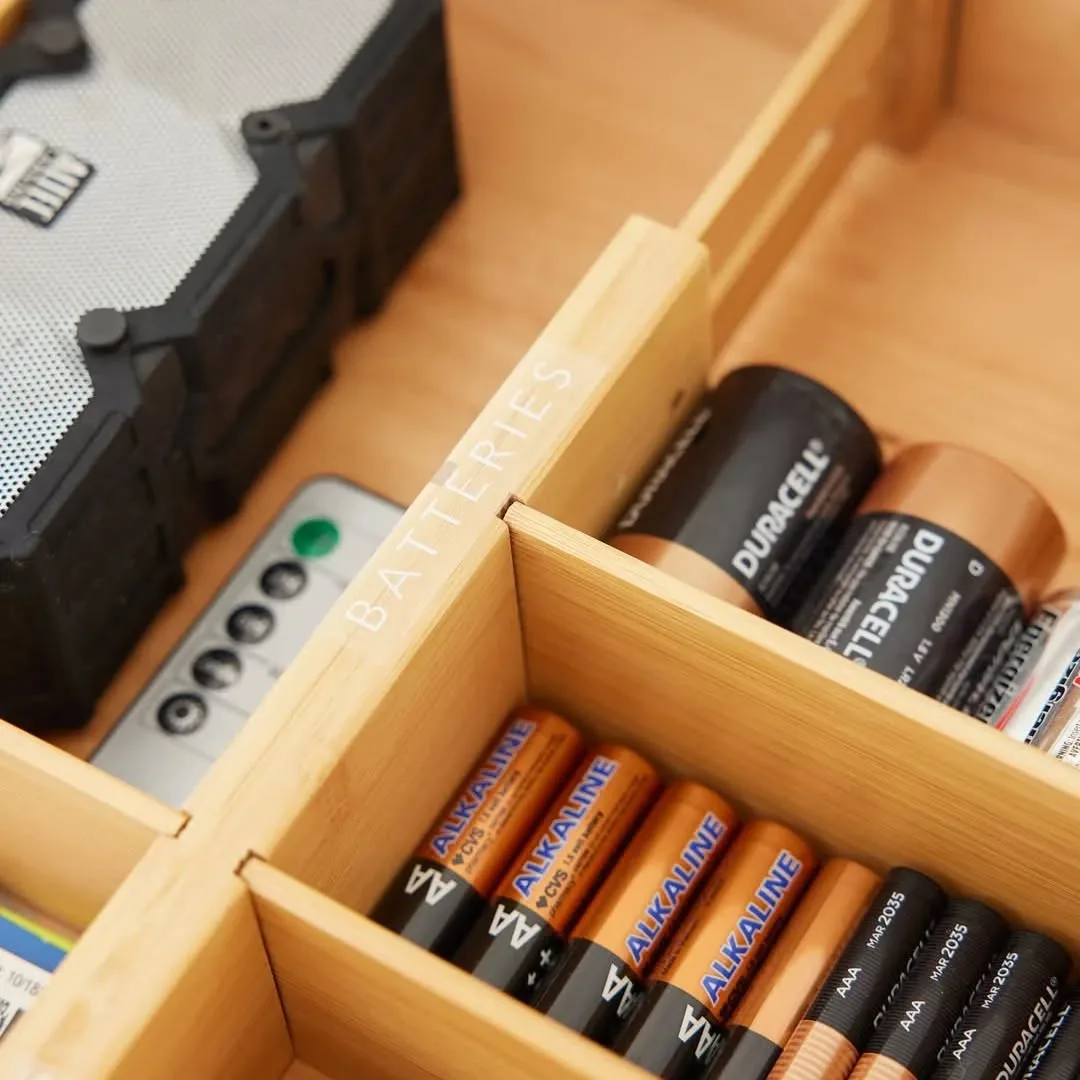
Smart homes rely on labeling every section with its job, so family members return tools correctly without asking. Shelves, surfaces and floors feel calmer within one session, and cleaning takes minutes instead of an afternoon.
Practical planning keeps effort realistic. Write short labels like fix, wrap, write and charge, place labels where eyes land on opening, and refresh worn labels during edits. Measure the space, count the items, and write quantities down before buying any storage at all.
Strongest fit is shared households where one organizer fights everyone else creative storage. Small homes gain the most, because every shelf and drawer must work hard without feeling crammed.
Picture the routine in real life. one family stopped arguing about the drawer, because labels answered every where question silently. Praise from family members kept the system going long after the first tidy weekend ended.
Watch out for labeling in tiny fancy script, because utility labels must read fast in real life. Write the rule on a label or note, because visible reminders protect good systems from quiet drift.
Label Maker Machine with Tape Bluetooth: Small label maker prints neat labels for each divider section so the system survives daily use.
Zip pouch for cords and chargers
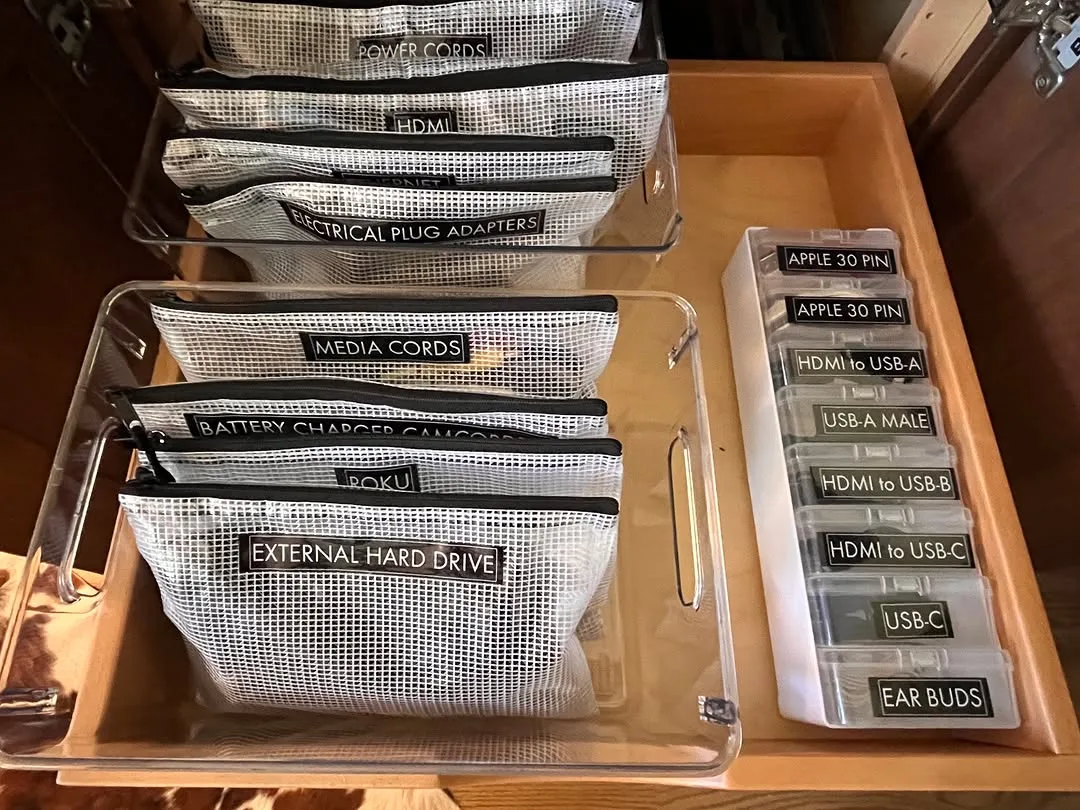
Good order grows from coiling spare cords and chargers inside one zip pouch, ending the famous cable nest. Daily routines run smoother, guests can be welcomed without a scramble, and every item earns its place. Strong junk drawer organization ideas habits grow from small finished sessions like this one, repeated steadily week after week.
Practical planning keeps effort realistic. Coil each cord with a tie, label chargers by device, keep one spare per type, and donate extra cables during edits. Work in short timed sessions, keep a donation bag by the door, and stop while energy is still high.
Best results come for homes where every device generation left chargers behind like fossils. Clear limits, honest labels and easy access matter more than expensive matching containers.
Picture the routine in real life. one student found four working chargers in the nest, donated three, and kept one labeled spare. Finished results stayed tidy for weeks, because the setup matched real habits instead of wishful thinking.
Watch out for keeping every old cable forever, because obsolete cords breed fastest in dark drawers. Slow down, fix the setup first, and repeat the small version until the habit holds on busy days too.
6 Pack Clear Storage Bins with Handles: Clear handled bins corral cords and chargers in one pouch style zone instead of a tangled corner.
Small dish for keys and fobs
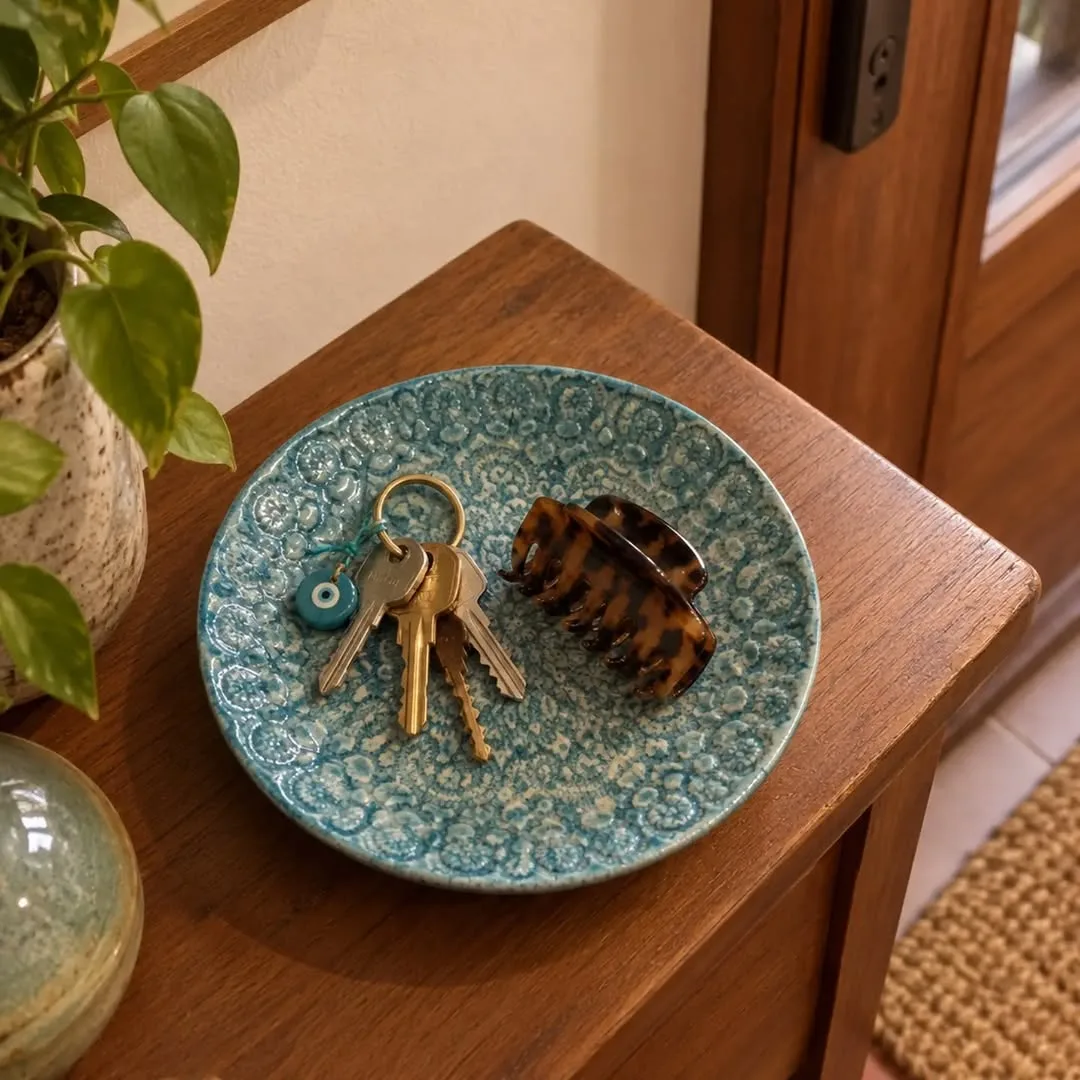
Calm rooms begin with resting spare keys and fobs in one small dish at the drawer front, labeled and visible. Finding things becomes quick, putting things away becomes obvious, and the whole space feels lighter.
Practical planning keeps effort realistic. Label spare keys with tags naming doors or items, keep daily keys on hooks instead, and review unknown keys during monthly edits. Photograph the finished result, because a clear picture makes resetting the space fast and simple.
Happiest users are households where spare keys multiply and lose their identities yearly. Success comes from placing items where hands naturally reach during the busiest hour of the day.
Picture the routine in real life. one couple labeled six spare keys in one evening, and locksmith worries dropped away. Guests noticed the calm first, and the family noticed faster cleanups every single day afterwards.
Watch out for tossing unlabeled keys loose, because mystery metal helps nobody during lock emergencies. Change one part at a time, watch what happens for a week, and adjust sizes before buying more storage.
Woven Wicker Storage Bins with Lid Natural Seagrass Basket: Small woven basket works as a catch all dish for keys, fobs and loose change by the door end of the drawer.
Home spot for tape and scissors
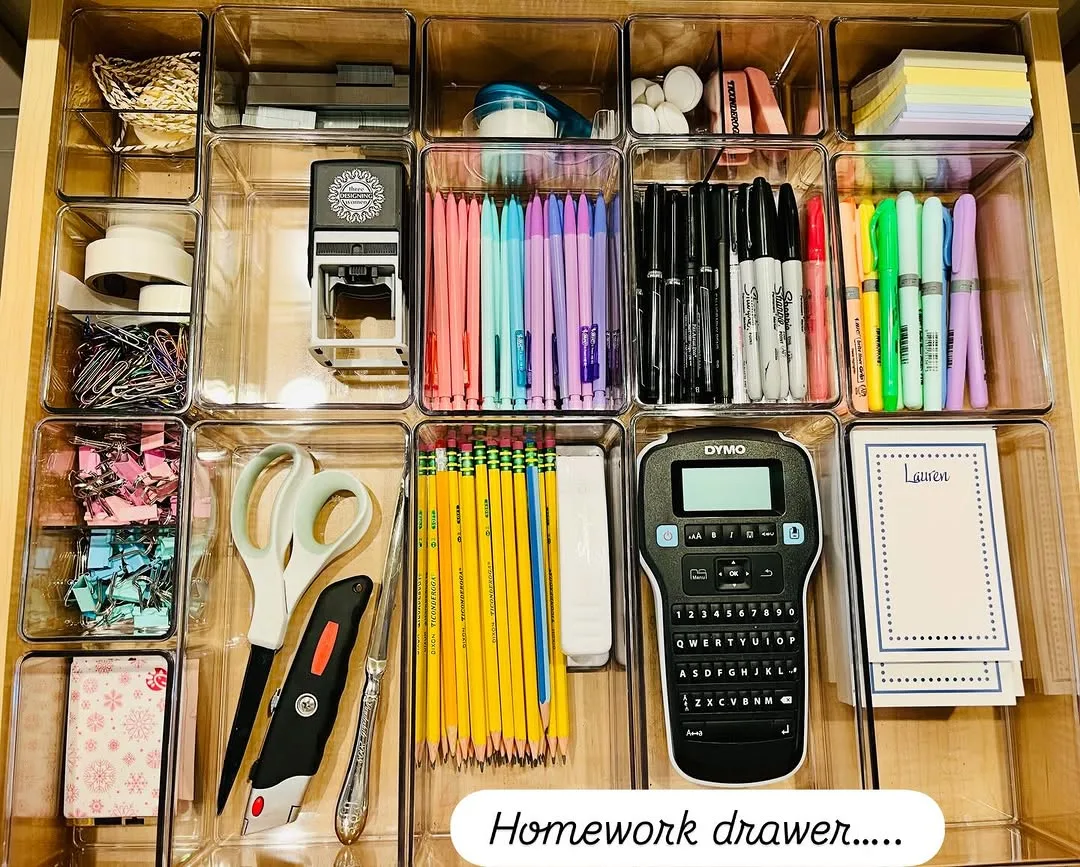
Thoughtful families choose assigning tape, scissors and a ruler one fixed section nearest the drawer front. Money stops leaking into duplicate buys, because everyone can see what the home already owns.
Practical planning keeps effort realistic. Keep one of each only, stand scissors safely with blades down in a holder, and return after every use as a family rule. Tell everyone at home where things now live, because shared knowledge keeps new systems alive.
Strongest fit is families wrapping, crafting and opening parcels several times each week. Small homes gain the most, because every shelf and drawer must work hard without feeling crammed.
Picture the routine in real life. one crafter ended the tape hunt completely, because the front section never changed location again. Family praise kept the system going long after the first tidy weekend ended.
Watch out for owning five scissors in five rooms, because duplicates guarantee every pair hides when needed. Write the rule on a label or note, because visible reminders protect good systems from quiet drift.
Large Collapsible Storage Containers with Lids 5 Pack: One lidded box gives tape, scissors, and glue a single home so they stop wandering around the house.
Pen sort with a scrap pad
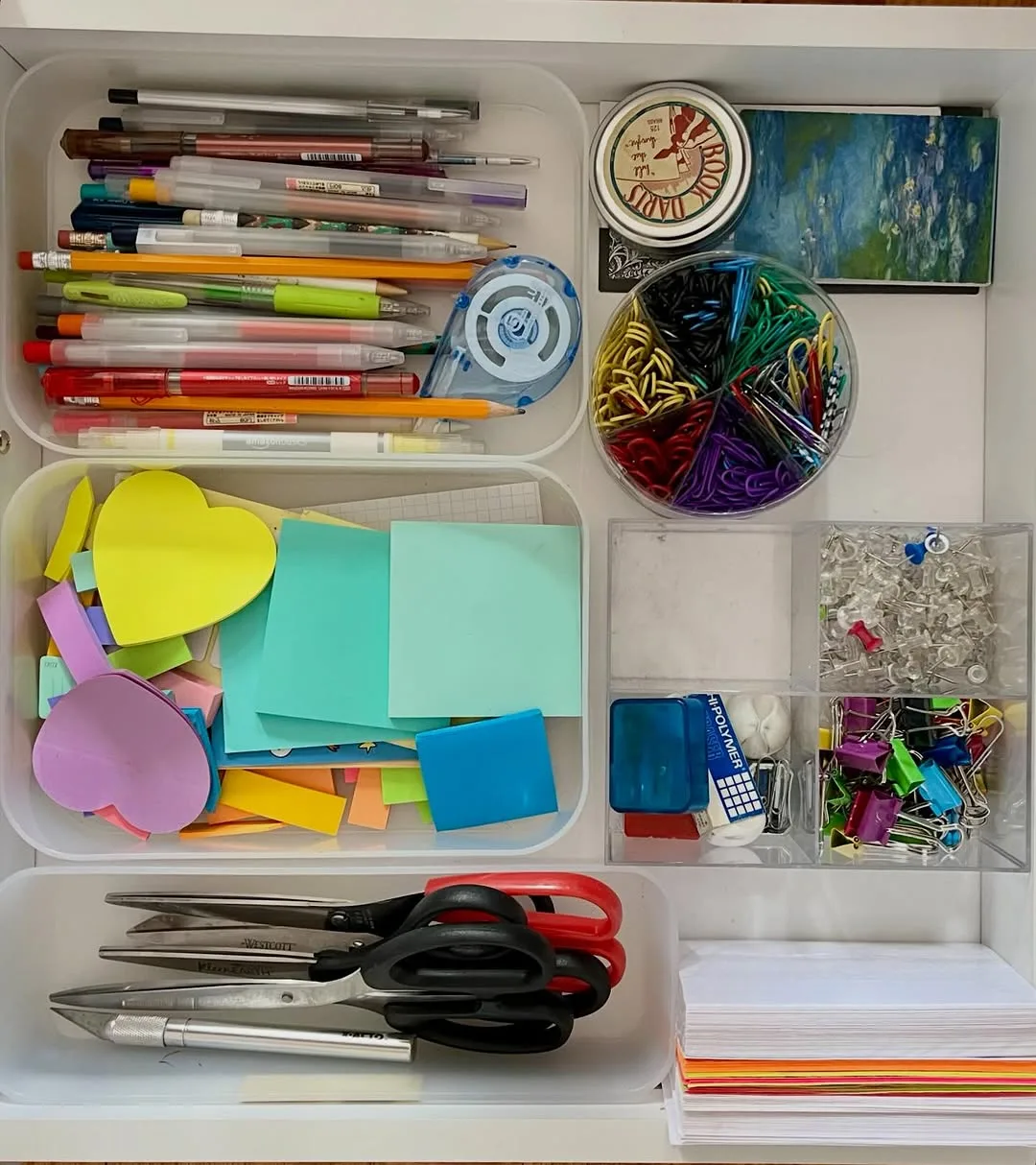
Neat spaces come from testing every pen against a scrap pad and keeping only smooth writers in one cup. Mornings start calmer, evenings end tidier, and small messes stop growing into weekend projects. Strong junk drawer organization ideas and habits grow from small finished sessions like this one, repeated steadily week after week.
Practical planning keeps effort realistic. Scribble-test each pen, bin dry and leaky ones, keep three reliable pens in a cup or section, and store refills separately. Keep supplies for the job in one caddy, so sessions start in minutes rather than after a search.
Best results come for homes where twenty pens hide two that actually write when needed. Clear limits, honest labels, and easy access matter more than expensive matching containers.
Picture the routine in real life. One writer found three beloved pens during the sort, and binned eleven dry impostors happily. Finished results stayed tidy for weeks, because the setup matched real habits instead of wishful thinking.
Watch out for keeping sentimental broken pens in the working drawer, because keepsakes belong in memory boxes instead. Slow down, fix the setup first, and repeat the small version until the habit holds on busy days too.
Foldable Drawer Organizer Storage Box 6 Bins Gray: Divided drawer box sorts pens and pencils beside a scrap pad so notes and lists stay in one spot.
Coin jar and receipt envelope

Smart homes rely on giving loose coins one jar and important receipts one envelope, clearing surfaces and sections. Shelves, surfaces and floors feel calmer within one session, and cleaning takes minutes instead of an afternoon.
Practical planning keeps effort realistic. Empty pockets into the jar weekly, file receipts monthly into home records, and roll saved coins toward a family treat fund. Measure the space, count the items, and write quantities down before buying any storage at all.
Happiest users are anyone whose drawers and counters collect coins and fading receipts. Success comes from placing items where hands naturally reach during the busiest hour of the day.
Picture the routine in real life. one family funded a pizza night from drawer coins, proving clutter sometimes pays rent. Guests noticed the calm first, and the family noticed faster cleanups every single day afterwards.
Watch out for mixing receipts with batteries and tools, because paper records deserve safer, drier homes. Change one part at a time, watch what happens for a week, and adjust sizes before buying more storage.
Airtight Food Storage Containers 12 Pieces with Labels: A clear airtight jar from the set holds coins neatly, with labels ready for a receipt envelope zone beside it.
Mini first aid pouch
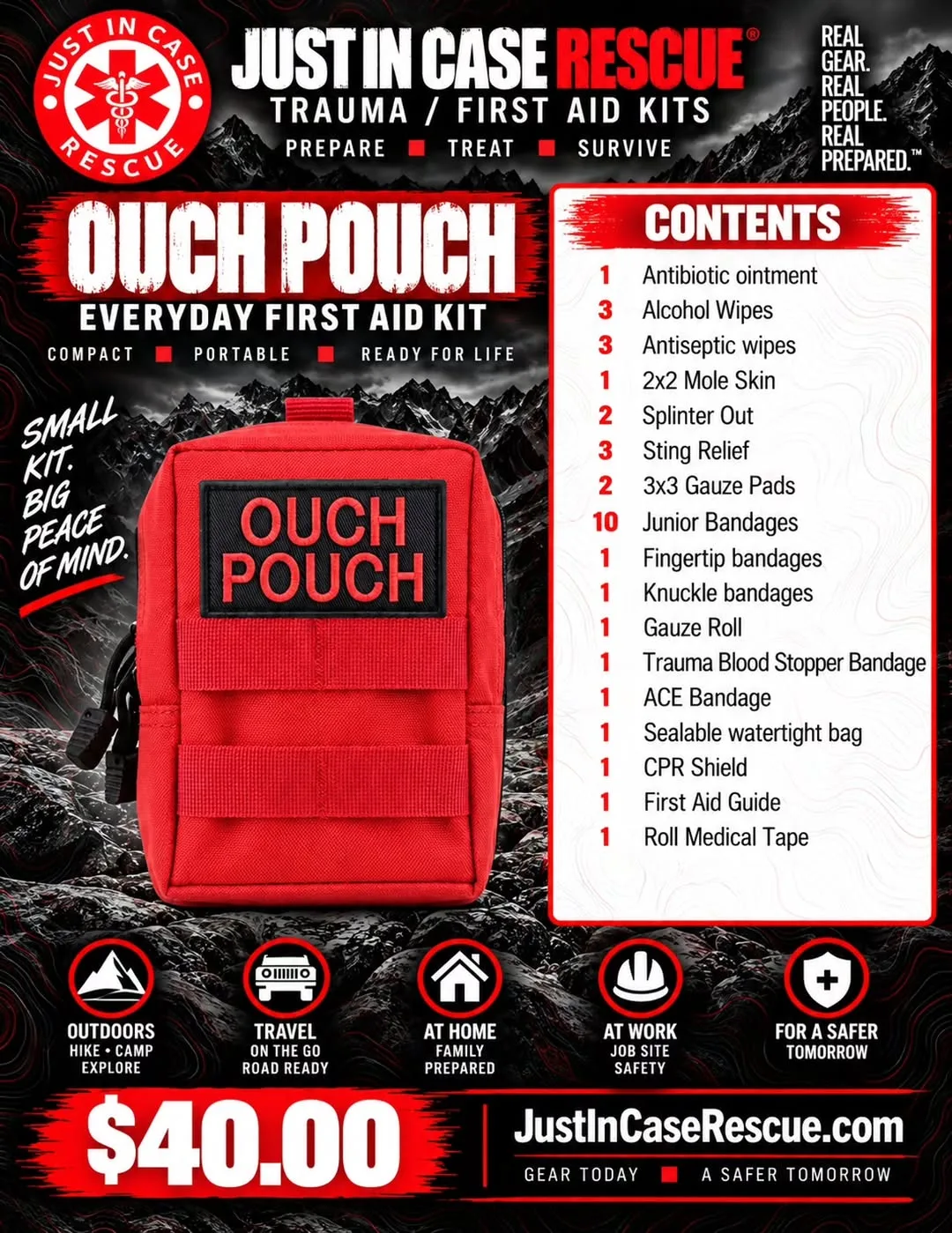
Good order grows from keeping plasters, antiseptic wipes, and tweezers in one small pouch for fast minor emergencies. Daily routines run smoother, guests can be welcomed without a scramble, and every item earns its place.
Practical planning keeps effort realistic. Check dates, stock sizes for children and adults, place the pouch at the drawer front, and refill after every use. Work in short timed sessions, keep a donation bag by the door, and stop while energy is still high.
Strongest fit is families with children, pets and clumsy cooks needing plasters in a hurry. Small homes gain the most, because every shelf and drawer must work hard without feeling crammed.
Picture the routine in real life. one dad treated a cut in seconds because the pouch waited exactly where memory said. Praise from family members kept the system going long after the first tidy weekend ended.
Watch out for burying first aid under tools, because emergencies punish buried supplies every time. Write the rule on a label or note, because visible reminders protect good systems from quiet drift.
Large Linen Fabric Foldable Storage Bin with Lid and Handles: Small lidded linen box keeps a mini first aid kit of plasters, wipes and medicine together in the drawer.
Picture hooks and furniture pads kit
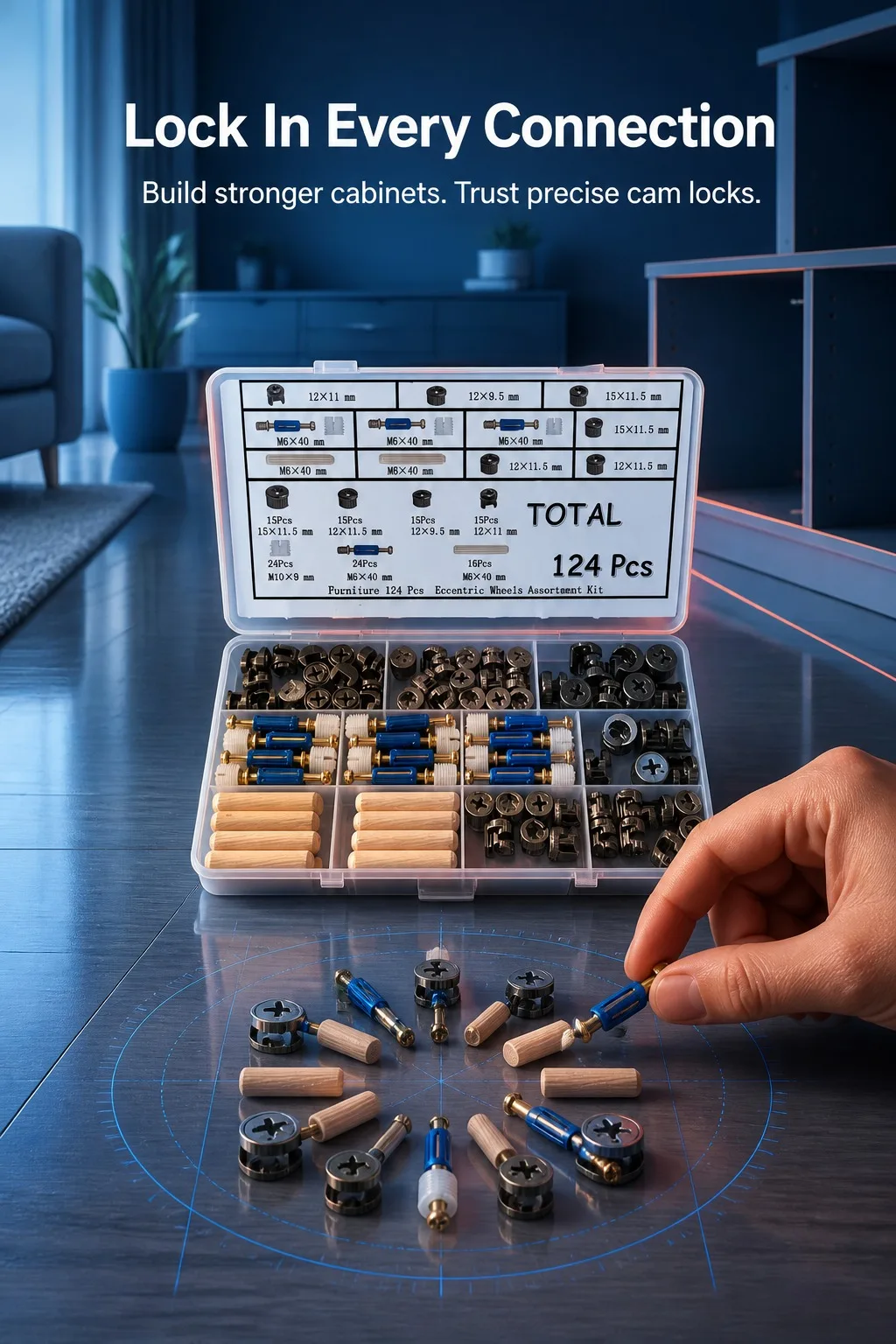
Calm rooms begin with bagging picture hooks, felt pads, small nails and wall fixings into one labeled kit. Finding things becomes quick, putting things away becomes obvious, and the whole space feels lighter. Strong junk drawer organization ideas habits grow from small finished sessions like this one, repeated steadily week after week.
Practical planning keeps effort realistic. Sort fixings by type into small bags, add a tiny hammer home elsewhere, and note sizes used in your rooms on the kit label. Photograph the finished result, because a clear picture makes resetting the space fast and simple.
Best results come for homes where pictures lean against walls for months awaiting one small hook. Clear limits, honest labels and easy access matter more than expensive matching containers.
Picture the routine in real life. one couple hung six pictures in one afternoon once the kit finally existed in one place. Finished results stayed tidy for weeks, because the setup matched real habits instead of wishful thinking.
Watch out for scattering fixings through many drawers, because small hardware vanishes exactly when projects begin. Slow down, fix the setup first, and repeat the small version until the habit holds on busy days too.
Coat Rack Wall Mount 38 Inch Long with 10 Tri Hooks: Heavy-duty hooks from this style of kit cover picture-hanging needs, with furniture pads stored in the same section.
One in and one out rule
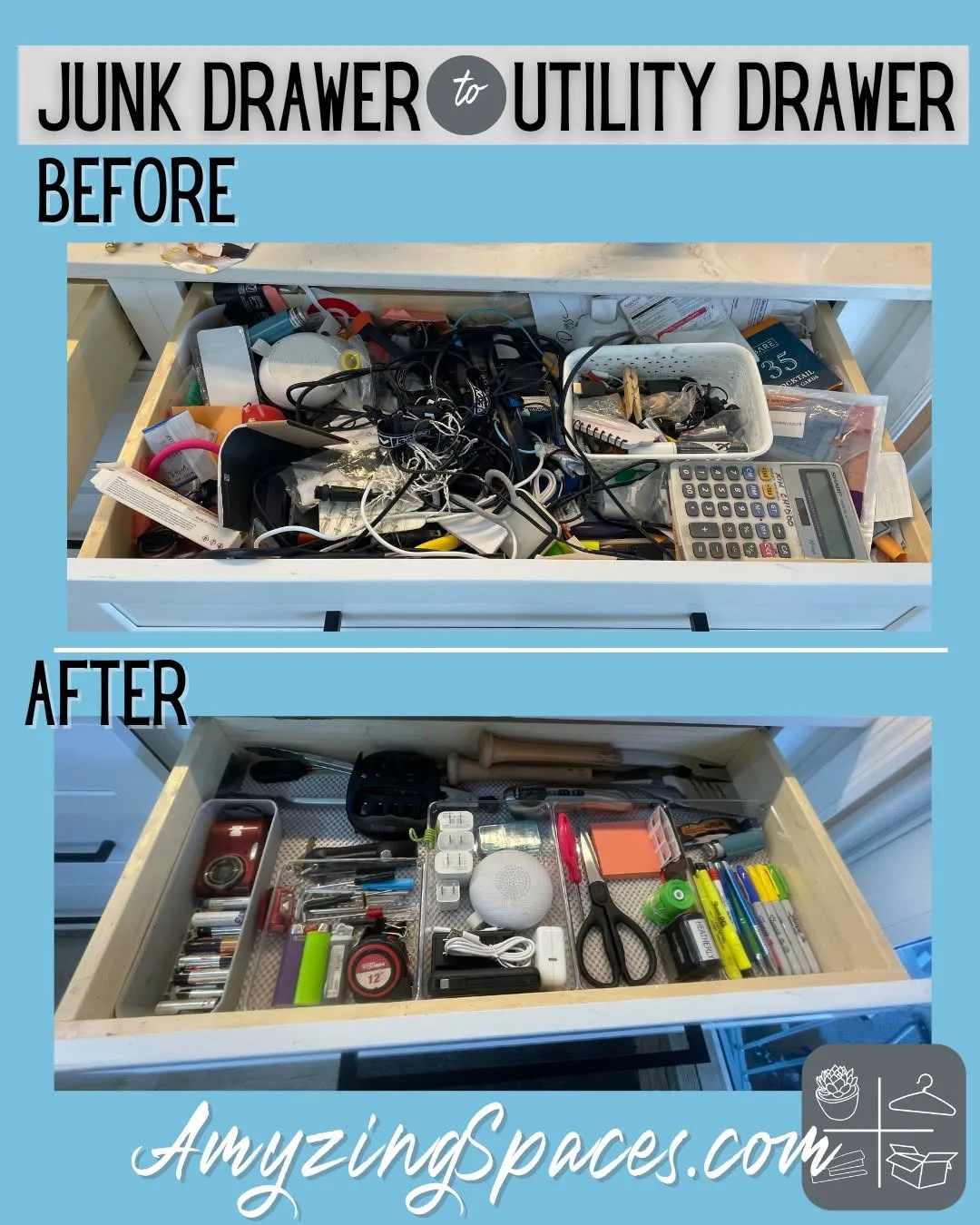
Thoughtful families choose protecting drawer space by removing one old item whenever a new tool earns entry. Money stops leaking into duplicate buys, because everyone can see what the home already owns.
Practical planning keeps effort realistic. Judge the newcomer against the weakest current item, move the loser out the same day, and keep the rule playful for the family. Tell everyone at home where things now live, because shared knowledge keeps new systems alive.
Happiest users are every utility drawer, because fixed space plus growing stuff always ends in jams. Success comes from placing items where hands naturally reach during the busiest hour of the day.
Picture the routine in real life. one household kept a tidy drawer for two years on this single cheerful rule. Guests noticed the calm first, and the family noticed faster cleanups every single day afterwards.
Watch out for applying the rule only to other people items, because fairness keeps household systems alive. Change one part at a time, watch what happens for a week, and adjust sizes before buying more storage.
Collapsible Fabric Storage Bins with Handles 6 Pack: A spare fabric bin by the drawer enforces the one in and one out rule as a donation and overflow box.
Five-minute monthly drawer edit
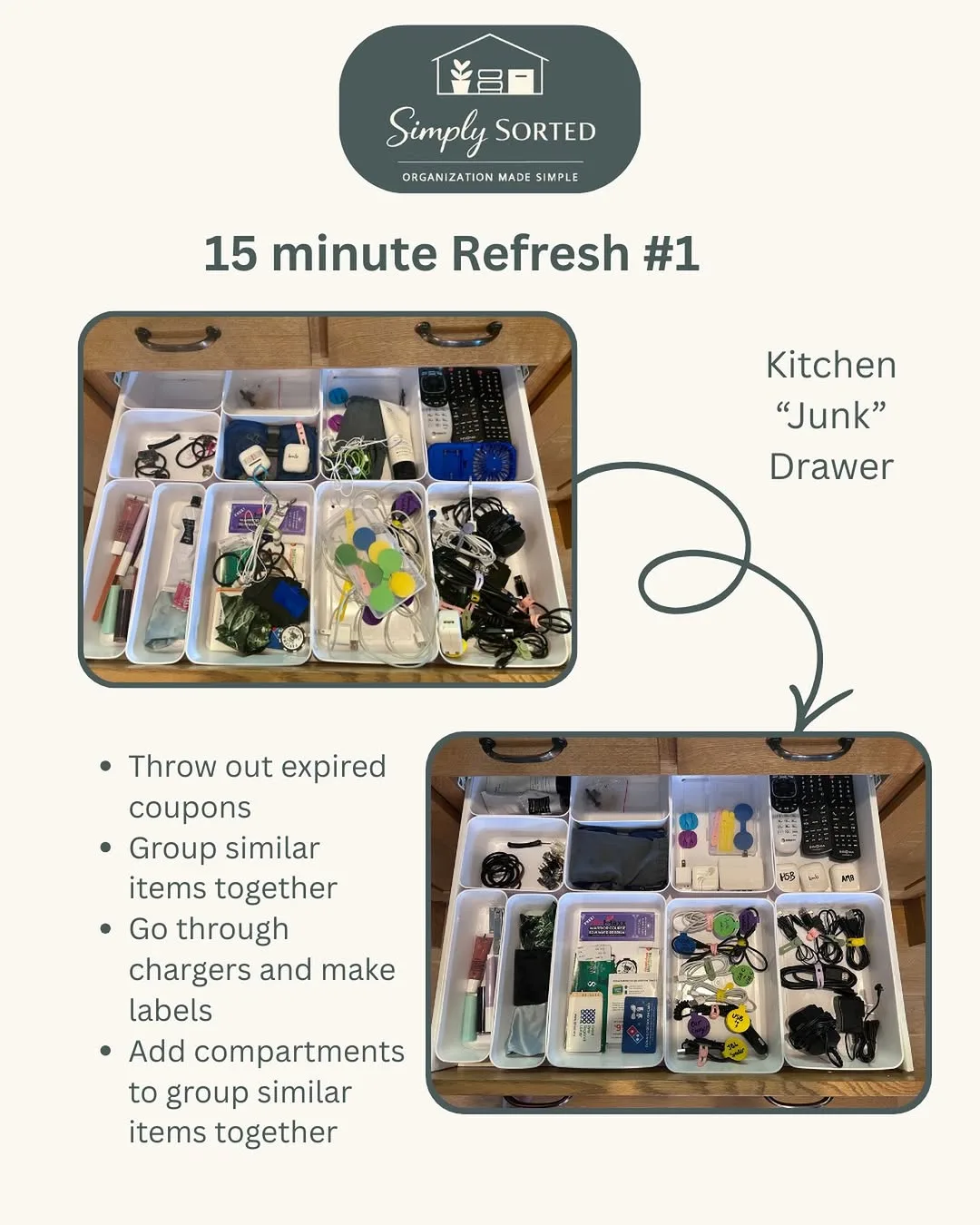
Neat spaces come from reviewing the whole drawer against the category list in one short monthly session. Mornings start calmer, evenings end tidier, and small messes stop growing into weekend projects.
Practical planning keeps effort realistic. Set a timer, remove foreign items, test pens, check batteries, wipe crumbs, and photograph the result for motivation. Keep supplies for the job in one caddy, so sessions start in minutes rather than after a search.
Strongest fit is anyone serious about keeping the famous drawer tame for good. Small homes gain the most, because every shelf and drawer must work hard without feeling crammed.
Picture the routine in real life. one family edits during kettle boils monthly, and the drawer has stayed calm for a full year. Praise from family members kept the system going long after the first tidy weekend ended.
Watch out for stretching edits into hour-long sorts, because long sessions get skipped while short ones survive. Write the rule on a label or note, because visible reminders protect good systems from quiet drift.
Label Maker Machine Bluetooth Green: Label maker makes the five-minute monthly drawer edit easy, since faded sections can be relabeled at once.
Overflow moved to proper homes
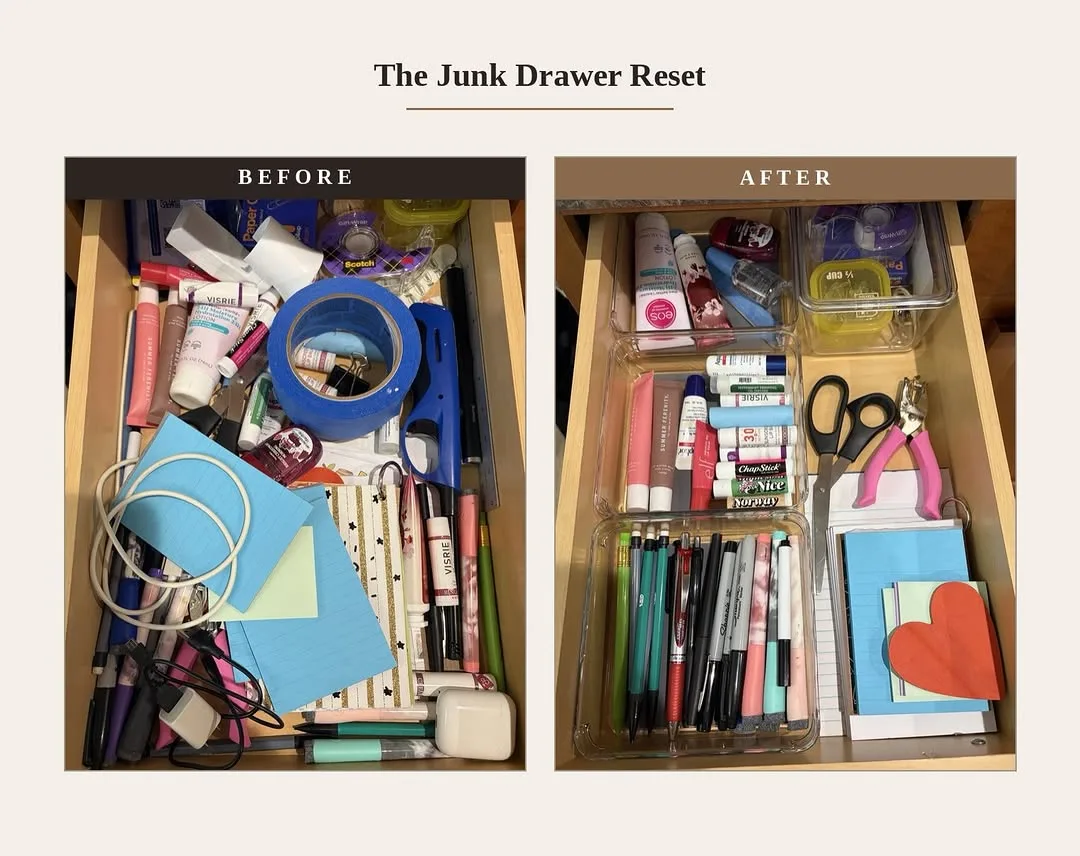
Smart homes rely on relocating items that fail the drawer test into real categories elsewhere in the home. Shelves, surfaces and floors feel calmer within one session, and cleaning takes minutes instead of an afternoon. Strong junk drawer organization ideas habits grow from small finished sessions like this one, repeated steadily week after week.
Practical planning keeps effort realistic. Carry overflow in a box to garage tools, office supplies, craft storage or recycling immediately after sorting, with labels ready. Measure the space, count the items, and write quantities down before buying any storage at all.
Best results come for households where the drawer became a waiting room for every homeless object. Clear limits, honest labels and easy access matter more than expensive matching containers.
Picture the routine in real life. one sorter emptied half the drawer to proper homes, and remaining tools finally fit with air to spare. Finished results stayed tidy for weeks, because the setup matched real habits instead of wishful thinking.
Watch out for creating a second overflow drawer nearby, because twin chaos doubles the eventual sorting pain. Slow down, fix the setup first, and repeat the small version until the habit holds on busy days too.
3 Pack Clear Storage Bins with Lids Stackable: Clear lidded bins move overflow items out of the drawer and into proper homes in the garage or closet.
Common Mistakes to Avoid
Rushing through sorting leads to regret, because keeping items just in case fills the drawer with guilt objects, so weekly use decides what stays. Decisions made in a hurry send loved items to donation bags and keep broken pieces in prime spots, so slow sorting with clear rules protects both money and memories.
Buying boxes before measuring creates brand new clutter, especially when dividers bought before measuring waste space, because utility drawers vary wildly in shape and depth. Containers that almost fit waste money and crowd shelves, while a tape measure and a phone note cost nothing and prevent nearly every bad buy.
Forgetting upkeep undoes tidy shelves within weeks, so a five minute monthly edit belongs in the routine, because small homeless items arrive constantly. Order survives through tiny repeat habits, honest reviews, and family members who all know where things belong and why the system matters.
Budget Friendly Ways to Organize a Junk Drawer
Smart spending starts with items already at home, including small boxes from gifts, jars for coins, and pouches rescued from travel sets. Clean, sturdy and honestly sized containers beat matching sets bought in a rush, and rooms look calmer when storage suits the items rather than a catalogue photo.
Market stalls, supermarket basics and second hand shops cover most needs, including one divider set measured to fit, a battery case and a label set, for very little money. Shopping with measurements and a written list keeps spending focused, while borrowing rarely used tools from friends protects the budget for items that truly matter.
Borrowed tools and shared family supplies stretch money further, while one drawer organized honestly usually frees items that organize two more drawers free. Saving on hidden storage leaves more room in the budget for the few visible pieces that lift the whole room every day.
Simple Tips That Keep Order Alive
Label the system. Write the allowed categories on a card inside the drawer lid for everyone. Clear words on the outside save every family member from opening three wrong containers.
Measure the system. Measure drawer depth and height before choosing dividers or trays. Sizes written on a phone note prevent duplicate buys and containers that almost fit.
Extra guidance on junk drawer organization ideas comes from testing one small area first, watching daily habits for a full week, and adjusting storage to match real life rather than magazine photos. Small tests reveal true sizes, true quantities and true routines.
Group the system. Group tools by job, such as fixing, wrapping, measuring and opening. Like items living together makes gaps and excess obvious at a glance.
Photograph the system. Photograph the tidy drawer, and send the photo to the family as law. A quick photo of the finished setup becomes the reset guide for the whole family.
Remember that strong junk drawer organization ideas choices reward patience, honest measuring and regular small reviews. Families who revisit one shelf each month keep order quietly, without dramatic cleanouts or expensive replacement storage.
Review the system. Review the drawer monthly during the five minute edit without mercy. A five minute check each month catches drift before clutter rebuilds in silence.
Keep the system. Keep a small donation and recycling bag nearby during every edit. Daily items deserve the easiest reach, while rare items can live higher and deeper.
FAQ
What should a junk drawer actually hold?
Stock daily utility heroes only, such as tape, scissors, a screwdriver, batteries, pens, keys in transit and charging basics. Items used monthly or less deserve homes in garages, offices or cupboards where categories make more sense.
How do I stop the drawer filling again?
Give every category a divided section with a hard size limit, then move overflow out during a five minute monthly edit. Drawers refill when sections blur, so visible borders and regular edits protect the system together.
What dividers work best in shallow drawers?
Choose slim, low dividers or trays that leave finger room above items, measured against the tallest tool kept. Shallow drawers punish chunky organizers, while low trays keep everything visible in one quick glance.
Where do mystery keys and parts belong?
Place unknown keys and parts in one labeled pouch with a review date, then test them around the home calmly. Items still unknown after the review date can leave safely, because years of mystery rarely resolve themselves.
How should batteries be stored?
Keep batteries in original packs or a fitted case, grouped by size, away from heat and loose metal items. Cases prevent short circuits, show quantities honestly, and pair well with a small tester for doubtful cells.
Can a junk drawer ever stay tidy?
Yes, when the drawer becomes a utility drawer with strict categories, strict sizes and a monthly edit habit. Tidy drawers survive through limits and routines, not through hope, depth or one heroic annual sort.
Conclusion
Good order grows from honest sorting, sensible storage and tiny repeat habits that fit busy weeks. Strong junk drawer organization ideas choices respect your space, your budget and the way your family actually lives, so tidy rooms stay tidy without constant effort or stress.
Pick three ideas from this list, finish them fully this week, and live with the results before buying anything new. Small finished spaces build confidence, teach the family the new system, and reveal exactly which storage the home still needs.
Enjoy the calmer corners that follow, and let small finished spaces pull the rest of the home along gently. One shelf, one drawer and one quiet morning at a time, order becomes the normal way the home feels every day.