15 Kitchen Cabinet Organization Ideas for Every Shelf
Kitchen cabinets hide chaos behind closed doors, because plates stack too tall, lids slide into dark corners, and packets bury themselves behind oils. Cooking slows down nightly while somebody hunts a pan lid, a spice jar, or the one tray that fits the oven and the meal.
Relief comes from simple systems that match real family life, honest sorting, and storage that fits the space already owned. Strong kitchen cabinet organization ideas put daily items within easy reach and push rarely used pieces out of prime spots, so rooms serve the family instead of storing forgotten piles.
Inside this guide, fifteen practical ideas walk through the whole job in a sensible order, from the first honest sort to the tiny weekly habits that keep order alive. Every idea includes real quantities, budget-friendly options, and the one mistake that quietly undoes good work in busy homes.
How do strong kitchen cabinet organization ideas work in real homes?
Simple order wins every time: sort first, group second, store third, and label last of all. Order works when cabinets get zones by job, heavy items sit low, daily dishes live at eye level, and vertical tools claim the air above short items. Pull-out storage and turntables defeat deep corners, while labels teach the whole family the map.
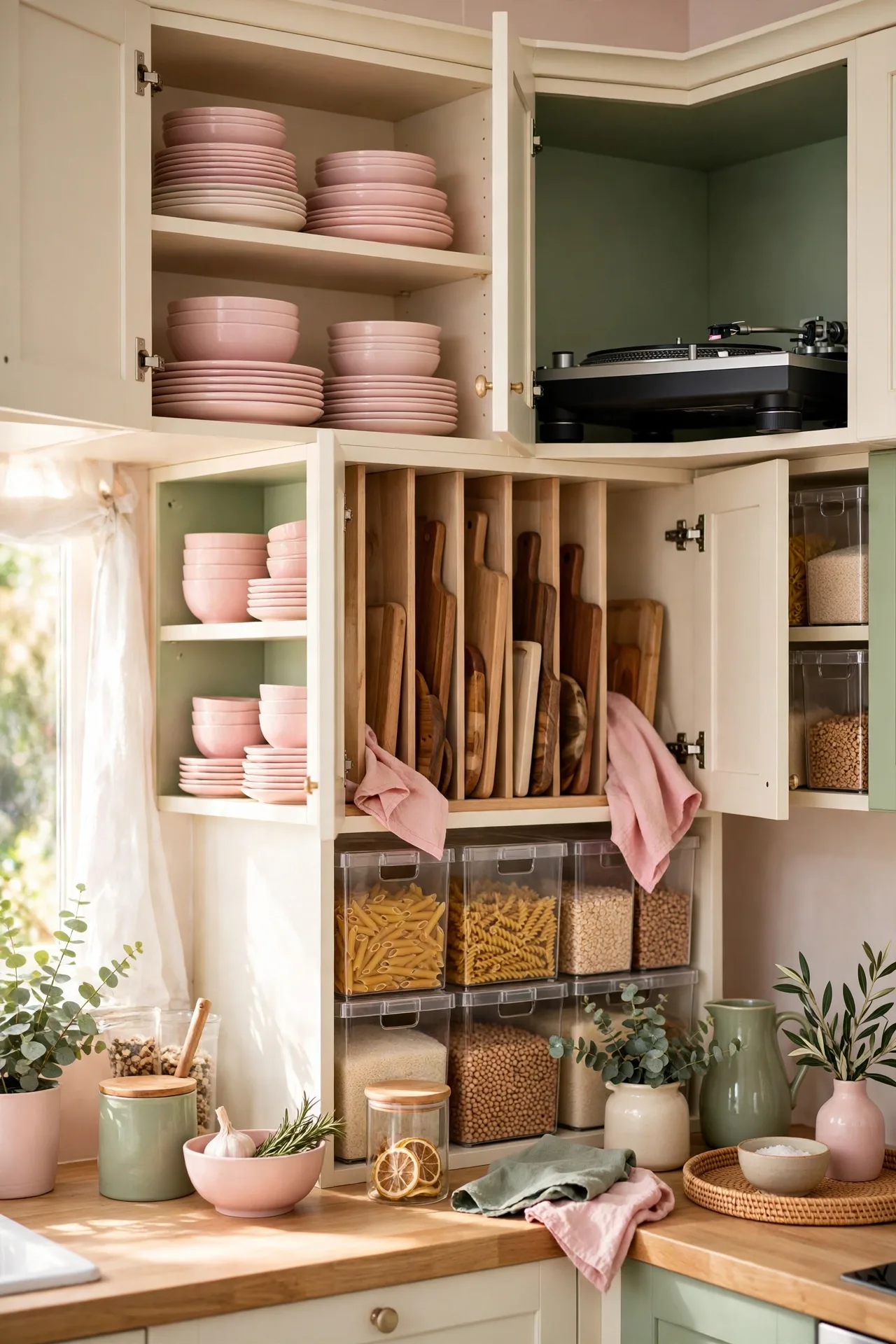
Picture one finished corner by tonight: plates rest on a small shelf in two calm stacks, boards stand upright between dividers, lids hang on the door, and a turntable brings corner sauces forward with one spin. Dinner prep becomes quicker, quieter, and far less dramatic every night.
Disclosure: As an Amazon Associate I earn from qualifying purchases. Some of the links below are affiliate links, which means Bloomie Living may earn a small commission if you buy through them, at no extra cost to you.
Stackable shelves for plates
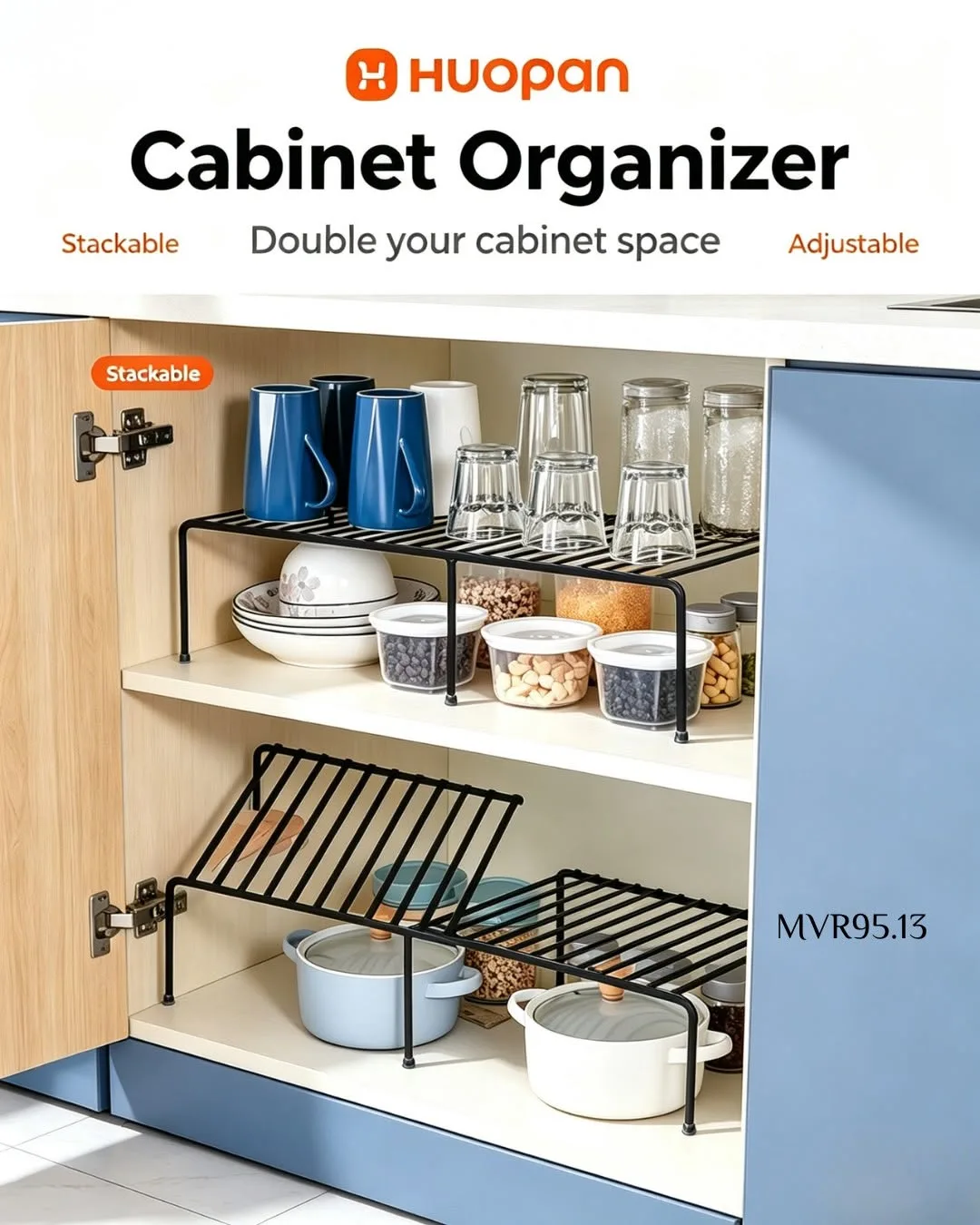
Good order grows from adding a small shelf inside the cabinet, so plates form two short stacks instead of one leaning tower. Daily routines run smoother, guests can be welcomed without a scramble, and every item earns its place.
Practical planning keeps effort realistic. Measure cabinet height, leave hand room above stacks, keep daily plates on the lower level, and place guest plates above. Work in short timed sessions, keep a donation bag by the door, and stop while energy is still high.
Happiest users are families whose tall stacks chip rims and slow table setting nightly. Success comes from placing items where hands naturally reach during the busiest hour of the day.
Picture the routine in real life. One mum split sixteen plates into two calm stacks, and children could finally set the table alone. Guests noticed the calm first, and the family noticed faster cleanups every single day afterwards.
Watch out for stacking every plate owned in one tower, because weight and height punish bottom plates. Change one part at a time, watch what happens for a week, and adjust sizes before buying more storage.
Stackable Metal Kitchen Cabinet Organizer Shelves: Stackable metal shelves double plate storage in one cabinet so stacks stay short and easy to lift.
Vertical dividers for boards and trays
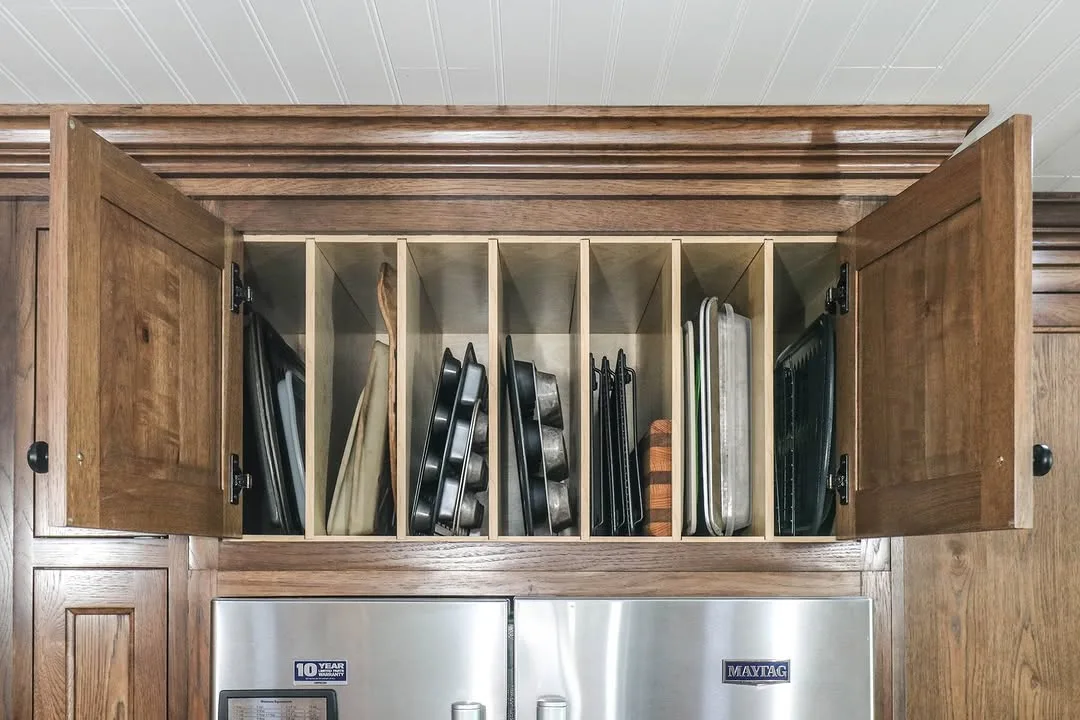
Calm rooms begin with standing chopping boards, baking trays and cooling racks upright between dividers like files. Finding things becomes quick, putting things away becomes obvious, and the whole space feels lighter.
Practical planning keeps effort realistic. Fit dividers near the oven zone, sort by size, keep daily boards at the front, and wipe crumbs from the base weekly. Photograph the finished result, because a clear picture makes resetting the space fast and simple.
Strongest fit is cooks who wrestle flat stacks of trays before every single meal. Small homes gain the most, because every shelf and drawer must work hard without feeling crammed.
Picture the routine in real life. One baker pulled the needed tray in seconds after years of clattering stack battles. Praise from family members kept the system going long after the first tidy weekend ended.
Watch out for laying boards flat under heavy pans, because buried boards warp, scratch and disappear. Write the rule on a label or note, because visible reminders protect good systems from quiet drift.
Cabinet Organizer Shelf Set of 2: Two organizer shelves stand boards and trays upright in sections so they slide out one at a time.
Turntable in corner cabinets
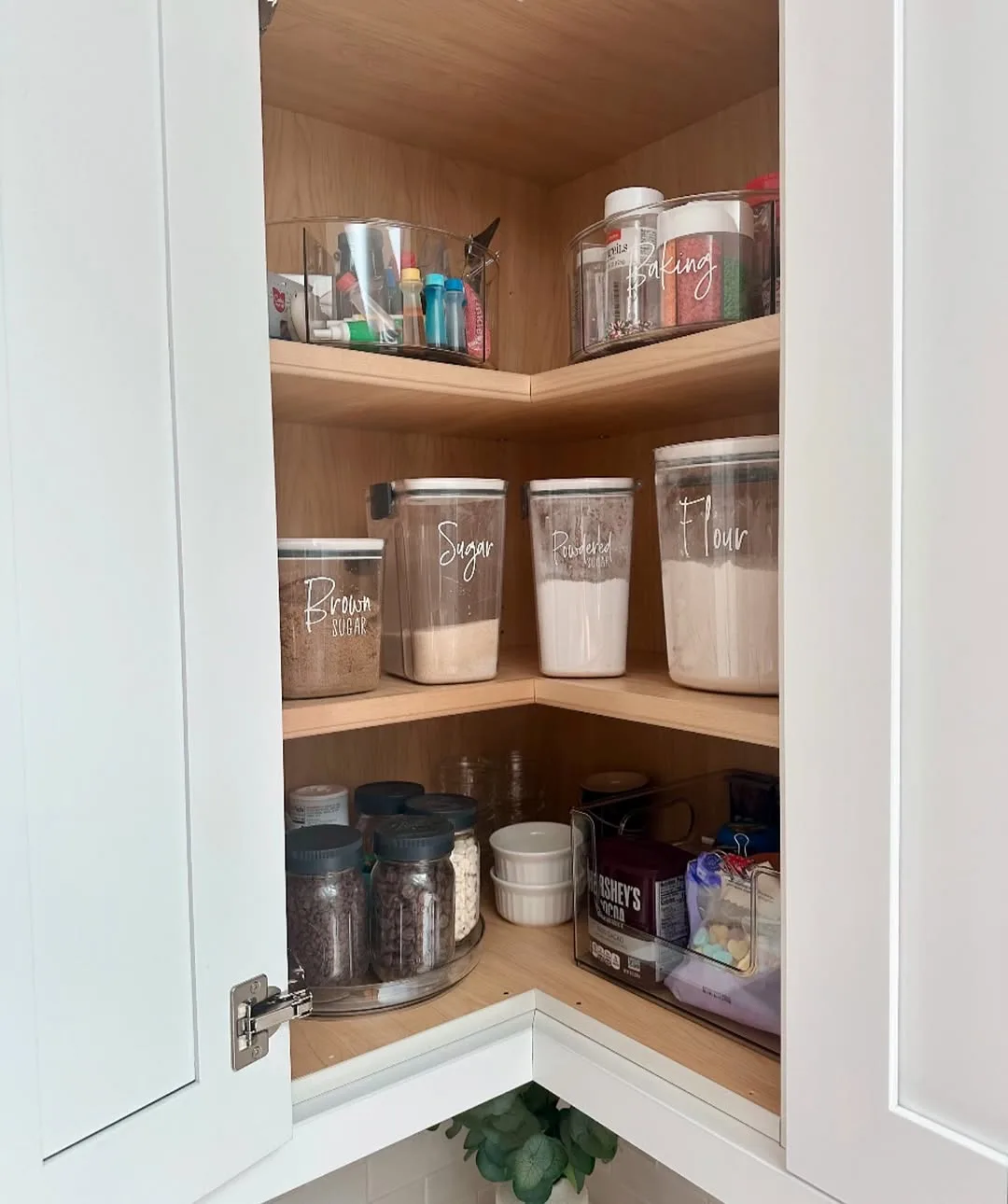
Thoughtful families choose spinning oils, sauces and spices forward from corner cabinets that swallow bottles whole. Money stops leaking into duplicate buys, because everyone can see what the home already owns. Strong kitchen cabinet organization ideas habits grow from small finished sessions like this one, repeated steadily week after week.
Practical planning keeps effort realistic. Choose a turntable that clears the door frame, group bottles by cuisine, and keep tall items in the centre for balance. Tell everyone at home where things now live, because shared knowledge keeps new systems alive.
Best results come for homes with deep corner cabinets and adventurous sauce collections. Clear limits, honest labels and easy access matter more than expensive matching containers.
Picture the routine in real life. One cook found five hidden sauces during turntable setup, and planned a week of marinades free. Finished results stayed tidy for weeks, because the setup matched real habits instead of wishful thinking.
Watch out for overcrowding the turntable rim, because bottles topple into corners and recreate the original mess. Slow down, fix the setup first, and repeat the small version until the habit holds on busy days too.
2 Tier 12 Inch Lazy Susan Turntable Organizer: Two tier turntable spins corner cabinet contents to the front so nothing gets lost at the back.
Door racks for pot lids
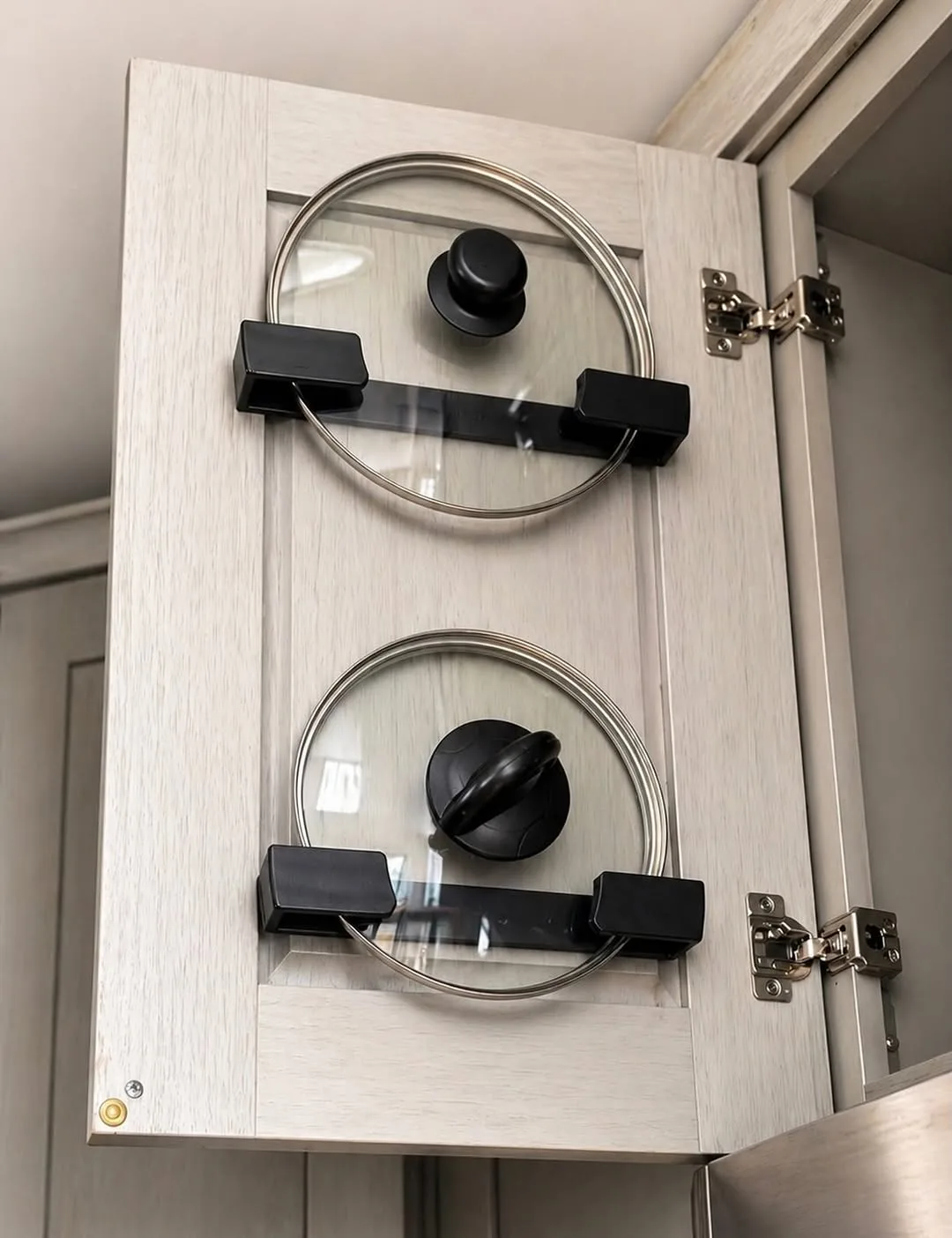
Neat spaces come from hanging lids on racks fitted inside cabinet doors, matched loosely by size. Mornings start calmer, evenings end tidier, and small messes stop growing into weekend projects.
Practical planning keeps effort realistic. Check door clearance against shelves, place daily lids lowest, and keep a small towel nearby for drips after washing. Keep supplies for the job in one caddy, so sessions start in minutes rather than after a search.
Happiest users are cooks whose lids colonize drawers, oven space and counter corners. Success comes from placing items where hands naturally reach during the busiest hour of the day.
Picture the routine in real life. One dad matched every pot with a door lid in seconds, ending the nightly metal rummage. Guests noticed the calm first, and the family noticed faster cleanups every single day afterwards.
Watch out for fitting racks where doors strike shelves, because banging doors loosen fixings and nerves. Change one part at a time, watch what happens for a week, and adjust sizes before buying more storage.
Universal Pot Lid Organizer for Cabinet Door 6 Pack: Door mount lid holders use the inside of the cabinet door to store pot lids upright and visible.
Pull out drawers in deep cabinets
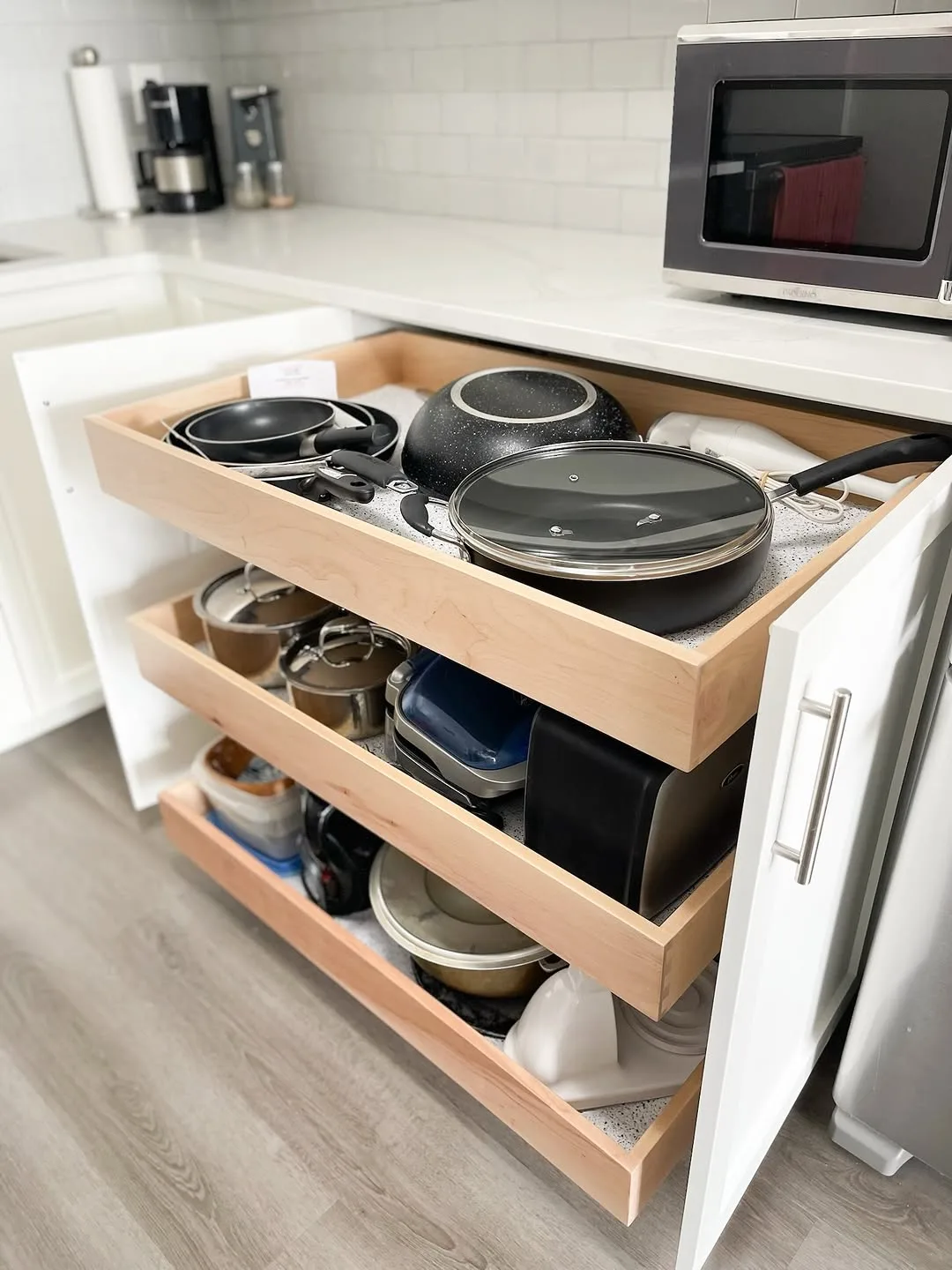
Smart homes rely on installing or placing pull out drawers that bring back items into daylight. Shelves, surfaces and floors feel calmer within one session, and cleaning takes minutes instead of an afternoon.
Practical planning keeps effort realistic. Measure for runners or use deep handled bins as simple pull outs, store pans and containers by job, and label fronts. Measure the space, count the items, and write quantities down before buying any storage at all.
Strongest fit is anyone with deep base cabinets and knees tired of floor level archaeology. Small homes gain the most, because every shelf and drawer must work hard without feeling crammed.
Picture the routine in real life. one grandmother reached back pans safely for the first time in years with one pull out drawer. Praise from family members kept the system going long after the first tidy weekend ended.
Watch out for storing loose small items in pull outs, because tiny pieces roll, spill and jam runners. Write the rule on a label or note, because visible reminders protect good systems from quiet drift.
Kitchen Cabinet Pullout Shelf and Drawer Organizer: Full extension pull out drawer brings deep cabinet contents out to you instead of forcing you to reach.
Clear bins for packets and mixes
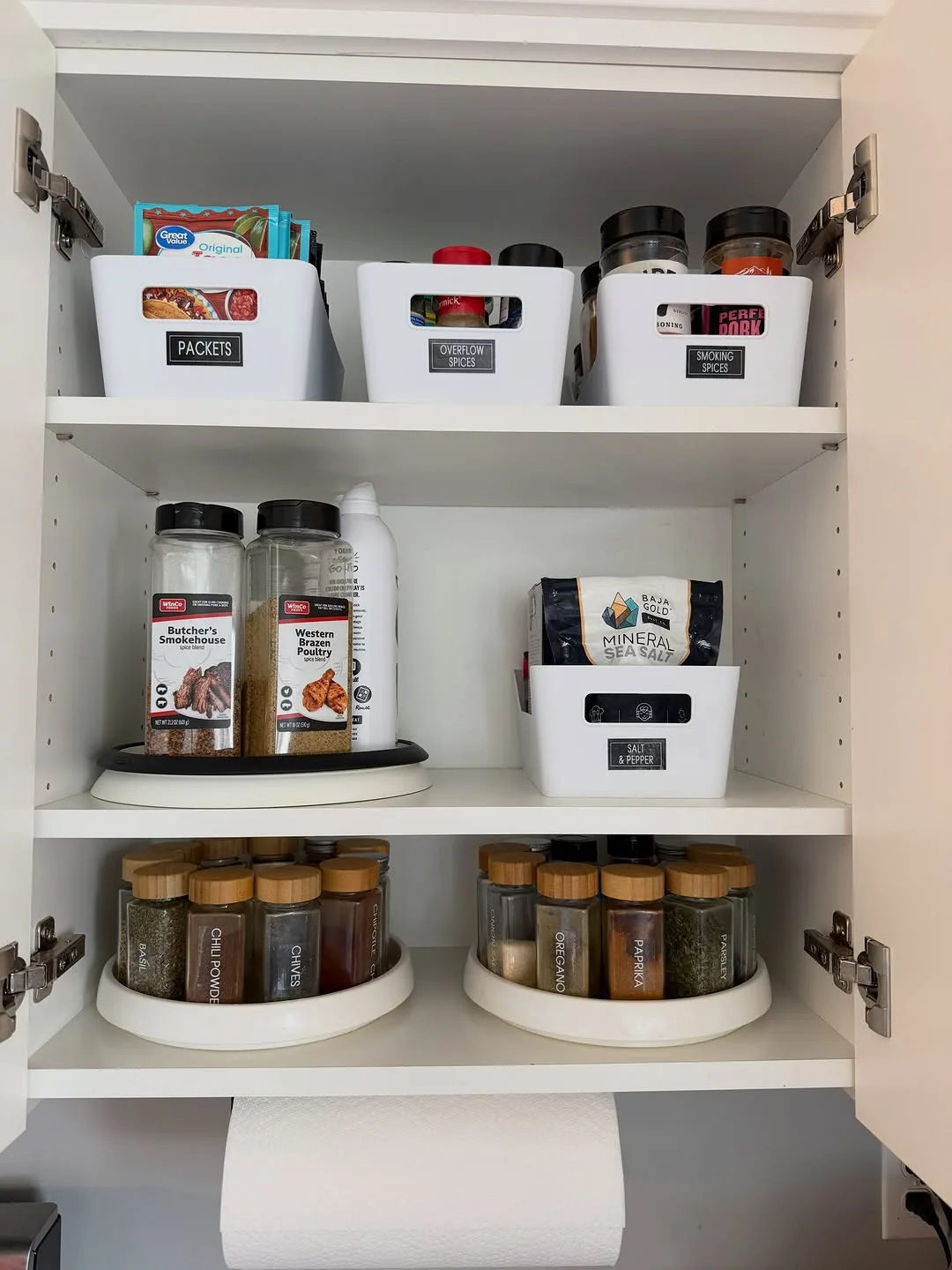
Good order grows from boxing gravy mixes, marinades and baking packets in clear bins sorted by meal job. Daily routines run smoother, guests can be welcomed without a scramble, and every item earns its place. Strong kitchen cabinet organization ideas habits grow from small finished sessions like this one, repeated steadily week after week.
Practical planning keeps effort realistic. Stand packets upright like files, label bins by job, keep one bin per cabinet zone, and review dates monthly. Work in short timed sessions, keep a donation bag by the door, and stop while energy is still high.
Best results come for busy cooks whose packets avalanche from high shelves during dinner prep. Clear limits, honest labels and easy access matter more than expensive matching containers.
Picture the routine in real life. one family filed packets by cuisine, and midweek meal choices became visible in one glance. Finished results stayed tidy for weeks, because the setup matched real habits instead of wishful thinking.
Watch out for tossing packets into deep opaque boxes, because small sachets sink and expire silently. Slow down, fix the setup first, and repeat the small version until the habit holds on busy days too.
6 Pack Clear Storage Bins with Handles: Clear bins group packets, mixes and gravy sachets so small items stop falling to the back of shelves.
Shelf risers for mugs and glasses
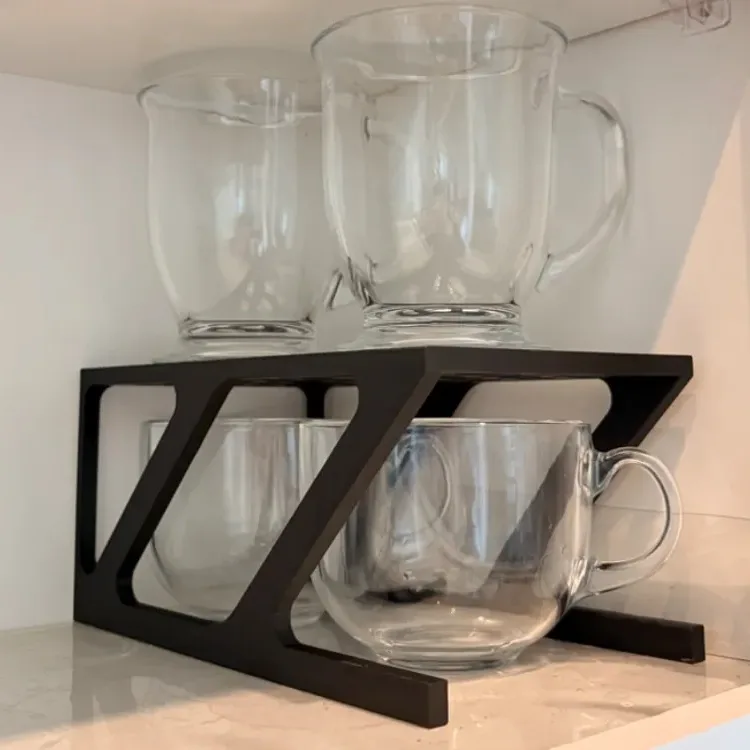
Calm rooms begin with doubling glass storage with risers that create a second level inside tall cabinets. Finding things becomes quick, putting things away becomes obvious, and the whole space feels lighter.
Practical planning keeps effort realistic. Place risers at the back, keep daily glasses at front edge, store spare mugs above, and check shelf weight limits honestly. Photograph the finished result, because a clear picture makes resetting the space fast and simple.
Happiest users are households with more mugs than any family can reasonably explain. Success comes from placing items where hands naturally reach during the busiest hour of the day.
Picture the routine in real life. one couple fitted twenty mugs into a cabinet that held twelve chaotically before risers. Guests noticed the calm first, and the family noticed faster cleanups every single day afterwards.
Watch out for hanging heavy collections from weak shelves, because glass weight demands honest fixing and limits. Change one part at a time, watch what happens for a week, and adjust sizes before buying more storage.
Stackable Wire Shelf Organizer Metal Cabinet Shelf: Wire shelf riser creates a second level for mugs and glasses inside a tall cabinet.
Pan protectors between stacked pots
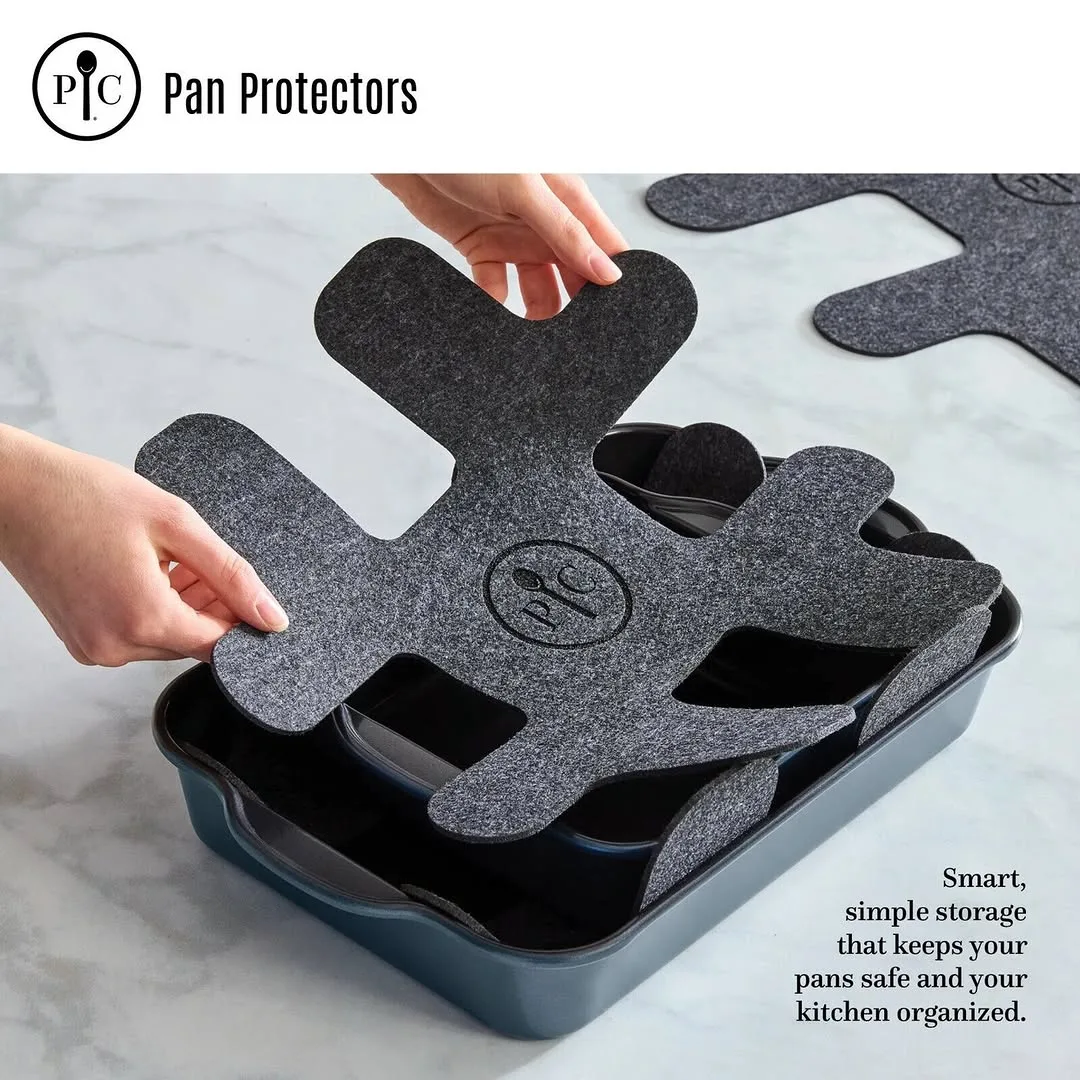
Thoughtful families choose sliding soft protectors between stacked pans, protecting coatings while keeping nests compact. Money stops leaking into duplicate buys, because everyone can see what the home already owns.
Practical planning keeps effort realistic. Choose protectors sized to pans, stack heaviest lowest, keep lids on door racks instead, and store the set near the stove. Tell everyone at home where things now live, because shared knowledge keeps new systems alive.
Strongest fit is cooks with coated pans that scratch during daily nesting and pulling. Small homes gain the most, because every shelf and drawer must work hard without feeling crammed.
Picture the routine in real life. one cook kept new pans unmarked for a year thanks to simple felt protectors nightly. Praise from family members kept the system going long after the first tidy weekend ended.
Watch out for dragging pans from stacks unprotected, because one rough pull can scar a coating permanently. Write the rule on a label or note, because visible reminders protect good systems from quiet drift.
Expandable Cabinet Shelf Organizer Rack 2 Pack: Expandable rack separates stacked pots onto their own level, working with pan protectors to prevent scratches.
Baking zone in one cabinet
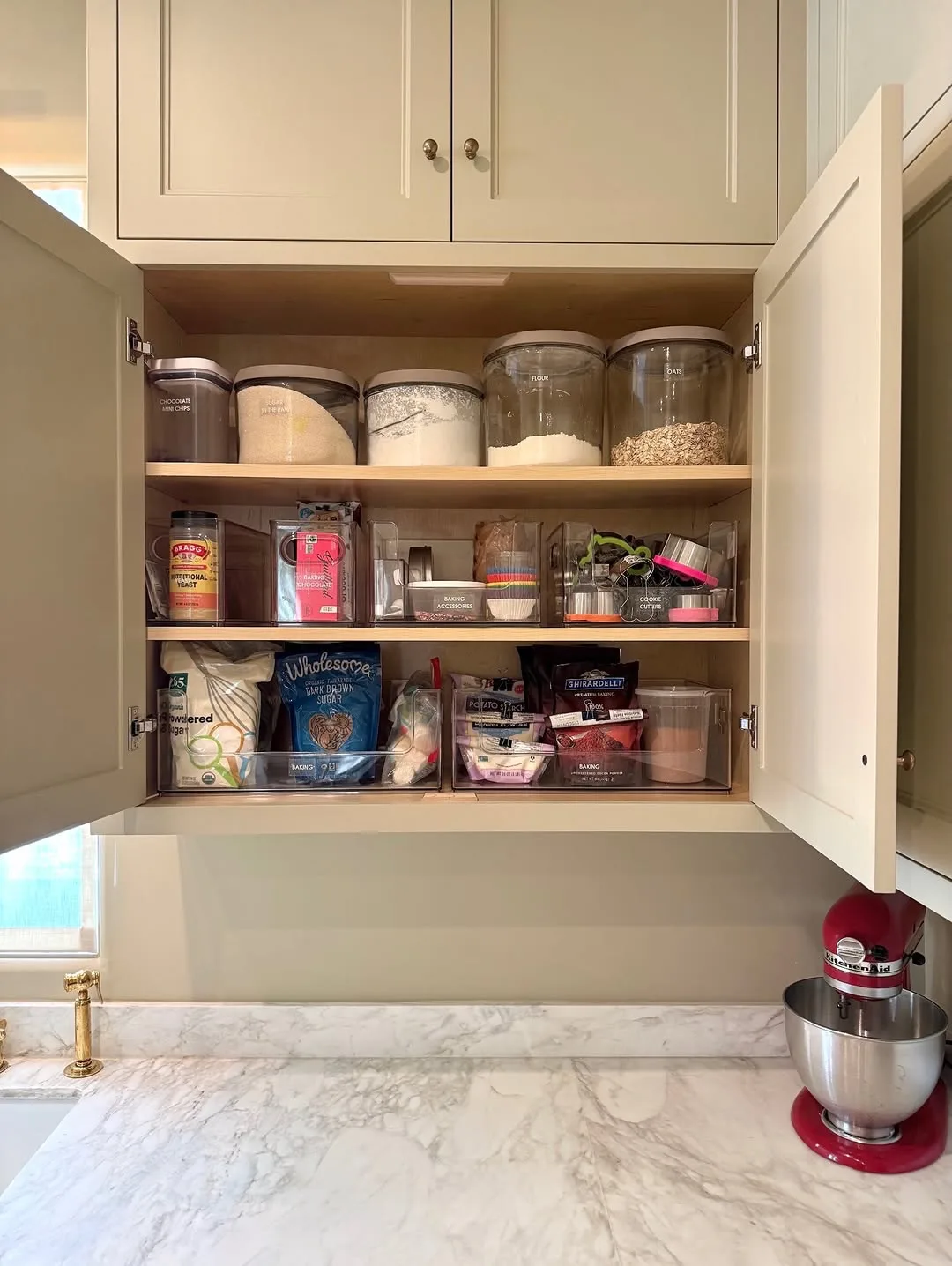
Neat spaces come from gathering flour tools, tins, cutters and mixes into one cabinet near the main worktop. Mornings start calmer, evenings end tidier, and small messes stop growing into weekend projects. Strong kitchen cabinet organization ideas habits grow from small finished sessions like this one, repeated steadily week after week.
Practical planning keeps effort realistic. Store tins upright with dividers, tools in one bin, ingredients in clear jars, and keep scales on the same shelf level. Keep supplies for the job in one caddy, so sessions start in minutes rather than after a search.
Best results come for home bakers whose equipment scatters across five cabinets and three drawers. Clear limits, honest labels and easy access matter more than expensive matching containers.
Picture the routine in real life. one birthday baker set up in five calm minutes because the whole zone finally lived together. Finished results stayed tidy for weeks, because the setup matched real habits instead of wishful thinking.
Watch out for splitting baking gear by type across the kitchen, because projects need whole sets in one reach. Slow down, fix the setup first, and repeat the small version until the habit holds on busy days too.
Metal Pull Out Cabinet Organizer Shelf 2 Pack: Sliding pull-out shelves create a single baking zone for trays, mixers and ingredients in one cabinet.
Under shelf baskets for extra room
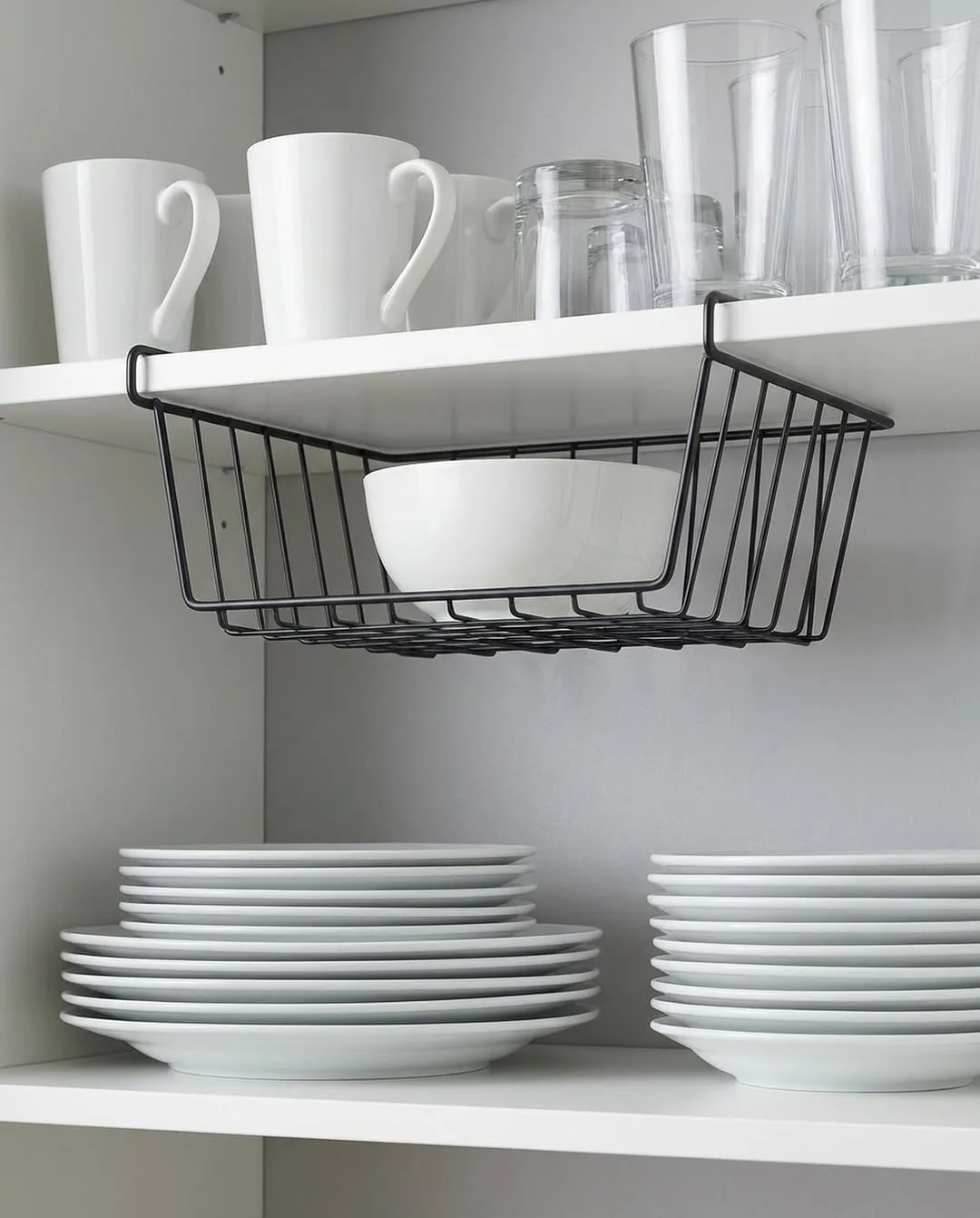
Smart homes rely on clipping baskets under shelves to hold wraps, lids or lightweight packets in dead air. Shelves, surfaces and floors feel calmer within one session, and cleaning takes minutes instead of an afternoon.
Practical planning keeps effort realistic. Fit baskets where doors clear them, store light items only, label the front edge, and check clips during monthly reviews. Measure the space, count the items, and write quantities down before buying any storage at all.
Happiest users are small kitchens where tall cabinets waste half their height in air. Success comes from placing items where hands naturally reach during the busiest hour of the day.
Picture the routine in real life. one renter gained a wraps shelf overnight, with no drilling and no landlord worries at all. Guests noticed the calm first, and the family noticed faster cleanups every single day afterwards.
Watch out for loading under-shelf baskets with jars, because weight bends clips and risks falling glass. Change one part at a time, watch what happens for a week, and adjust sizes before buying more storage.
2 Pack Stackable Cabinet Shelf Organizer Mesh Black: Stackable shelf fits under or inside a cabinet to add an extra basket level for cups and small bowls.
Labels for cabinet zones
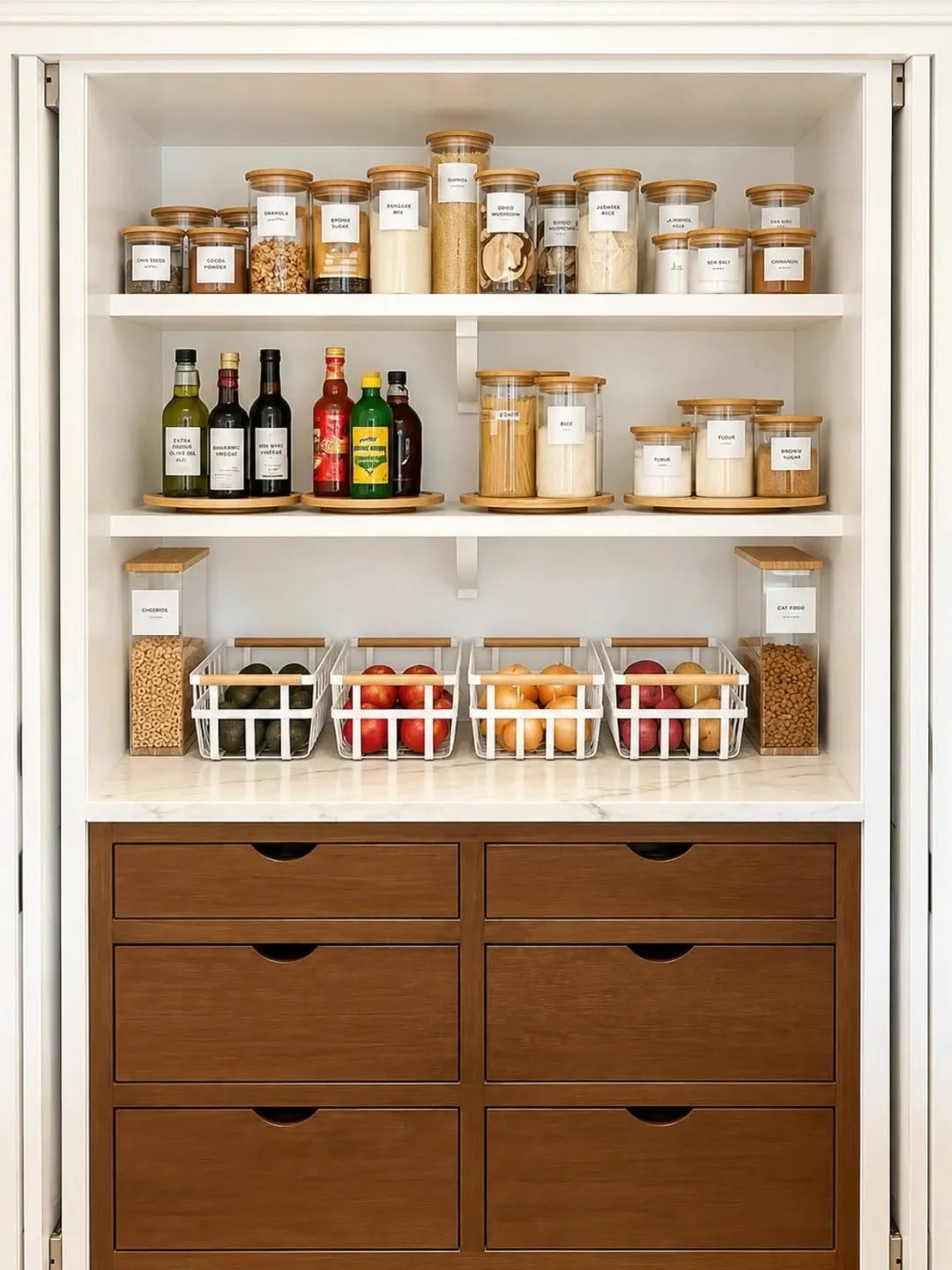
Good order grows from labeling cabinet doors or shelf edges with zone names, teaching everyone the kitchen map. Daily routines run smoother, guests can be welcomed without a scramble, and every item earns its place.
Practical planning keeps effort realistic. Use short labels like daily, bake, cook and store, place at eye level inside doors, and update after every reorganization. Work in short timed sessions, keep a donation bag by the door, and stop while energy is still high.
Strongest fit is shared kitchens where dishwashers unload creatively into wrong cabinets nightly. Small homes gain the most, because every shelf and drawer must work hard without feeling crammed.
Picture the routine in real life. one family ended unload arguments in a week, because doors quietly answered every question. Praise from family members kept the system going long after the first tidy weekend ended.
Watch out for labeling with long sentences, because zone labels must read at a glance while hands hold plates. Write the rule on a label or note, because visible reminders protect good systems from quiet drift.
Label Maker Machine with Tape Bluetooth: Label maker prints cabinet zone labels for baking, breakfast and cans so everyone puts things back right.
Heavy pots on the lowest shelf
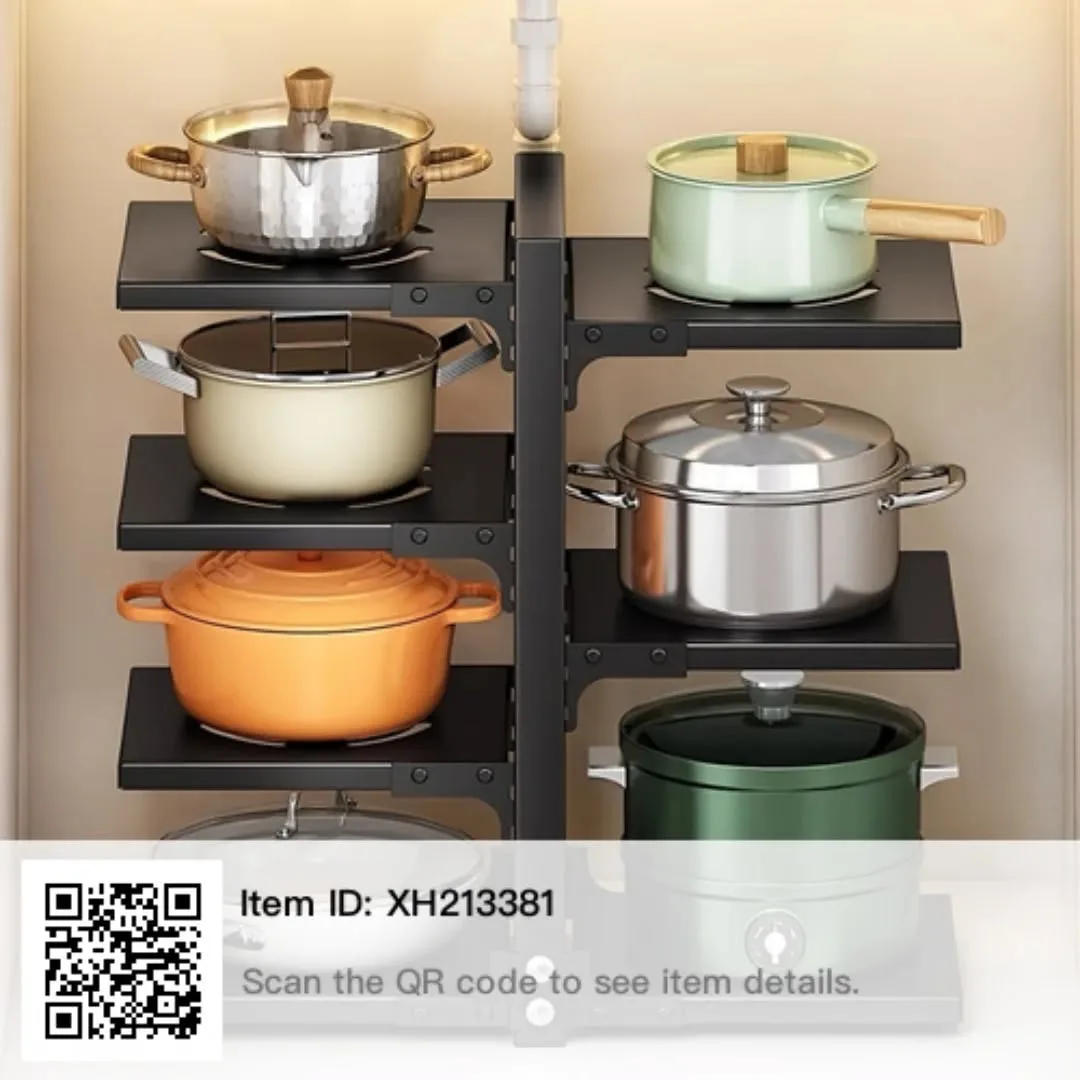
Calm rooms begin with moving the heaviest pots and appliances parts to the lowest cabinet level near the stove. Finding things becomes quick, putting things away becomes obvious, and the whole space feels lighter. Strong kitchen cabinet organization ideas habits grow from small finished sessions like this one, repeated steadily week after week.
Practical planning keeps effort realistic. Keep daily heavy items front and centre low, store lids on the door above, and leave lifting space in front of knees. Photograph the finished result, because a clear picture makes resetting the space fast and simple.
Best results come for every cook, because safe lifting matters more than tidy looking upper shelves. Clear limits, honest labels and easy access matter more than expensive matching containers.
Picture the routine in real life. one grandad stopped climbing for the big pot, and Sunday soups became safer and calmer. Finished results stayed tidy for weeks, because the setup matched real habits instead of wishful thinking.
Watch out for storing cast iron overhead, because tired arms and heavy metal make a dangerous pairing. Slow down, fix the setup first, and repeat the small version until the habit holds on busy days too.
2 Tier Pull Out Cabinet Organizer Heavy Duty Metal: Heavy duty pull out shelves on the lowest level hold heavy pots safely and slide them out without lifting.
Daily dishes at eye level
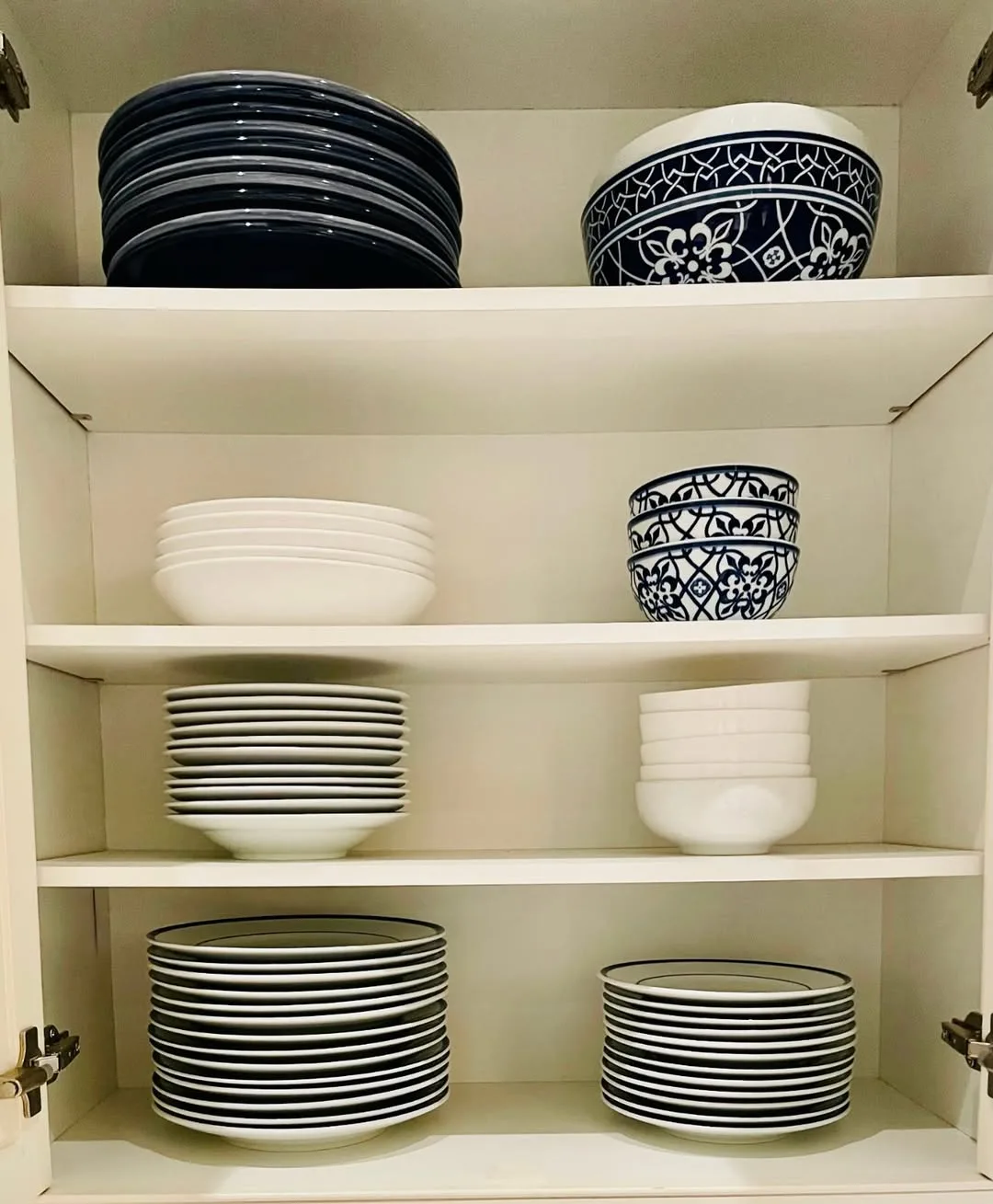
Thoughtful families choose placing plates, bowls and glasses used daily on the shelves between waist and eye height. Money stops leaking into duplicate buys, because everyone can see what the home already owns.
Practical planning keeps effort realistic. Arrange by type in short stacks, keep children dishes lower for independence, and move guest sets higher or further. Tell everyone at home where things now live, because shared knowledge keeps new systems alive.
Happiest users are families unloading dishwashers daily and setting tables on busy schedules. Success comes from placing items where hands naturally reach during the busiest hour of the day.
Picture the routine in real life. one household cut unloading time noticeably, because daily homes sat nearest the dishwasher door. Guests noticed the calm first, and the family noticed faster cleanups every single day afterwards.
Watch out for giving prime shelves to rarely used sets, because sentiment should not outrank breakfast. Change one part at a time, watch what happens for a week, and adjust sizes before buying more storage.
Cabinet Shelf Organizer Pantry Shelf Rack White: Sturdy shelf riser at eye level keeps daily dishes in one easy row instead of a tall wobbling stack.
Spice inserts in a shallow drawer
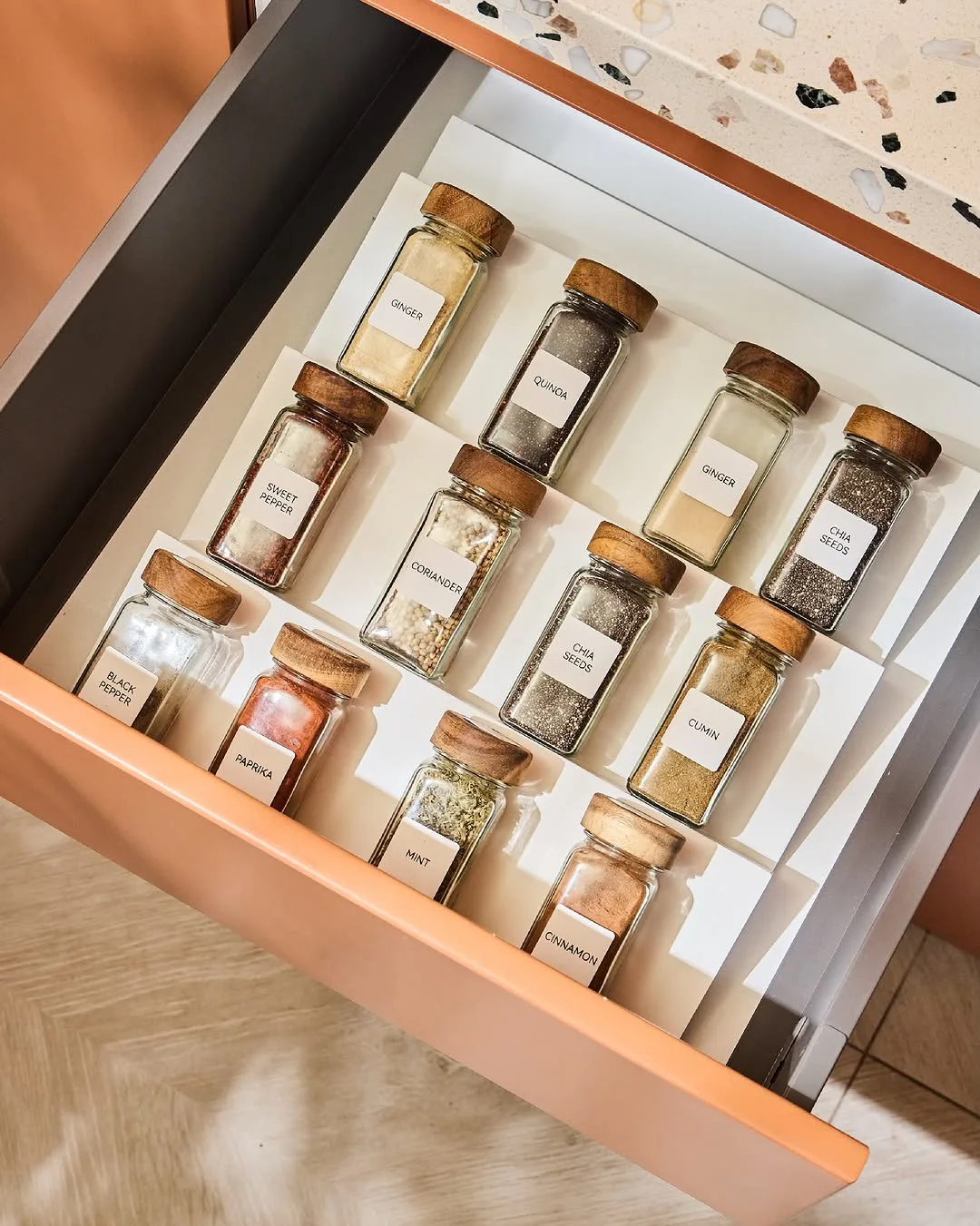
Neat spaces come from laying spice jars in a tiered drawer insert beside the stove, labels facing up. Mornings start calmer, evenings end tidier, and small messes stop growing into weekend projects.
Practical planning keeps effort realistic. Sort spices by cuisine or alphabet, keep daily blends at the front row, and review dates while cooking quiet meals. Keep supplies for the job in one caddy, so sessions start in minutes rather than after a search.
Strongest fit is cooks whose spice cabinets hide jars three rows deep behind oils. Small homes gain the most, because every shelf and drawer must work hard without feeling crammed.
Picture the routine in real life. One cook seasoned by glance after drawer storage replaced the dark cabinet shuffle completely. Praise from family members kept the system going long after the first tidy weekend ended.
Watch out for storing spices above the stove in cabinets, because steam and heat dull flavors over time. Write the rule on a label or note, because visible reminders protect good systems from quiet drift.
Lazy Susan Organizer Rotating Spice Rack 2 Tier: Tiered spice organizer keeps jars visible and reachable, and fits a shallow drawer or cabinet shelf.
Weekly wipe and quick edit
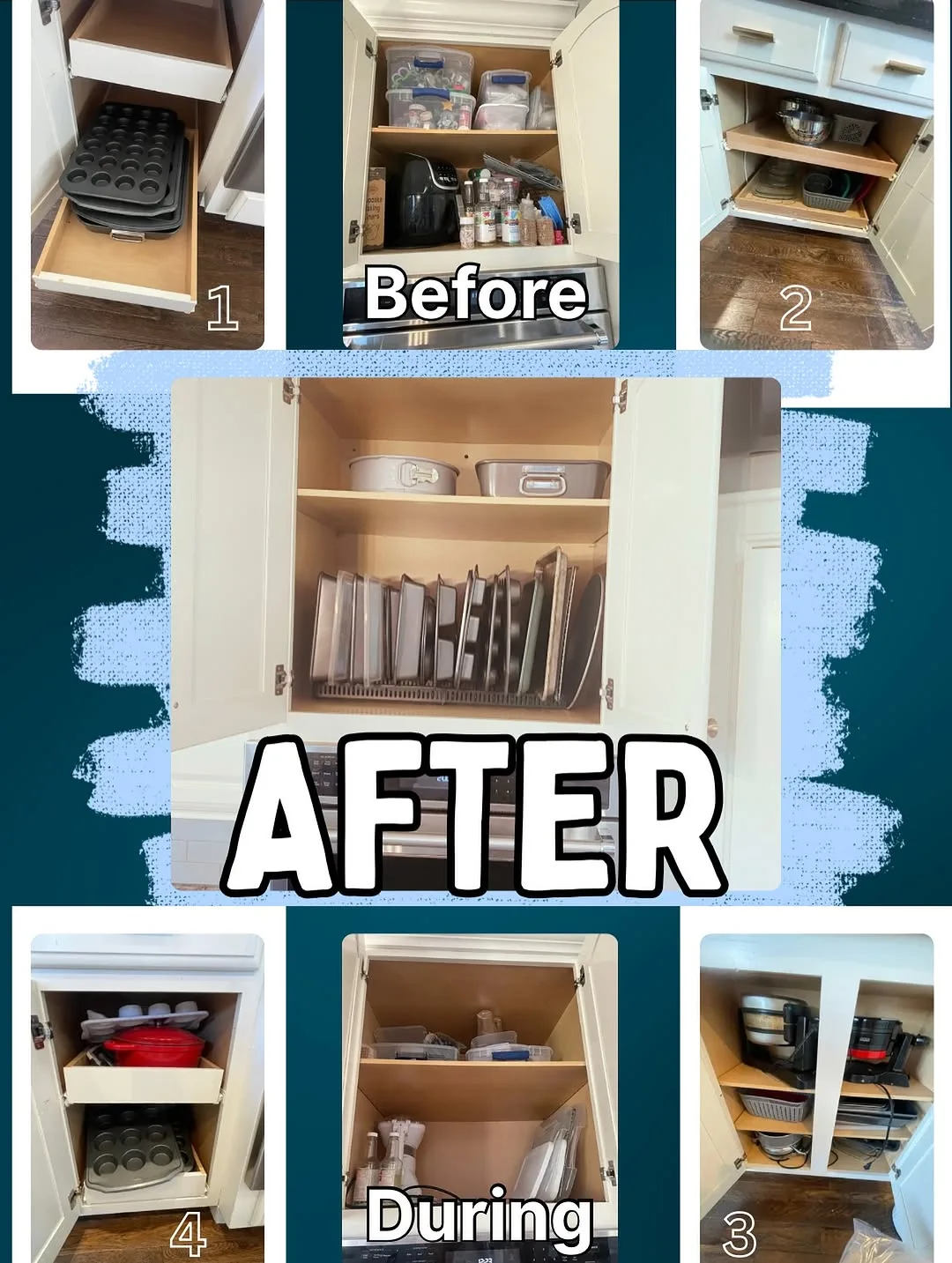
Smart homes rely on protecting cabinet order with one weekly shelf wipe and a five-minute edit. Shelves, surfaces, and floors feel calmer within one session, and cleaning takes minutes instead of an afternoon. Strong kitchen cabinet organization habits grow from small finished sessions like this one, repeated steadily week after week.
Practical planning keeps effort realistic. Choose one cabinet per week on rotation, wipe crumbs, return strays, note chips and duplicates, and photograph improvements monthly. Measure the space, count the items, and write quantities down before buying any storage at all.
Best results come for every kitchen, because crumbs, drips, and drift attack cabinets daily. Clear limits, honest labels, and easy access matter more than expensive matching containers.
Picture the routine in real life. One family kept cabinets calm for a year on rotating weekly wipes, with no spring marathon. Finished results stayed tidy for weeks, because the setup matched real habits instead of wishful thinking.
Watch out for waiting for annual deep sorts, because small daily drift becomes heavy work when ignored. Slow down, fix the setup first, and repeat the small version until the habit holds on busy days too.
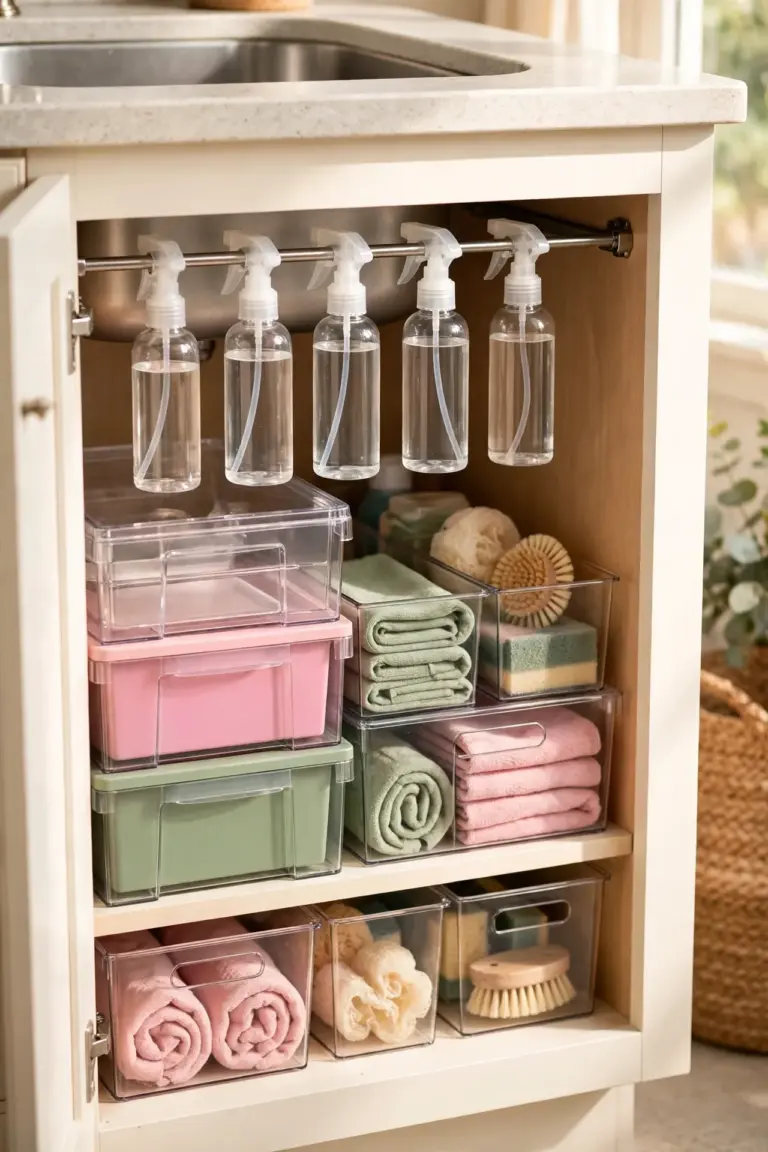
15 Pack Clear Plastic Drawer Organizer Trays: Clear trays make the weekly wipe and quick edit faster, since crumbs and spills show up right away.
Common Mistakes to Avoid
Rushing through sorting leads to regret, because storing items wherever gaps appear destroys zones, so every cabinet needs one clear job. Decisions made in a hurry send loved items to donation bags and keep broken pieces in prime spots, so slow sorting with clear rules protects both money and memories.
Buying boxes before measuring creates brand new clutter, especially when heavy stacks and high heavy pots invite accidents, especially during tired evening cooking. Containers that almost fit waste money and crowd shelves, while a tape measure and a phone note cost nothing and prevent nearly every bad buy.
Forgetting upkeep undoes tidy shelves within weeks, so a weekly wipe and quick edit belongs in the routine, because kitchens drift daily. Order survives through tiny repeat habits, honest reviews, and family members who all know where things belong and why the system matters.
Budget-Friendly Ways to Organize Kitchen Cabinets
Smart spending starts with items already at home, including shelf risers from other rooms, baskets, jars, and boxes already owned and washed. Clean, sturdy and honestly sized containers beat matching sets bought in a rush, and rooms look calmer when storage suits the items rather than a catalogue photo.
Market stalls, supermarket basics and second-hand shops cover most needs, including one turntable, a set of dividers and door racks for the worst cabinets, for very little money. Shopping with measurements and a written list keeps spending focused, while borrowing rarely used tools from friends protects the budget for items that truly matter.
Borrowed tools and shared family supplies stretch money further, while one cabinet reorganized fully teaches the zones before money spreads across the kitchen. Saving on hidden storage leaves more room in the budget for the few visible pieces that lift the whole room every day.
Simple Tips That Keep Order Alive
Label the system. Write cabinet zones on paper, such as daily dishes, cooking, baking and storage. Clear words on the outside save every family member from opening three wrong containers.
Measure the system. Measure cabinet depth and door swing before buying any insert or rack. Sizes written on a phone note prevent duplicate buys and containers that almost fit.
Extra guidance on kitchen cabinet organization ideas comes from testing one small area first, watching daily habits for a full week, and adjusting storage to match real life rather than magazine photos. Small tests reveal true sizes, true quantities, and true routines.
Group the system. Group items by cooking job, so hands move in small circles while working. Like items living together makes gaps and excess obvious at a glance.
Photograph the system. Photograph finished cabinets, and share photos with everyone who unloads dishes. A quick photo of the finished setup becomes the reset guide for the whole family.
Remember that strong kitchen cabinet organization ideas reward patience, honest measuring, and regular small reviews. Families who revisit one shelf each month keep order quietly, without dramatic cleanouts or expensive replacement storage.
Review the system. Review one cabinet monthly for chips, duplicates, and forgotten gadgets. A five-minute check each month catches drift before clutter rebuilds in silence.
Keep the system. Keep a small step stool nearby, so high shelves stay safe and used. Daily items deserve the easiest reach, while rare items can live higher and deeper.
FAQ
How do I organize deep kitchen cabinets?
Use pull-out drawers, bins with handles, or turntables, so back items travel forward instead of hiding. Deep cabinets fail with loose stacking, while containers that move turn depth into honest storage.
Where should heavy pots and dishes go?
Store heavy items on the lowest shelves near the stove, where lifting stays short and safe. High shelves suit light items like plastic containers, spare glasses and rarely used serving pieces.
How can small cabinets hold more?
Add shelf risers, door racks and vertical dividers to claim air above short items and space behind doors. Small cabinets usually waste vertical room, so stacking safely and dividing upright items multiplies capacity fast.
What should live at eye level?
Place daily plates, bowls, glasses and mugs at eye and hand level nearest the dishwasher or sink. Daily items deserve the easiest shelves, while seasonal and guest pieces can live higher or further away.
How do I organize lids and boards?
Stand lids and boards upright in dividers, door racks, or rails, sorted by size for fast grabbing. Flat stacks bury needed sizes, while upright storage shows every option in one glance during busy cooking.
How often should cabinets be reviewed?
Try one cabinet each month on rotation, wiping shelves, checking duplicates and adjusting zones to new habits. Kitchens evolve with seasons and family changes, so small regular reviews keep systems honest.
Conclusion
Good order grows from honest sorting, sensible storage and tiny repeat habits that fit busy weeks. Strong kitchen cabinet organization ideas choices respect your space, your budget and the way your family actually lives, so tidy rooms stay tidy without constant effort or stress.
Pick three ideas from this list, finish them this week, and live with the results before buying anything new. Small finished spaces build confidence, teach the family the new system, and reveal exactly which storage the home still needs.
Enjoy the calmer corners that follow, and let small finished spaces pull the rest of the home along gently. One shelf, one drawer and one quiet morning at a time, order becomes the normal way the home feels every day.