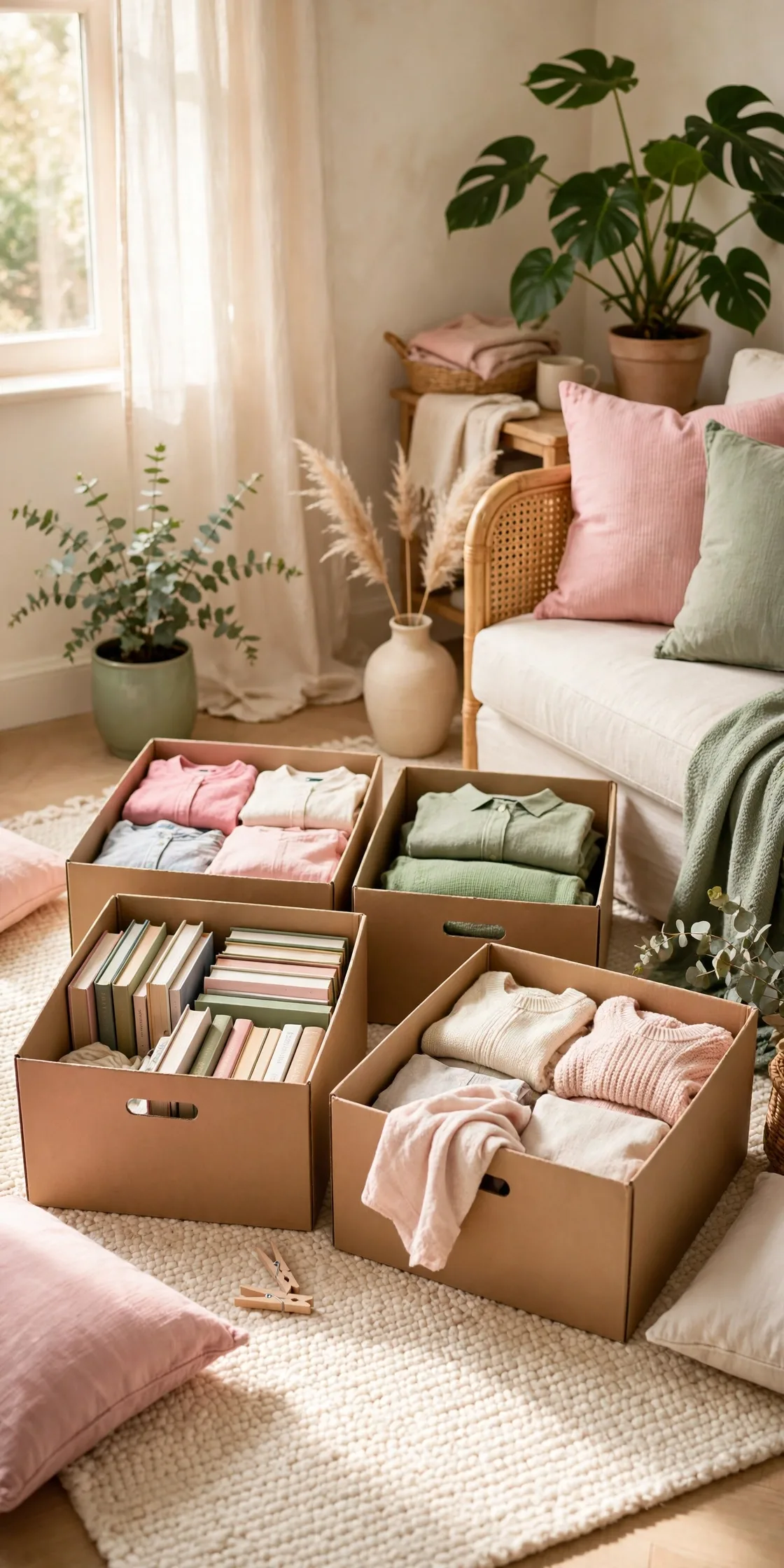
Decluttering Checklist for Every Room in Your Home
Crowded shelves, stuffed drawers and surfaces that never stay clear make even loved homes feel tiring by the end of the day. Clutter rarely arrives in one dramatic moment, because small piles grow quietly from mail, school papers, gifts, hobbies and items waiting for a decision that never quite happens.
Relief comes from simple systems that match real family life, honest sorting, and storage that fits the space already owned. Strong decluttering checklist thinking puts daily items within easy reach and pushes rarely used pieces out of prime spots, so rooms serve the family instead of storing forgotten piles.
Inside this guide, fifteen practical ideas walk through the whole job in a sensible order, from the first honest sort to the tiny weekly habits that keep order alive. Every idea includes real quantities, budget friendly options, and the one mistake that quietly undoes good work in busy homes.
How does a strong decluttering checklist work in real homes?
Simple order wins every time: sort first, group second, store third, and label last of all. Rooms feel manageable when every item passes one honest test about use, condition and love, and when sorting happens in short finished sessions. One room, four boxes and a written list beat a whole house marathon that collapses by lunch.
Picture one finished corner by tonight: the kitchen counter holds only a kettle, a fruit bowl and today mail in a tray, while donation bags wait by the door for a charity run tomorrow. Clear counters change the mood of the whole home faster than any new furniture purchase.
Disclosure: As an Amazon Associate I earn from qualifying purchases. Some of the links below are affiliate links, which means Bloomie Living may earn a small commission if you buy through them, at no extra cost to you.
One room at a time sorting plan
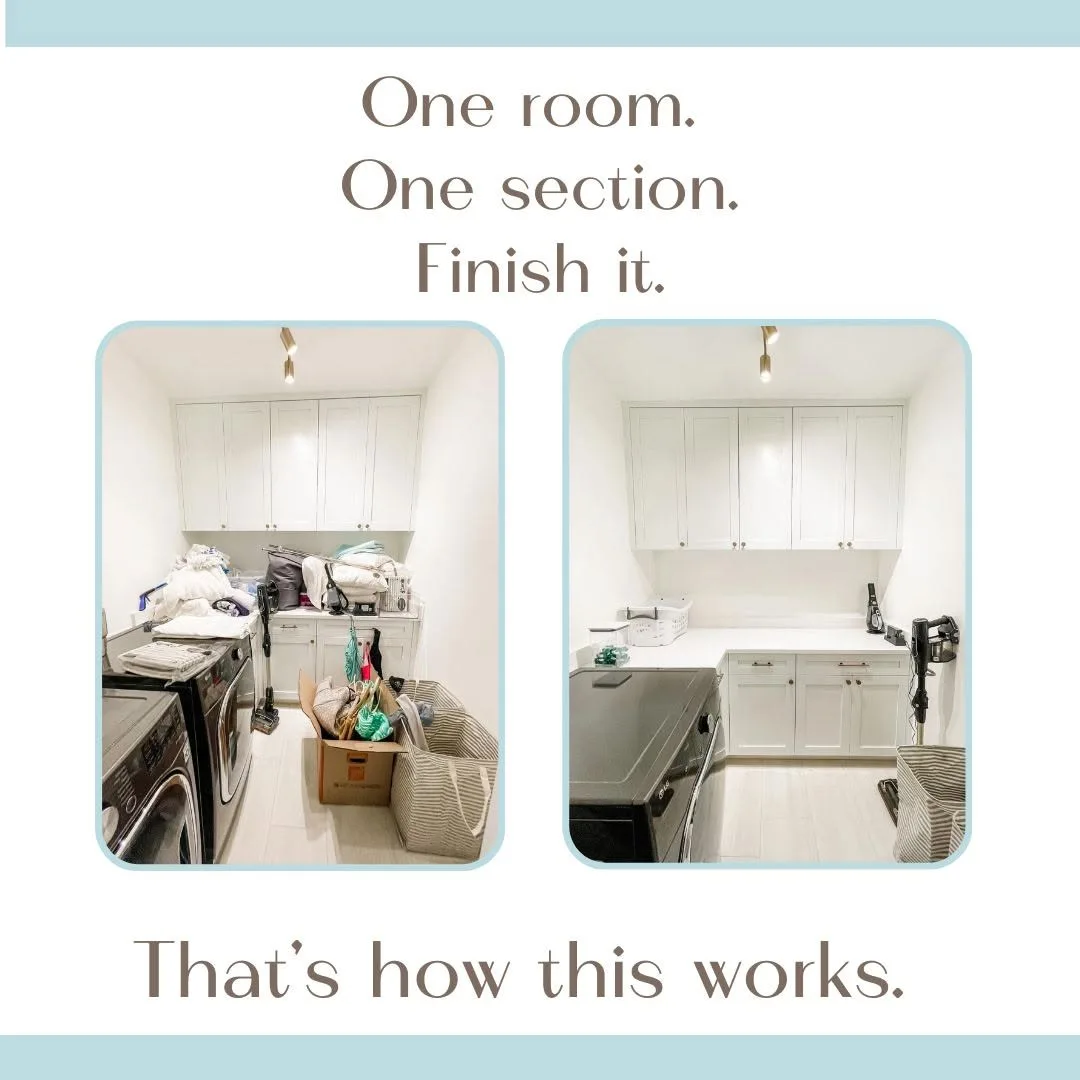
Good order grows from finishing one room fully before touching another, so progress stays visible and motivation stays high. Daily routines run smoother, guests can be welcomed without a scramble, and every item earns its place.
Practical planning keeps effort realistic. Set a timer for one hour, carry four boxes into the room, and touch every item on one surface before opening any cupboard or drawer. Work in short timed sessions, keep a donation bag by the door, and stop while energy is still high.
Happiest users are overwhelmed beginners and busy parents who need visible progress during short free windows. Success comes from placing items where hands naturally reach during the busiest hour of the day.
Picture the routine in real life. one mum cleared only the living room on Saturday, filled two donation bags, and felt ready to repeat the session in the hallway the next weekend. Guests noticed the calm first, and the family noticed faster cleanups every single day afterwards.
Watch out for starting three rooms at once, because mixed piles spread mess everywhere and drain energy before anything feels finished. Change one part at a time, watch what happens for a week, and adjust sizes before buying more storage.
Large Dry Erase Calendar for Wall 24 x 36 Inch: Big wall calendar board lets you map the sorting plan room by room across the month so only one room gets tackled at a time.
Four box sorting station
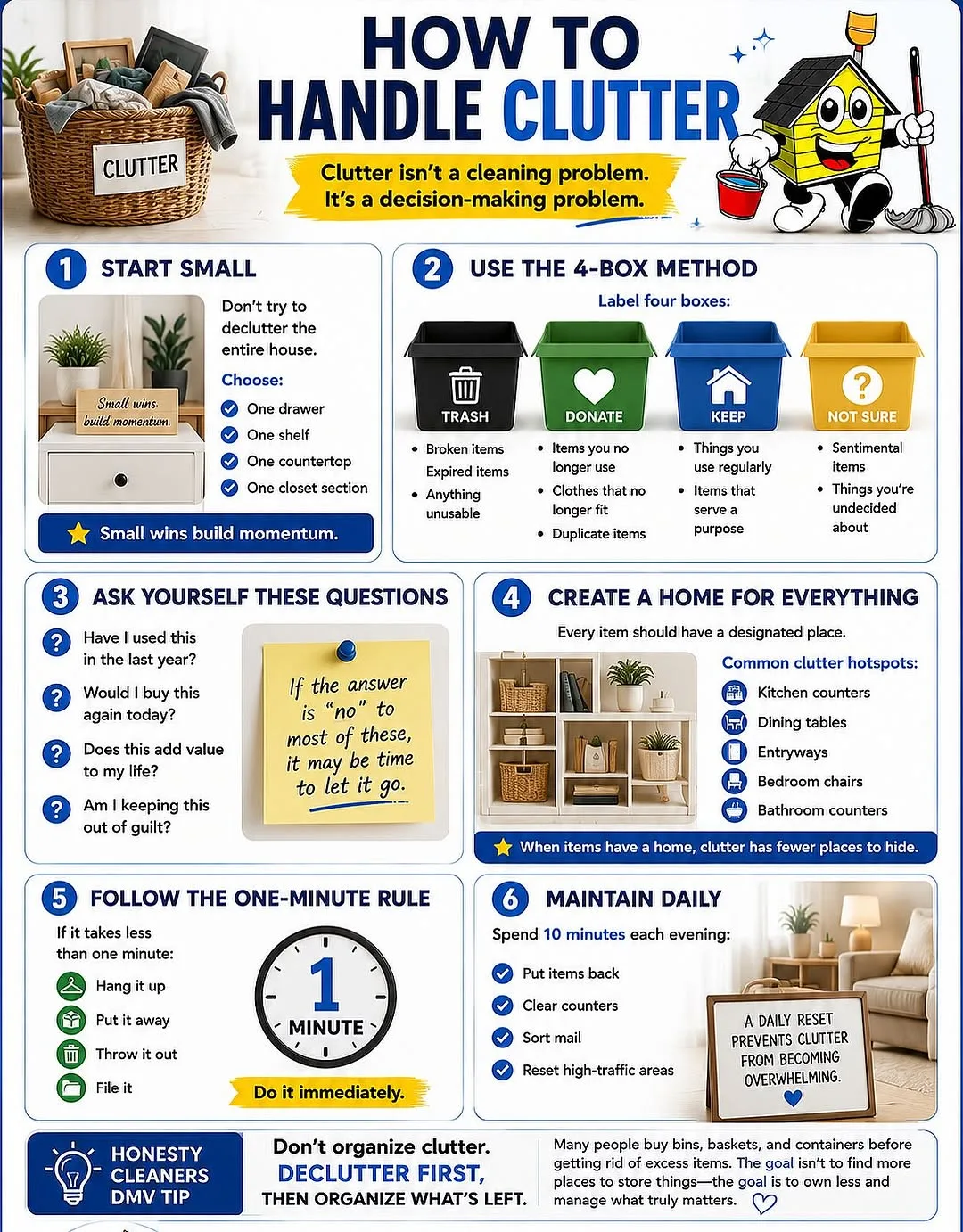
Calm rooms begin with giving every handled item an instant destination, which stops new piles forming on beds, floors and chairs. Finding things becomes quick, putting things away becomes obvious, and the whole space feels lighter.
Practical planning keeps effort realistic. Label four boxes keep, move, donate and rubbish, line them beside the door, and empty the move box into correct rooms before the session ends. Photograph the finished result, because a clear picture makes resetting the space fast and simple.
Strongest fit is families sorting shared rooms together, where arguments about piles usually slow the whole job. Small homes gain the most, because every shelf and drawer must work hard without feeling crammed.
Picture the routine in real life. one family sorted a playroom in ninety minutes because every toy landed in a box instead of travelling between three new piles. Praise from family members kept the system going long after the first tidy weekend ended.
Watch out for using bags without labels, because unlabeled bags merge back into mystery clutter within days and undo the whole sorting session. Write the rule on a label or note, because visible reminders protect good systems from quiet drift.
Collapsible Fabric Storage Bins with Handles Navy 6 Pack: Four of the fabric cubes become the keep, donate, toss and relocate boxes of a four box sorting station that folds away after.
Closet clothing review by season

Thoughtful families choose pulling every garment out by season, so worn, tight and forgotten clothes become easy to spot and release. Money stops leaking into duplicate buys, because everyone can see what the home already owns. Strong decluttering checklist habits grow from small finished sessions like this one, repeated steadily week after week.
Practical planning keeps effort realistic. Try each doubtful piece on, check seams and stains under bright light, and keep only clothing that fits life now rather than life someday. Tell everyone at home where things now live, because shared knowledge keeps new systems alive.
Best results come for anyone whose wardrobe feels full while daily outfits still feel limited and frustrating. Clear limits, honest labels and easy access matter more than expensive matching containers.
Picture the routine in real life. one teacher kept twenty loved outfits, donated thirty pieces, and gained a whole shelf for bags and scarves she actually uses. Finished results stayed tidy for weeks, because the setup matched real habits instead of wishful thinking.
Watch out for keeping clothes for a hoped future size in prime space, because guilt clothing crowds daily choices and starts mornings with stress. Slow down, fix the setup first, and repeat the small version until the habit holds on busy days too.
6 Pack Clothes Storage Bins with Lids: Lidded clothes bins pack away the out of season pieces you decide to keep during the closet clothing review.
Kitchen counter clear off hour
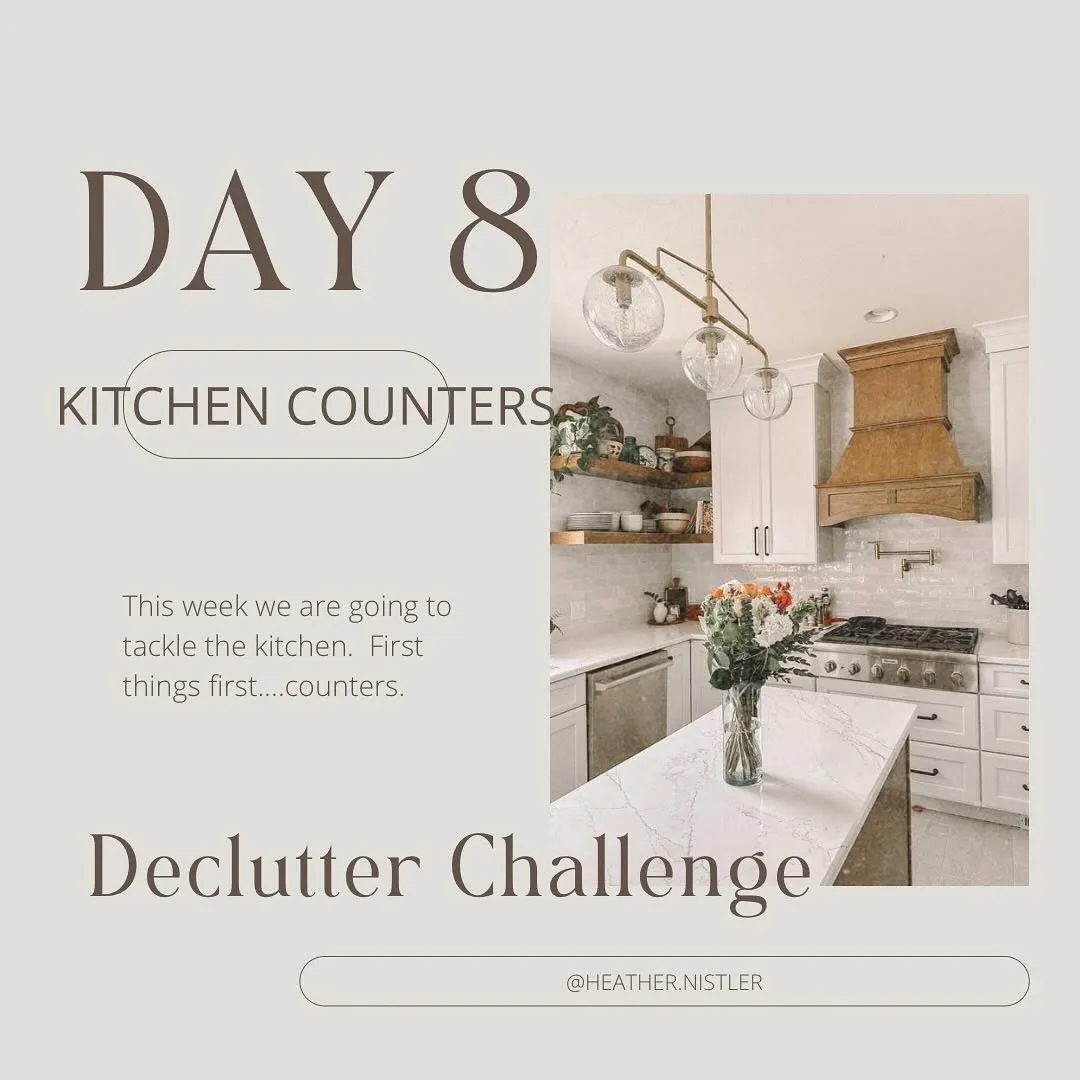
Neat spaces come from returning counters to cooking duty by removing appliances, papers and gadgets that live there without earning the space. Mornings start calmer, evenings end tidier, and small messes stop growing into weekend projects.
Practical planning keeps effort realistic. Wash every item, dry the full counter, then return only daily tools, while occasional gadgets move to a labeled cupboard box nearby. Keep supplies for the job in one caddy, so sessions start in minutes rather than after a search.
Happiest users are cooks in small kitchens where counter space decides whether dinner feels calm or chaotic. Success comes from placing items where hands naturally reach during the busiest hour of the day.
Picture the routine in real life. one couple moved a bread maker and three gadgets into one cupboard, and gained enough counter to roll pastry and chop vegetables side by side. Guests noticed the calm first, and the family noticed faster cleanups every single day afterwards.
Watch out for letting mail and school papers colonize the counter again, because paper piles invite more paper within a single busy week. Change one part at a time, watch what happens for a week, and adjust sizes before buying more storage.
2 Pack Digital Timer Magnetic Countdown Kitchen Timers: Magnetic countdown timer keeps the kitchen counter clear off to one focused hour and sticks to the fridge when done.
Paper and mail sorting tray

Smart homes rely on catching letters, forms and school notes in one shallow tray, so paper stops spreading across tables, counters and bags. Shelves, surfaces and floors feel calmer within one session, and cleaning takes minutes instead of an afternoon.
Practical planning keeps effort realistic. Sort the tray every Friday into action, file and recycle piles, keep stamps and envelopes in a small wallet beside the tray, and shred sensitive pages promptly. Measure the space, count the items, and write quantities down before buying any storage at all.
Strongest fit is households drowning in school forms, bills and permission slips that hide until deadlines bite. Small homes gain the most, because every shelf and drawer must work hard without feeling crammed.
Picture the routine in real life. one dad cleared a six month paper backlog in two evenings, found a missing form, and never missed a school deadline again that term. Praise from family members kept the system going long after the first tidy weekend ended.
Watch out for stacking trays three deep, because buried paper feels filed while deadlines quietly pass underneath newer envelopes. Write the rule on a label or note, because visible reminders protect good systems from quiet drift.
3 Pockets Hanging Wall File Organizer Mail Holder Silver: Three wall pockets give incoming mail and papers a sorting tray home for action, filing and recycling.
Bathroom cabinet clean out

Good order grows from emptying shelves of expired creams, spare bottles and hotel minis that crowd daily toiletries out of reach. Daily routines run smoother, guests can be welcomed without a scramble, and every item earns its place. Strong decluttering checklist habits grow from small finished sessions like this one, repeated steadily week after week.
Practical planning keeps effort realistic. Check every date, bin medicines safely through pharmacy schemes where offered, group daily items on one shelf, and store backups in a labeled box elsewhere. Work in short timed sessions, keep a donation bag by the door, and stop while energy is still high.
Best results come for shared family bathrooms where mornings run late and everyone hunts for the same few items. Clear limits, honest labels and easy access matter more than expensive matching containers.
Picture the routine in real life. one family removed forty expired or duplicate items, and morning routines became calmer because toothpaste, brushes and medicines finally had fixed homes. Finished results stayed tidy for weeks, because the setup matched real habits instead of wishful thinking.
Watch out for storing medicines and vitamins in hot steamy air for years, because heat and moisture quietly weaken many bathroom products. Slow down, fix the setup first, and repeat the small version until the habit holds on busy days too.
2 Tier Organizer with Sliding Drawers Under Sink Storage Frost: Two tier organizer with sliding drawers turns the cleaned out bathroom cabinet into sorted, easy to reach storage.
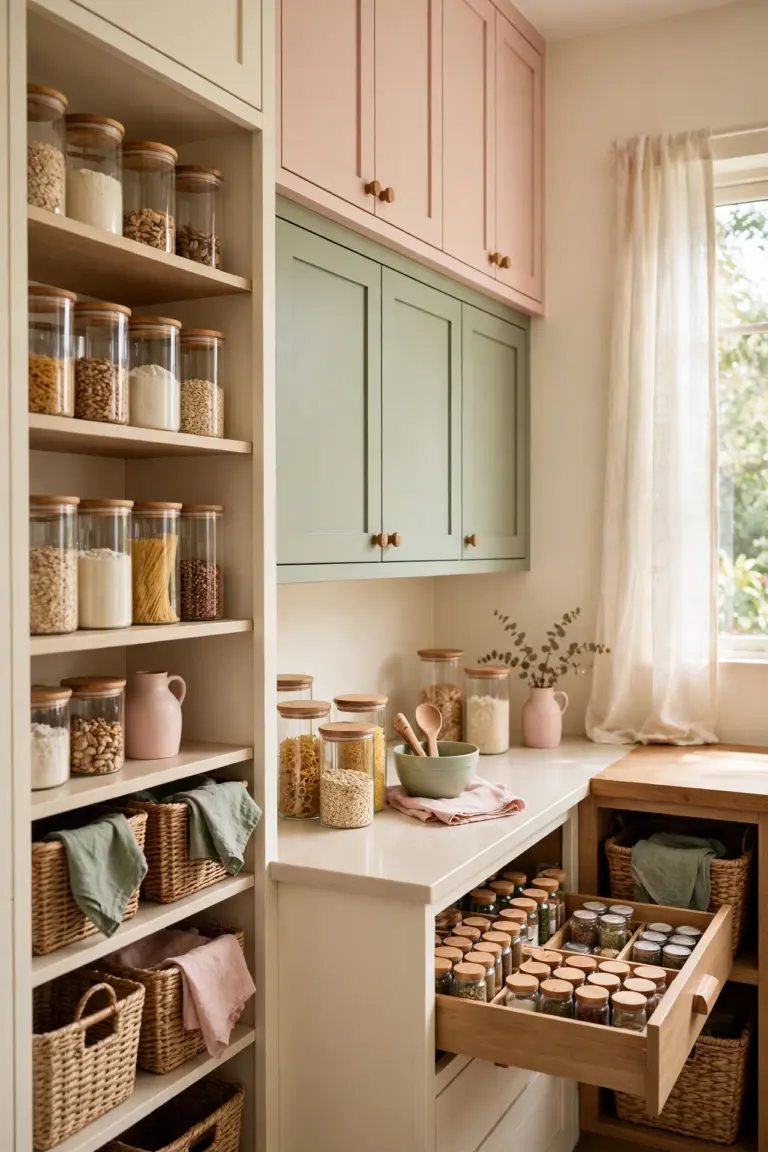
Pantry food date check
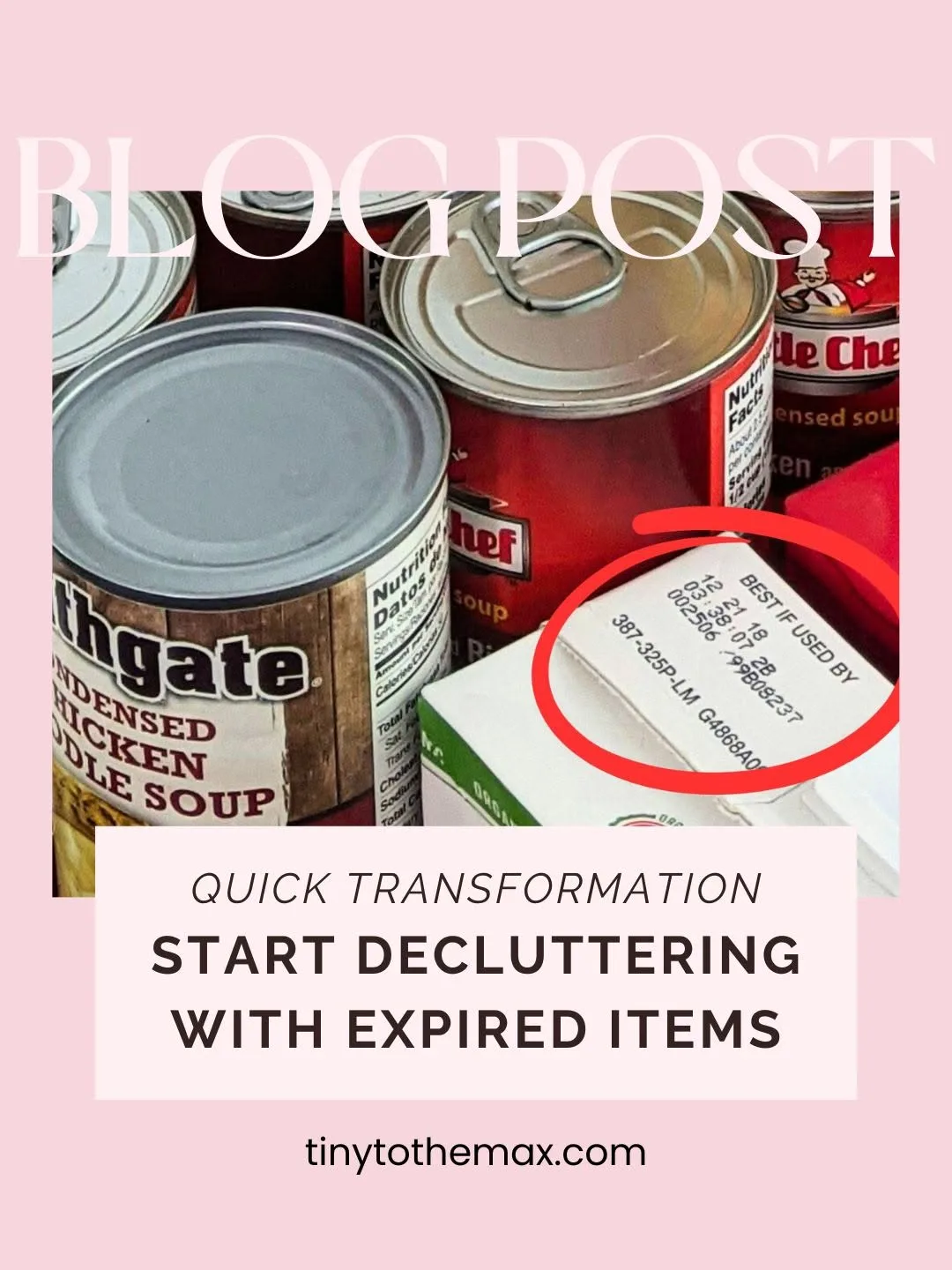
Calm rooms begin with reading every label and moving older food forward, so meals use what the home owns before anything spoils. Finding things becomes quick, putting things away becomes obvious, and the whole space feels lighter.
Practical planning keeps effort realistic. Work shelf by shelf, wipe crumbs as you go, list meals that use odd tins this week, and keep a small box for food bank donations within date. Photograph the finished result, because a clear picture makes resetting the space fast and simple.
Happiest users are families who buy duplicates because nobody can see what the pantry already holds. Success comes from placing items where hands naturally reach during the busiest hour of the day.
Picture the routine in real life. one grandmother found three duplicate spice jars and four tins past their best, then planned a week of meals from the rescued food. Guests noticed the calm first, and the family noticed faster cleanups every single day afterwards.
Watch out for tossing questionable items back onto shelves for later, because doubtful food gets checked repeatedly and still never gets eaten. Change one part at a time, watch what happens for a week, and adjust sizes before buying more storage.
Removable Food Labels 8 Rolls 4000 Pieces Date Stickers 1 x 2 Inch: Write on date stickers mark when every pantry item was opened or stored so the food date check takes minutes.
Bookshelf edit and donate pile
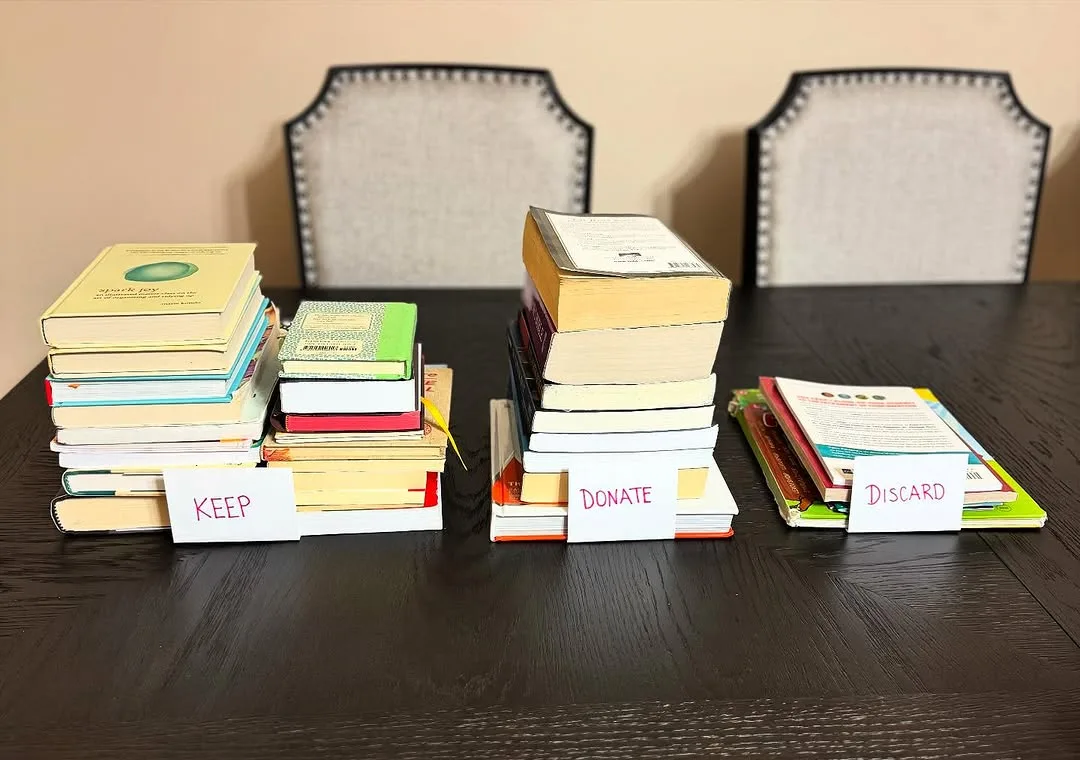
Thoughtful families choose keeping loved and reread books while releasing finished novels, outgrown picture books and duplicate reference titles. Money stops leaking into duplicate buys, because everyone can see what the home already owns.
Practical planning keeps effort realistic. Pull one shelf at a time, dust each book, keep display favorites at eye level, and fill one donation box per shelf before reshelving the keepers. Tell everyone at home where things now live, because shared knowledge keeps new systems alive.
Strongest fit is reading families whose shelves bow under books nobody has opened for years. Small homes gain the most, because every shelf and drawer must work hard without feeling crammed.
Picture the routine in real life. one couple donated sixty books to a school fair, and their shelves finally showed favorite covers instead of teetering double rows. Praise from family members kept the system going long after the first tidy weekend ended.
Watch out for keeping every book from guilt, because shelves crammed two deep hide loved titles and collect dust nobody enjoys cleaning. Write the rule on a label or note, because visible reminders protect good systems from quiet drift.
Collapsible Storage Boxes with Lids Fabric 3 Pack: One collapsible box becomes the donate pile for books that do not earn their shelf space back.
Toy rotation and donation box
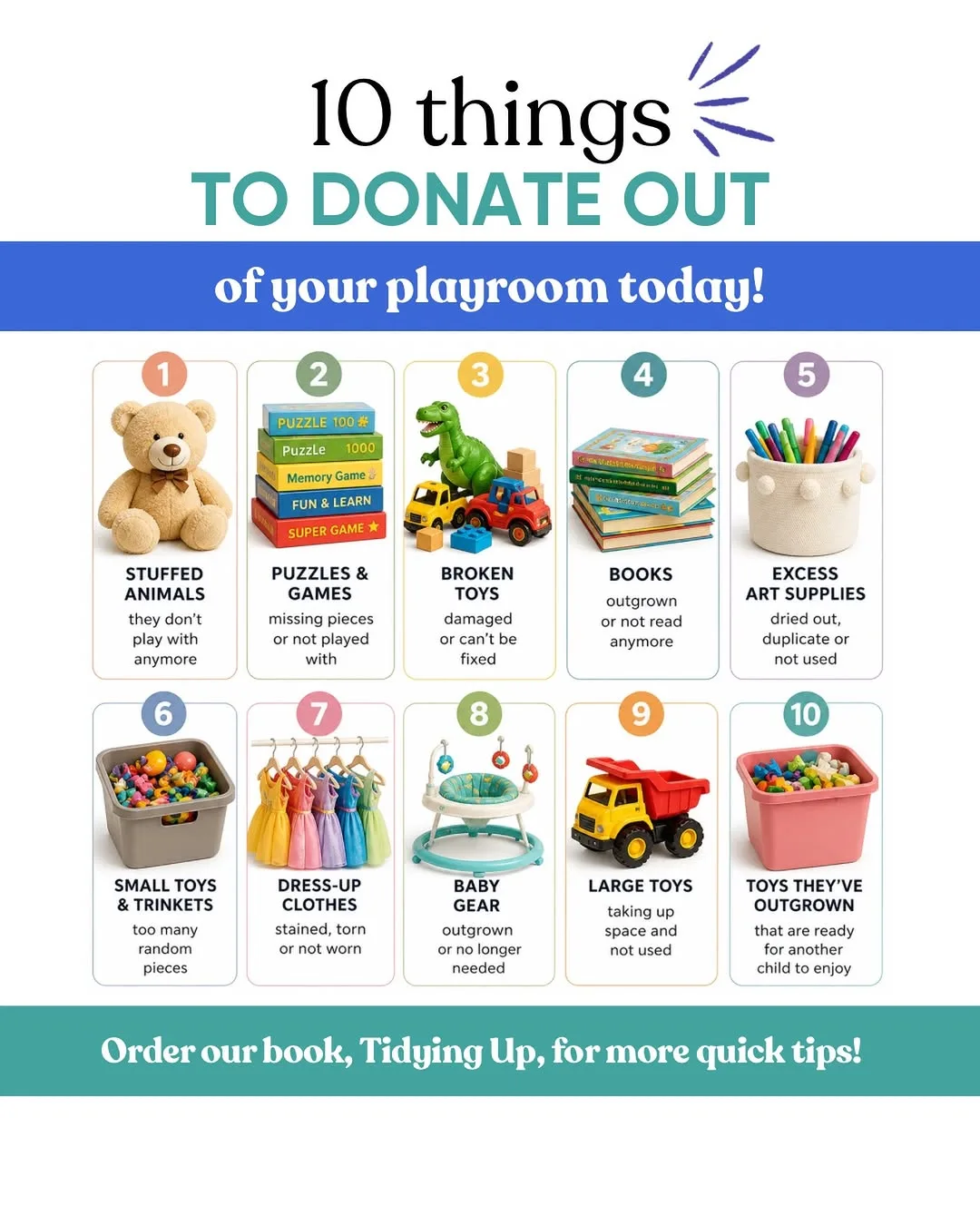
Neat spaces come from thinning playroom shelves so children see, choose and enjoy toys instead of wading through broken excess. Mornings start calmer, evenings end tidier, and small messes stop growing into weekend projects. Strong decluttering checklist habits grow from small finished sessions like this one, repeated steadily week after week.
Practical planning keeps effort realistic. Pack half the toys into a rotation box for next month, repair or recycle broken pieces, and let children choose donation toys for other children with pride. Keep supplies for the job in one caddy, so sessions start in minutes rather than after a search.
Best results come for parents of young children facing birthday and holiday toy waves through the year. Clear limits, honest labels and easy access matter more than expensive matching containers.
Picture the routine in real life. one family rotated toys monthly, and children greeted stored favorites like new gifts while shelves stayed easy to tidy every evening. Finished results stayed tidy for weeks, because the setup matched real habits instead of wishful thinking.
Watch out for removing loved toys secretly, because broken trust makes children guard every item and resist all future sorting sessions. Slow down, fix the setup first, and repeat the small version until the habit holds on busy days too.
4 Pack Clear Storage Bins with Lids Stackable: Clear lidded bins hold the out of rotation toys out of sight and double as the donation box when kids outgrow them.
Linen and towel honest review
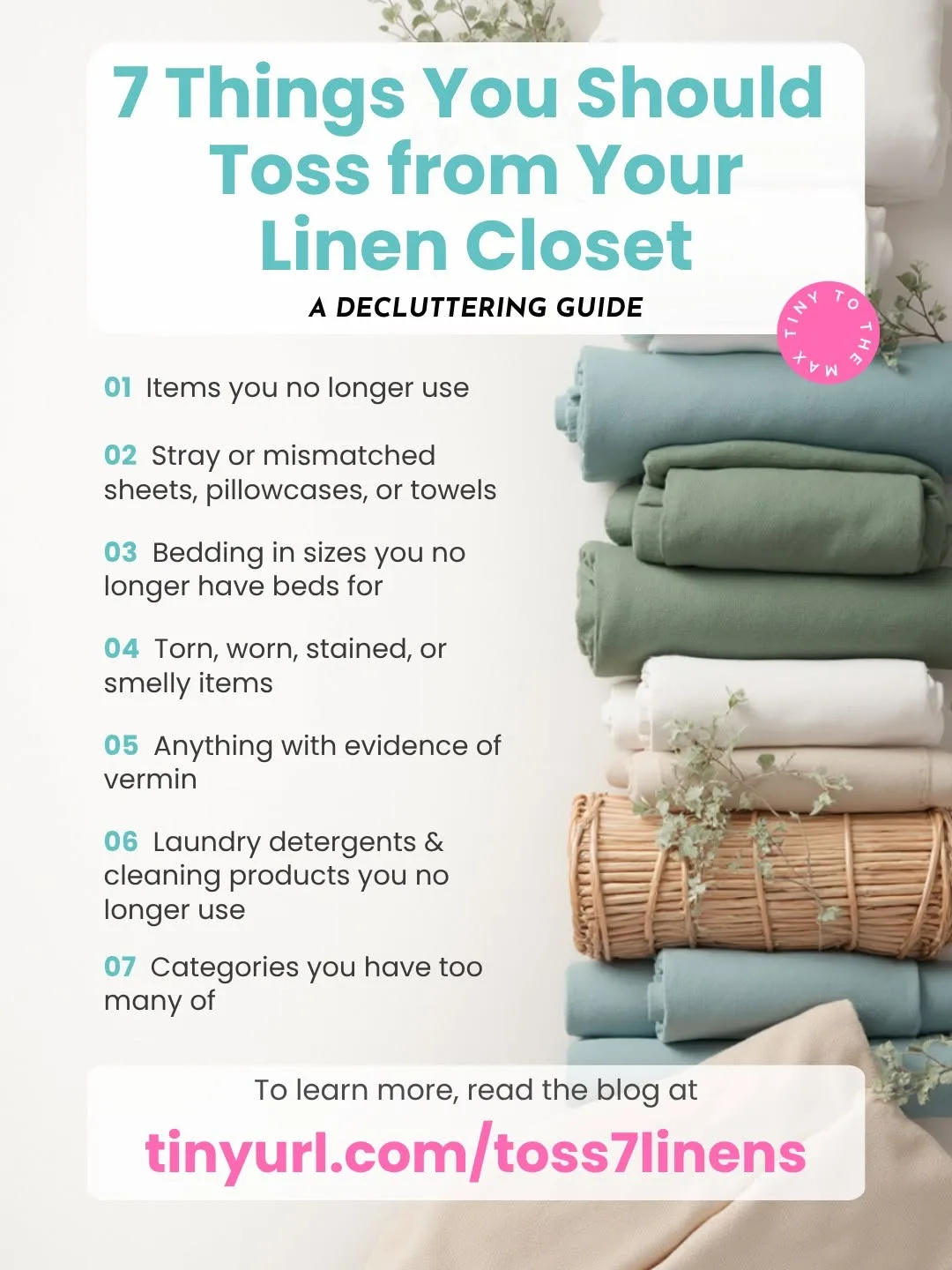
Smart homes rely on counting sheets and towels against real beds and real guests, so tired extras stop filling shelves. Shelves, surfaces and floors feel calmer within one session, and cleaning takes minutes instead of an afternoon.
Practical planning keeps effort realistic. Keep two sheet sets per bed plus one guest set, demote worn towels to cleaning rags, and donate extras to animal shelters that welcome old linen. Measure the space, count the items, and write quantities down before buying any storage at all.
Happiest users are homes where airing cupboards burst while matching sets still hide at the bottom. Success comes from placing items where hands naturally reach during the busiest hour of the day.
Picture the routine in real life. one host kept six best towels for guests, moved worn ones to garage duty, and folded laundry finally fit one shelf with room to breathe. Guests noticed the calm first, and the family noticed faster cleanups every single day afterwards.
Watch out for saving every stained towel for someday guests, because embarrassing linen stays while good towels wear out from constant rotation. Change one part at a time, watch what happens for a week, and adjust sizes before buying more storage.
Sheet Organizers and Storage for Linen Closet 4 Pack Beige: Sheet organizers give the linens and towels that pass the honest review a neat folded home on the shelf.
Junk drawer empty and sort
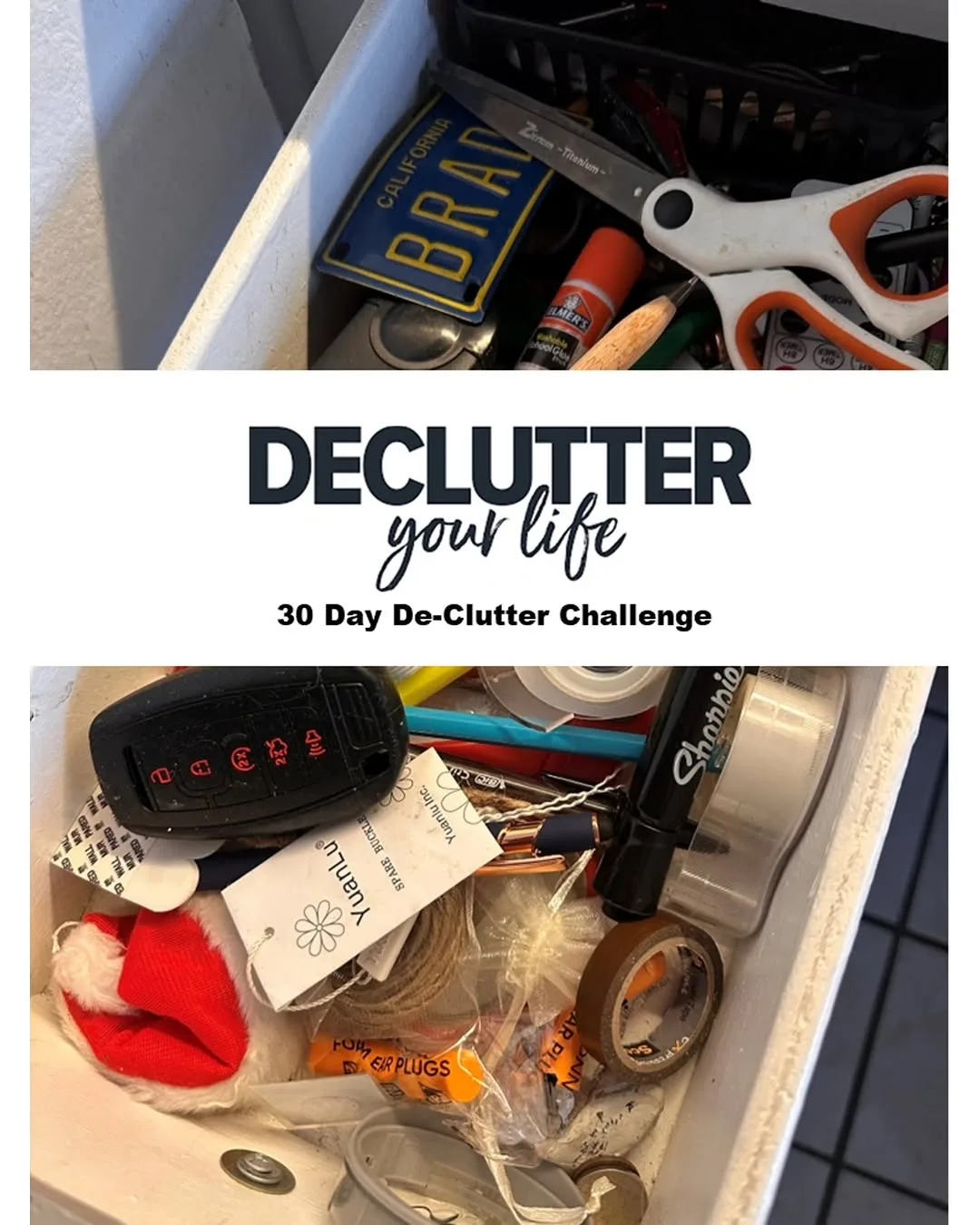
Good order grows from tipping the famous drawer fully out, because partial tidies never reach the crumbs, dead batteries and mystery keys at the back. Daily routines run smoother, guests can be welcomed without a scramble, and every item earns its place.
Practical planning keeps effort realistic. Wash the drawer, add small dividers, return only daily tools, and give batteries, cords and coins separate small homes with labels. Work in short timed sessions, keep a donation bag by the door, and stop while energy is still high.
Strongest fit is every household, because one honest drawer sort teaches the whole family the new rules. Small homes gain the most, because every shelf and drawer must work hard without feeling crammed.
Picture the routine in real life. one renter turned a chaotic drawer into neat sections in one evening, and the family stopped buying duplicate tape and batteries completely. Praise from family members kept the system going long after the first tidy weekend ended.
Watch out for returning items just in case, because vague spares multiply until the drawer jams shut again within a month. Write the rule on a label or note, because visible reminders protect good systems from quiet drift.
18 Piece Stackable Clear Drawer Organizer Set: Clear multi size trays drop into the emptied junk drawer so every small item lands in its own sorted section.
Expired items sweep for every room

Calm rooms begin with hunting dates across kitchen, bathroom, cleaning cupboard and medicine box in one planned sweep. Finding things becomes quick, putting things away becomes obvious, and the whole space feels lighter. Strong decluttering checklist habits grow from small finished sessions like this one, repeated steadily week after week.
Practical planning keeps effort realistic. Carry one rubbish bag and one list, check dates room by room, note replacements truly needed, and restock only items the family actually uses weekly. Photograph the finished result, because a clear picture makes resetting the space fast and simple.
Best results come for families with allergies, young children or elderly relatives where old products carry real risk. Clear limits, honest labels and easy access matter more than expensive matching containers.
Picture the routine in real life. one sweep cleared expired medicines, sunscreens and spices from four rooms, and the shopping list shrank because hidden spares appeared everywhere. Finished results stayed tidy for weeks, because the setup matched real habits instead of wishful thinking.
Watch out for trusting sniff tests for medicines and baby items, because safety dates exist for good reason and guessing helps nobody. Slow down, fix the setup first, and repeat the small version until the habit holds on busy days too.
Mini Trash Can Brushed Stainless Steel: Small lidded bin is easy to carry room to room while you sweep out expired food, medicine and cosmetics.
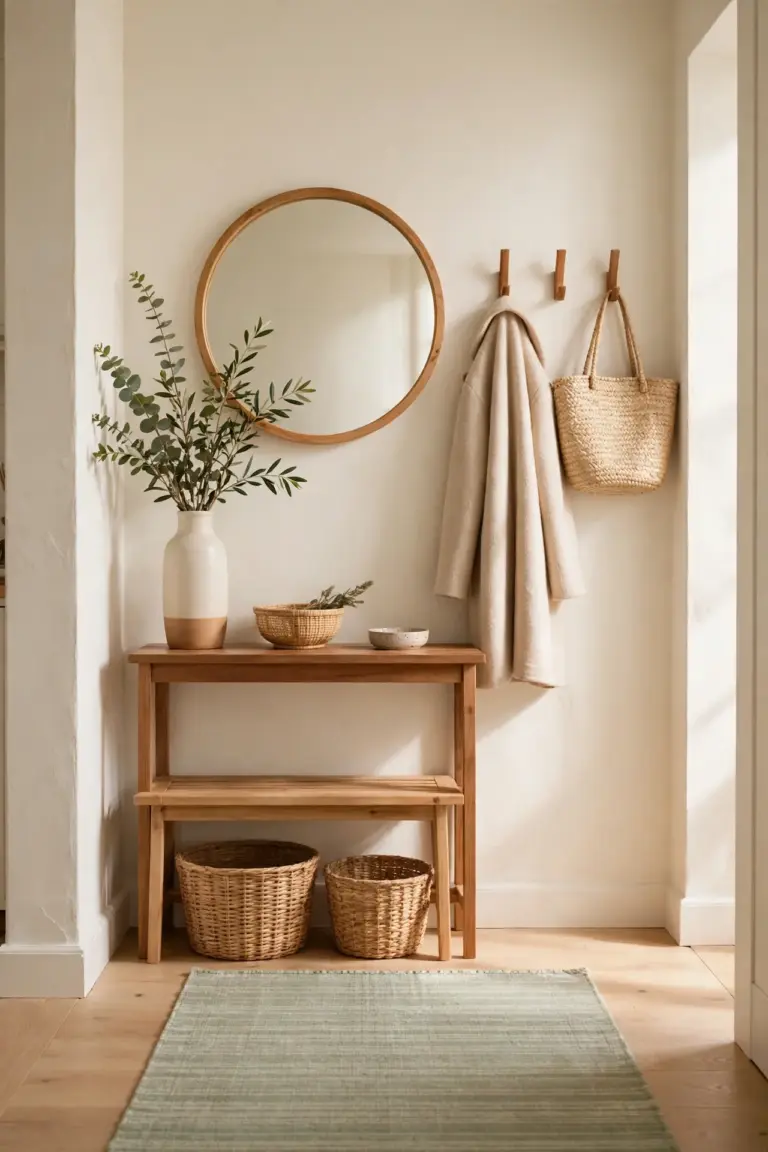
Entryway drop zone reset

Thoughtful families choose giving keys, bags, shoes and post one clear landing strip, so the doorway stops collecting the whole day in piles. Money stops leaking into duplicate buys, because everyone can see what the home already owns.
Practical planning keeps effort realistic. Add a key dish, one hook per person, a shoe tray and a small recycle bin for junk mail right beside the front door. Tell everyone at home where things now live, because shared knowledge keeps new systems alive.
Happiest users are busy families where mornings collapse into hunts for keys, shoes, gloves and permission slips. Success comes from placing items where hands naturally reach during the busiest hour of the day.
Picture the routine in real life. one family cut morning chaos in one week, because bags packed at night hung ready and shoes waited in pairs by the door. Guests noticed the calm first, and the family noticed faster cleanups every single day afterwards.
Watch out for allowing one giant family pile by the door, because shared piles hide individual items and start every morning with blame. Change one part at a time, watch what happens for a week, and adjust sizes before buying more storage.
Adhesive Wall Hooks Heavy Duty 22LB 20 Pack: Stick on hooks by the door hold keys, bags and coats so the entryway drop zone stays off the floor and chairs.
Storage bins with clear labels
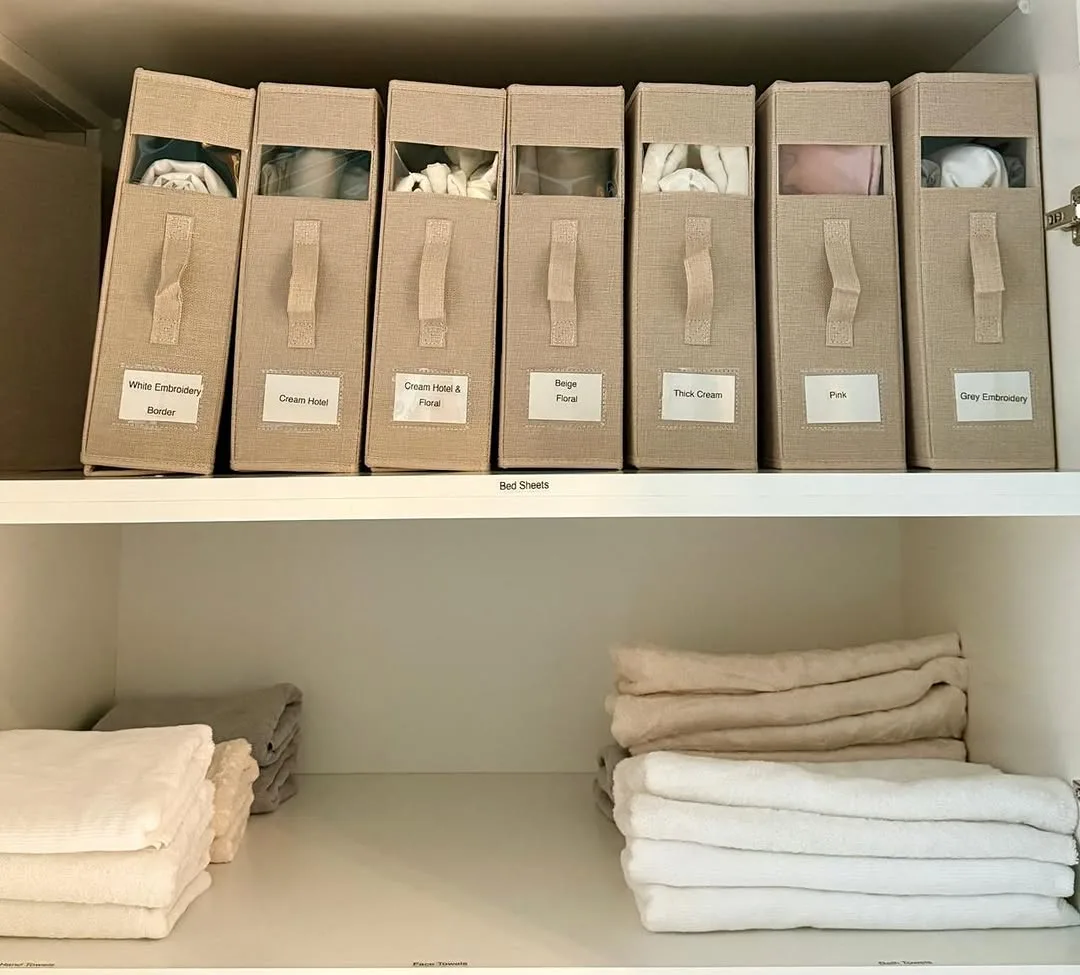
Neat spaces come from matching honest quantities to right sized bins, with labels that tell the truth about contents. Mornings start calmer, evenings end tidier, and small messes stop growing into weekend projects.
Practical planning keeps effort realistic. Count items first, choose bins with a little spare air, label both the front and the lid, and photograph contents for deep storage boxes. Keep supplies for the job in one caddy, so sessions start in minutes rather than after a search.
Strongest fit is anyone storing seasonal items, crafts, cables or keepsakes in garages and top cupboards. Small homes gain the most, because every shelf and drawer must work hard without feeling crammed.
Picture the routine in real life. one crafter labeled twelve bins by project, and setup for weekend making dropped from thirty minutes of hunting to five calm minutes. Praise from family members kept the system going long after the first tidy weekend ended.
Watch out for buying pretty matching bins before counting, because uniform boxes in wrong sizes waste money and still leave overflow piles. Write the rule on a label or note, because visible reminders protect good systems from quiet drift.
Label Maker: Handheld label maker prints the clear labels that tell everyone what belongs in each storage bin.
Weekly ten minute reset list
Smart homes rely on protecting finished rooms with a tiny written routine, shared by the whole family every single week. Shelves, surfaces and floors feel calmer within one session, and cleaning takes minutes instead of an afternoon. Strong decluttering checklist habits grow from small finished sessions like this one, repeated steadily week after week.
Practical planning keeps effort realistic. Pick one evening slot, set a timer, return strays to their homes, empty the donation bag into the car boot, and tick the list on the fridge. Measure the space, count the items, and write quantities down before buying any storage at all.
Best results come for every home that declutters, because maintenance decides whether order lasts or quietly fades. Clear limits, honest labels and easy access matter more than expensive matching containers.
Picture the routine in real life. one household kept a tidy flat for six months on ten Sunday minutes, while previous cleanouts without a routine faded within three weeks. Finished results stayed tidy for weeks, because the setup matched real habits instead of wishful thinking.
Watch out for treating resets as optional extras, because skipped weeks let small piles regrow into another full decluttering project. Slow down, fix the setup first, and repeat the small version until the habit holds on busy days too.
3 Pack Acrylic Magnetic Dry Erase Calendar Whiteboard Set: Magnetic fridge boards hold the written weekly ten minute reset list where the whole family can see it.
Common Mistakes to Avoid
Rushing through sorting leads to regret, because decisions made in a hurry send loved items away and keep broken pieces in prime spots. Decisions made in a hurry send loved items to donation bags and keep broken pieces in prime spots, so slow sorting with clear rules protects both money and memories.
Buying boxes before measuring creates brand new clutter, especially when containers bought for guessed sizes crowd shelves and hide the real problem, which is usually too many items for the space. Containers that almost fit waste money and crowd shelves, while a tape measure and a phone note cost nothing and prevent nearly every bad buy.
Forgetting upkeep undoes tidy shelves within weeks, so one small weekly reset belongs on the family calendar, in the same slot every week, guarded like any other appointment. Order survives through tiny repeat habits, honest reviews, and family members who all know where things belong and why the system matters.
Budget Friendly Ways to Organize the Whole Home
Smart spending starts with items already at home, including shoe boxes, gift boxes, baskets from other rooms and jars washed and reused. Clean, sturdy and honestly sized containers beat matching sets bought in a rush, and rooms look calmer when storage suits the items rather than a catalogue photo.
Market stalls, supermarket basics and second hand shops cover most needs, including plain storage tubs, drawer dividers and donation bags, for very little money. Shopping with measurements and a written list keeps spending focused, while borrowing rarely used tools from friends protects the budget for items that truly matter.
Borrowed tools and shared family supplies stretch money further, while one clear family rule about gifts and free items entering the home saves money all year. Saving on hidden storage leaves more room in the budget for the few visible pieces that lift the whole room every day.
Simple Tips That Keep Order Alive
Label the system. Write every room and every surface on one page, then tick finished corners in bright pen. Clear words on the outside save every family member from opening three wrong containers.
Measure the system. Measure shelves and drawers before shopping, and photograph the spaces that need containers. Sizes written on a phone note prevent duplicate buys and containers that almost fit.
Extra guidance on decluttering checklist comes from testing one small area first, watching daily habits for a full week, and adjusting storage to match real life rather than magazine photos. Small tests reveal true sizes, true quantities and true routines.
Group the system. Group donations, returns, repairs and rubbish separately, because mixed piles invite second thoughts. Like items living together makes gaps and excess obvious at a glance.
Photograph the system. Photograph each finished room, and use the picture as the standard during weekly resets. A quick photo of the finished setup becomes the reset guide for the whole family.
Remember that strong decluttering checklist choices reward patience, honest measuring and regular small reviews. Families who revisit one shelf each month keep order quietly, without dramatic cleanouts or expensive replacement storage.
Review the system. Review one category each month, such as books, toys or towels, before piles rebuild. A five minute check each month catches drift before clutter rebuilds in silence.
Keep the system. Keep a donation bag in one fixed spot, so unwanted items leave during normal weeks. Daily items deserve the easiest reach, while rare items can live higher and deeper.
FAQ
How long does a full home declutter take?
Plan on two to four weekends for an average family home, working one room per session with breaks between sorting days. Rushing through every room in one weekend usually ends with mixed piles, tired decisions and bags that never reach the charity shop.
Where should beginners start?
Start with the room that annoys the family most, which is often the entryway or the kitchen counter zone. Visible early wins build confidence, teach the sorting rules, and prove the system works before harder rooms like garages and wardrobes get their turn.
What are the four sorting boxes?
Choose four clear homes for every item handled: keep here, move elsewhere, donate or sell, and rubbish or recycling. Boxes stop piles forming on beds and floors, and every item leaves the room with a destination instead of landing in a new stack.
How do I decide what to keep?
Keep items that earn their space through regular use, good condition or genuine love, and question everything kept only from guilt or habit. Duplicates, broken pieces waiting years for repair, and gifts never liked are honest donation candidates in most homes.
How can children help with decluttering?
Use short timed sessions, simple choices between two loved items, and a special box for treasures that must stay. Children cope well when adults explain where donations go, praise generous choices, and never remove loved toys in secret behind their backs.
How often should the checklist be repeated?
Try a light repeat every three months, focusing on hot spots like entryways, wardrobes, toy shelves and paper trays. Seasonal repeats catch growth spurts, new hobbies and holiday gifts early, while quantities stay small enough for one calm afternoon session.
Conclusion
Good order grows from honest sorting, sensible storage and tiny repeat habits that fit busy weeks. Strong decluttering checklist choices respect your space, your budget and the way your family actually lives, so tidy rooms stay tidy without constant effort or stress.
Pick three ideas from this list, finish them fully this week, and live with the results before buying anything new. Small finished spaces build confidence, teach the family the new system, and reveal exactly which storage the home still needs.
Enjoy the calmer corners that follow, and let small finished spaces pull the rest of the home along gently. One shelf, one drawer and one quiet morning at a time, order becomes the normal way the home feels every day.