15 Christmas Eve Traditions for Families
Christmas Eve carries a special kind of excitement, with children counting the hours and grown ups finishing the last small jobs around the house. Simple christmas eve traditions give the evening a gentle shape, so the hours feel warm and settled instead of rushed and scattered. Families tend to remember these small repeated moments long after presents are opened and wrapping paper is cleared away.
You do not need a long plan, a big budget, or a house full of decorations to make the evening feel special. One or two small habits repeated every year soon become the moments children ask about when December arrives. Choose ideas that suit your family, your energy, and the ages of your children, and let everything else go without guilt.
Below you will find fifteen christmas eve traditions that any family can start this year, from a small box opened after dinner to a quiet minute watching the tree glow in the dark. Each idea comes with practical details, the ages it suits best, a real example, and one common mistake to avoid. Read through the list, pick two or three favorites, and keep the evening simple.
What are simple Christmas Eve traditions a family can start this year?
Families build their favorite christmas eve traditions from small repeated moments rather than big planned events. Pick two or three simple habits, such as new pajamas, one story by the tree, and cookies left out for Santa, then repeat them every year in the same order. Children quickly learn the rhythm, and the evening starts to feel familiar, calm, and full of meaning.
Picture a family that finishes dinner, opens one small box of treats and activities, and then walks around the block to admire the lights on nearby houses. Back home, everyone changes into new pajamas, shares one story, and climbs into bed at a sensible hour. Nothing on that list costs much, yet children talk about that evening all year.
Christmas Eve box opened after dinner
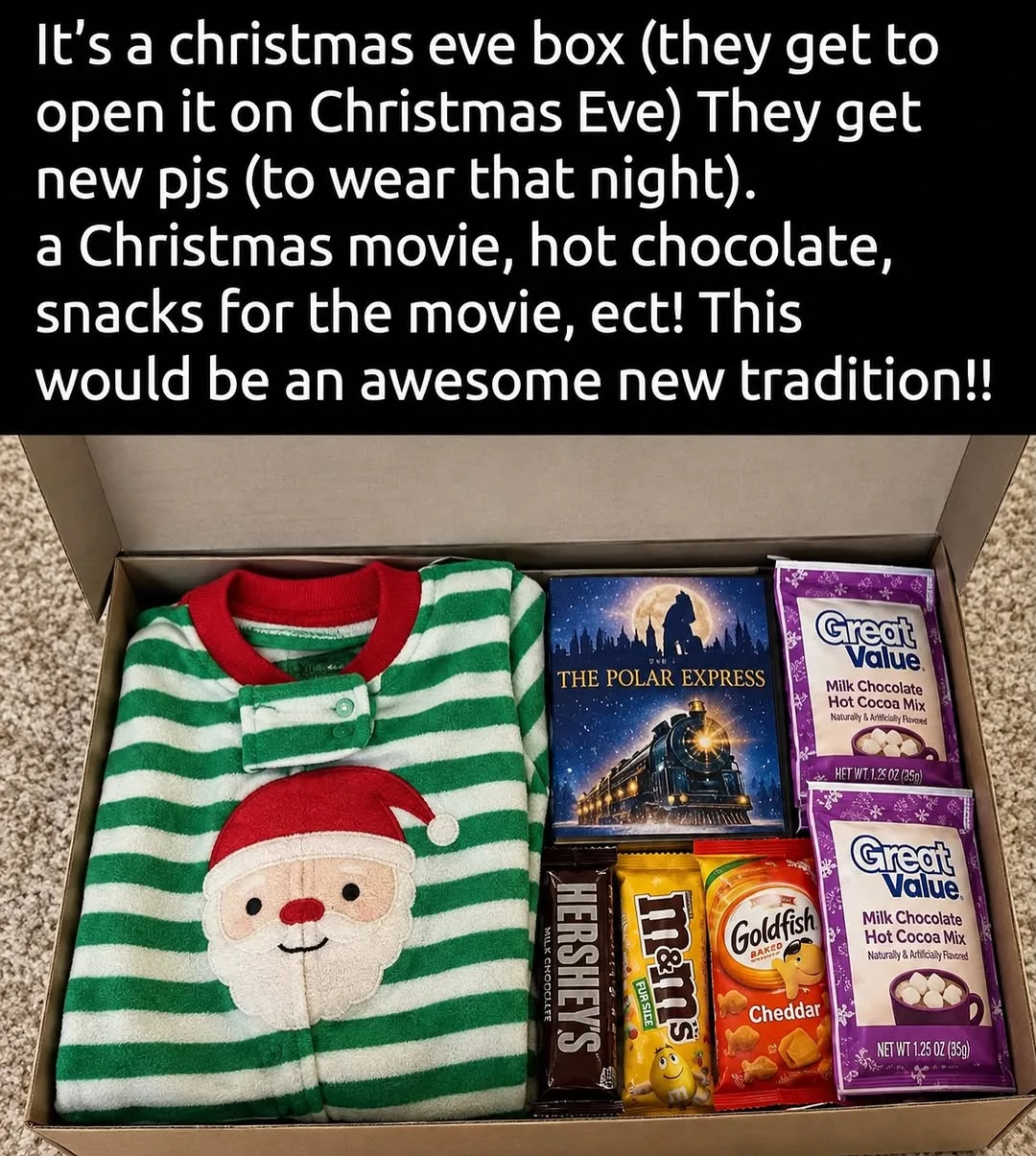
Boxes opened after dinner give children one exciting moment to look forward to while they wait for the big morning. Inside goes a small collection of treats and activities chosen to fill the evening calmly. Parents love the box because it answers the endless question of what happens next, and children love it because opening it feels like the true start of Christmas.
Fill each box with new pajamas, a packet of popcorn or a small snack, a short book or puzzle, and one small surprise such as a new toothbrush or a pair of cozy socks. Wrap the box or tie it with ribbon so opening it feels like an event. Prepare boxes a few days early and store them out of sight.
Children of nearly every age enjoy the box, and toddlers manage well when contents stay simple and safe to handle alone. Teenagers join in happily when boxes hold snacks, a film choice, or a small joke gift chosen with care. Grandparents visiting for the holiday enjoy receiving a small box too, filled with treats and a handwritten note.
Avoid filling boxes with expensive presents, because high value gifts shift attention away from the evening and toward the morning haul. Keep every box roughly equal in cost and content when siblings compare theirs side by side. Skip anything noisy or messy late in the evening, since excited children settle far better with calm activities before bed.
New pajamas for the whole family
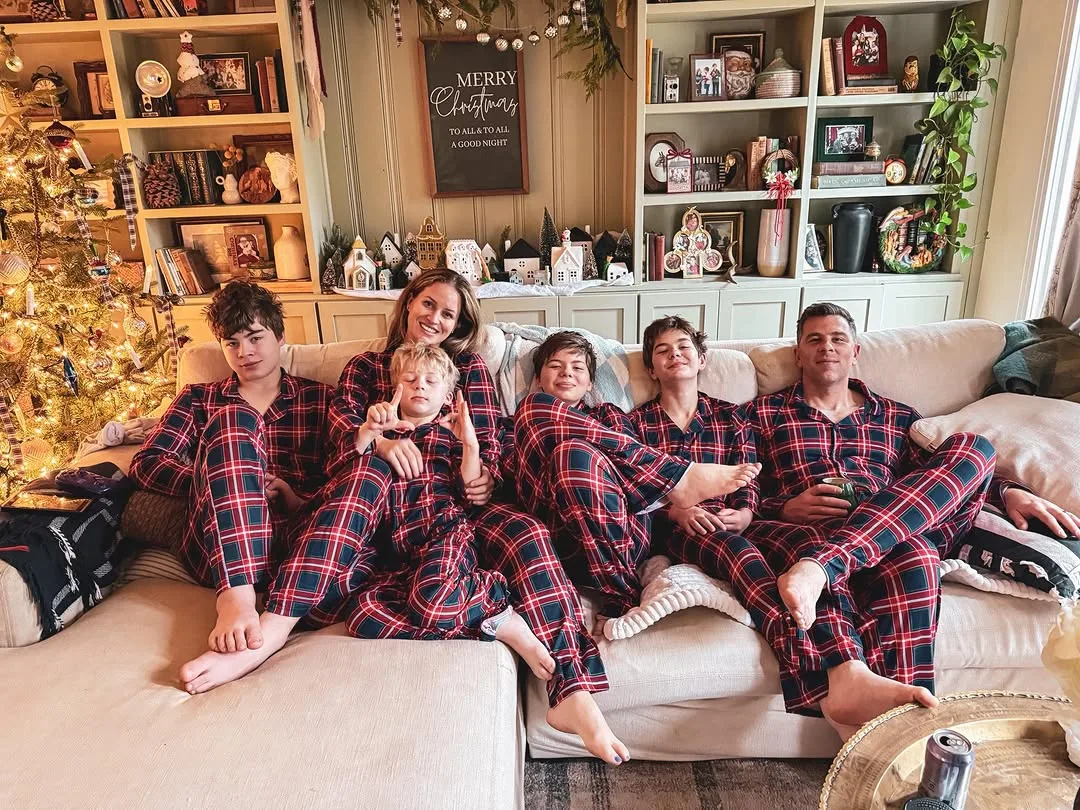
Fresh pajamas mark the move from an ordinary evening to a celebration, and changing into them signals that bedtime routines have officially begun. Matching sets look charming in photos, though simple coordinated colors work just as well and cost less. Children settle more easily when the evening has clear stages, and pajamas provide one of the clearest stages of all.
Buy pajamas during sales earlier in December, or choose plain sets in one color per person to keep costs sensible. Wrap each pair and let children open them right after baths, so the change into sleepwear becomes a small ceremony. Keep one spare pair in a drawer for surprise guests or growing children who shoot up between shopping and Christmas.
Everyone from toddlers to grandparents can join in, which makes pajamas one of the easiest group traditions to run. Families spread across different homes sometimes wear matching sets during a video call, giving distant relatives a shared moment. Dogs and cats in festive bandanas add laughter to the group photo without much effort or expense.
Order sizes early, because popular pajama sets sell out quickly in December and late orders arrive after the day itself. Wash new pajamas once before the evening, since fresh fabric can feel stiff or scratchy on young skin. Keep receipts until sizes are confirmed, and swap anything snug before the shops close for the holiday.
Hot chocolate during a Christmas movie
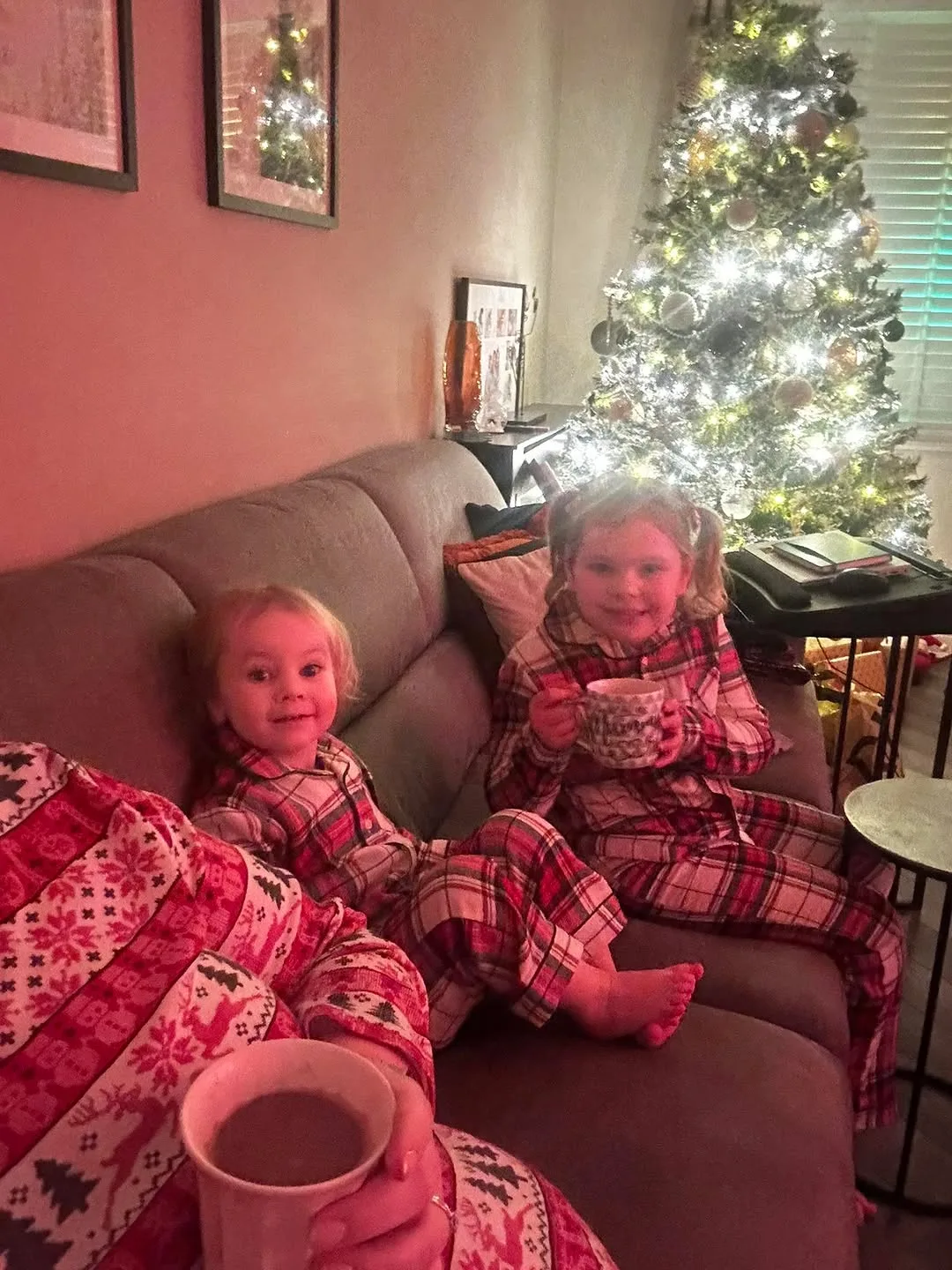
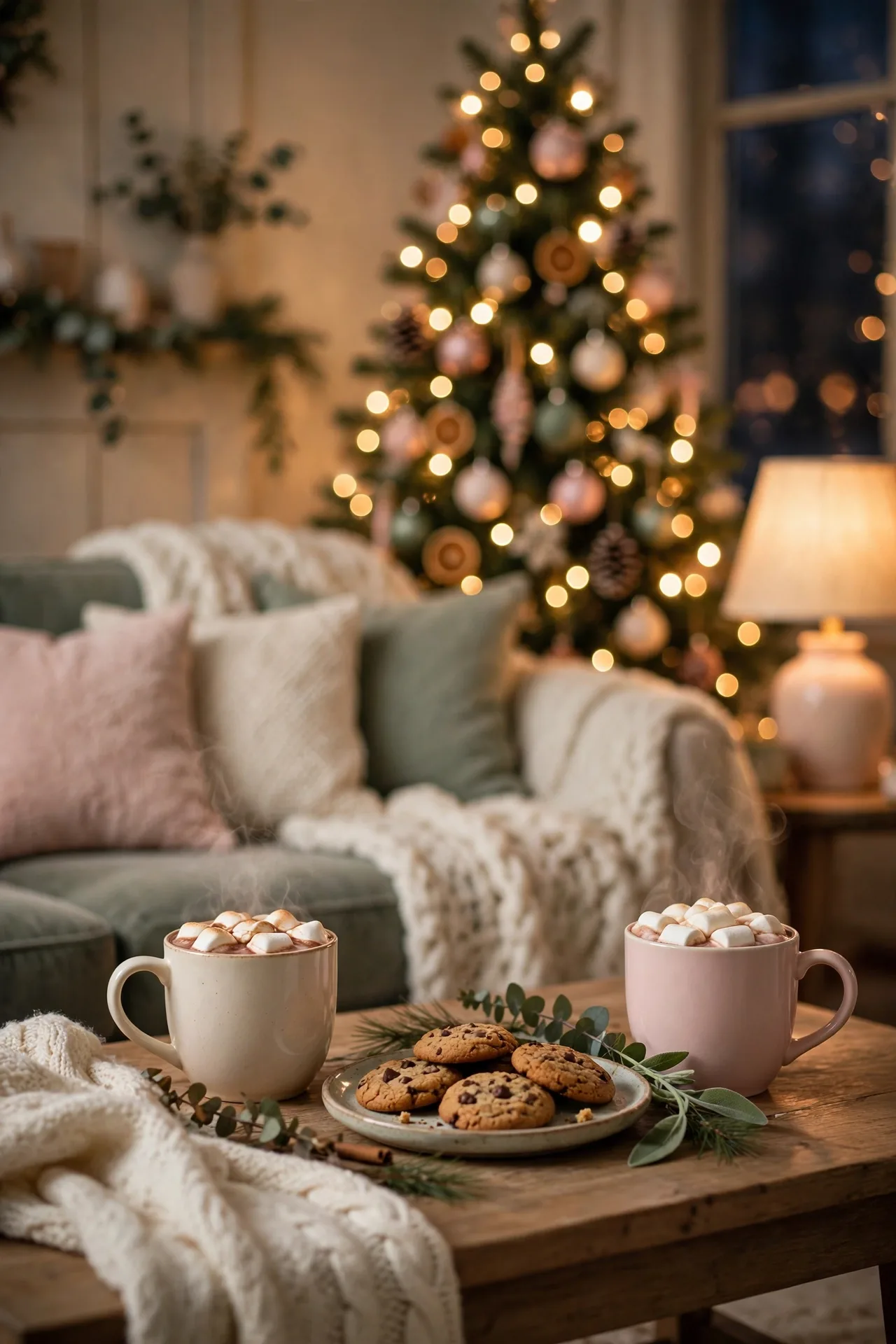
Warm mugs and a familiar film slow the whole household down after dinner, giving everyone a shared and restful hour. Children choose the movie in turns each year, and adults gain a rare chance to sit down before the busy morning. Candlelight or tree lights in a darkened room make the simple setup feel quietly special.
Set out mugs, marshmallows, whipped cream, and a small bowl of chocolate shavings or sprinkles so everyone builds a personal drink. Keep portions modest for young children close to bedtime, and offer warm milk as a gentle option for toddlers. Prepare the tray before the film starts, so nobody misses the opening scenes while fussing in the kitchen.
Groups of mixed ages manage well when the film stays short, funny, and familiar rather than long and new. Families with very young children often watch the first half on Christmas Eve and save the rest for another night. Older children enjoy choosing a classic comedy and quoting favorite lines together year after year.
Skip very sweet drinks right before bed if sugar tends to wind your children up instead of settling them down. Choose low sugar mixes or plain warm milk for the youngest drinkers, and serve richer cups to adults and teenagers. Rinse mugs before bed rather than leaving sticky cups beside the sink for a busy Christmas morning.
Reading a Christmas story together
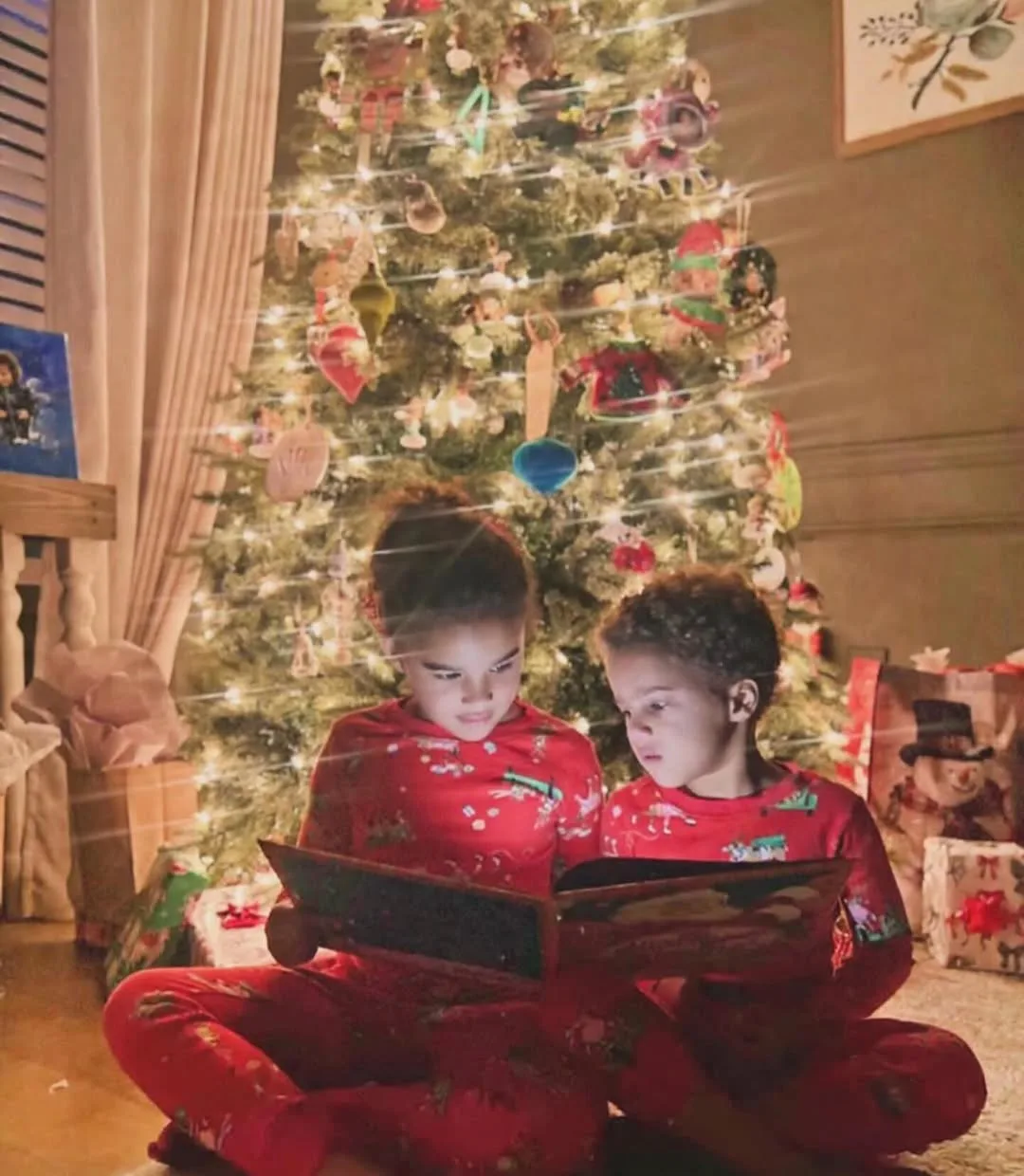
Stories read aloud by the tree give children a calm and focused end to an exciting day. Hearing the same book each year builds strong memories, because children notice new details as they grow and join in with favorite lines. Parents often find their own childhood memories returning while they read, which adds warmth to the moment.
Keep one special book in a box with the decorations, so it only appears during December and stays exciting every year. Short picture books suit toddlers, while chapter books let older children hear one or two chapters each night through the season. Libraries lend festive titles for free, and swapping books with friends keeps the shelf fresh without spending.
Youngest listeners do best with bright pictures, repeated phrases, and a story short enough to finish before attention fades. School age children enjoy funny tales and gentle adventures, and many love taking a turn reading a page aloud. Teenagers join in more willingly when the family picks a humorous book or a short story collection everyone can dip into.
Let children choose the reading spot, whether that means cushions on the floor, the sofa with blankets, or beds with the story read in the doorway. Dim lamps and tree lights help small listeners wind down as the story ends. Finish reading at the promised time even when children beg for more, because a calm bedtime protects the whole morning.
Cookies left out for Santa
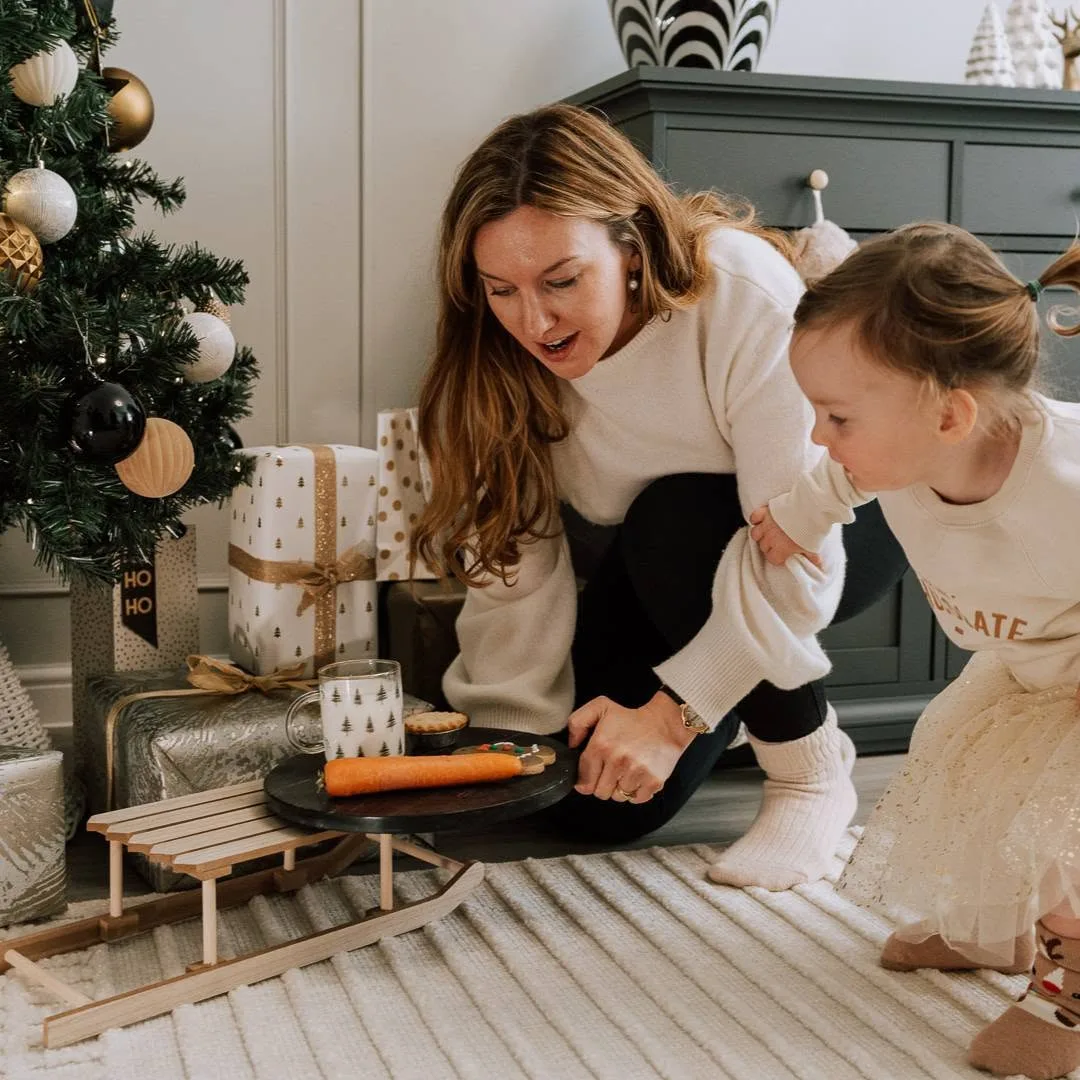
Small plates of cookies beside the fireplace or front door give children a kind and playful job at the end of the evening. Choosing which cookies Santa might like sparks happy debate, and adding a carrot for the reindeer extends the fun. Many families count this moment among their simplest christmas eve traditions, because it takes five minutes and delights every young child in the house.
Place two or three cookies on a special plate used only for this job, alongside a small glass of milk or a mug of water. Add a short note from the children when they are old enough to write, thanking Santa for visiting. Photograph the plate before bed if you want proof of the scene for sleepy morning conversations.
Toddlers enjoy carrying the plate carefully with two hands, while older children prefer writing the note and choosing the exact cookies. Families without a fireplace can use the front door, a windowsill, or a spot beside the tree with equal success. Children who feel unsure about a night visitor can leave the plate outside the bedroom door instead.
Remember the adult half of the job before you fall asleep, since a full plate in the morning raises difficult questions. Eat the cookies or leave clear crumbs and a short reply note in different handwriting. Keep the ritual light and brief when children seem tired, because drawn out goodnights often end in tears on busy evenings.
Evening walk to see neighborhood lights

Walking after dinner burns off excited energy and gives everyone fresh air before the long night indoors. Streets look magical after dark, with lights in windows, wreaths on doors, and gardens glowing along the route. Children return home rosy cheeked and pleasantly tired, which makes the move toward bedtime far smoother for parents.
Plan a short loop past the best decorated streets nearby, and keep the route flat and familiar for small legs. Dress everyone warmly with hats, gloves, and sturdy shoes, and carry one torch for darker stretches between houses. Bring a thermos of warm squash or tea for adults, and agree the turning point before small walkers grow cold or tired.
Babies ride happily in a pram with extra blankets, and toddlers enjoy spotting stars, moons, and favorite colors along the way. Older children like rating the houses or counting inflatable figures, which turns the walk into a gentle game. Neighbors out on their own walks often stop for a chat, adding a friendly community feel to the evening.
Watch the weather before promising the walk, because heavy rain or ice turns a pleasant outing into a miserable march. Shorten the route without apology when wind bites, and swap to a slow drive past the lights when conditions feel unsafe. Never let children run ahead near roads, since dark streets and excited groups need calm adult supervision.
Board games by the tree
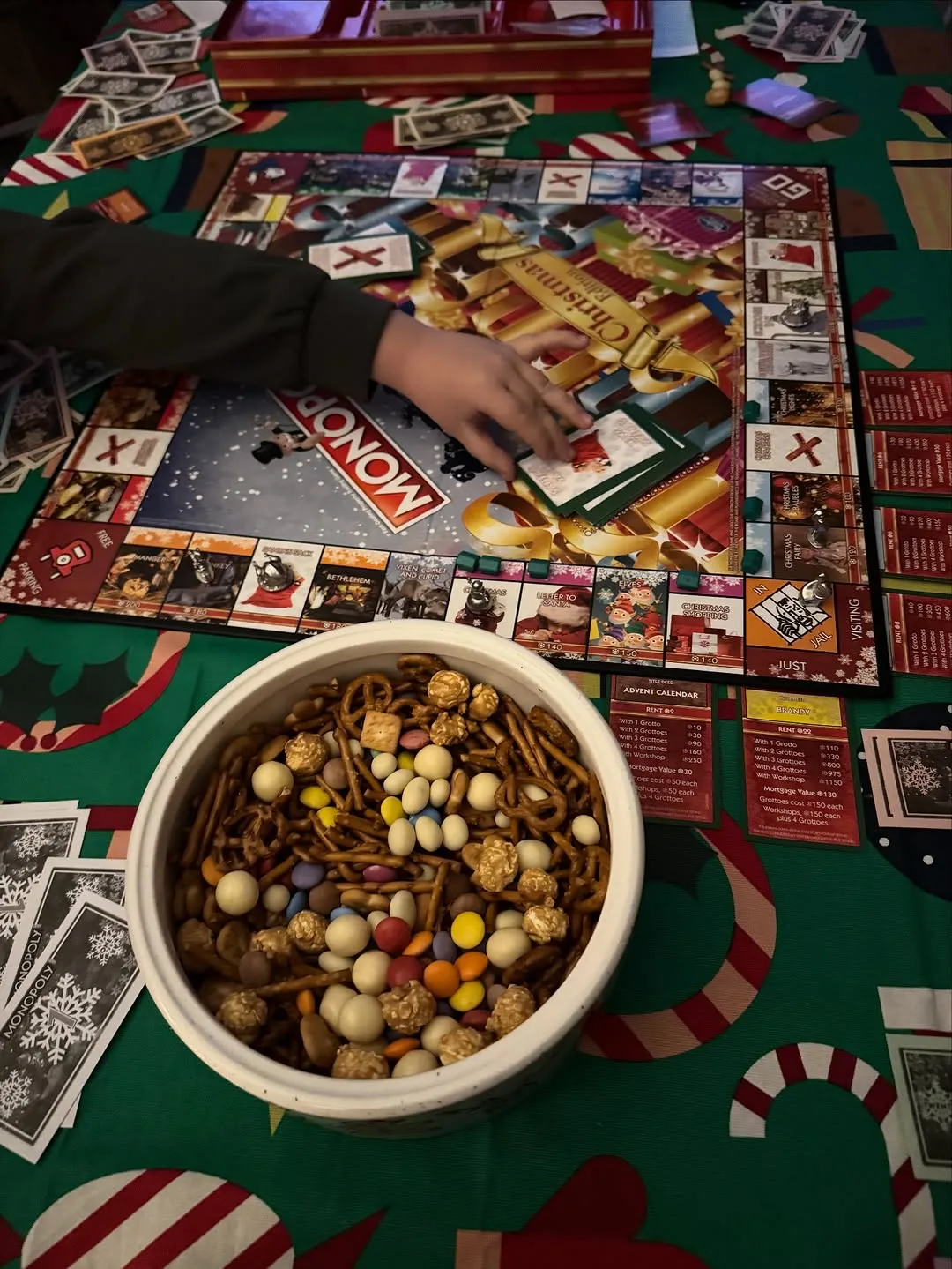
Games played on the floor beside the tree fill the last hour with laughter and gentle competition. Simple rules matter more than novelty, because tired children cope badly with complicated instructions late in the evening. Winning feels sweet, losing feels lighter in a cozy room, and the whole family ends the night together rather than scattered across screens.
Choose one short game the whole family knows, such as a card matching game, a simple dice game, or dominoes with picture tiles for young players. Set a clear finish, like first to three wins or one full round each, before the game begins. Keep snacks in bowls away from the board so cards and pieces stay clean.
Mixed age groups play best when teams pair an adult with a young child, balancing skill and patience on both sides. Teenagers often enjoy hosting the game, reading rules aloud and keeping score for everyone. Grandparents bring favorite classics from their own childhoods, and teaching those games adds stories and history to the fun.
End the game at the agreed point even when children plead for one more round, because stretching the evening delays every later step. Praise good turns and funny moments more than final scores, so losing players still feel part of the fun. Pack pieces away together before stories, since stray dice and cards under the tree cause morning chaos.
Letters written and left by the fireplace
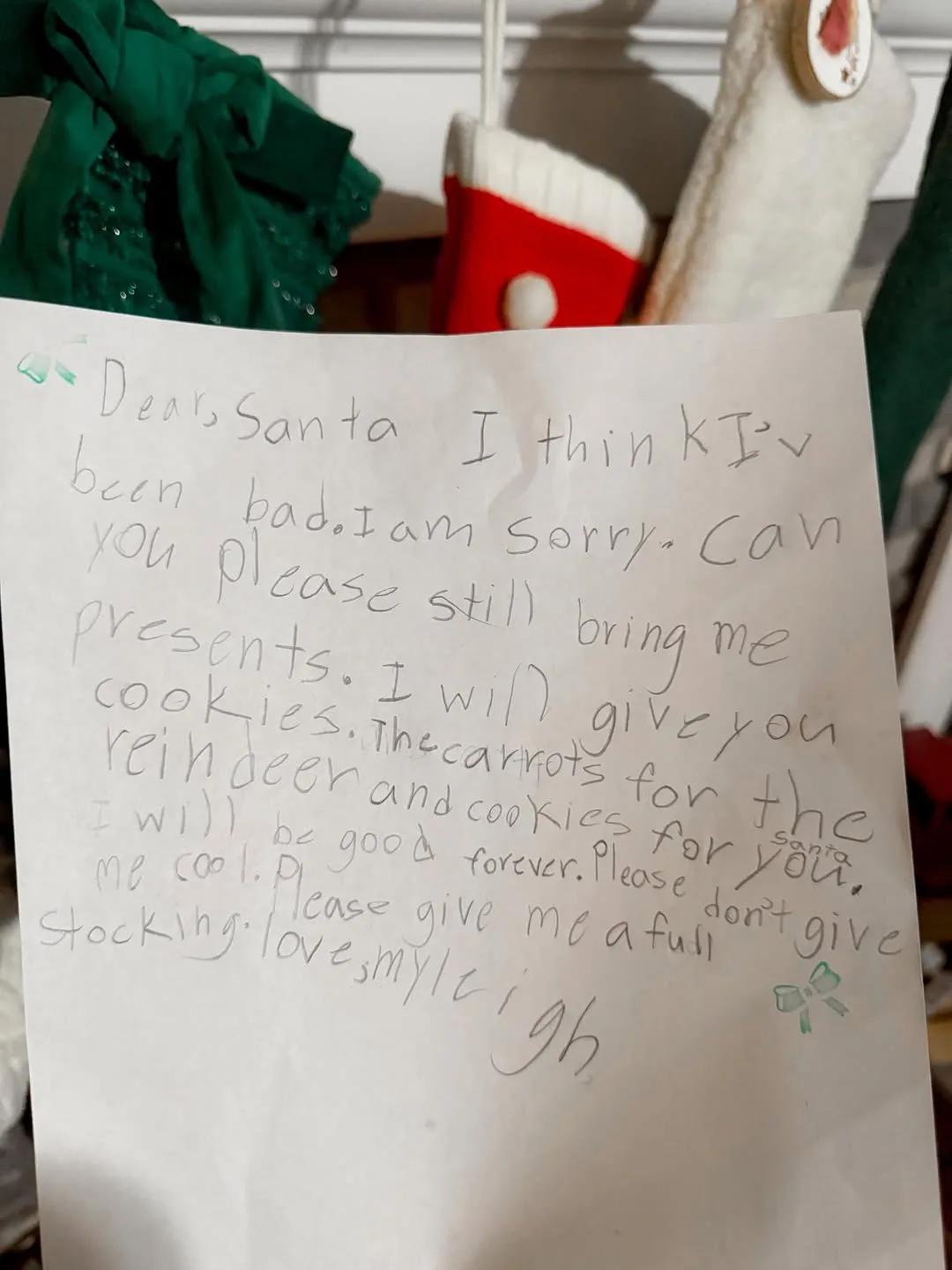
Letters written on Christmas Eve give children a quiet way to say thank you, share wishes, and practice kindness in their own words. Some families write to Santa, others write to relatives far away, and many write to someone they want to thank. Sitting together with paper and pens slows the pace and opens gentle conversation.
Provide thick paper or cards, envelopes, colored pencils, and a few stickers so letters feel special rather than like schoolwork. Younger children can draw a picture and dictate one or two sentences for an adult to write beneath. Leave finished letters by the fireplace, on the tree, or in a small postbox made from a decorated shoebox.
Reluctant writers join in more easily when prompts stay playful, such as naming one gift they hope for and one kind thing they did this year. Older children and teenagers often write surprisingly thoughtful letters once nobody watches over their shoulder. Adults who write alongside children model the habit and usually enjoy the quiet more than they expected.
Save letters in a folder or memory box instead of throwing them away, because rereading them years later brings back small voices and early handwriting. Date each letter clearly on the back so future readers know which year it came from. Respect privacy when a child writes something personal, and ask before sharing any letter beyond the family.
One new ornament added together
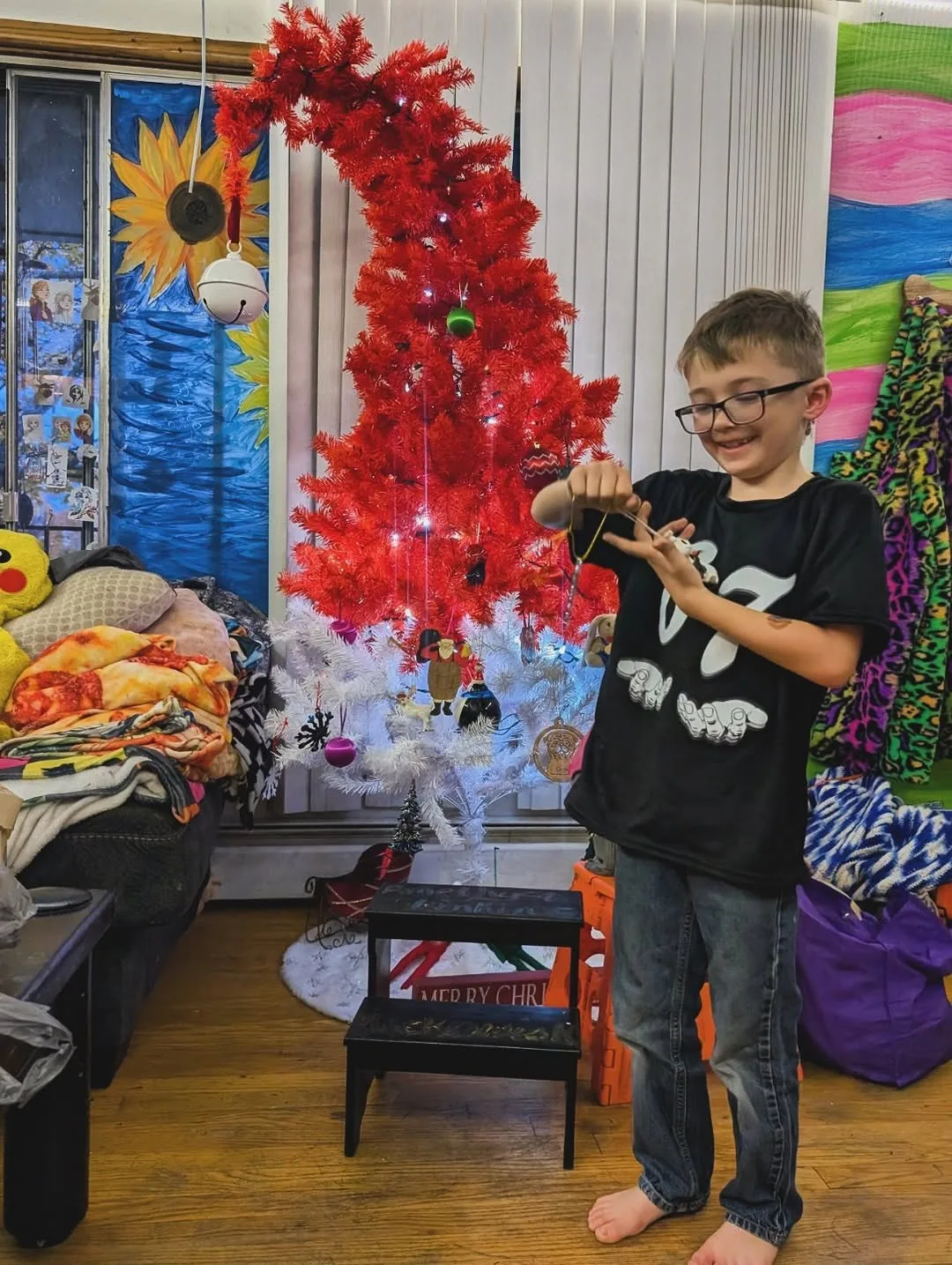
Adding one ornament each year turns the tree into a growing record of family life that everyone helps to build. Children remember exactly which ornament belongs to which year, and hanging the new piece becomes a small ceremony. Guests enjoy hearing the stories behind the decorations, and the tree feels personal rather than styled for a shop window.
Pick the ornament together during a December outing, or let each family member take turns choosing one year by year. Write the year and the chooser name on the base or box with a fine pen before hanging it. Store ornaments in their boxes with a short note about where they came from and why they were chosen.
New babies often receive a first Christmas ornament, while older children like making theirs from clay, felt, or salt dough at the kitchen table. Handmade pieces rarely match the rest of the tree, and that mismatch becomes part of the charm over time. Photograph each child holding their ornament so the record survives even if glass breaks one year.
Hang fragile ornaments high and out of reach when toddlers or curious pets share the room, and give young children sturdy pieces for low branches. Keep the ceremony short and joyful rather than turning placement into a long debate. Photograph hands, not just faces, as the new ornament goes up, because those small pictures tell the story beautifully.
Gratitude shared around the table
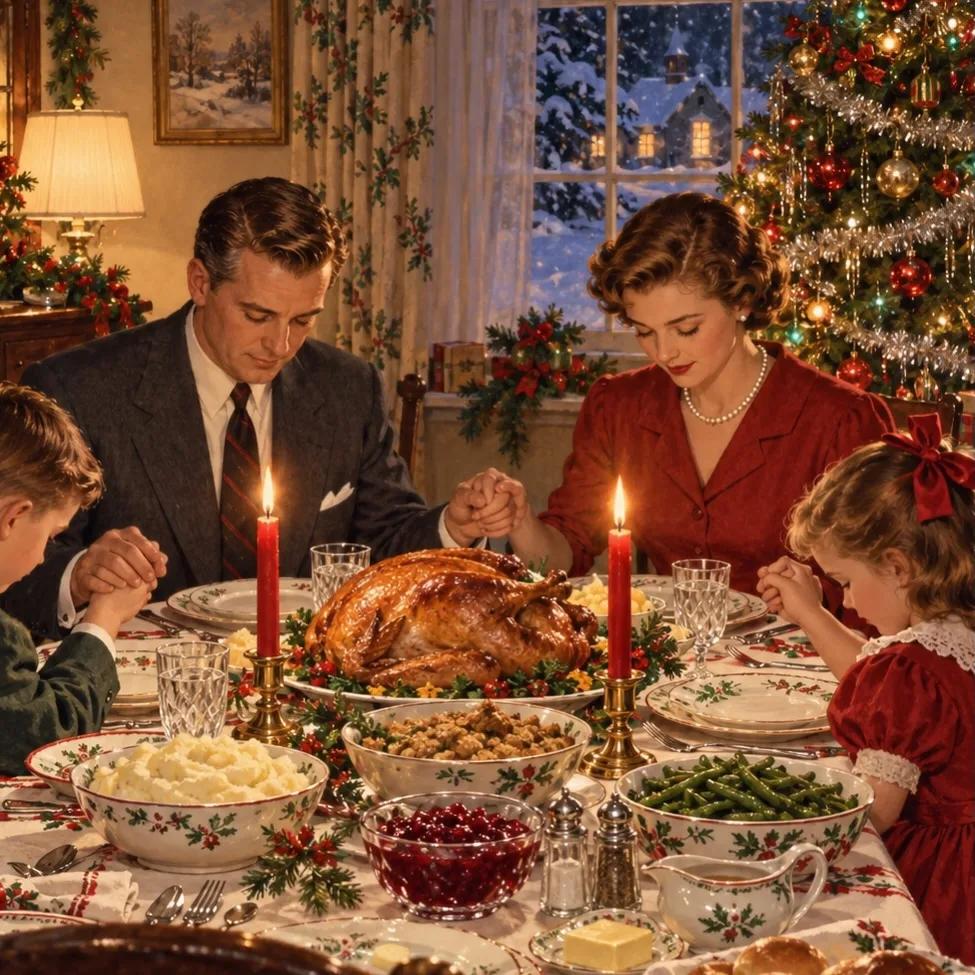
Sharing one thankful thought each at the table gives the evening depth and reminds everyone what the season means beyond presents. Young children name simple joys like a friend, a pet, or a favorite teacher, and adults often follow their honest lead. Calm voices and full attention make the short round feel surprisingly moving.
Go around the table once, with each person naming one person, moment, or kindness from the year that mattered to them. Pass a small candle, a pinecone, or a spoon as a talking piece so only one voice speaks at a time. Keep the round during dessert or right after the main course, when everyone sits together and feels settled.
Quiet or shy family members contribute happily when they can pass once and join later, or whisper their thought to a parent. Very young children can simply name a favorite person or food, which always raises warm laughter. Visitors and new partners feel included when hosts explain the round warmly and never pressure anyone into a long speech.
Force nobody to perform gratitude on the spot, because pushed speeches feel false and can embarrass sensitive children. Offer simple sentence starters for anyone stuck, such as naming one person who helped them this year. Write favorite thoughts on paper stars and hang them on the tree, giving the round a gentle keepsake for later years.
Carols sung at home or door to door
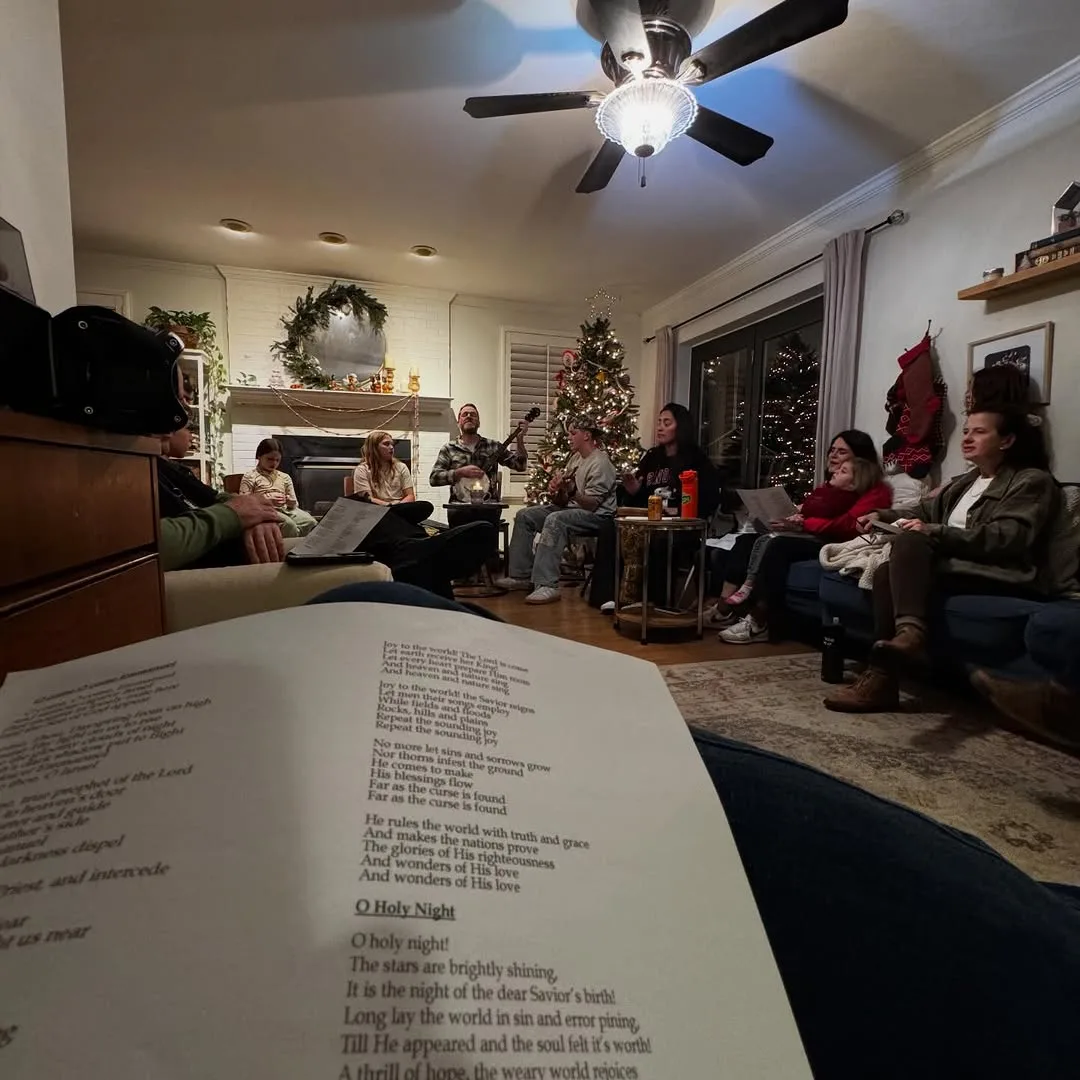
Singing together fills the house with sound and silliness, and nobody needs a trained voice to join a family chorus. Familiar carols let grandparents, parents, and children share the same songbook across generations. Laughter over forgotten verses becomes part of the fun, and confident singers happily carry the quieter voices along.
Print large lyric sheets or use a tablet with big text, so everyone can follow words without squinting in low light. Pick six to eight well loved songs and let each person choose one favorite for the list. Small instruments like bells, shakers, or a tambourine give restless children a part to play between verses.
Doorstep singing suits confident groups who know their neighbors well and keep visits short, warm, and cheerful. Young children love ringing one bell and singing one song, then waving goodbye before they grow cold. Families who prefer staying home can sing around the tree or record a song for relatives who live far away.
Check with neighbors before singing at doors late in the evening, because babies, shift workers, and nervous dogs rest behind many front doors. Keep doorstep songs brief, with one song per house, then smile and move along promptly after warm wishes. End home singing before voices grow hoarse, and save energy for the storytelling and quiet moments still to come.
Cheese and snack plate late in the evening

Grazing plates suit Christmas Eve perfectly, because nobody wants a second heavy meal after a big lunch or early dinner. Cheese, crackers, fruit, and small savory bites let everyone eat lightly whenever hunger appears. Serving food this way frees the cook from the kitchen and keeps the evening relaxed for hosts as well as guests.
Build the plate on the largest board or tray you own, grouping two or three cheeses with crackers, sliced apple or grapes, nuts, and a small bowl of chutney or honey. Add child friendly options like cheese cubes, breadsticks, popcorn, and cucumber slices at one end of the board. Cover and chill the plate earlier in the day, then carry it out when the games begin.
Guests of every age graze happily when choices include familiar plain foods alongside richer adult flavors. Vegetarian and dairy free eaters manage well when a small separate plate holds safe options clearly apart from the rest. Teenagers treat the plate like a treasure hunt, while grandparents appreciate food that needs no cooking smells or fuss.
Clear leftovers into boxes before bed rather than leaving cheese out overnight, because warm rooms spoil soft cheeses quickly. Keep portions modest when the plate appears late, since full stomachs can disturb sleep for children and adults alike. Wash the board in the morning if energy runs low, but store food safely before anyone sleeps.
Same photo in the same spot each year
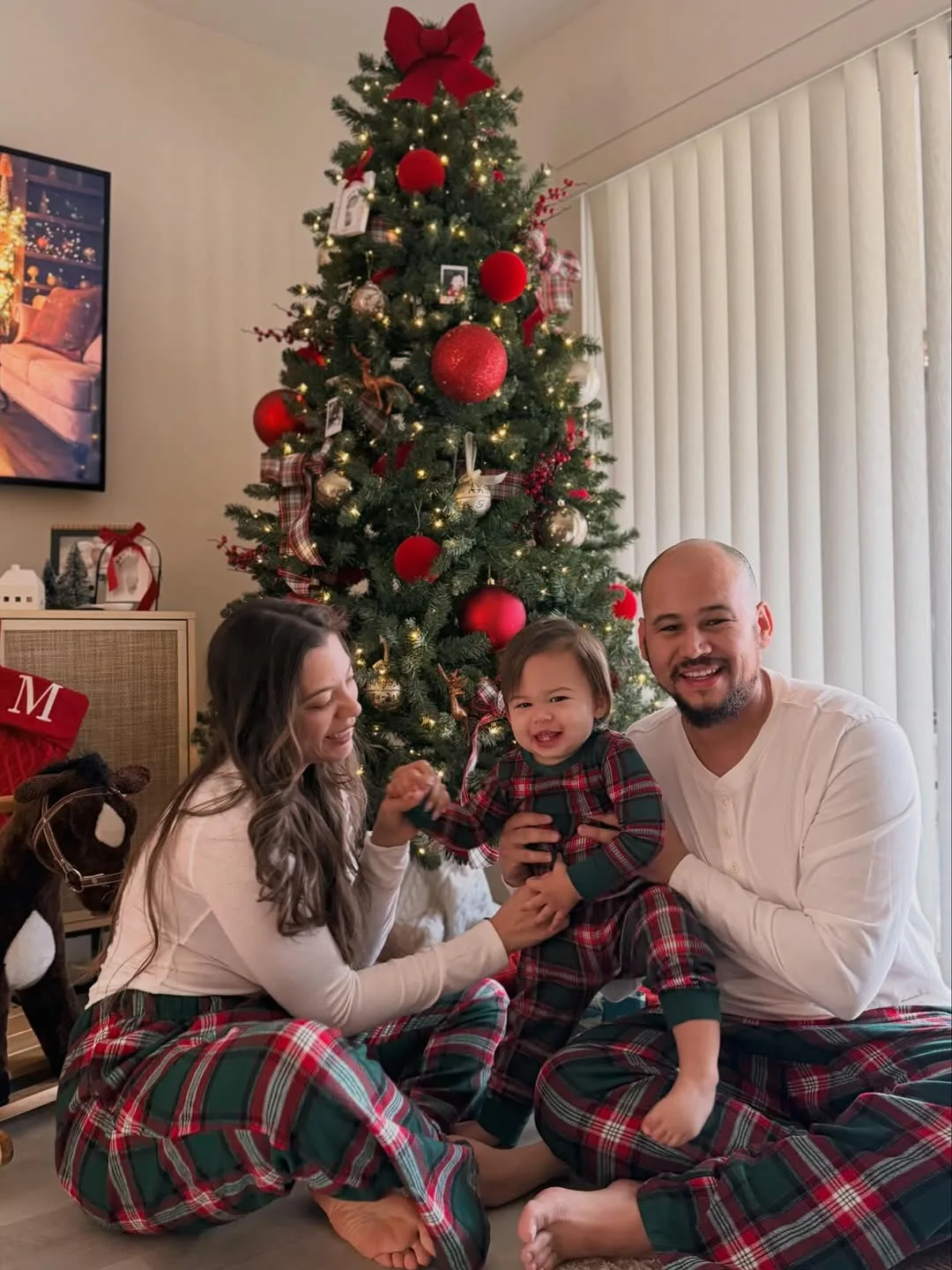
Photographs taken in the same spot each year quietly record how children grow, how hairstyles change, and how the family itself shifts. One doorway, one chair, or one place beside the tree becomes famous inside the family. Looking back through the set gives everyone a gentle and funny history lesson on later Christmas Eves.
Choose the spot in daylight the first year, checking that faces sit in soft light without harsh shadows from lamps or the tree. Take the photograph at the same point in the evening each year, perhaps right after pajamas go on. Keep props simple and repeatable, such as everyone holding a mug or wearing the new pajamas.
Wriggly toddlers photograph best when an adult holds them in the same arms and spot each year, creating a sweet size comparison. Older children enjoy directing one silly version after the proper portrait, which keeps cooperation high for the main shot. Relatives who join some years and miss others still appear across the set, and their absence in some frames tells honest family history.
Expect imperfect results, because someone always blinks, pulls a face, or holds a snack in the family portrait. Take several frames quickly, pick the most alive one rather than the most polished, and print or save it in the same album each year. Skipping one year breaks nothing, so resume the habit next December without guilt.
Stockings opened one at a time
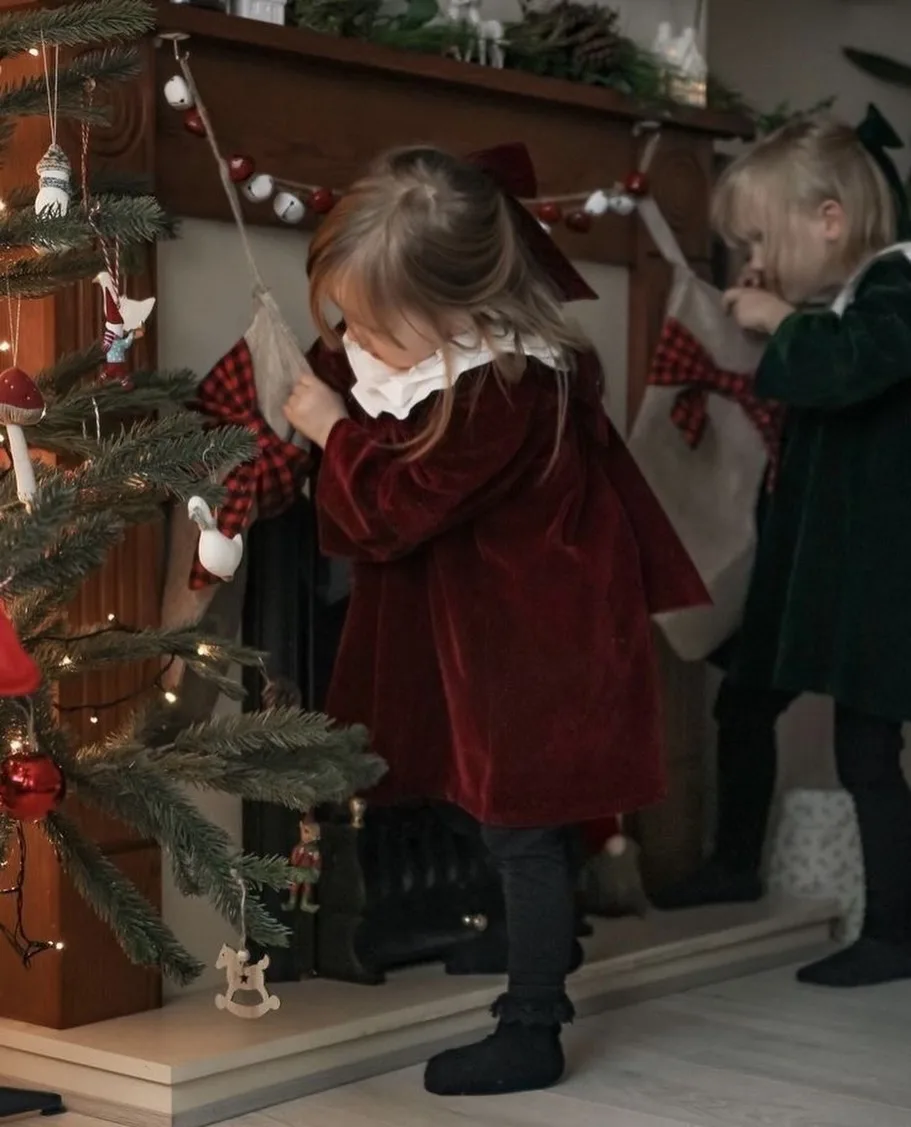
Opening stockings slowly, one person at a time, stretches the fun and lets everyone see each small gift properly. Children learn patience in a happy setting, and givers receive real reactions instead of a blur of torn paper. Small filler gifts gain importance when each one gets a moment of attention and thanks.
Agree the order before stockings come down, perhaps youngest first or taking turns around the room in a circle. Hand each person their stocking, let them pull out one item at a time, and pause for comments between gifts. Keep a bag nearby for wrapping scraps so the floor stays clear and small pieces never vanish under furniture.
Younger children glow when the whole room watches them unwrap, and older children practice generous attention while waiting for their turn. Families opening stockings on Christmas Eve instead of morning often find the slower pace suits the evening mood. Adults deserve stockings too, filled with small treats, kind notes, and one or two joke items.
Rushing through stockings in a scramble teaches children that speed matters more than gratitude or shared attention. Set a gentle pace with your own reactions, showing delight and curiosity at each small discovery. Stop for drinks or a song if energy dips, because the ritual aims for warmth rather than a strict timetable.
Lights off to watch the tree glow

Darkness and tree lights create the quietest moment of the whole evening, a pause where noise and rushing simply melt away. Children who felt wild an hour earlier often sit still and whisper without being asked. Parents treasure the silence because it closes the day gently before the early and excited morning arrives.
Switch off lamps and screens, keep one hallway light for safety, and let eyes adjust slowly while everyone finds a seat. Blankets on the floor, cushions against the sofa, and warm drinks in hands make the moment feel complete. Five quiet minutes suit young children, while older families may happily sit for fifteen minutes or more.
Little children sometimes feel nervous in full darkness, so a small candle, a lantern, or a parent lap nearby solves the worry quickly. Older children enjoy spotting favorite ornaments in the glow and retelling the story behind each one. Couples often keep the moment after children sleep, sharing a quiet drink beside the tree.
Use flameless candles or keep real flames well away from branches, paper, and trailing blankets during the quiet moment. Blow out every candle before bed and check that tree lights follow the safety guidance on their box. End the evening here when children look sleepy, carrying small ones to bed straight from the glow.
Common Mistakes to Avoid on Christmas Eve
Overloading the evening causes most problems, because christmas eve traditions fail when families squeeze ten activities into three tired hours. Children grow overwhelmed, adults grow snappy, and lovely ideas start feeling like chores on a list. Choose a small number of habits and protect them fiercely, letting everything else stay optional for this year.
Late starts undo calm evenings more than almost anything else, since hungry and tired children struggle with every plan. Serve dinner earlier than usual, begin activities while energy still runs high, and guard bedtime like an appointment. Guests who arrive late can join whatever stage they find, rather than restarting the whole evening for them.
Comparing your evening with polished photographs online steals joy quickly and pushes spending upward for no real gain. Children remember warmth, laughter, and feeling included far more than matching outfits or elaborate decorations. Keep phones mostly aside during the key moments, take a few honest pictures, and return your attention to the people in the room.
Budget Friendly Ways to Start New Traditions
Most christmas eve traditions cost very little, because repetition and togetherness create the magic rather than spending. Walks, stories, songs, games, and gratitude rounds all cost nothing at all, yet children rank them among their favorite memories. Put any spare money toward one shared treat, such as good hot chocolate or a special dessert, instead of many small purchases.
Borrow board games, books, and serving boards from friends or the library instead of buying new versions for one night. Swap decorations, cookie cutters, and festive films with neighbors so every household enjoys fresh items without fresh spending. Charity shops in December overflow with mugs, games, and decorations that suit the evening perfectly well.
Grow traditions slowly over several years rather than buying everything in one expensive December rush. Start with two free habits this year, add one small purchase next year, and let children suggest additions as they grow. Handmade ornaments, handwritten letters, and home baking cost pennies compared with bought experiences, and families often love them more.
Christmas Eve Tips That Keep the Evening Calm
Decide the running order at lunch. Knowing what happens after dinner stops children asking all evening and stops adults improvising under pressure. Write the short order on a card for the fridge if young planners need reassurance. Keep the order loose enough to drop one step calmly when energy fades.
Feed everyone earlier than usual. Hungry children cope badly with waiting, games, and long goodnights, so an early dinner protects the whole plan. Keep a snack plate ready for the gap between lunch and dinner as well. Calm stomachs make calm evenings far more likely than any decoration can.
Prepare every prop before dinner. Gather pajamas, books, game boxes, cookie plates, and letter paper in one basket during the afternoon. Searching cupboards mid evening breaks the mood and wastes the calm you built so carefully. Ready props let the evening flow from one step to the next without pauses.
Give each adult one clear job. Shared work stops one parent carrying the whole evening while the other guesses where to help. Name the cook, the photographer, the story reader, and the person in charge of candles and lights. Clear jobs end the night with everyone tired in a fair and friendly way.
Lower lights as the evening ends. Dim rooms tell small bodies that sleep approaches, long before anyone announces bedtime. Move from bright kitchen light to lamps, then to tree lights alone for the final quiet minutes. Gentle darkness makes yawns arrive on schedule and shortens the goodnight routine.
End with the same words each year. One short phrase, a family blessing, or the same final song gives children a clear and comforting full stop. Repetition across years turns simple words into something children expect and quietly treasure. Whisper the words at bedroom doors and let the evening close softly.
None of these habits needs perfection to work, because christmas eve traditions grow stronger through ordinary repetition rather than flawless performance. Drop a step without apology when the night runs late or children fade early. Protect the calm mood above every plan, and the traditions will look after themselves year after year.
FAQ
How many traditions should we start with in the first year?
Start with two or three small habits and repeat them well, rather than attempting a long list that exhausts everyone. Simple steps like new pajamas, one story, and cookies for Santa already fill an evening kindly. Add one new habit in later years when the first ones run smoothly without effort.
What can we do when children feel too excited to sleep?
Build the evening so excitement peaks early, with games and singing before dinner ends and only calm steps afterward. Stories, gratitude rounds, and watching the tree glow all lower energy gently toward sleep. Keep bedtime close to the usual hour even on this special night, because overtired children wake earlier and grumpier.
How do we include relatives who live far away?
Video calls fit christmas eve traditions beautifully when you plan one short call at a set point in the evening. Read the story together over the call, sing one carol, or open the new ornament box while relatives watch. Keep calls brief and joyful, then return full attention to the people in the room.
What works for teenagers who seem too old for traditions?
Give teenagers real roles instead of treating them like big children, such as hosting the games, choosing the film, or reading the story aloud. Food based steps, photo duties, and music choices all respect growing independence while keeping them inside the family circle. Ask for their ideas each year and genuinely use at least one suggestion.
Can we start traditions with a baby or toddler?
Yes, and simple sensory moments suit the youngest children best, such as feeling a smooth ornament, hearing one short song, or touching the cookie plate carefully. Keep their part brief and early in the evening before tiredness takes over. Photographs of tiny hands and first pajamas become treasures as the traditions grow with them.
What if parents work late or the family celebrates on another night?
Move the whole small celebration to whatever evening suits your family, because children care about repetition and togetherness far more than the calendar date. Shift workers can run the same steps on the nearest free evening or split them across two shorter nights. Keep the order and the favorite steps the same, and the magic survives the change.
Conclusion
Simple christmas eve traditions turn an ordinary evening at home into the part of Christmas many children remember most clearly. Boxes, pajamas, stories, songs, and quiet tree light all cost little and ask only for your time and attention. Families who repeat a few small habits each year build a rhythm that children carry into their own homes one day.
Pick two or three ideas from this guide tonight, prepare the small props this afternoon, and let the rest wait for another year. Write down what you did in a notebook or on the calendar, so next December starts with a ready made plan. Small notes about who chose the film or dropped a cookie become family treasure quickly.
May your evening feel calm, warm, and full of small voices you will want to remember forever. Keep the plan gentle, keep the people close, and trust that tiny repeated moments do the heavy lifting. Years from now, your children will describe this evening to their own families, and the habits you start tonight will live on.