How to Sew Fabric Gift Bags in 15 Pretty Styles
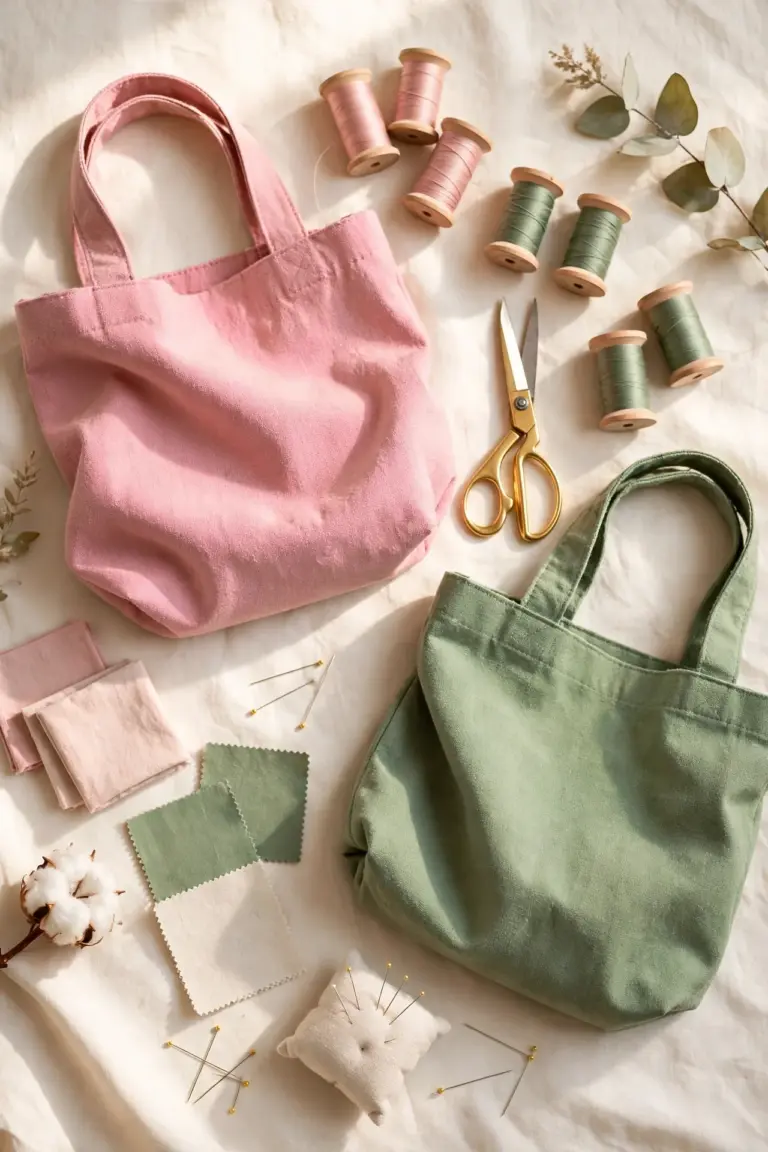
Fabric gift bags turn wrapping into part of the present, because the bag stays useful long after the gift has been opened. Learning to sew fabric gift bags gives you a calm way to use pretty cotton, spare scraps and leftover ribbon. Recipients can reuse each bag for storage, travel or future gifts.
You need only basic sewing skills for most styles in this guide, plus straight seams, careful pressing and simple closures. Beginners can start with one easy drawstring shape and build confidence before trying lined or reversible versions. Working in small batches keeps the table clear and makes matching sets feel manageable.
Inside these pages you will find fifteen styles for gifts of many shapes, from tiny jewellery pouches to generous sacks for toys and books. Fabric advice, sizing help and honest cautions sit inside each section. Read through the full guide first, gather your scraps and tools, then choose one style to sew today.
How can beginners sew fabric gift bags with confidence?
Beginners can sew fabric gift bags with confidence by choosing one simple shape, cutting two matching rectangles, joining the sides, and adding a drawstring or ribbon closure. Cotton fabric, a medium stitch length and slow sewing around corners cover most early projects. Pressing each seam before moving on keeps the finish neat.
Picture a first bag cut at 10 by 12 inches, sewn from plain cotton, and tied with a short length of ribbon from your drawer. Small candles, soap bars or wrapped sweets fit inside with room to spare. Success with one plain bag teaches the order of steps for every fancier style that follows.
Disclosure: As an Amazon Associate I earn from qualifying purchases. Some of the links below are affiliate links, which means Bloomie Living may earn a small commission if you buy through them, at no extra cost to you.
Simple drawstring bags
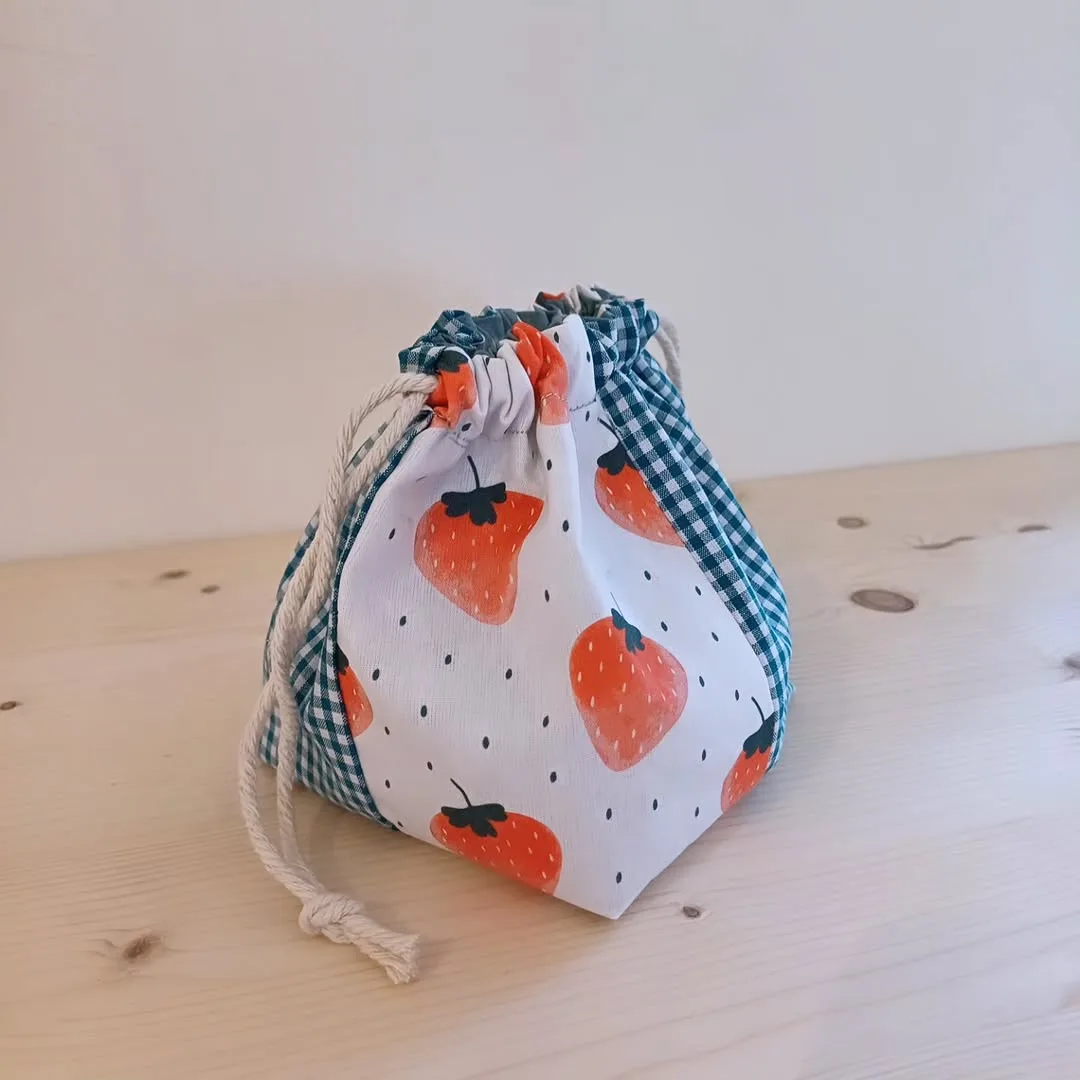
Simple drawstring bags reward beginners because one channel, two side seams and a length of cord create a finished gift bag in under an hour. Learning to sew fabric gift bags often starts here, since mistakes stay easy to unpick and correct. Plain cotton shows the clean shape without any fuss or extra decoration.
Cotton quilting fabric works well for the main body, while cord, twine or narrow ribbon forms the drawstring. Cut two rectangles, join three sides, fold the top edge down to form a channel, and thread the cord through with a safety pin. Bags at 8 by 10 inches suit toiletries and small toys.
Small gifts for teachers, neighbours and coworkers sit happily inside these bags, especially candles, hand cream and wrapped biscuits. One maker sewed twelve bags in matching red cotton for office gifts, filling each with sweets and a handwritten note. Recipients kept the bags for chargers and sewing bits long after the holidays ended.
Loose channel stitching causes the most trouble, because the cord catches and pulls the seam open during use. Stitch the channel slowly, secure both ends with extra stitches, and test the drawstring several times before filling the bag. Leave a small gap in one side seam for threading if your design needs it.
Twisted Cord Decorative Rope 59 Feet: Thick twisted cord threads smoothly through a casing and ties in a firm knot, giving simple drawstring bags a neat and sturdy closure.
Lined bags with ribbon ties
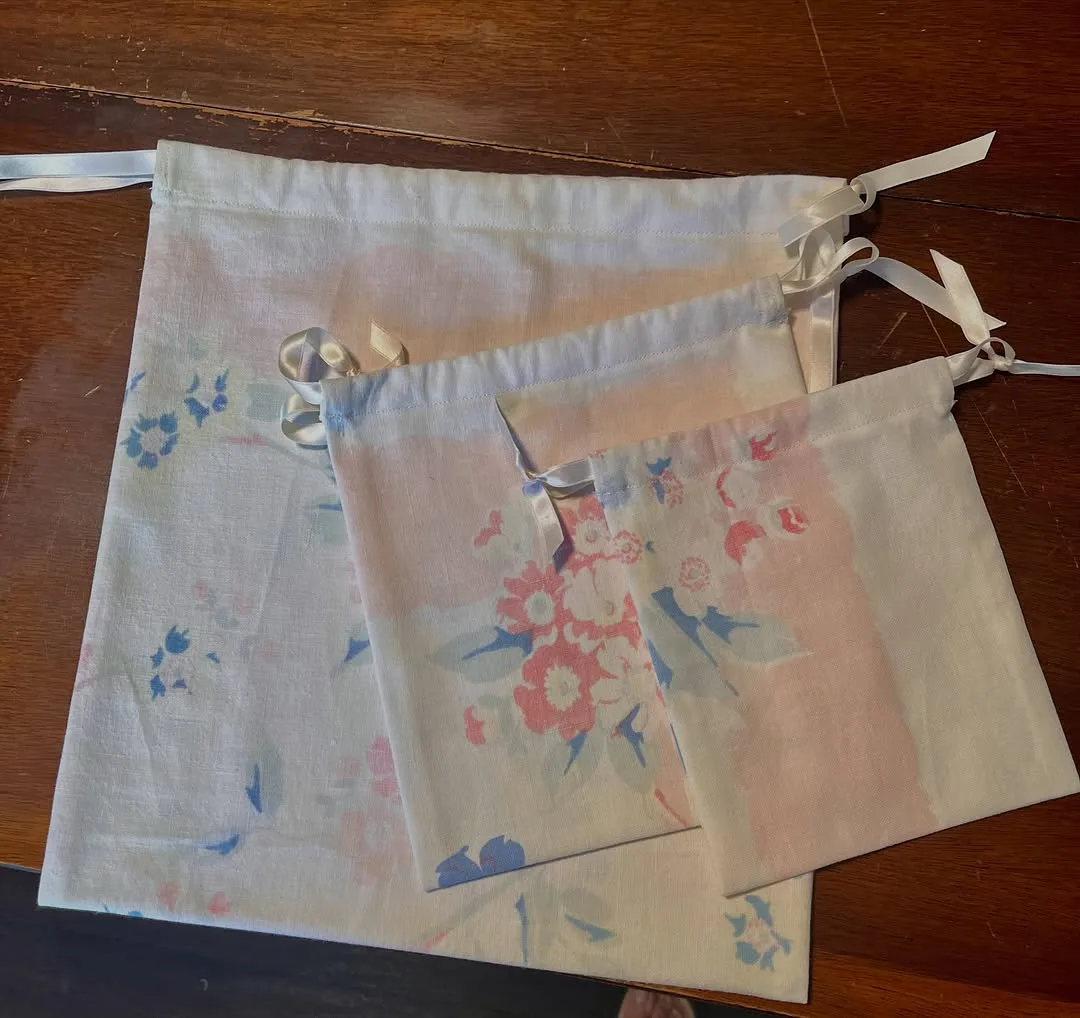
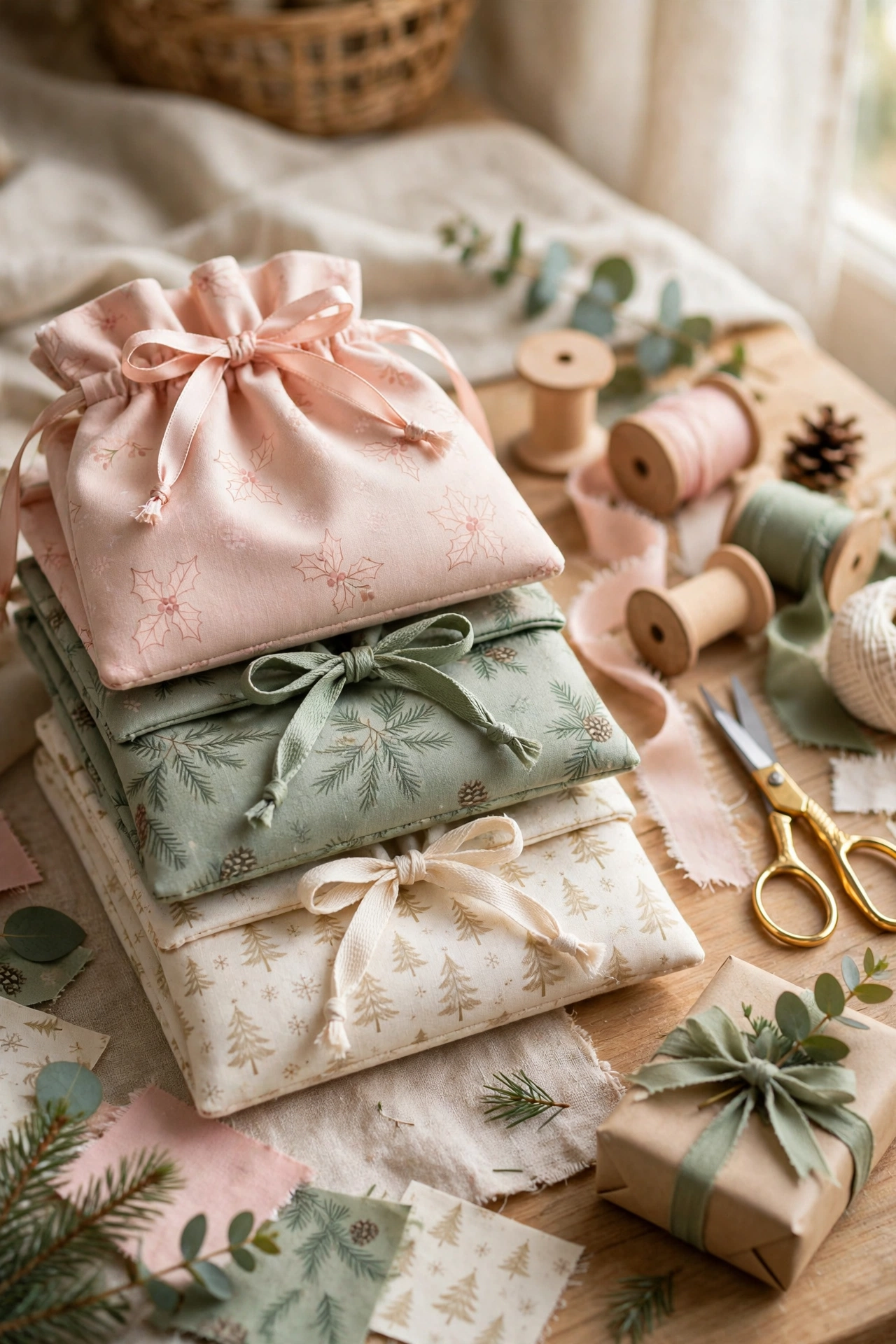
Lined bags feel polished in the hand, because the inside hides raw edges and gives thin fabric more body. Ribbon ties add a soft finishing touch that suits birthdays, weddings and new baby gifts especially well. Gentle colours and small prints make lined bags look thoughtful without costing much extra time.
Choose one outer fabric and one plain lining fabric in a similar weight, then cut both sets to the same size. Sew each set into a simple bag shape, place one inside the other, and join the top edges before adding ribbon ties. Medium bags around 9 by 11 inches hold bath gifts and paperback books neatly.
Birthday gifts gain charm from lined bags, since the lining colour can echo the ribbon for a planned look. Imagine a pale floral bag lined in soft pink, tied with satin ribbon, holding perfume and a small notebook for a close friend. Presentation feels complete before the recipient even unties the bow.
Weak ribbon creates the main disappointment, because thin ribbon frays, slips and tears away from the seam after a few uses. Pick ribbon with firm edges, stitch tie ends securely into the top seam, and melt synthetic ends gently or fold cotton ends under. Test each tie with a firm tug before wrapping.
Rainbow Satin Ribbon 12 Rolls 60 Yards: Smooth satin ribbon in twelve colors slides easily through channels and ties into pretty bows on lined bags.
Wine bottle bags
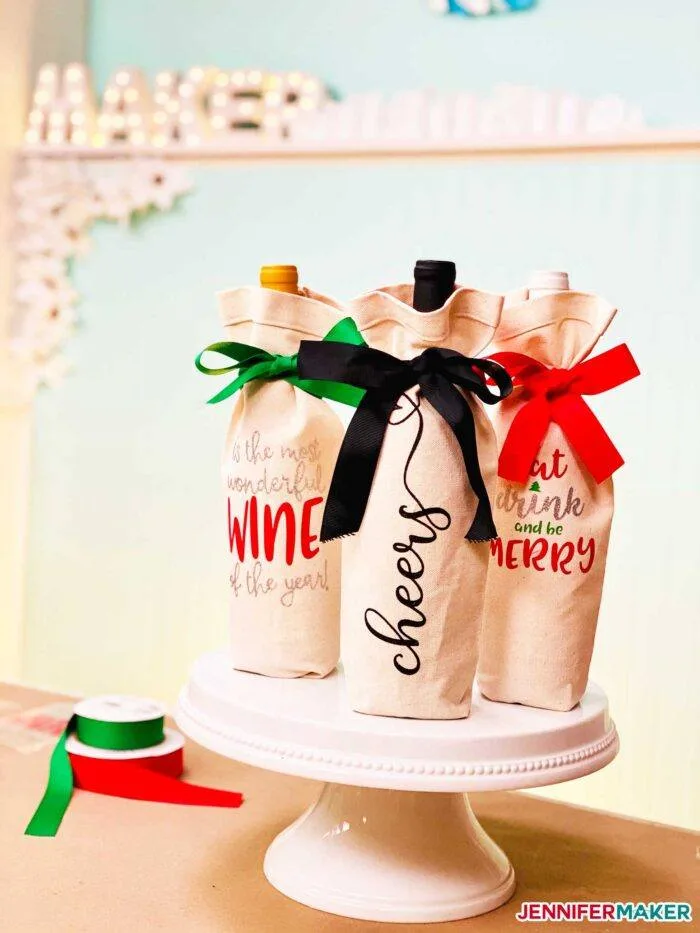
Tall wine bottle bags solve a familiar problem, because bottles feel awkward in paper wrap and often tear thin bags at the neck. Fabric adds padding, hides the label for a surprise, and turns a simple bottle into a considered gift. Strong cotton or linen keeps the shape upright on a dinner table.
Cut one long rectangle wide enough to circle the bottle with ease, then sew the side and base before adding a ribbon or cord tie near the neck. Most standard bottles fit a bag about 6 by 16 inches before folding and tying. Add light padding or a doubled base if you plan to carry bottles often.
Hosts welcome bottle bags at dinner parties, housewarmings and festive gatherings, and many hosts reuse the bag for the next visit elsewhere. One home sewer made linen bags for homemade cordial, tied each with twine, and added a small tag with serving ideas. Guests asked about the bags before asking about the drink.
Bottles slip and clink when bags fit too loosely, so measure your bottle before cutting and leave only modest ease around the glass. Place bottles upright during travel and keep the tie snug below the widest part of the neck. Never carry a filled bag by the ribbon alone over hard floors.
Burlap Wine Gift Bags 12 Pieces with Drawstring: Sturdy burlap wine bags in a pack of twelve show the tall slim shape and sizing that work best for bottle bags.
Tiny bags for jewellery
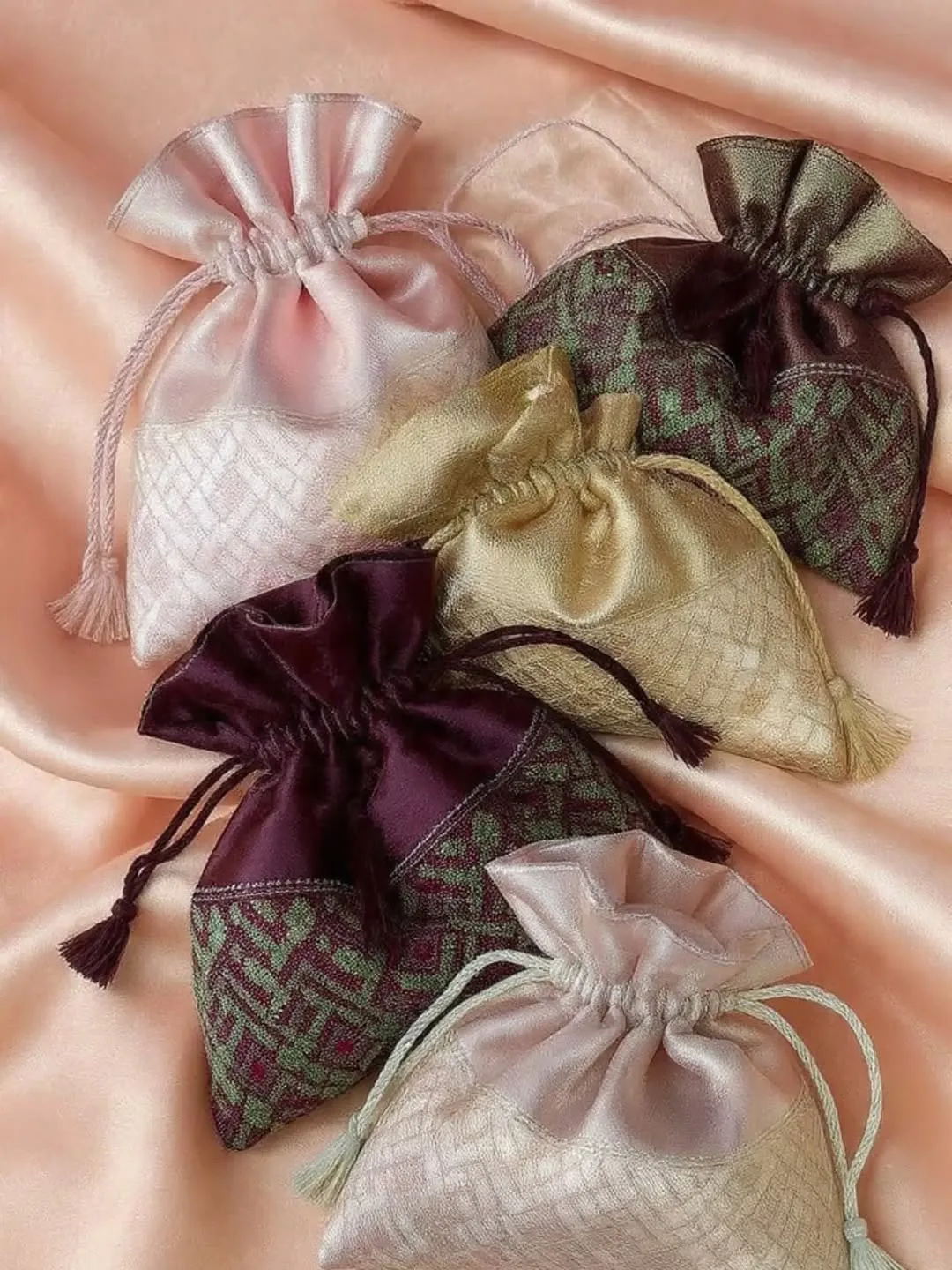
Tiny bags protect delicate gifts and make very small presents feel important rather than lost inside a large box. Soft fabric cushions rings, earrings and bracelets, while a neat drawstring keeps pieces from spilling during travel. Little pouches also suit party favours, wedding keepsakes and small thank you gifts.
Soft cotton, satin or velvet offcuts work beautifully at this scale, and a light lining stops earring posts from poking through. Cut squares around 4 by 5 inches, sew the sides, and add a narrow channel with fine cord or ribbon. Keep seams small and trim corners carefully so the pouch turns without lumps.
Rings and necklaces suit tiny bags best, especially when each piece rests on a small square of felt inside the pouch. Picture a bride giving each bridesmaid a blush pouch holding a bracelet, with a short note tucked inside. Small presentation turns a modest gift into a keepsake moment for everyone involved.
Keep stitching away from the very edge, because narrow seam allowances fray and open quickly on small bags handled often. Use short stitches, trim threads closely, and check the channel opening before threading fine cord. Fiddly corners tempt rushing, yet slow sewing gives tiny bags their neat and lasting finish.
Cotton Fabric Bundles 50 Pieces 10 by 10 Inch Squares: Small precut cotton squares in fifty patterns are just the right size for tiny jewellery pouches with almost no waste.
Large sacks for big gifts
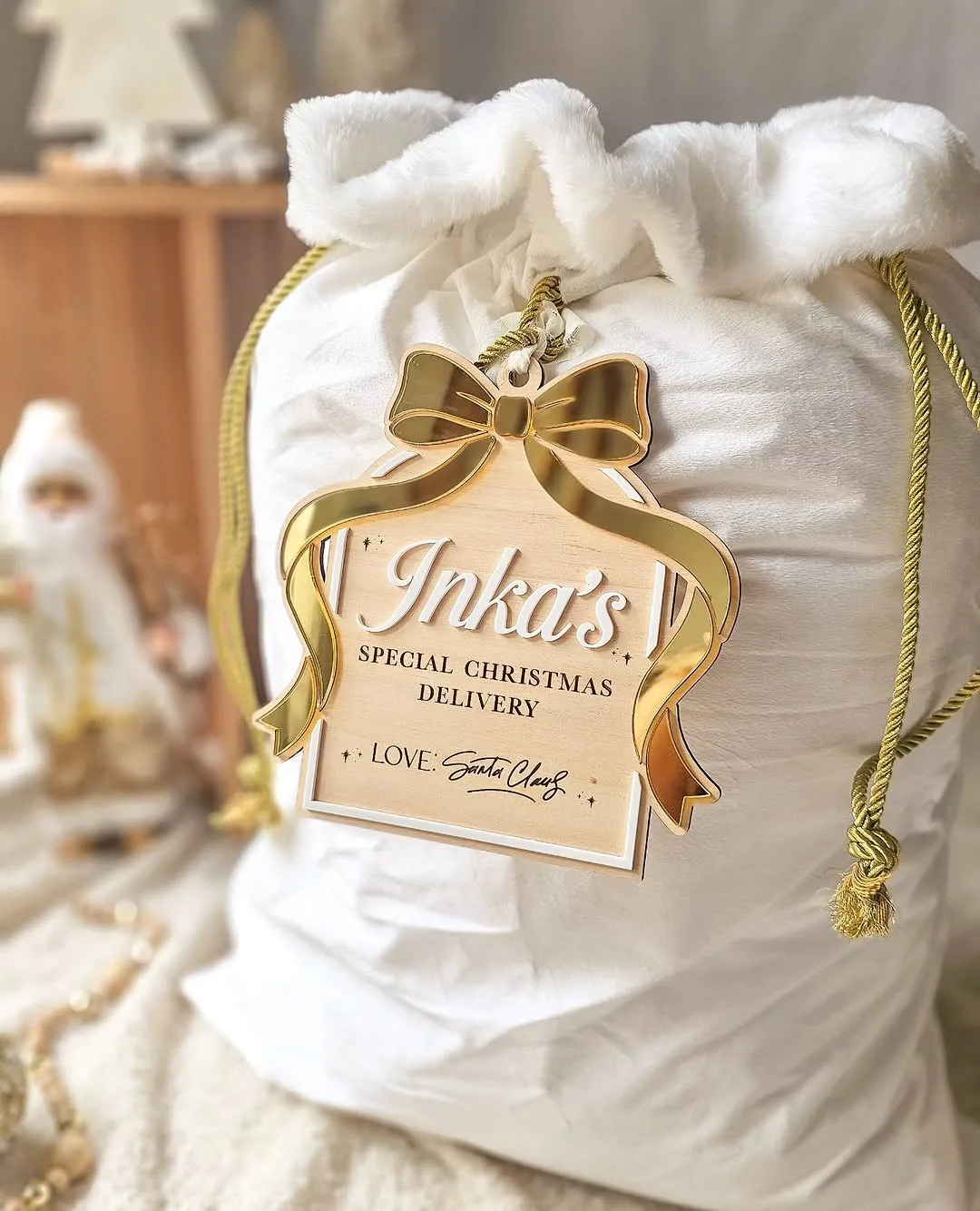
Large sacks handle gifts that defeat ordinary wrapping paper, such as soft toys, board games, blankets and bulky toy boxes. Generous fabric bags hide odd shapes instantly and save the yearly struggle with tape and torn corners. Children love pulling a big gift from a sack, and parents love folding the sack flat afterwards.
Sturdy cotton, canvas or upholstery weight fabric suits large sacks, because seams carry more weight than on small pouches. Cut panels around 20 by 28 inches for a family size sack, sew strong double seams, and add a wide drawstring or ribbon tie. Boxed corners help sacks sit upright beside the tree.
Board games, stuffed animals and winter clothing fit well inside large sacks, especially for family birthdays and Christmas morning. One parent sewed a sack for a bulky toy kitchen set, skipped paper entirely, and reused the same sack for three more Christmases. Large bags earn their fabric cost through repeat use alone.
Overloading weakens even strong seams, so lift filled sacks from the base rather than dragging them by the drawstring. Keep very heavy gifts in their boxes and place the sack around the box instead of forcing fabric to carry sharp corners. Check base seams yearly and restitch any loose section early.
Canvas Duffel Bag with Drawstring: Strong canvas in a generous large sack shape proves how tough fabric and seams need to be for big and heavy gifts.
Patchwork bags from scraps
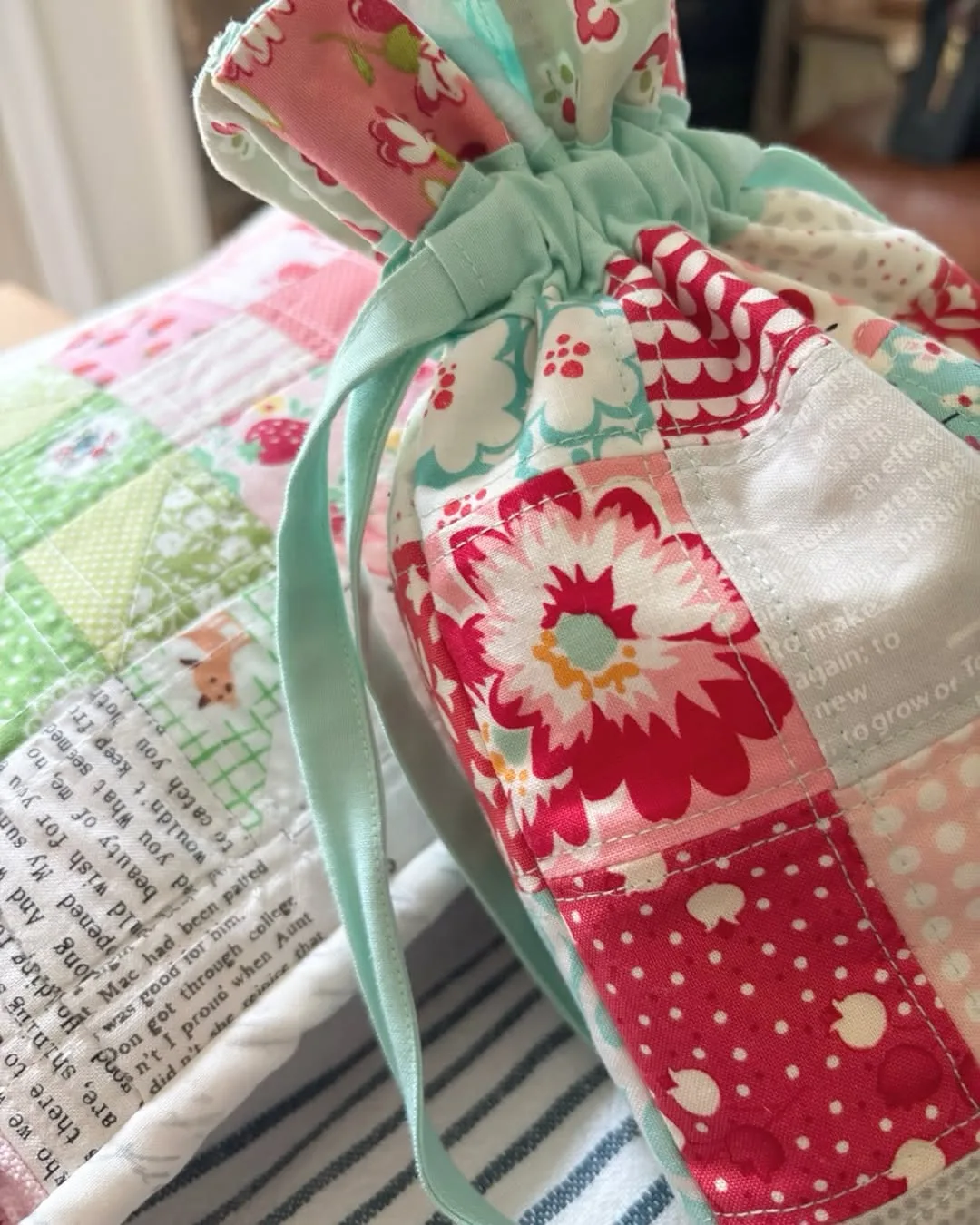
Patchwork bags turn small scraps into cheerful gifts and help you sew fabric gift bags without buying new fabric for every project. Mixed prints suit relaxed family giving, while planned colour groups look smart enough for markets and fairs. Every patch carries a story, which makes patchwork bags feel personal from the first glance.
Sort scraps by weight first, then join pieces into one panel before cutting your bag shape in the usual way. Cotton scraps press flat and sew evenly, while mixed weights need a light lining for support. Press seams open, keep patches fairly large for speed, and match the panel size to your chosen gift.
Friends who sew or quilt appreciate patchwork bags most, because they recognise the fabrics and the care behind them. Imagine a bag pieced from dress offcuts and shirt cotton, holding homemade jam and biscuits for a neighbour. Recipients often display patchwork bags in kitchens or craft rooms instead of storing them away.
Uneven scrap weights cause puckered seams and panels that refuse to sit flat, so test your patchwork panel with the iron before cutting. Add plain lining when panels feel flimsy, and avoid tiny patches near the base where stress gathers. Careful pressing between each joining row keeps patchwork tidy and strong.
Cotton Fat Quarters Fabric Bundle 10 Pieces: Coordinated cotton fat quarters give patchwork makers plenty of prints to mix and match from sewing scraps and bundles.
Bags with boxed corners
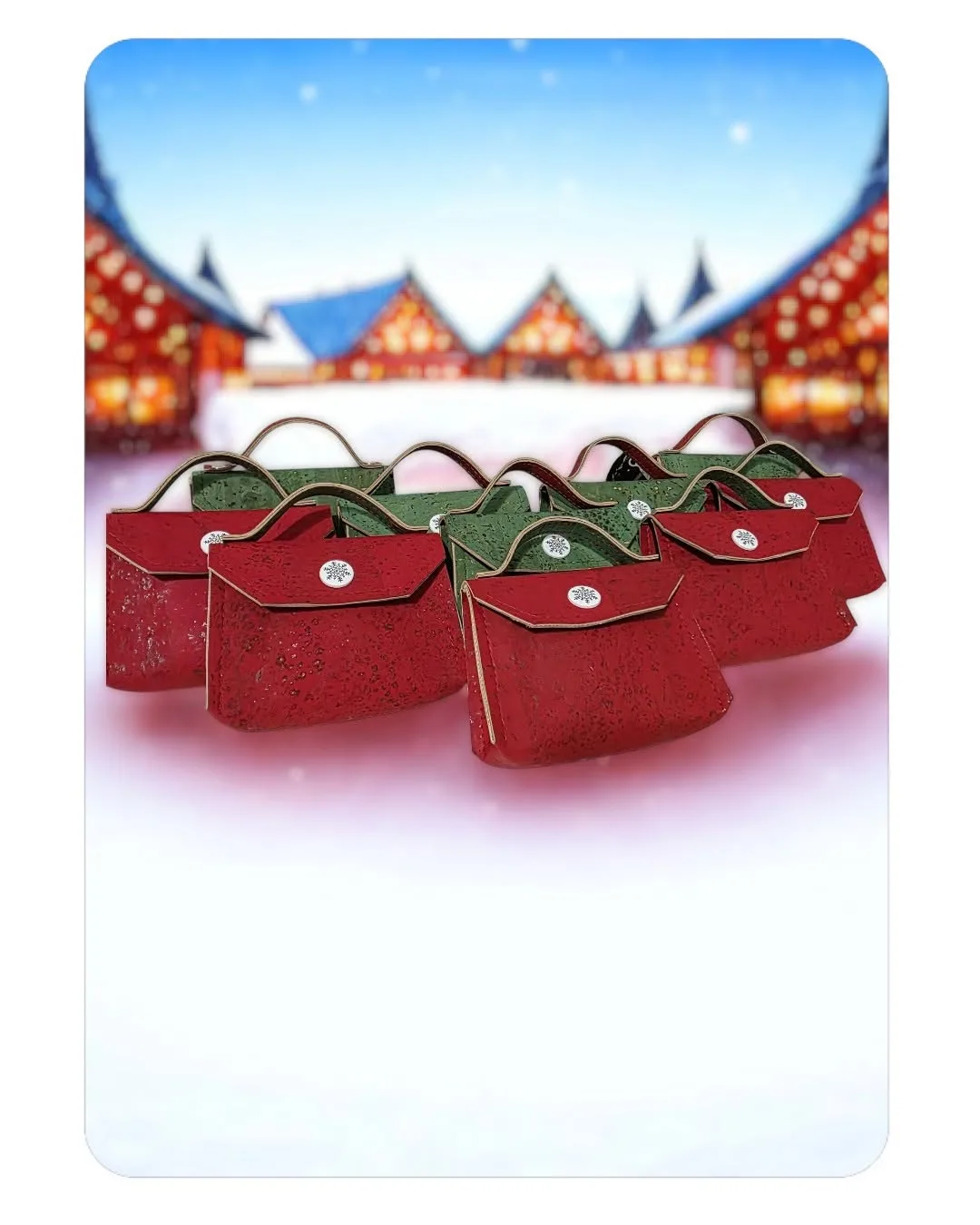
Boxed corners give a flat bag a proper base, so gifts stand upright instead of slumping sideways on a shelf or table. Candles, jars, mugs and boxed toiletries sit far better in bags with depth. Neat corners also make simple cotton bags look more finished and shop worthy without extra cost.
Measure the depth you need, sew the side and base seams, then flatten each corner into a triangle and stitch across at your chosen width. Corners stitched at 2 inches create a handy base for medium gifts. Trim the triangle tips, turn the bag, and press the base edges for a crisp and stable shape.
Candles in jars, coffee bags and small plant pots suit boxed corner bags, because the flat base matches their shape well. One sewer made six boxed bags for jars of homemade preserves, each in a different fruit print. Recipients lined the empty bags along a kitchen shelf for onion and garlic storage.
Cutting corners before checking the stitching line leads to lopsided bases, so mark both corners with chalk and compare them side by side. Sew slowly across each triangle and keep the side seam centred on the point. Unpick and restitch a crooked corner now rather than hoping gifts will hide it.
Ultra Lightweight Fusible Interfacing: Light fusible interfacing irons onto fabric and adds crisp structure, helping boxed corners hold their shape beautifully.
Reversible bags
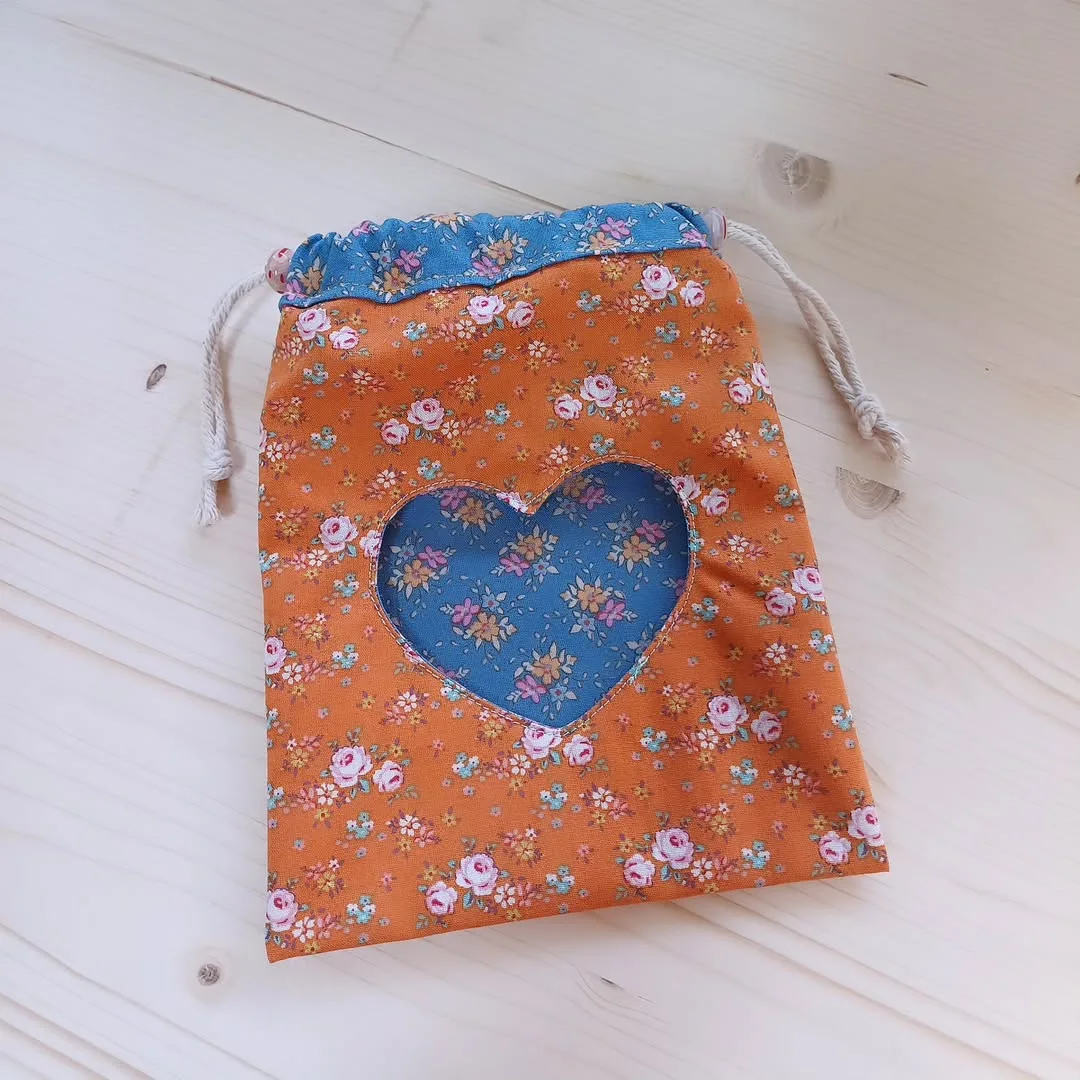
Reversible bags offer two looks in one make, which helps when one side suits Christmas and the other suits birthdays all year. Clean finishing matters here, because both faces show and neither side can hide messy seams. Choosing two fabrics that share one colour keeps the bag feeling planned from either side.
Pick two cotton fabrics of equal weight, sew each into a simple bag, then join them at the top edge with a neat folded finish. Leave a small gap for turning, close the gap with careful stitching, and push one bag gently inside the other. Ribbon ties sewn into the top seam work from both sides without fuss.
Party hosts and families who wrap often gain most from reversible bags, since one bag covers several occasions in a year. Picture a bag with a star print outside and a plain stripe inside, used for a December gift then flipped for a January birthday. Versatility makes reversible bags strong value for busy homes.
Bulky seams spoil the turn and leave one side wrinkled inside the other, so trim allowances evenly and press both layers before joining. Avoid thick fabrics for reversible styles and test the turn with scrap pieces first. Gentle easing around the top edge keeps both faces smooth and ready for giving.
400 Sewing Clips for Fabric Multipurpose Quilting: Handy sewing clips hold both fabric layers of a reversible bag firmly in place without leaving pin holes.
Velvet bags for a luxe feel
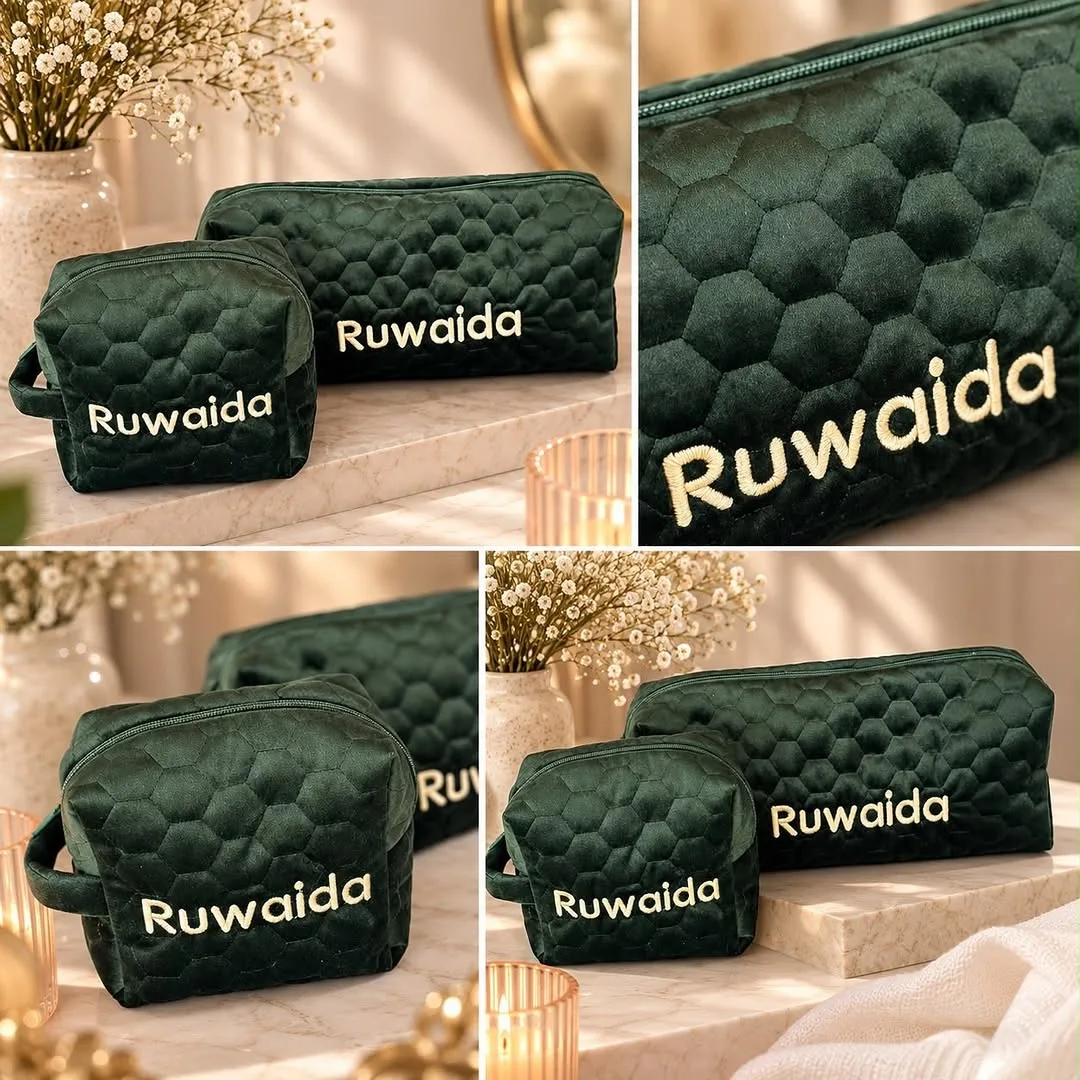
Velvet bags bring a rich look to small gifts and suit evening occasions, winter weddings and festive tables. Deep colours like burgundy, forest green and navy hide marks well and photograph beautifully beside candles and greenery. Modest fabric amounts go far, because velvet styles usually stay small and simple.
Handle velvet gently, cut pieces in one direction so the pile runs the same way, and pin within the seam allowance to avoid marks. Sew with a fresh needle and slightly longer stitches, then add a satin or cotton lining for strength. Pouches around 5 by 7 inches suit perfume, jewellery and fine chocolates.
Perfume bottles, watches and silk scarves feel right at home inside velvet, especially for anniversaries and special birthdays. One maker sewed emerald pouches for wedding favours, each holding sugared almonds and a tiny card. Guests kept the pouches for earrings and coins, and several asked where the fabric came from.
Needle marks and crushed pile ruin velvet faster than almost any sewing fault, so test stitches on an offcut before starting the real bag. Store velvet bags flat or rolled, never folded hard for long periods. Steam from a distance lifts light creases without pressing the pile flat and shiny.
Embossed Velvet Scroll Fabric: Rich embossed velvet with a pretty scroll pattern brings a soft luxe feel to special occasion gift bags.
Burlap bags with lace trim
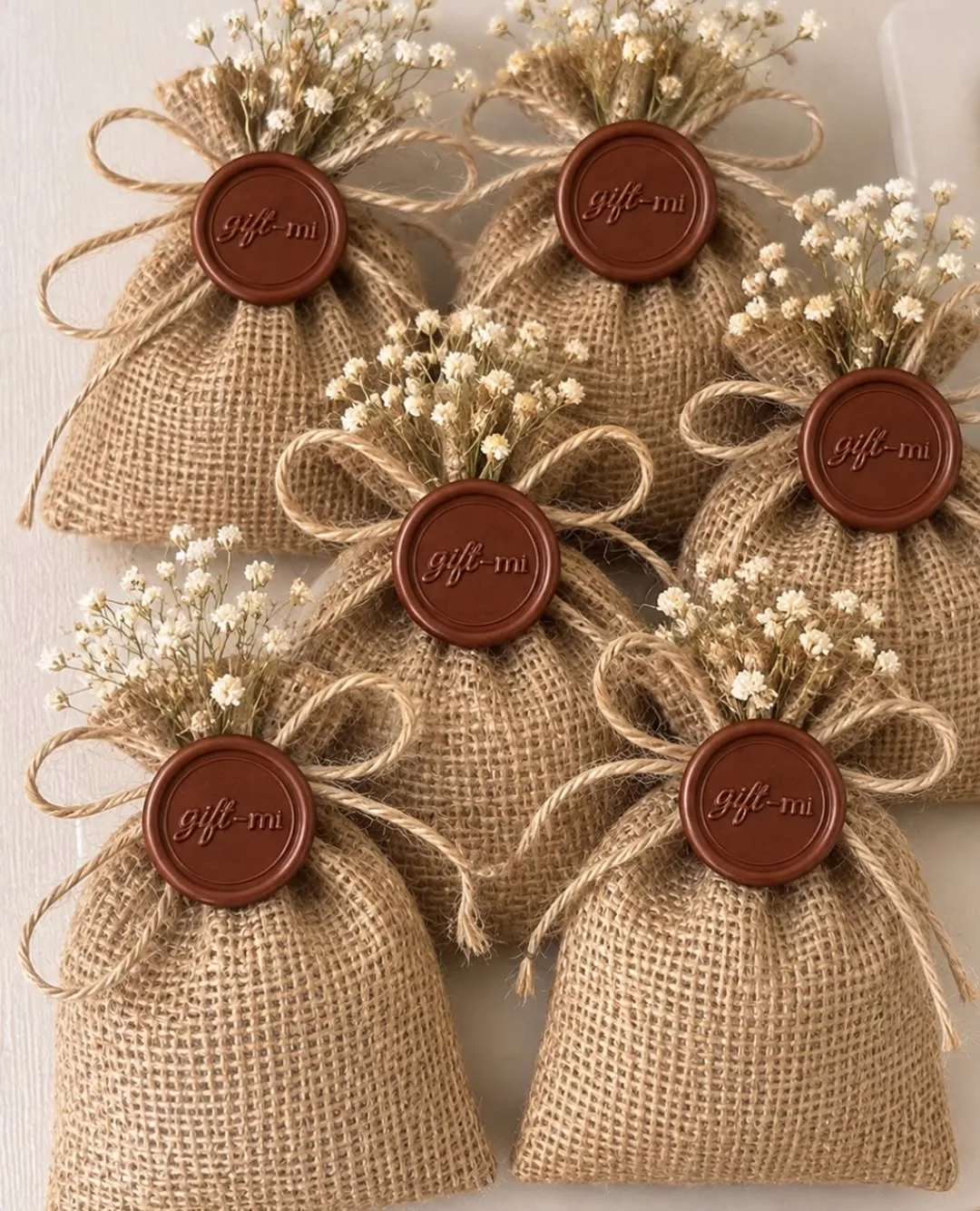
Burlap bags suit rustic weddings, garden parties and farmhouse style giving, where natural texture matters more than shine. Lace trim softens the rough surface and turns a plain sack into a pretty favour bag. Low fabric cost makes burlap a favourite for makers preparing many bags for one event.
Line burlap with plain cotton or muslin, because open weave lets small items slip through and rough fibres can scratch delicate gifts. Cut burlap with sharp scissors, sew with a longer stitch, and finish edges promptly to limit fraying. Sew lace along the top edge or tie lace in a bow over a simple drawstring.
Garden gifts such as seed packets, small soaps and jars of honey suit burlap bags beautifully at outdoor celebrations. Imagine a summer wedding where each place setting holds a burlap favour bag trimmed with cream lace. Guests carried the bags home as keepsakes, and the couple spent very little on packaging.
Fraying edges undo burlap bags quickly when makers skip finishing, so bind or line every raw edge and handle cut pieces gently. Shake loose fibres outdoors before sewing and keep burlap gifts away from dark clothing until fibres settle. Neat lining work separates lasting burlap bags from rough and ready ones.
White Lace Ribbon 30 Yards: Delicate white lace trim sews along edges and openings, softening rustic burlap with a pretty vintage finish.
Bags with applique shapes
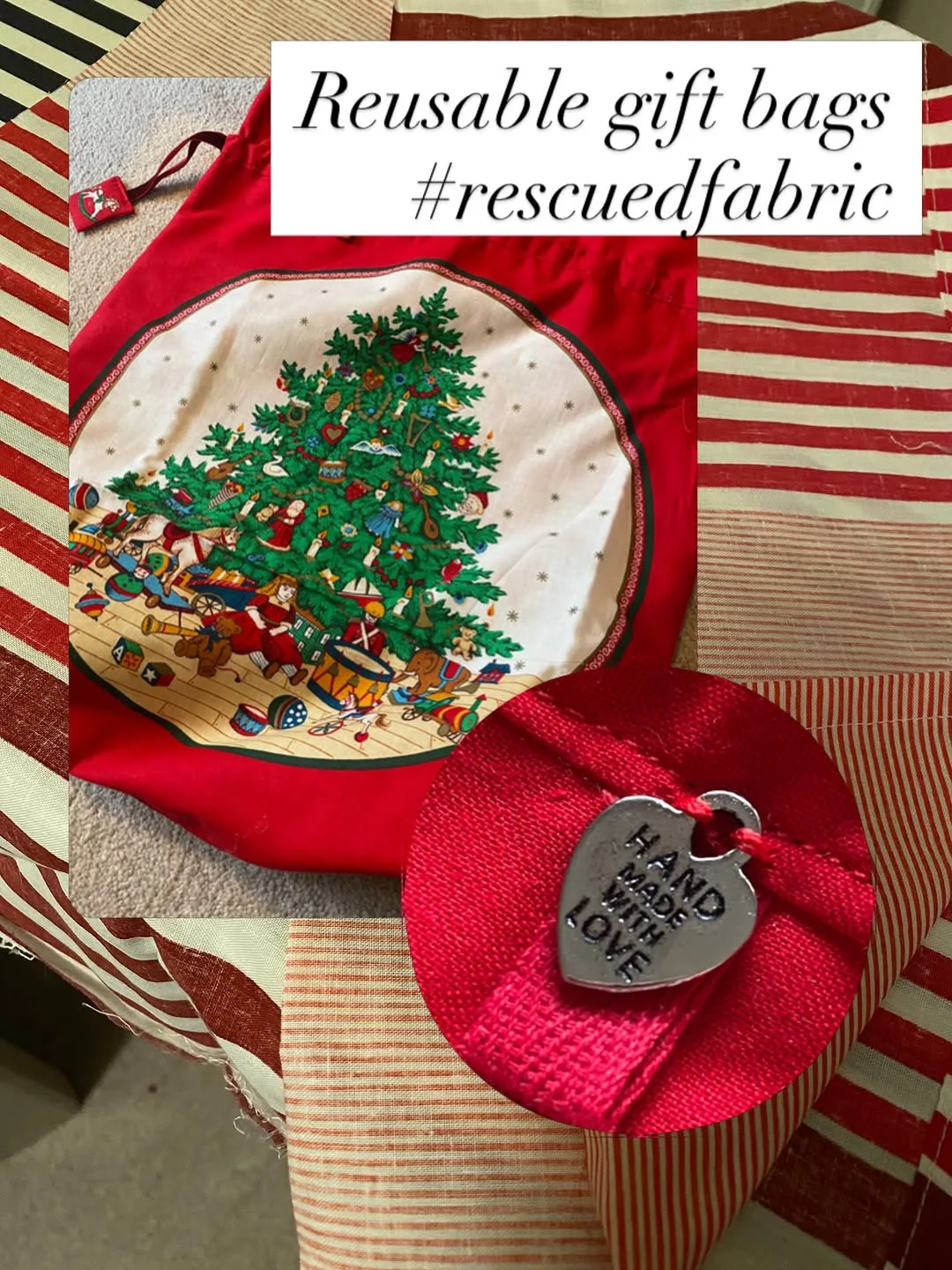
Applique shapes let you personalise plain bags with hearts, stars, trees, initials or simple animals, and you can sew fabric gift bags that match the person receiving them. Felt shapes need no edge finishing, which keeps applique friendly for beginners. One bold shape on plain cotton often looks stronger than several small motifs scattered everywhere.
Felt, cotton scraps and fabric glue or simple stitching cover most applique work, and a paper template keeps shapes even. Cut the shape, position it on the flat bag panel before sewing the bag together, and stitch around the edge slowly. Place motifs away from seams and drawstring channels so stitching stays flat and easy.
Names, hearts and birthday numbers suit applique bags for children, while stars and trees suit festive giving for adults. One grandmother stitched a felt robin onto a plain bag for a bird loving grandson, then filled it with a field guide and pencils. Personal details like these turn simple bags into treasured possessions.
Stitching applique after the bag is assembled causes puckers and awkward corners, so always decorate flat panels first before joining sides. Keep shapes simple, secure every edge, and test felt colours against the base fabric in daylight. Loose corners lift in the wash and catch on other gifts during storage.
Felt Fabric Sheets 42 Pack Assorted Colors: Colorful felt sheets cut cleanly into stars, hearts and trees, making applique shapes quick to cut and sew on.
Clear window bags
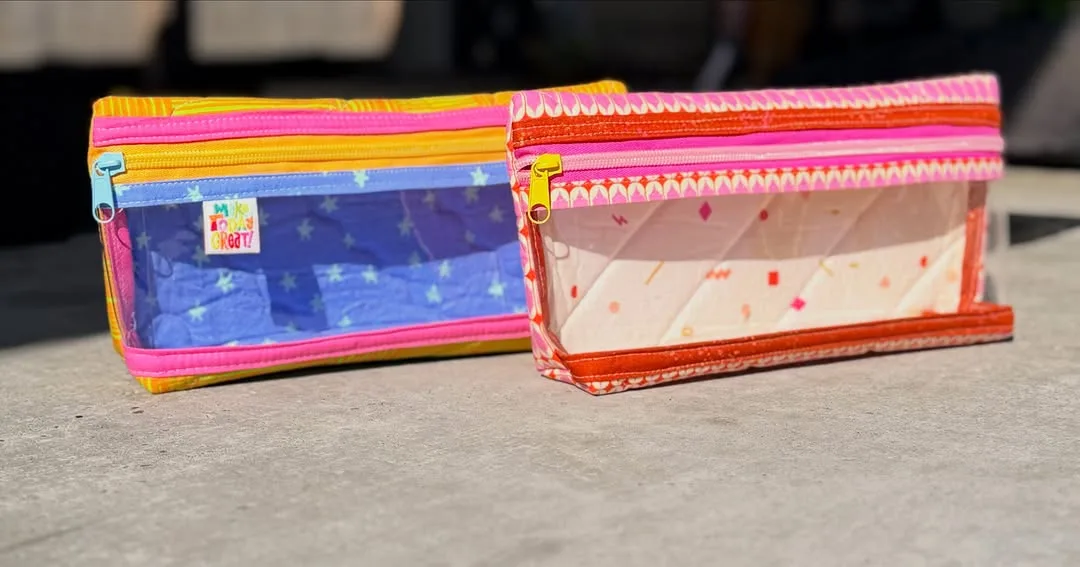
Clear window bags show a hint of the gift inside, which helps at markets, bake sales and party favour tables where presentation sells. Fabric frames give structure, while a small vinyl panel reveals biscuits, soaps or colourful sweets without opening the bag. Buyers and recipients both enjoy the peek inside before untying.
Vinyl for the window needs a fresh needle, longer stitches and slow sewing, because needle holes in vinyl stay visible forever. Sew the window into the front panel first, then build the bag as usual with cotton sides and base. Windows around 3 by 4 inches reveal enough without weakening the front panel.
Cookies, bath salts and small toys suit window bags, especially when colour forms part of the gift appeal. One baker sold shortbread in window bags at a school fair, tying each with gingham ribbon. Shoppers bought extra bags after seeing the biscuits, and the fabric frames survived for refills at home.
Sharp gifts tear vinyl and careless stitching leaves permanent holes, so keep pointed items out of window bags entirely. Pin vinyl with clips placed outside the stitching line, and practise on offcuts before sewing the real panel. Store finished bags flat so windows stay clear instead of creasing into cloudy folds.
Clear Vinyl Tablecloth Protector Sheet: Clear vinyl sheeting cuts and sews into see through window panels that show the gift inside while keeping it protected.
Drawstring bags with tassels
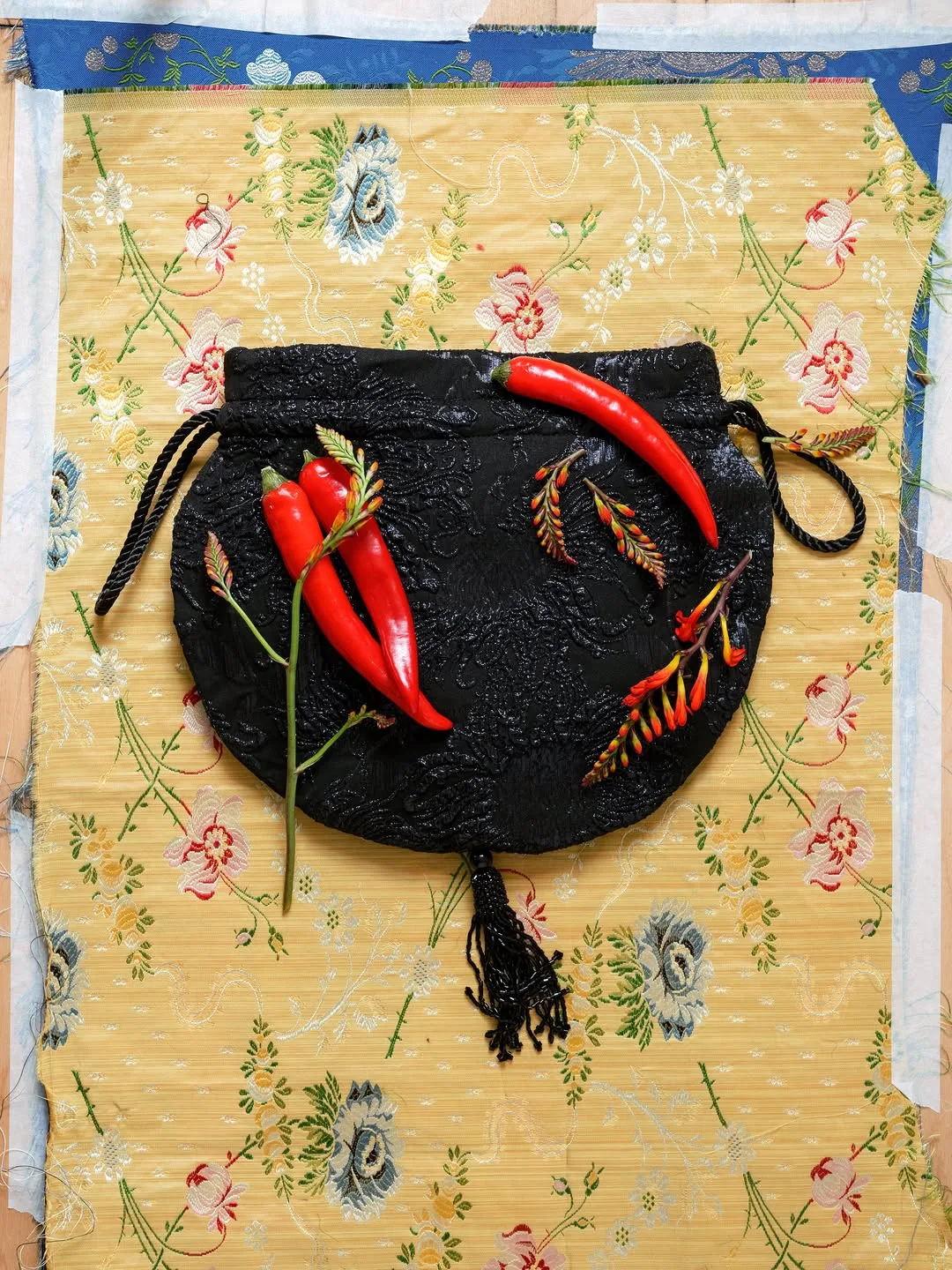
Tassels add movement and a playful finish to plain drawstring bags, lifting simple cotton into something gift worthy. Cord ends finished with tassels stop knots from slipping through the channel and give small hands something easy to pull. Bright tassel colours can carry the whole decoration on otherwise plain fabric.
Cord, ribbon or thick yarn forms the drawstring, while tassels come from embroidery thread or leftover yarn wound around card. Attach tassels firmly after threading the cord, sewing through the tassel head several times for strength. Medium bags around 8 by 11 inches balance tassel size well for books, games and craft kits.
Teenagers and young adults enjoy tassel bags for makeup, chargers and small accessories long after the original gift is gone. Picture a mustard cotton bag with cream tassels holding art supplies for a student leaving for college. Practical reuse keeps the bag in daily service instead of a drawer.
Long tassels tangle in zips, catch in drawers and tempt small children to pull hard, so keep tassels short and stitch heads tightly. Remove tassel bags from reach of very young children and check attachments before every reuse. Firm, short tassels keep the playful look without creating safety worries.
Colorful Tassel Key Tassels: Bright handmade tassels stitch onto cord ends and corners, adding a playful swing and pop of color to drawstring bags.
Bags sized for books
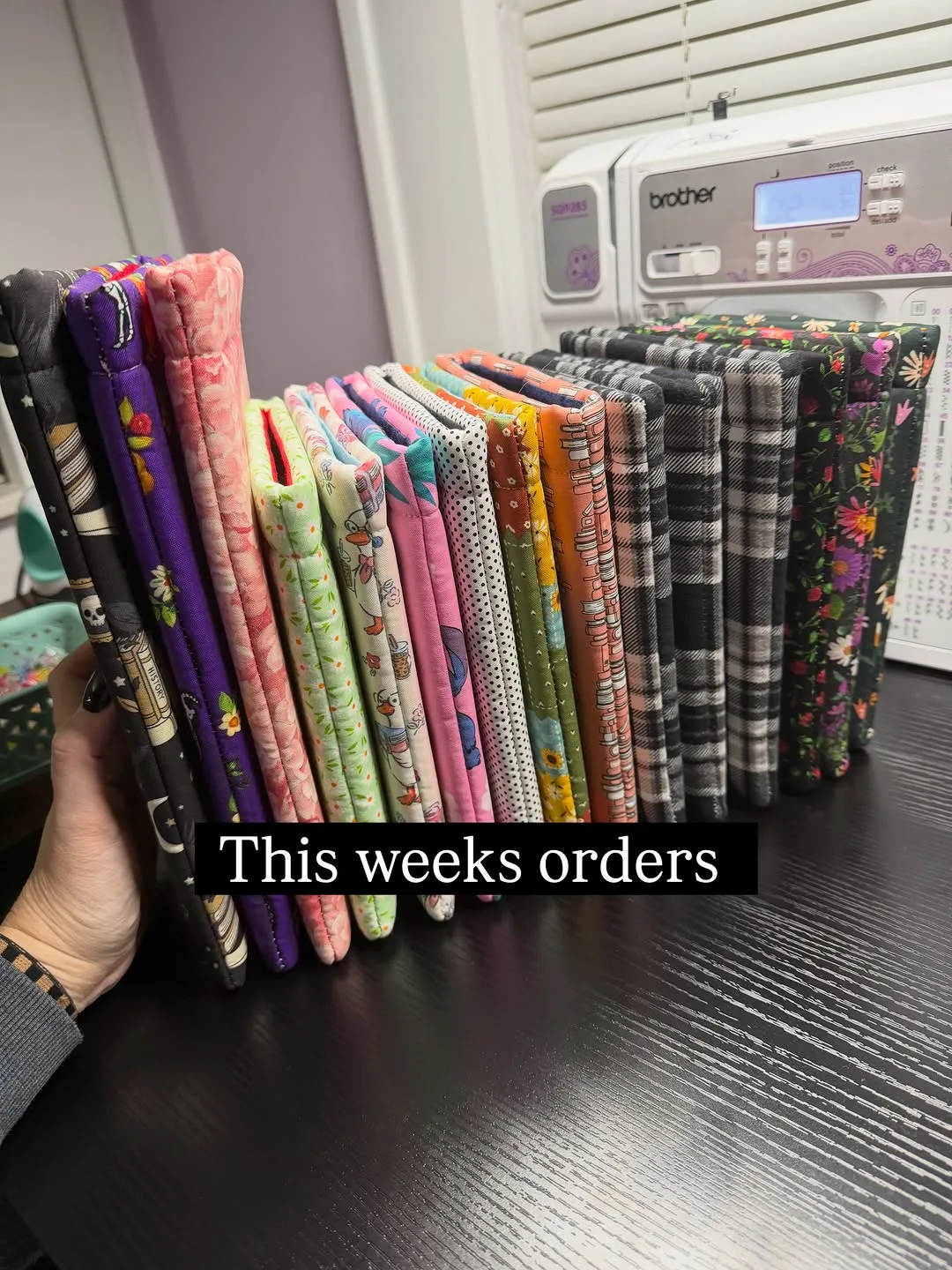
Book sized bags protect covers during posting and travel, and they spare readers the yearly hunt for paper wide enough for large hardbacks. Flat, well fitted fabric bags also become reading pouches for train journeys and school bags. Choosing fabric to match the book subject adds a thoughtful touch recipients notice.
Paperback novels fit bags around 7 by 10 inches, while large hardbacks may need 9 by 12 inches or more, so measure your book before cutting. Add light padding or a plain lining when corners feel sharp, and close the top with ribbon, a flap or a simple drawstring. Leave modest ease for page thickness.
Readers of every age suit book bags, from children carrying library books to grandparents posting novels to friends. One reader sewed a map print bag for a travel memoir, tying it with leather cord from an old craft box. Recipients often keep book bags inside tote bags to protect current reads daily.
Tight fits strain seams at book corners, because hard covers press the same two points every time the bag is used. Add ease, reinforce corner stitching, and avoid forcing a thick book into a slim bag. Trying the book inside before adding the closure saves unpicking and protects the cover.
Natural Cotton Canvas Duck Fabric: Firm cotton duck canvas in a wide three yard piece stands up to heavy books and keeps book bags strong and tidy.
Santa sack style bags
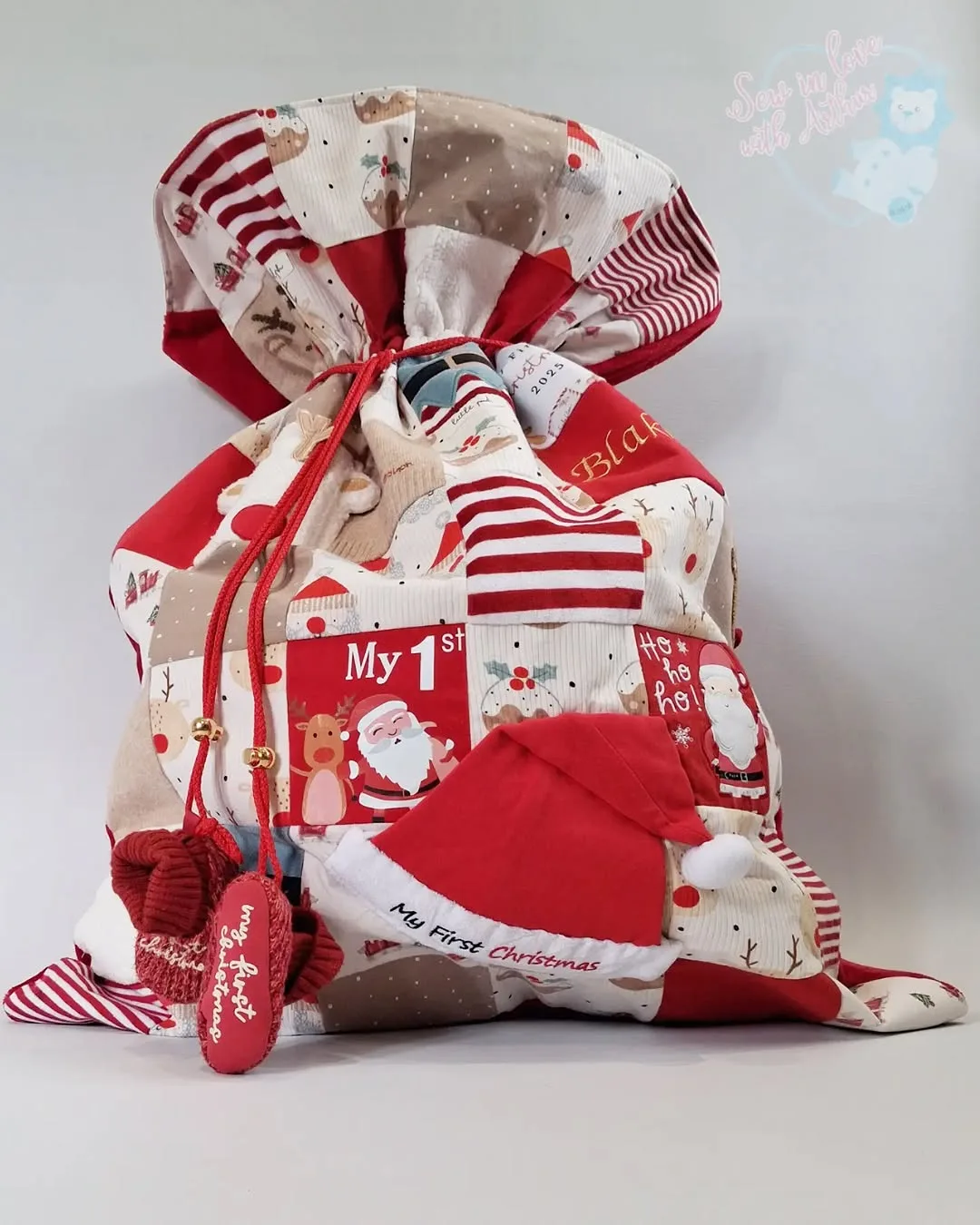
Santa sack style bags bring theatre to Christmas morning, because children pull gifts from one big sack instead of hunting through piles of paper. Strong fabric, a bold name or motif and a wide tie make sacks part of family tradition. Folding flat in January keeps storage simple for the rest of the year.
Generous panels around 24 by 36 inches suit a family sack, cut from sturdy cotton, canvas or festive print fabric with a plain lining. Sew double seams, add a wide channel or ribbon tie, and applique a name if children share one sack. Boxed corners help large sacks stand beside the tree without toppling.
Families with several children gain most, since one sack per child ends arguments and keeps gifts sorted on busy mornings. Imagine three sacks in matching prints with different coloured ties, lined up beside the fireplace on Christmas Eve. Morning photos look tidy, and parents reuse the sacks for years without buying wrap.
Heavy loads test Santa sacks hard, so spread weight evenly and keep glass bottles or very heavy boxes in separate gift bags. Carry filled sacks with one hand under the base and check tie stitching before the big night. Sound seams in November prevent spills and tears on Christmas morning.
Large Santa Sacks Christmas Canvas Bags with Drawstrings: Extra large canvas Santa sacks with drawstrings show the festive scale and cheerful style to copy for Christmas morning.
Common Mistakes to Avoid When Making Gift Bags
Rushing the cutting stage causes more faults than any sewing error, because uneven rectangles twist every later seam out of line. People blame machines when bags look crooked, yet the real cause usually sits in hurried measuring before fabric meets scissors. Slow cutting, pressed fabric and checked corners prevent most problems when you sew fabric gift bags at home.
Fabric choice shapes success just as strongly, since stretchy, slippery or very thick cloth fights beginners at every seam. Cotton rewards learners with stable edges, clean pressing and forgiving stitching that unpicks without damage. Save velvet, burlap and vinyl for later projects once straight seams and channels feel easy in your hands.
Seams fail most often at bases and channel ends, where stress gathers during filling and carrying. Double stitch base corners, secure drawstring openings, and test every closure with the actual gift inside before wrapping day. Finding a weak seam during a calm test beats finding it beside the tree or party table.
Closures deserve the same care as fabric, because weak ribbon, loose cord and skipped channel stitching undo neat sewing quickly. Choose ties with firm edges, leave knot room beyond the gift, and open and close each bag several times. Careful finishing turns a pretty bag into a lasting and trusted gift holder.
Budget Friendly Ways to Make Gift Bags
Scrap boxes offer the cheapest starting point, since leftover cotton from dresses, shirts and quilts can sew fabric gift bags in several sizes at no extra cost. Sort scraps by size, save the largest pieces for book and bottle bags, and piece smaller scraps into patchwork panels. Clean worn bedding and curtains also provide generous fabric.
Buying fabric only when your scrap box runs dry keeps spending honest and stops craft cupboards overflowing with hopeful purchases. Remnant bins, end of roll shelves and charity shops supply cotton cheaply in most towns. Share larger remnants with a friend who sews, and swap colours so both of you gain variety for free.
One good pair of scissors, basic needles and plain thread in a few colours cover nearly every style in this guide. Borrow fancy tools before buying, reuse ribbon from parcels you receive, and save cord from old packaging for drawstrings. Spending on sharp scissors and fresh needles improves results more than any decorative extra.
Sewing Tips for Neat and Lasting Gift Bags
Start with one easy size. Choose a medium drawstring bag first and sew two or three in the same size before changing anything. Repetition teaches your hands the order of cutting, sewing, pressing and threading. Confidence grows quickly, and later styles feel like variations instead of new projects.
Press every seam as you go. Flat seams sew straighter, sit better inside linings and give finished bags a crisp shape that hands alone cannot create. Pressing matters even more when you sew fabric gift bags from mixed scraps, because different cottons behave differently under the needle. Short pressing pauses save long unpicking sessions later.
Test the closure before finishing. Thread the cord or tie the ribbon while the bag still sits on your table, then open and close it several times. Loose channels, short ribbons and tight openings show up clearly during testing. Fixing closure faults before filling protects both the gift and your temper.
Leave room for the gift. Measure the real gift, add ease on every side, and check bulky corners before cutting fabric to size. Snug bags strain seams and spoil surprises when shapes poke through thin cotton. Slightly generous bags close easily, carry better and welcome reuse for different gifts later.
Label sizes inside finished bags. Write the bag size on a small fabric tag or inside seam with a fabric pen, so future wrapping stays fast. Labels help families sort sacks, book bags and tiny pouches without unfolding every piece. Clear sizes turn a drawer of bags into an organised wrapping station.
Keep a small notebook for measurements. Record fabric amounts, finished sizes, closure lengths and which gifts fitted each style, while details stay fresh in your mind. Notes save repeat measuring next season and reveal which sizes your family uses most. Simple records make batch sewing calmer and far less wasteful.
FAQ
Can beginners sew gift bags without a machine?
Yes, beginners can sew simple gift bags by hand using backstitch, short thread lengths and firm knots at both ends of each seam. Choose cotton fabric, keep bags small at first, and allow extra time for channels and corners. Hand sewing gives close control, and pressed seams keep hand stitched bags looking neat and tidy.
Which fabric works best for a first gift bag?
Cotton quilting fabric works best for a first bag because it cuts cleanly, presses sharply and feeds through the machine without sliding or stretching. Medium weight cotton holds small gifts without sagging and unpicks cleanly when seams wander. Avoid stretchy knits, slippery satin and heavy canvas until straight sewing feels comfortable and familiar.
How much fabric does one medium bag need?
Most medium drawstring bags need two rectangles around 10 by 12 inches, plus a short length of cord or ribbon for the closure. Lined versions need the same amount again in plain lining fabric. Cutting from folded fabric speeds the job, and one metre of cotton yields several medium bags for batch sewing.
Should gift bags be washed before giving?
Gentle washing suits bags made from fabric that feels stiff, smells strongly from the shop or may transfer colour onto pale gifts. Wash cotton bags in cool water, dry them flat or on a line, and press before filling. Testing bright fabric on a hidden seam first prevents colour surprises on important occasions.
How do I make bags look neat without fancy tools?
Hand pressing with a warm iron, careful cutting and slow stitching create neat bags without any fancy tools at all. Trim threads, turn corners with a blunt pencil, and roll seams between your fingers before the final press. Matching thread to fabric hides small wobbles, and tidy finishing matters more than expensive equipment.
How should finished gift bags be stored?
Store finished bags flat in a dry drawer or box, grouped by size, with tissue inside large sacks to hold their shape. Keep velvet and lace trimmed bags away from rough items that could crush pile or snag trim. Checking seams and ties during storage time means every bag stands ready for the next gift.
Conclusion
Handmade gift bags bring care to giving, because fabric, colour and size all reflect the person receiving the present. Learning to sew fabric gift bags turns scraps and simple cotton into wrapping that families keep, reuse and remember. Start with one honest style, sew it well, and let early success guide your next batch.
Start small this week with a simple drawstring bag for a gift you already plan to give, using fabric from your scrap box. Measure the gift, cut carefully, press every seam and test the closure before filling. Small finished projects build skill faster than grand plans that stay folded in a cupboard.
Enjoy watching recipients untie ribbons, peek inside and then ask whether they may keep the bag itself for their own treasures. Moments like these explain why sewn wrapping outlasts paper in busy family homes. Gather your fabric, choose a favourite style from this guide, and make giving feel personal again.