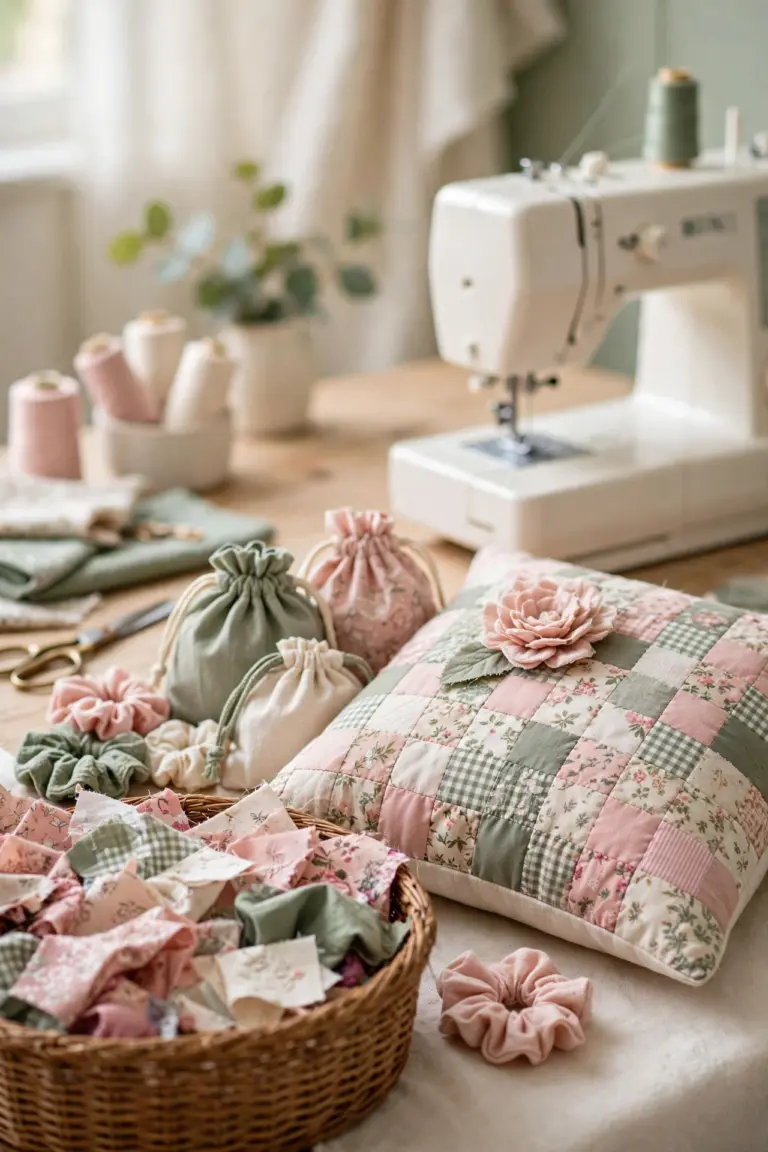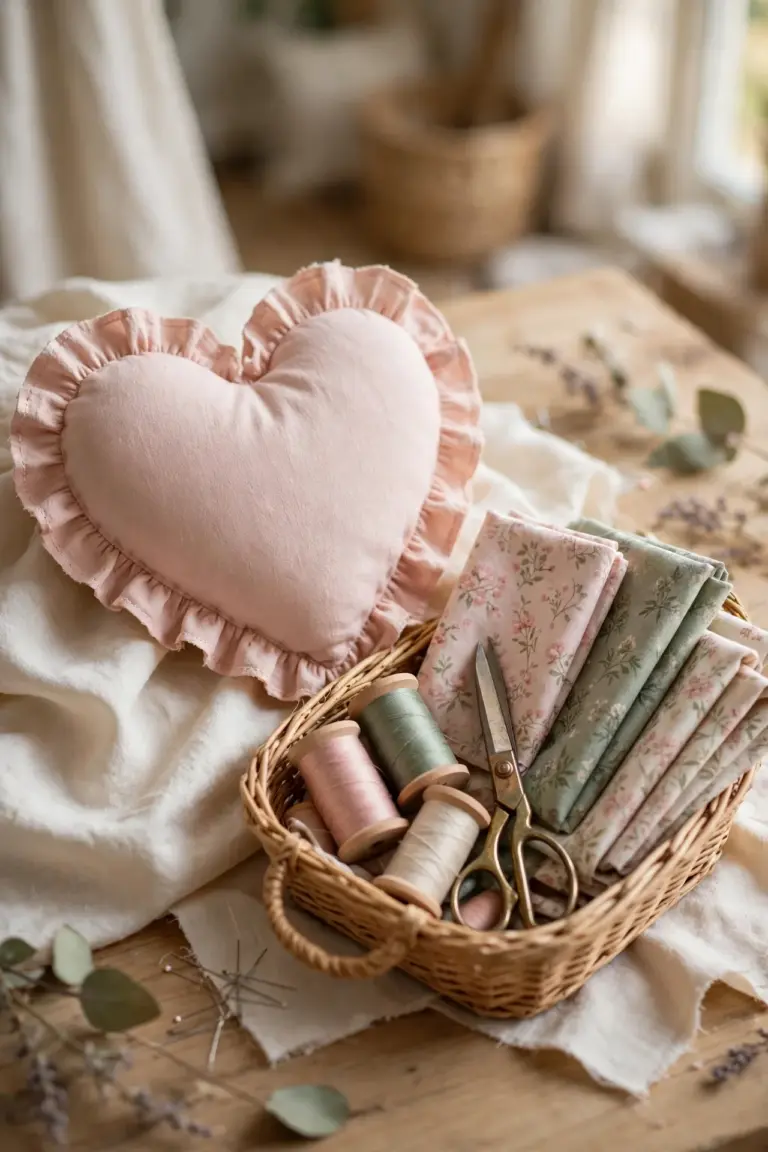
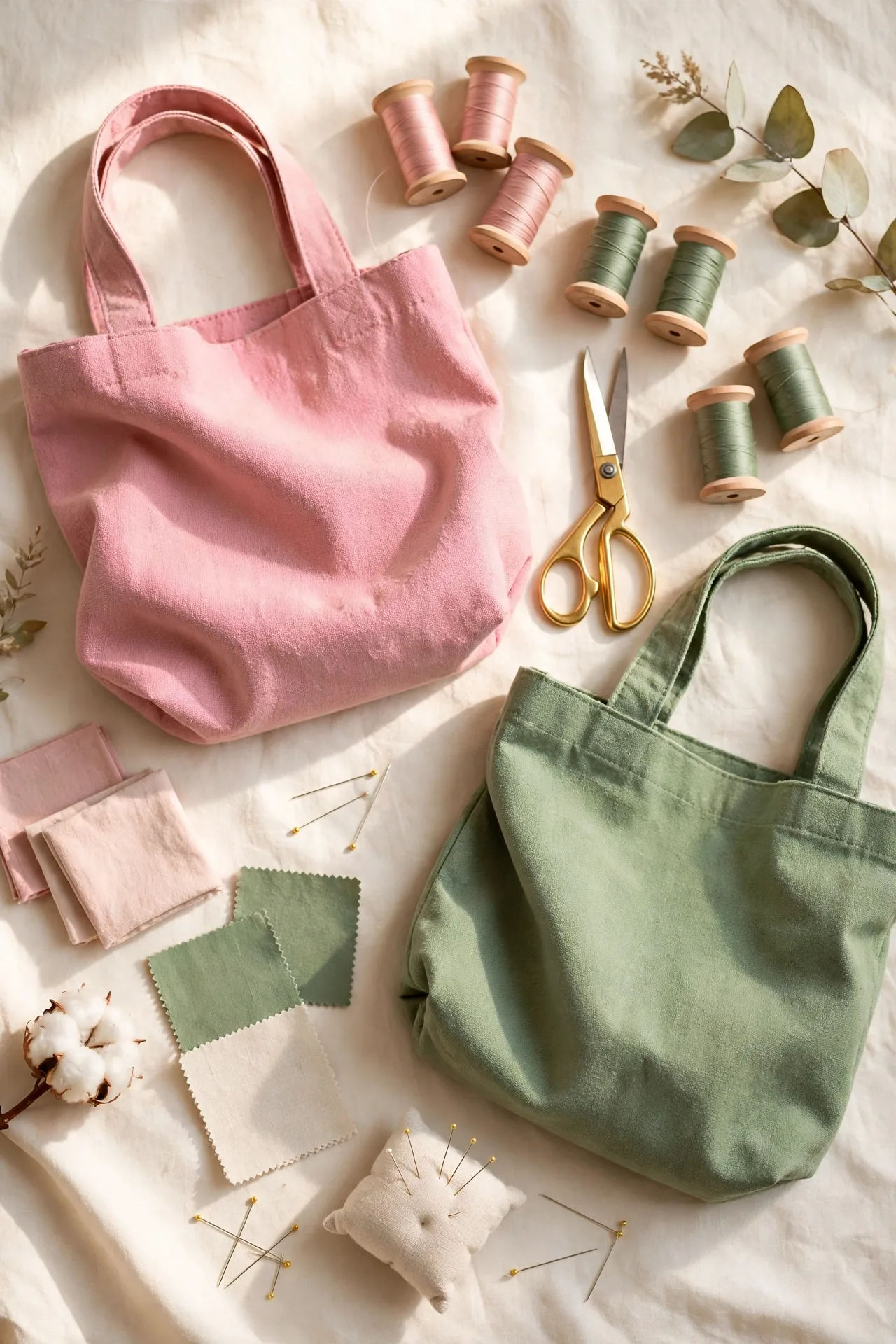
15 Ways to Sew a Tote Bag for Everyday Use
Making a tote bag by hand brings a small daily joy, because a bag stitched at home carries groceries, books and library finds far better than a thin shop bag. Makers love a project that finishes in one afternoon and then works hard every single day.
Good tote sessions grow from sturdy fabric, a clear finished sample and one calm sewing table. Gentle sew a tote bag thinking repeats one simple shape, adds strong handles and a flat base, and lets beginners finish proud instead of frustrated.
Inside this guide, fifteen practical totes move from plain canvas and lined pockets to reversible prints, market bags, beach totes and quilted winter styles. Each idea includes real quantities, budget friendly options and the one small mistake that quietly weakens the finish.
What sew a tote bag style suits a complete beginner?
Simple straight seam totes suit complete beginners best, including a plain canvas tote, a lined tote with pockets and a reversible tote in two prints. Straight lines, a flat base and long handles forgive wobbly stitching, while one finished sample on the table answers most questions before they are asked.
Picture one table by mid morning: canvas waits in a neat stack, a finished tote stands open as the example, handles lie ready beside the iron, and makers choose colors before anyone threads a needle. Calm starts like these produce the proudest finishes.
Disclosure: As an Amazon Associate I earn from qualifying purchases. Some of the links below are affiliate links, which means Bloomie Living may earn a small commission if you buy through them, at no extra cost to you.
Everyday Canvas Tote Bag
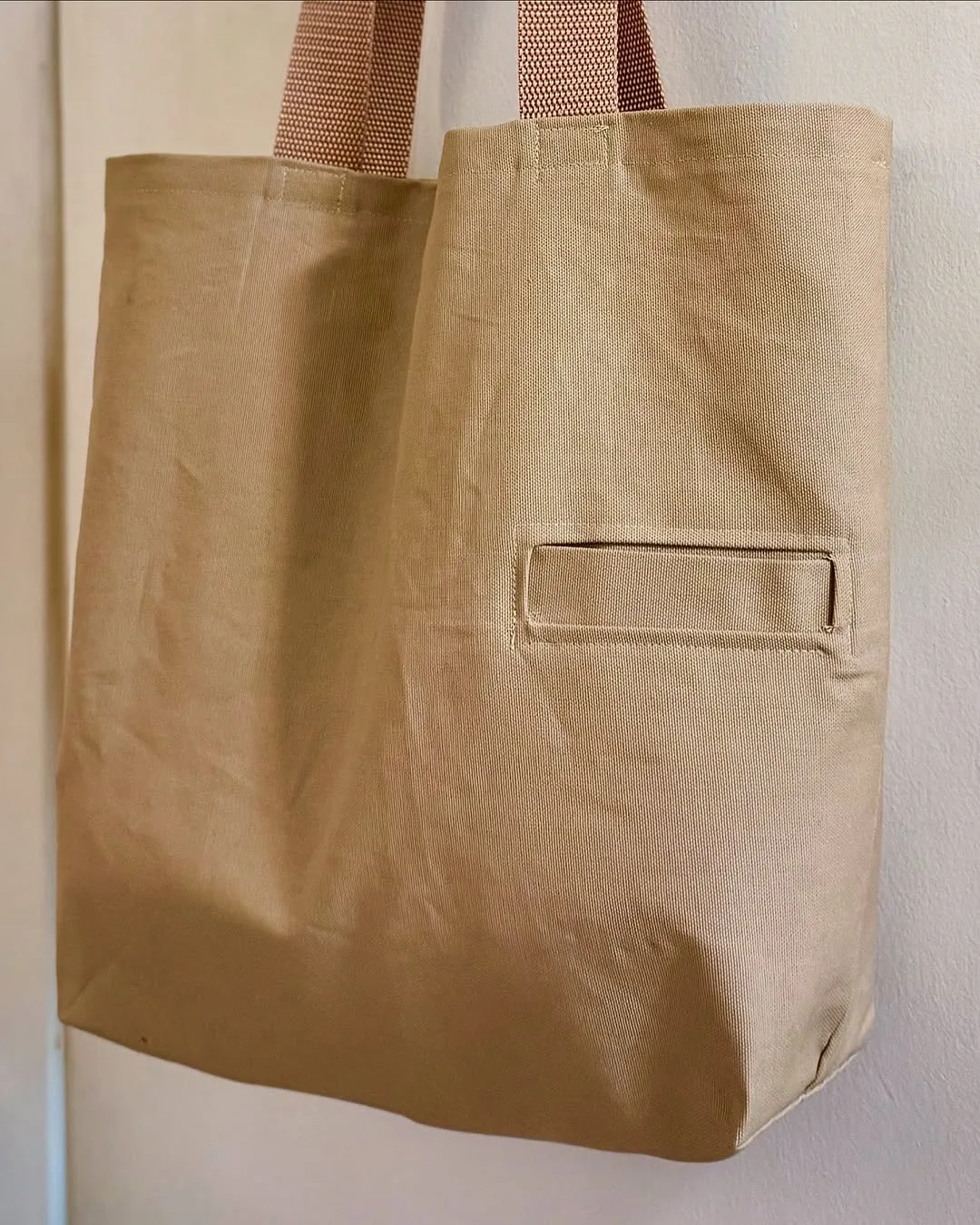
Good projects grow from stitching a sturdy canvas tote with boxed corners and long handles, so daily errands feel easy and organized. Small hands stay busy, simple skills grow quietly, and every maker finishes with something to show.
Practical planning keeps effort realistic. Cut two canvas rectangles, add a pocket inside, box the bottom corners for a flat base, and attach long handles with two rows of stitching for strength. Cover the table first, pour small amounts of paint or glue at a time, and refill bowls as makers finish.
Happiest users are beginners and anyone who wants one strong bag for shops, library books and school runs. Success comes from matching the project to the maker sitting at the table, not to a photo online.
Picture the routine in real life. One maker stitched a plain canvas tote in an afternoon, and it carried groceries, books and a water bottle every day after. Photos of the finished pieces looked joyful, because the projects matched real makers instead of a magazine shoot.
Watch out for skipping the boxed corners, because a flat bag tips over and spills its contents. Change one part at a time, watch what happens for a week, and adjust sizes before buying more.
Plain canvas tote bag large: A roomy plain canvas tote carries everyday essentials with ease.
Lined Tote Bag With Pockets
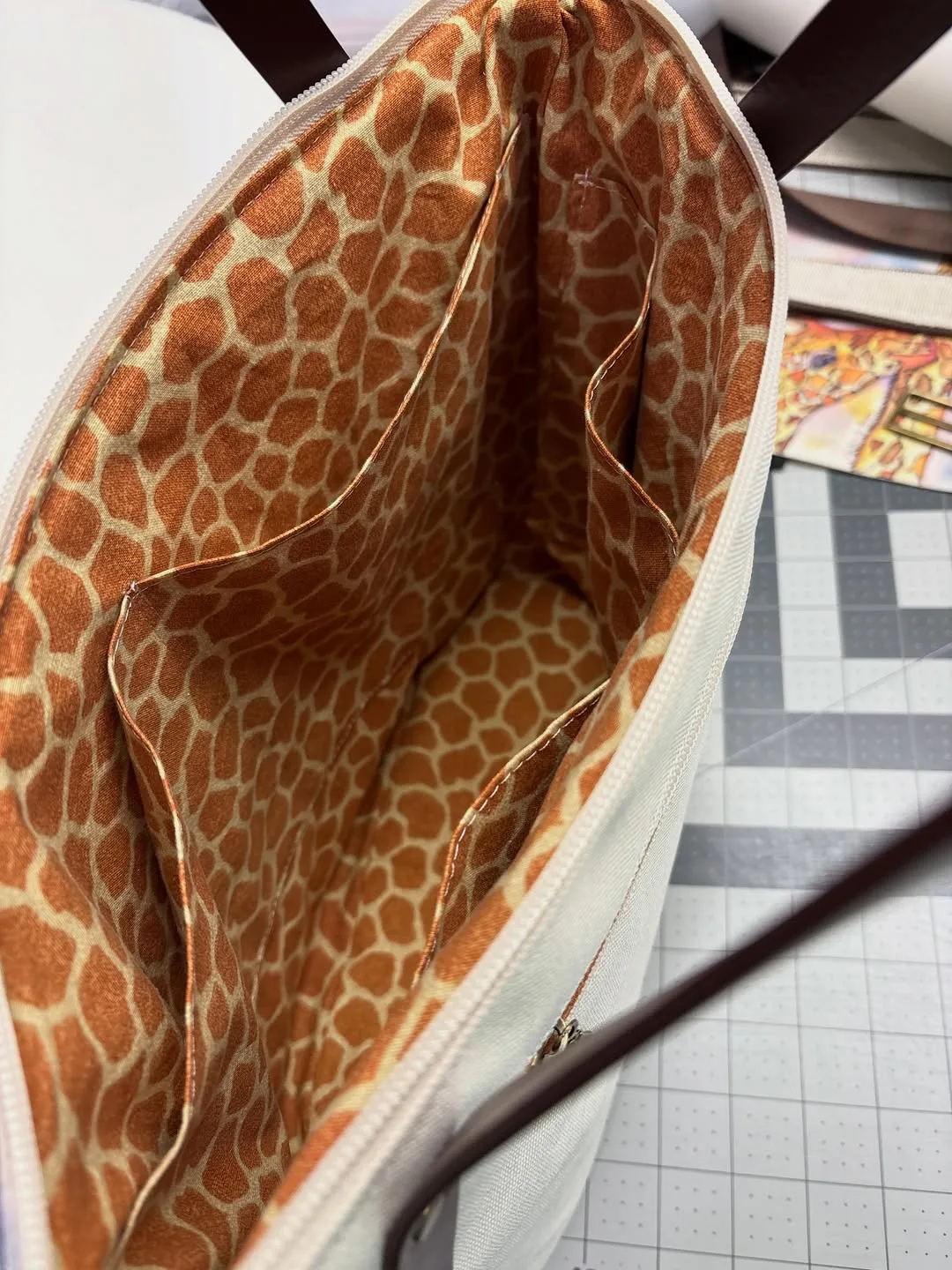
Proud makes begin with adding a lining and two inside pockets to a simple tote, so small items stop vanishing at the bottom. Tables stay calmer, steps feel easy, and even first attempts come out looking sweet.
Practical planning keeps effort realistic. Cut matching outer and lining pieces, sew a slip pocket and a zip pocket into the lining, join the layers at the top edge, and turn the bag right side out through a gap. Sort supplies into small bowls by step, because hunting for pieces breaks the making mood.
Strongest fit is organized makers and anyone who carries keys, phone and pens every day. Small groups gain the most, because help arrives fast and nobody waits long for shared supplies.
Picture the routine in real life. One lined tote kept a phone in its own pocket for a whole year, and its owner never dug for keys again. Praise from family members kept the idea in the regular rotation long after craft day ended.
Watch out for sewing the pocket too deep, because a deep pocket swallows small items instead of holding them. Write the rule on a label or note, because visible reminders protect good systems from quiet drift.
Canvas tote bag with pockets: Built in pockets keep small items neat and easy to reach.
Reversible Tote Bag in Two Prints
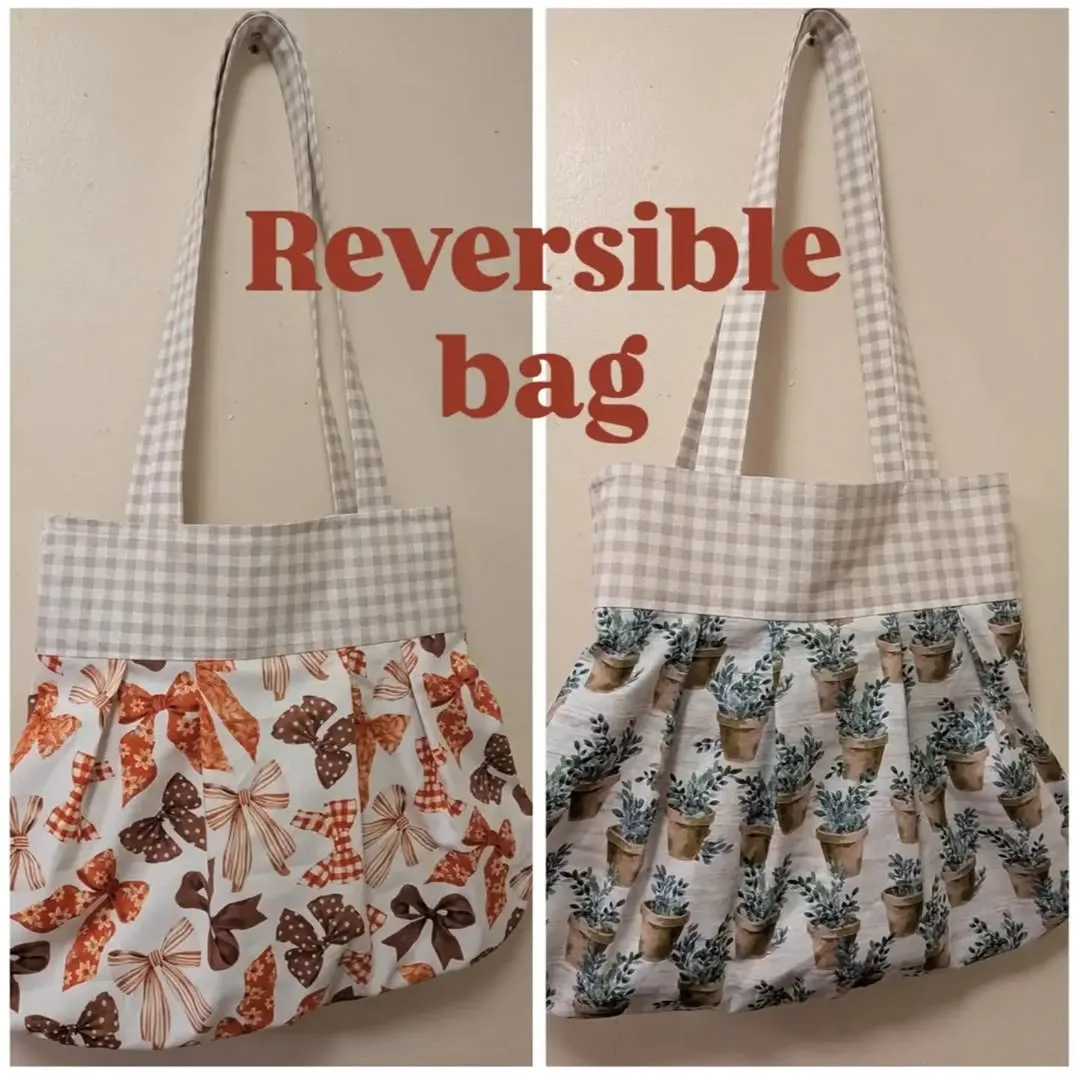
Calm crafting comes from stitching a reversible tote in two prints, so one bag gives two looks for the price of one. Materials stretch further, mess stays manageable, and cleanup afterwards takes only minutes. Strong sew a tote bag habits keep the shape simple, the handles strong and the base flat every time.
Practical planning keeps effort realistic. Cut two sets of bag pieces in contrasting prints, sew each bag separately, join them at the top edge, and turn the bag inside out for the second look. Test one finished sample before the group starts, because a clear example prevents most confusion.
Best results come for makers who love variety and anyone who wants a fresh look without a second bag. Simple steps, forgiving materials and quick finishes matter more than perfect technique.
Picture the routine in real life. One reversible tote flipped from floral to stripes for a party, and guests thought two different bags had arrived. Teachers and parents asked for the idea again, and it joined the regular craft day list.
Watch out for choosing prints that clash badly, because a reversible bag needs two prints that both please the eye. Slow down, fix the setup first, and repeat the small version until the habit holds on busy days too.
Reversible quilted cotton tote bag: Two prints in one bag give a fresh look with every turn.
Tote Bag With a Zipper Top
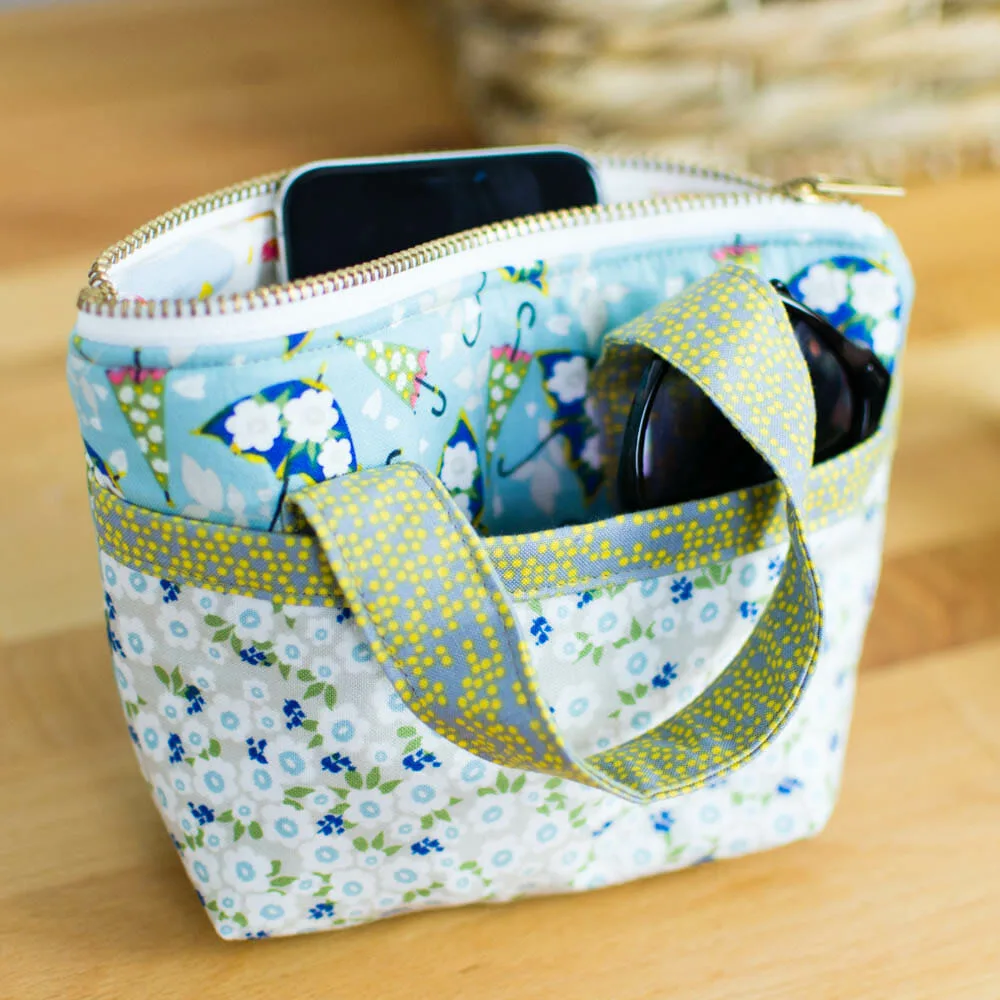
Lovely results follow from adding a zipper across the top of a tote, so contents stay safe on buses and in crowds. Confidence builds with every finished piece, and the craft box empties in the happiest way.
Practical planning keeps effort realistic. Cut the bag pieces, sew a zipper into a top facing, attach the facing inside the bag, and test the zipper twice before the final topstitch. Keep a damp cloth and a scrap bin on the table, so small spills never become big stops.
Happiest users are commuters and anyone who carries a wallet and phone through busy streets. Success comes from matching the project to the maker sitting at the table, not to a photo online.
Picture the routine in real life. One zip top tote kept a wallet safe through a crowded market trip, and its owner relaxed for the first time on a bus. Photos of the finished pieces looked joyful, because the projects matched real makers instead of a magazine shoot.
Watch out for fitting a zipper shorter than the opening, because a short zipper puckers the top edge and jams. Change one part at a time, watch what happens for a week, and adjust sizes before buying more.
Utility tote bag with zipper top: A zipper top keeps contents safe on busy days out.
Small Lunch Tote Bag
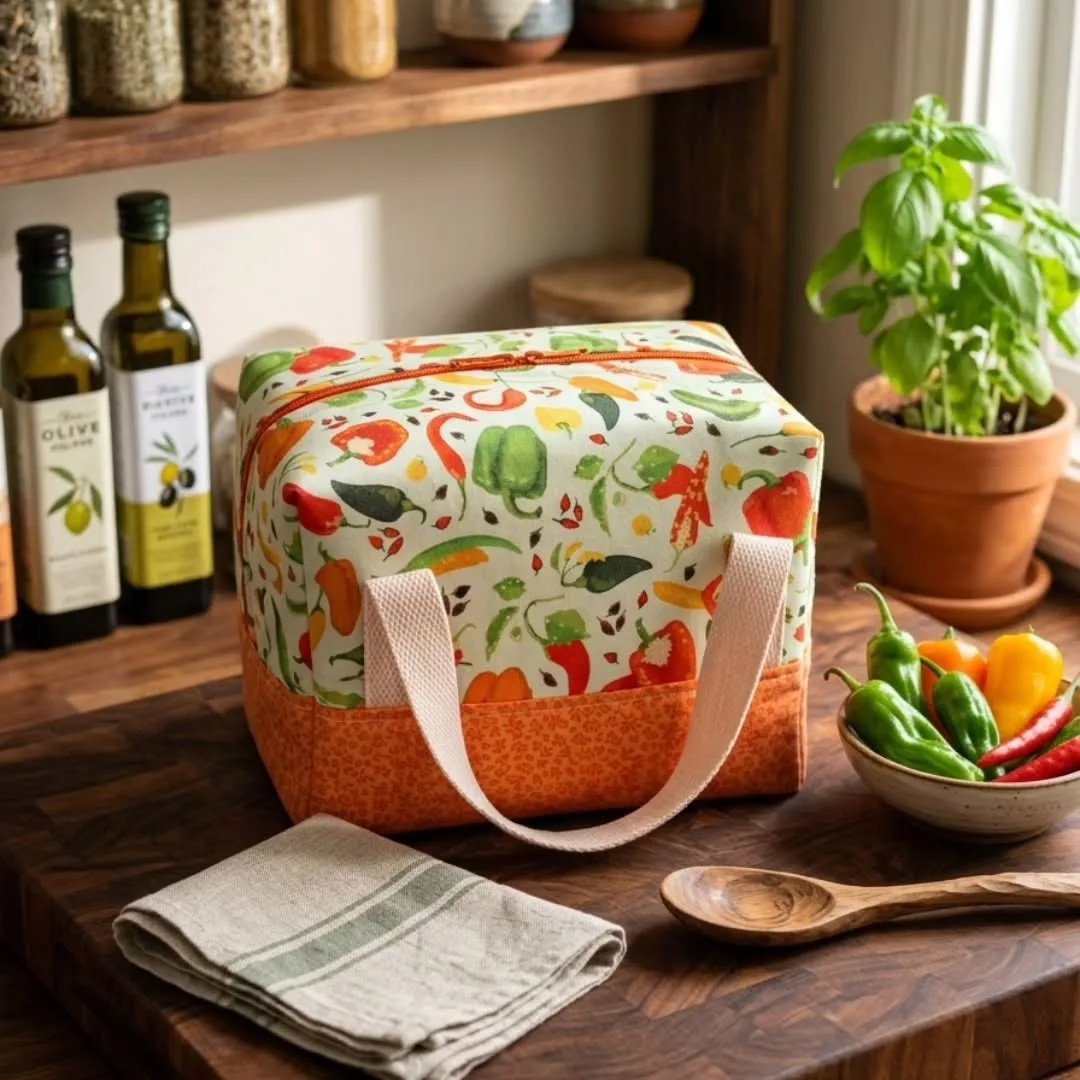
Happy crafting starts with stitching a small lunch tote with an insulated lining, so packed lunches arrive fresh and tidy. Finished pieces look neat, makers feel proud, and every project leaves the table ready to give or display.
Practical planning keeps effort realistic. Cut small outer and lining pieces, add a layer of insulated batting, sew a simple flap or zip top, and add short handles for easy carrying. Cut pieces in batches, lay out one finished sample, and keep glue, scissors and wipes within easy reach.
Strongest fit is workers, students and anyone who packs lunch from home. Small groups gain the most, because help arrives fast and nobody waits long for shared supplies.
Picture the routine in real life. One lunch tote carried sandwiches and fruit to work all week, and its owner saved money on bought lunches. Praise from family members kept the idea in the regular rotation long after craft day ended.
Watch out for using thin cotton with no insulation, because a cold lunch turns warm before noon. Write the rule on a label or note, because visible reminders protect good systems from quiet drift.
Insulated lunch tote bag small: A small insulated tote keeps lunch cool until mealtime.
Beach Tote Bag With Mesh Pocket
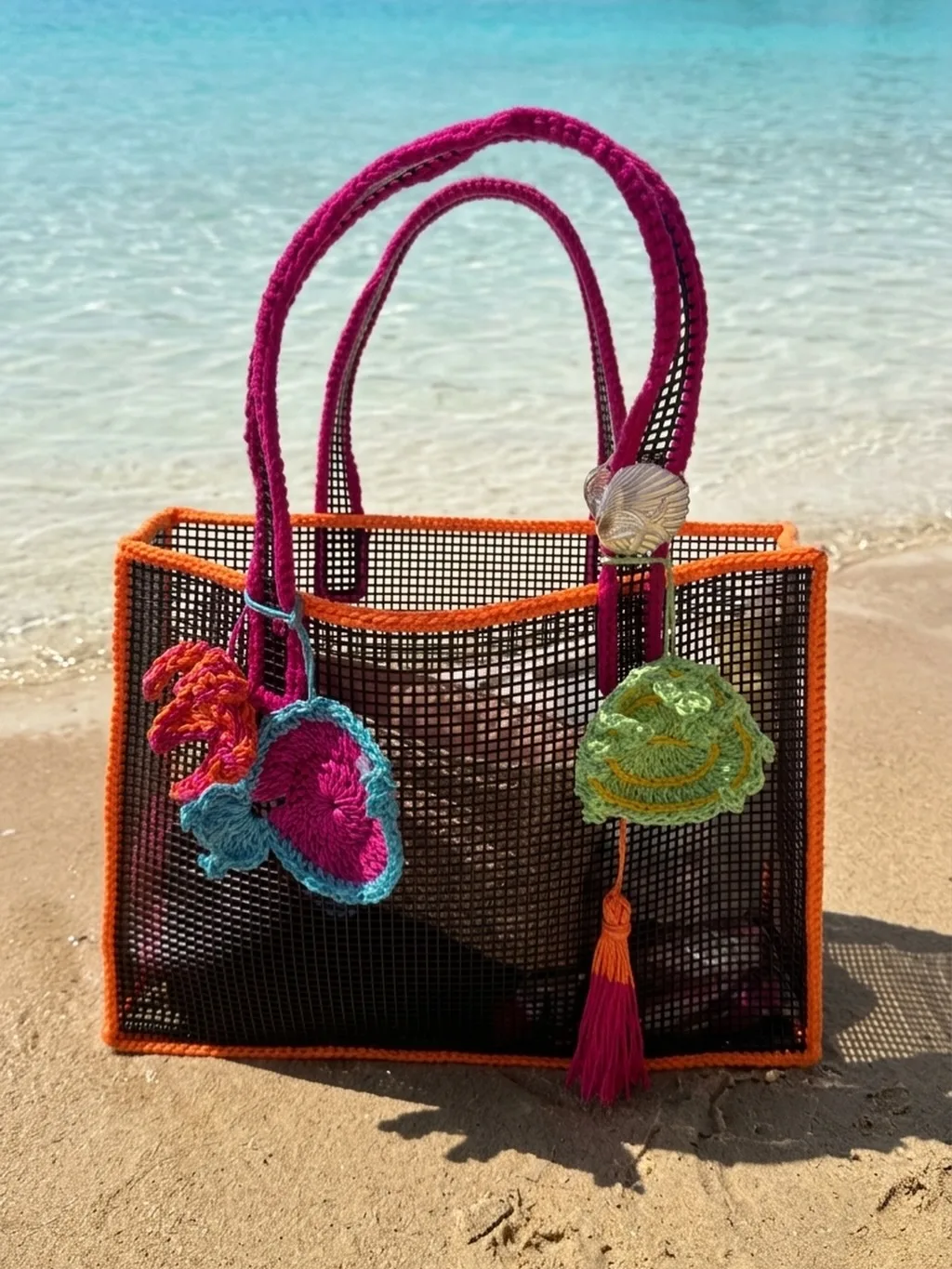
Good projects grow from stitching a beach tote with a mesh pocket for wet items, so sand and water stay out of the dry side. Small hands stay busy, simple skills grow quietly, and every maker finishes with something to show. Strong sew a tote bag habits keep the shape simple, the handles strong and the base flat every time.
Practical planning keeps effort realistic. Cut a large canvas body, add a mesh pocket on the outside, box the corners wide for towels, and use long handles that fit over a shoulder. Cover the table first, pour small amounts of paint or glue at a time, and refill bowls as makers finish.
Best results come for families and anyone who carries towels, sunscreen and books to the shore. Simple steps, forgiving materials and quick finishes matter more than perfect technique.
Picture the routine in real life. One beach tote held towels, books and a wet swimsuit in separate pockets, and the car stayed sand free. Teachers and parents asked for the idea again, and it joined the regular craft day list.
Watch out for sewing the mesh pocket too small, because a tiny pocket cannot hold a wet towel. Slow down, fix the setup first, and repeat the small version until the habit holds on busy days too.
Mesh beach tote bag with pocket: Mesh sides let sand fall through while beach gear stays put.
Book Tote Bag for Readers
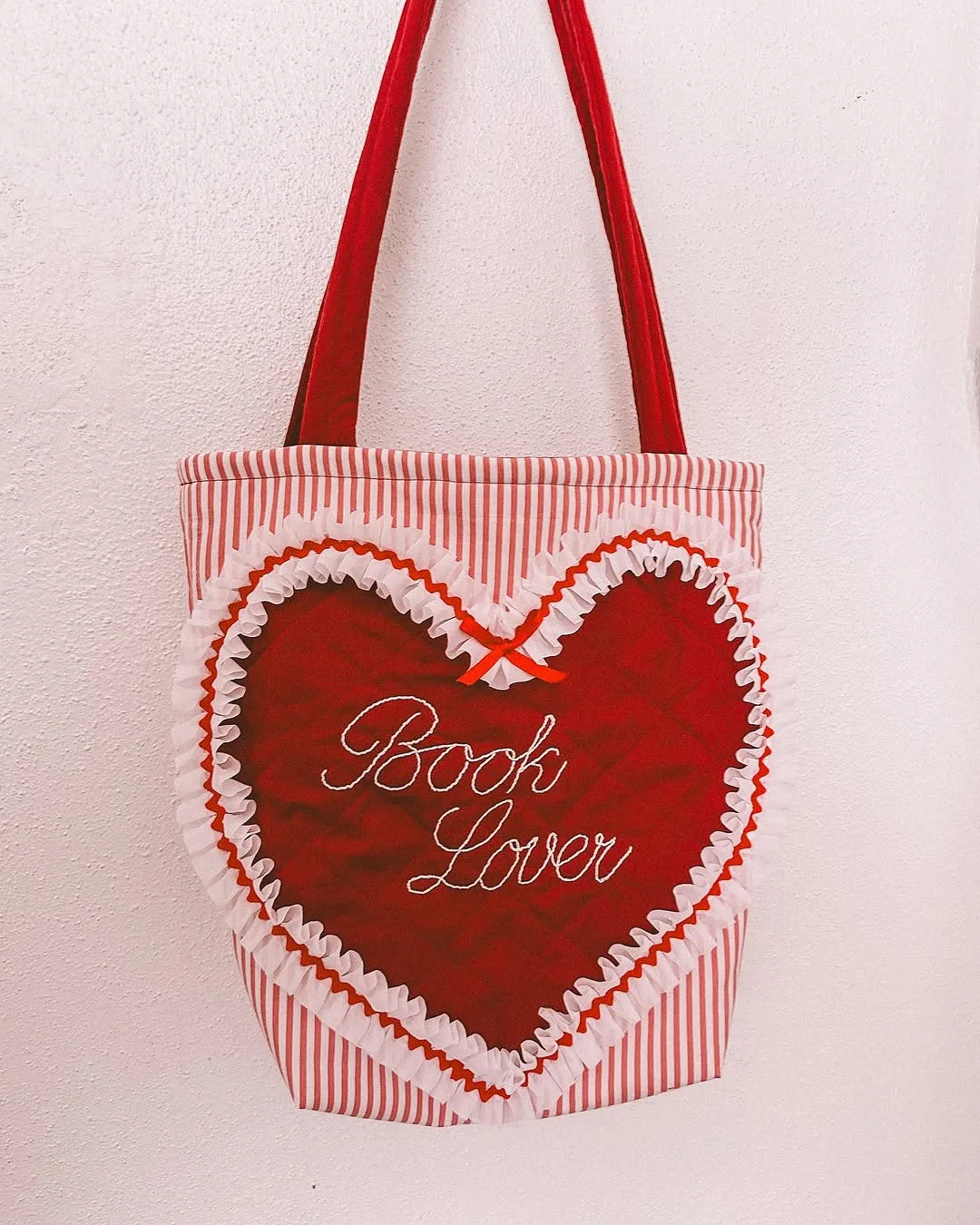
Proud makes begin with stitching a book tote with a padded pocket, so paperbacks travel without bent corners. Tables stay calmer, steps feel easy, and even first attempts come out looking sweet.
Practical planning keeps effort realistic. Cut a roomy body, add a padded inner pocket sized for paperbacks, box the base for standing upright, and add a small inside pocket for a bookmark. Sort supplies into small bowls by step, because hunting for pieces breaks the making mood.
Happiest users are readers and library lovers who carry several books at once. Success comes from matching the project to the maker sitting at the table, not to a photo online.
Picture the routine in real life. One book tote carried three paperbacks to the library every week, and not one cover bent all year. Photos of the finished pieces looked joyful, because the projects matched real makers instead of a magazine shoot.
Watch out for making the book pocket too tight, because a tight pocket creases covers when books slide in. Change one part at a time, watch what happens for a week, and adjust sizes before buying more.
Canvas book tote bag for readers: A sturdy canvas tote holds books without sagging at the seams.
Tote Bag With Leather Handles
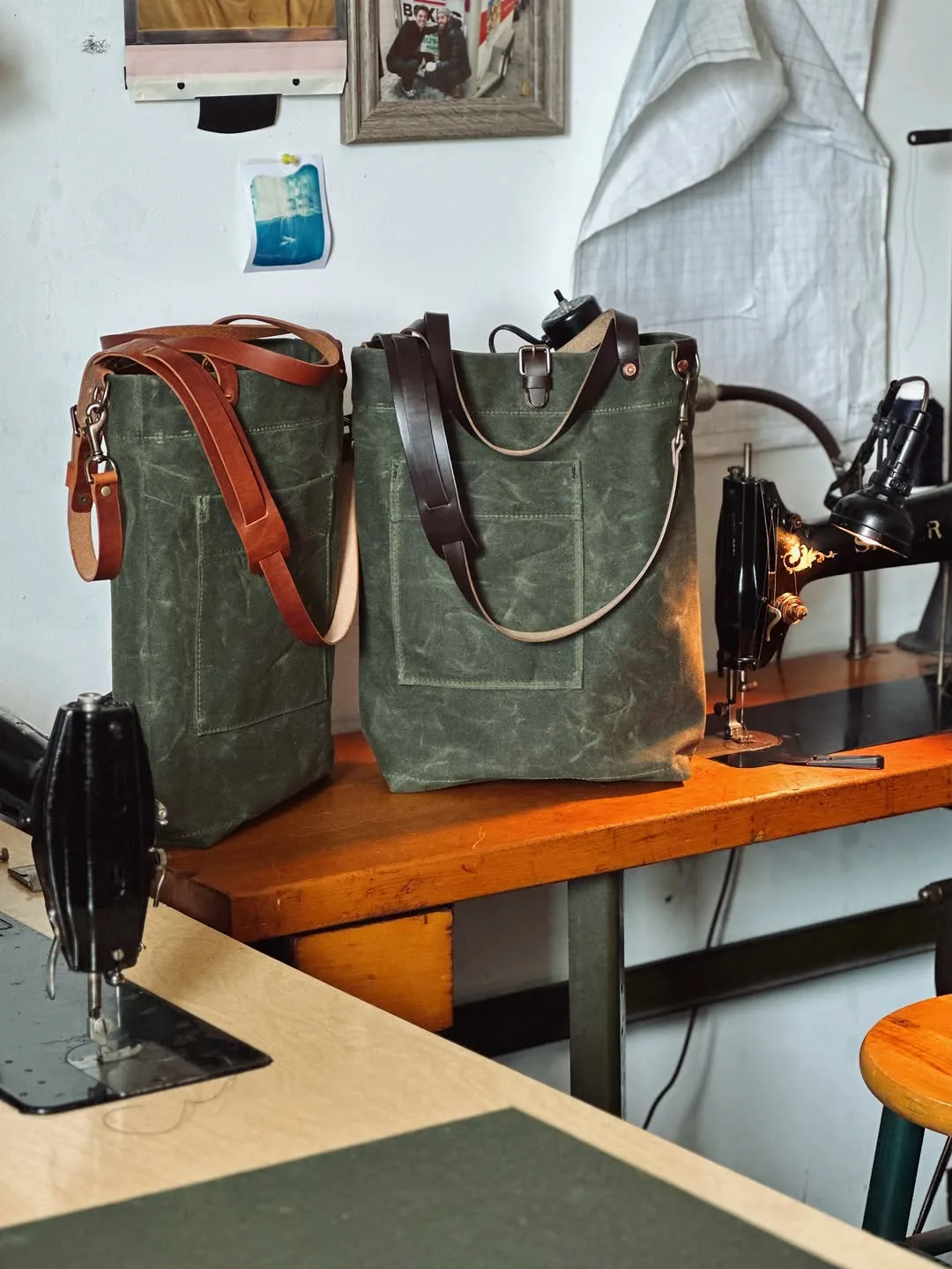
Calm crafting comes from adding leather handles to a canvas tote, so a simple bag looks like a shop find. Materials stretch further, mess stays manageable, and cleanup afterwards takes only minutes.
Practical planning keeps effort realistic. Cut the canvas body, punch holes for handle anchors, attach leather handles with rivets or strong stitching, and add a lining for a neat inside. Test one finished sample before the group starts, because a clear example prevents most confusion.
Strongest fit is makers who love a polished finish and anyone giving a tote as a gift. Small groups gain the most, because help arrives fast and nobody waits long for shared supplies.
Picture the routine in real life. One leather handle tote looked so smart that friends asked which shop had sold it. Praise from family members kept the idea in the regular rotation long after craft day ended.
Watch out for using thin leather that stretches, because weak handles lengthen with every heavy load. Write the rule on a label or note, because visible reminders protect good systems from quiet drift.
Canvas tote bag with leather handles: Leather handles add a smart finish to a plain canvas bag.
Quilted Tote Bag for Winter
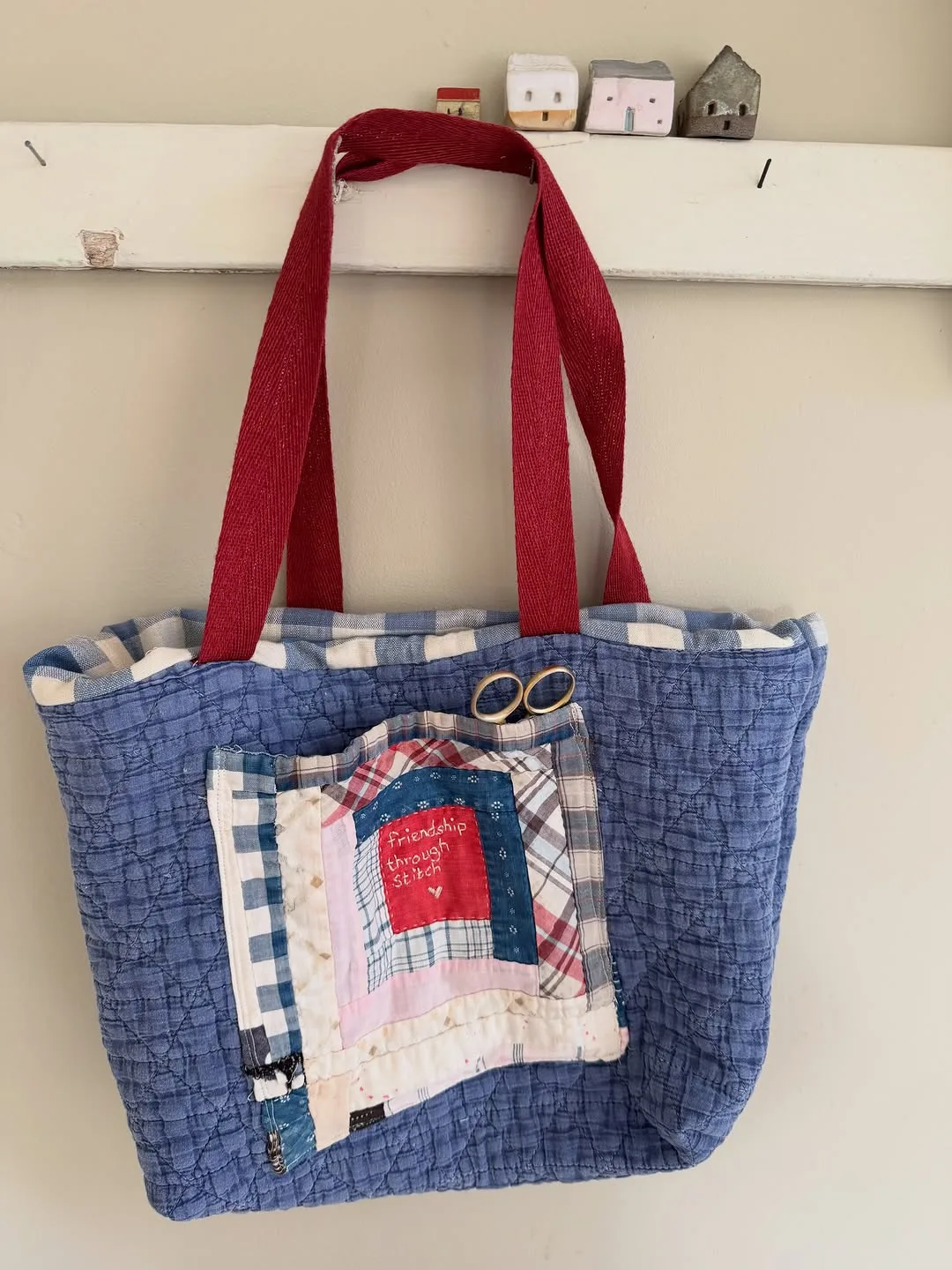
Lovely results follow from quilting a tote with batting and diamond stitching, so cold months gain a soft warm bag. Confidence builds with every finished piece, and the craft box empties in the happiest way. Strong sew a tote bag habits keep the shape simple, the handles strong and the base flat every time.
Practical planning keeps effort realistic. Layer outer fabric, batting and lining, quilt diagonal lines across the sandwich, cut the bag pieces, and bind the top edge for a neat finish. Keep a damp cloth and a scrap bin on the table, so small spills never become big stops.
Best results come for winter makers and anyone who loves soft padded bags. Simple steps, forgiving materials and quick finishes matter more than perfect technique.
Picture the routine in real life. One quilted tote in deep green carried knitting all winter, and its owner reached for it every morning. Teachers and parents asked for the idea again, and it joined the regular craft day list.
Watch out for quilting lines too far apart, because wide gaps let batting bunch and shift after washing. Slow down, fix the setup first, and repeat the small version until the habit holds on busy days too.
Quilted puffer tote bag with zipper: Soft quilting adds warmth and a cosy padded feel.
Market Tote Bag With Wide Base
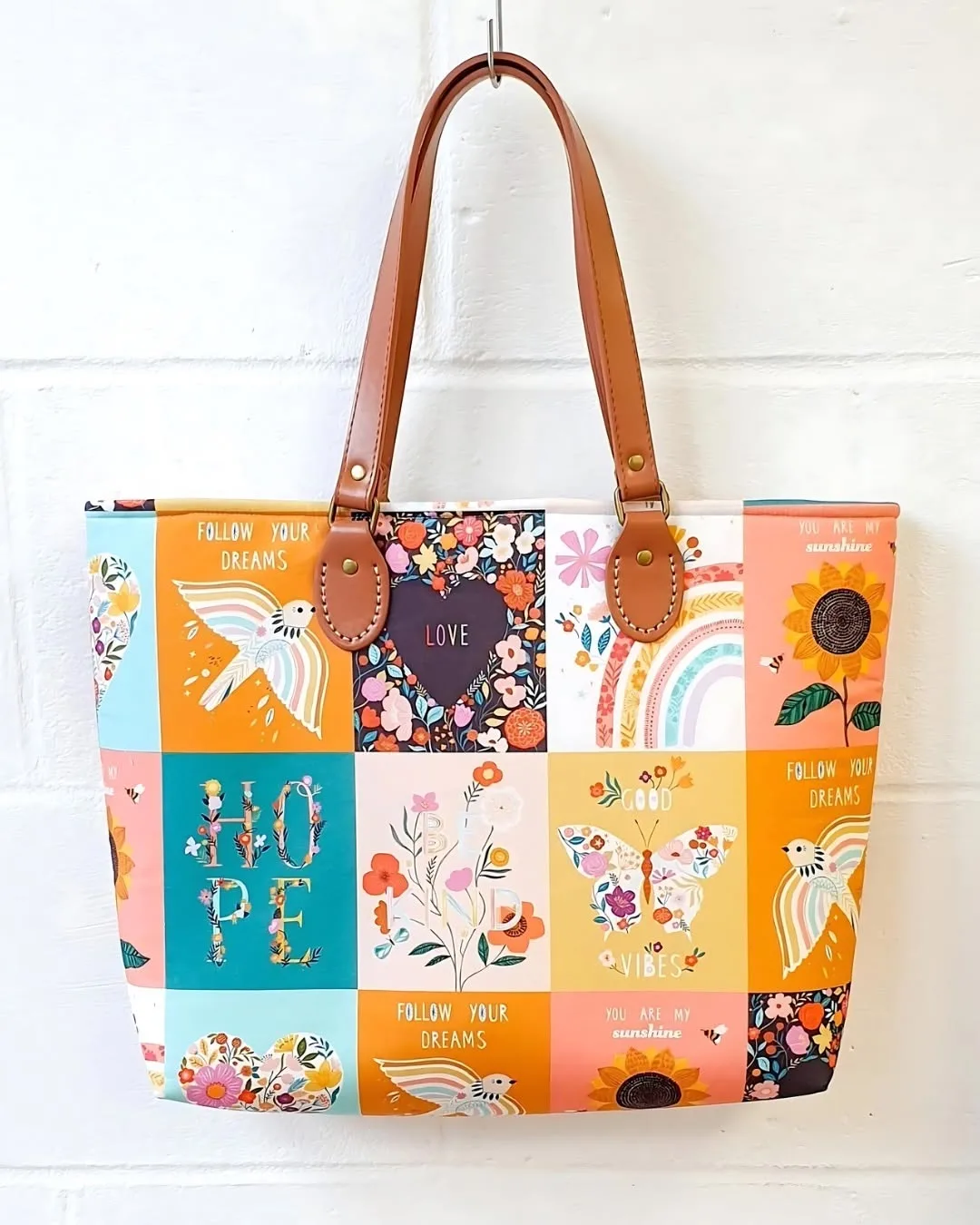
Happy crafting starts with stitching a market tote with a wide flat base, so vegetables and jars stand upright on the way home. Finished pieces look neat, makers feel proud, and every project leaves the table ready to give or display.
Practical planning keeps effort realistic. Cut wide body pieces, box deep corners for a broad base, add a firm bottom insert, and use short sturdy handles for heavy loads. Cut pieces in batches, lay out one finished sample, and keep glue, scissors and wipes within easy reach.
Happiest users are market shoppers and anyone who carries jars, bottles and fresh vegetables. Success comes from matching the project to the maker sitting at the table, not to a photo online.
Picture the routine in real life. One market tote held a full weekly shop upright, and not one jar tipped over on the walk home. Photos of the finished pieces looked joyful, because the projects matched real makers instead of a magazine shoot.
Watch out for skipping the bottom insert, because a soft base sags and jars roll together. Change one part at a time, watch what happens for a week, and adjust sizes before buying more.
Reusable grocery tote bags set of 5: A wide base keeps market shopping upright and easy to pack.
Tote Bag With an Inside Divider
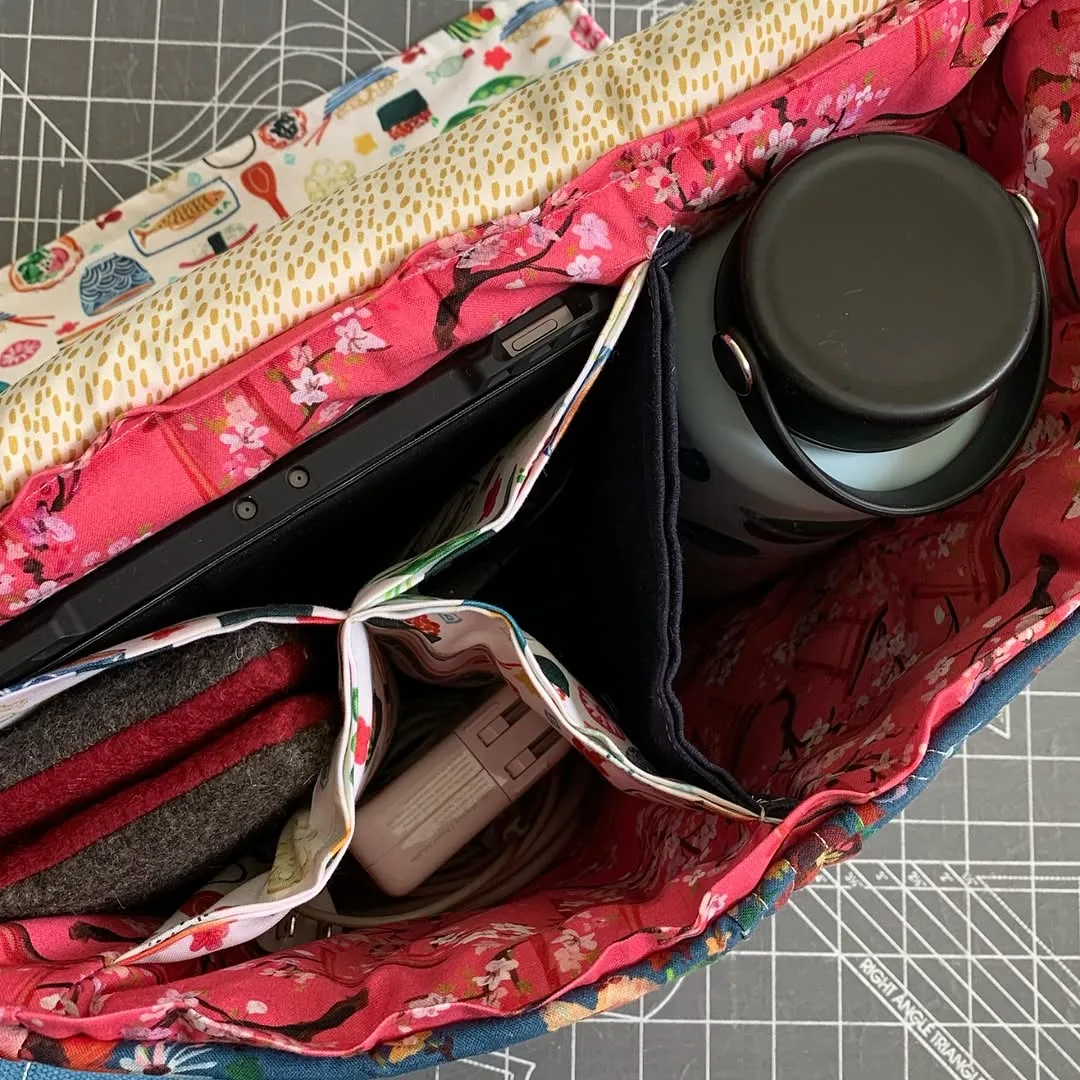
Good projects grow from adding a divider inside a tote, so work papers, lunch and personal items stay apart. Small hands stay busy, simple skills grow quietly, and every maker finishes with something to show.
Practical planning keeps effort realistic. Cut the body and a divider panel, sew the divider into the side seams, add a pocket on each side, and finish the top edge with binding. Cover the table first, pour small amounts of paint or glue at a time, and refill bowls as makers finish.
Strongest fit is workers and students who carry mixed loads every day. Small groups gain the most, because help arrives fast and nobody waits long for shared supplies.
Picture the routine in real life. One divided tote kept lunch away from work papers all term, and its owner stopped finding crumbs in reports. Praise from family members kept the idea in the regular rotation long after craft day ended.
Watch out for sewing the divider too tall, because a tall divider blocks the opening and hides small items. Write the rule on a label or note, because visible reminders protect good systems from quiet drift.
Felt tote bag organizer insert: An insert with dividers keeps everything in its own place.
Drawstring Tote Bag for Gym Kit
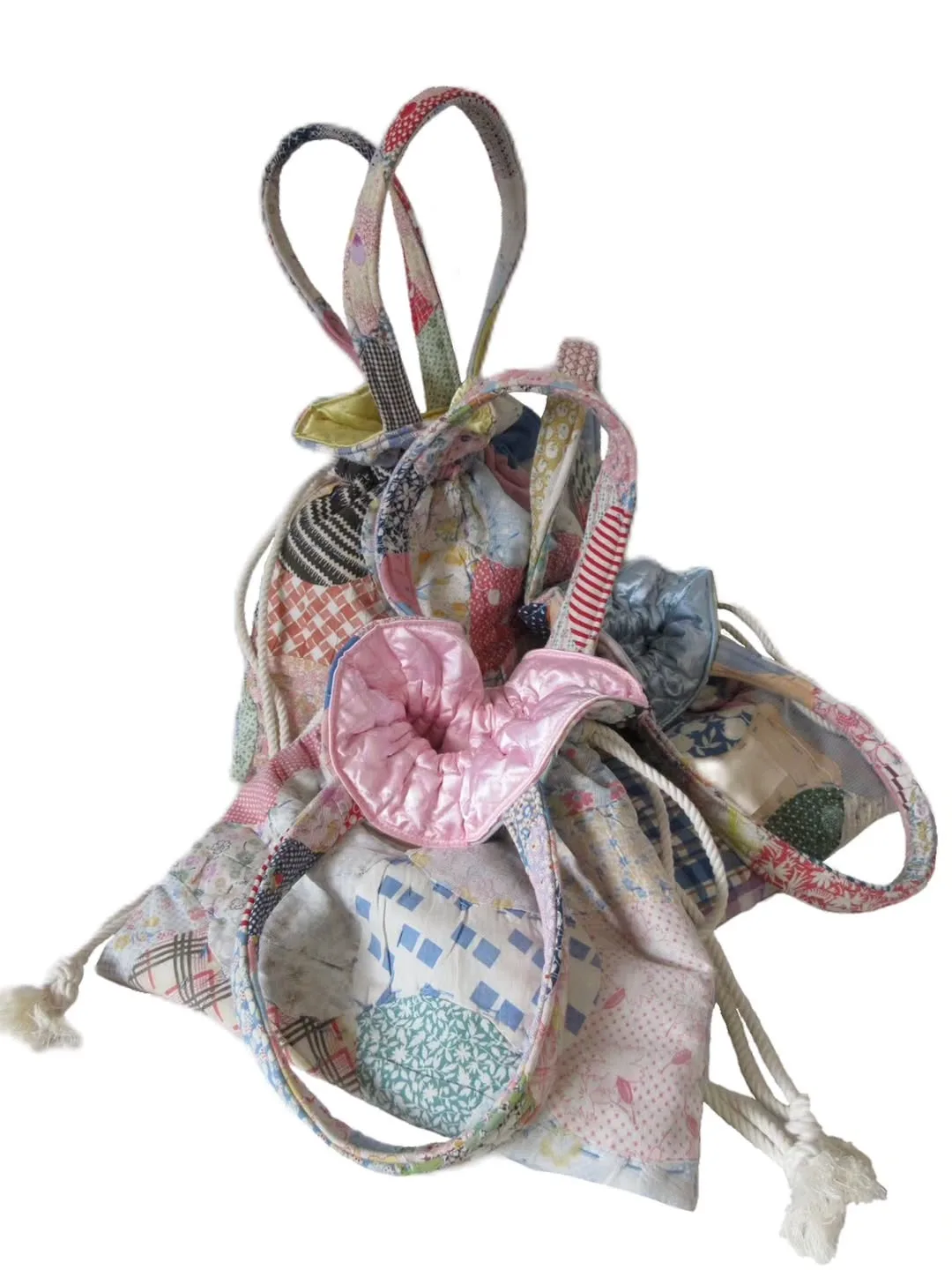
Proud makes begin with stitching a drawstring tote for gym kit, so shoes, towel and bottle travel in one light bag. Tables stay calmer, steps feel easy, and even first attempts come out looking sweet. Strong sew a tote bag habits keep the shape simple, the handles strong and the base flat every time.
Practical planning keeps effort realistic. Cut a tall body, sew a channel at the top edge, thread cord or tape through the channel, and add a small inside pocket for keys. Sort supplies into small bowls by step, because hunting for pieces breaks the making mood.
Best results come for gym goers and anyone who needs a light bag for kit and shoes. Simple steps, forgiving materials and quick finishes matter more than perfect technique.
Picture the routine in real life. One drawstring tote carried gym kit three times a week, and its owner loved how light it felt. Teachers and parents asked for the idea again, and it joined the regular craft day list.
Watch out for using cord too thin for the channel, because thin cord tangles and snaps under a heavy load. Slow down, fix the setup first, and repeat the small version until the habit holds on busy days too.
Lightweight drawstring gym bag: A light drawstring bag carries gym kit without bulk.
Patchwork Tote Bag From Scraps
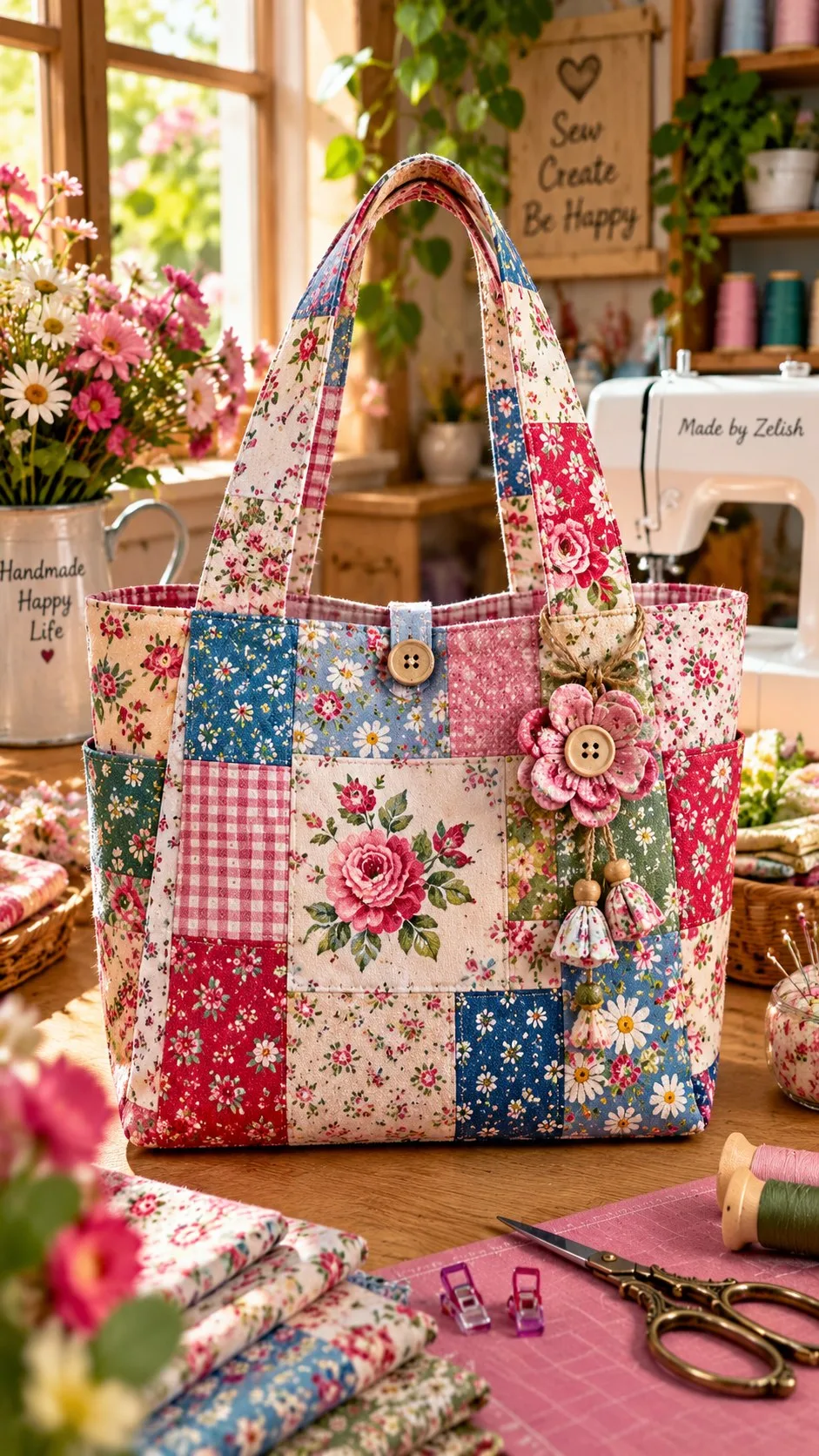
Calm crafting comes from piecing a patchwork tote from fabric scraps, so small leftover pieces become a useful bag. Materials stretch further, mess stays manageable, and cleanup afterwards takes only minutes.
Practical planning keeps effort realistic. Cut scraps into squares, join them into two panels, press seams flat, add a lining and handles, and quilt lightly if liked. Test one finished sample before the group starts, because a clear example prevents most confusion.
Happiest users are scrap lovers and makers who hate wasting pretty fabric. Success comes from matching the project to the maker sitting at the table, not to a photo online.
Picture the routine in real life. One patchwork tote used scraps from five old projects, and guests loved its cheerful mixed prints. Photos of the finished pieces looked joyful, because the projects matched real makers instead of a magazine shoot.
Watch out for mixing fabrics of very different weights, because heavy and thin pieces pull seams unevenly. Change one part at a time, watch what happens for a week, and adjust sizes before buying more.
Floral patchwork handbag: Patchwork scraps turn into a bag full of colour and charm.
Tote Bag With Applique Flowers
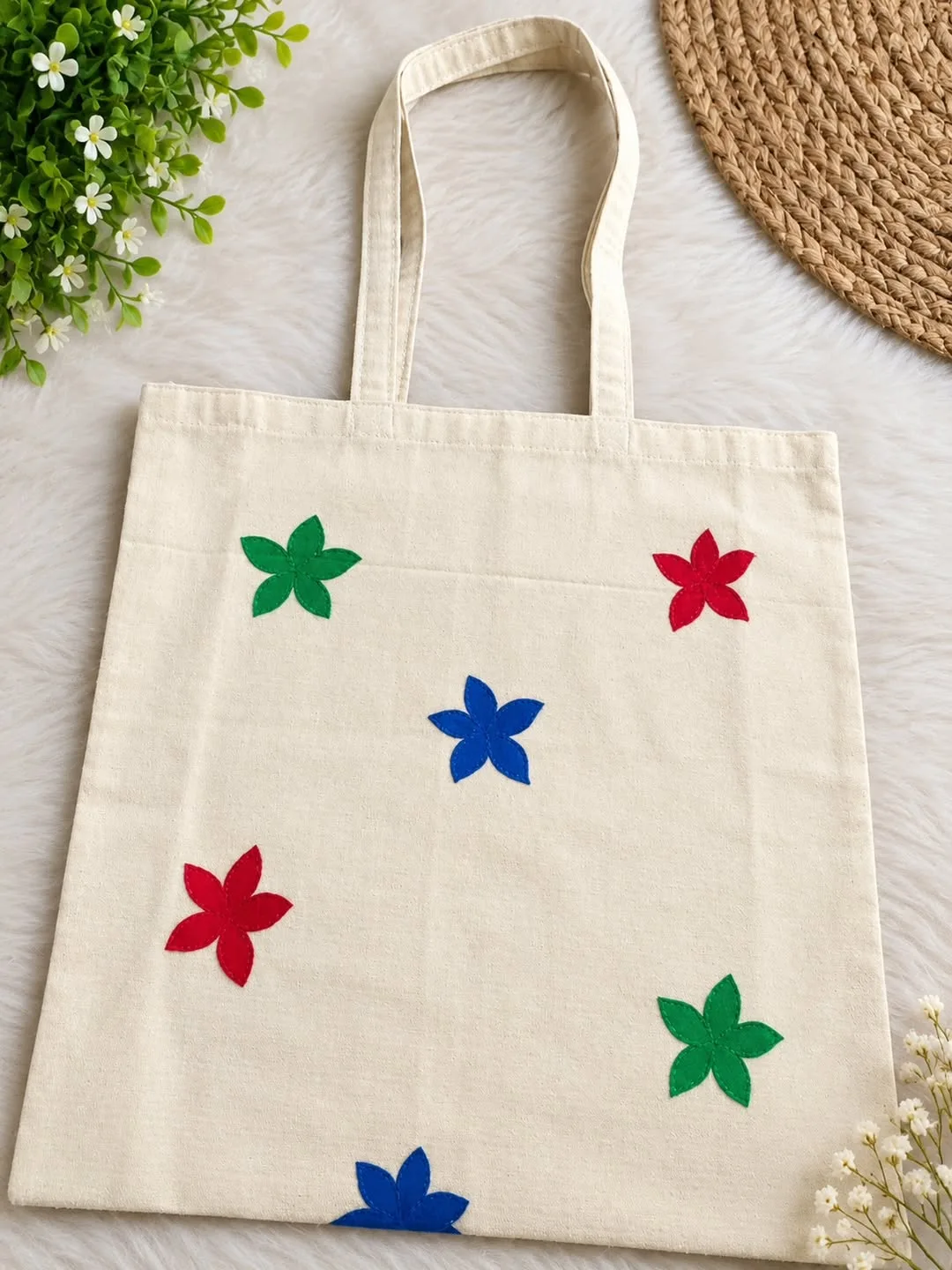
Lovely results follow from adding applique flowers to a plain tote, so a simple bag gains a personal handmade touch. Confidence builds with every finished piece, and the craft box empties in the happiest way.
Practical planning keeps effort realistic. Cut flower shapes from contrast fabric, iron them onto the bag front, stitch around each edge, and add a button center for charm. Keep a damp cloth and a scrap bin on the table, so small spills never become big stops.
Strongest fit is gift givers and makers who love decorating plain cloth. Small groups gain the most, because help arrives fast and nobody waits long for shared supplies.
Picture the routine in real life. One applique tote with bright flowers became a birthday gift, and its new owner carried it everywhere. Praise from family members kept the idea in the regular rotation long after craft day ended.
Watch out for ironing applique without stitching, because glue alone peels off after the first wash. Write the rule on a label or note, because visible reminders protect good systems from quiet drift.
Floral embroidered canvas tote bag: Applique flowers add a soft handmade touch to plain fabric.
Foldaway Tote Bag for Shopping
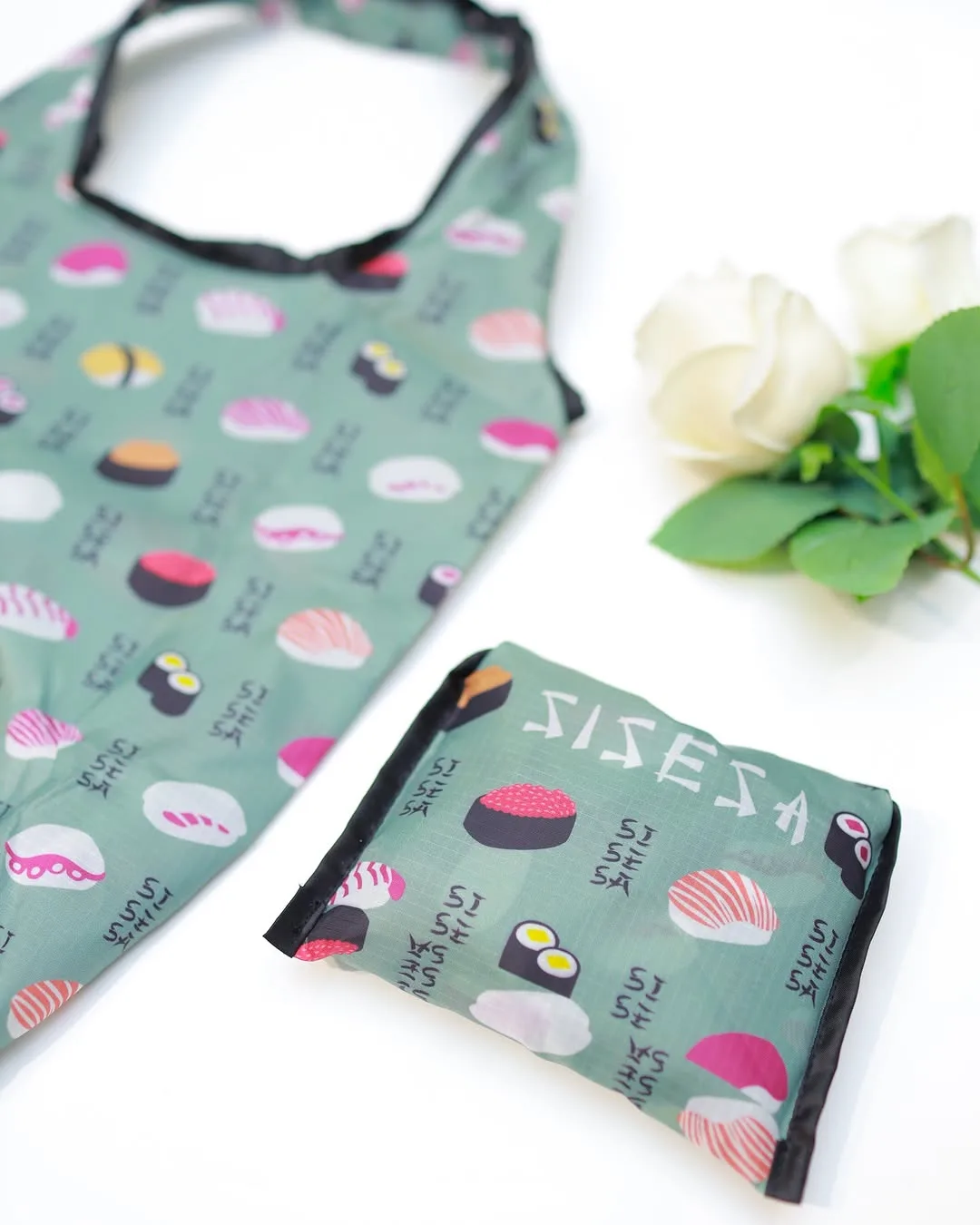
Happy crafting starts with stitching a foldaway tote that packs into its own pocket, so a spare bag always fits in a handbag. Finished pieces look neat, makers feel proud, and every project leaves the table ready to give or display. Strong sew a tote bag habits keep the shape simple, the handles strong and the base flat every time.
Practical planning keeps effort realistic. Cut a light body, add a small pocket on the outside, sew the bag with French seams, and fold it neatly into the pocket when empty. Cut pieces in batches, lay out one finished sample, and keep glue, scissors and wipes within easy reach.
Best results come for shoppers and anyone who wants a spare bag tucked inside a handbag. Simple steps, forgiving materials and quick finishes matter more than perfect technique.
Picture the routine in real life. One foldaway tote lived in a handbag for a year, and its owner used it at every market stall. Teachers and parents asked for the idea again, and it joined the regular craft day list.
Watch out for using heavy canvas for a foldaway bag, because thick fabric refuses to fold small. Slow down, fix the setup first, and repeat the small version until the habit holds on busy days too.
Foldable shopping tote bags 3 pack: A foldaway tote packs small and opens up for extra shopping.
Common Mistakes to Avoid
Choosing thin fashion fabric for a daily tote ends in torn seams, because grocery weight pulls weak cloth apart within weeks. Sturdy canvas, denim or upholstery weight cotton carries real loads, and a lining spreads the strain across two layers.
Skipping handle reinforcement causes handles to peel away at the worst moment, since one row of stitching cannot hold a full bag. Two rows of stitching, plus a small square of stitching at each handle end, keeps handles fixed for years.
Forgetting to press seams flat as the work grows leaves a tote looking homemade in the wrong way, because bulky seams twist the shape. Pressing each seam open before the next step gives crisp edges and a shop bought finish.
Budget Friendly Ways to Make Tote Bags
Smart spending starts with fabric already at home, including old curtains, sturdy tablecloths and denim from worn jeans. Honest supplies already owned beat rushed craft shop trips, and makers happily turn saved cloth into a strong bag.
Canvas, cotton duck and lining fabric cost very little in supermarket craft aisles, especially when colors stay within a small palette. Buying one shared length per project, rather than one kit per maker, keeps the table full and the receipt short.
Second hand shops and fabric sales stretch money further, since sturdy cotton and denim arrive cheap in large pieces. Saving on fabric leaves room for one nice extra, like good thread or strong webbing handles, that improves every bag it touches.
Simple Tips That Keep Tote Sewing Calm
Press. Press every seam flat before the next step, because crisp pressed seams give a tote its shape and stop bulky corners from twisting. Pressed seams save more time than any fancy sewing foot.
Measure. Measure handles, base width and pocket depth before cutting anything, because tote pieces sized by guesswork arrive too short or too wide. A tape measure saves more money than any discount code.
Extra guidance on sew a tote bag comes from testing each tote once with adult hands, timing the steps and noting where beginners will struggle. Fixes made during the test save the whole session later.
Pin. Pin handles in place and test the drop length over a shoulder, because handles that look right on the table can feel wrong in use. Pinned handles sit straight instead of twisting after the first wash.
Test. Test stitch length and thread tension on a scrap of the same fabric, because a trial run shows puckering while fixes still cost nothing. Trial runs turn sewing day into a calm repeat performance.
Remember that strong sew a tote bag choices respect short attention spans, honest budgets and the slow careful pressing that gives a neat finish. Finished totes makers carry away proudly matter far more than perfect edges.
Label. Write each maker name on a small tag as totes finish, because identical canvas bags become mysteries within the hour. Names on tags settle every ownership question at once.
Rest. Leave one corner of the table mostly calm, because breathing space makes the sewing area feel safe instead of crowded. Empty corners frame the sewing table instead of competing with it.
FAQ
How much fabric do I need for one tote bag?
One metre of sturdy main fabric and one metre of lining make a roomy everyday tote with handles and a pocket. Smaller totes need less, while a large market tote with a wide base needs a little more for boxed corners.
What fabric suits a tote bag best?
Canvas, cotton duck, denim and upholstery weight cotton suit tote bags best, because they hold shape and carry weight without tearing. Light quilting cotton works for lining and pockets, while thin fashion fabric suits only small light totes.
Can a beginner stitch a tote bag in one afternoon?
Yes, a plain canvas tote with straight seams takes about two hours for a beginner, including cutting, pressing and handle stitching. Lined and pocketed totes take a little longer, so beginners should start with the simplest shape first.
How do I stop tote handles from tearing off?
Stitch each handle end with two rows of stitching, plus a small stitched square or cross at the anchor point. Strong thread, webbing handles and a lining layer spread the load, so one handle never carries the whole bag alone.
Should a tote bag have a lining?
Lining gives a tote a neat inside, hides raw seams and adds strength for heavy loads, so most everyday totes benefit from one. Unlined totes suit quick beach and laundry bags, where easy washing matters more than a tidy finish.
How do I wash a handmade tote bag?
Wash canvas and cotton totes in cool water on a gentle cycle, then air dry flat or on a line. Hot water and a hot dryer shrink cotton and fade prints, so gentle washing keeps colors bright and handles strong.
Conclusion
Good tote sessions grow from sturdy fabric, calm setup and shapes matched to the hands at the table. Strong sew a tote bag choices respect your supplies, your budget and your sewing space, so every maker finishes proud instead of frustrated.
Pick three totes from this list, prepare them fully this week, and let the rest wait until the fabric shelf and the calendar feel ready. Small finished bags build confidence and keep spending calm and sensible.
Enjoy the proud faces that follow, and let one strong canvas tote remind everyone why making things by hand deserves a date in the calendar every season. One tote, one strong handle and one useful bag at a time, a simple sewing table becomes a tradition.