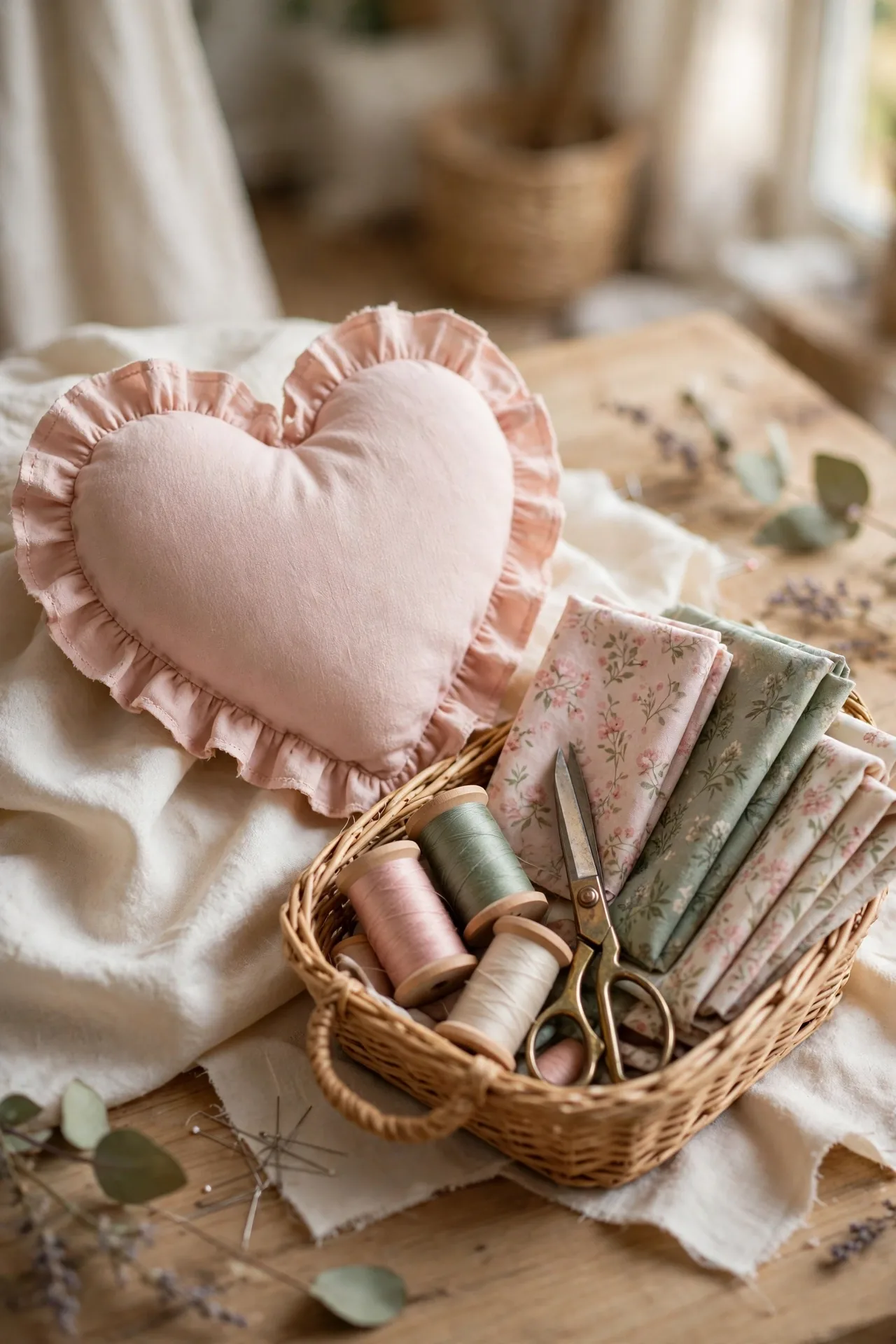
How to Sew a Heart Pillow in 15 Sweet Styles
Heart pillows carry a softness that shop bought cushions rarely match, because the maker chooses the fabric, the size and the exact plumpness. One simple shape opens the door to gifts, nursery decor, wedding keepsakes and cosy reading corners.
Learning how to sew a heart pillow begins with one paper pattern, two pieces of fabric and a seam that curves gently around the point. Patient beginners finish a first heart in one afternoon, and every later style on this list reuses the same calm steps with a new twist.
Inside this guide, fifteen heart pillow styles move from a classic machine sewn heart to hand sewing, no sew fleece, ruffles, patchwork and a large floor cushion, each with fabric quantities, honest timings, and the one small mistake that quietly ruins the shape. Most styles suit fabric already waiting in the scrap basket.
how to sew a heart pillow when you are completely new to sewing?
Start with the classic machine sewn heart or the hand sewn felt heart, because both forgive wobbly seams and need only straight stitching with one gentle curve. Anyone wondering how to make a heart pillow easy should pick medium cotton, a large simple shape and polyester stuffing that hides small lumps kindly.
Picture one table by mid morning: a paper heart pattern rests on folded fabric, pins line the curve, a test seam runs across a scrap, and a bag of stuffing waits beside the machine. Sewing feels calm when the shape is drawn, tested and ready before the first real stitch.
Disclosure: As an Amazon Associate I earn from qualifying purchases. Some of the links below are affiliate links, which means Bloomie Living may earn a small commission if you buy through them, at no extra cost to you.
Classic heart pillow by machine
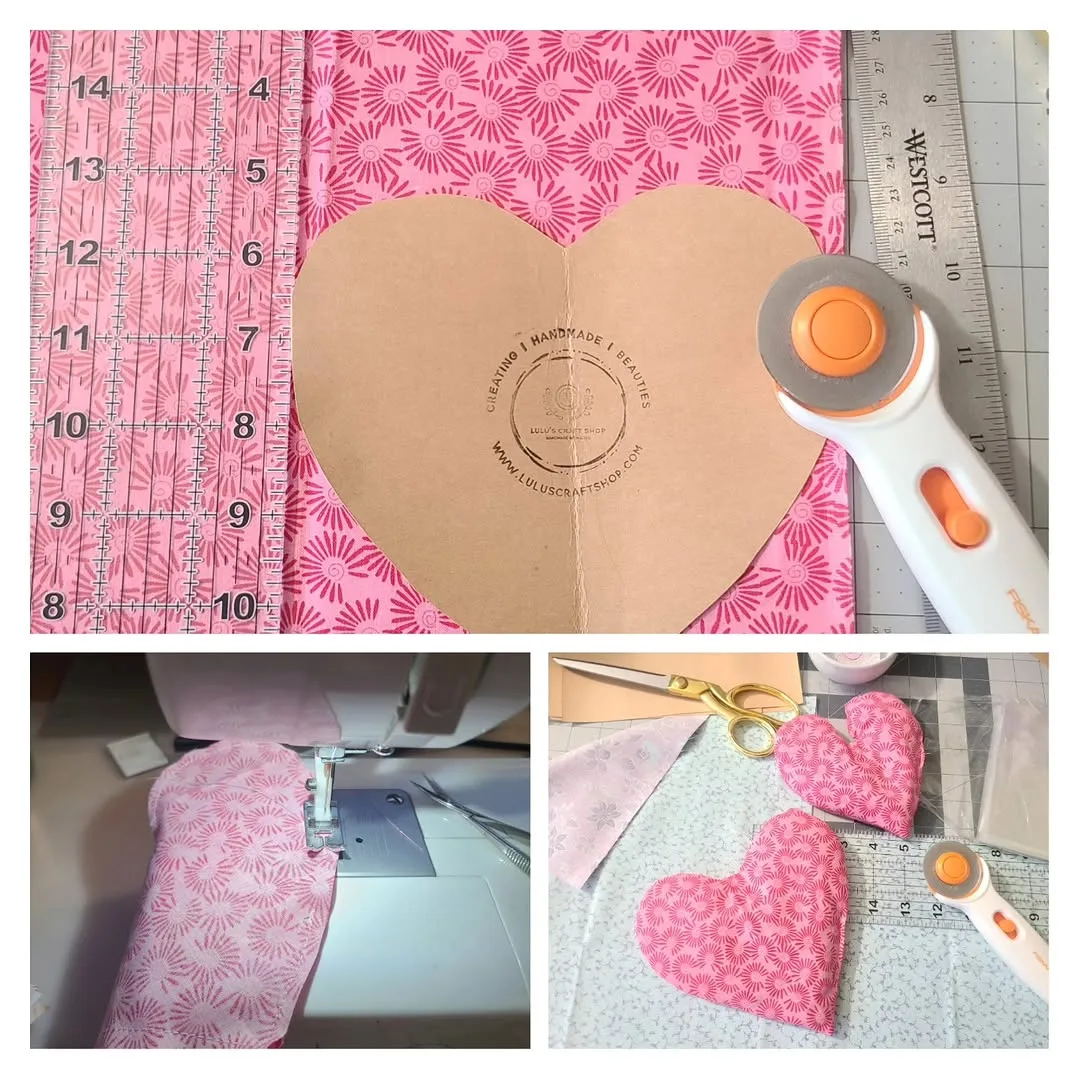
Good projects grow from sewing a classic heart pillow by machine in cotton, so a first project finishes plump and proud in one afternoon. Small hands stay busy, simple skills grow quietly, and every maker finishes with something to show.
Practical planning keeps effort realistic. Cut two matching hearts from cotton with a one centimeter seam allowance, pin right sides together, sew slowly around the curve leaving a gap at one straight side, clip the dip and point, turn, stuff firmly and close the gap by hand. Cover the table first, pour small amounts of paint or glue at a time, and refill bowls as makers finish.
Happiest users are beginners with a sewing machine and one free afternoon. Success comes from matching the project to the maker sitting at the table, not to a photo online.
Picture the routine in real life. One maker finished her first heart in red gingham, and the pillow moved straight onto the reading chair where it still lives. Photos of the finished pieces looked joyful, because the projects matched real makers instead of a magazine shoot.
Watch out for sewing fast around the top dip, because speed pulls the curve off line and the heart leans to one side. Change one part at a time, watch what happens for a week, and adjust sizes before buying more.
Premium Polyester Fiber Fill Stuffing: Soft high resilience fill that keeps a heart pillow plump without lumps or flat spots.
Heart pillow sewn by hand
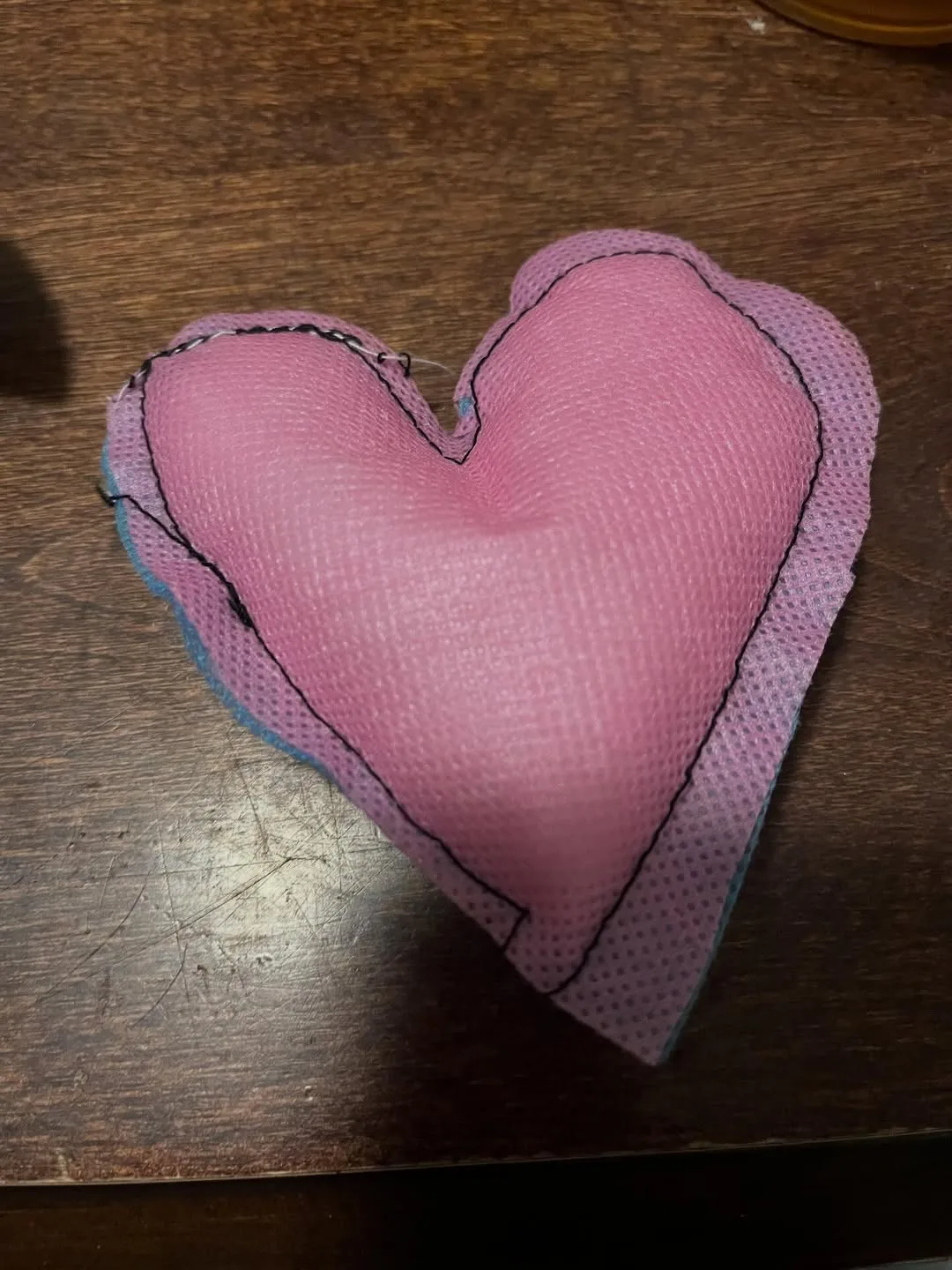
Proud makes begin with stitching a heart pillow sewn by hand with small even stitches, so no machine is needed at all. Tables stay calmer, steps feel easy, and even first attempts come out looking sweet.
Practical planning keeps effort realistic. Cut two hearts from cotton or linen, pin right sides together, work a small backstitch around the edge with strong thread, leave a gap, turn carefully, stuff in small handfuls and finish with a ladder stitch. Sort supplies into small bowls by step, because hunting for pieces breaks the making mood.
Strongest fit is quiet evening makers, travelers and anyone sewing away from home. Small groups gain the most, because help arrives fast and nobody waits long for shared supplies.
Picture the routine in real life. One hand sewn heart traveled in a suitcase as a hotel pillow for years, gathering compliments at every stop. Praise from family members kept the idea in the regular rotation long after craft day ended.
Watch out for using long loose stitches, because wide gaps in the seam let stuffing poke through within weeks. Write the rule on a label or note, because visible reminders protect good systems from quiet drift.
Assorted Hand Sewing Needles 25 Count: A dial case of sharps, darners and embroidery needles so the right size is always at hand.
No sew fleece heart pillow
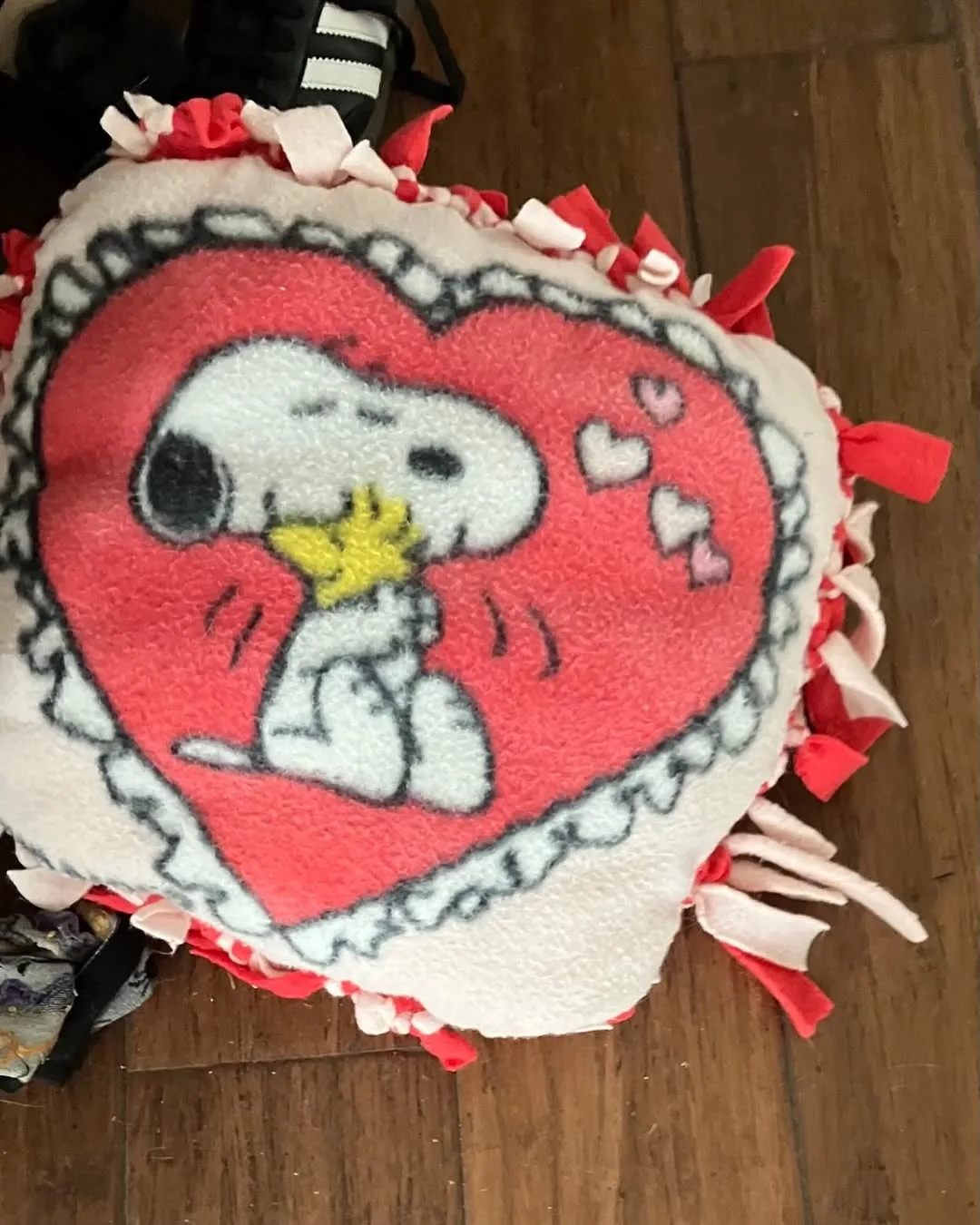
Calm crafting comes from tying a no sew fleece heart pillow with knotted fringe, so children and non sewers join the fun. Materials stretch further, mess stays manageable, and cleanup afterwards takes only minutes. Anyone learning how to sew a heart pillow hears the same advice everywhere: cut carefully, sew slowly and stuff firmly before closing.
Practical planning keeps effort realistic. Cut two large fleece hearts, snip a fringe around both edges, lay the hearts together, tie matching fringe pairs in double knots around three sides, stuff with soft filling, then tie the rest closed. Test one finished sample before the group starts, because a clear example prevents most confusion.
Best results come for children, school groups and makers with no sewing tools at all. Simple steps, forgiving materials and quick finishes matter more than perfect technique.
Picture the routine in real life. One classroom tied fleece hearts for a charity sale, and every pillow sold before the lunch break ended. Teachers and parents asked for the idea again, and it joined the regular craft day list.
Watch out for cutting fringe strips too short, because stubby ties refuse to knot and the seam pops open when hugged. Slow down, fix the setup first, and repeat the small version until the habit holds on busy days too.
Anti Pill Polar Fleece Fabric by the Yard: Soft fleece that does not fray, so tied and knotted edges stay neat without any sewing.
Small heart pillow sachet
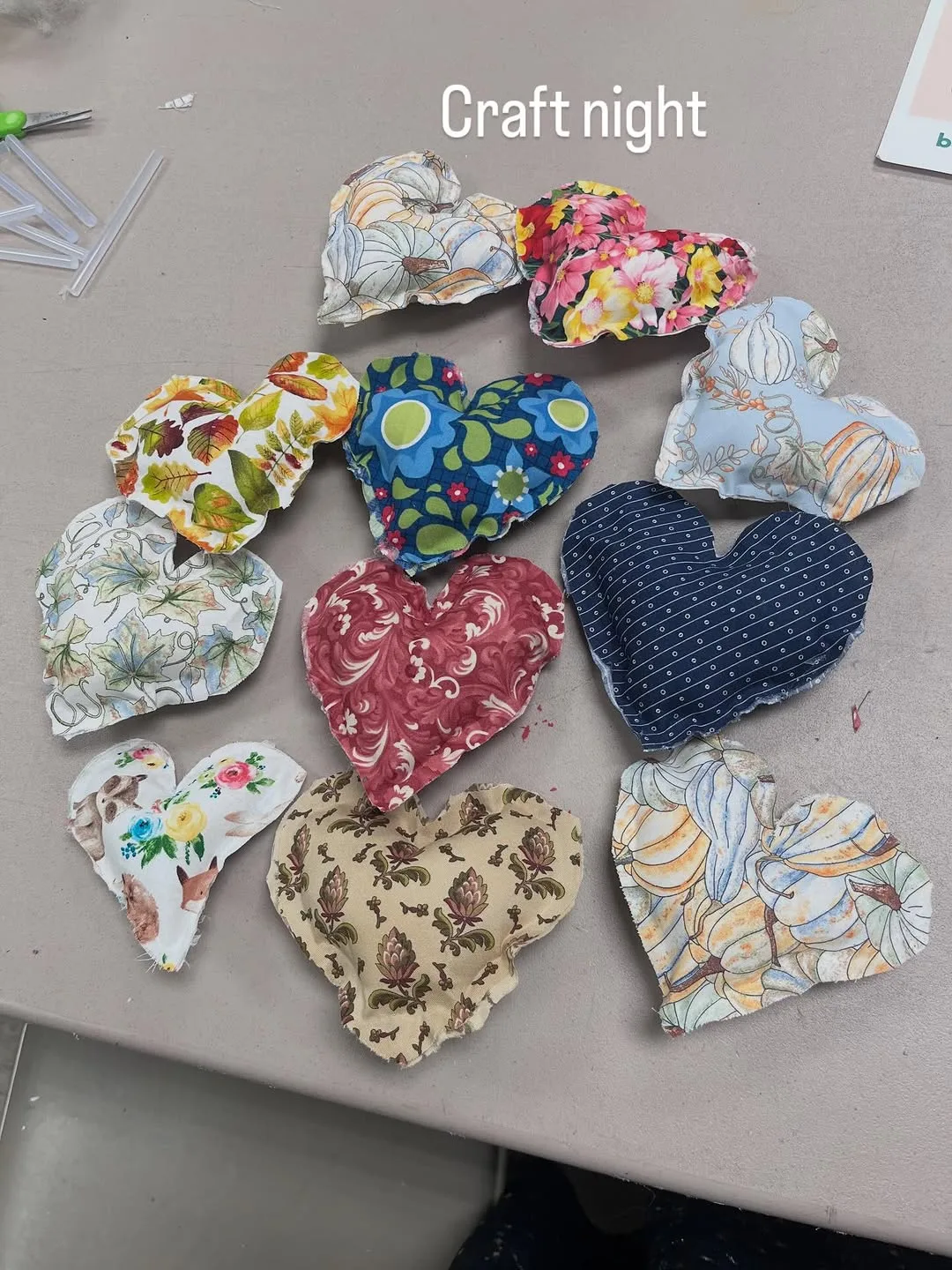
Lovely results follow from sewing a small heart pillow sachet filled with dried lavender, so drawers and wardrobes smell gentle for months. Confidence builds with every finished piece, and the craft box empties in the happiest way.
Practical planning keeps effort realistic. Cut two hearts around ten centimeters wide from cotton, sew and turn them, fill with a mix of rice and dried lavender buds, and close with tiny stitches before tying on a ribbon loop. Keep a damp cloth and a scrap bin on the table, so small spills never become big stops.
Happiest users are gift givers, drawer organizers and wedding favor makers. Success comes from matching the project to the maker sitting at the table, not to a photo online.
Picture the routine in real life. One set of lavender hearts went into a bride dress box, and the scent greeted the owner at every opening for a year. Photos of the finished pieces looked joyful, because the projects matched real makers instead of a magazine shoot.
Watch out for filling the sachet to bursting, because tight little hearts strain their seams and spill lavender into the drawer. Change one part at a time, watch what happens for a week, and adjust sizes before buying more.
Dried Lavender Buds Half Pound: Fragrant dried buds that fill dozens of little sachet pillows from one generous bag.
Heart pillow with ruffles
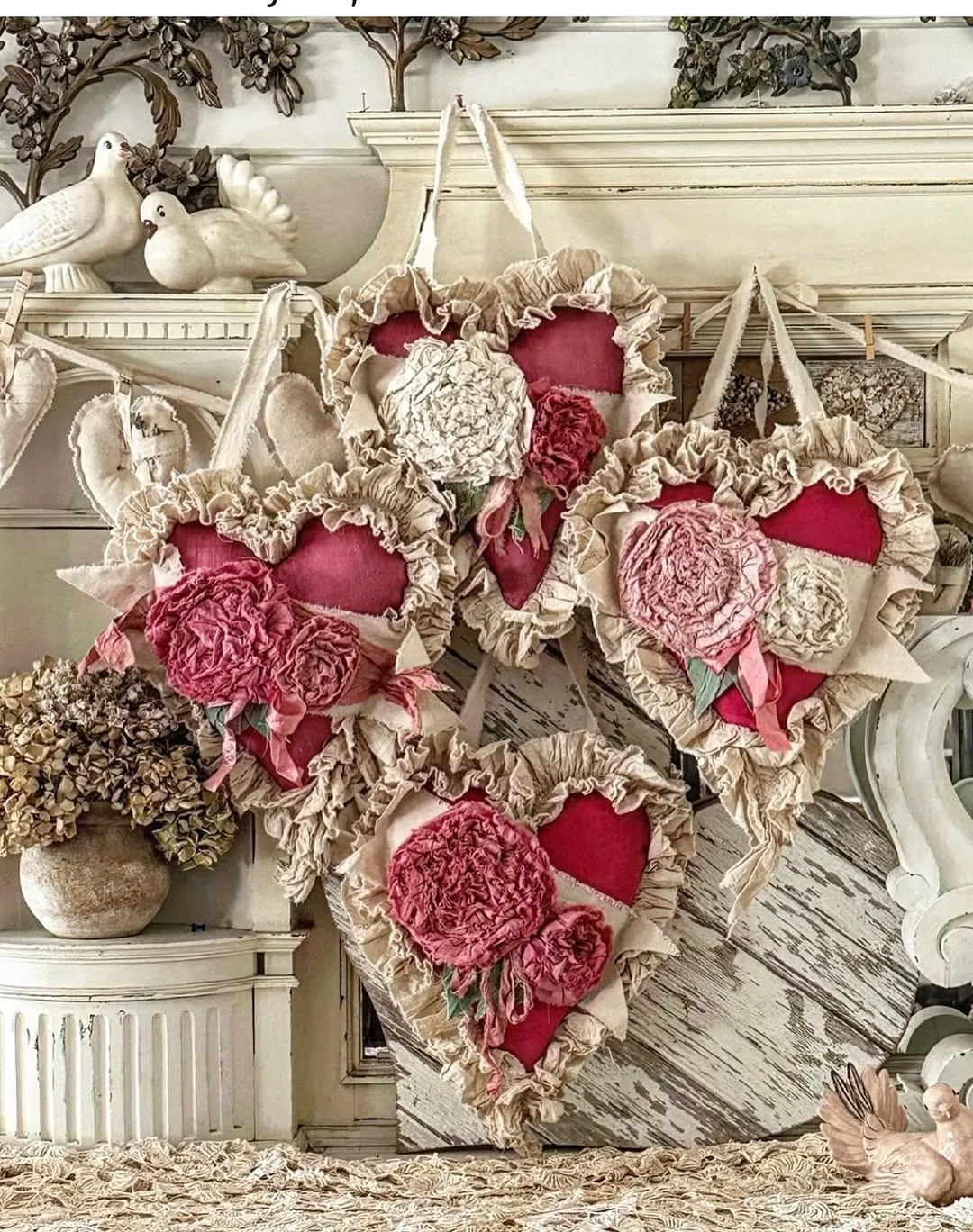
Happy crafting starts with sewing a heart pillow with ruffles around the edge, so a plain heart gains a romantic frame. Finished pieces look neat, makers feel proud, and every project leaves the table ready to give or display.
Practical planning keeps effort realistic. Make a gathered ruffle strip from a long fabric band, pin it between the two heart layers with gathers facing inward, sew slowly through all layers, turn, stuff and close, letting the ruffle bloom around the seam. Cut pieces in batches, lay out one finished sample, and keep glue, scissors and wipes within easy reach.
Strongest fit is romantic bedrooms, little girls rooms and Valentines gifts with extra charm. Small groups gain the most, because help arrives fast and nobody waits long for shared supplies.
Picture the routine in real life. One ruffled heart in blush cotton sat on a guest bed, and three visitors asked where it was bought. Praise from family members kept the idea in the regular rotation long after craft day ended.
Watch out for catching uneven gathers in the seam, because bunched ruffles twist the edge and the heart loses its clean outline. Write the rule on a label or note, because visible reminders protect good systems from quiet drift.
White Pleated Ruffle Lace Trim 10 Yards: Ready pleated ruffle trim that gives a pillow edge a full gathered look with half the work.
Large floor heart cushion
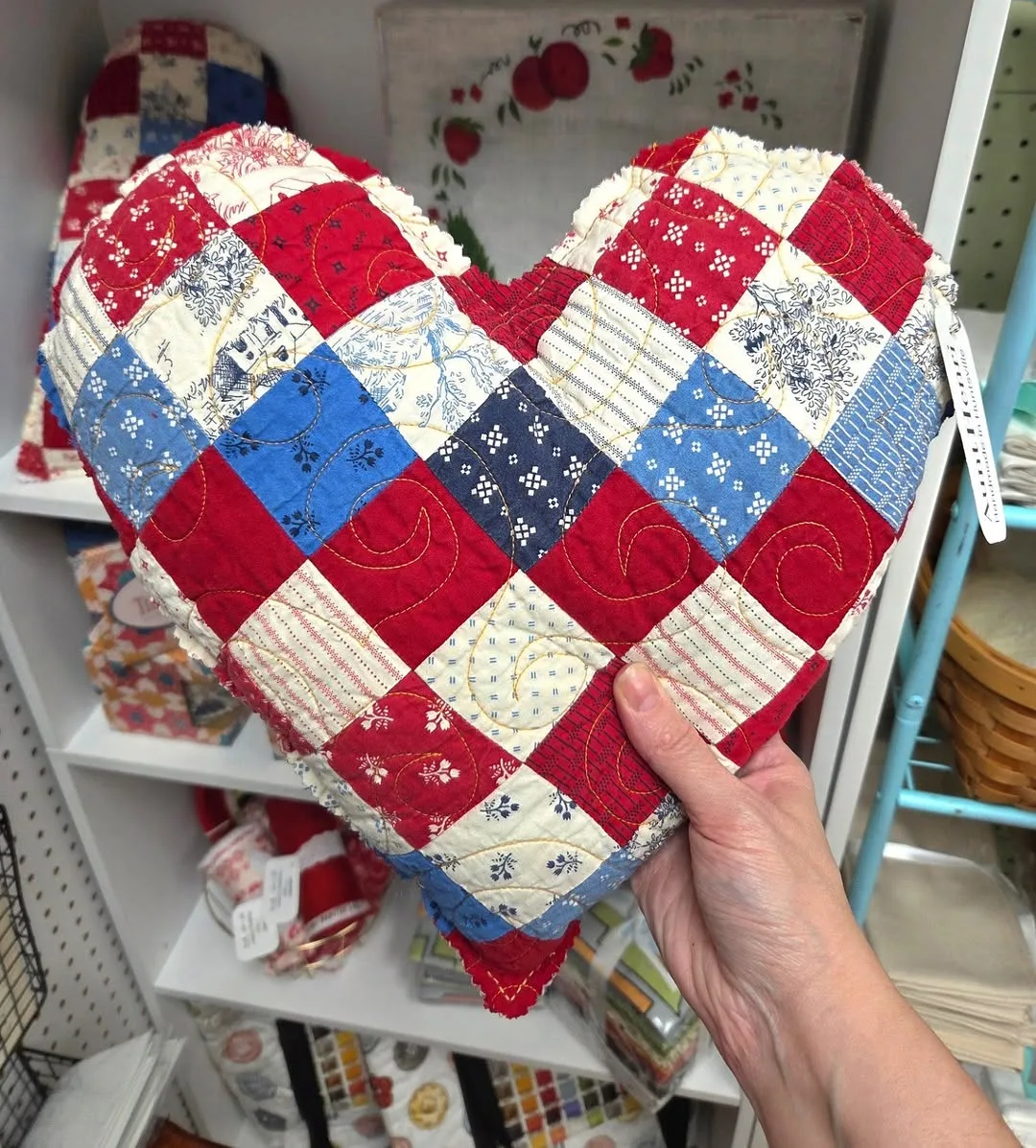
Good projects grow from sewing a large floor heart cushion for reading corners, so children gain a soft seat with real presence. Small hands stay busy, simple skills grow quietly, and every maker finishes with something to show. Anyone learning how to sew a heart pillow hears the same advice everywhere: cut carefully, sew slowly and stuff firmly before closing.
Practical planning keeps effort realistic. Scale the paper pattern up to seventy centimeters, cut hearts from sturdy cotton or canvas, sew with a stronger needle, stuff generously with firm filling, and add a fabric handle at the top for dragging between rooms. Cover the table first, pour small amounts of paint or glue at a time, and refill bowls as makers finish.
Best results come for families building reading corners, playrooms and teen bedrooms. Simple steps, forgiving materials and quick finishes matter more than perfect technique.
Picture the routine in real life. One giant heart cushion became the most fought over seat during family film nights for a whole winter. Teachers and parents asked for the idea again, and it joined the regular craft day list.
Watch out for under stuffing a large cushion, because big hearts sag flat within a month when filling sits loose and light. Slow down, fix the setup first, and repeat the small version until the habit holds on busy days too.
Bean Bag Filler Beads Refill 100L: Light polystyrene beads that let a big floor cushion hold its shape and stay easy to move.
Heart pillow with a pocket
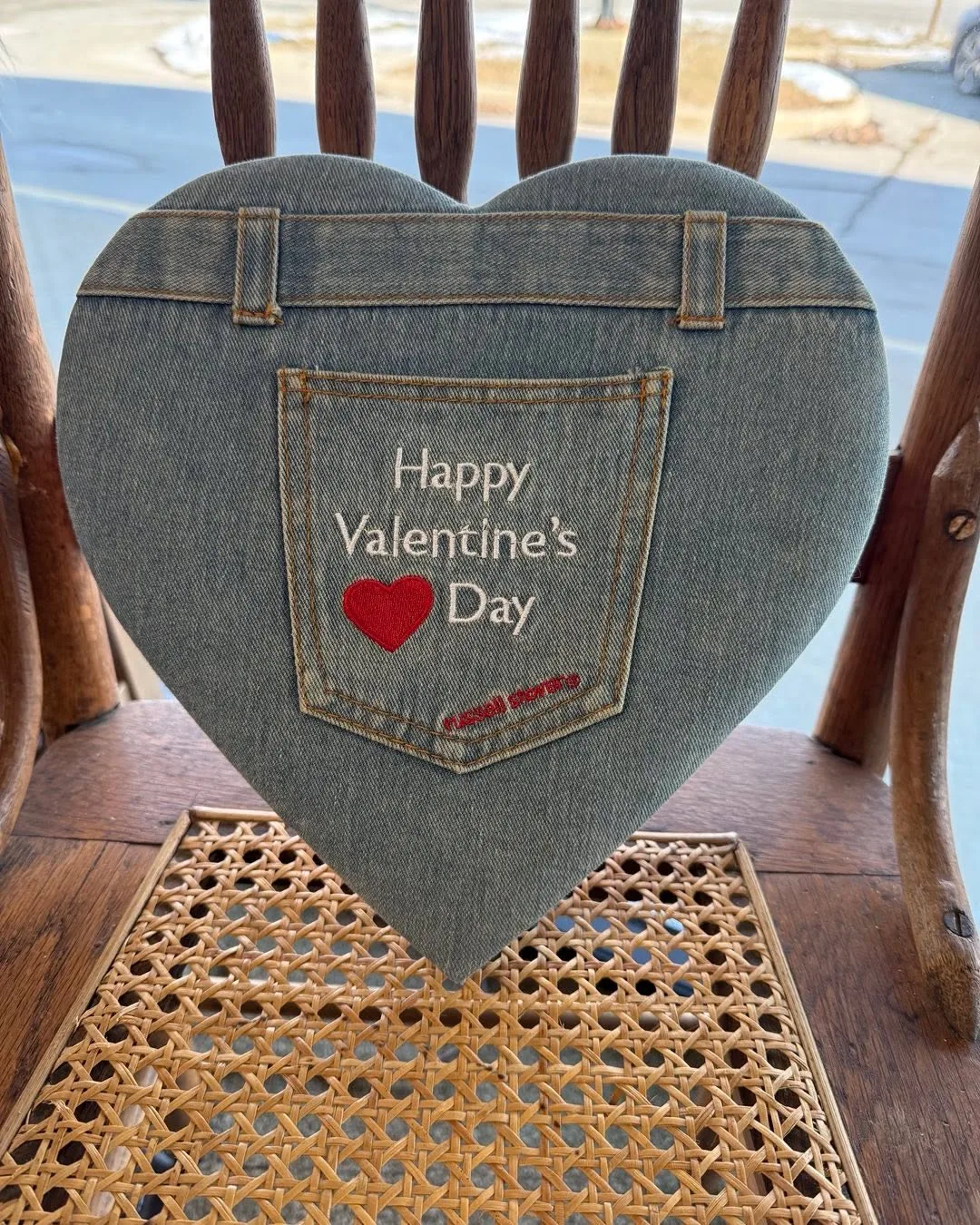
Proud makes begin with sewing a heart pillow with a pocket on the front, so notes, books and bedtime treasures hide inside. Tables stay calmer, steps feel easy, and even first attempts come out looking sweet.
Practical planning keeps effort realistic. Cut the two heart layers plus one half heart for the pocket, hem the pocket top edge, pin it onto the front layer, then sew the heart as usual so the pocket joins the main seam on both sides. Sort supplies into small bowls by step, because hunting for pieces breaks the making mood.
Happiest users are children who love secrets, tooth fairy visits and bedside book storage. Success comes from matching the project to the maker sitting at the table, not to a photo online.
Picture the routine in real life. One pocket heart held a new library book each Friday, and its owner checked the pocket before checking the shelf. Photos of the finished pieces looked joyful, because the projects matched real makers instead of a magazine shoot.
Watch out for placing the pocket too low, because low pockets spill their contents whenever the pillow gets hugged or moved. Change one part at a time, watch what happens for a week, and adjust sizes before buying more.
Mini Pocket Notebooks with Pens 6 Pack: Tiny notebooks with pens that slip into a pillow pocket for bedtime notes and sweet messages.
Patchwork heart pillow
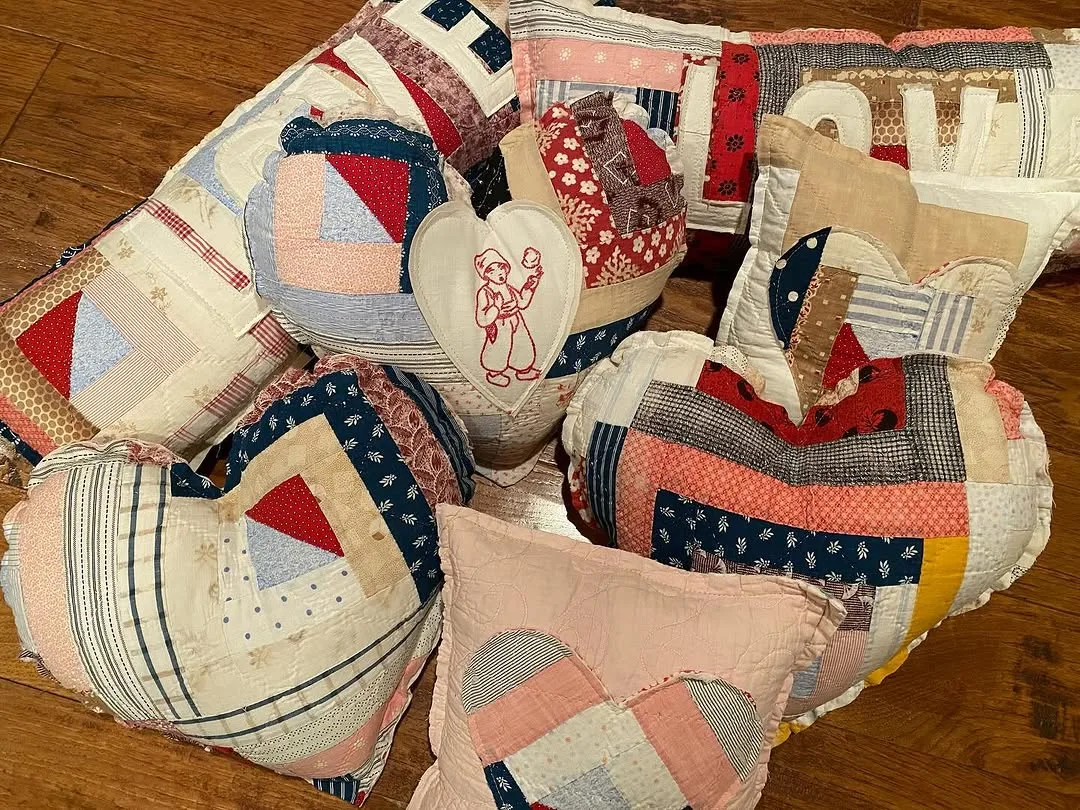
Calm crafting comes from piecing a patchwork heart pillow from fabric scraps, so the scrap basket turns into a keepsake. Materials stretch further, mess stays manageable, and cleanup afterwards takes only minutes.
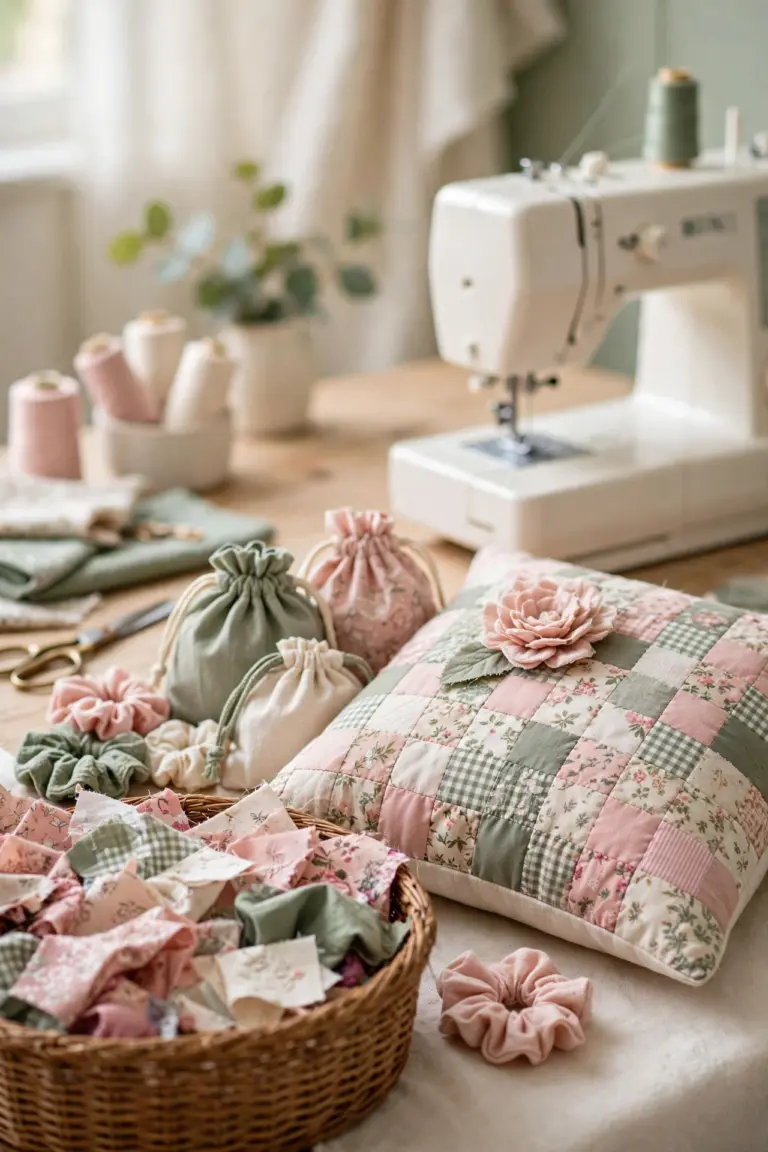
Practical planning keeps effort realistic. Join small squares or strips into two patchwork panels, press seams flat, cut one heart from each panel, sew the hearts together, stuff firmly and close, keeping prints balanced across both lobes. Test one finished sample before the group starts, because a clear example prevents most confusion.
Strongest fit is scrap lovers, quilters and makers who keep every pretty offcut. Small groups gain the most, because help arrives fast and nobody waits long for shared supplies.
Picture the routine in real life. One patchwork heart used pieces from a grandmother's old dresses, and the family treated it like an heirloom from day one. Praise from family members kept the idea in the regular rotation long after craft day ended.
Watch out for mixing thick and thin fabrics in one panel, because uneven layers pucker at the seams and the heart face wrinkles. Write the rule on a label or note, because visible reminders protect good systems from quiet drift.
Cotton Fat Quarters Bundle 7 Pieces: Precut cotton prints in patchwork friendly sizes that mix and match without waste.
Felt heart pillow
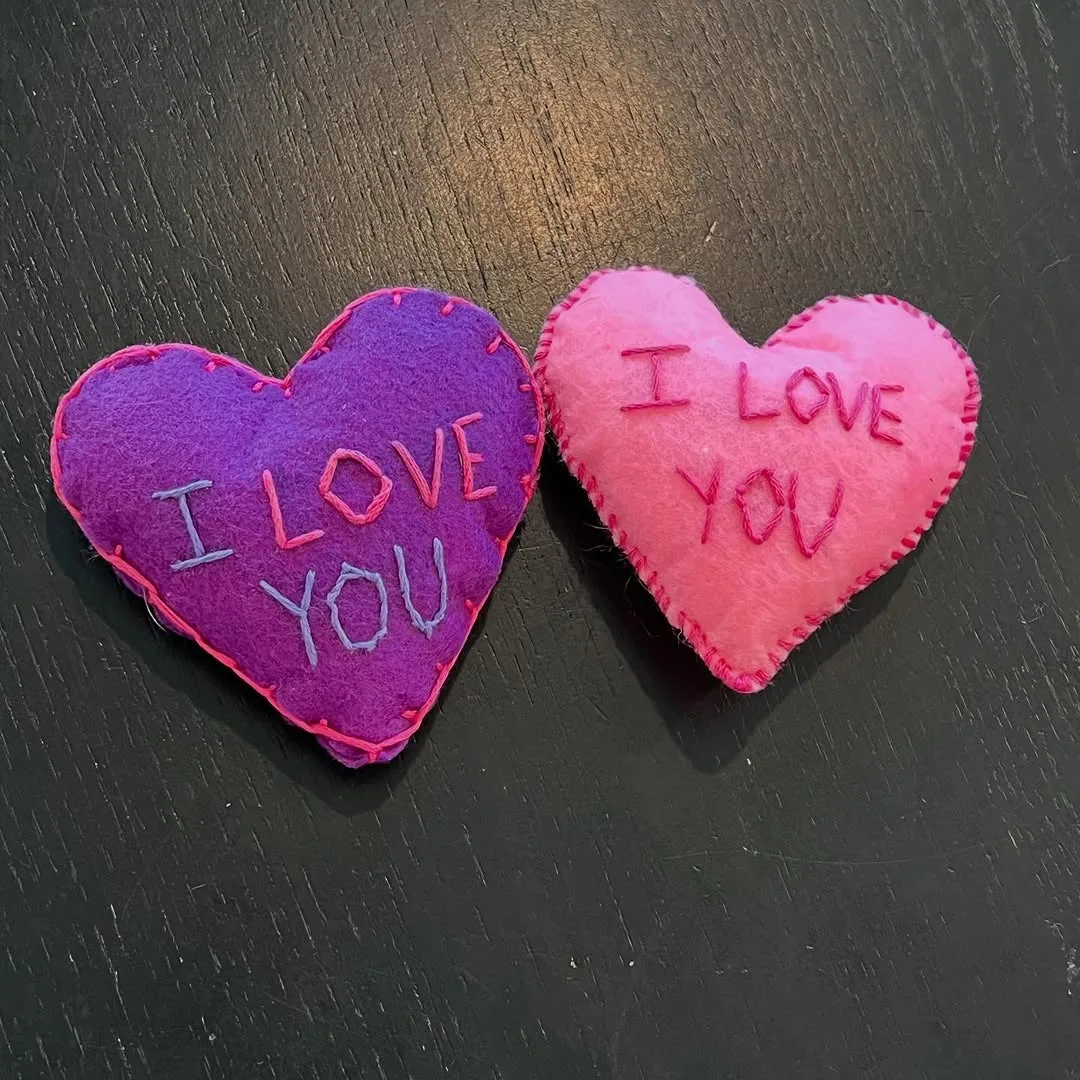
Lovely results follow from sewing a felt heart pillow with blanket stitch edges, so the seam becomes the decoration. Confidence builds with every finished piece, and the craft box empties in the happiest way. Anyone learning how to sew a heart pillow hears the same advice everywhere: cut carefully, sew slowly and stuff firmly before closing.
Practical planning keeps effort realistic. Cut two felt hearts, pin them together, work blanket stitch around the edge in contrasting thread, stuff gently before the final stitches, and finish with a small felt flower or button at the dip. Keep a damp cloth and a scrap bin on the table, so small spills never become big stops.
Best results come for hand sewers, children learning stitches and makers who love visible craft details. Simple steps, forgiving materials and quick finishes matter more than perfect technique.
Picture the routine in real life. One felt heart in mustard and cream hung in a craft room window, and the stitching caught the light like embroidery. Teachers and parents asked for the idea again, and it joined the regular craft day list.
Watch out for stretching the felt while stitching, because pulled felt warps the lobes and the heart dries lopsided. Slow down, fix the setup first, and repeat the small version until the habit holds on busy days too.
Craft Felt Sheets Assorted Colors 40 Pack: Firm felt sheets that cut cleanly and hold a heart shape with no hemming at all.
Sleepy face heart pillow
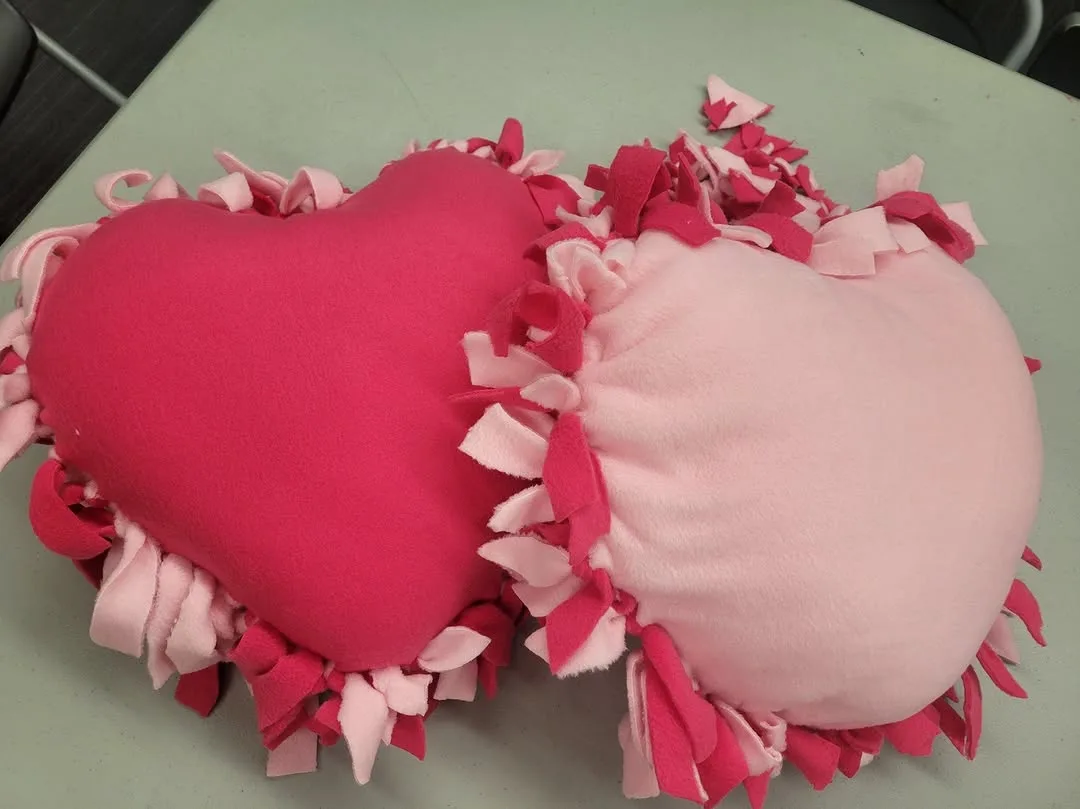
Happy crafting starts with sewing a sleepy face heart pillow with embroidered eyes, so nursery corners gain a gentle character. Finished pieces look neat, makers feel proud, and every project leaves the table ready to give or display.
Practical planning keeps effort realistic. Sew a plain cotton heart, embroider two curved closed eyes and a small smile on the front layer before assembly, add rosy fabric cheeks, then stuff softly so the face stays smooth and calm. Cut pieces in batches, lay out one finished sample, and keep glue, scissors and wipes within easy reach.
Happiest users are nurseries, baby gifts and calm corners for toddlers. Success comes from matching the project to the maker sitting at the table, not to a photo online.
Picture the routine in real life. One sleepy heart sat in a nursery rocker, and the baby reached for its soft cheeks during every feed. Photos of the finished pieces looked joyful, because the projects matched real makers instead of a magazine shoot.
Watch out for embroidering the face after stuffing, because a stuffed surface fights the needle and the stitches land uneven. Change one part at a time, watch what happens for a week, and adjust sizes before buying more.
Embroidery Floss Skeins 124 Colors: A full rainbow of six strand floss for stitching sleepy eyes, smiles and tiny details.
Heart pillow with piping
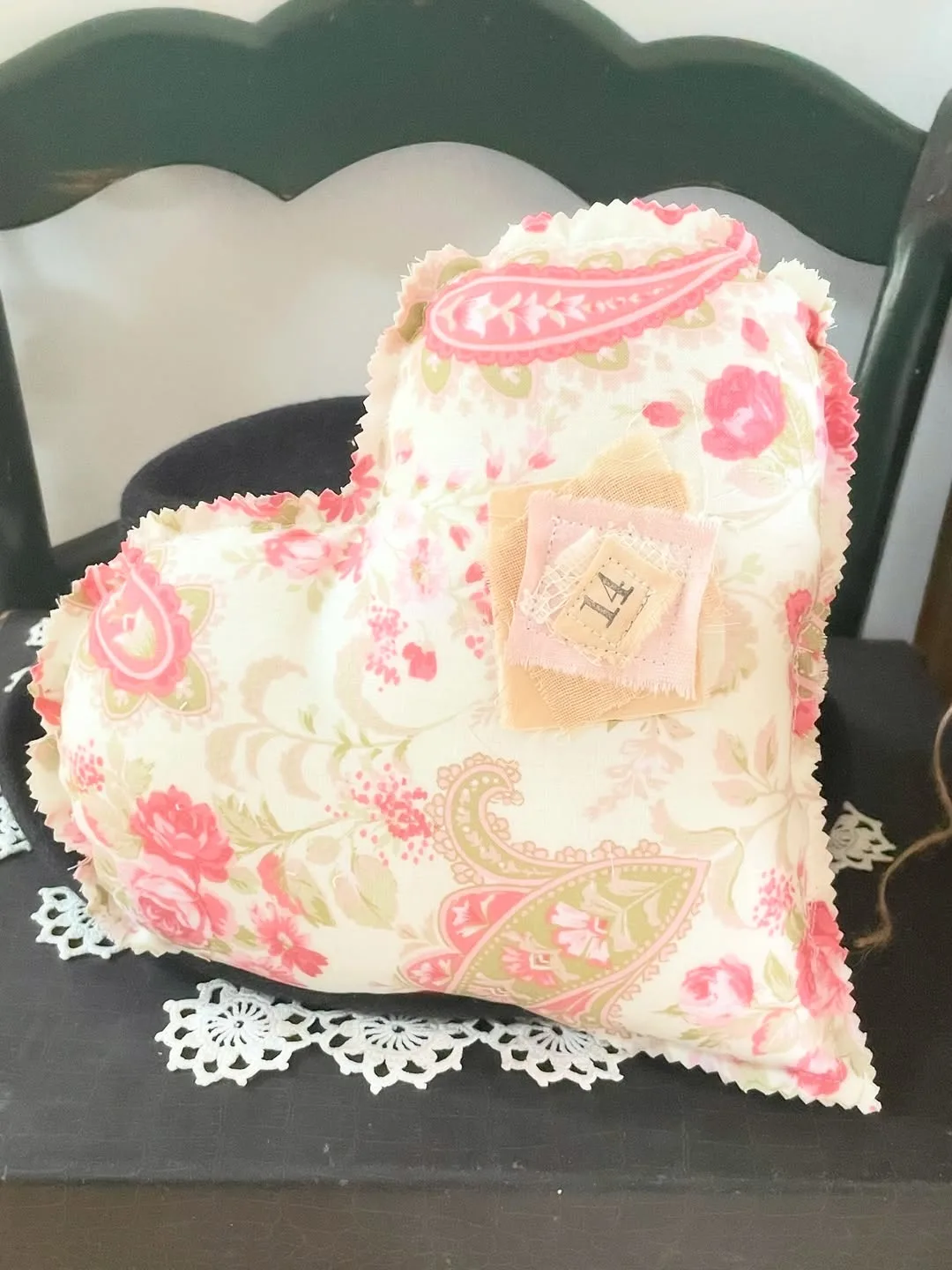
Good projects grow from sewing a heart pillow with piping along the seam, so a simple heart gains a tailored outline. Small hands stay busy, simple skills grow quietly, and every maker finishes with something to show.
Practical planning keeps effort realistic. Make or buy piping cord covered in contrast fabric, pin it around the front heart edge with the cord facing inward, sew close to the cord, join the ends neatly at the bottom point, then complete the pillow as usual. Cover the table first, pour small amounts of paint or glue at a time, and refill bowls as makers finish.
Strongest fit is confident beginners ready for one new technique and tailored home decor. Small groups gain the most, because help arrives fast and nobody waits long for shared supplies.
Picture the routine in real life. One piped heart in sage and cream lifted a whole plain sofa, and guests assumed a shop had made it. Praise from family members kept the idea in the regular rotation long after craft day ended.
Watch out for letting the piping ends cross at the point, because a bulky join at the tip bends the heart point sideways. Write the rule on a label or note, because visible reminders protect good systems from quiet drift.
Cotton Piping Cord 46 Yards: Smooth cotton cord that makes crisp covered piping for a sharp, professional pillow edge.
Heart pillow with embroidered name
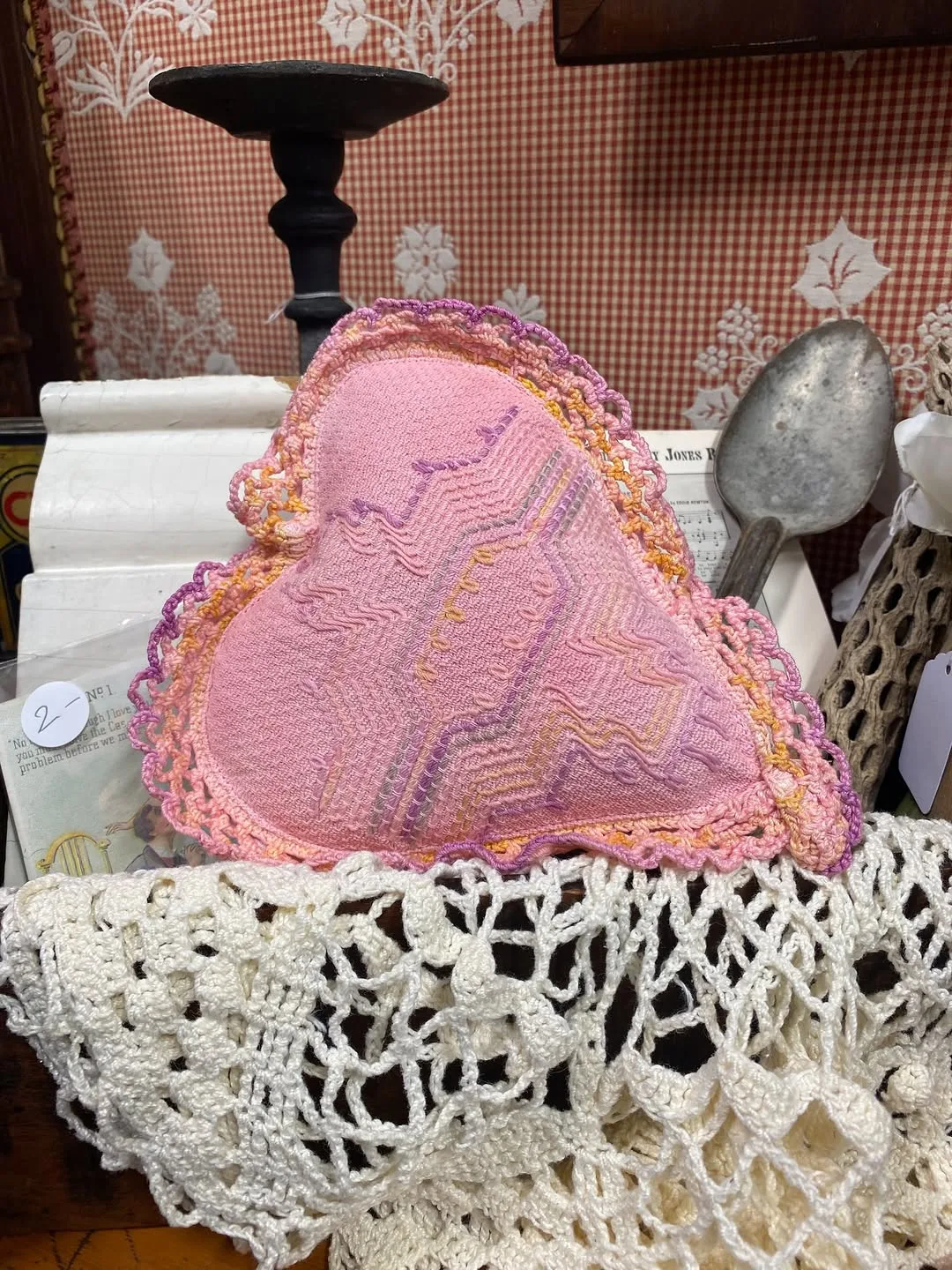
Proud makes begin with embroidering a name across a heart pillow, so a simple gift becomes personal and unmistakable. Tables stay calmer, steps feel easy, and even first attempts come out looking sweet. Anyone learning how to sew a heart pillow hears the same advice everywhere: cut carefully, sew slowly and stuff firmly before closing.
Practical planning keeps effort realistic. Sew a plain heart in a light fabric, mark the name lightly in pencil across the center, embroider with backstitch in a darker thread before final stuffing checks, or add the stitching to the front layer before assembly. Sort supplies into small bowls by step, because hunting for pieces breaks the making mood.
Best results come for gift givers marking birthdays, new babies and weddings. Simple steps, forgiving materials and quick finishes matter more than perfect technique.
Picture the routine in real life. One named heart went to a newborn photo shoot, and the parents ordered two more for grandparents. Teachers and parents asked for the idea again, and it joined the regular craft day list.
Watch out for writing the name too large for the lobes, because oversized letters crowd the curve and the heart reads messy. Slow down, fix the setup first, and repeat the small version until the habit holds on busy days too.
Stamped Embroidery Starter Kit for Beginners: A practice kit with stamped cloth, hoops and thread for learning name stitching before the real pillow.
Denim heart pillow from old jeans
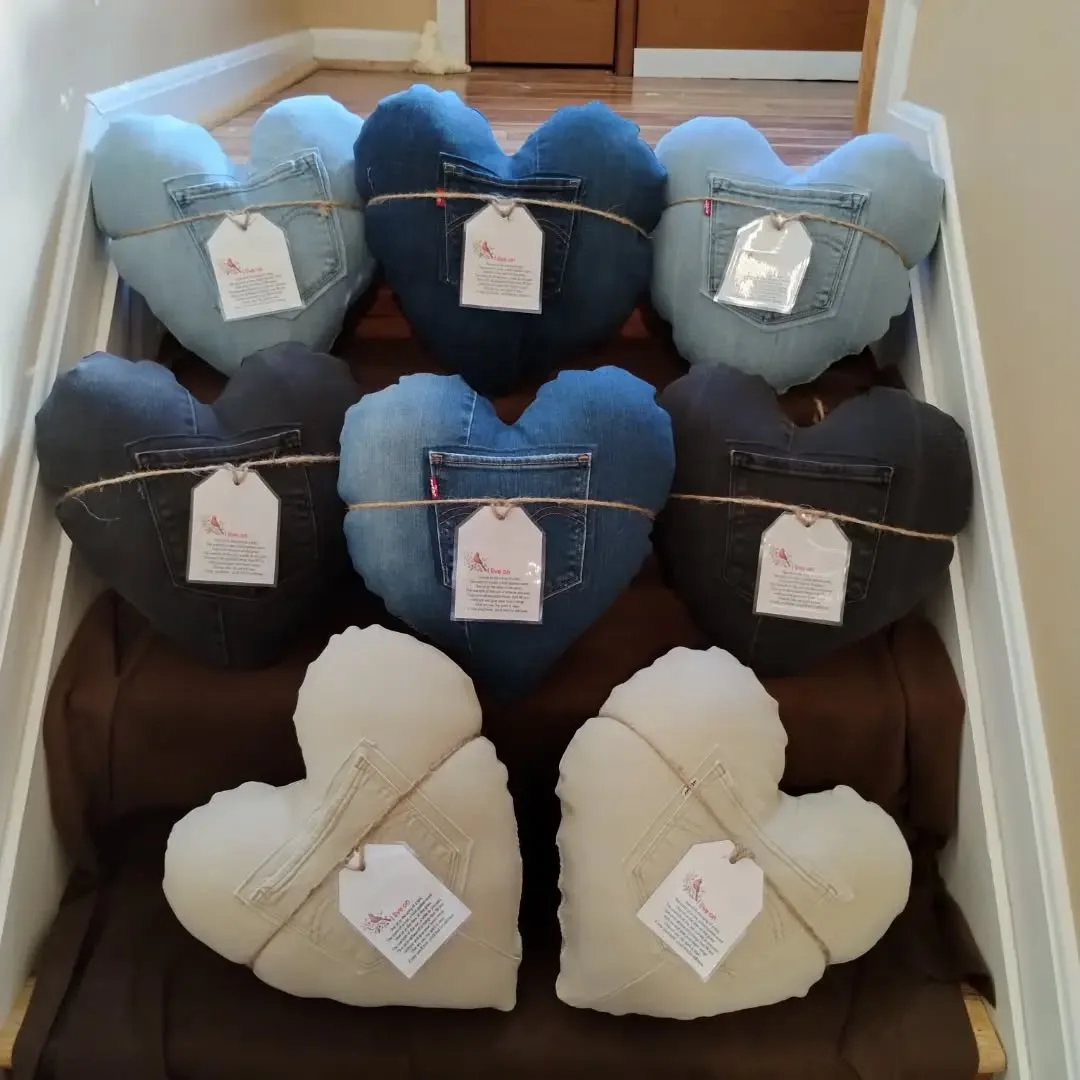
Calm crafting comes from sewing a denim heart pillow from old jeans, so worn favorites keep working as decor. Materials stretch further, mess stays manageable, and cleanup afterwards takes only minutes.
Practical planning keeps effort realistic. Cut heart layers from the flat leg panels of clean old jeans, keep one pocket on the front layer for character, sew with a denim needle, stuff firmly and close, using the strong seams as part of the design. Test one finished sample before the group starts, because a clear example prevents most confusion.
Happiest users are teen rooms, casual sofas and makers who hate throwing good fabric away. Success comes from matching the project to the maker sitting at the table, not to a photo online.
Picture the routine in real life. One denim heart made from a father's worn out jeans became the most hugged cushion in a student flat. Photos of the finished pieces looked joyful, because the projects matched real makers instead of a magazine shoot.
Watch out for sewing over thick jean seams without slowing down, because doubled denim snaps needles and skips stitches. Change one part at a time, watch what happens for a week, and adjust sizes before buying more.
Denim Sewing Machine Needles Size 16: Strong sharp needles made for denim that sew through thick jean seams without snapping.
Heart pillow with lace trim
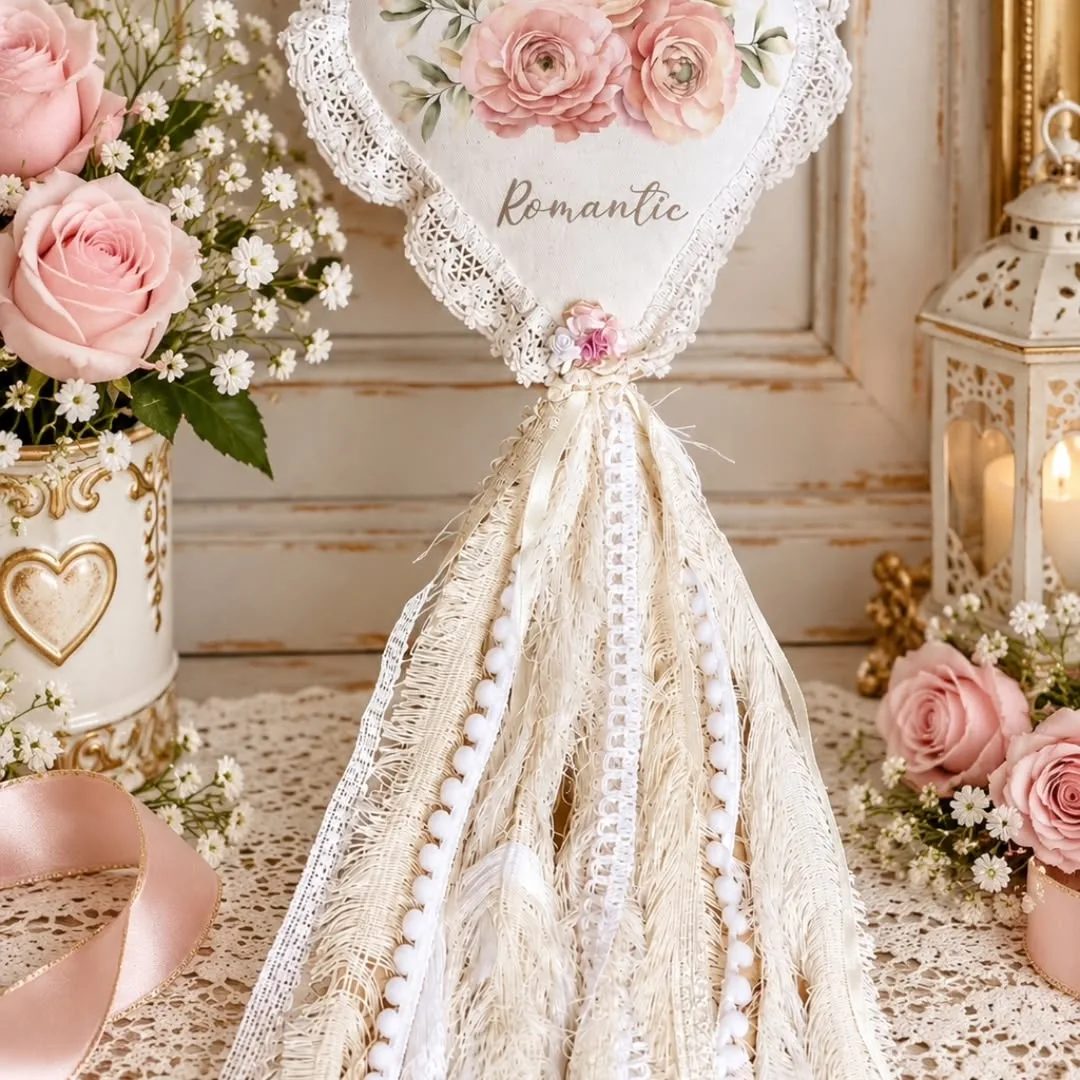
Lovely results follow from sewing a heart pillow with lace trim tucked into the seam, so vintage softness frames the shape. Confidence builds with every finished piece, and the craft box empties in the happiest way.
Practical planning keeps effort realistic. Pin lace along the front heart edge with the pattern facing inward, baste it in place, sew the heart layers together, turn and stuff, and let the lace edge peek out evenly around the whole curve. Keep a damp cloth and a scrap bin on the table, so small spills never become big stops.
Strongest fit is vintage style bedrooms, wedding decor and gentle gift wrapping alternatives. Small groups gain the most, because help arrives fast and nobody waits long for shared supplies.
Picture the routine in real life. One lace trimmed heart rested on a wedding gift table holding the rings, and photos of it traveled far. Praise from family members kept the idea in the regular rotation long after craft day ended.
Watch out for choosing stiff lace, because rigid trim refuses the curve and sticks out in points instead of soft waves. Write the rule on a label or note, because visible reminders protect good systems from quiet drift.
White Scalloped Cotton Lace Trim 20 Yards: Delicate cotton lace with a scalloped edge that softens a pillow and washes well.
Tiny heart pillow bag charm
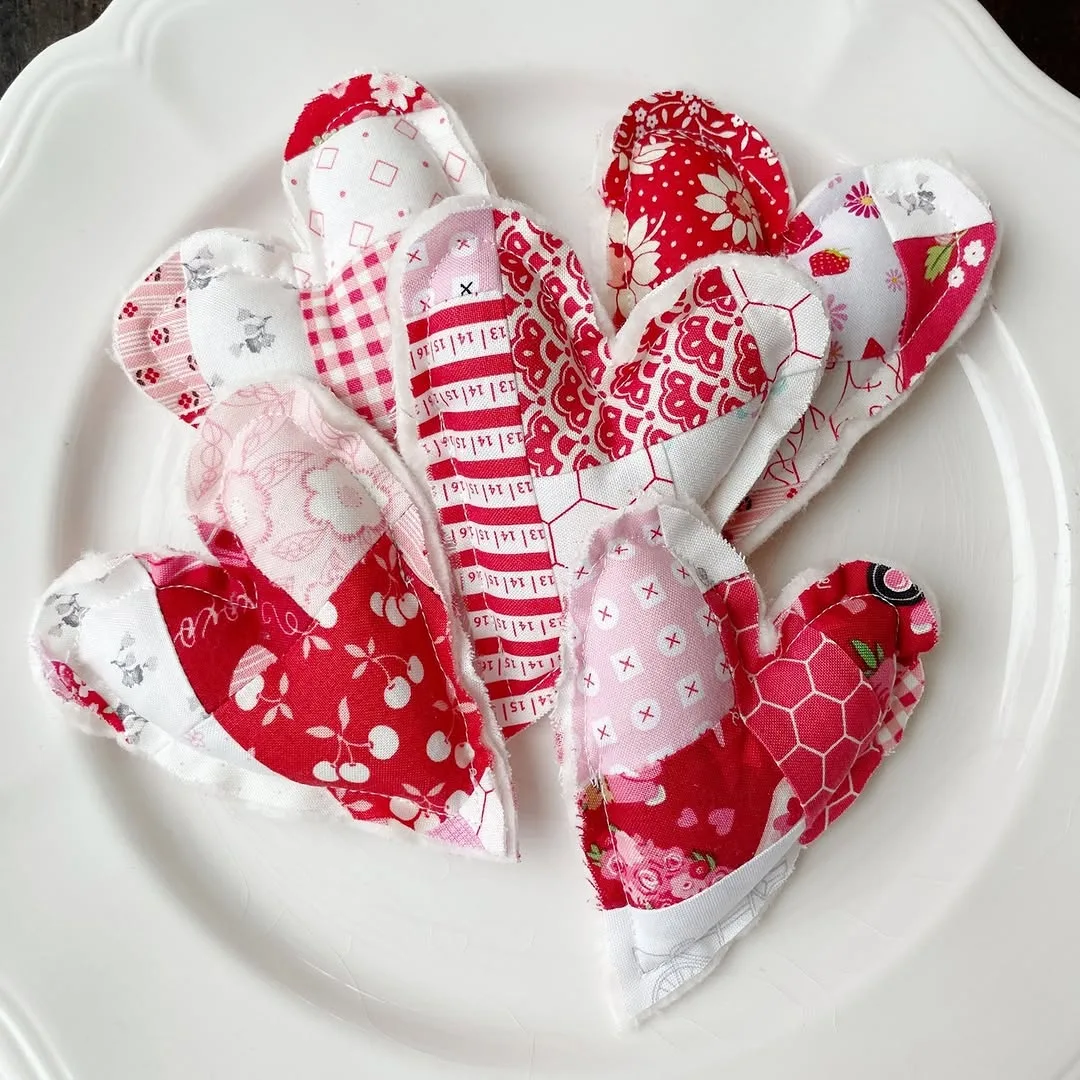
Happy crafting starts with sewing a tiny heart pillow bag charm with a ribbon loop, so bags and keys carry a soft handmade touch. Finished pieces look neat, makers feel proud, and every project leaves the table ready to give or display. Anyone learning how to sew a heart pillow hears the same advice everywhere: cut carefully, sew slowly and stuff firmly before closing.
Practical planning keeps effort realistic. Cut two hearts around six centimeters wide from felt or cotton scraps, sew or blanket stitch the edges, stuff with one pinch of filling, and sew a folded ribbon loop into the top dip before closing. Cut pieces in batches, lay out one finished sample, and keep glue, scissors and wipes within easy reach.
Best results come for party favors, stocking fillers and makers using the very last scraps. Simple steps, forgiving materials and quick finishes matter more than perfect technique.
Picture the routine in real life. One batch of tiny hearts filled a market stall bowl, and shoppers added one to nearly every purchase. Teachers and parents asked for the idea again, and it joined the regular craft day list.
Watch out for skipping the stuffing pinch, because flat charms look like tags instead of tiny proud pillows. Slow down, fix the setup first, and repeat the small version until the habit holds on busy days too.
Lobster Claw Clasps and Key Rings Kit: Swivel clasps and rings that turn a tiny stuffed heart into a bag charm in seconds.
Common Mistakes to Avoid
Cutting the two heart pieces separately instead of on folded fabric creates mismatched halves, because tiny shifts in the scissors change the curve. Cutting both layers together, pinned firmly, keeps the pair identical and the seam honest.
Sewing the deep top curve of the heart too sharply pulls the finished pillow into a point, since the inward V of a heart needs clipping and patience. Snipping tiny notches into the seam allowance at the dip lets the curve turn smooth and round.
Under stuffing the pillow leaves sad wrinkles across the face, while over stuffing strains the seam at the point. Filling in small handfuls, pushing stuffing into the lobes first, gives a plump heart that keeps its shape on the sofa.
Budget Friendly Ways to Sew Heart Pillows
Smart spending starts with fabric already at home, including outgrown shirts, spare pillowcases, curtain offcuts and denim from worn jeans. Honest scraps carry memories into the gift, and a heart shape needs so little fabric that one shirt often makes two pillows.
Stuffing costs less when bought as one large bag shared across several projects, or when rescued from a tired cushion that no longer earns its place. Washing and drying rescued stuffing in a pillowcase restores loft for almost no money.
Paper patterns cost nothing beyond a sheet of baking paper or an old calendar page, and one good pattern serves every size with simple scaling on a photocopier. Saving the pattern flat in an envelope keeps the whole list repeatable for years.
Simple Tips for Smooth Heart Pillow Seams
Draw. Draw the heart on paper first and fold the paper in half before cutting, because a folded pattern guarantees two matching lobes. Symmetry drawn once saves unpicking later.
Pin. Pin the curve generously with pins close together, because heart curves creep sideways under the presser foot when pins sit far apart. Close pins turn curves from luck into routine.
Extra guidance for anyone learning how to sew a heart pillow comes from sewing one small test heart in scrap fabric first, checking the curve, the stuffing and the closing stitch before good fabric meets the scissors.
Clip. Clip tiny notches into the seam allowance at the top dip and the bottom point, so the turned heart lies smooth instead of puckered. Clipped curves sit flat on sofas and beds.
Stuff. Push stuffing into the two lobes first with a chopstick or pencil, because full lobes keep the heart shape proud and rounded. Firm lobes stop the heart looking deflated by March.
Remember that patient stitching matters more than speed, because every how to sew a heart pillow project rewards slow seams with smooth curves and tidy points. A heart finished calmly today becomes the pattern for a dozen gifts tomorrow.
Close. Close the opening with a ladder stitch and matching thread, because hidden stitches keep the handmade finish clean and gift worthy. Neat closing stitches fool every gift receiver.
Press. Press the finished heart gently with a warm iron around the seam, because a short press sharpens the outline beautifully. Pressed seams make simple cotton look shop bought.
FAQ
What fabric works best for a first heart pillow?
Medium weight cotton, quilting cotton and soft linen forgive beginners kindly, because they feed evenly, press well and hide small stitch wobbles. Stretchy jersey and slippery satin fight the curve and belong to later projects.
How much fabric and stuffing does one heart need?
One heart around thirty centimeters wide uses roughly half a meter of fabric and a generous double handful of stuffing per ten centimeters of height. Bigger floor cushions need far more filling, so buy stuffing after settling the size.
Can a heart pillow be sewn entirely by hand?
Hand sewing suits felt and cotton hearts beautifully with a simple running stitch or backstitch worked slowly around the curve. Many makers who sew entirely by hand find the pace relaxing, and seams stay strong when stitches sit small and even.
How do you keep the heart shape even on both sides?
Fold the paper pattern in half and cut both lobes from the folded edge, then cut fabric pieces together in one pinned stack. Checking the turned heart against a window light shows thin spots before closing.
Can heart pillows be washed?
Most cotton heart pillows wash gently on a cool cycle inside a pillowcase, then air dry with a few firm pats to restore the shape. Felt, beaded and embroidered styles prefer spot cleaning so details stay crisp.
What size suits a gift heart?
Hearts between twenty and thirty five centimeters feel generous in the hands without overwhelming a bed or sofa. Tiny sachet hearts around ten centimeters suit drawers, coat pockets and wedding favor bags instead.
Conclusion
Your first finished heart proves that how to sew a heart pillow is a skill any patient beginner can learn in one afternoon with fabric already at home. Simple shapes, slow seams and firm stuffing carry every style on this list.
Pick one style from this list, draw the pattern this week, and let the rest wait until the fabric basket and the calendar feel ready. Small finished pillows build confidence and keep spending calm and sensible.
Enjoy the soft row that follows, and let one plump heart remind everyone why handmade things deserve a date in the calendar every season. One pattern, one curve and one kind gift at a time, a simple shape becomes a keepsake.