15 Toy Storage Ideas That Keep Playrooms Tidy
Playrooms drown in toys faster than any other space, because birthdays, gifts and growing interests arrive constantly while outgrown toys rarely leave. Deep boxes hide treasures at the bottom, tiny pieces migrate into every room, and tidy up time becomes a daily argument nobody wins.
Relief comes from simple systems that match real family life, honest sorting, and storage that fits the space already owned. Strong toy storage ideas thinking puts daily items within easy reach and pushes rarely used pieces out of prime spots, so rooms serve the family instead of storing forgotten piles.
Inside this guide, fifteen practical ideas walk through the whole job in a sensible order, from the first honest sort to the tiny weekly habits that keep order alive. Every idea includes real quantities, budget friendly options, and the one mistake that quietly undoes good work in busy homes.
How does a strong toy storage ideas work in real homes?
Simple order wins every time: sort first, group second, store third, and label last of all. Order works when children can see, reach and return toys without adult help, which means low storage, clear categories and honest quantities. Rotation keeps shelves light, while labels and picture cues turn cleanup into a game children understand.
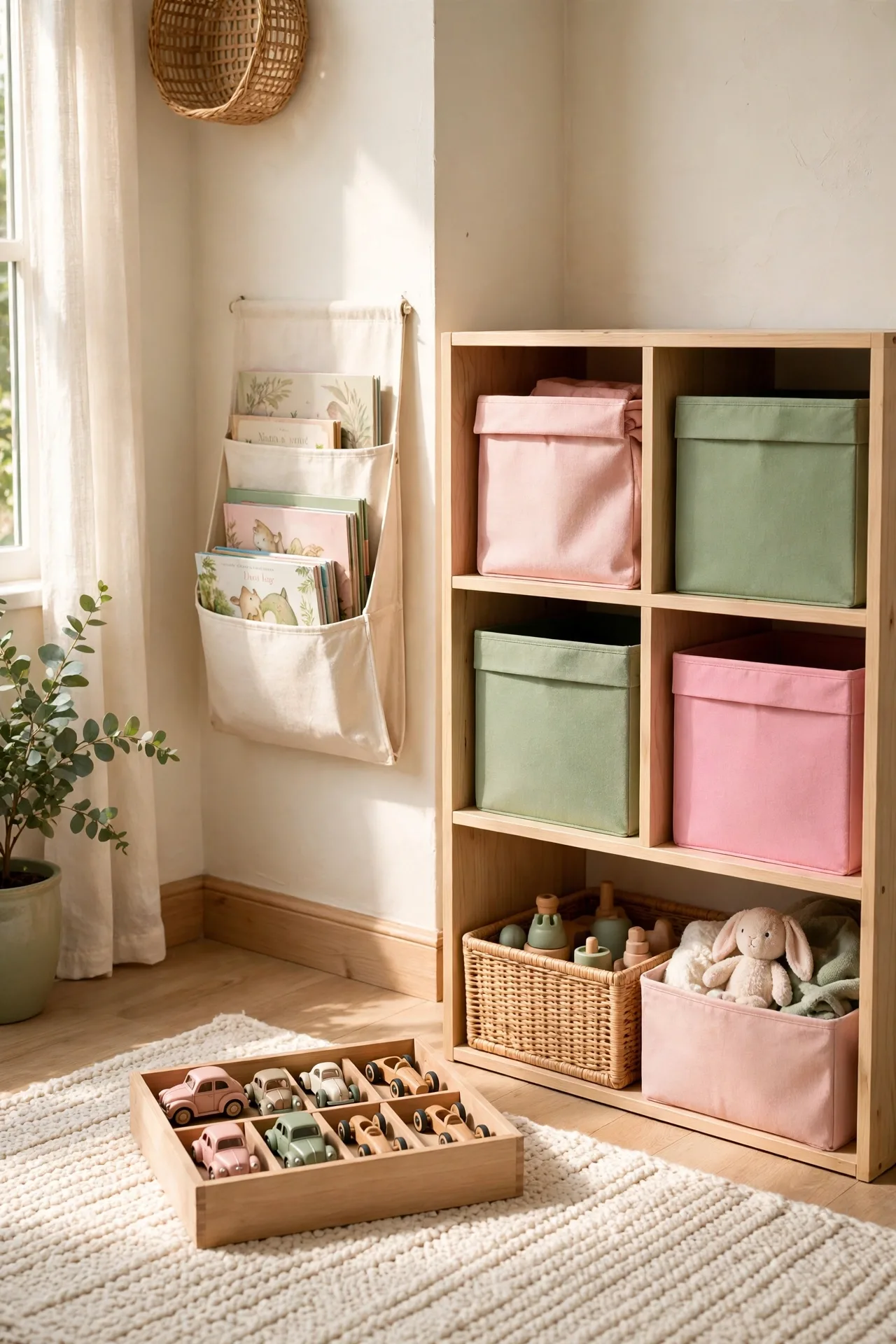
Picture one finished corner by tonight: cars sleep in a wooden box by the rug, picture books lean in a soft sling, and art supplies ride a rolling cart that parks in the corner. Children find favorites fast, and parents reclaim the floor before dinner every day.
Disclosure: As an Amazon Associate I earn from qualifying purchases. Some of the links below are affiliate links, which means Bloomie Living may earn a small commission if you buy through them, at no extra cost to you.
Low open bins for toddlers
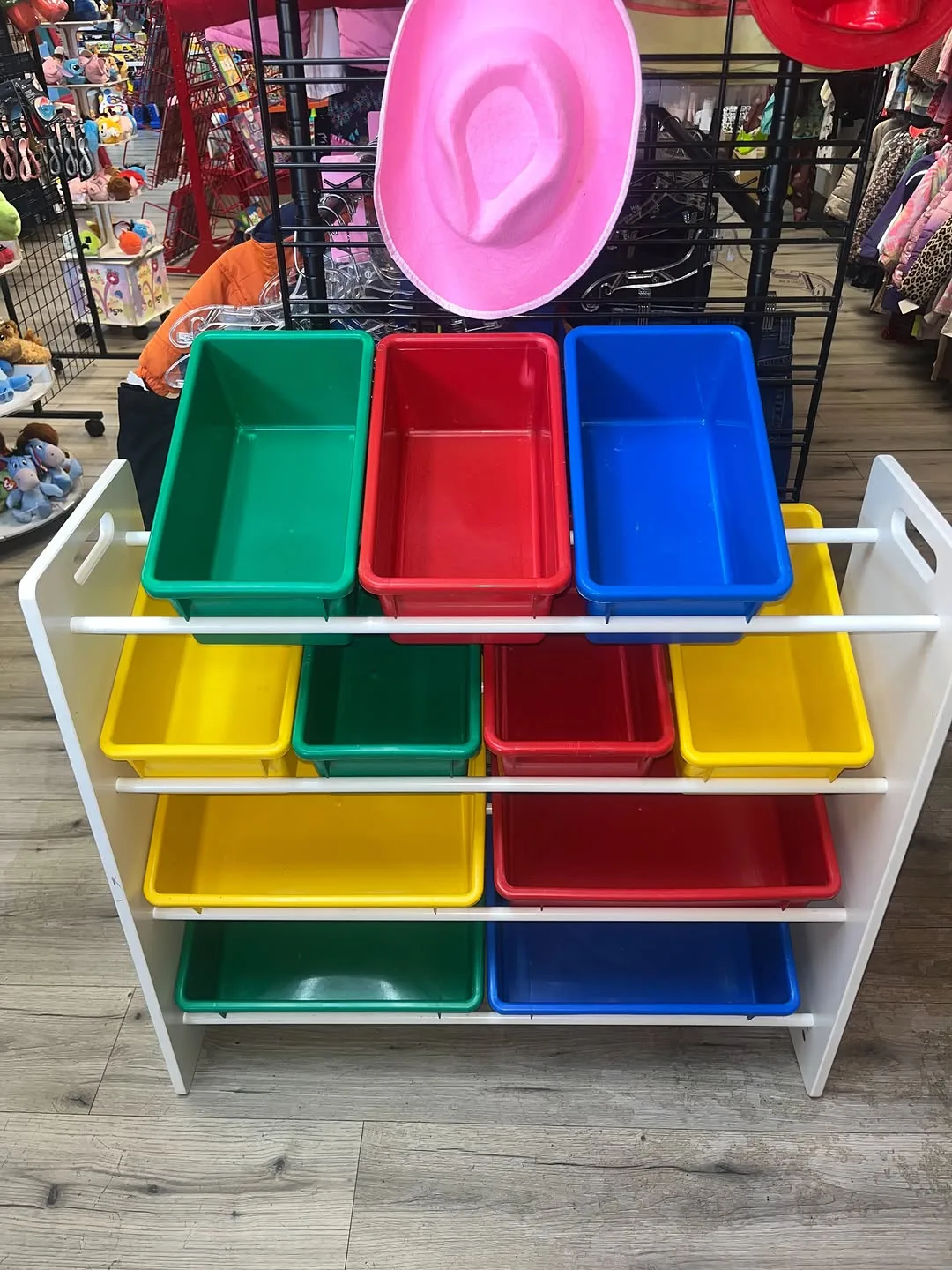
Good order grows from placing favorite toys in low open bins that small children can reach, carry and refill alone. Daily routines run smoother, guests can be welcomed without a scramble, and every item earns its place.
Practical planning keeps effort realistic. Choose light bins without lids, limit each bin to one category, and place bins along one wall at floor level. Work in short timed sessions, keep a donation bag by the door, and stop while energy is still high.
Happiest users are toddlers and preschoolers building independence during play and cleanup time. Success comes from placing items where hands naturally reach during the busiest hour of the day.
Picture the routine in real life. one nursery cut cleanup tears completely, because toddlers could finally succeed at putting toys home. Guests noticed the calm first, and the family noticed faster cleanups every single day afterwards.
Watch out for using bins too heavy or deep, because small arms give up and toys migrate to floors. Change one part at a time, watch what happens for a week, and adjust sizes before buying more storage.
Kids Toy Storage Organizer with 12 Plastic Bins White and Pink: Low open bins sit at toddler height so little hands can reach toys and toss them back without help.
Cube shelves with fabric boxes
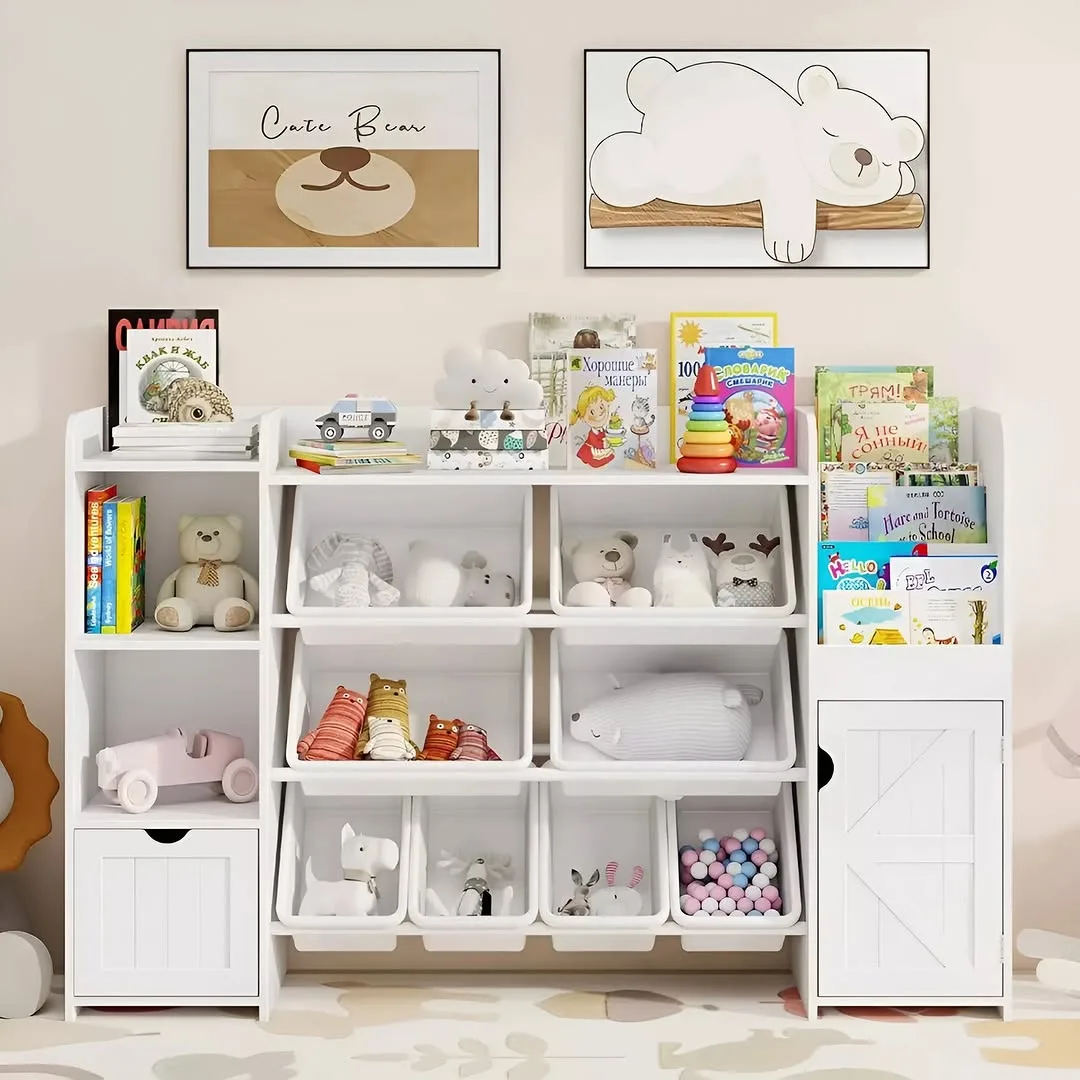
Calm rooms begin with dividing toys into fabric cubes inside a low cube shelf, one category per box. Finding things becomes quick, putting things away becomes obvious, and the whole space feels lighter.
Practical planning keeps effort realistic. Label boxes with words or pictures, keep daily favorites in middle cubes, and store heavier sets low for safety. Photograph the finished result, because a clear picture makes resetting the space fast and simple.
Strongest fit is families wanting tidy looking playrooms that still work for real children. Small homes gain the most, because every shelf and drawer must work hard without feeling crammed.
Picture the routine in real life. one family labeled eight cubes on Sunday, and grandparents could finally help with cleanup correctly. Praise from family members kept the system going long after the first tidy weekend ended.
Watch out for mixing categories inside cubes, because unlabeled mixed boxes become miniature toy boxes of doom. Write the rule on a label or note, because visible reminders protect good systems from quiet drift.
Collapsible Fabric Storage Bins with Handles 6 Pack: Fabric boxes fill cube shelves neatly and give each toy type its own soft, pull out box.
Rolling cart for art supplies
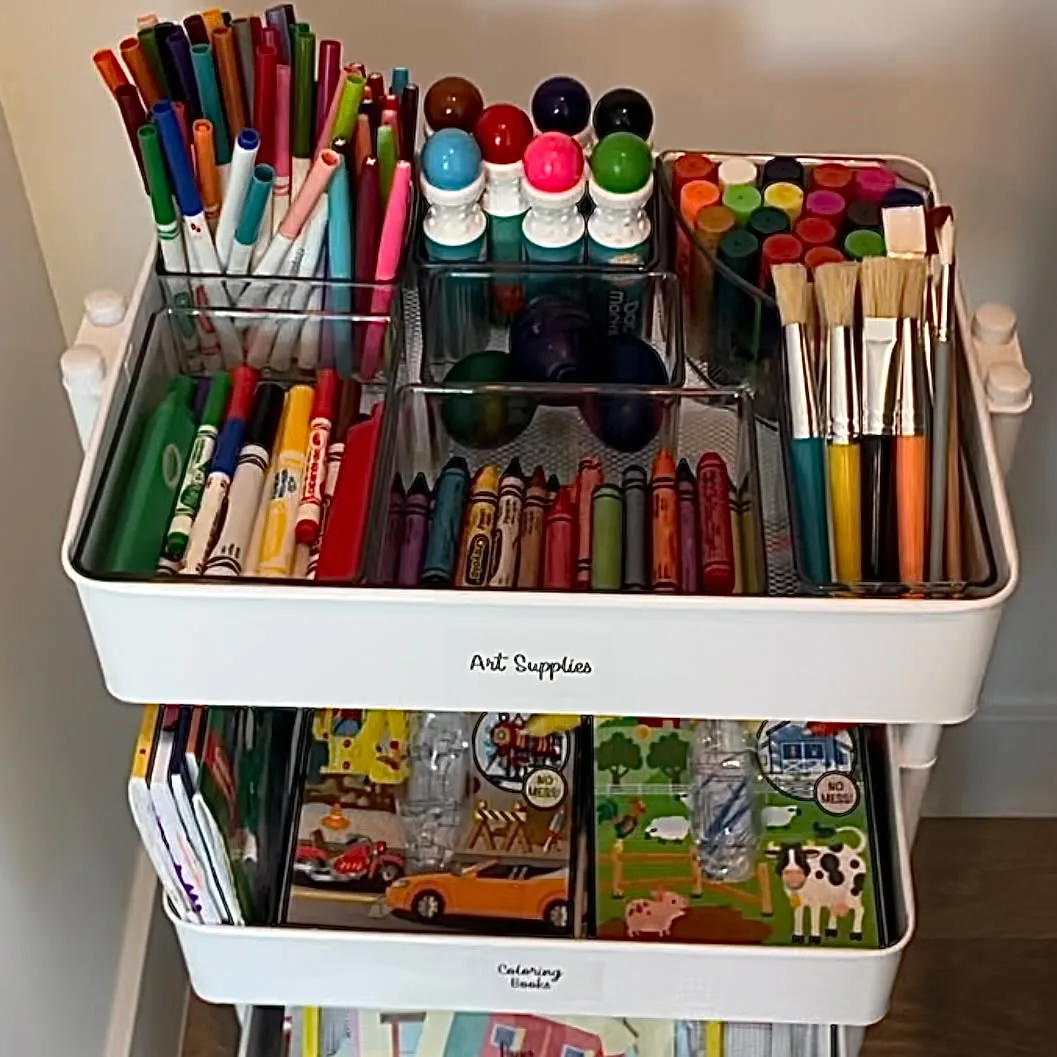
Thoughtful families choose parking paints, paper, pens and glue on a tiered rolling cart that travels to the table. Money stops leaking into duplicate buys, because everyone can see what the home already owns. Strong toy storage ideas habits grow from small finished sessions like this one, repeated steadily week after week.
Practical planning keeps effort realistic. Stock one tier per craft type, add jars for pens, keep glue in a washable tray, and park the cart in one corner. Tell everyone at home where things now live, because shared knowledge keeps new systems alive.
Best results come for crafty children whose supplies colonize dining tables for days at a time. Clear limits, honest labels and easy access matter more than expensive matching containers.
Picture the routine in real life. one mum rolled art away in seconds before dinner, and craft projects stopped living on the table. Finished results stayed tidy for weeks, because the setup matched real habits instead of wishful thinking.
Watch out for storing water pots on moving carts, because spills travel further when storage rolls. Slow down, fix the setup first, and repeat the small version until the habit holds on busy days too.
3 Tier Rolling Cart with Lockable Wheels Clear Acrylic: Three tier rolling cart moves art supplies to the table and rolls back into a corner when craft time ends.
Clear jars for small pieces
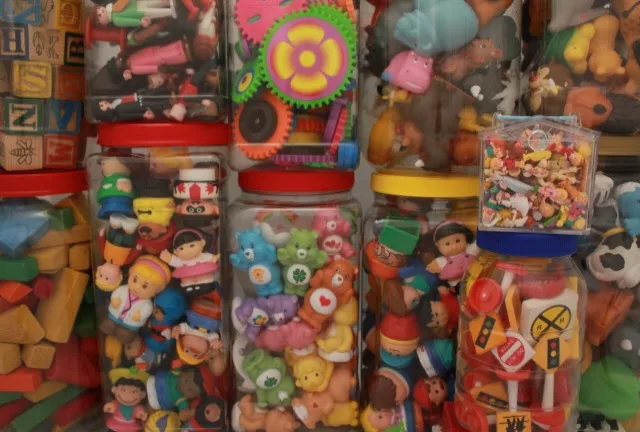
Neat spaces come from keeping beads, figures, bricks and game pieces in clear jars with easy lids. Mornings start calmer, evenings end tidier, and small messes stop growing into weekend projects.
Practical planning keeps effort realistic. Sort pieces by type or color, choose jars children can open safely, and keep jars on one tray to contain spills. Keep supplies for the job in one caddy, so sessions start in minutes rather than after a search.
Happiest users are children with building sets, craft beads and collectible figures. Success comes from placing items where hands naturally reach during the busiest hour of the day.
Picture the routine in real life. one boy sorted figures into jars by team, and play setup became faster than the previous floor hunt. Guests noticed the calm first, and the family noticed faster cleanups every single day afterwards.
Watch out for using glass jars for young children, because breakage risks outweigh pretty shelves in play spaces. Change one part at a time, watch what happens for a week, and adjust sizes before buying more storage.
6 Pack Clear Storage Bins with Handles: Clear bins and jars keep small pieces like beads, figures and game tokens visible and sorted.
Fabric sling for picture books
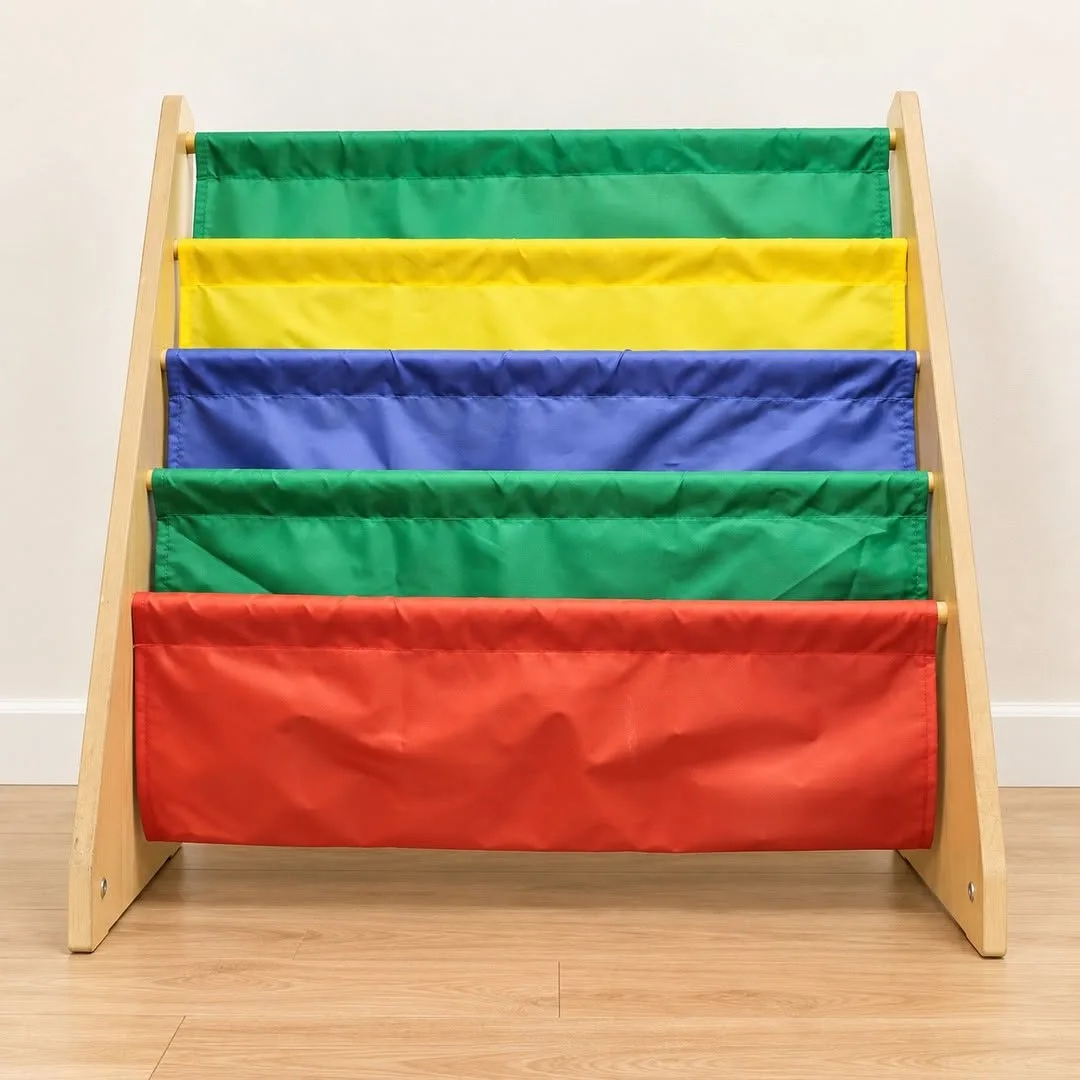
Smart homes rely on holding picture books in a soft forward facing sling, so covers invite reading. Shelves, surfaces and floors feel calmer within one session, and cleaning takes minutes instead of an afternoon.
Practical planning keeps effort realistic. Hang the sling at child height, rotate books monthly from a storage box, and keep library books in one special pocket. Measure the space, count the items, and write quantities down before buying any storage at all.
Strongest fit is young readers who ignore books stored spine out on high shelves. Small homes gain the most, because every shelf and drawer must work hard without feeling crammed.
Picture the routine in real life. one toddler chose her own bedtime books nightly once covers faced forward at her height. Praise from family members kept the system going long after the first tidy weekend ended.
Watch out for overstuffing sling pockets, because sagging fabric dumps books and bends favorite pages. Write the rule on a label or note, because visible reminders protect good systems from quiet drift.
Kids Book Rack Storage Bookshelf with Fabric Sling Sleeves: Fabric sling rack shows picture book covers face forward so toddlers can pick a story by the picture.
Toy rotation boxes in the closet
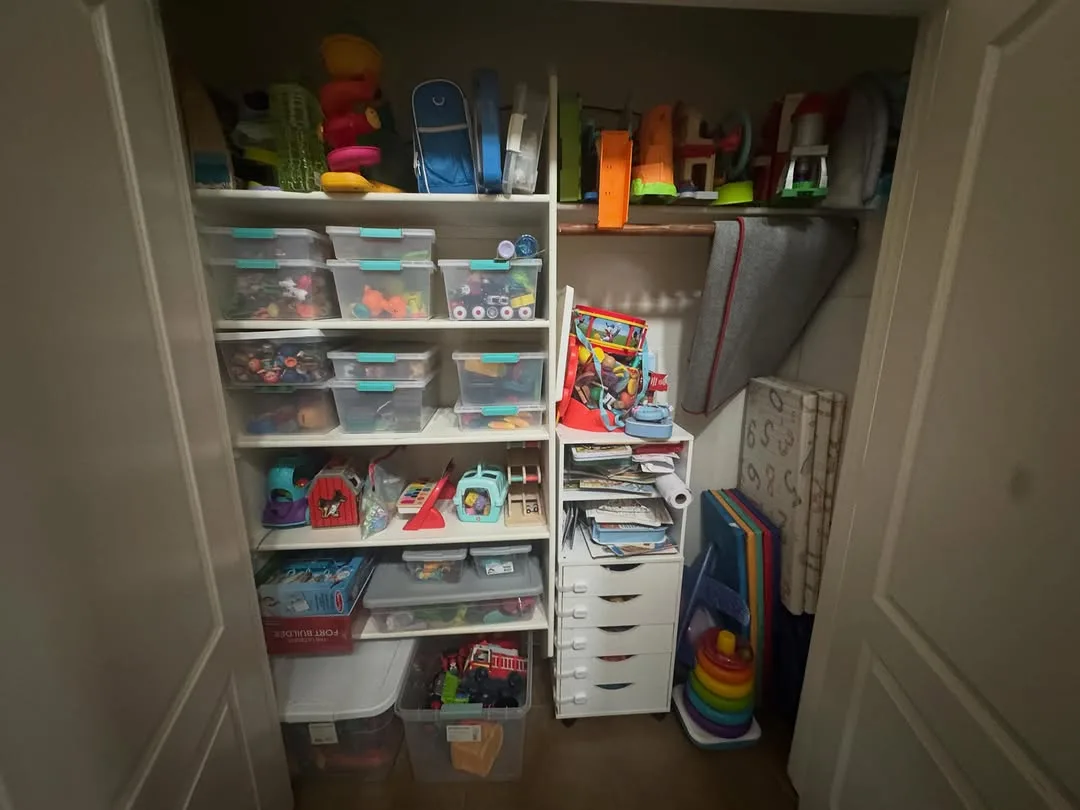
Good order grows from storing half the toy collection in labeled boxes that swap onto shelves every few weeks. Daily routines run smoother, guests can be welcomed without a scramble, and every item earns its place. Strong toy storage ideas habits grow from small finished sessions like this one, repeated steadily week after week.
Practical planning keeps effort realistic. Sort toys into themed boxes, label with contents and swap dates, and involve children in choosing the next box. Work in short timed sessions, keep a donation bag by the door, and stop while energy is still high.
Best results come for families with generous relatives and limited playroom shelves. Clear limits, honest labels and easy access matter more than expensive matching containers.
Picture the routine in real life. one family rotated boxes monthly, and children greeted stored trains like birthday presents every single swap. Finished results stayed tidy for weeks, because the setup matched real habits instead of wishful thinking.
Watch out for rotating away current favorites, because rotation works only when beloved daily toys stay put. Slow down, fix the setup first, and repeat the small version until the habit holds on busy days too.
Large Collapsible Storage Containers with Lids 5 Pack: Lidded linen boxes hold out of rotation toys in the closet and stack without crushing what is inside.
Picture labels for young children
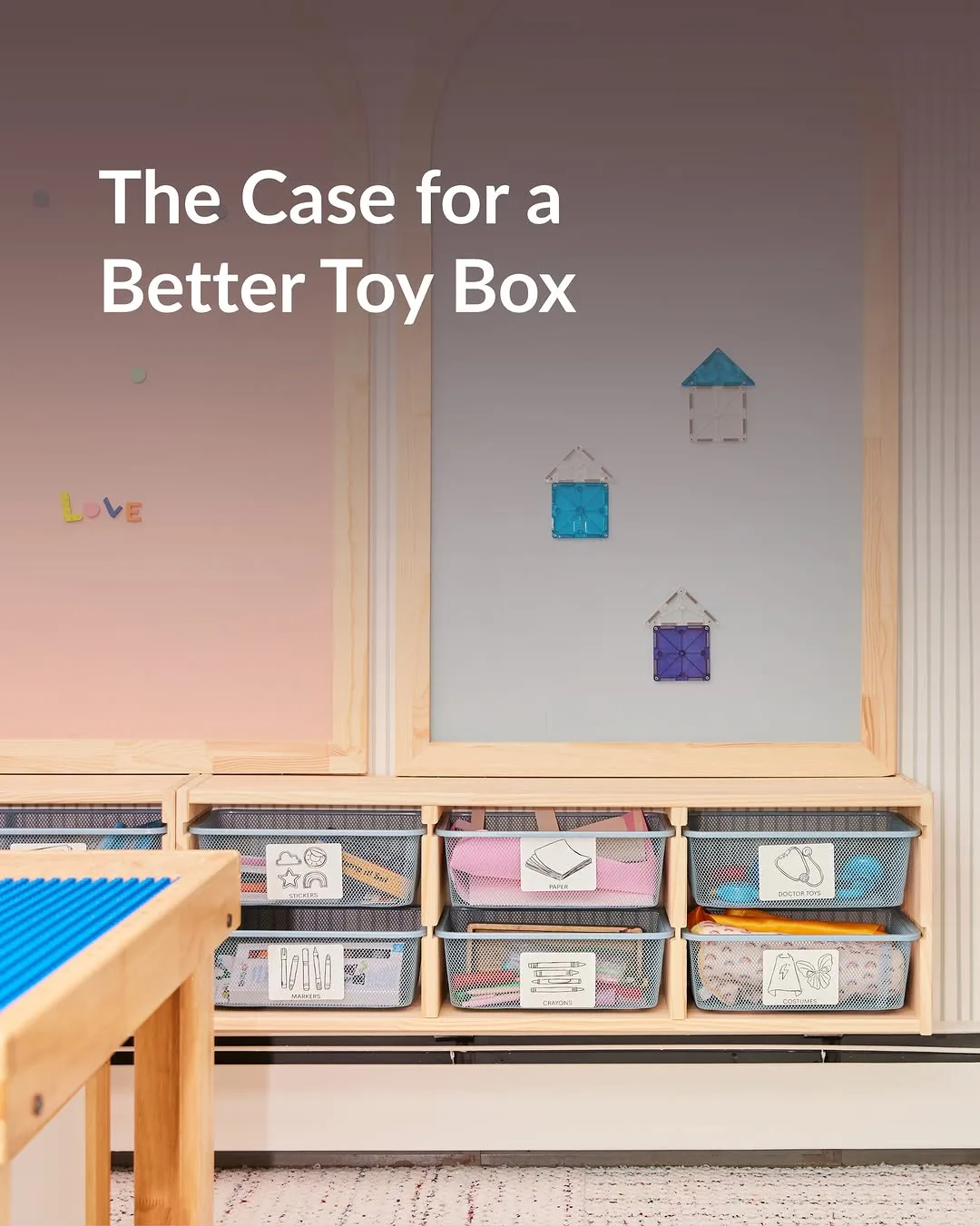
Calm rooms begin with labeling every basket and shelf with a photo or drawing of the toys inside. Finding things becomes quick, putting things away becomes obvious, and the whole space feels lighter.
Practical planning keeps effort realistic. Photograph contents, print or draw simple pictures, attach at child eye level, and refresh labels after rotation swaps. Photograph the finished result, because a clear picture makes resetting the space fast and simple.
Happiest users are pre readers, visiting children and helpful grandparents joining cleanup time. Success comes from placing items where hands naturally reach during the busiest hour of the day.
Picture the routine in real life. one childminder found cleanup time halved, because every child could match toys to pictures alone. Guests noticed the calm first, and the family noticed faster cleanups every single day afterwards.
Watch out for using word only labels for toddlers, because pictures teach the system while words still confuse. Change one part at a time, watch what happens for a week, and adjust sizes before buying more storage.
Label Maker Machine with Tape Bluetooth: Pocket label maker prints big clear labels, including picture style labels, so young children can match toys to bins.
Storage bench for dress up clothes
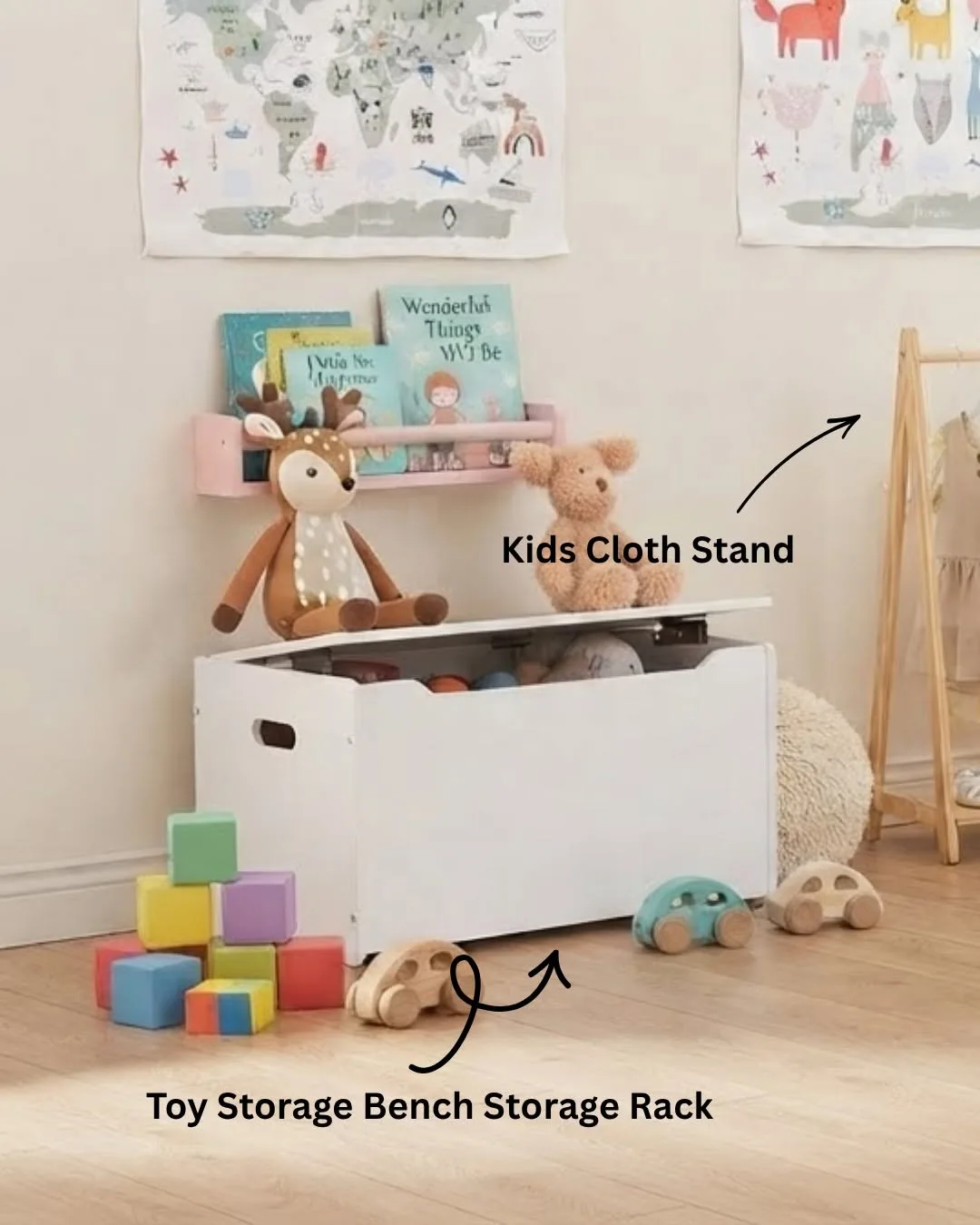
Thoughtful families choose keeping costumes in a bench with a lift up seat, ready for daily performances. Money stops leaking into duplicate buys, because everyone can see what the home already owns.
Practical planning keeps effort realistic. Hang favorite costumes on small hooks inside if space allows, fold spares below, and keep accessories in a pouch on top. Tell everyone at home where things now live, because shared knowledge keeps new systems alive.
Strongest fit is dramatic children whose costumes colonize sofas, stairs and dining chairs. Small homes gain the most, because every shelf and drawer must work hard without feeling crammed.
Picture the routine in real life. one family gained a hallway seat and a costume home in one cheerful furniture swap. Praise from family members kept the system going long after the first tidy weekend ended.
Watch out for storing costumes in sealed bags, because daily players need instant access or costumes live outside storage. Write the rule on a label or note, because visible reminders protect good systems from quiet drift.
Kids Toy Storage Organizer with 12 Plastic Bins Natural Wood: Sturdy framed organizer with deep bins works as a dress up station for costumes, hats and play clothes.
Hanging pockets for soft toys
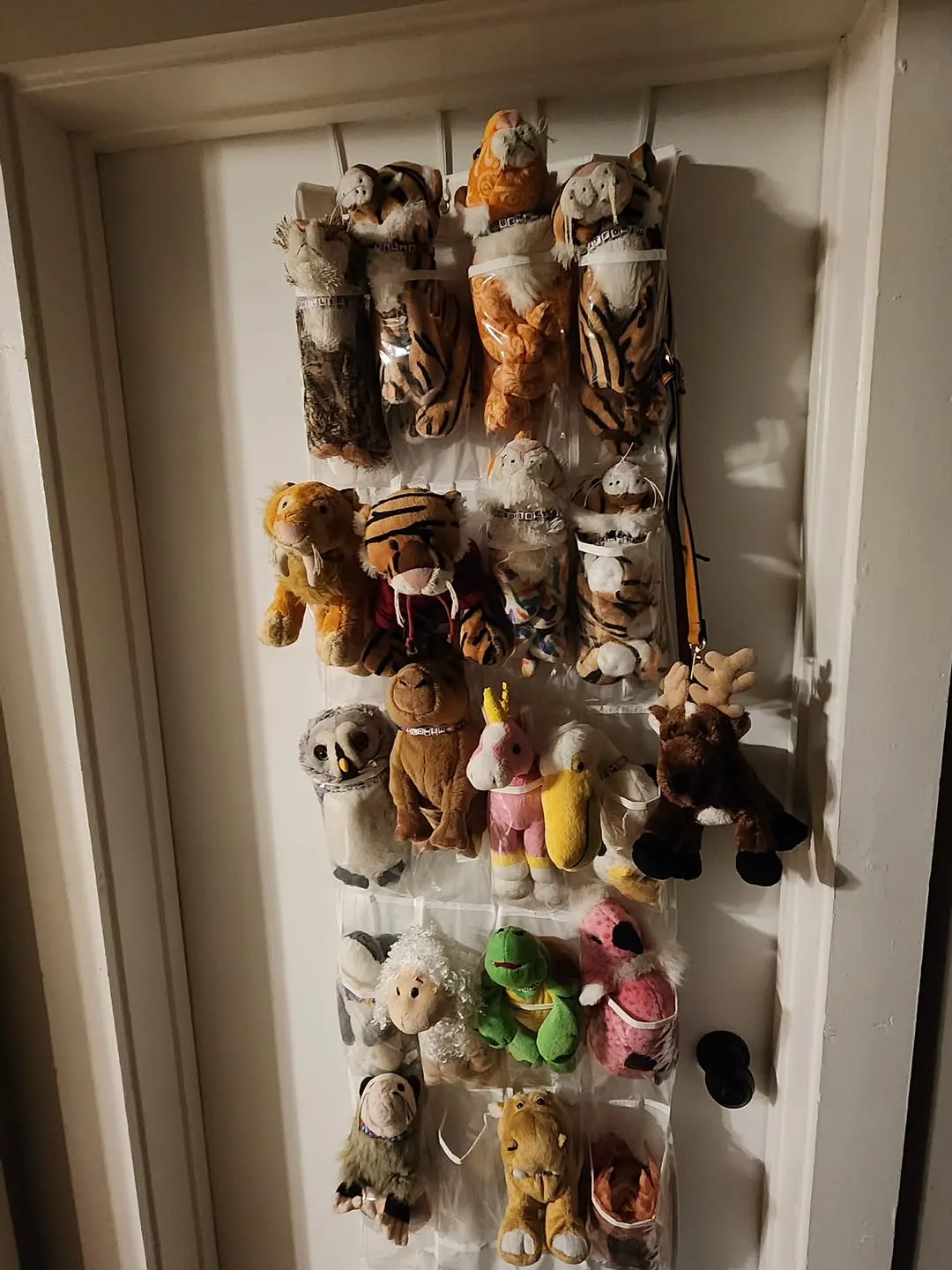
Neat spaces come from displaying soft toys in hanging pockets on a door or wall, off the bed and floor. Mornings start calmer, evenings end tidier, and small messes stop growing into weekend projects. Strong toy storage ideas habits grow from small finished sessions like this one, repeated steadily week after week.
Practical planning keeps effort realistic. Choose pockets sized for the collection, rotate displayed favorites monthly, and store the rest in a rotation box. Keep supplies for the job in one caddy, so sessions start in minutes rather than after a search.
Best results come for children with large soft toy families and small bedrooms. Clear limits, honest labels and easy access matter more than expensive matching containers.
Picture the routine in real life. one girl chose ten pocket residents, and her bed finally held only sleeping companions. Finished results stayed tidy for weeks, because the setup matched real habits instead of wishful thinking.
Watch out for letting pockets hold every soft toy owned, because sagging doors and dusty toys follow quickly. Slow down, fix the setup first, and repeat the small version until the habit holds on busy days too.
4 Clear Window Pocket Over Door Hanging Organizer: Hanging door pockets keep soft toys and dolls off the floor and easy for small hands to reach.
Puzzle pieces in zip bags
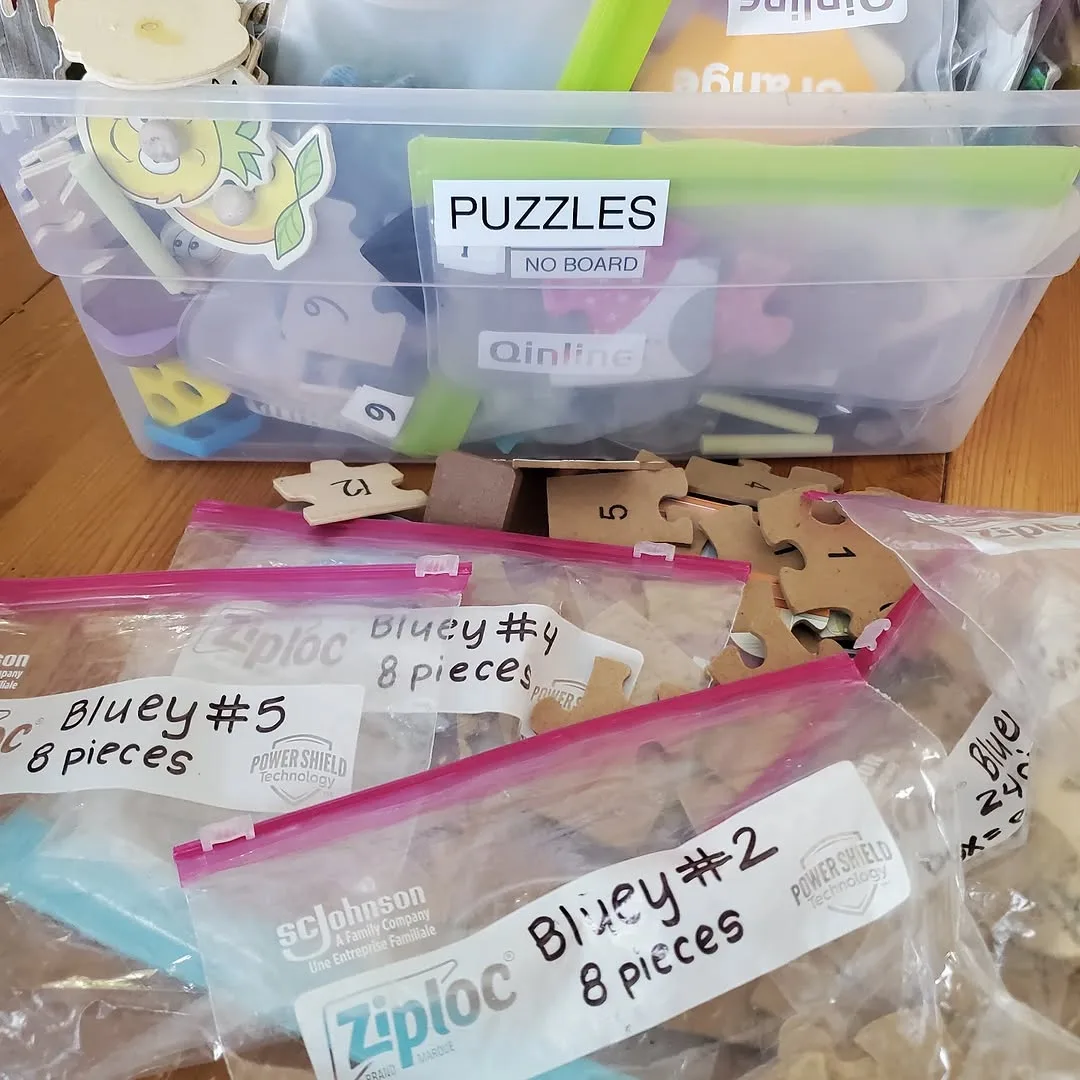
Smart homes rely on keeping each puzzle complete inside a labeled zip bag with the box picture attached. Shelves, surfaces and floors feel calmer within one session, and cleaning takes minutes instead of an afternoon.
Practical planning keeps effort realistic. Cut the picture from worn boxes, bag pieces with the picture inside, and store bags upright in one basket like files. Measure the space, count the items, and write quantities down before buying any storage at all.
Happiest users are families whose puzzle pieces mix into one heartbreaking cardboard soup. Success comes from placing items where hands naturally reach during the busiest hour of the day.
Picture the routine in real life. one grandad saved six puzzles from the bin by bagging sets, and puzzle nights returned happily. Guests noticed the calm first, and the family noticed faster cleanups every single day afterwards.
Watch out for tossing pieces into one shared box, because mixed puzzles frustrate everyone and end in disposal. Change one part at a time, watch what happens for a week, and adjust sizes before buying more storage.
Clear Plastic Craft Organizer Box with Removable Trays and Dividers: Clear lidded box with trays keeps each puzzle and its pieces together, working like a sturdy zip bag system.
Hook rail for costumes

Good order grows from hanging dress up clothes, hats and capes on a low rail of hooks for instant theatre. Daily routines run smoother, guests can be welcomed without a scramble, and every item earns its place.
Practical planning keeps effort realistic. Fit hooks at child height, space costumes so fabrics breathe, and add a small mirror beside the rail for performances. Work in short timed sessions, keep a donation bag by the door, and stop while energy is still high.
Strongest fit is children who dress up daily and abandon costumes wherever performances end. Small homes gain the most, because every shelf and drawer must work hard without feeling crammed.
Picture the routine in real life. one hallway rail ended costume trails through the house within one playful week. Praise from family members kept the system going long after the first tidy weekend ended.
Watch out for hanging costumes too high, because unreachable storage guarantees floor storage instead. Write the rule on a label or note, because visible reminders protect good systems from quiet drift.
Coat Rack Wall Mount 38 Inch Long with 10 Tri Hooks: Wall hook rail gives costumes, capes and dress up hats a hanging home off the floor.
Wooden box for cars and trains
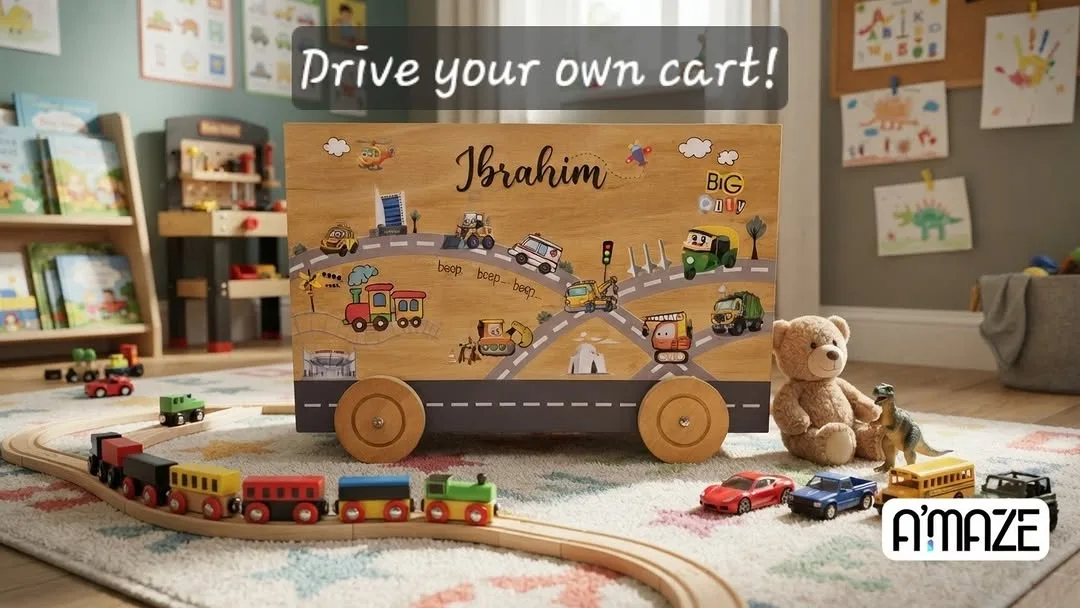
Calm rooms begin with parking vehicle fleets in one sturdy wooden box or garage style crate by the play rug. Finding things becomes quick, putting things away becomes obvious, and the whole space feels lighter. Strong toy storage ideas habits grow from small finished sessions like this one, repeated steadily week after week.
Practical planning keeps effort realistic. Choose a box that rolls or slides, sort large and small vehicles into two levels if needed, and keep tracks in a separate bag. Photograph the finished result, because a clear picture makes resetting the space fast and simple.
Best results come for vehicle obsessed children whose cars colonize every windowsill and stair. Clear limits, honest labels and easy access matter more than expensive matching containers.
Picture the routine in real life. one dad built a simple crate, and fifty cars finally slept in one garage nightly. Finished results stayed tidy for weeks, because the setup matched real habits instead of wishful thinking.
Watch out for mixing tracks and cars loosely, because long track pieces tangle wheels and break connectors. Slow down, fix the setup first, and repeat the small version until the habit holds on busy days too.
Kids Toy Storage Organizer Bins White and Pastel: Wood framed bin organizer sorts cars, trains and tracks into open bins children can carry to the play mat.
Bath toy basket that drains
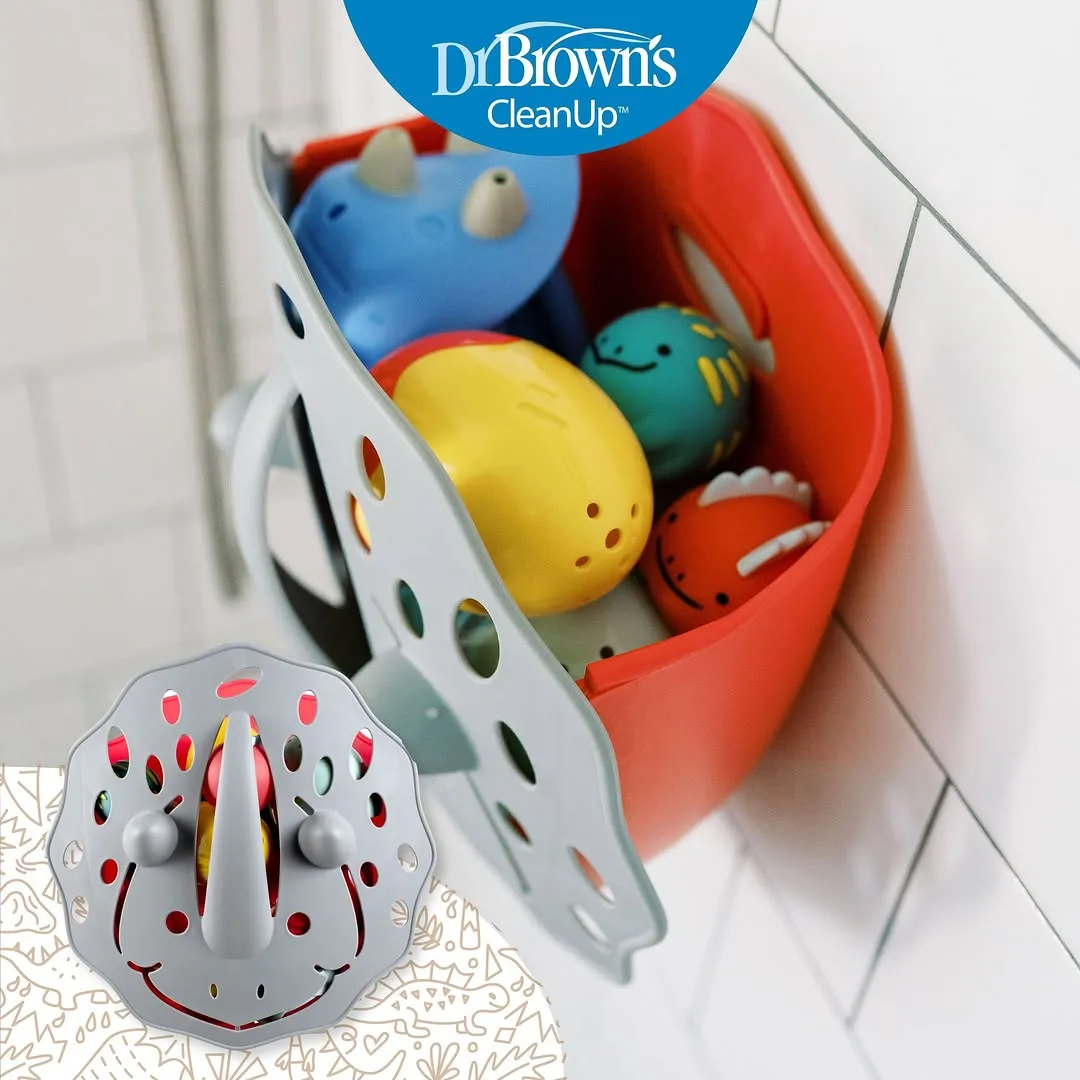
Thoughtful families choose storing bath toys in a basket with holes that hangs or stands to dry fully. Money stops leaking into duplicate buys, because everyone can see what the home already owns.
Practical planning keeps effort realistic. Rinse toys after baths, squeeze water from squirters, and hang the basket where air moves freely. Tell everyone at home where things now live, because shared knowledge keeps new systems alive.
Happiest users are families fighting mouldy bath toys and cluttered tub edges. Success comes from placing items where hands naturally reach during the busiest hour of the day.
Picture the routine in real life. one mum replaced slimy toys with a draining basket, and bath toys stayed fresh for months. Guests noticed the calm first, and the family noticed faster cleanups every single day afterwards.
Watch out for sealing wet toys in closed boxes, because trapped water grows mould faster than any cleaning. Change one part at a time, watch what happens for a week, and adjust sizes before buying more storage.
2 Pack Mesh Bath Toy Organizer with Hooks: Mesh bath nets let water drain straight through so bath toys dry fast and stay mold free.
Outdoor toys in a lidded bin
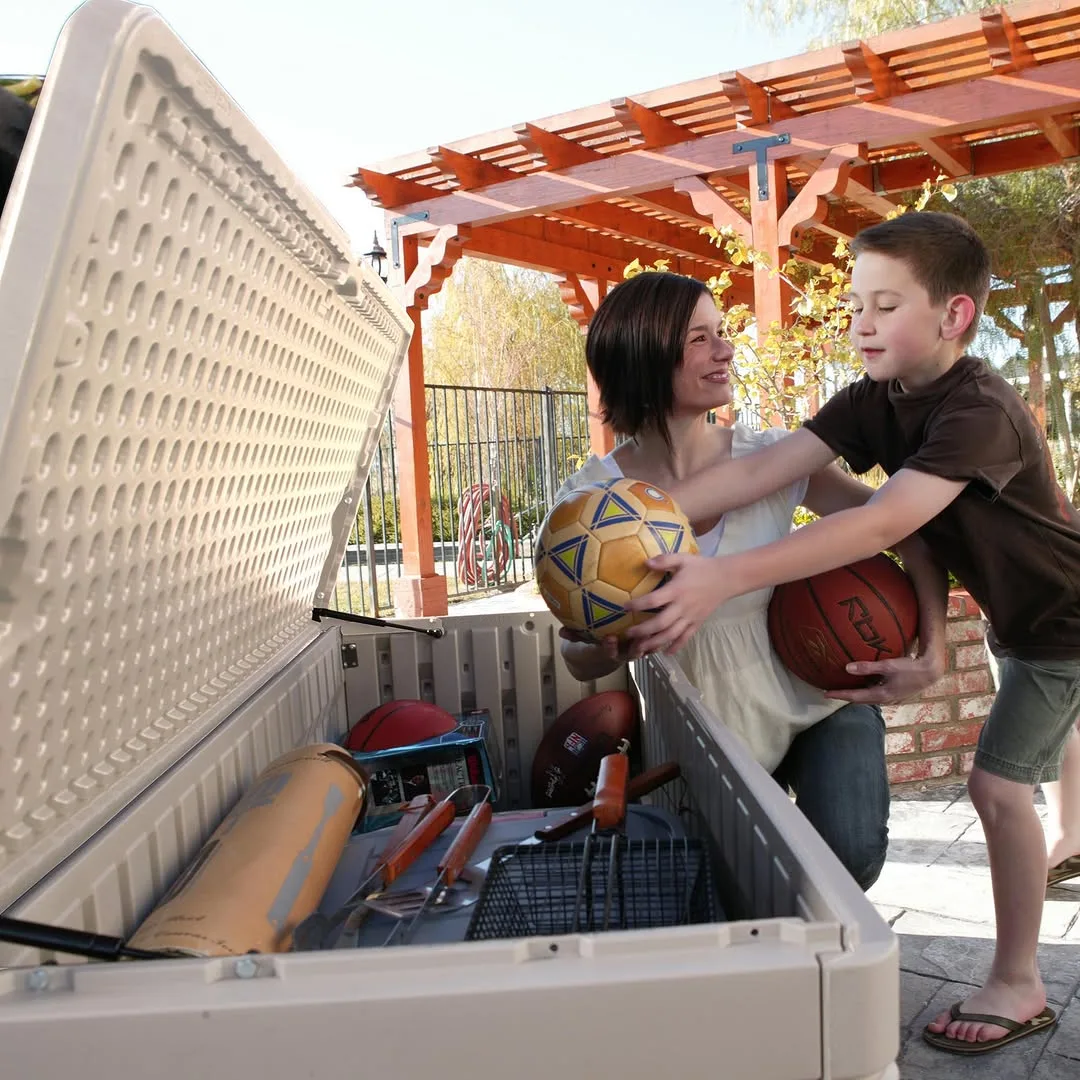
Neat spaces come from keeping balls, bubbles and garden toys in one lidded bin by the back door. Mornings start calmer, evenings end tidier, and small messes stop growing into weekend projects.
Practical planning keeps effort realistic. Choose a weather friendly bin, dry items before closing during wet seasons, and review broken outdoor toys monthly. Keep supplies for the job in one caddy, so sessions start in minutes rather than after a search.
Strongest fit is families whose garden toys scatter across lawns, halls and car boots. Small homes gain the most, because every shelf and drawer must work hard without feeling crammed.
Picture the routine in real life. one family reclaimed the patio in one evening, because every outdoor toy gained one lidded home. Praise from family members kept the system going long after the first tidy weekend ended.
Watch out for storing muddy items sealed for weeks, because damp and dirt damage toys and welcome insects. Write the rule on a label or note, because visible reminders protect good systems from quiet drift.
3 Pack Clear Storage Bins with Lids Stackable: Lidded stackable bins keep outdoor toys contained in the garage or porch between play sessions.
Nightly pickup basket routine
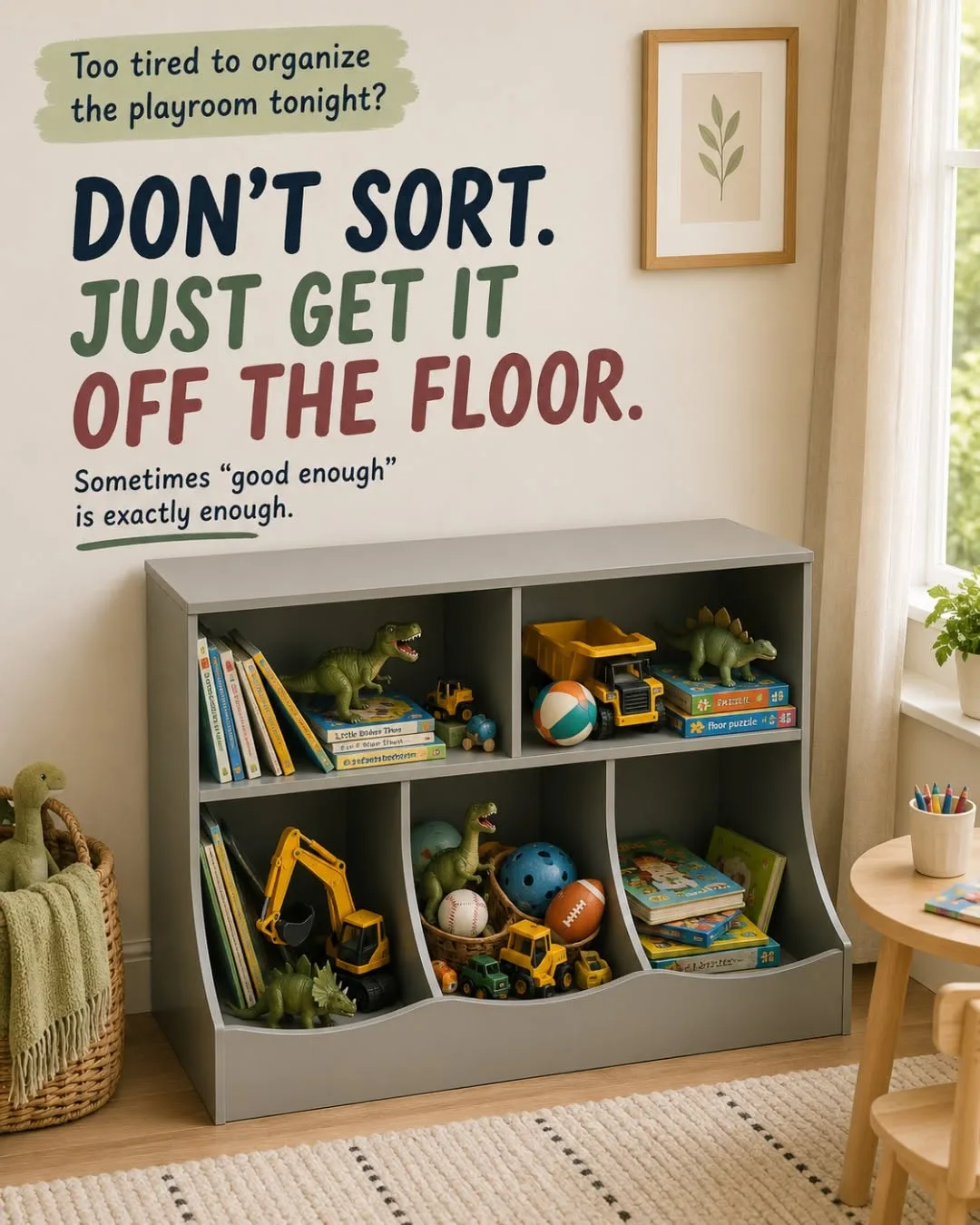
Smart homes rely on ending the day with one basket carried through rooms, collecting stray toys back to the play zone. Shelves, surfaces and floors feel calmer within one session, and cleaning takes minutes instead of an afternoon. Strong toy storage ideas habits grow from small finished sessions like this one, repeated steadily week after week.
Practical planning keeps effort realistic. Set a timer and a song, fill the basket together, sort items into homes, and praise finished floors warmly. Measure the space, count the items, and write quantities down before buying any storage at all.
Best results come for every family, because small nightly order prevents weekend long toy battles. Clear limits, honest labels and easy access matter more than expensive matching containers.
Picture the routine in real life. one family kept floors clear for six months on one song length pickup each evening. Finished results stayed tidy for weeks, because the setup matched real habits instead of wishful thinking.
Watch out for making cleanup a punishment, because joyful routines survive while dreaded chores get resisted. Slow down, fix the setup first, and repeat the small version until the habit holds on busy days too.
Seagrass Wicker Basket with Handles: Handled basket makes the nightly pickup routine simple, since stray toys get tossed in and carried room to room.
Common Mistakes to Avoid
Rushing through sorting leads to regret, because deep toy boxes bury small toys and break delicate pieces, so shallow and divided storage wins. Decisions made in a hurry send loved items to donation bags and keep broken pieces in prime spots, so slow sorting with clear rules protects both money and memories.
Buying boxes before measuring creates brand new clutter, especially when quantities grow silently through gifts, so one regular donation and rotation routine matters. Containers that almost fit waste money and crowd shelves, while a tape measure and a phone note cost nothing and prevent nearly every bad buy.
Forgetting upkeep undoes tidy shelves within weeks, so cleanup rules shared with children belong in the system, because adults alone cannot maintain play spaces. Order survives through tiny repeat habits, honest reviews, and family members who all know where things belong and why the system matters.
Budget Friendly Ways to Organize Toy Storage
Smart spending starts with items already at home, including cardboard boxes covered with paper, baskets from other rooms and jars washed and reused. Clean, sturdy and honestly sized containers beat matching sets bought in a rush, and rooms look calmer when storage suits the items rather than a catalogue photo.
Market stalls, supermarket basics and second hand shops cover most needs, including a few fabric cubes, picture labels and one rolling cart, for very little money. Shopping with measurements and a written list keeps spending focused, while borrowing rarely used tools from friends protects the budget for items that truly matter.
Borrowed tools and shared family supplies stretch money further, while one corner fixed first shows which storage children actually use before more gets bought. Saving on hidden storage leaves more room in the budget for the few visible pieces that lift the whole room every day.
Simple Tips That Keep Order Alive
Label the system. Write toy categories with children, and let them choose basket colors for ownership. Clear words on the outside save every family member from opening three wrong containers.
Measure the system. Measure shelves and favorite toys, because storage must fit real collections. Sizes written on a phone note prevent duplicate buys and containers that almost fit.
Extra guidance on toy storage ideas comes from testing one small area first, watching daily habits for a full week, and adjusting storage to match real life rather than magazine photos. Small tests reveal true sizes, true quantities and true routines.
Group the system. Group toys by play type, such as building, dressing up, art and vehicles. Like items living together makes gaps and excess obvious at a glance.
Photograph the system. Photograph tidy corners, and make the photos into a cleanup matching game. A quick photo of the finished setup becomes the reset guide for the whole family.
Remember that strong toy storage ideas choices reward patience, honest measuring and regular small reviews. Families who revisit one shelf each month keep order quietly, without dramatic cleanouts or expensive replacement storage.
Review the system. Review broken and outgrown toys monthly with children present and proud. A five minute check each month catches drift before clutter rebuilds in silence.
Keep the system. Keep one small lost pieces bowl, so tiny treasures stop spreading home wide. Daily items deserve the easiest reach, while rare items can live higher and deeper.
FAQ
How much toy storage do children need?
Plan storage for the toys children truly play with weekly, then rotate or donate the rest with their involvement. Shelves that hold everything usually hold too much, while honest quantities make choosing and tidying easy for small hands.
What storage suits toddlers best?
Choose low open bins, soft baskets and picture labels, so toddlers can select and return toys safely without climbing. Toddlers tidy best when every category has one obvious home at their own height and weight level.
How does toy rotation work?
Pack half the toys into labeled boxes, store them away, and swap boxes every few weeks like a small shop refresh. Rotation revives interest, cuts overwhelm, and keeps daily shelves light enough for children to maintain.
How do I store tiny pieces like bricks and figures?
Use shallow clear jars, divided trays or zip bags inside one basket, keeping small pieces visible and contained. Tiny items need the strictest homes, because they travel furthest and hurt bare feet most memorably.
How can children help keep playrooms tidy?
Turn cleanup into timed games, picture matching and music routines, with praise for finished corners. Children maintain systems built at their height with their input far better than adult systems imposed on them.
What should happen to outgrown toys?
Sort outgrown toys into gifts for younger friends, donations, and keepsakes, deciding with children whenever age allows. Regular gentle exits prevent the painful giant clearouts that make children guard every broken piece.
Conclusion
Good order grows from honest sorting, sensible storage and tiny repeat habits that fit busy weeks. Strong toy storage ideas choices respect your space, your budget and the way your family actually lives, so tidy rooms stay tidy without constant effort or stress.
Pick three ideas from this list, finish them fully this week, and live with the results before buying anything new. Small finished spaces build confidence, teach the family the new system, and reveal exactly which storage the home still needs.
Enjoy the calmer corners that follow, and let small finished spaces pull the rest of the home along gently. One shelf, one drawer and one quiet morning at a time, order becomes the normal way the home feels every day.