15 Entryway Organization Ideas for Calm Mornings
Entryways collect the whole day in one small square, because coats, shoes, bags, post and wet umbrellas all land within arm reach of the door. Morning hunts for keys and matching shoes poison the day before work and school even begin.
Relief comes from simple systems that match real family life, honest sorting, and storage that fits the space already owned. Strong entryway organization ideas thinking puts daily items within easy reach and pushes rarely used pieces out of prime spots, so rooms serve the family instead of storing forgotten piles.
Inside this guide, fifteen practical ideas walk through the whole job in a sensible order, from the first honest sort to the tiny weekly habits that keep order alive. Every idea includes real quantities, budget friendly options, and the one mistake that quietly undoes good work in busy homes.
How does a strong entryway organization ideas work in real homes?
Simple order wins every time: sort first, group second, store third, and label last of all. Order works when every person owns a hook, a shoe spot and a bag home, and when the door zone holds only items used daily. Vertical hooks, slim furniture and labeled cubbies turn even tiny halls into calm launch pads.
Picture one finished corner by tonight: shoes wait in pairs on a tray, coats hang on named hooks, keys sleep in one bowl, and school bags stand packed beside the door. Leaving home takes minutes, and returning home feels welcoming instead of chaotic.
Disclosure: As an Amazon Associate I earn from qualifying purchases. Some of the links below are affiliate links, which means Bloomie Living may earn a small commission if you buy through them, at no extra cost to you.
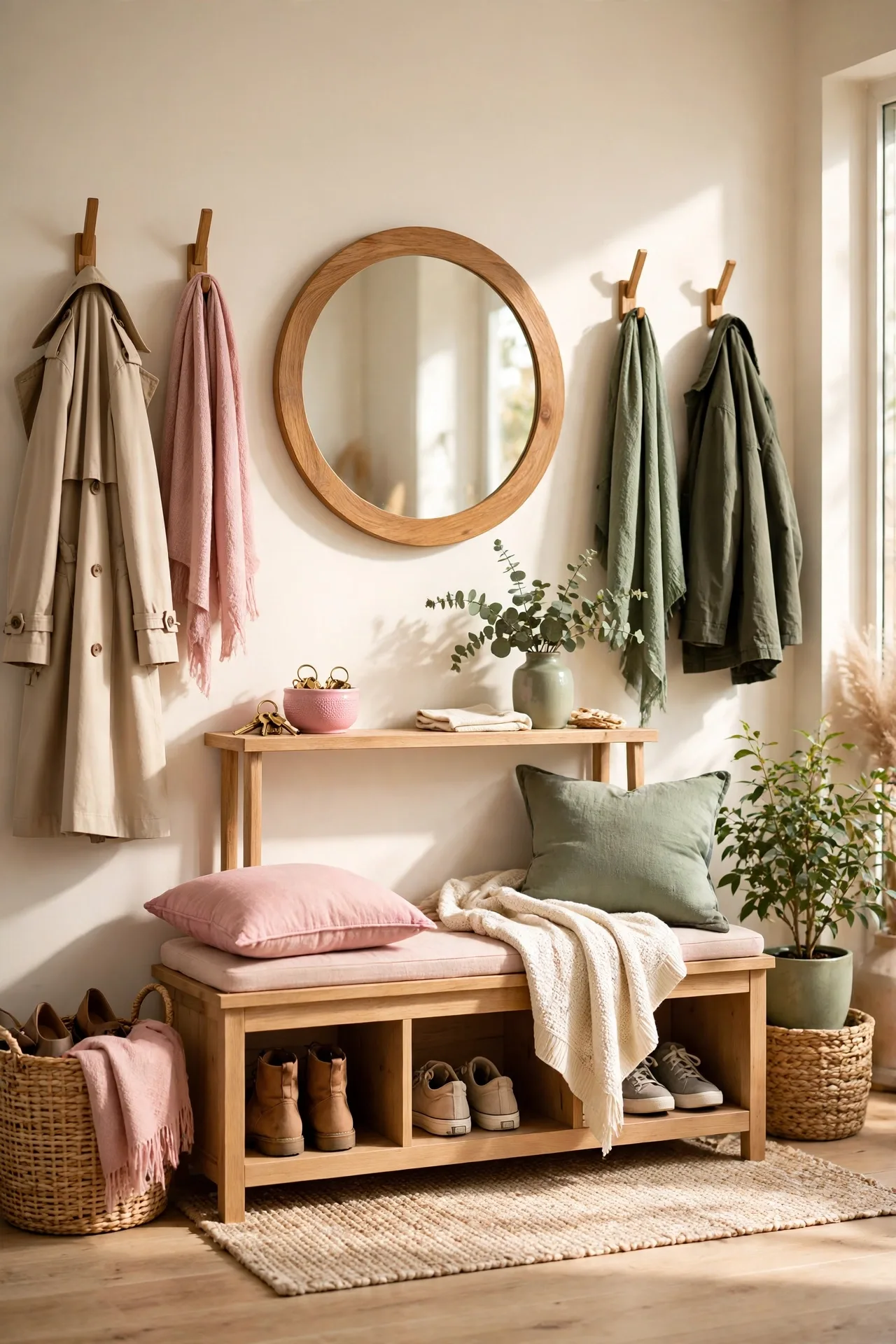
Bench with shoe storage below
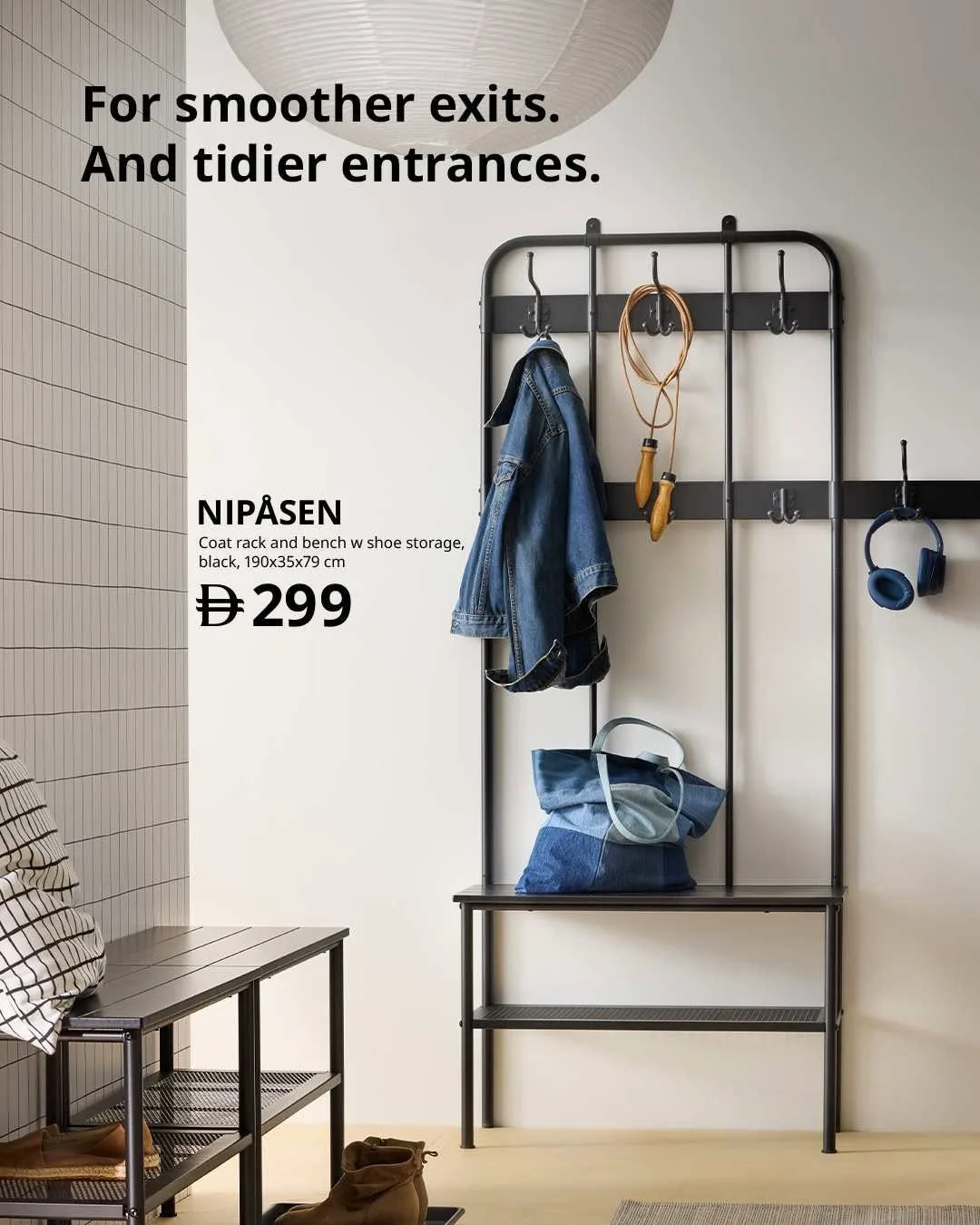
Good order grows from sitting to change shoes while pairs store underneath, combining comfort and order in one slim piece. Daily routines run smoother, guests can be welcomed without a scramble, and every item earns its place.
Practical planning keeps effort realistic. Choose a bench narrower than the hall, store daily pairs below in open rows, and keep the seat top clear except while changing. Work in short timed sessions, keep a donation bag by the door, and stop while energy is still high.
Happiest users are families with children and elderly relatives who need a seat by the door. Success comes from placing items where hands naturally reach during the busiest hour of the day.
Picture the routine in real life. one grandmother changed shoes safely every day once a bench arrived, and shoe piles vanished from the hall floor. Guests noticed the calm first, and the family noticed faster cleanups every single day afterwards.
Watch out for using the bench as a dumping table, because clear seats invite sitting while cluttered benches invite more clutter. Change one part at a time, watch what happens for a week, and adjust sizes before buying more storage.
Bamboo Shoe Storage Bench with Lift Top Storage and Padded Seat: Bamboo bench gives everyone a seat for shoes with two tiers of shoe storage tucked neatly below it.
Wall hooks at two heights
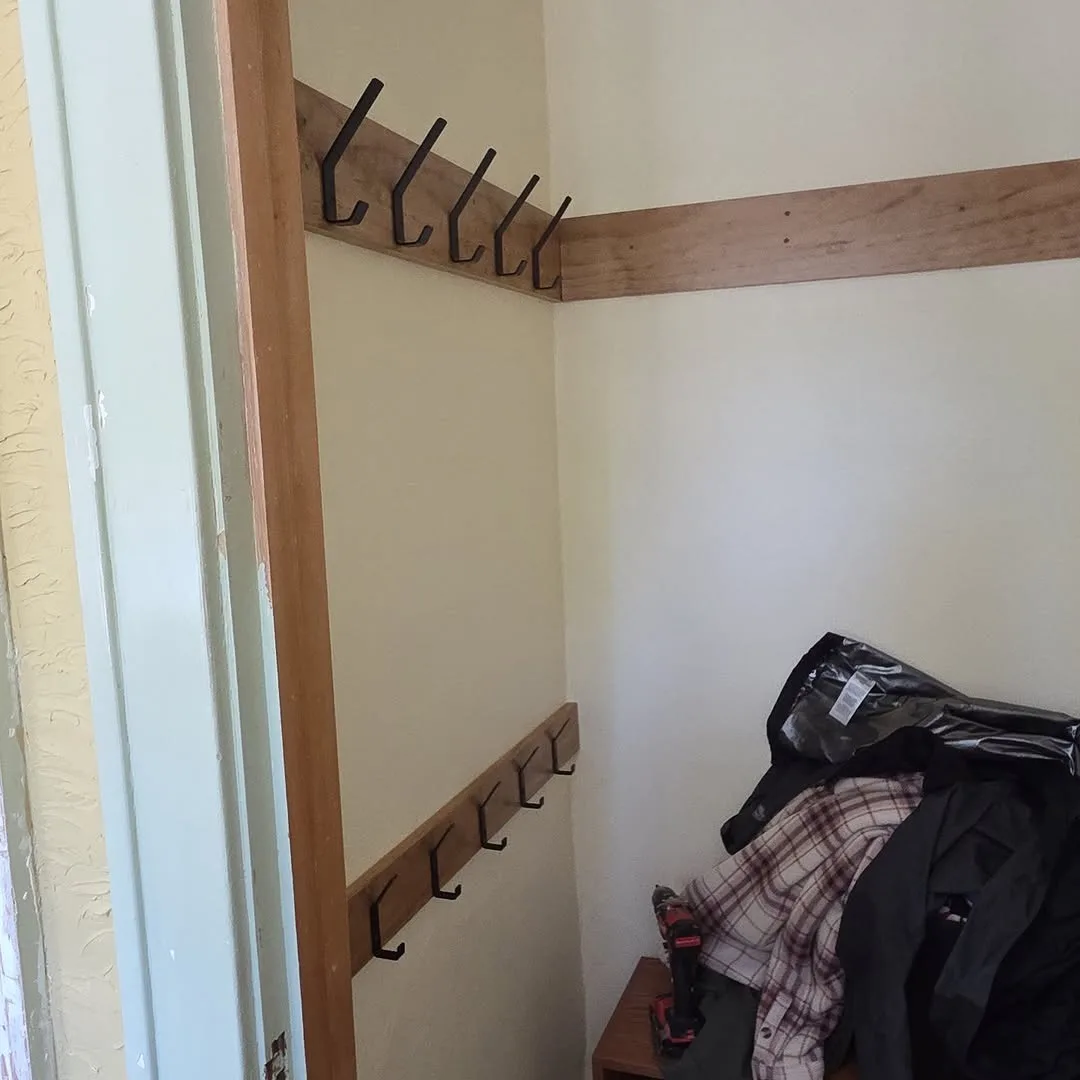
Calm rooms begin with placing strong hooks at adult and child heights, so everyone hangs coats without help or excuses. Finding things becomes quick, putting things away becomes obvious, and the whole space feels lighter.
Practical planning keeps effort realistic. Space hooks evenly, label or color code by person, and keep heavy coats on studs or strong fixings suited to your wall. Photograph the finished result, because a clear picture makes resetting the space fast and simple.
Strongest fit is families with young children whose coats usually land on floors and banisters. Small homes gain the most, because every shelf and drawer must work hard without feeling crammed.
Picture the routine in real life. one mum added low hooks on Sunday, and school coats hung themselves by Wednesday with surprising pride. Praise from family members kept the system going long after the first tidy weekend ended.
Watch out for crowding hooks too closely, because crushed coats fall, wrinkle and discourage hanging habits. Write the rule on a label or note, because visible reminders protect good systems from quiet drift.
Coat Rack Wall Mount 38 Inch Long with 10 Tri Hooks: Long heavy duty hook rail can be mounted with hooks at adult and child heights so coats and bags each get a reachable row.
Slim console with a key bowl
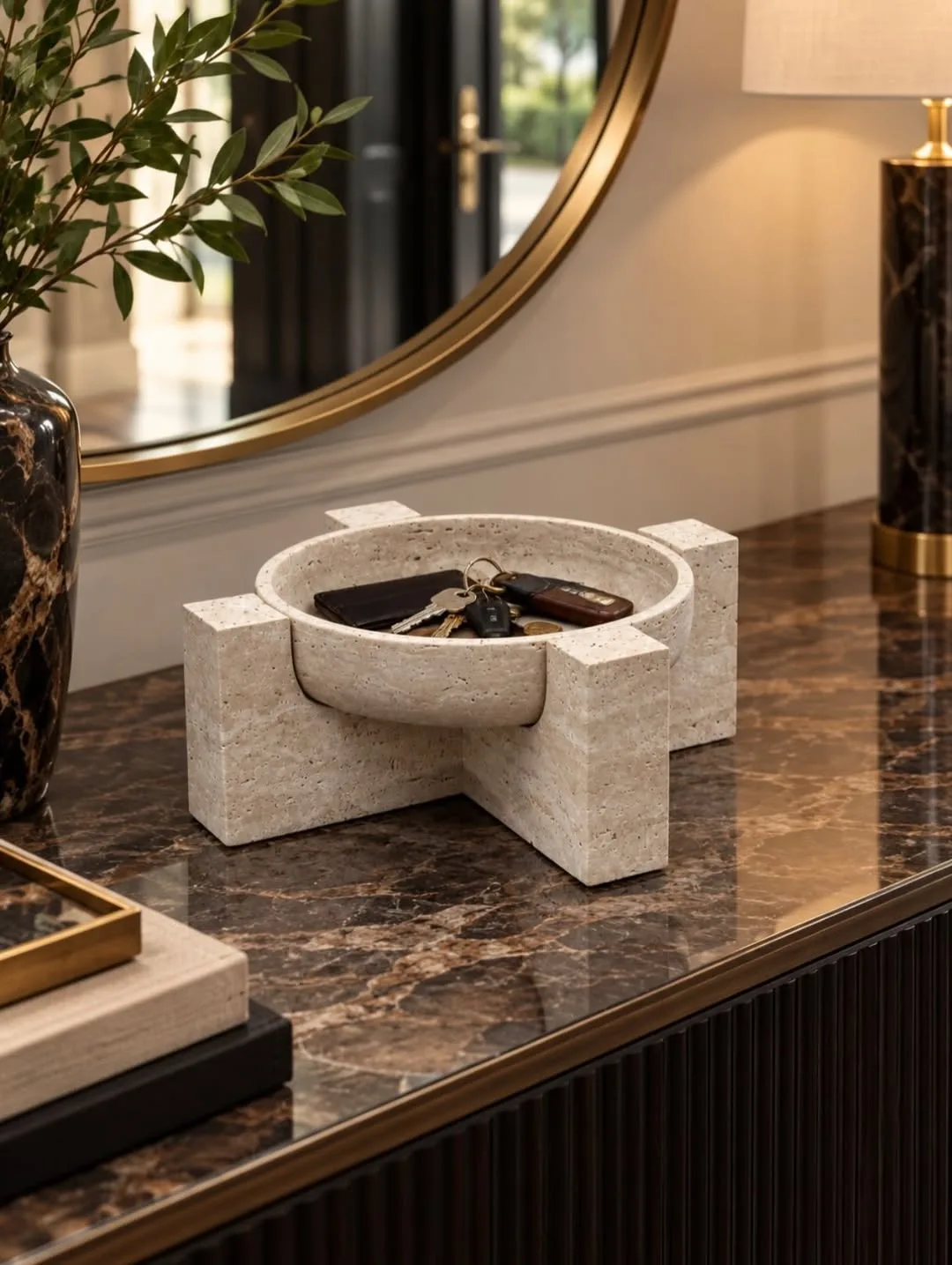
Thoughtful families choose giving keys, sunglasses and wallets one landing spot on a narrow console by the door. Money stops leaking into duplicate buys, because everyone can see what the home already owns. Strong entryway organization ideas habits grow from small finished sessions like this one, repeated steadily week after week.
Practical planning keeps effort realistic. Choose a console with a drawer, place a bowl at the front edge, add a small plant for welcome, and clear the surface nightly. Tell everyone at home where things now live, because shared knowledge keeps new systems alive.
Best results come for anyone who loses keys during the frantic last minute before leaving home. Clear limits, honest labels and easy access matter more than expensive matching containers.
Picture the routine in real life. one dad ended key hunts completely within a week, because the bowl caught keys every single entry. Finished results stayed tidy for weeks, because the setup matched real habits instead of wishful thinking.
Watch out for placing the bowl far from the door, because tired hands drop keys at the first surface instead. Slow down, fix the setup first, and repeat the small version until the habit holds on busy days too.
Slim Console Table for Hallway and Entryway: Slim console fits a narrow hall and gives keys, mail and a key bowl one clear landing spot by the door.
Basket for scarves and gloves
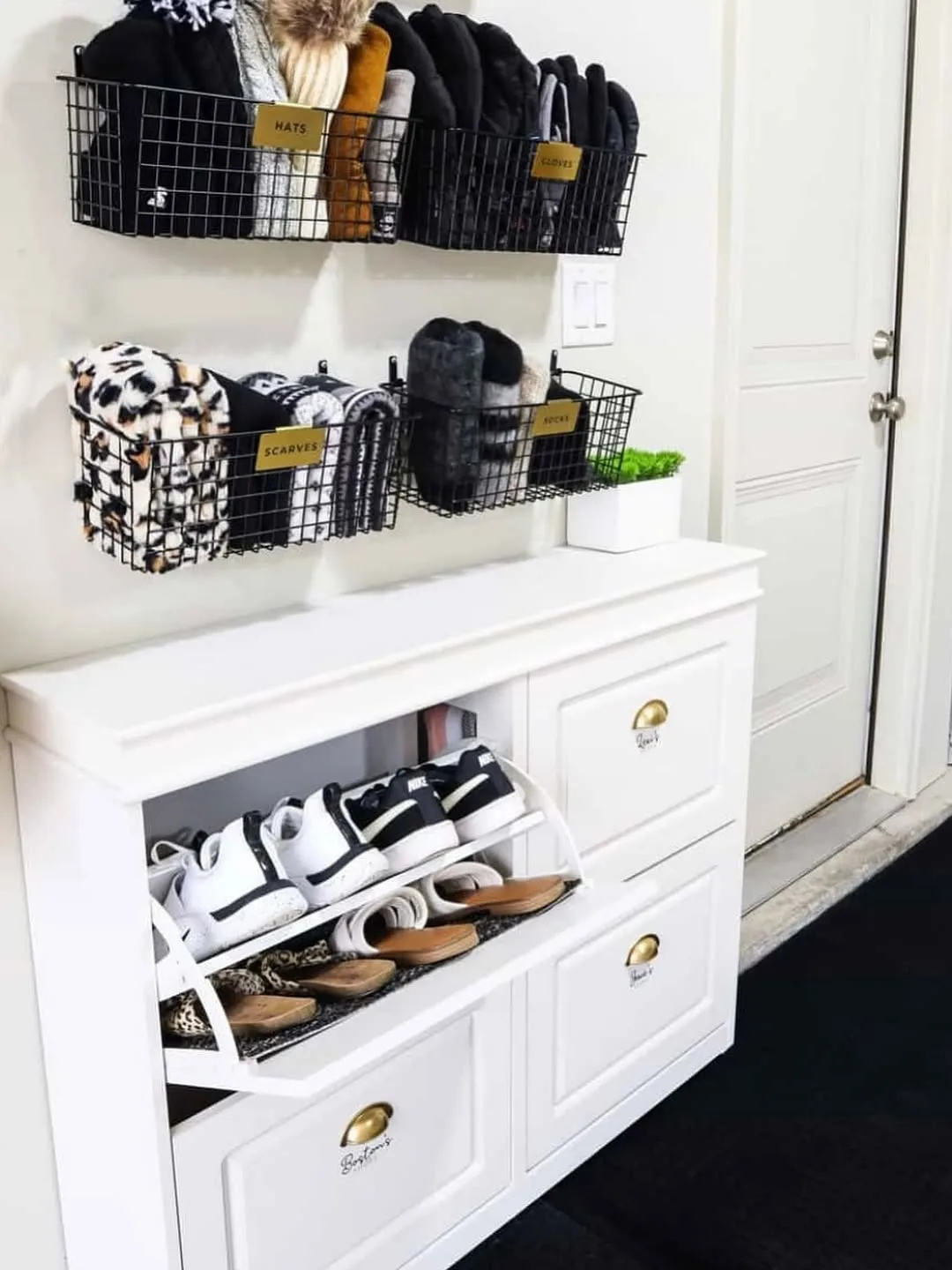
Neat spaces come from corralling winter small items in one basket at grabbing height near the coats. Mornings start calmer, evenings end tidier, and small messes stop growing into weekend projects.
Practical planning keeps effort realistic. Use an open basket on a shelf or hook, sort pairs together weekly, and move off season items into a labeled box elsewhere. Keep supplies for the job in one caddy, so sessions start in minutes rather than after a search.
Happiest users are cold climate families where single gloves vanish into coat pockets and drawers. Success comes from placing items where hands naturally reach during the busiest hour of the day.
Picture the routine in real life. one family paired gloves every Sunday, and school mornings stopped featuring single glove tragedies. Guests noticed the calm first, and the family noticed faster cleanups every single day afterwards.
Watch out for storing wet gloves in closed baskets, because damp wool smells and mildew follows quickly. Change one part at a time, watch what happens for a week, and adjust sizes before buying more storage.
Woven Wicker Storage Bins with Lid Natural Seagrass Basket: Lidded seagrass basket corrals scarves, hats and gloves by the door and hides the jumble from view.
Mirror above a small shelf
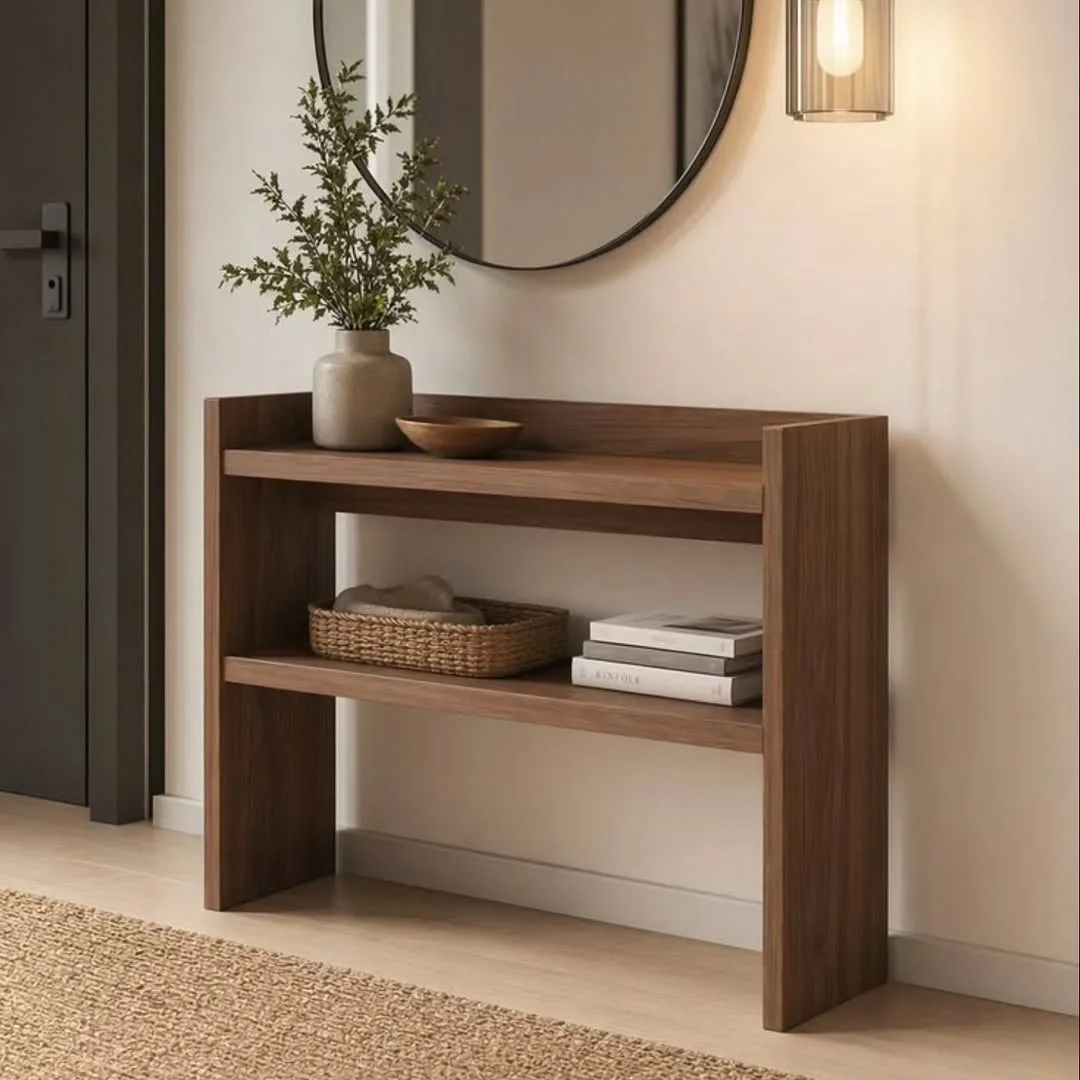
Smart homes rely on adding a mirror for final checks above a tiny shelf for post, lip balm and daily bits. Shelves, surfaces and floors feel calmer within one session, and cleaning takes minutes instead of an afternoon.
Practical planning keeps effort realistic. Hang the mirror at face height, keep the shelf shallow, and limit items to a tray that gets cleared every evening. Measure the space, count the items, and write quantities down before buying any storage at all.
Strongest fit is small halls that feel dark and cramped despite tidy floors. Small homes gain the most, because every shelf and drawer must work hard without feeling crammed.
Picture the routine in real life. one renter brightened a dark hall with one mirror, and guests stopped calling the entry gloomy. Praise from family members kept the system going long after the first tidy weekend ended.
Watch out for choosing mirrors and shelves too deep, because protruding pieces catch bags and shoulders. Write the rule on a label or note, because visible reminders protect good systems from quiet drift.
Rectangular Wall Mount Mirror 16 x 20 Inch Black: Wall mirror above the console shelf gives a last check on the way out and bounces light into a small entry.
Boot tray for wet shoes
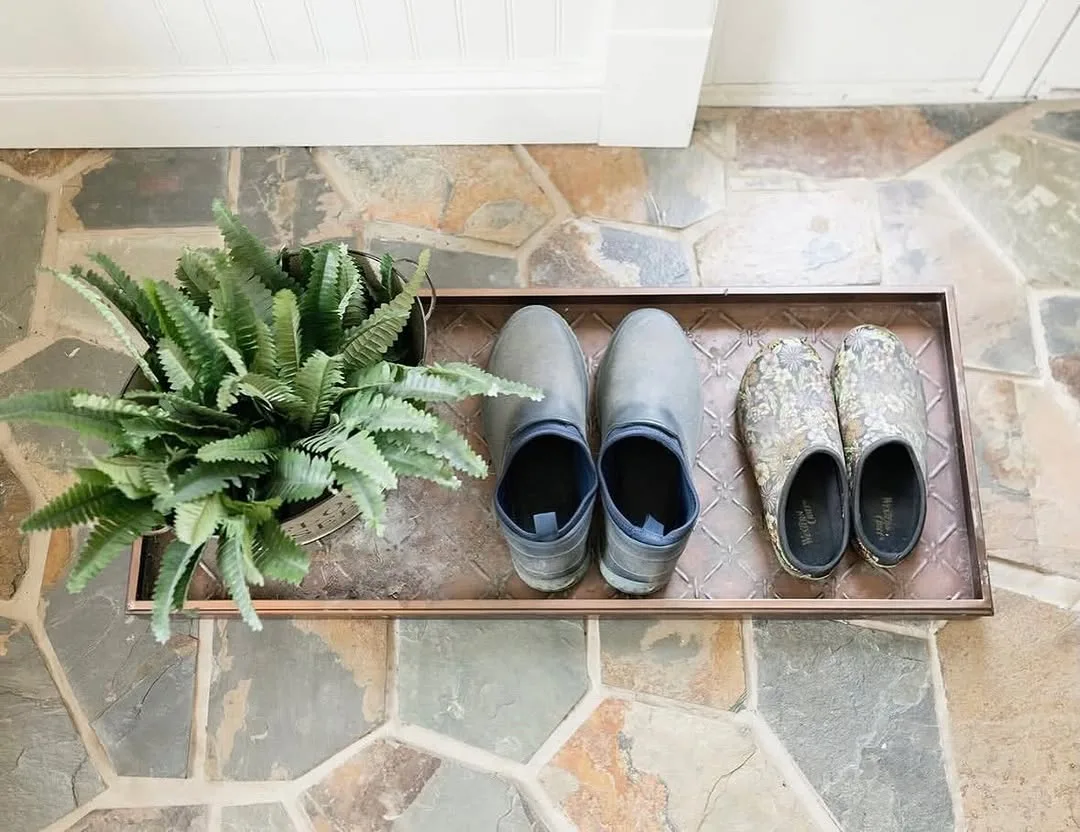
Good order grows from catching mud and melt water on one washable tray, protecting floors and defining the shoe zone. Daily routines run smoother, guests can be welcomed without a scramble, and every item earns its place. Strong entryway organization ideas habits grow from small finished sessions like this one, repeated steadily week after week.
Practical planning keeps effort realistic. Pick a tray with raised edges sized for family pairs, place beside the door, and rinse the tray during the weekly clean. Work in short timed sessions, keep a donation bag by the door, and stop while energy is still high.
Best results come for homes with rain, snow, gardens or dogs bringing weather indoors daily. Clear limits, honest labels and easy access matter more than expensive matching containers.
Picture the routine in real life. one dog owning family saved wooden floors through winter, because every wet paw and boot landed on the tray. Finished results stayed tidy for weeks, because the setup matched real habits instead of wishful thinking.
Watch out for allowing shoes beside the tray as overflow, because zones fail when edges blur. Slow down, fix the setup first, and repeat the small version until the habit holds on busy days too.
Absorbent Chenille Door Mat for Muddy Paws and Wet Shoes: Thick chenille mat sits under wet shoes and boots and traps water and mud before it reaches the floor.
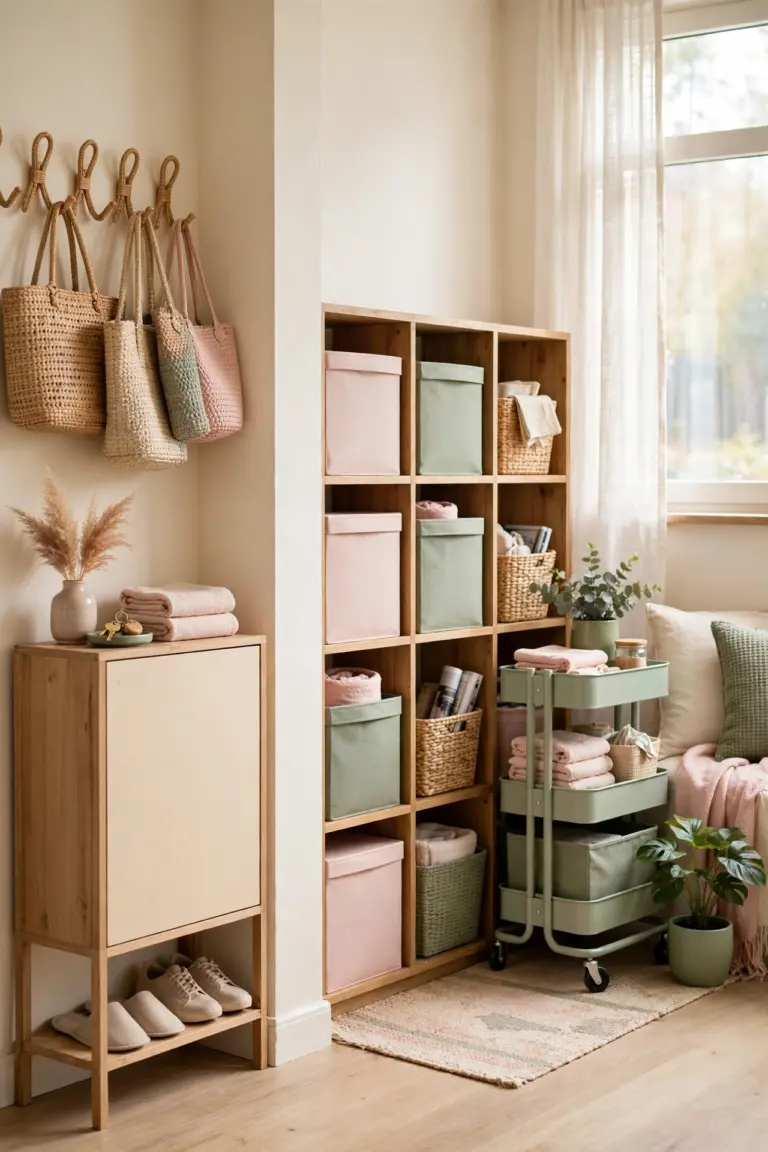
Labeled cubbies for each person
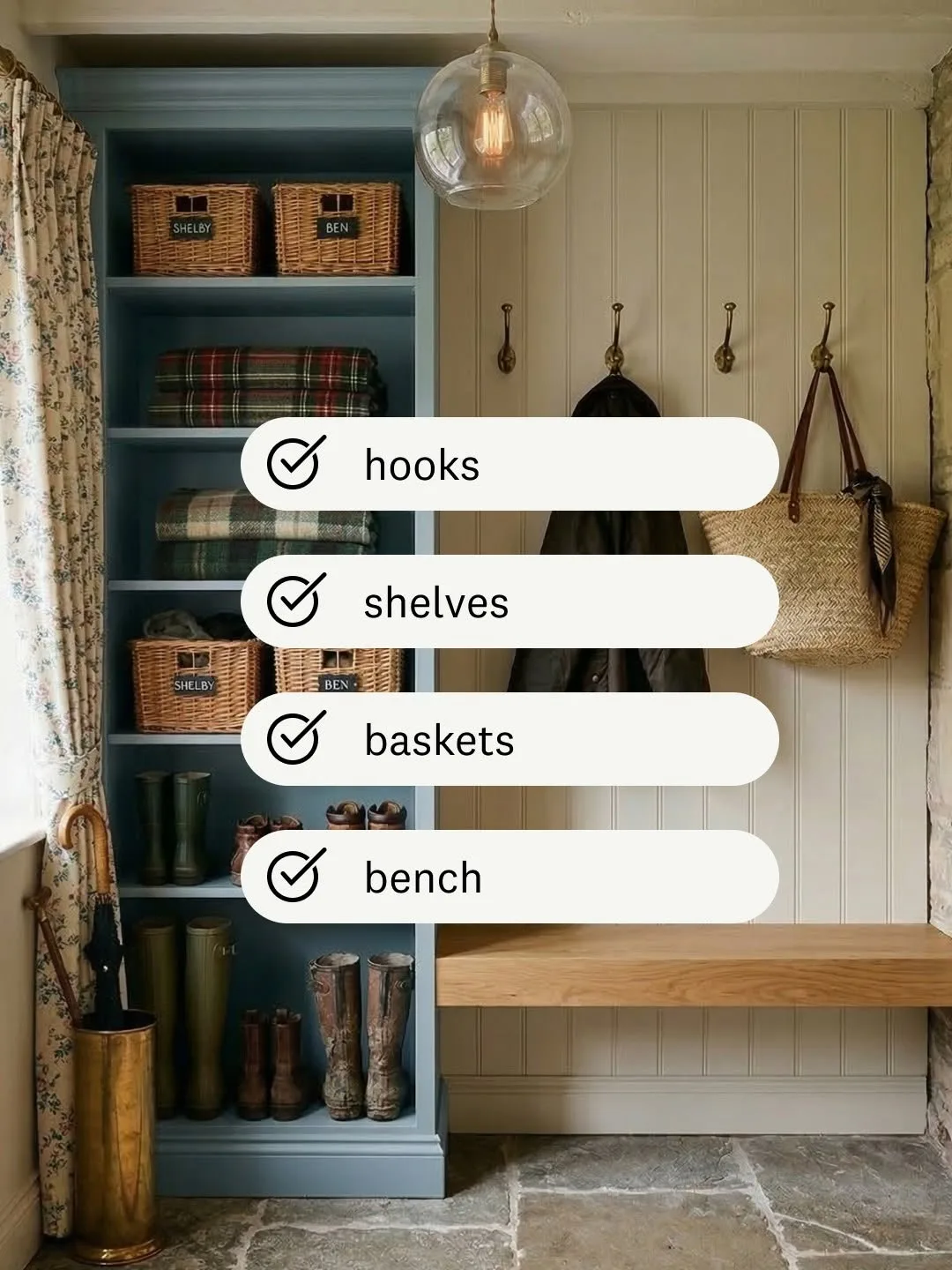
Calm rooms begin with assigning open cubbies by name for bags, hats and daily gear in busy family halls. Finding things becomes quick, putting things away becomes obvious, and the whole space feels lighter.
Practical planning keeps effort realistic. Label each cubby clearly, keep one bag per cubby, and review contents every Sunday during the reset. Photograph the finished result, because a clear picture makes resetting the space fast and simple.
Happiest users are larger families where shared shelves become anonymous dumping ground within days. Success comes from placing items where hands naturally reach during the busiest hour of the day.
Picture the routine in real life. one family of five ended bag hunts, because every school and sports bag slept in a named home. Guests noticed the calm first, and the family noticed faster cleanups every single day afterwards.
Watch out for letting cubbies hold homework and toys too, because mixed categories bury the daily essentials. Change one part at a time, watch what happens for a week, and adjust sizes before buying more storage.
Collapsible Fabric Storage Bins with Handles 6 Pack: Fabric cube bins turn open cubbies into one labeled box per person for shoes, bags and daily gear.
Wall sorter for mail
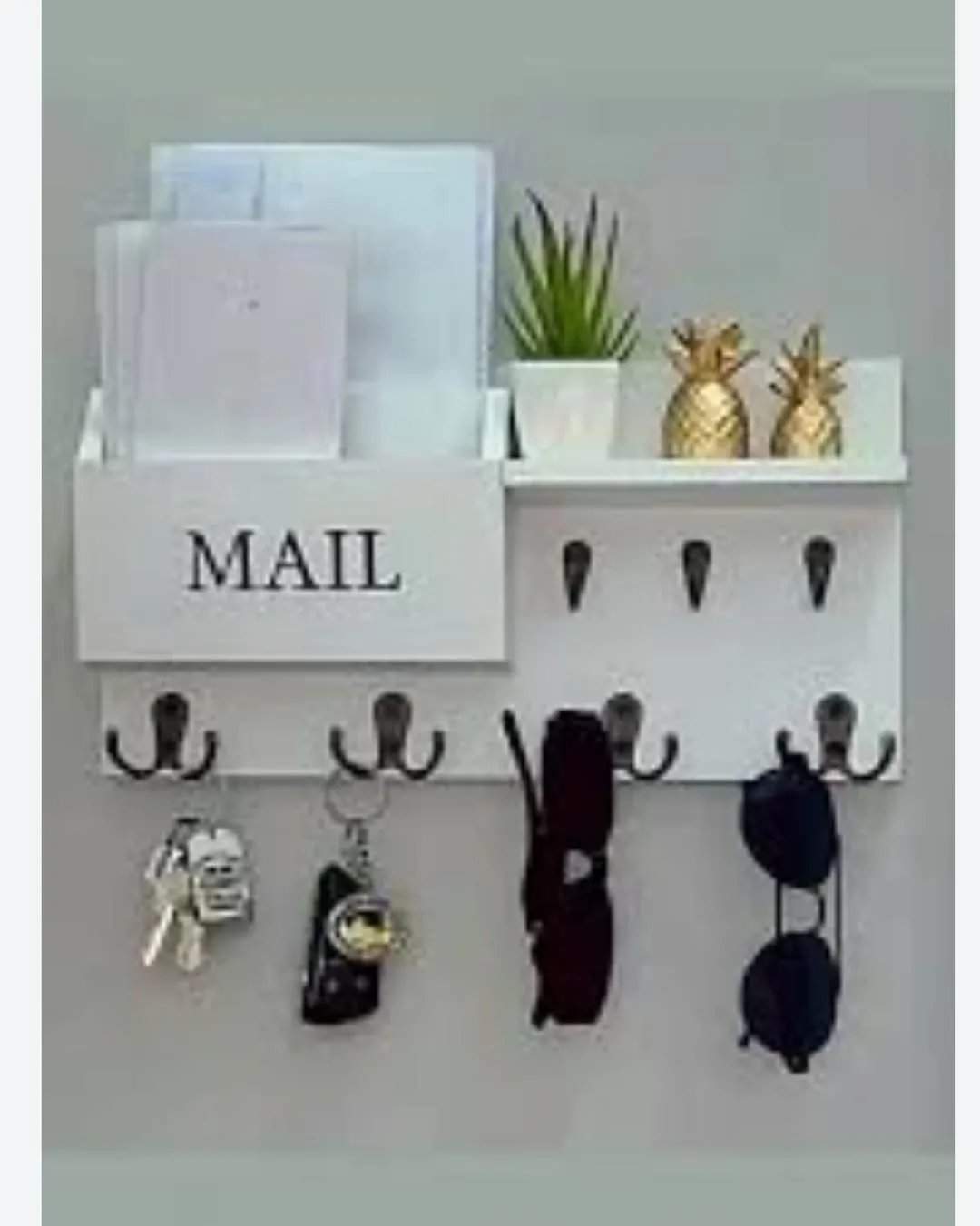
Thoughtful families choose filing letters and school forms on the wall in labeled pockets, away from flat surfaces. Money stops leaking into duplicate buys, because everyone can see what the home already owns.
Practical planning keeps effort realistic. Hang pockets for action, school and bills, sort post on entry, and empty the action pocket every Friday without fail. Tell everyone at home where things now live, because shared knowledge keeps new systems alive.
Strongest fit is households where post piles colonize consoles, stairs and kitchen counters. Small homes gain the most, because every shelf and drawer must work hard without feeling crammed.
Picture the routine in real life. one couple cleared a year of paper anxiety, because every letter gained a visible home on arrival. Praise from family members kept the system going long after the first tidy weekend ended.
Watch out for letting pockets bulge for months, because wall storage hides neglect more neatly than piles. Write the rule on a label or note, because visible reminders protect good systems from quiet drift.
Rustic 2 Slot Mail Sorter Organizer for Wall with Key Hooks: Two wall slots sort incoming mail and school papers while the hooks below keep keys in one place.
Umbrella stand beside the door
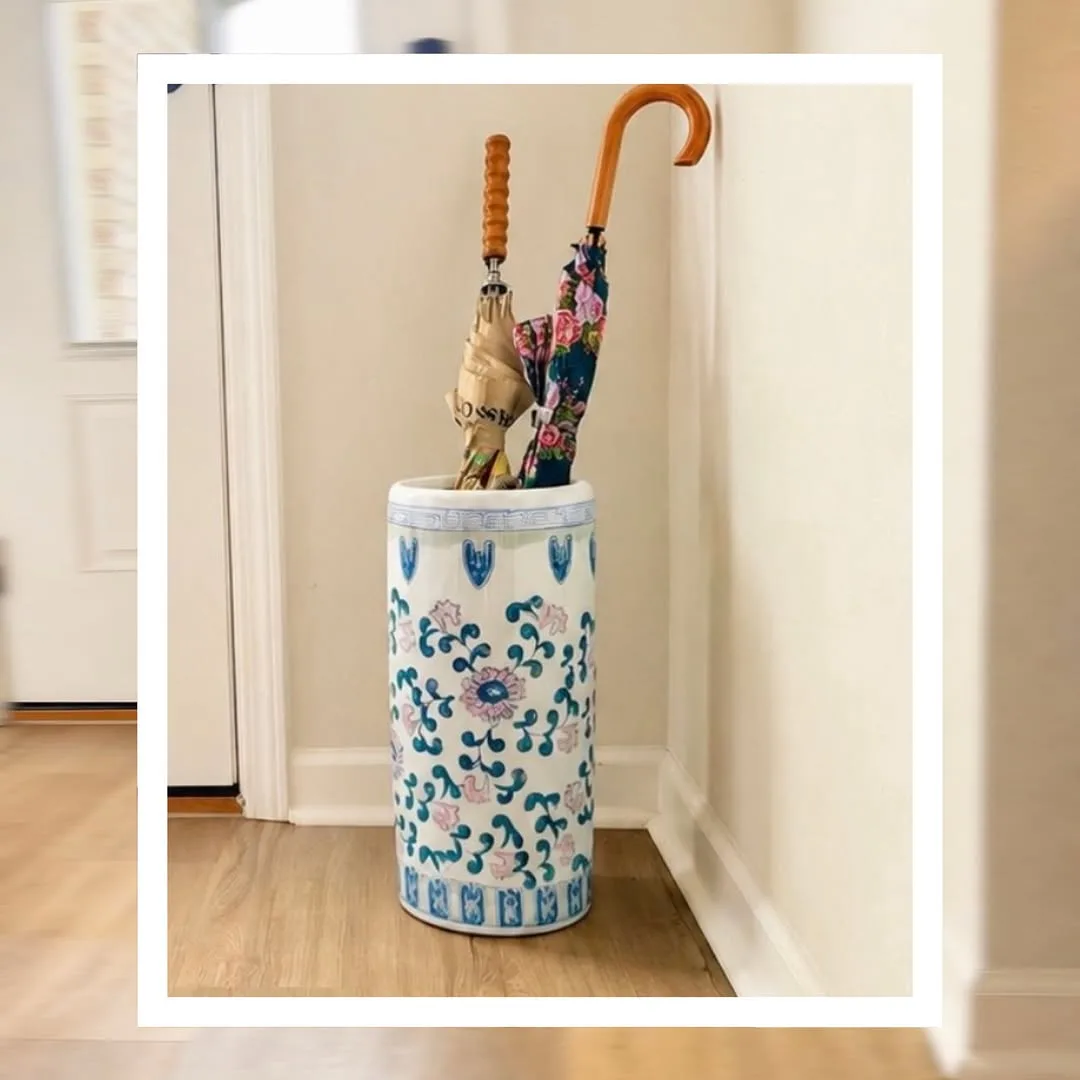
Neat spaces come from standing umbrellas and walking sticks upright in one drip catching stand. Mornings start calmer, evenings end tidier, and small messes stop growing into weekend projects. Strong entryway organization ideas habits grow from small finished sessions like this one, repeated steadily week after week.
Practical planning keeps effort realistic. Choose a stand with a drip tray, place on a washable mat, and shake umbrellas outside before storing whenever weather allows. Keep supplies for the job in one caddy, so sessions start in minutes rather than after a search.
Best results come for rainy climate homes where umbrellas lean, drip and fall across doorways. Clear limits, honest labels and easy access matter more than expensive matching containers.
Picture the routine in real life. one flat stopped doorway puddles completely once a stand caught every drip in one spot. Finished results stayed tidy for weeks, because the setup matched real habits instead of wishful thinking.
Watch out for storing broken umbrellas forever, because dead gear steals the space working items need. Slow down, fix the setup first, and repeat the small version until the habit holds on busy days too.
Entryway Metal Mesh Umbrella Holder: Tall mesh stand beside the door holds wet umbrellas and walking sticks upright and off the floor.
Coat closet with door pockets
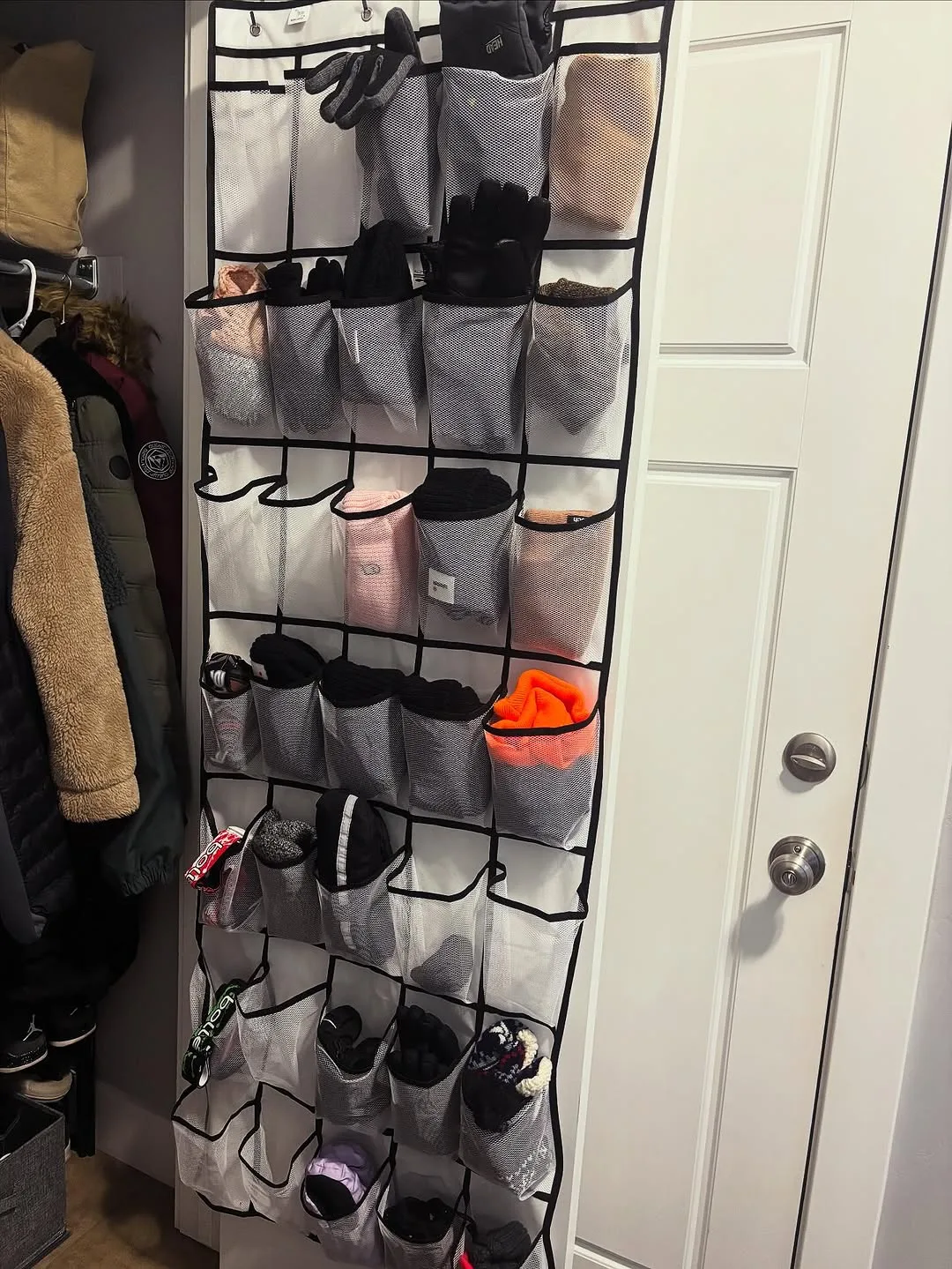
Smart homes rely on adding clear pockets inside the coat closet door for gloves, torches, dog bags and small daily tools. Shelves, surfaces and floors feel calmer within one session, and cleaning takes minutes instead of an afternoon.
Practical planning keeps effort realistic. Hang pockets at reachable heights, label sections, and keep heavy items in lower pockets for balance. Measure the space, count the items, and write quantities down before buying any storage at all.
Happiest users are homes with a hall closet whose door currently does nothing at all. Success comes from placing items where hands naturally reach during the busiest hour of the day.
Picture the routine in real life. one dog owner kept leashes, bags and gloves by the coats, and walks started in one smooth motion. Guests noticed the calm first, and the family noticed faster cleanups every single day afterwards.
Watch out for overloading door pockets until doors sag, because hinges carry limits like any shelf. Change one part at a time, watch what happens for a week, and adjust sizes before buying more storage.
4 Clear Window Pocket Over Door Hanging Organizer: Clear pocket organizer on the coat closet door adds visible pockets for gloves, hats and small gear.
Washable rug that traps dirt
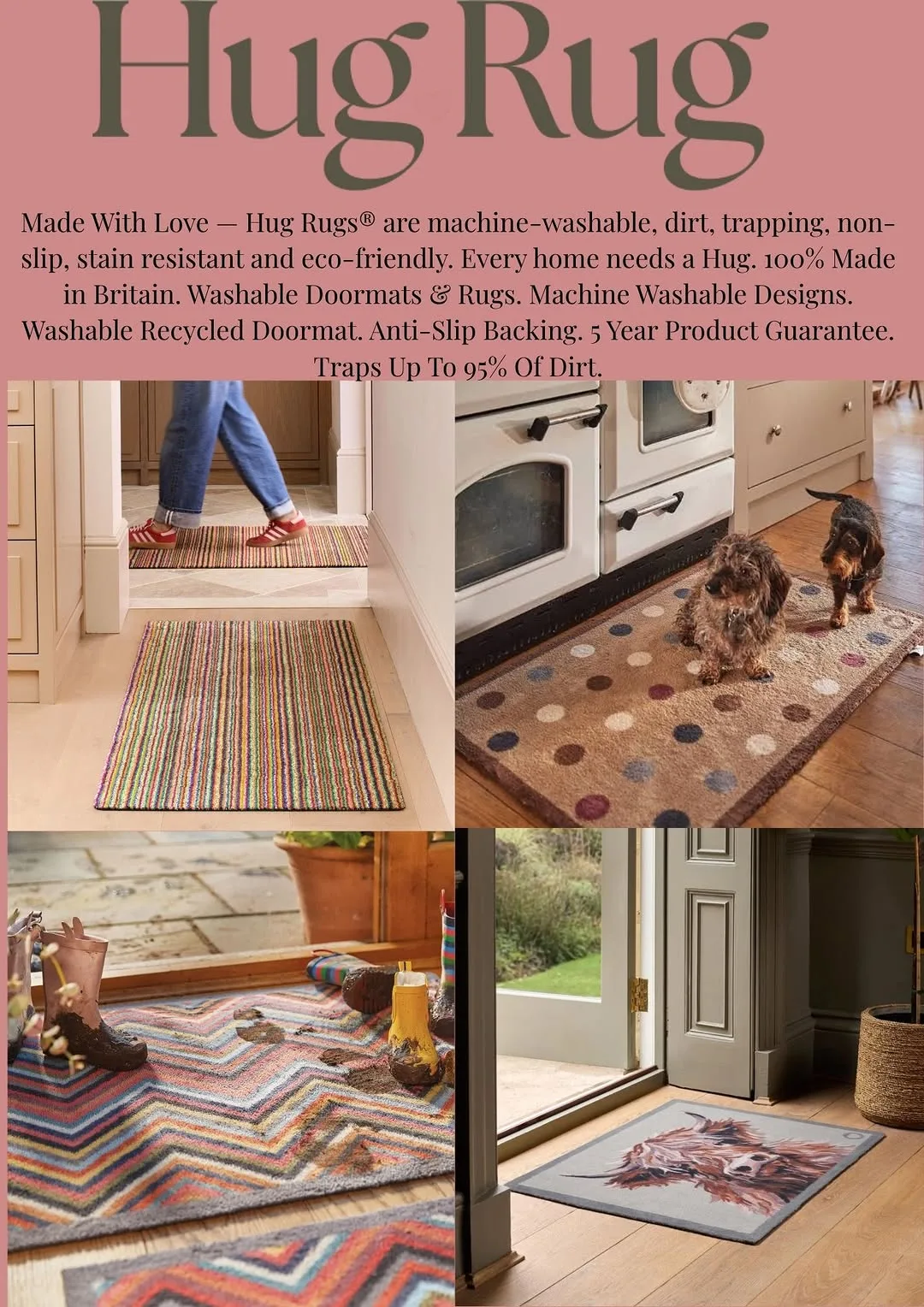
Good order grows from laying a low, washable runner that catches dirt at the door and warms the hall visually. Daily routines run smoother, guests can be welcomed without a scramble, and every item earns its place.
Practical planning keeps effort realistic. Choose a rug with a flat weave and non slip backing, size for two steps inside, and wash during the monthly clean. Work in short timed sessions, keep a donation bag by the door, and stop while energy is still high.
Strongest fit is homes with children, pets and muddy paths leading to the front door. Small homes gain the most, because every shelf and drawer must work hard without feeling crammed.
Picture the routine in real life. one family cut floor washing in half, because one runner caught most daily dirt at the door. Praise from family members kept the system going long after the first tidy weekend ended.
Watch out for choosing thick plush rugs, because doors catch, dirt hides and cleaning becomes a project. Write the rule on a label or note, because visible reminders protect good systems from quiet drift.
Washable Chenille Door Mat: Machine washable chenille rug traps dirt and moisture at the door and can be washed whenever it looks tired.
Basket for dog leashes and bags
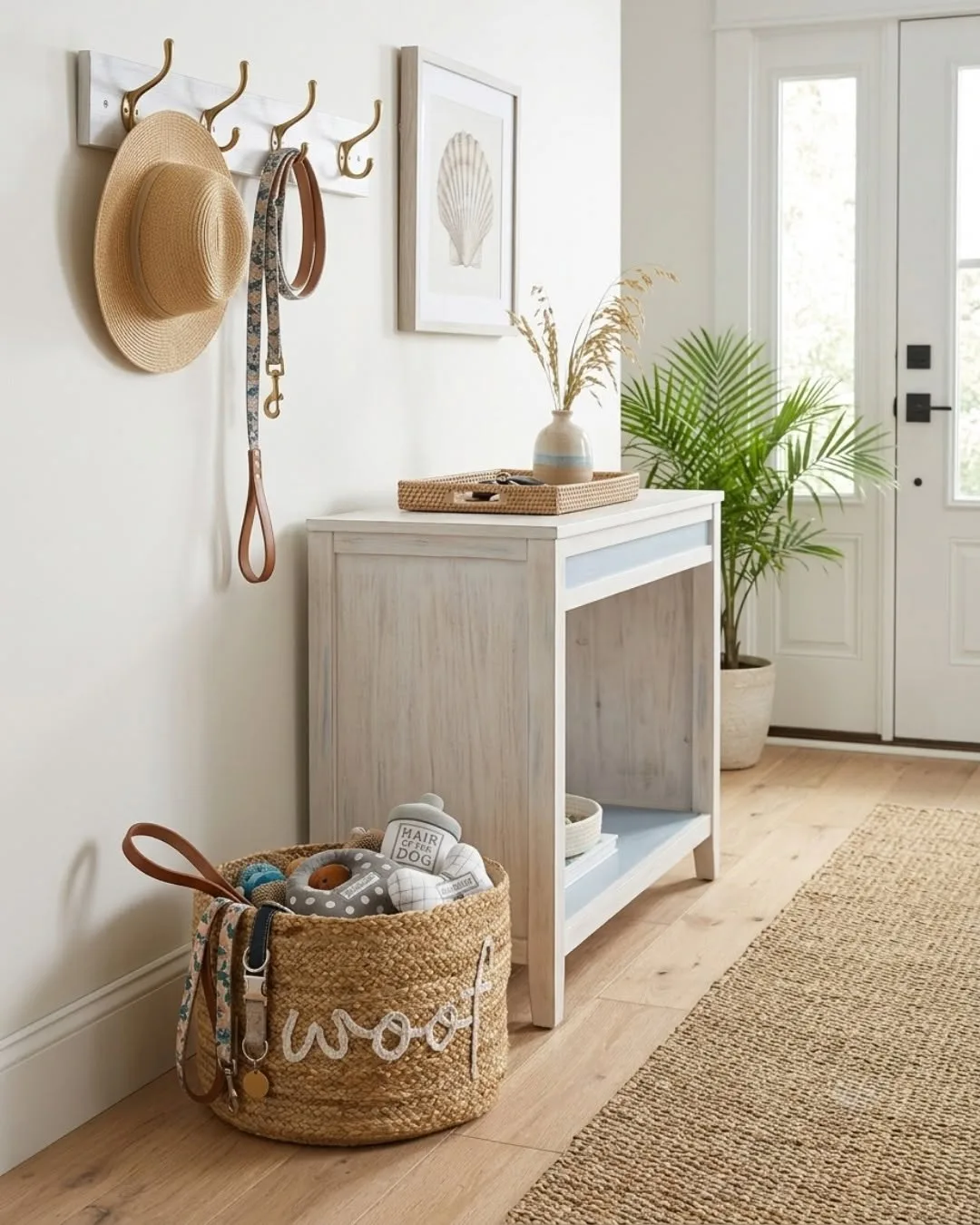
Calm rooms begin with keeping walk supplies in one basket hung by the coats, ready for fast exits. Finding things becomes quick, putting things away becomes obvious, and the whole space feels lighter. Strong entryway organization ideas habits grow from small finished sessions like this one, repeated steadily week after week.
Practical planning keeps effort realistic. Stock leashes, waste bags, treats and a towel for paws, and refill the basket during the Sunday reset. Photograph the finished result, because a clear picture makes resetting the space fast and simple.
Best results come for dog owners whose walk gear scatters across kitchens, sofas and car boots. Clear limits, honest labels and easy access matter more than expensive matching containers.
Picture the routine in real life. one owner cut walk preparation to seconds, because every supply waited beside the door. Finished results stayed tidy for weeks, because the setup matched real habits instead of wishful thinking.
Watch out for storing muddy towels with clean supplies, because one basket still needs zones and washing. Slow down, fix the setup first, and repeat the small version until the habit holds on busy days too.
Seagrass Wicker Basket with Handles: Handled wicker basket by the door keeps dog leashes, waste bags and a towel together for every walk.
Charging drawer near the door
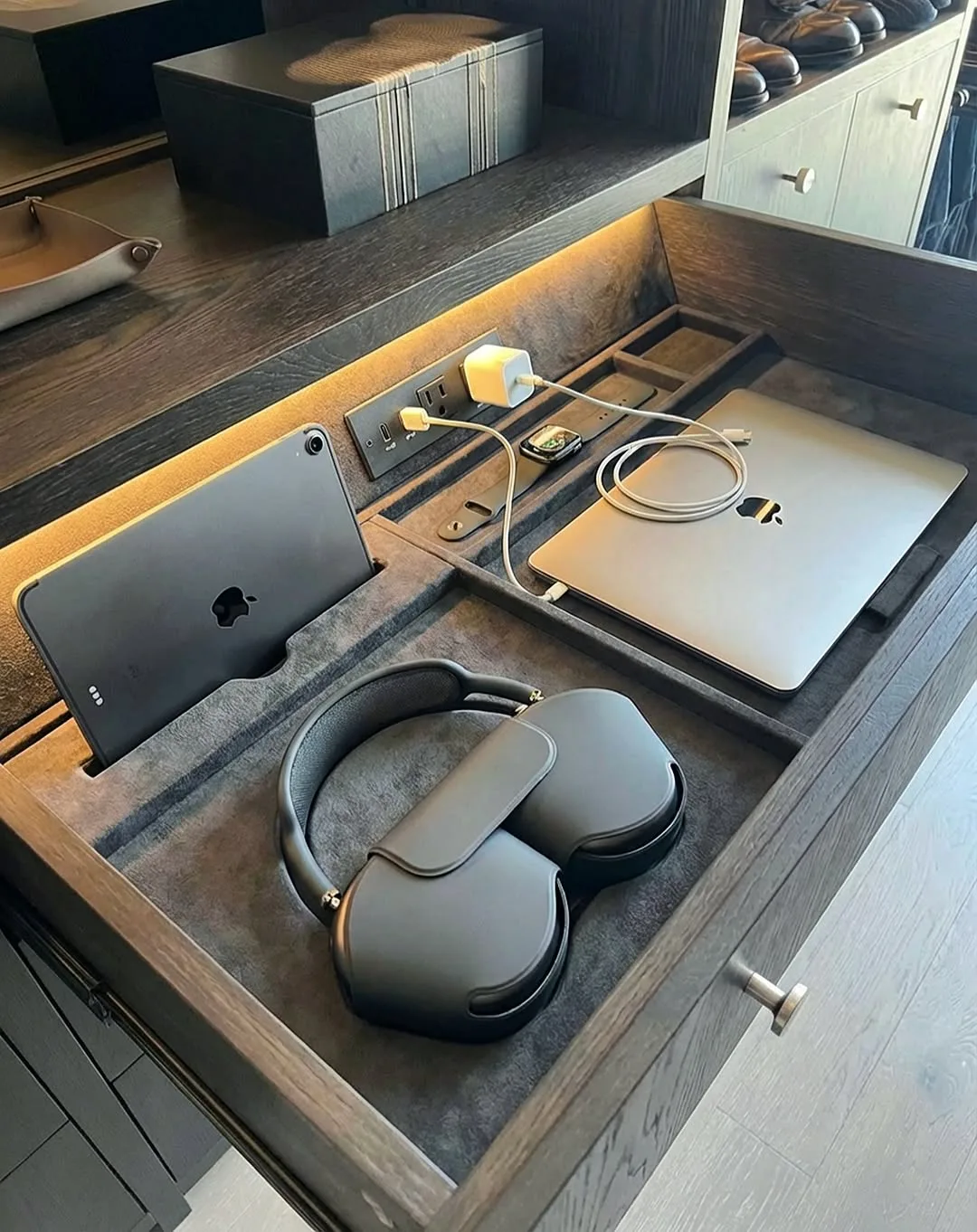
Thoughtful families choose hiding a charging station inside a console drawer, so phones and keys rest together overnight. Money stops leaking into duplicate buys, because everyone can see what the home already owns.
Practical planning keeps effort realistic. Fit a power strip safely with ventilation, label cables by device, and keep the drawer closed while charging per maker guidance. Tell everyone at home where things now live, because shared knowledge keeps new systems alive.
Happiest users are families whose chargers and cables colonize every hall surface and socket. Success comes from placing items where hands naturally reach during the busiest hour of the day.
Picture the routine in real life. one household reclaimed the console top completely, and morning phones stood charged inside one drawer. Guests noticed the calm first, and the family noticed faster cleanups every single day afterwards.
Watch out for overloading drawers with heat and tangles, because safety and airflow matter more than hidden cables. Change one part at a time, watch what happens for a week, and adjust sizes before buying more storage.
Bamboo Wireless Charging Station for Multiple Devices with Drawer Dock: Bamboo charging dock near the door charges phones and watches in one spot so counters stay clear.
Seasonal bin for coats and boots
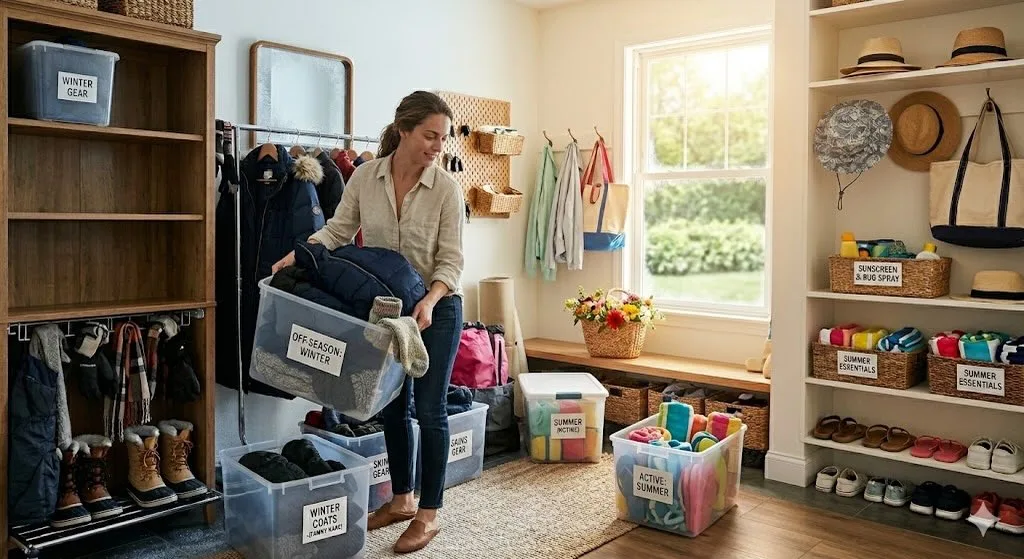
Neat spaces come from rotating heavy winter gear through one labeled bin that leaves the hall during warm months. Mornings start calmer, evenings end tidier, and small messes stop growing into weekend projects.
Practical planning keeps effort realistic. Wash and dry items before packing, label the bin with sizes, and store in a closet or garage until cold returns. Keep supplies for the job in one caddy, so sessions start in minutes rather than after a search.
Strongest fit is homes where winter volume overwhelms small halls for half the year. Small homes gain the most, because every shelf and drawer must work hard without feeling crammed.
Picture the routine in real life. one family freed four hooks in spring, and summer hats finally had space by the door. Praise from family members kept the system going long after the first tidy weekend ended.
Watch out for packing damp boots away, because stored moisture ruins leather and welcomes mould. Write the rule on a label or note, because visible reminders protect good systems from quiet drift.
3 Pack Clear Storage Bins with Lids Stackable: Clear lidded bins stack in the closet to swap seasonal coats and boots in and out without guesswork.
Reset basket beside the stairs
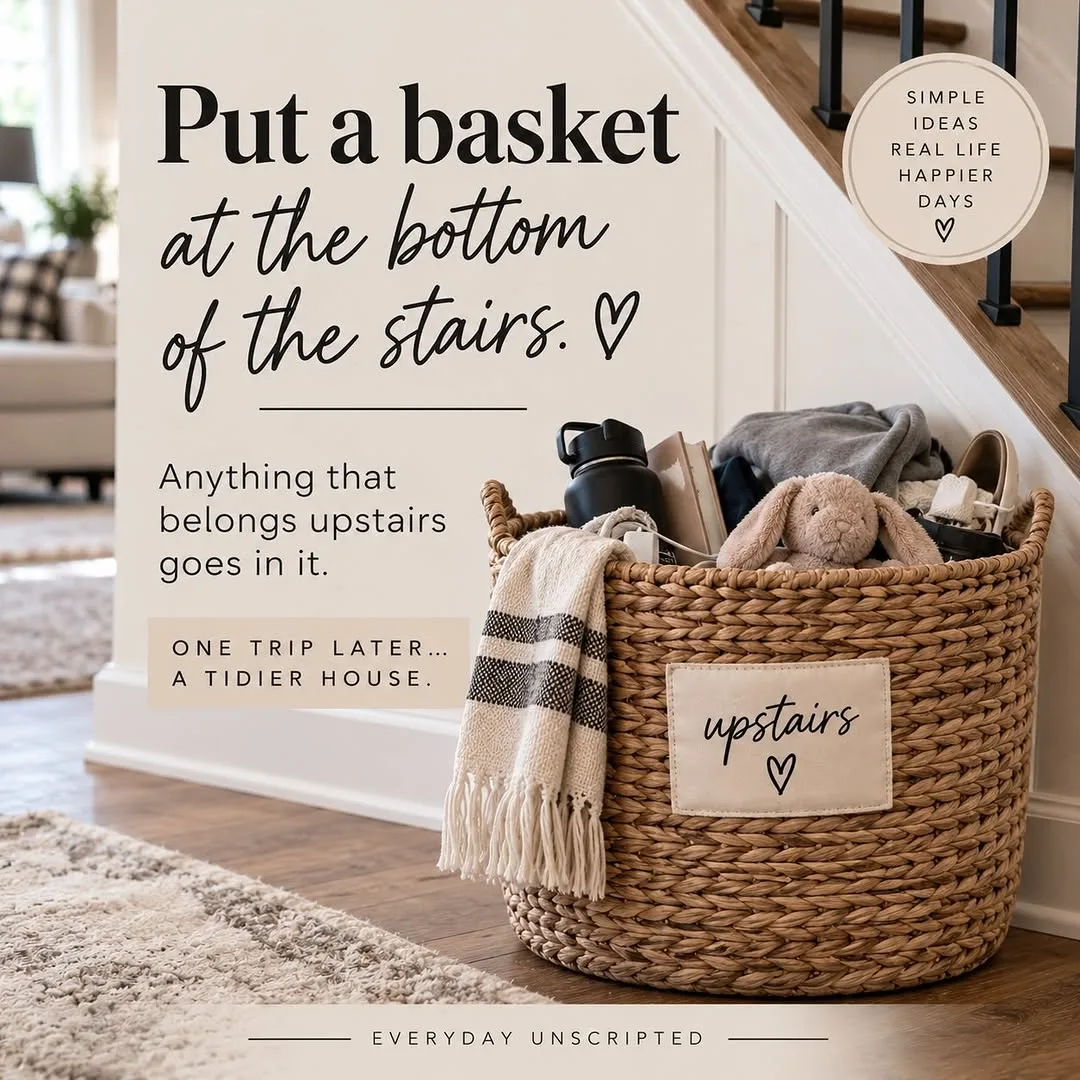
Smart homes rely on catching items that belong upstairs or elsewhere in one basket emptied during daily trips. Shelves, surfaces and floors feel calmer within one session, and cleaning takes minutes instead of an afternoon. Strong entryway organization ideas habits grow from small finished sessions like this one, repeated steadily week after week.
Practical planning keeps effort realistic. Place the basket at the stair base, carry upstairs whenever full, and empty fully every evening without exception. Measure the space, count the items, and write quantities down before buying any storage at all.
Best results come for two floor homes where stairs become slow shelves for homeless items. Clear limits, honest labels and easy access matter more than expensive matching containers.
Picture the routine in real life. One family cleared stair piles in a week because the basket made transporting items automatic. Finished results stayed tidy for weeks, because the setup matched real habits instead of wishful thinking.
Watch out for letting the basket overflow onto steps, because stairs must stay clear for safety above all. Slow down, fix the setup first, and repeat the small version until the habit holds on busy days too.
Woven Stair Basket for Wooden and Carpeted Stairs with Handles Brown: Step shaped basket sits beside the stairs and collects anything waiting for a trip up or down.
Common Mistakes to Avoid
Rushing through sorting leads to regret, because daily items and seasonal extras fighting for the same hooks guarantee piles on chairs and stairs. Decisions made in a hurry send loved items to donation bags and keep broken pieces in prime spots, so slow sorting with clear rules protects both money and memories.
Buying boxes before measuring creates brand new clutter, especially when furniture too deep for the hall blocks doors, trips guests and gathers clutter instead of curing the mess. Containers that almost fit waste money and crowd shelves, while a tape measure and a phone note cost nothing and prevent nearly every bad buy.
Forgetting upkeep undoes tidy shelves within weeks, so a nightly reset belongs in the routine, because entryways drift faster than any other zone. Order survives through tiny repeat habits, honest reviews, and family members who all know where things belong and why the system matters.
Budget Friendly Ways to Organize an Entryway
Smart spending starts with items already at home, including baskets from other rooms, spare hooks, a bowl for keys and a tray rescued from the kitchen. Clean, sturdy and honestly sized containers beat matching sets bought in a rush, and rooms look calmer when storage suits the items rather than a catalogue photo.
Market stalls, supermarket basics and second hand shops cover most needs, including one bench, a set of hooks and washable rug, for very little money. Shopping with measurements and a written list keeps spending focused, while borrowing rarely used tools from friends protects the budget for items that truly matter.
Borrowed tools and shared family supplies stretch money further, while one person zone built first teaches the layout before the whole hall changes. Saving on hidden storage leaves more room in the budget for the few visible pieces that lift the whole room every day.
Simple Tips That Keep Order Alive
Label the system. Write zones by person on paper, then fit hooks and cubbies to the map. Clear words on the outside save every family member from opening three wrong containers.
Measure the system. Measure hall width with doors open, because swing space decides furniture depth. Sizes written on a phone note prevent duplicate buys and containers that almost fit.
Extra guidance on entryway organization ideas comes from testing one small area first, watching daily habits for a full week, and adjusting storage to match real life rather than magazine photos. Small tests reveal true sizes, true quantities and true routines.
Group the system. Group outdoor items by person, never by type, in busy family halls. Like items living together makes gaps and excess obvious at a glance.
Photograph the system. Photograph the tidy hall, and use the photo during the nightly reset. A quick photo of the finished setup becomes the reset guide for the whole family.
Remember that strong entryway organization ideas choices reward patience, honest measuring and regular small reviews. Families who revisit one shelf each month keep order quietly, without dramatic cleanouts or expensive replacement storage.
Review the system. Review coats and shoes each season, and move spares out of the hall. A five minute check each month catches drift before clutter rebuilds in silence.
Keep the system. Keep one small bin for recycling junk mail right beside the door. Daily items deserve the easiest reach, while rare items can live higher and deeper.
FAQ
How do I organize a very small entryway?
Use the wall, the door back and one slim piece of furniture, while daily shoes stay limited to one pair per person. Small halls succeed through strict quantities, vertical storage and a nightly reset that takes two minutes.
How many hooks does a family need?
Plan one strong hook per person for a coat, plus shared hooks for guests, bags and dog items. Hooks at two heights let children reach their own gear, which keeps coats off floors and chairs.
What furniture suits narrow halls?
Choose a slim bench or console with storage below, leaving clear walking and door swing space on both sides. Furniture that stores shoes and offers a sitting spot earns narrow hall space better than decorative tables.
How do I stop shoes taking over?
Keep one daily pair per person by the door, store other shoes in wardrobes, and add a boot tray for wet weather. A simple shoe limit, enforced kindly during the nightly reset, protects the whole hall.
Where should keys and post live?
Place a key bowl and a mail sorter in the exact spot hands reach when entering, beside the door at natural height. Systems placed where habits already happen survive, while pretty stations across the room get ignored.
How can entryways stay tidy in winter?
Add a boot tray, a glove basket and spare hooks before cold weather, and dry wet items over the tray nightly. Winter gear volume doubles, so seasonal preparation prevents the hall collapsing by December.
Conclusion
Good order grows from honest sorting, sensible storage and tiny repeat habits that fit busy weeks. Strong entryway organization ideas choices respect your space, your budget and the way your family actually lives, so tidy rooms stay tidy without constant effort or stress.
Pick three ideas from this list, finish them fully this week, and live with the results before buying anything new. Small finished spaces build confidence, teach the family the new system, and reveal exactly which storage the home still needs.
Enjoy the calmer corners that follow, and let small finished spaces pull the rest of the home along gently. One shelf, one drawer and one quiet morning at a time, order becomes the normal way the home feels every day.