15 Small Apartment Storage Ideas That Make Every Room Feel Calmer
Small homes hold plenty of life, yet clutter builds fast when coats, shoes, chargers and cleaning supplies share the same few surfaces. Smart small apartment storage ideas turn walls, corners and hidden gaps into useful places, so each item lands in a spot you can reach without digging. Rooms feel calmer because your eyes rest instead of scanning piles.
You do not need a full makeover or a large budget to feel a real change at home. Simple shifts, like moving daily items near the door you use most and giving bulky items a closed home, cut the daily hunt for keys, shoes and remotes. Less searching means smoother mornings and tidier evenings for everyone in the house.
Start with the rooms you use every day, then work through entryways, bedrooms, bathrooms, closets and one tight corner at a time. You will find fifteen practical small apartment storage ideas below, plus common mistakes, slow budget steps and habits that keep clutter away. Pick two or three ideas first and enjoy progress you can see within a weekend.
What storage works best in a small apartment?
Vertical storage, closed storage and flexible pieces work best because they use height, hide visual mess and adapt as your needs change. Best small apartment storage ideas match the item to the moment you use it, like hooks by the door for bags you grab daily. Keep daily items easy to reach and store rare items higher or deeper.
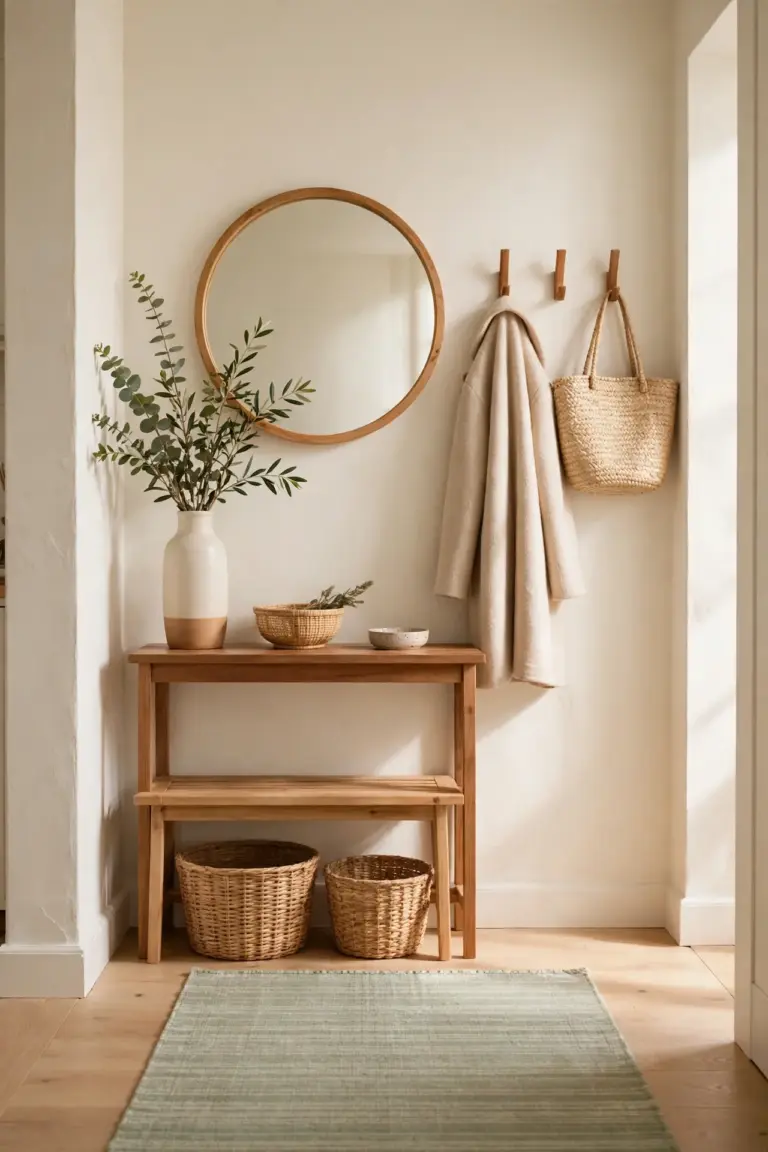
Picture a narrow entry with a slim shoe cabinet, three hooks and one small tray for keys and mail. Everything for leaving home sits in one short stretch of wall, so the floor stays clear and guests can step inside without weaving around piles. Simple setups like that one prove small spaces work well when each zone has one clear job.
Wall mounted entryway storage unit
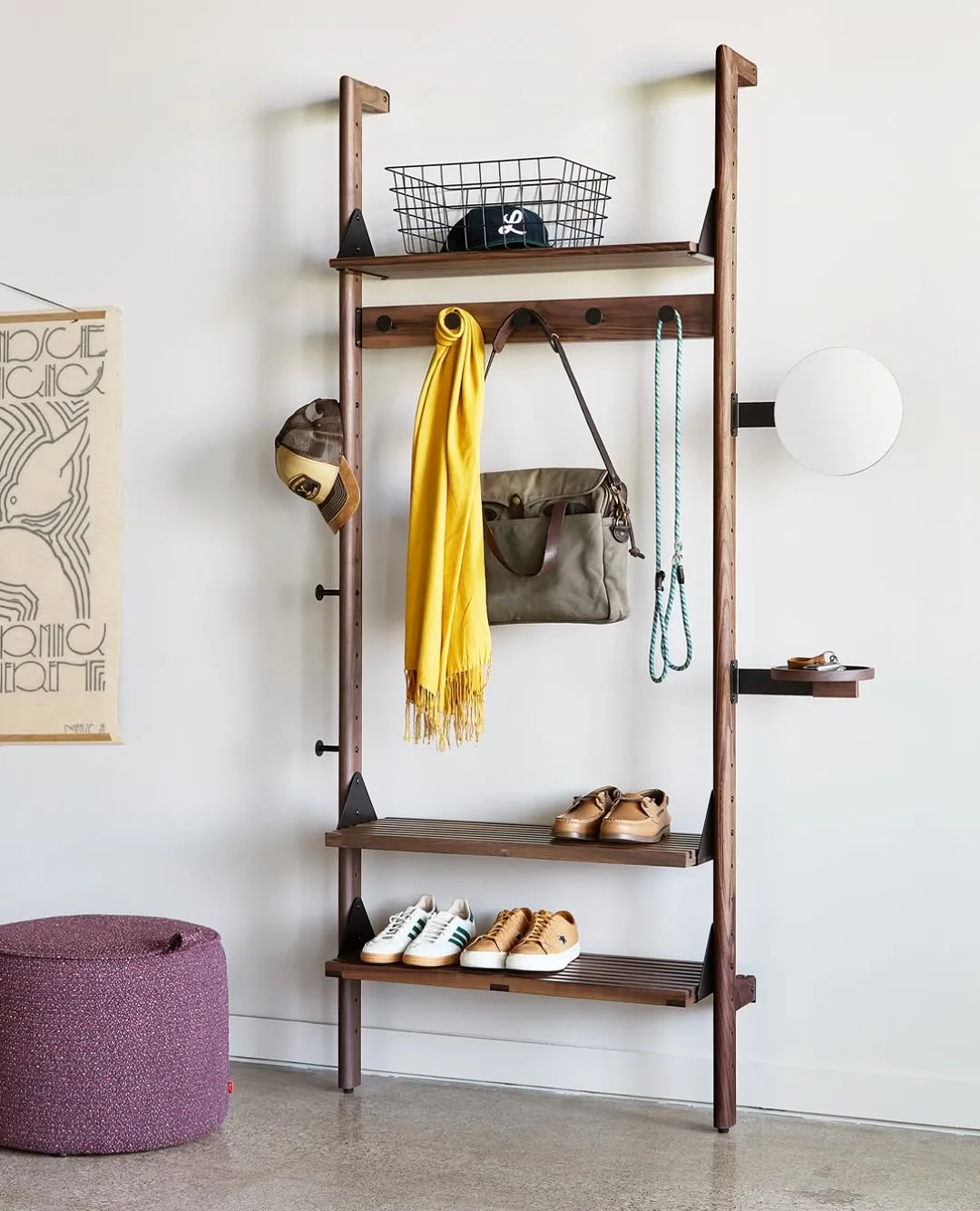
Wall space near your front door often sits empty while coats and bags pile onto chairs. Mounted units lift storage off the floor and place daily items at eye level, where you see them as you leave. Floors stay open, cleaning feels easier and the entry sends a calm first impression instead of a stressed one.
Choose a unit with a mix of hooks, small shelves and one or two cubbies so different items share one footprint. Look for solid fixings and check your wall type before you drill, then place hooks low enough for kids to reach. Many small apartment storage ideas start here because one unit can hold keys, sunglasses, dog leads and post in one tidy row.
Busy households gain the most because everyone learns one landing spot for daily gear. Set a simple family example by hanging your work bag, school bags and gym kit on the unit each evening, with shoes lined beneath it. Mornings run smoother when nobody hunts through bedrooms for a missing bag or a single glove.
Avoid hanging heavy coats on a light unit that only suits keys and caps, because fixings can loosen over time. Spread weight across hooks, keep the heaviest items on lower shelves and check screws each season. Overloading one side also makes the unit look messy, which defeats the calm feeling you wanted from the change.
Entryway bench with storage and wall hooks
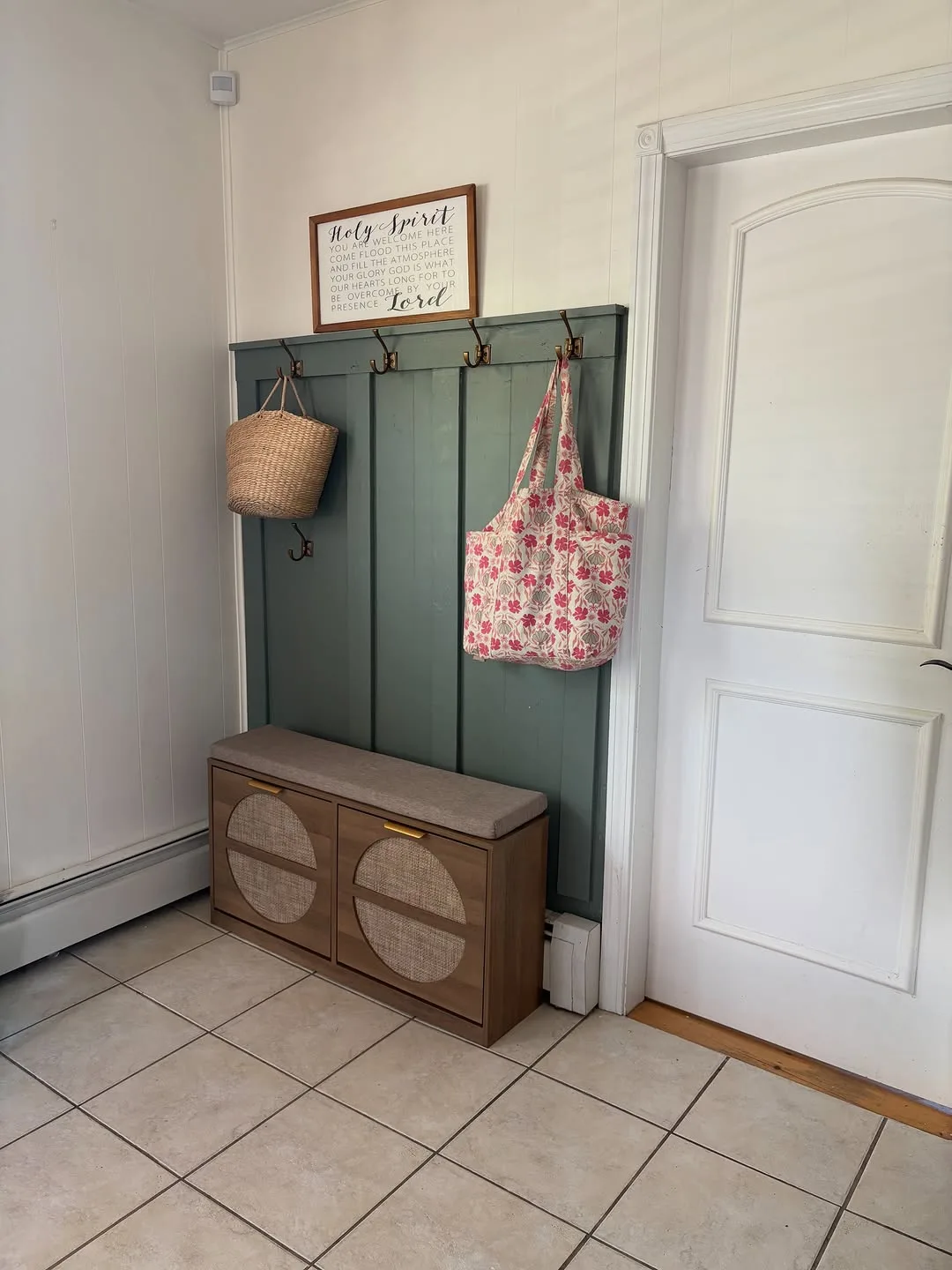
Seating by the door makes putting on shoes calmer, especially for kids and older family members. Benches with storage inside hide shoes, scarves and gloves while hooks above hold coats and bags off the floor. Combined pieces save space because one corner handles sitting, storing and hanging without extra furniture crowding the walkway.
Look for a bench with a lift up lid or deep drawers, plus a cushion you can wash when muddy shoes leave marks. Measure your hallway width first and leave clear space for the door to open fully. Strong corners, smooth edges and a finish that wipes clean will handle daily knocks far better than delicate styles.
Families with school age kids benefit most, since the bench becomes a morning launch pad for shoes, bags and sports kit. Give each child one section of the bench and one hook, then place school shoes inside the night before. Example routines like that one turn a rushed hallway into a simple line up and go moment each morning.
Keep only current season shoes inside the bench, because stuffed storage slows everyone down and traps smells. Move spare pairs to a closet or under bed box and wipe the inside of the bench each week. Lid hinges also need space to open fully, so avoid pushing the bench tight against radiators or door frames.
Slim shoe cabinet by the door
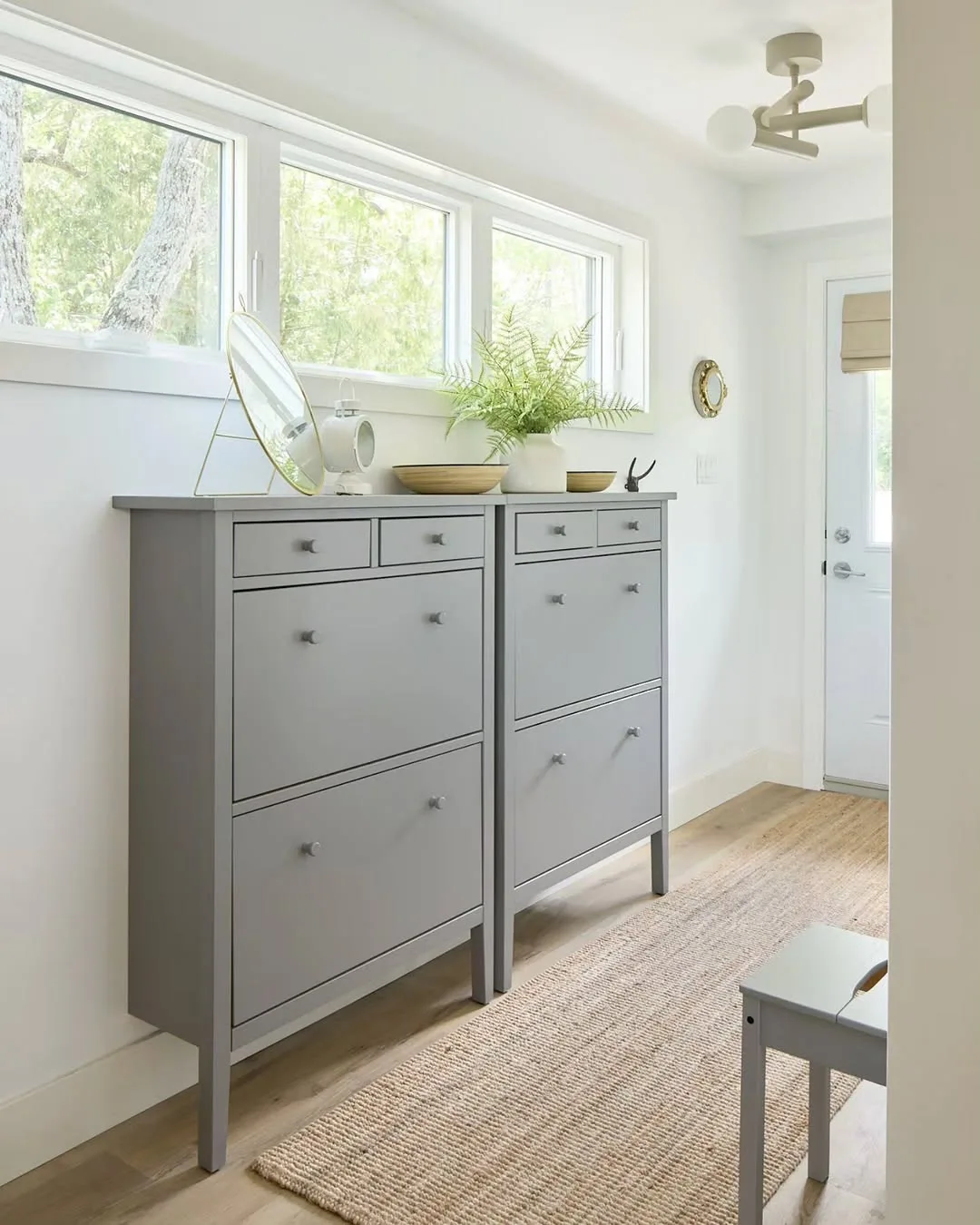
Shoes spread across an entry floor shrink the room and trip people carrying bags or groceries. Slim cabinets hold pairs upright in a shallow frame, so you gain storage without blocking the walkway. Closed doors hide mixed colors and worn trainers, which makes the whole entry look neater in seconds.
Measure your most used pairs before you buy, because tall boots and chunky trainers need deeper compartments than flat sandals. Place the cabinet on the wall you pass first when you enter, and leave a small mat in front for wet shoes. Models with adjustable shelves let you change the layout when seasons or family sizes change.
Couples and housemates in studios gain a lot, since shoe clutter often lands right beside the bed or sofa in open plan rooms. Give each person one shelf and keep one shared shelf for guest slippers and gym shoes. Guests notice the difference at once because the doorway feels open instead of crowded with scattered pairs.
Resist using the top of the cabinet as a dumping spot for mail, keys and loose change, because clutter will creep back fast. Place one small tray on top if you need a landing spot, and clear the tray each evening. Air the cabinet weekly as well, since closed shoe storage can hold smells in warm weather.
Storage tucked behind the entry door
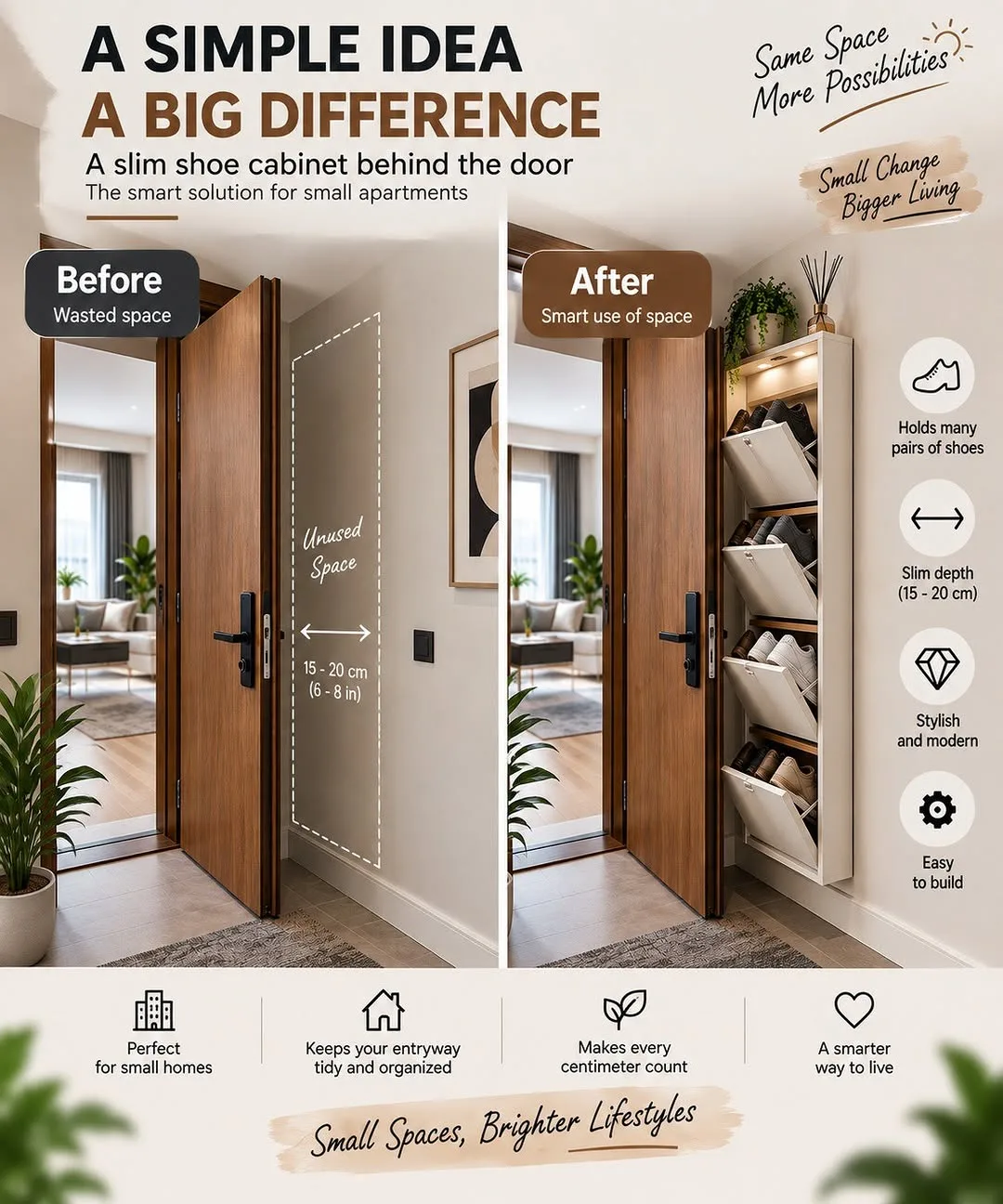
Behind your entry door sits a narrow strip of space that most homes ignore completely. Flat hooks, slim rails and hanging pockets fit in that gap and hold items you use as you leave. Using hidden space keeps walls in the main room free for art, mirrors and furniture you actually enjoy looking at.
Use shallow hooks for umbrellas, tote bags, hats and dog leads, and choose pockets with clear fronts when you store small items like gloves or sunscreen. Check the gap between door and wall first, then pick storage thinner than that gap. Soft items work best here because hard boxes can bump the wall each time the door opens.
Morning routines run faster when last minute items wait right behind the door you exit through. Hang your work lanyard, reusable bags and a small pouch with lip balm and tissues in the pockets before bed. You grab each item on your way out, and the door hides the whole setup when guests visit during the day.
Check door clearance before you hang anything bulky, because blocked doors feel frustrating and can damage paint or hinges. Open and close the door several times after fitting your storage, and move anything that rubs or rattles. Light items suit this spot best, since heavy loads strain hinges and make the door swing shut too fast.
Peg rails for boots and everyday bags
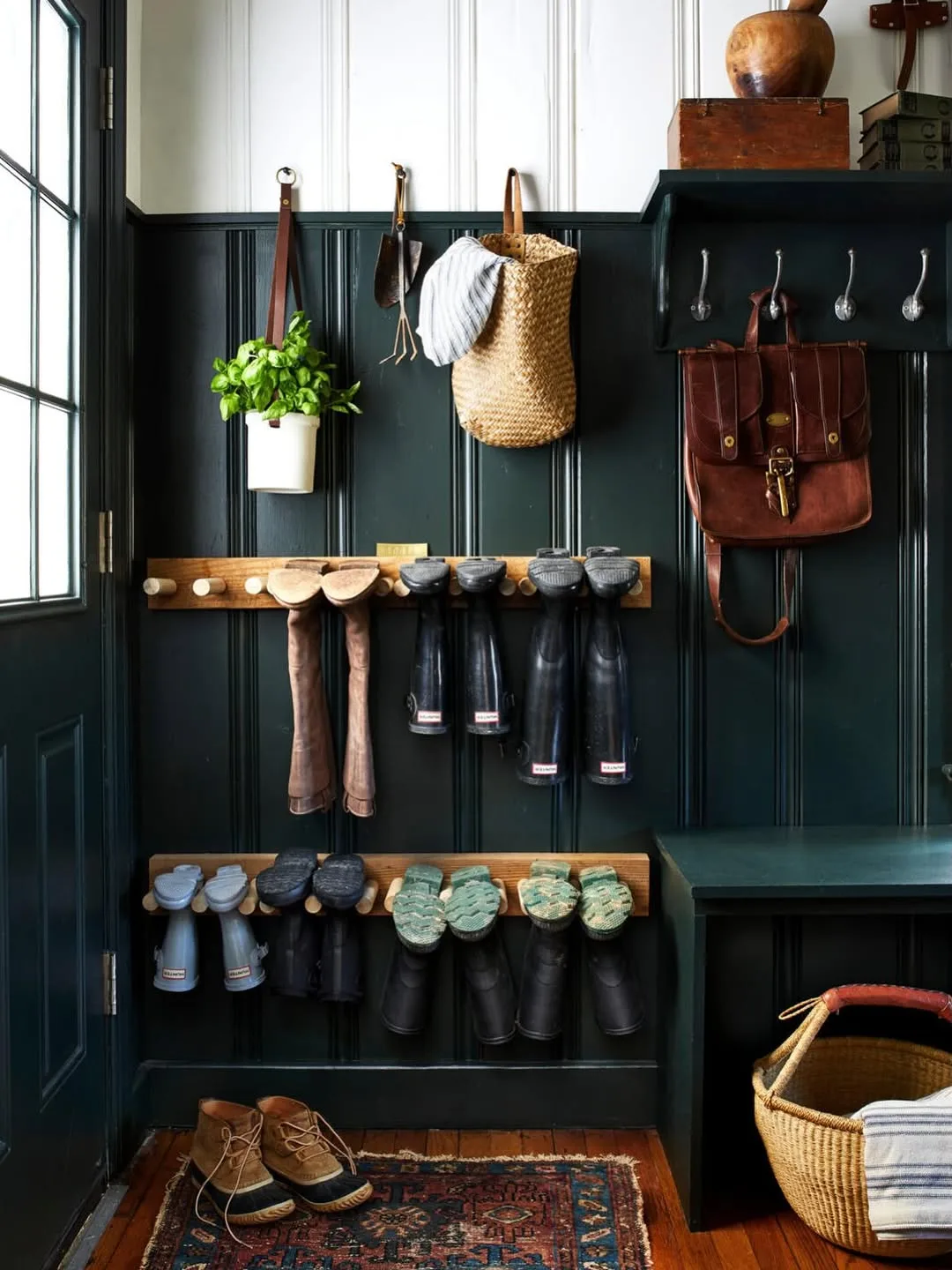
Peg rails bring simple, flexible storage to hallways, bedrooms and kitchen corners without bulky furniture. Wooden pegs hold bags, hats, scarves and coats, and you can space items out as seasons change. Rails also suit tall boots below them, since boots stand upright in a neat row instead of toppling across the floor.
Space pegs evenly and fix the rail into studs or solid plugs so each peg carries real weight without wobbling. Place one rail at adult height for coats and a lower rail for kids bags and lunch boxes. Paint or oil the wood in a tone that matches your room, so the rail feels like decor rather than a quick fix.
Parents love peg rails near the back door, where muddy boots, rain coats and school bags land after busy days. Set boots on a washable mat under the rail, hang bags on the pegs and place a small basket nearby for gloves. Family members copy the system fast because every item has an obvious peg waiting for it.
Overloading one peg with three heavy bags bends pegs and pulls fixings loose over time. Spread weight across the rail, move rarely used bags into a closet and leave one peg free for guests. Rails also collect dust on top, so wipe them during your weekly clean to keep the entry feeling fresh.
Cube shelving with fabric bins
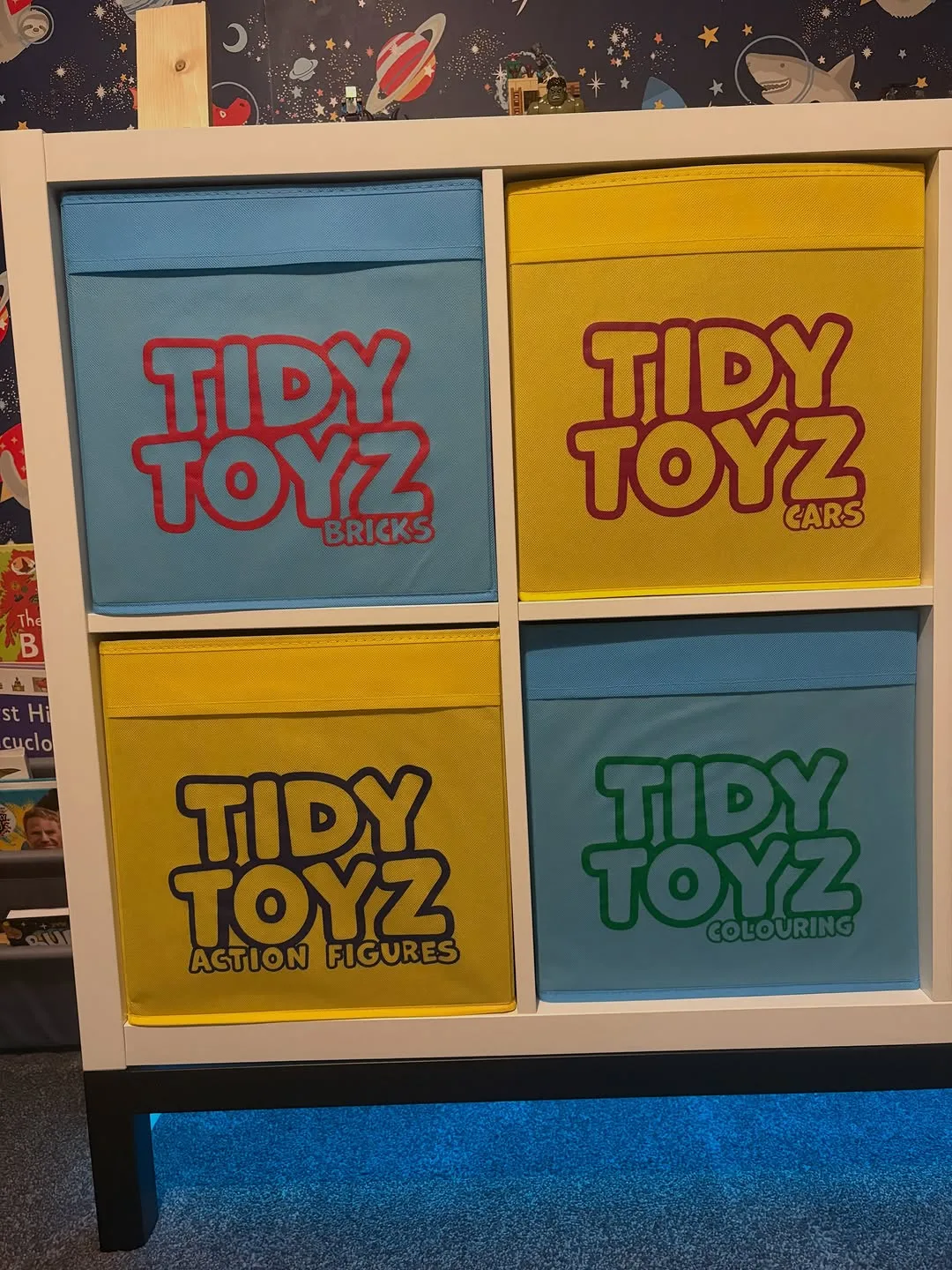
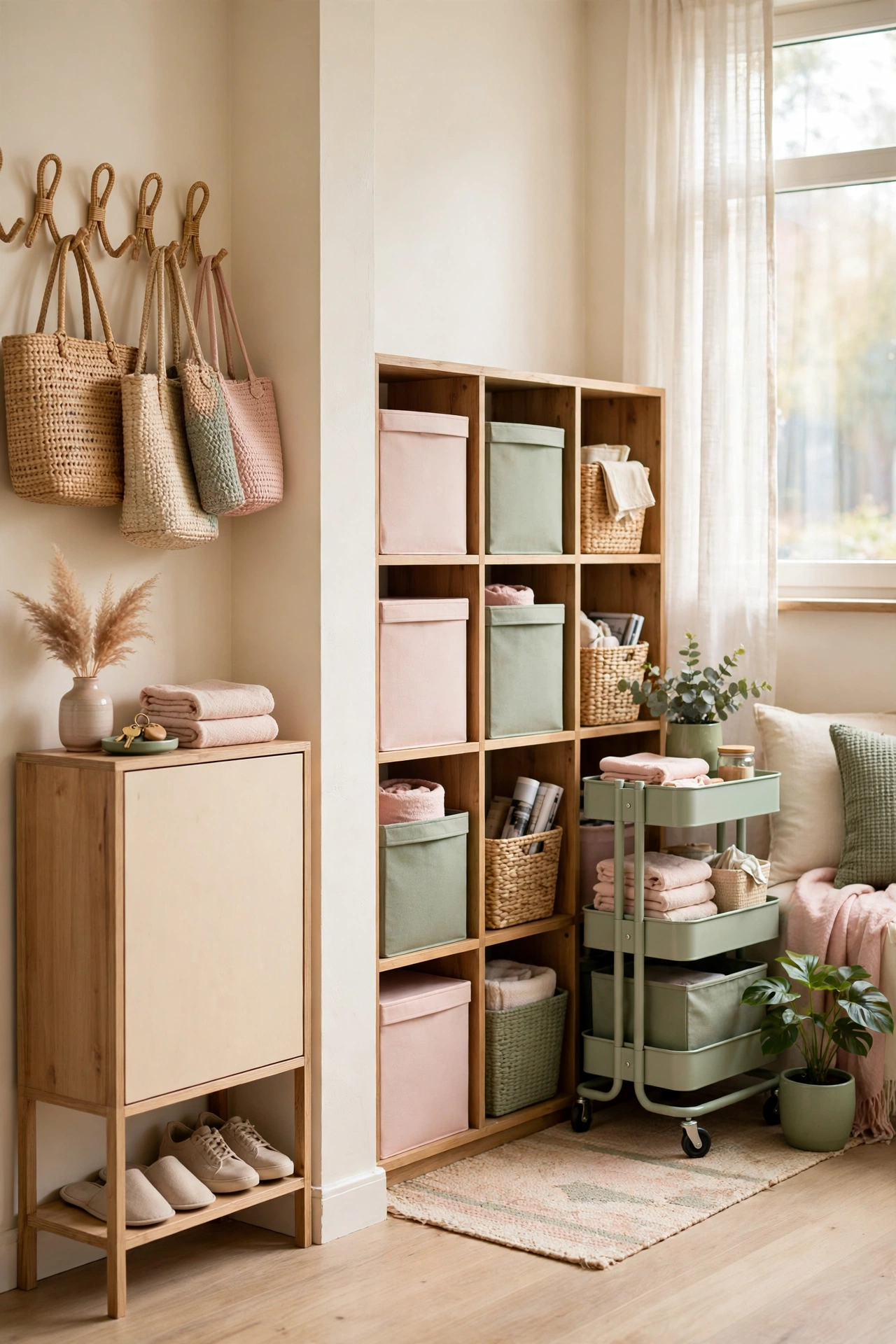
Cube shelving turns one plain wall into flexible storage for books, toys, craft supplies and folded clothes. Fabric bins hide mixed items inside each cube, so shelves look calm even when contents vary. Among small apartment storage ideas, cubes adapt best because you can add, stack or move units as rooms and needs change over time.
Sort items by job before you buy bins, grouping chargers, games, scarves or art supplies into clear piles. Choose bins in one or two colors for a calm look, and leave a few cubes open for books or a plant. Measure cube openings first, since bin sizes vary and loose bins waste the space you wanted to save.
Bedrooms and living rooms both suit cube shelves, especially where a wardrobe or dresser will not fit. Place folded tees and craft kits in bins along the bottom row, then style the top row with books and a small clock. Kids can pull one bin out for playtime and slide the bin back when the timer rings.
Leave space at the top of each bin instead of stuffing bins until fabric bulges and handles tear. Heavy books belong in lower cubes, while light items like hats and gloves suit higher spots. Check bin handles each season and swap damaged bins early, because one sagging bin makes the whole unit look tired.
Under bed storage boxes
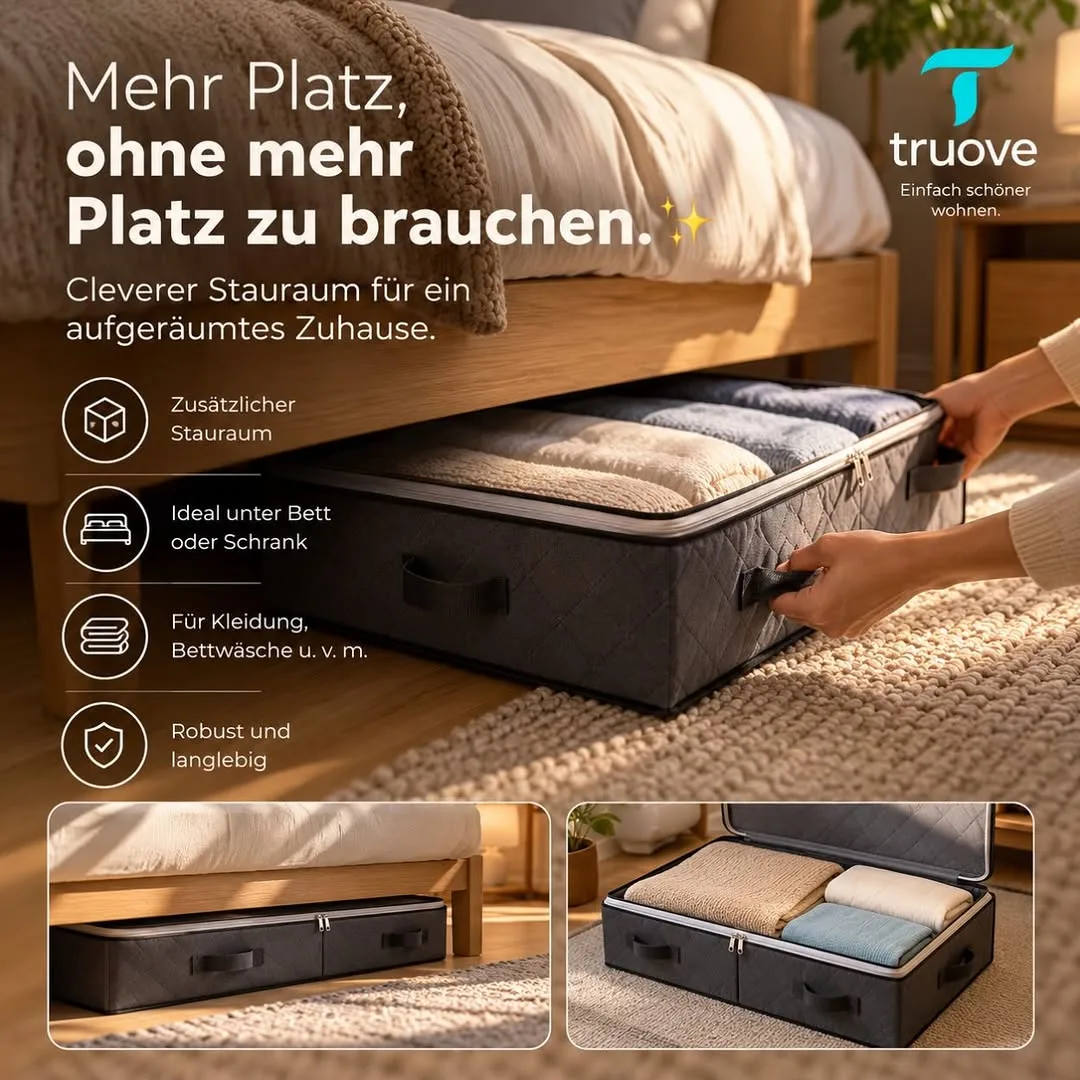
Under bed space hides a wide, flat storage zone that most bedrooms waste completely. Low boxes slide into that gap and hold spare bedding, seasonal clothes and shoes you wear less often. Using hidden space frees closet shelves for daily clothes, so getting dressed feels simpler each morning. Among practical small apartment storage ideas, under bed boxes give the biggest hidden gain for the least daily effort.
Pick boxes with lids to keep dust away from fabrics, and choose wheels or smooth sliders if your floor scratches easily. Measure the height under your bed frame before you shop, including any center support legs. Clear or labeled boxes save time, since you can spot winter jumpers or spare towels without opening every single box.
Guest bedding and seasonal clothes suit this spot best, because you reach for them rarely and they stay clean under a lid. Store one box with a full guest set, including sheets, a blanket and a towel, on the side you can reach fastest. Hosts pull the box out in minutes when friends stay over without warning.
Sliding heavy boxes across delicate floors can scratch boards and strain your back if you rush the job. Fill boxes only three quarters full, lift with both hands when you can and keep one clear path for pulling boxes out. Vacuum under the bed each month as well, since dust gathers fast around stored boxes.
Over door pocket organizer
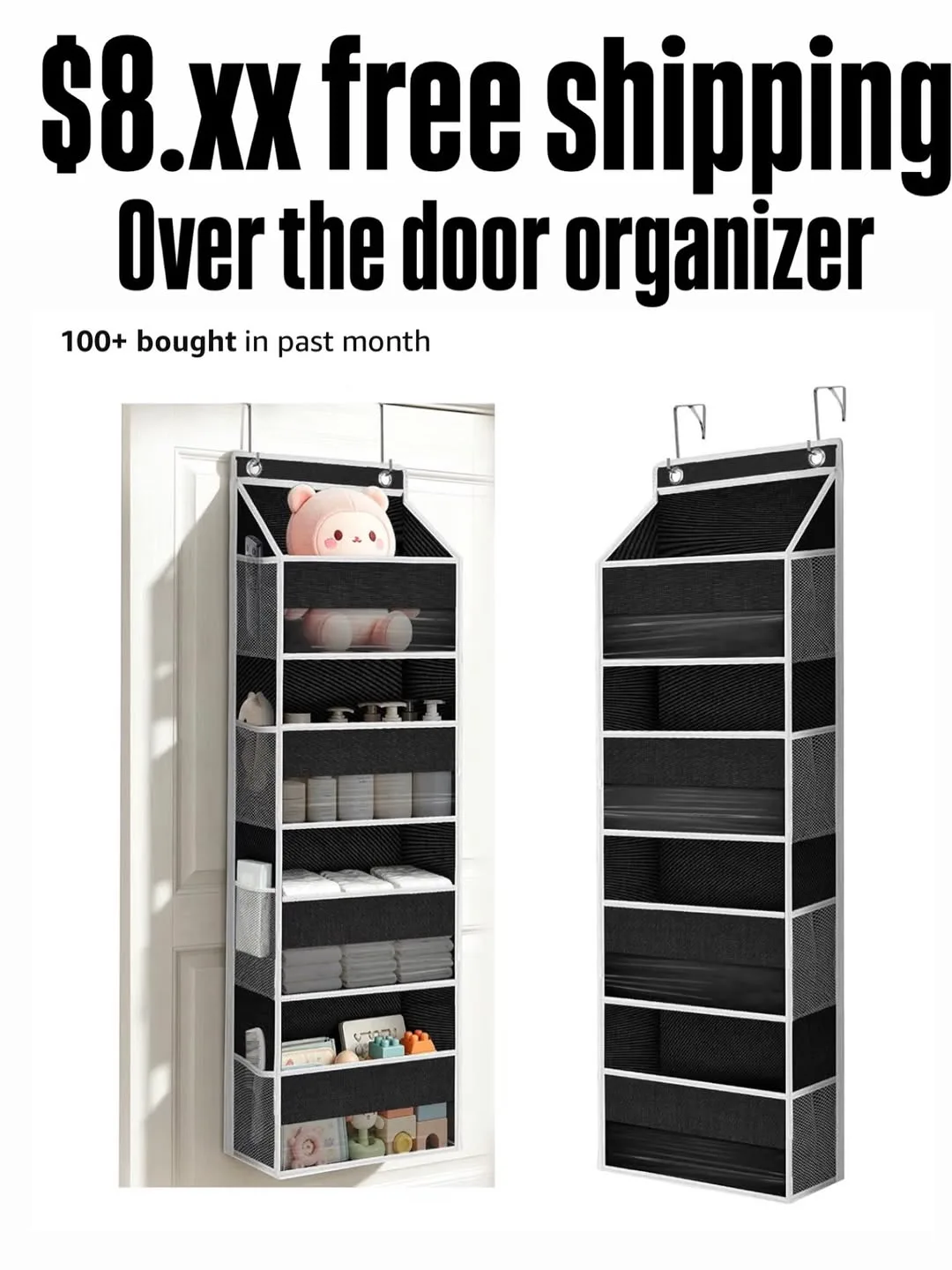
Pocket organizers turn the back of a door into storage for small items that usually scatter across drawers and counters. Clear pockets show contents at a glance, so you find batteries, hair ties or medicine without opening boxes. Doors in bedrooms, bathrooms and pantries all offer this hidden surface without taking any floor space.
Hang the organizer with sturdy hooks that fit your door thickness, and spread items evenly so the fabric hangs straight. Place daily items at eye level, spare items lower down and light backup supplies near the top. Leave the lowest pockets for kids items if children need to reach their own gloves, socks or small toys.
Bathrooms gain a lot from door pockets, since counters in small bathrooms fill up with bottles in days. Store cotton pads, hair tools and spare toothbrushes in pockets, then keep only soap and one daily bottle beside the sink. Guests also find spare towels and toiletries faster when pockets hold them in clear view.
Test the door after fitting the organizer, because thick hooks can stop doors from closing or mark the frame. Add soft pads behind hooks if metal rubs paint, and move heavy bottles into a cabinet instead. Pockets sag when you overload them, so keep each pocket light enough to hold its shape without pulling.
Rolling cart for tight corners
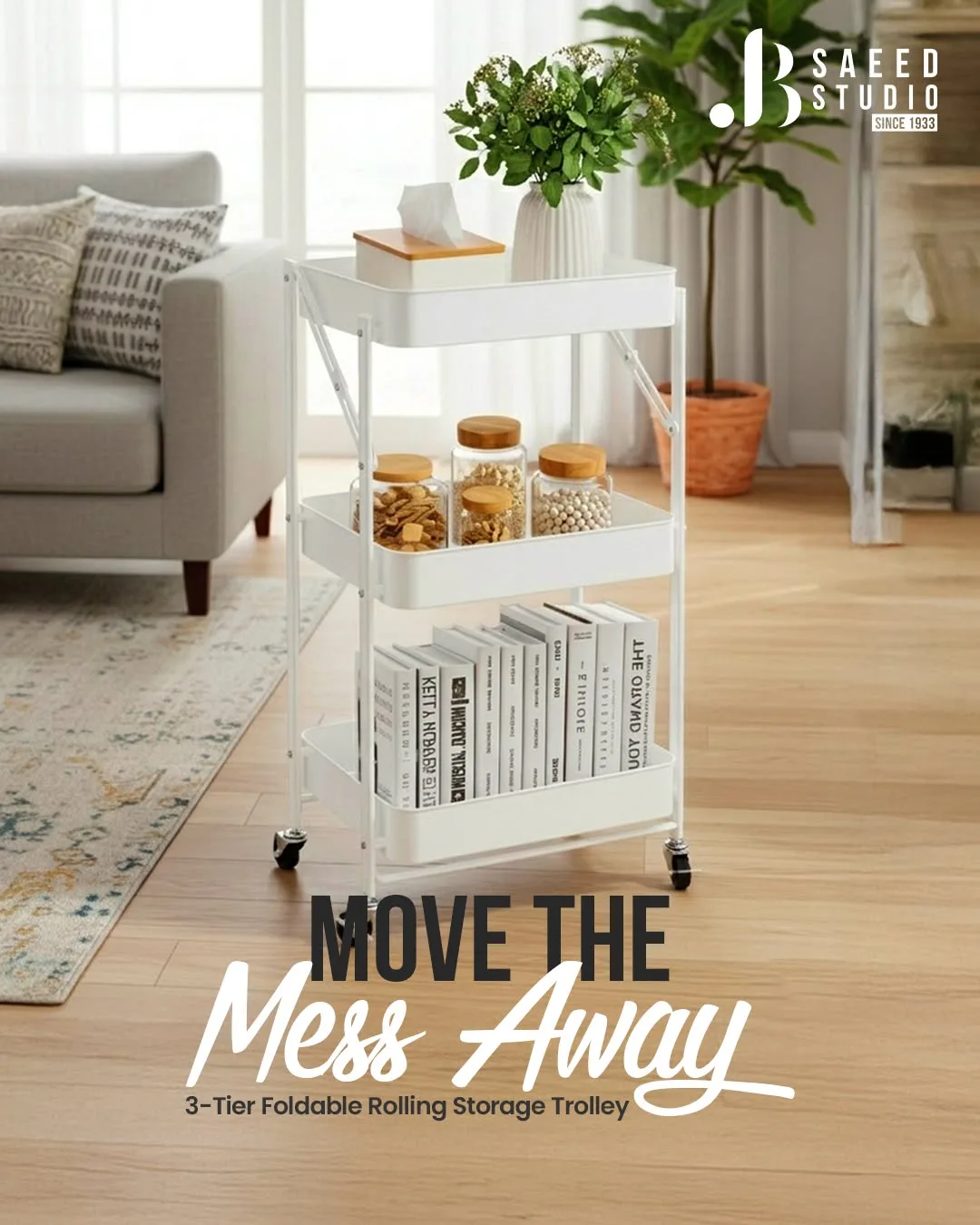
Rolling carts slide into narrow gaps beside fridges, desks and bathroom vanities where fixed shelves cannot fit. Open tiers keep items visible, and wheels let you pull the whole cart out for cleaning or cooking. Corners stop feeling wasted once a cart gives that slim gap a clear and useful job.
Stock each tier by task, like tea and mugs on top, baking tools in the middle and cleaning sprays at the bottom. Choose a cart height that slides fully into the gap, and check wheel quality if you move the cart daily. Metal frames handle heavy jars better, while light plastic carts suit toiletries and craft supplies.
Kitchen corners and craft desks both shine with a cart, since tools stay close without covering your work surface. Home cooks roll the cart beside the counter while prepping dinner, then slide it away when guests arrive. Fans of small apartment storage ideas often start with a cart because one purchase solves several small messes at once.
Move the cart slowly when tiers hold glass jars or full bottles, because sudden stops can tip items forward. Keep heavy items on the lowest tier and leave a little space on each shelf instead of packing items tight. Lock the wheels or wedge the cart in busy walkways so passing kids and pets cannot nudge it into the room.
Under sink sliding organizer
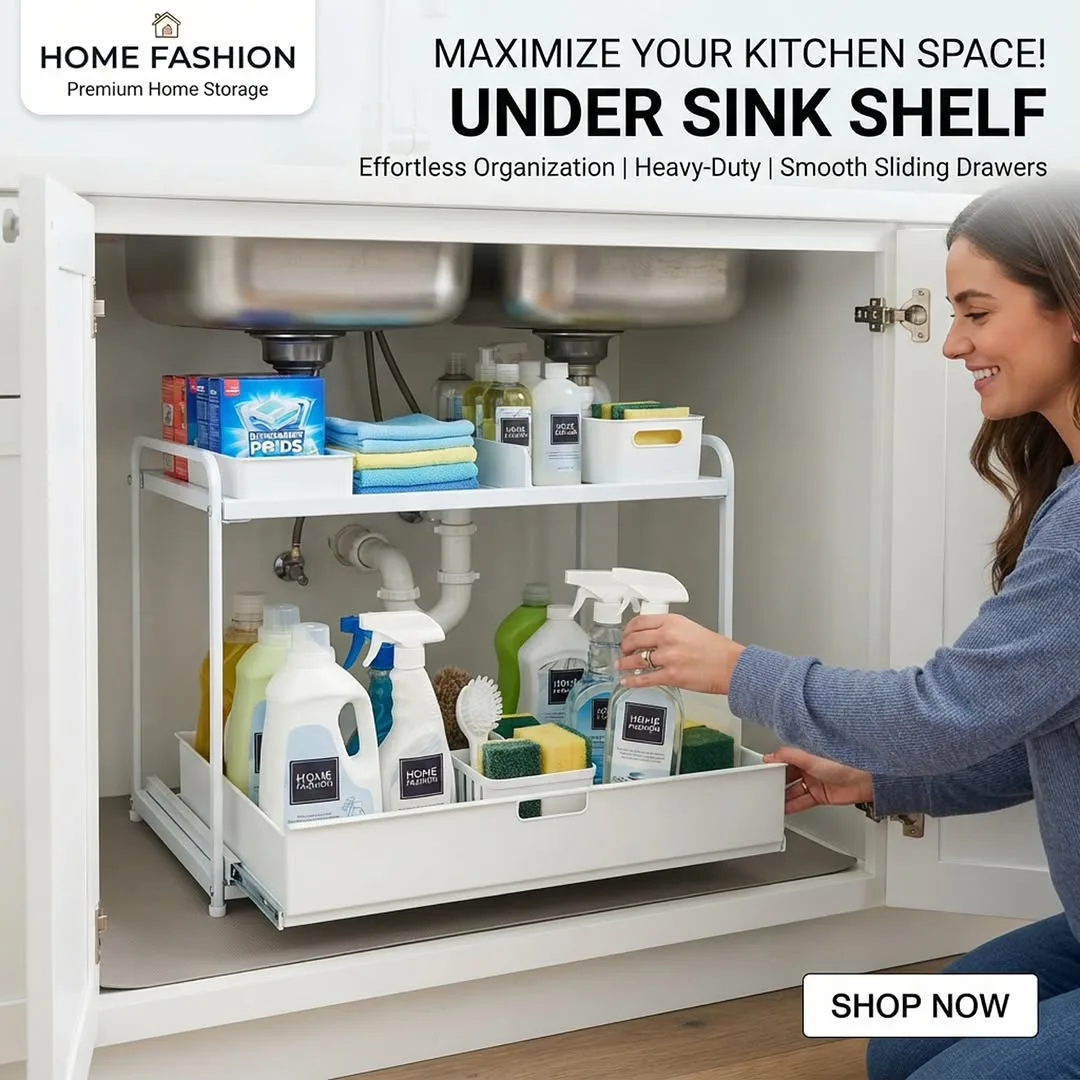
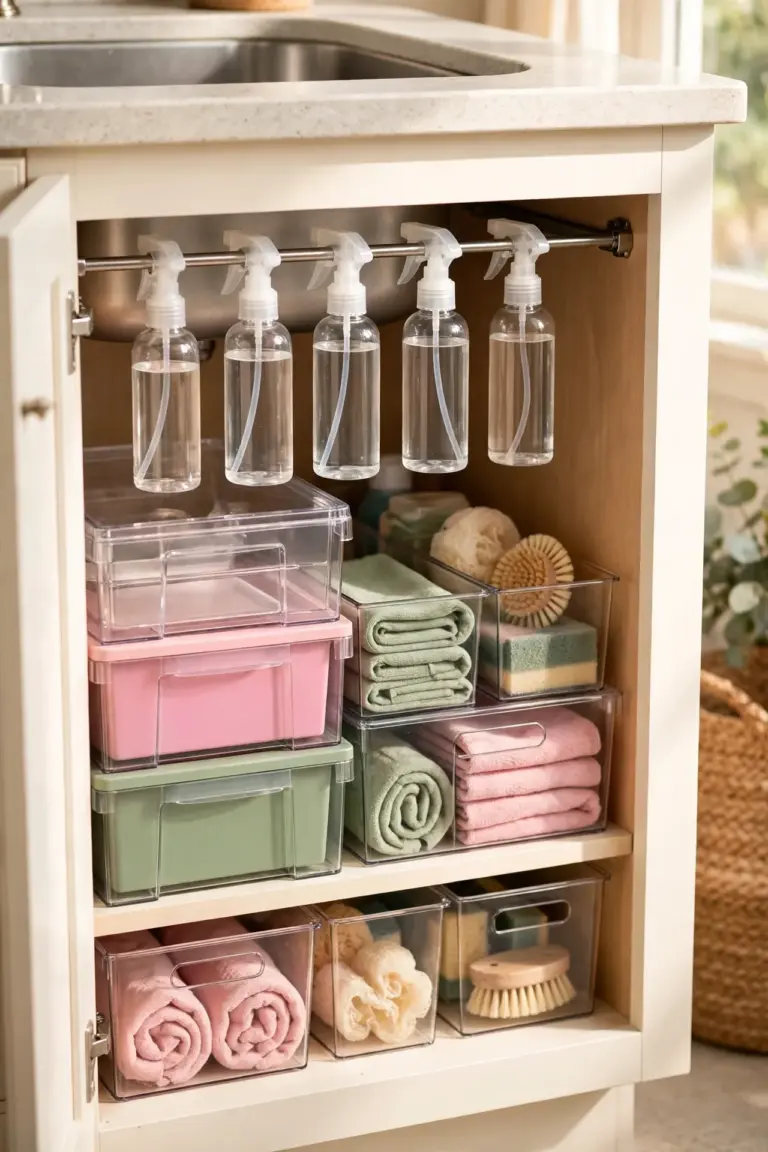
Sink cabinets hide pipes, awkward corners and deep dark space where bottles vanish for months. Sliding organizers pull forward like drawers, so you reach the back without kneeling and emptying the whole cabinet. Kitchens and bathrooms both feel easier once cleaning sprays and spare supplies line up in clear rows.
Fit the frame around your pipes first, measuring width, depth and pipe positions before you order any organizer. Choose tiers with raised edges so bottles stay put when you slide the unit, and pick materials that wipe clean after leaks. Leave one open section for tall bottles, since fixed shelves often waste height under sinks.
Cleaning routines speed up when sprays, cloths and bin bags sit in one sliding unit under the kitchen sink. Place daily spray and a cloth on the top tier, refills below and a small caddy for sponges near the front. You pull the unit out, grab what you need and push everything back in one smooth motion.
Wipe the base of the cabinet each week, because slow drips hide under organizers and damage boards over time. Check pipes when you clean, avoid storing paper goods near damp spots and let the cabinet air out after leaks. Heavy bulk refills belong in a pantry or closet instead, since sliding frames bend under too much weight.
Bathroom wall shelves with a towel bar
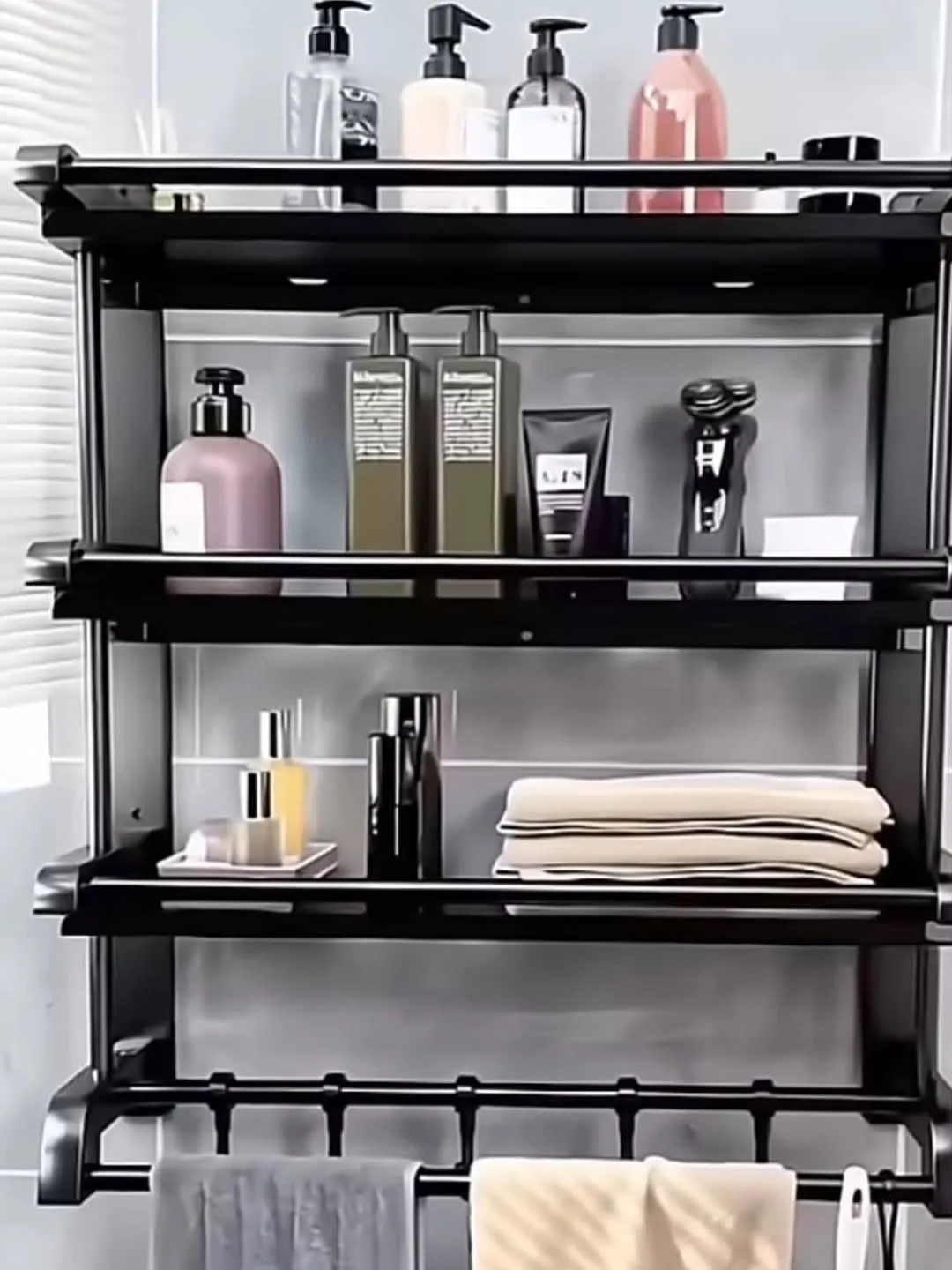
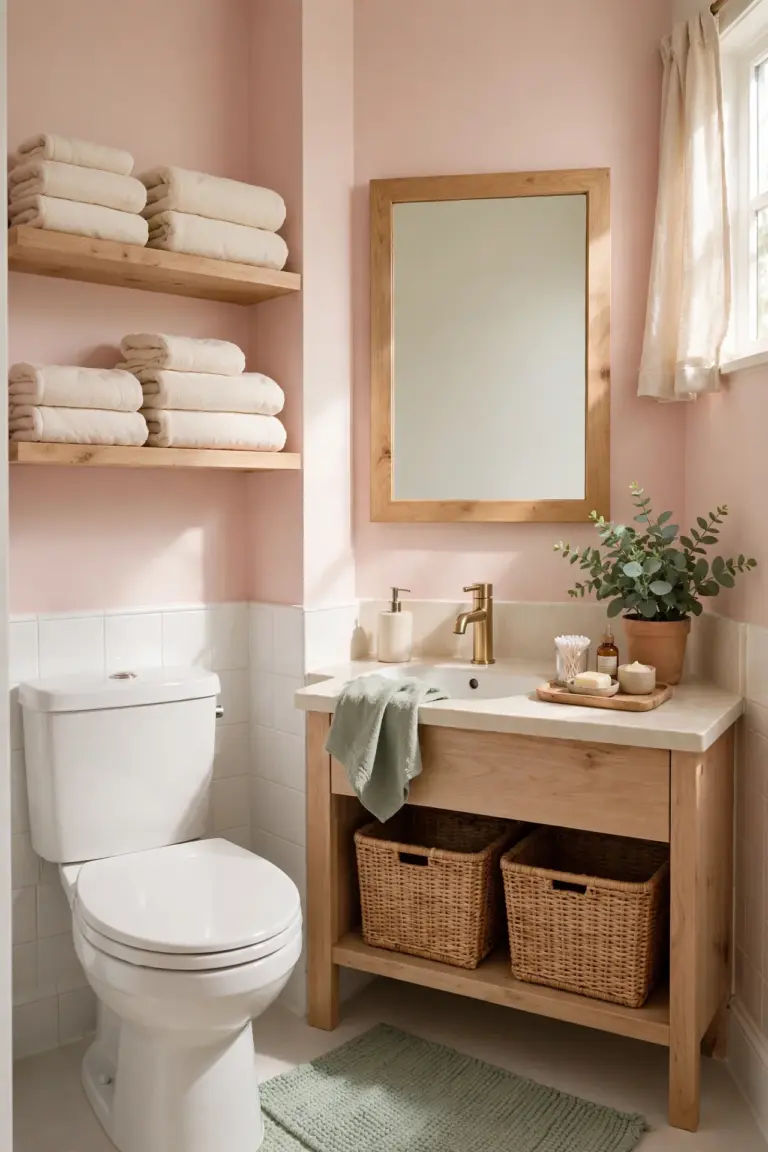
Bathroom walls above the toilet or beside the mirror offer storage that small counters cannot provide. Shelves lift bottles and folded towels off the sink edge, while a towel bar below keeps towels dry and within reach. Vertical setups suit tight bathrooms because they use height instead of precious floor space.
Install shelves into studs or use fixings rated for your wall type, especially when shelves hold glass jars or heavy towels. Place the towel bar low enough for kids, and keep daily skincare on the lowest shelf for easy reach. Leave space between shelves for tall bottles, and group items in small trays to catch drips.
Guests appreciate shelves they can read at a glance, with spare towels folded neatly beside a small basket of basics. Place a spare roll, cotton buds and a hand cream on the middle shelf before friends stay over. Clear labels help everyone return items to the right shelf, so the bathroom stays tidy through the whole visit.
Stack only dry, folded towels on open shelves, because damp towels trap smells and drip onto items below. Rotate towels often, keep the bar clear enough for air to flow and avoid placing electronics near splashes. Shelves also gather dust in steamy rooms, so wipe them during your regular bathroom clean to keep surfaces fresh.
Open shelves with matching baskets
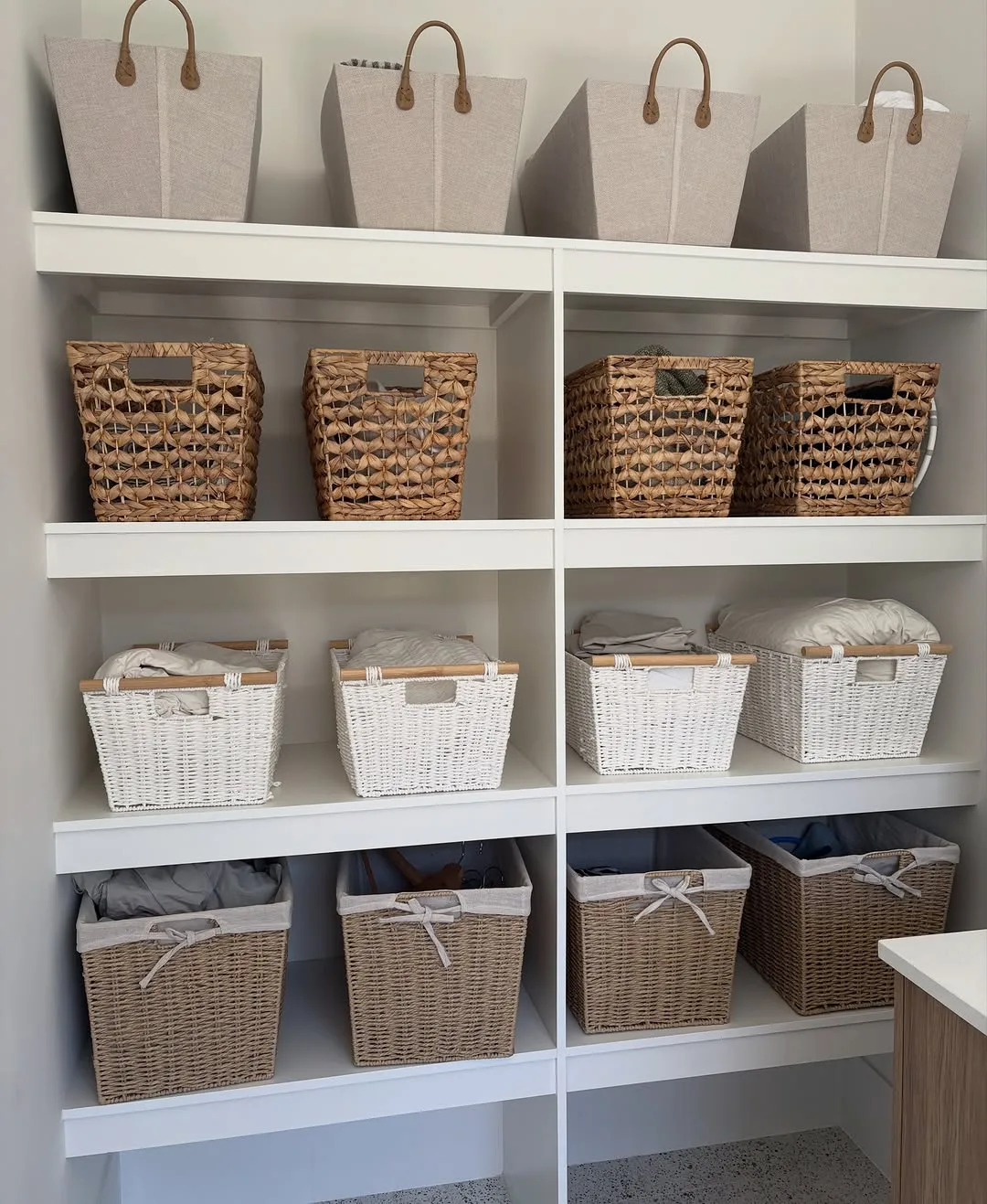
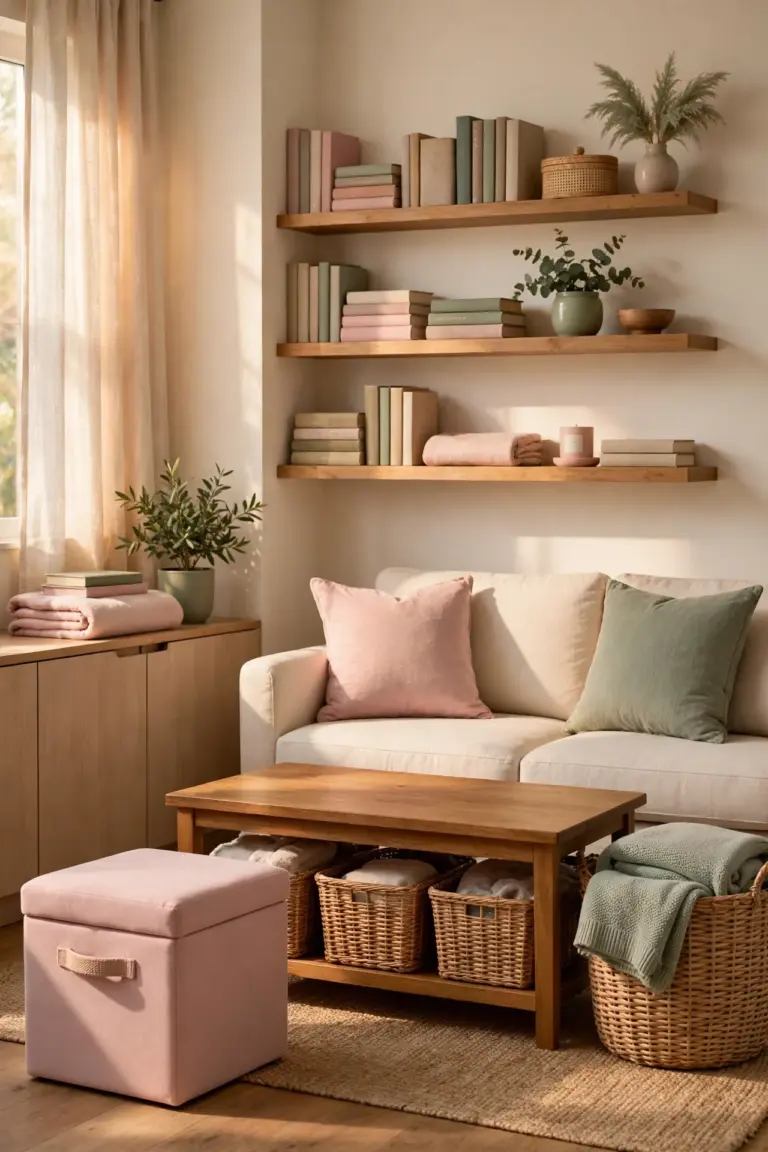
Open shelves keep everyday items visible and easy to grab, yet mixed packaging can make them look noisy fast. Matching baskets calm that visual mess by giving small items one shared style and color. Shelves in kitchens, living rooms and entryways all look tidier when baskets carry the clutter instead of loose piles.
Group items by job inside each basket, like remotes and chargers in one, mail and keys in another and craft tools in a third. Choose basket sizes that fill the shelf depth without hanging over the edge. Add simple labels on the front, so family members put items back without guessing or asking you each time.
Living rooms suit this setup well, since shelves hold books, games and blankets that guests also use. Place a basket of coasters and remotes near the sofa, a book basket beside your reading chair and a throw folded on the lowest shelf. Movie nights run smoother when everything for the evening sits within arm reach.
Edit open shelves each month, because visible storage shows clutter the moment you stop paying attention. Remove items you no longer use, dust the baskets and return stray objects to their real homes. Avoid buying baskets before you measure and sort, since pretty baskets in wrong sizes become clutter of a different kind.
Closet shelves with woven baskets
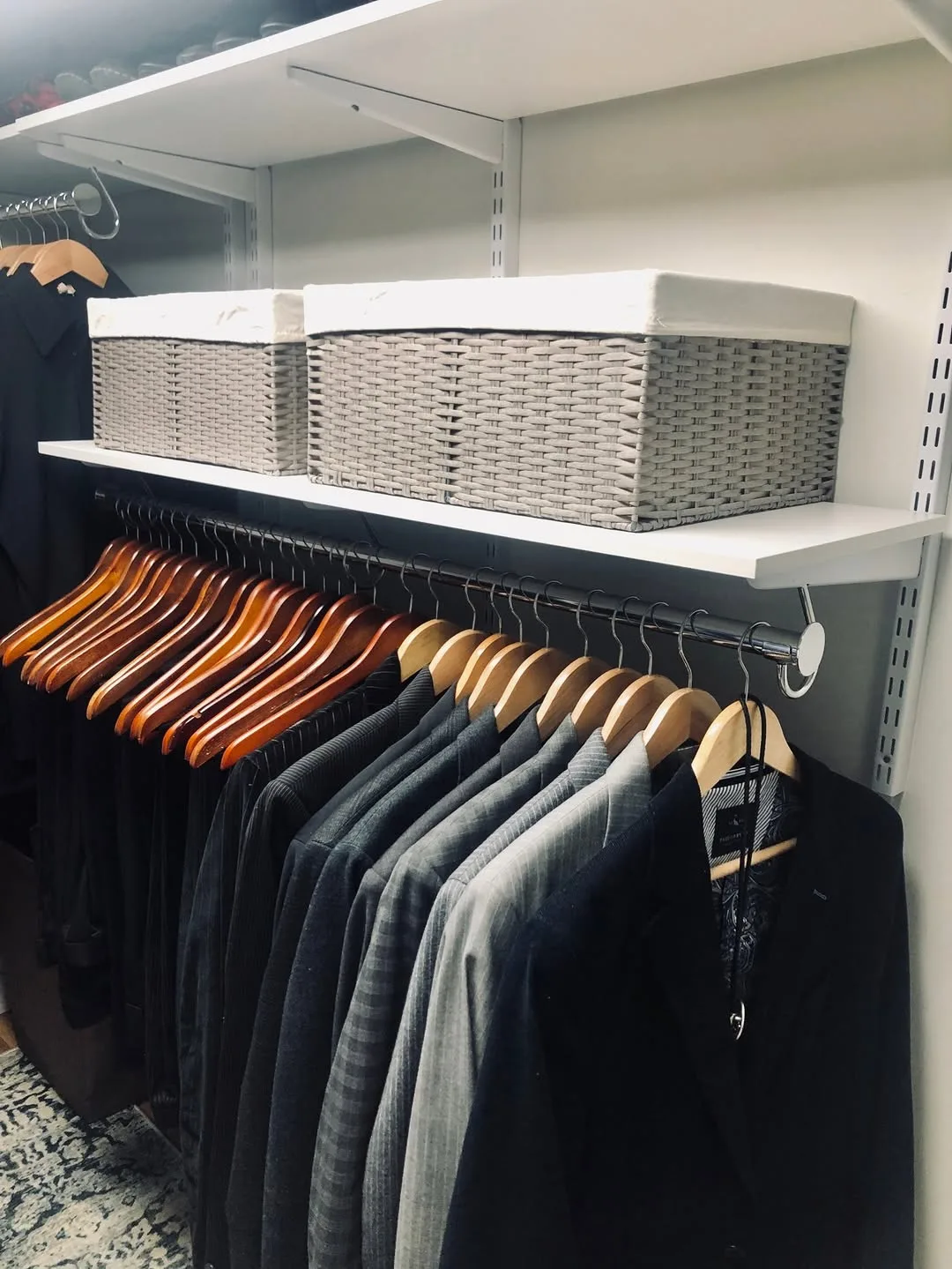
Closet shelves often hold tall, messy stacks that collapse when you pull one item from the bottom. Woven baskets turn those shelves into tidy sections for clothes, bags and accessories you reach for weekly. Natural textures also soften the look of a plain closet, so opening the doors feels pleasant instead of stressful.
Divide shelves by category first, placing daily clothes at eye level and spare items on higher shelves. Choose baskets with handles for shelves you reach often, and line baskets when you store delicate fabrics or loose jewelry. Leave a little space above each basket so you can lift items out without snagging the weave.
Seasonal swaps become simple when each basket holds one clear group, like scarves, swimwear or holiday table linens. Pull the winter basket down in one move, swap contents with the summer basket and slide both back onto their shelves. Example systems like that one save the twice yearly closet spill out that leaves bedrooms covered in clothes.
Label each basket even when you think you will remember the contents, because memory fades after a busy month. Heavy items belong in lower baskets, since lifting a full woven basket overhead risks spills and strained arms. Check handles and weave each season, and retire baskets that shed fibers onto clean clothes.
Shelving unit used as a room divider
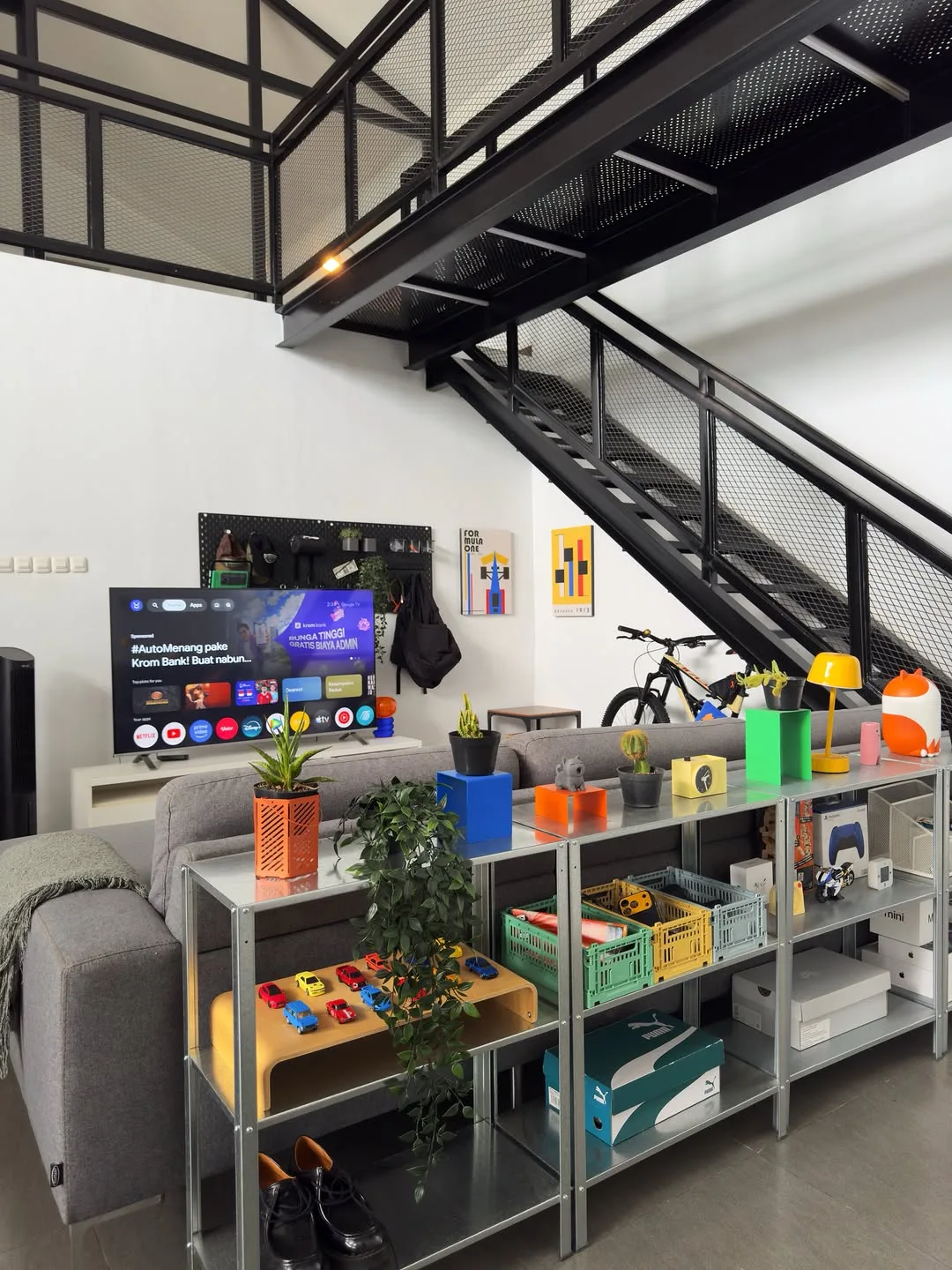
Tall shelving can split one open room into calm zones for sleeping, working and relaxing without building walls. Open backs let light pass through, so both sides of the room still feel bright and connected. Storage fills the shelves while the unit itself shapes the room, giving studio homes two jobs from one piece of furniture.
Position the unit where you want the boundary, like between your bed and sofa, and leave a clear walkway at one end. Fill lower shelves with closed boxes for privacy, then style upper shelves with books and plants that let light through. Measure ceiling height and door widths before you buy, since tall units can surprise you at delivery.
Studio homes gain the most, since one room must handle work, rest and guests without feeling like a hallway. Place your desk on one side, keep work files in the shelves and leave the bed side free of screens and paperwork. Evenings feel more restful when your eyes stop landing on work gear from the pillow.
Secure tall units so they cannot tip, especially in homes with kids or pets who climb and pull. Fix the unit to a wall or floor where you can, spread heavy books across lower shelves and avoid placing fragile items near the walkway edge. Wobbling dividers feel unsafe and noisy, so check fixings whenever you rearrange the shelves.
Cabinets built under the stairs
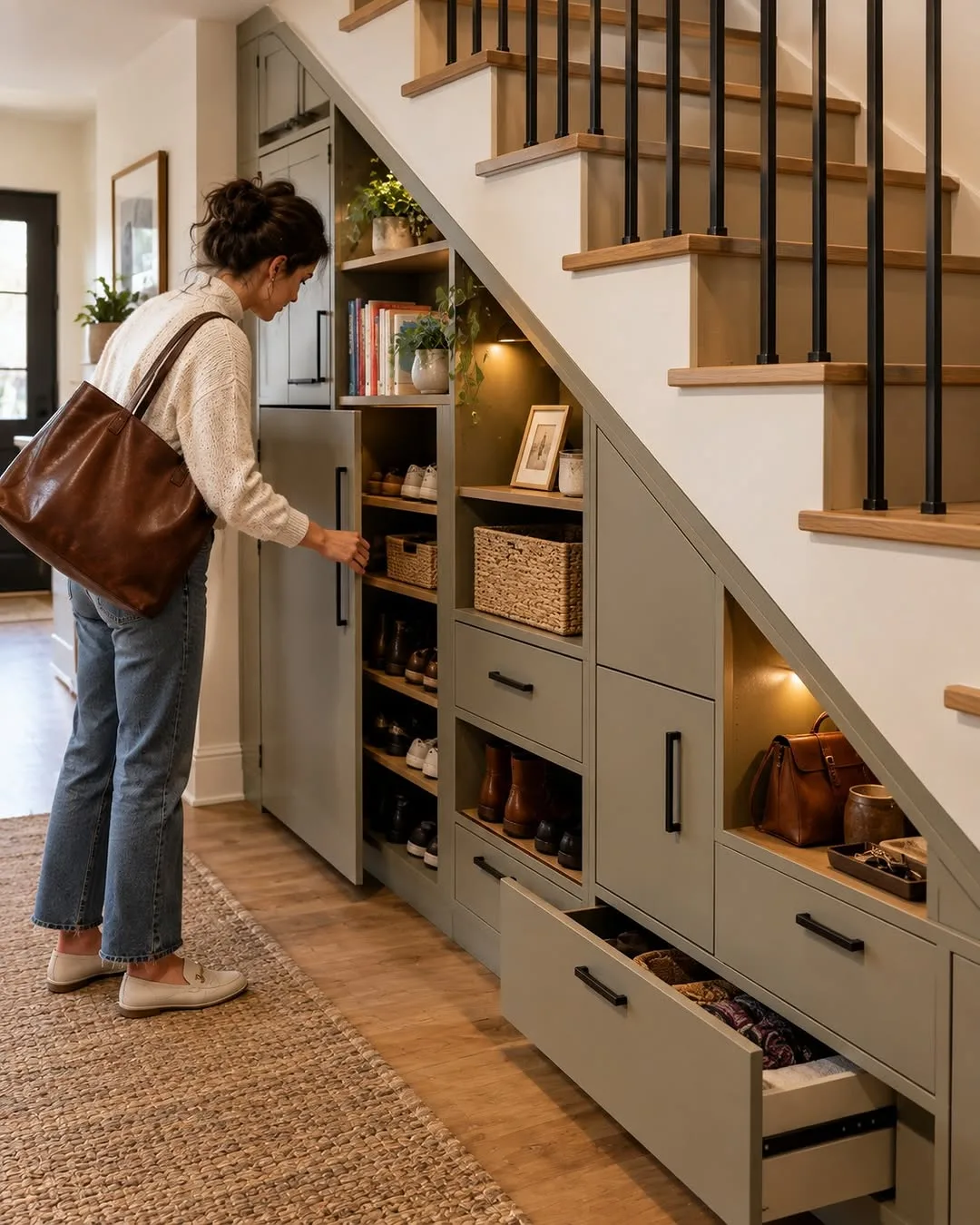
Stairs hide a deep wedge of space that often collects random boxes and forgotten bags. Cabinets built into that wedge turn dead space into storage for coats, cleaning tools, board games and seasonal decor. Doors close over the contents, so the hallway looks calm while a surprising amount of storage sits quietly underneath.
Custom doors and drawers suit the slope best, since each section follows the angle of the stairs above. Place tall cabinets at the high end for coats and the vacuum, then use shallow drawers at the low end for shoes and gloves. Pull out drawers beat deep cupboards here, because you can see every item without crawling inside.
Hallway heavy homes benefit most, like family houses where coats, school bags and sports gear compete for one small entry. Give each person one drawer under the stairs, keep cleaning tools in the tall cabinet and store party supplies in labeled boxes above. Guests see a clean hallway while the busy side of family life stays hidden behind simple doors.
Moisture and poor air flow can affect closed spaces under stairs, especially in older homes with cold walls. Leave vents where builders advise, avoid storing damp shoes in closed drawers and check corners for musty smells each season. Deep cabinets also hide forgotten items for years, so review contents yearly and pass on anything your family no longer uses.
Common Mistakes to Avoid With Small Apartment Storage
Buying storage before sorting your items leads to bins that fit nothing and shelves that hold clutter in a neater shape. Sort first, measure second and shop last when you try new small apartment storage ideas in any room. Clear homes for real items beat pretty containers that hide a mess you still own and still trip over.
Filling every shelf, hook and corner makes small rooms feel tighter, even when each item sits in a tidy spot. Leave breathing room on shelves and keep one drawer or basket partly empty for new items that arrive during the year. Empty space helps rooms feel calm and gives your storage system room to flex without spilling over.
Ignoring daily habits undoes good storage within weeks, since items land wherever people drop them when they feel tired. Place storage where habits already happen, like hooks where coats come off and a tray where keys already land. Systems that match real life survive busy weeks, while perfect looking systems that fight habits slowly fall apart.
Budget Friendly Ways to Add Storage Slowly
Set one small amount aside each month and improve one zone at a time, starting with the spot that annoys you daily. Entry storage often gives the fastest payback, because you use the entry many times a day. Slow progress still counts, and finished zones motivate you to keep going when money or energy feels tight.
Thrift stores, community swaps and second hand listings offer shelves, baskets and benches at low prices when you check often and measure first. Solid wood pieces clean up well with soap, sanding and fresh paint in your room colors. Many small apartment storage ideas cost little once you shop used and skip matching sets sold at full price.
Reuse jars, sturdy boxes and spare baskets from other rooms before you buy anything new for a problem corner. Move storage around your home first, since a kitchen basket may suit the bathroom better and a spare shelf may fit the entry. Keeping a short wish list also stops impulse buys that look cute yet solve nothing.
Small Apartment Storage Tips That Keep Clutter From Coming Back
Group items by daily job. Keep the items for one job together, like dog walking gear in one hook zone or tea items in one cart tier. Grouped items end the scattered hunt through five drawers for one simple task. Family members learn grouped spots fast, so they return items without thinking hard about where things belong.
Label every bin and basket. Clear labels save the daily questions about where things go, especially in shared homes with kids and guests. Use simple words or pictures for young kids, and place labels at eye level for the person who uses that bin most. Relabel when contents change, since old labels quietly create new messes.
Keep daily items at hand height. Store the things you grab every day between waist and eye level, where reaching feels easy and safe. Rare items can live higher or deeper, while heavy items stay low near the floor. Comfortable reach keeps systems working on tired days, when nobody wants to fetch a stool for a phone charger.
Clear one surface every evening. Pick the kitchen counter, entry bench or coffee table and return every stray item to its home before bed. Five calm minutes each night stop weekend long cleanup sessions before they start. Waking up to one clear surface also sets a tidy tone that spreads to the rest of the room.
Store heavy items low and light items high. Weight placement keeps shelves stable and lifting safer for everyone in the house. Books, tools and full jars belong on low shelves or bottom tiers, while hats, spare linens and empty baskets suit high spots. Safe placement also protects kids who pull items toward themselves at shelf height.
Give new items a home on day one. Decide where each new purchase lives before bags come off and tags go in the bin. New items without a home become floating clutter within days, even in tidy homes. Swap out one old item when storage feels full, so the total amount you own stays steady over time.
Consistency matters more than perfect style, since small daily returns keep any system working through busy seasons. Review one zone each month, fix the spot that fails first and celebrate rooms that stay calm without effort. Habits you repeat in small moments protect the money and time you invested in better storage.
FAQ
How do I start when every room feels full?
Start with one small zone, like the entry hooks or one bathroom shelf, and finish that zone fully before moving on. Sort items into keep, move and pass on piles, then give each kept item a clear home. Small finished zones build confidence and show you which storage style suits your habits best.
How much storage do I need for a studio?
Measure your daily items first, then plan storage around the life you actually live in the room. Most studios work well with one entry unit, one cart, under bed boxes and shelves that divide sleep and living zones. Extra storage beyond your real items often becomes clutter itself, so buy slowly and review after each change.
Which containers work best for small spaces?
Bins, baskets and boxes with lids or handles work best, since you can stack, slide and carry them without fuss. Choose sizes that fill your shelf depth, and pick one or two colors for a calm look across rooms. Clear boxes suit pantries and craft supplies, while woven and fabric styles soften bedrooms and living rooms.
How do I keep kids items from taking over?
You can give each child one bin, one hook and one shelf section, then review those spots together each season. Kids manage limits better when boundaries stay visible and simple, like a basket that holds all art supplies. Passing on outgrown items together also teaches kids that storage works best when homes hold what people truly use.
What should I store under the bed?
Seasonal clothes, spare bedding and guest towels suit under bed boxes best, since you need them rarely and lids keep dust away. Avoid daily clothes and heavy books there, because sliding boxes out each morning quickly feels annoying. Label each box clearly so seasonal swaps take minutes instead of a full afternoon of opening lids.
How often should I review my storage?
Quick reviews each season keep storage honest, when clothes, school gear and holiday items naturally rotate through your home. Walk through each zone, empty one shelf at a time and question items you forgot you owned. Passing on unused items early keeps storage light and stops closets from becoming slow archives of old decisions.
Conclusion
Small steps create calmer rooms when you use small apartment storage ideas with a clear plan and patient timing. Start where clutter annoys you most, give daily items a home near where you use them and let walls and hidden gaps carry more of the load. Progress builds zone by zone until the whole home feels easier to live in.
Pick two ideas from this guide today, measure your space tonight and set one small budget amount aside this week. Simple action beats perfect planning, especially in small homes where one tidy corner lifts your mood fast. Share your list with the people you live with, so everyone helps keep the new system working.
Enjoy rooms that greet you calmly, shelves that hold what you love and corners that finally earn their keep. Storage serves your life, not the other way around, so keep only systems that feel easy on busy days. Calm homes grow from small choices repeated often, and your next tidy corner can start today.