15 Small Entryway Decor Ideas That Work Hard
Small entryways ask a lot from very little floor. Coats land on chairs, shoes spread across the doorway, and mail grows into a small paper mountain before anyone notices. You still deserve a warm welcome when you walk in, even if the space is only a wall, a corner, and a narrow strip of floor.
You can improve the whole feel of the doorway with small entryway decor ideas that add storage first and decoration second. Hooks catch daily clutter, a tray gives keys a home, and a mirror returns light to a dark corner. Each choice below earns its place by working during busy mornings, wet evenings, and guest arrivals.
Start with the way people actually move through your door. Notice where bags drop, where shoes stop, and where hands need a free surface for coffee, mail, or a phone. Good entryways respect those habits instead of fighting them, then add color and texture after the daily landing zones feel clear and simple.
How can I make a small entryway look welcoming?
Layer light, storage, and one clear landing place, and the doorway will feel welcoming even when it stays tiny. Begin with hooks for the items you use daily, a tray for keys and mail, and one warm light source near face height. Add a mirror or a runner when you have room, then stop before the entry starts working like a storage room. Simple small entryway decor ideas beat a crowded display because guests can see the welcome, and you can still move.
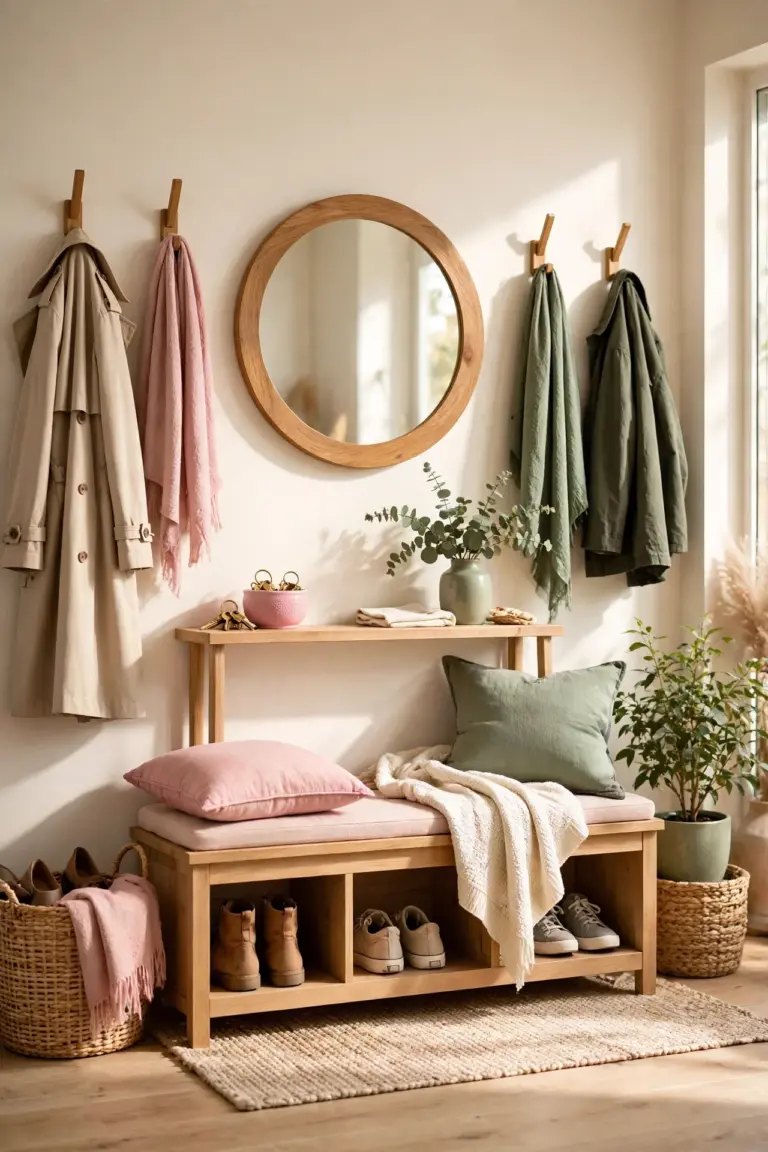
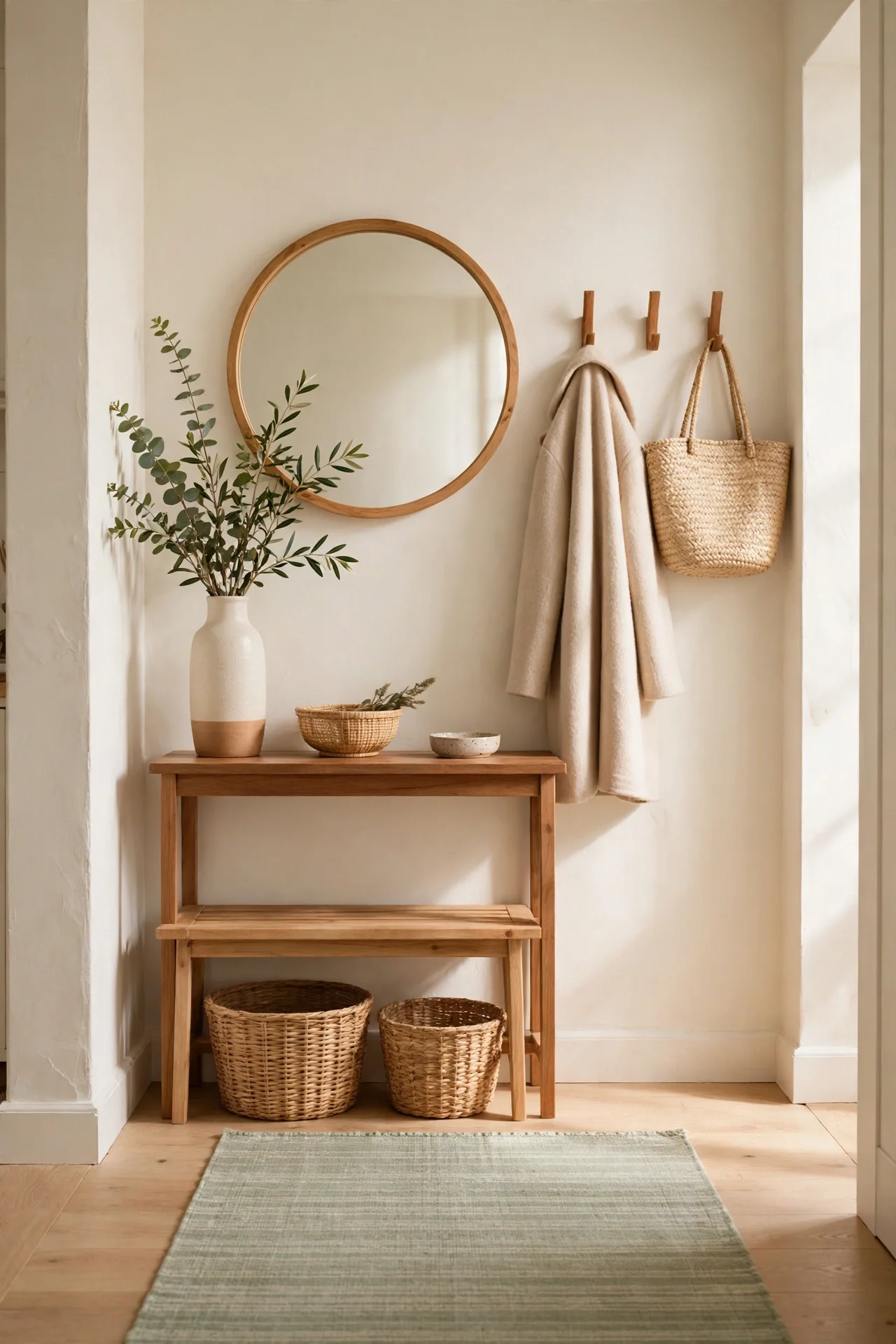
Picture a narrow hall with a round mirror over a slim shelf, three hooks under it, a woven basket for scarves, and a washable runner leading inside. Nothing in that scene costs a fortune, yet every object solves a daily problem. You open the door and see light, order, and one soft color repeated twice. Guests understand where coats go, and you stop apologizing for the pile behind the door.
Round mirror over a narrow console
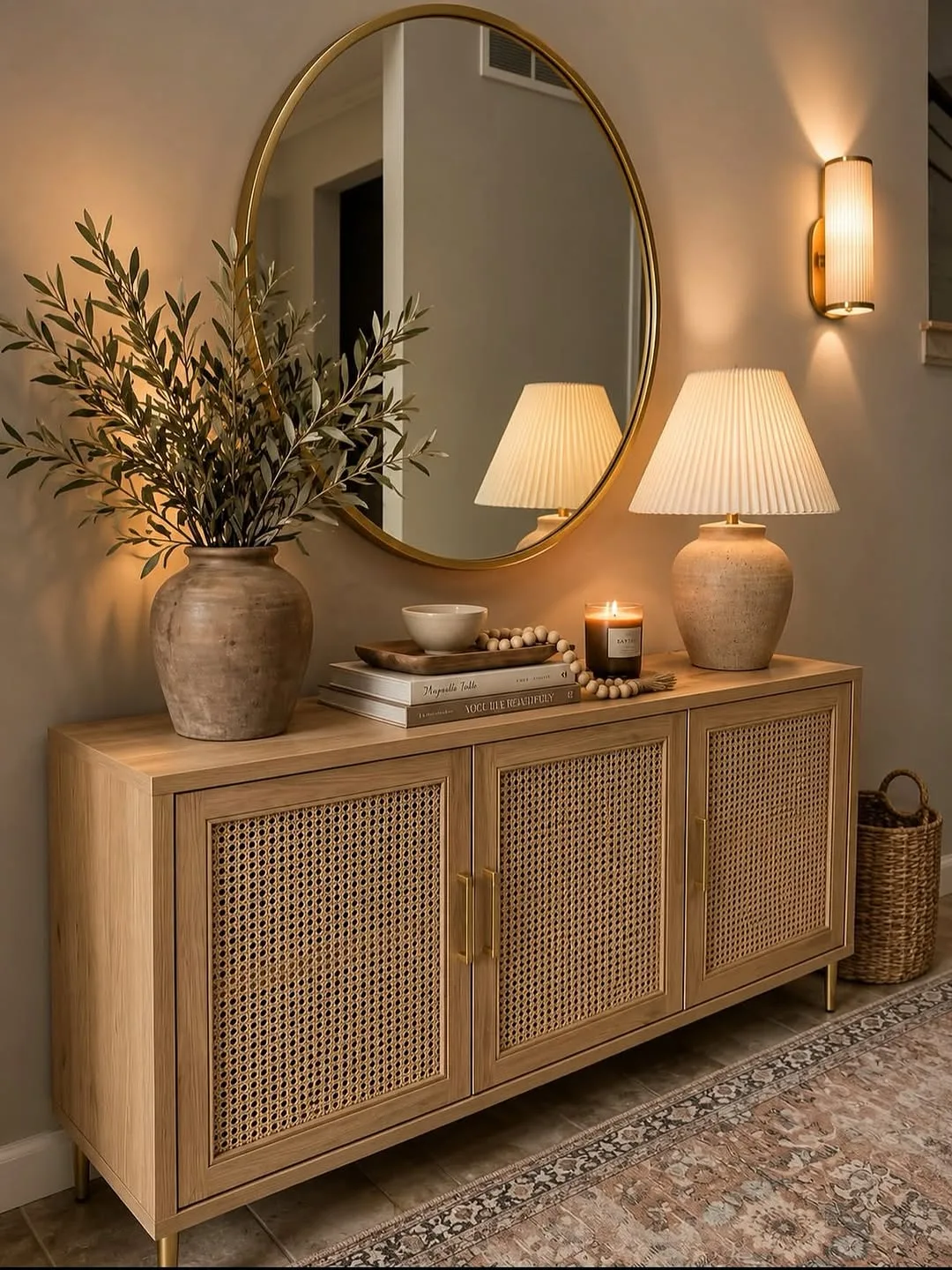
Round mirrors soften a tight entryway because their curves break up straight door frames and narrow walls. Glass also bounces light from a window or lamp into corners that often feel dull by late afternoon. Choose a mirror large enough to show your face and shoulders, but leave breathing room around the edges so the wall still feels calm.
Choose a frame that repeats a finish already in the home, such as warm wood, black metal, or brushed brass. Slim consoles work best when they hold a tray, a small bowl, and nothing else on the surface. Measure the walkway before you buy, and leave enough clearance for the front door swing, grocery bags, and people passing with coats on.
Hang the center of the mirror near eye level for the tallest regular user, then check the reflection from the doorway. You want a glimpse of light or greenery, not a direct view into a cluttered kitchen counter. Use a stud finder if you have one, or choose proper wall anchors rated for the mirror weight.
One common mistake turns a pretty mirror into a daily annoyance. People hang it too high, then add tall objects on the console that block the lower edge. Keep stems and frames below the reflection line, and wipe the glass weekly because entryway mirrors collect dust, fingerprints, and tiny splashes from wet coats faster than mirrors in calmer rooms.
Wooden wall hooks by the door
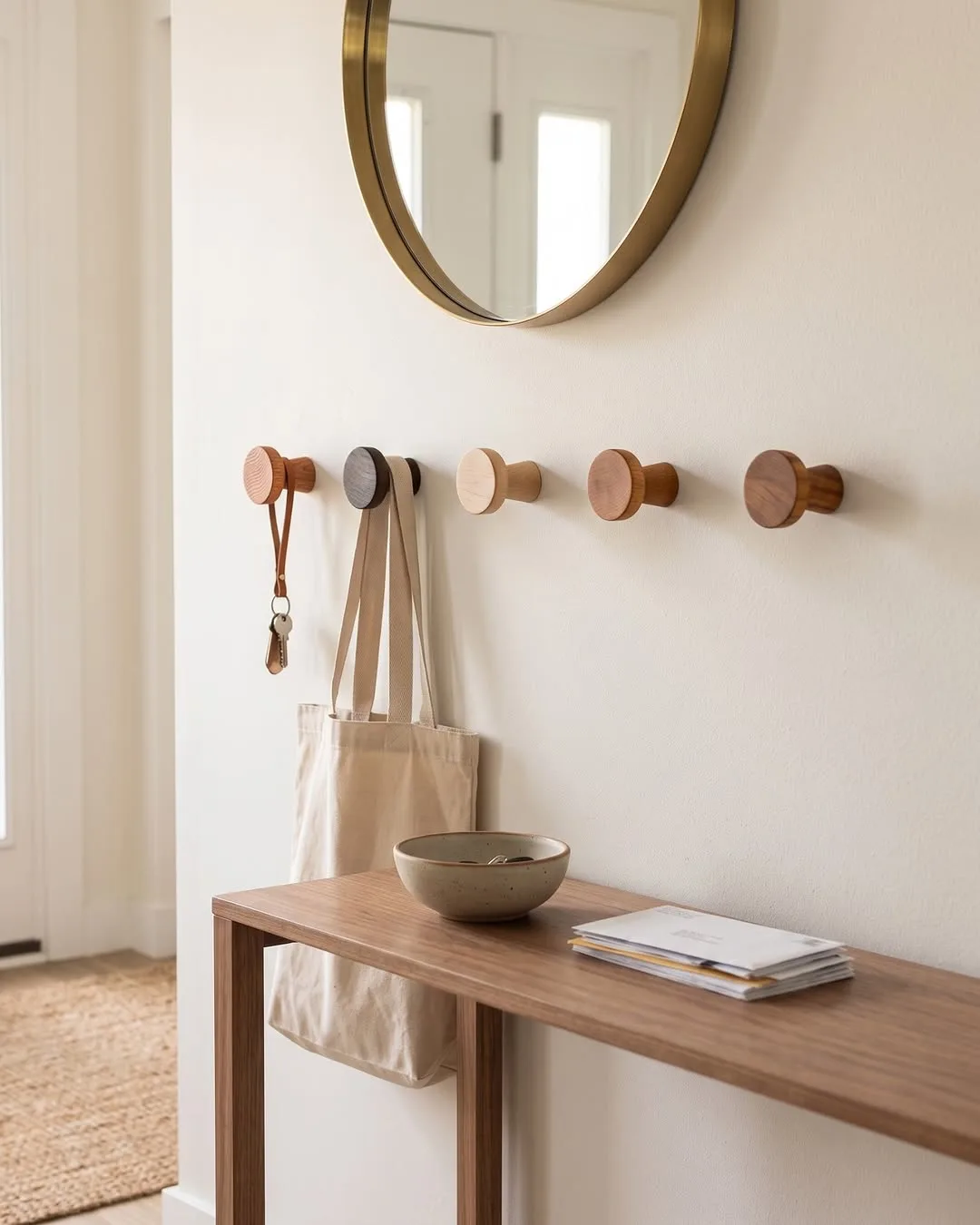
Wooden hooks bring warmth to a doorway and give coats, hats, and bags a place that takes almost no floor space. Natural wood also hides small scuffs better than glossy paint, which matters beside a busy door. Place everyday hooks within easy reach of the entrance, and keep guest hooks separate when your wall allows that small luxury.
Space hooks far enough apart that bulky coats do not swallow each other. Four hooks often serve a small household better than eight crowded pegs, because each coat can hang flat and dry properly after rain. Use screws into studs or strong anchors, since a loaded hook carries more weight than people expect during winter.
Families use hooks best when each person owns one spot. Put lower hooks where children can reach without climbing, and keep one high hook for long coats or a handbag you want off the floor. Colorful scarves and hats can become the decoration here, as long as you edit the row when seasons change.
Avoid crowding every hook just because the wall looks empty in summer. Leave one hook open for visitors, deliveries, or the umbrella you bring in during a storm. Hooks also fail when they sit behind the door swing, so open the door fully and test the space before you drill a single hole.
Woven baskets under the bench
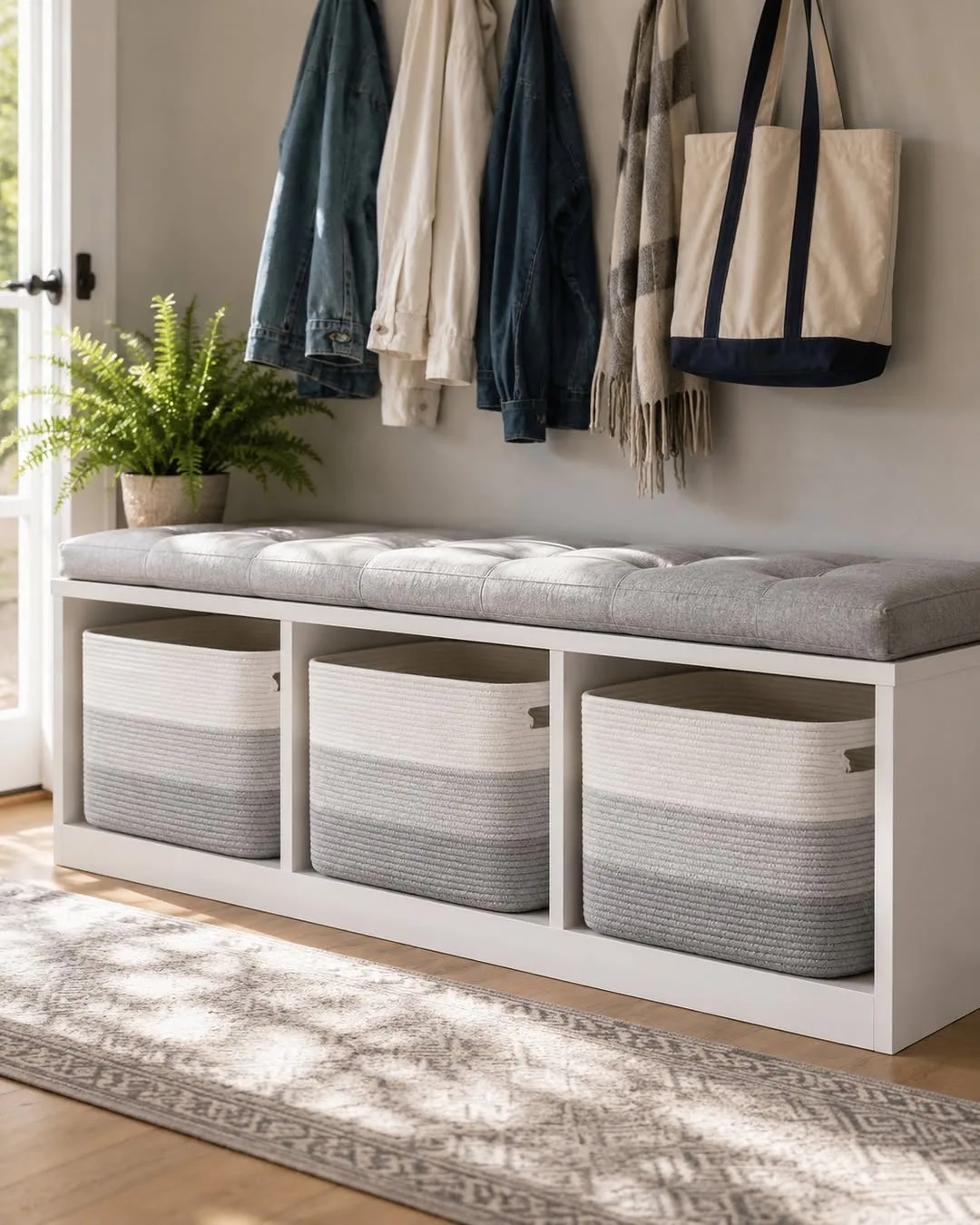
Woven baskets hide the messy middle layer of entryway life, including gloves, dog leads, reusable bags, and school papers that need a quick home. Texture from woven fibers makes strict storage feel softer and more welcoming. Slide baskets under a bench so the floor stays visible, which helps a small space feel less packed.
Measure the bench opening before you shop, then buy baskets with a little room to pull them out easily. One basket per job works better than one giant basket for everything, because you can find gloves without unloading umbrellas and mail. Handles help children return items, and a simple label inside the rim can guide guests.
Baskets suit hallways that collect many small things but lack drawers. Put the most used basket nearest the door, and move seasonal items deeper or higher as weather changes. Line the bottom with a spare cloth if you store damp hats, and shake baskets outside every few weeks to remove grit.
Do not buy a matching set before you test one basket in the real opening. Woven sides bow under heavy loads, and pretty baskets can waste money when the shape fights the bench. Start with the size that slides smoothly, keep loads light, and let the natural color repeat in a runner or a door wreath.
Washable runner that hides dirt
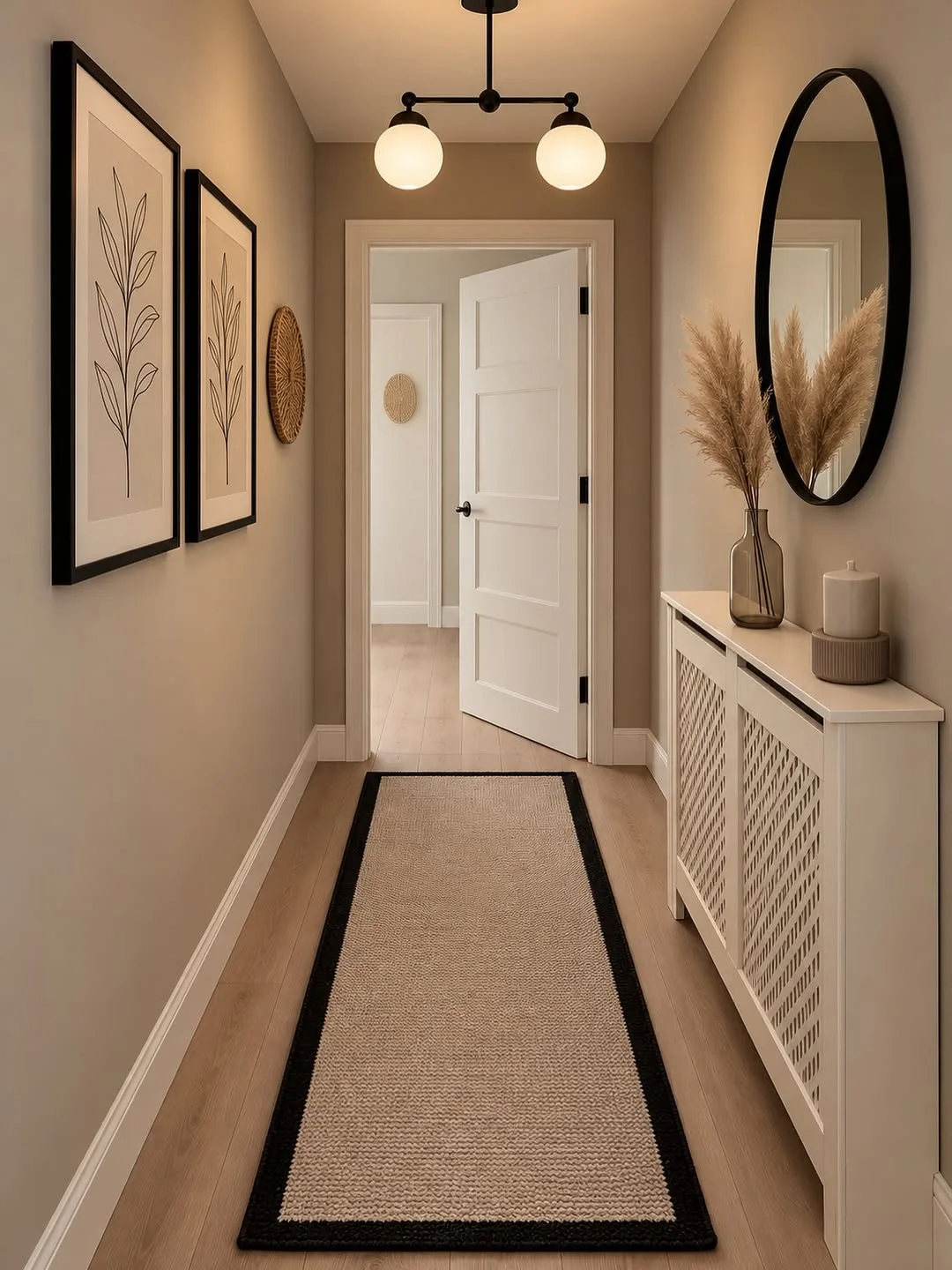
Washable runners protect the floor path from the door and give the entry a finished line that leads the eye inward. Patterns with small flecks hide crumbs, pet hair, and street grit between cleanings, which matters in a hard working doorway. Good small entryway decor ideas should survive real weather, and a runner you can wash earns its keep quickly.
Pick a low pile runner that lets the door clear it without dragging. Measure from the doorway to the first room turn, then leave a border of floor showing so the runner looks planned rather than squeezed. Nonslip backing or a separate pad keeps the runner steady when people step inside with wet shoes.
Runners work best in homes with muddy seasons, dogs, children, or light floors that show every mark. Choose colors pulled from the living room so the entry feels connected instead of decorated like a separate shop display. Vacuum the edges twice a week, because grit collects there and grinds into floor finishes over time.
Skip thick plush runners in a tight doorway, even when they feel lovely in the store. Doors catch, dirt hides deep in the pile, and the whole strip can look tired after one wet month. Save softness for bedrooms, and choose a flat, washable weave that dries fully before you put it back.
Storage bench for sitting and stowing
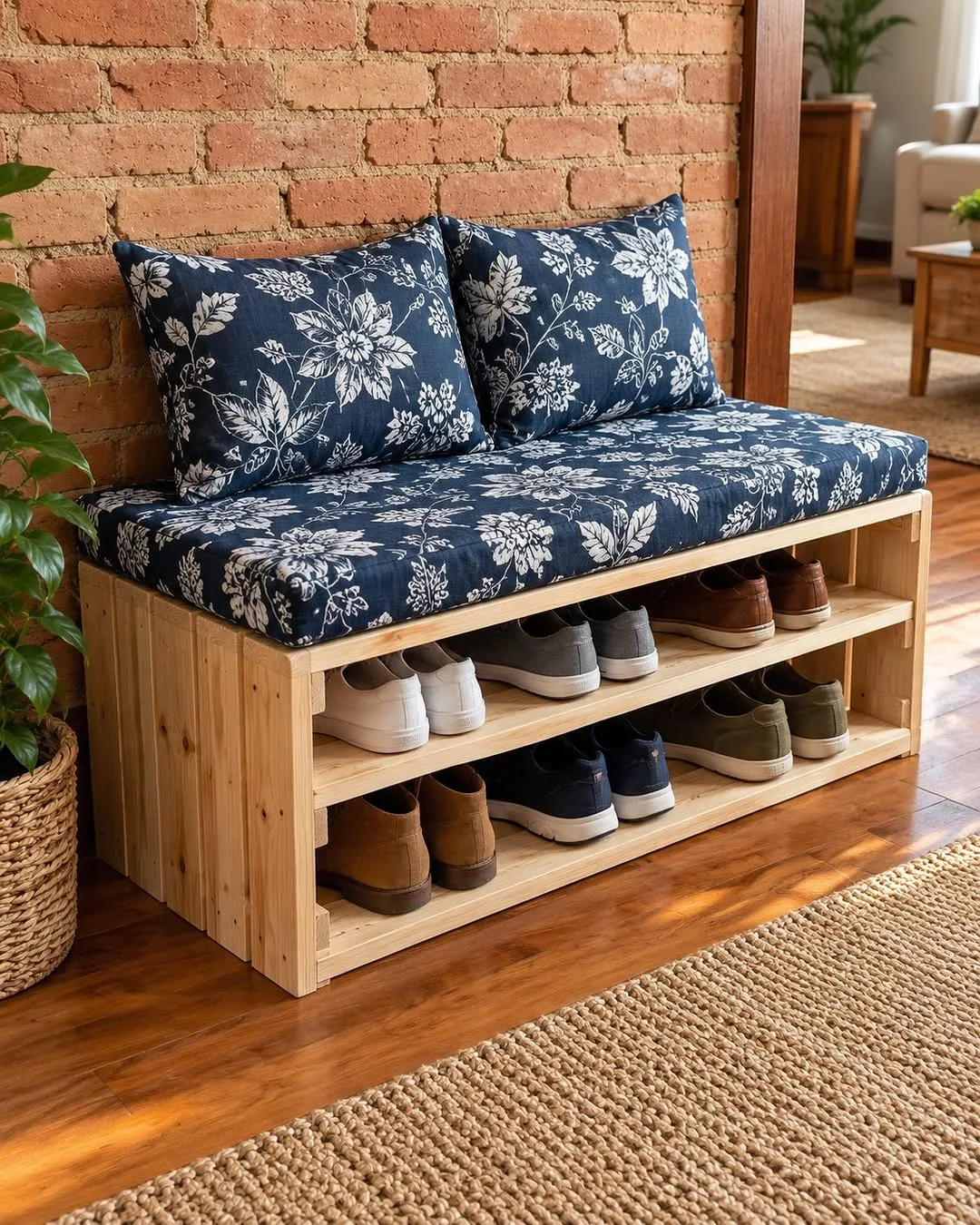
Storage benches earn double duty in a small entryway because you can sit to tie shoes and hide clutter inside the same footprint. Cushion tops make the doorway feel kinder during early mornings, while a firm lid keeps the bench useful for bags and packages. Look for a width that fits the wall without blocking heat vents or door trim.
Look inside before you judge the outside. Divided sections help separate shoes from scarves, while one open box suits bulky boots and sports gear. Hinged lids need enough wall clearance to open fully, and soft close hinges protect small fingers. Wipeable fabric or wood you can clean quickly will age better beside wet footwear.
Set the bench where people naturally pause, usually along the wall facing the door or beside it. Put daily shoes underneath or inside, then keep only one spare pair each so the bench does not become a shoe warehouse. Add a small cushion in a washable cover when the bench also serves guests.
Keep the top clear enough for sitting at all times. Mail, parcels, and school bags will try to claim the cushion by Friday, so give those items a tray or shelf nearby. People use a bench more when it stays ready, and ready seating quietly makes the whole doorway feel calmer.
Small gallery wall by the door
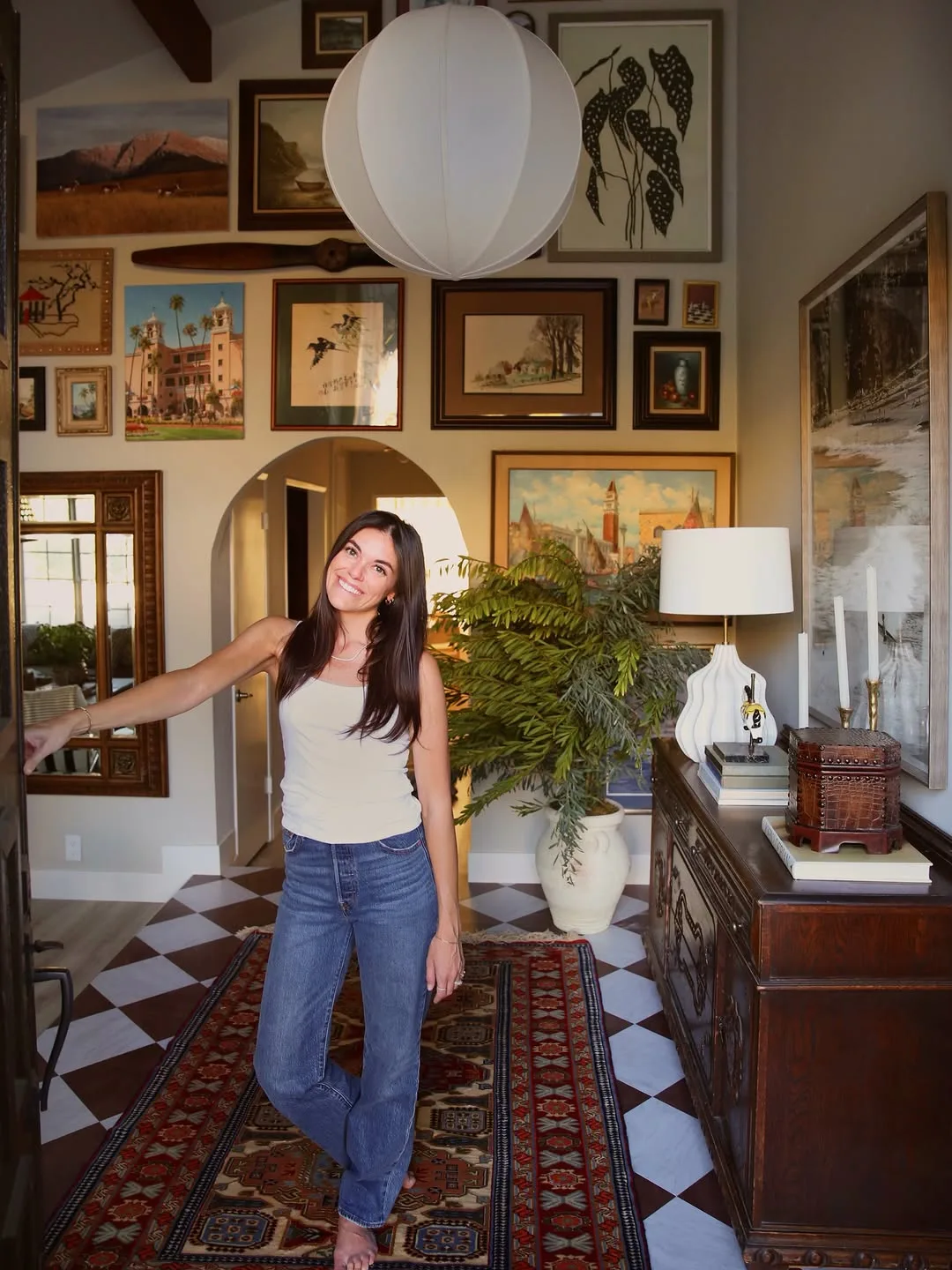
Small gallery walls turn a blank entry wall into a personal welcome without taking any floor space. Family photos, a tiny landscape, and one playful print can set the tone for the whole home. Keep the group compact, because a small doorway needs one clear moment rather than a long hallway exhibition.
Lay the arrangement on the floor first and photograph it before you hang anything. Use frames in two finishes at most, then repeat one color from the runner or door for balance. Paper templates taped to the wall help you test spacing, and a level keeps the group from drifting as you work.
Guests notice a gallery wall when the sizes vary a little and the images stay easy to see at standing height. Place the center of the group near eye level, not above the door frame where nobody looks. Leave the lowest frame high enough that coat shoulders and bag straps will not knock it daily.
Resist filling every gap with one more tiny frame. Empty wall around the group lets each picture breathe and keeps the doorway from feeling busy. Edit the collection once a year, move spare prints to another room, and let the entry wall stay simple enough to clean without a ladder.
One tray for keys and mail
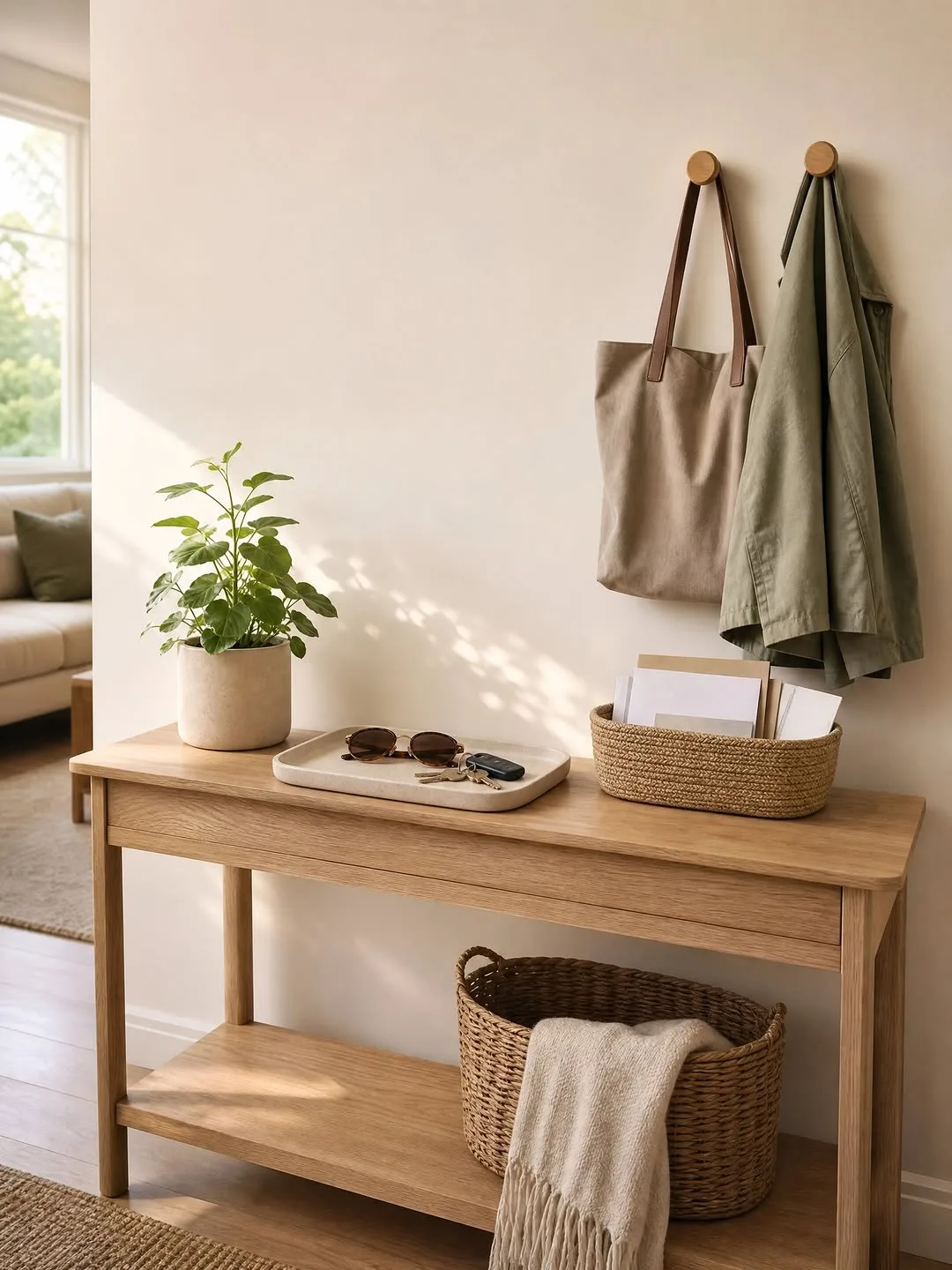
One shallow tray can stop the daily scatter of keys, coins, sunglasses, and mail across every flat surface near the door. Contained clutter looks calmer than loose clutter, even when the tray holds the same number of items. Pick from the strongest small entryway decor ideas by choosing objects that gather, hide, or carry things, and a tray gathers beautifully.
Place the tray where your hand naturally lands after locking the door. Wood, metal, ceramic, and woven trays all work when the rim keeps keys from sliding off. Add a tiny bowl inside the tray for coins or hair ties if your household drops those daily, but keep the footprint modest.
Mail needs a rule or the tray becomes a filing cabinet. Sort mail the day it arrives, recycle junk at once, and move bills to the room where you pay them. Keep one small stack for action items only, and clear it every Sunday before the week begins again.
Empty the tray fully once a month and wipe away grit, crumbs, and pen marks. Return only true daily items, and give stray objects a home elsewhere in the house. People trust a landing spot when it stays predictable, and trust is what keeps keys off the kitchen counter.
Slim wall shelf for everyday items
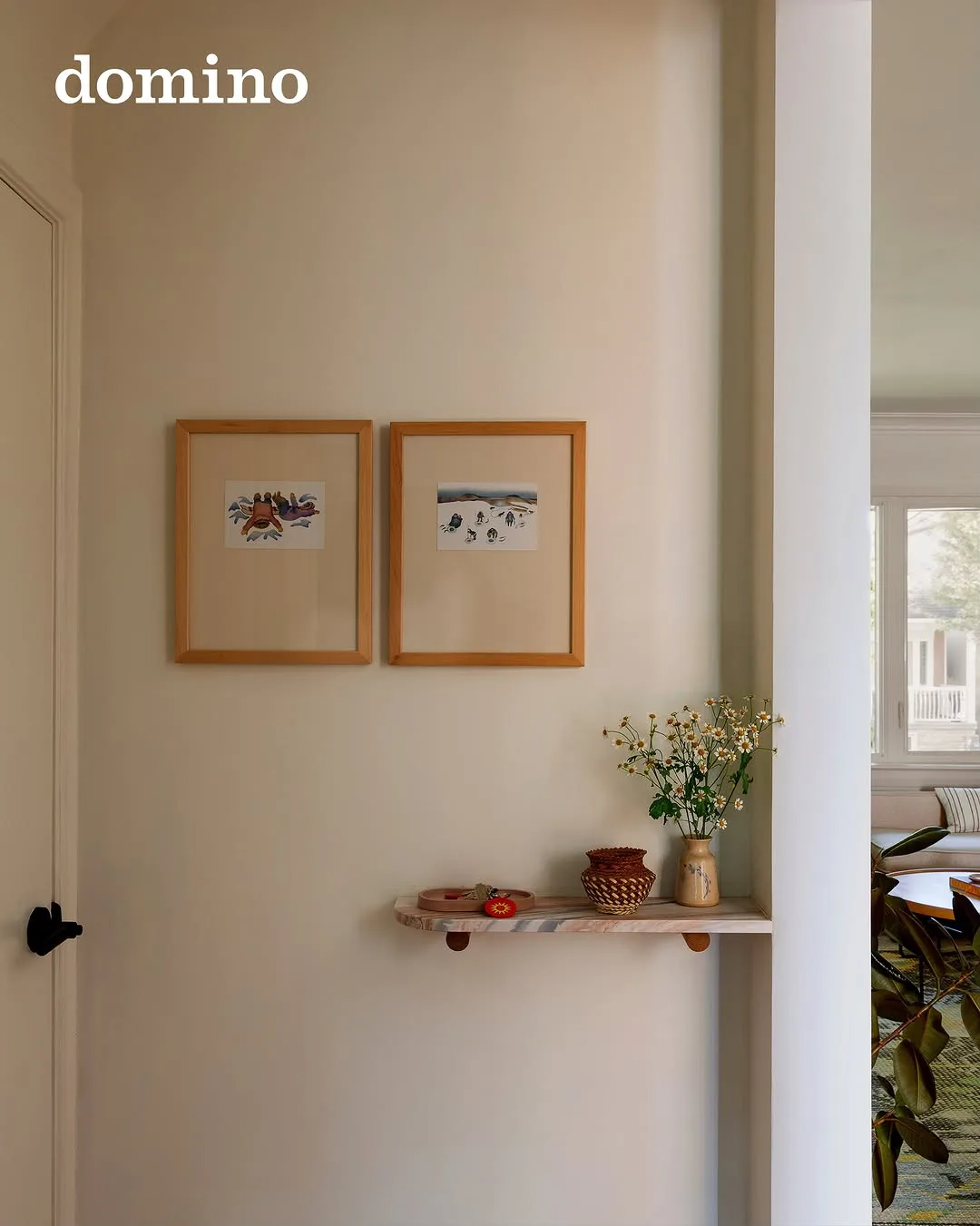
Slim wall shelves give you a surface when a console table would steal too much walking room. A shelf can hold a tray, a small plant, hand cream, or the library book that must go back tomorrow. Mount it at a height that works like a tabletop, and keep the depth shallow enough for safe passing.
Mount the shelf into studs when possible, because daily items add weight faster than decorative objects. Rounded front corners feel safer in a narrow passage, and a small lip can stop keys or bottles from sliding. Paint the shelf the wall color for a quiet look, or use wood to match hooks and baskets.
Daily items belong on the shelf only when they leave the house often. Sunscreen in summer, gloves in winter, and a spare tote make sense, while random decor can move to a safer room. Households with toddlers should keep small objects higher or skip the shelf until tiny hands stop grabbing everything within reach.
Do not overload a slim shelf until it looks like a shop counter. Visual weight matters in a small doorway, and three useful objects read as calm while nine objects read as storage overflow. Edit the shelf each season, and let empty space do part of the decorating work for you.
Tall vase with greenery stems
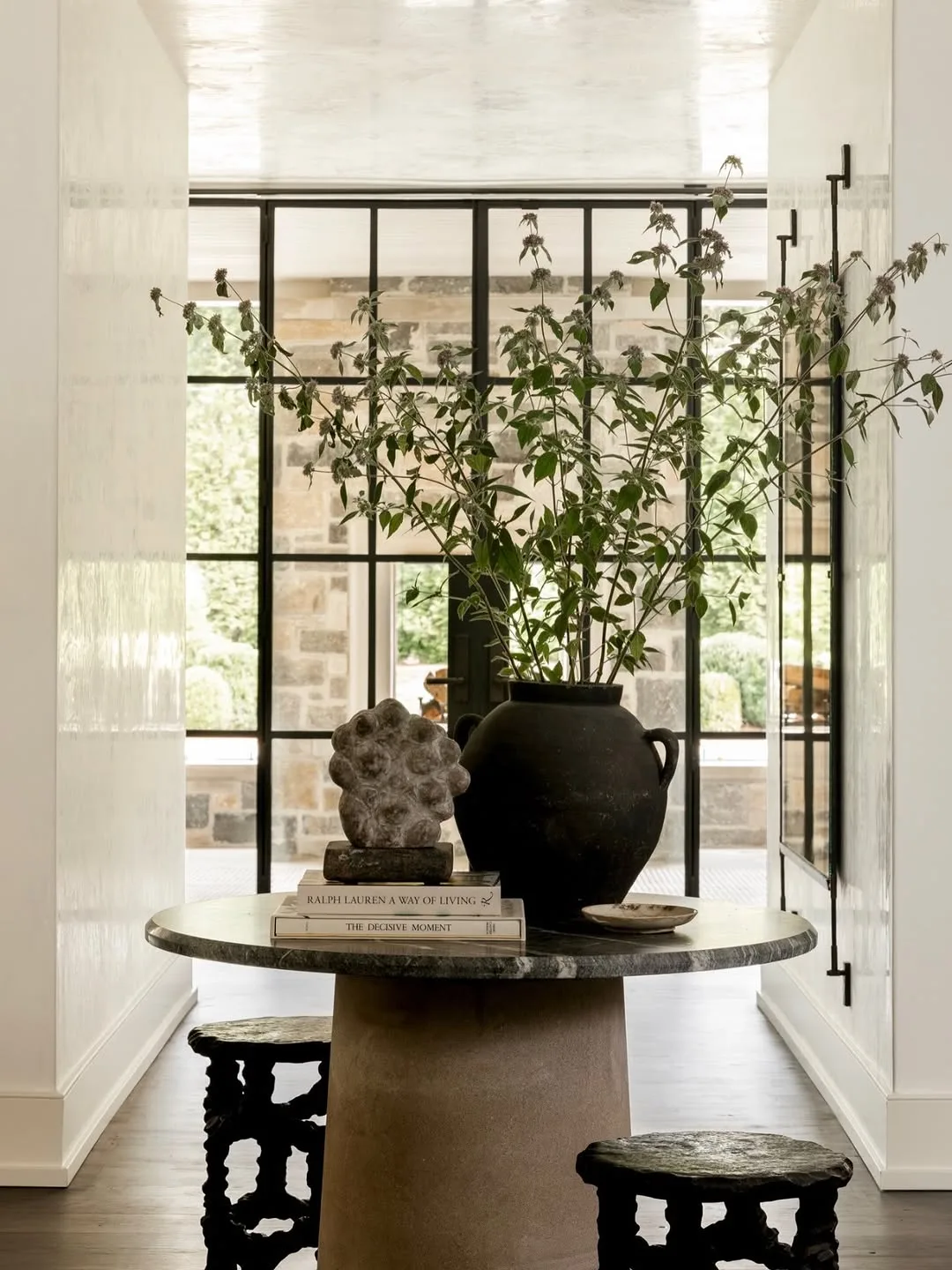
Tall vases lift the eye and make a low entryway feel more graceful without taking much surface space. Greenery stems add life beside the door, and they keep their good looks longer than fresh flowers during busy weeks. Place the vase on the floor in a safe corner, on a bench end, or on a console with enough depth.
Choose stems with movement, such as eucalyptus branches, olive stems, or dried grasses in soft natural tones. Real branches from the garden cost nothing when you trim them cleanly and check them for insects before bringing them inside. Faux stems work well in dark hallways, especially when you mix two textures instead of using one stiff bunch.
Corners beside the door suit tall vases because people can see the height without brushing past the stems. Keep the arrangement away from the door swing and from heat sources that dry natural branches too fast. Pets that chew leaves may need a safer high placement or a different doorway accent altogether.
Avoid giant floor vases in a walkway that children, dogs, or delivery parcels use every day. Scale matters more than drama in a small entry. Pick a vase that stands steady with a wide base, and stop adding stems when the shape looks light rather than crowded.
Warm light at eye level
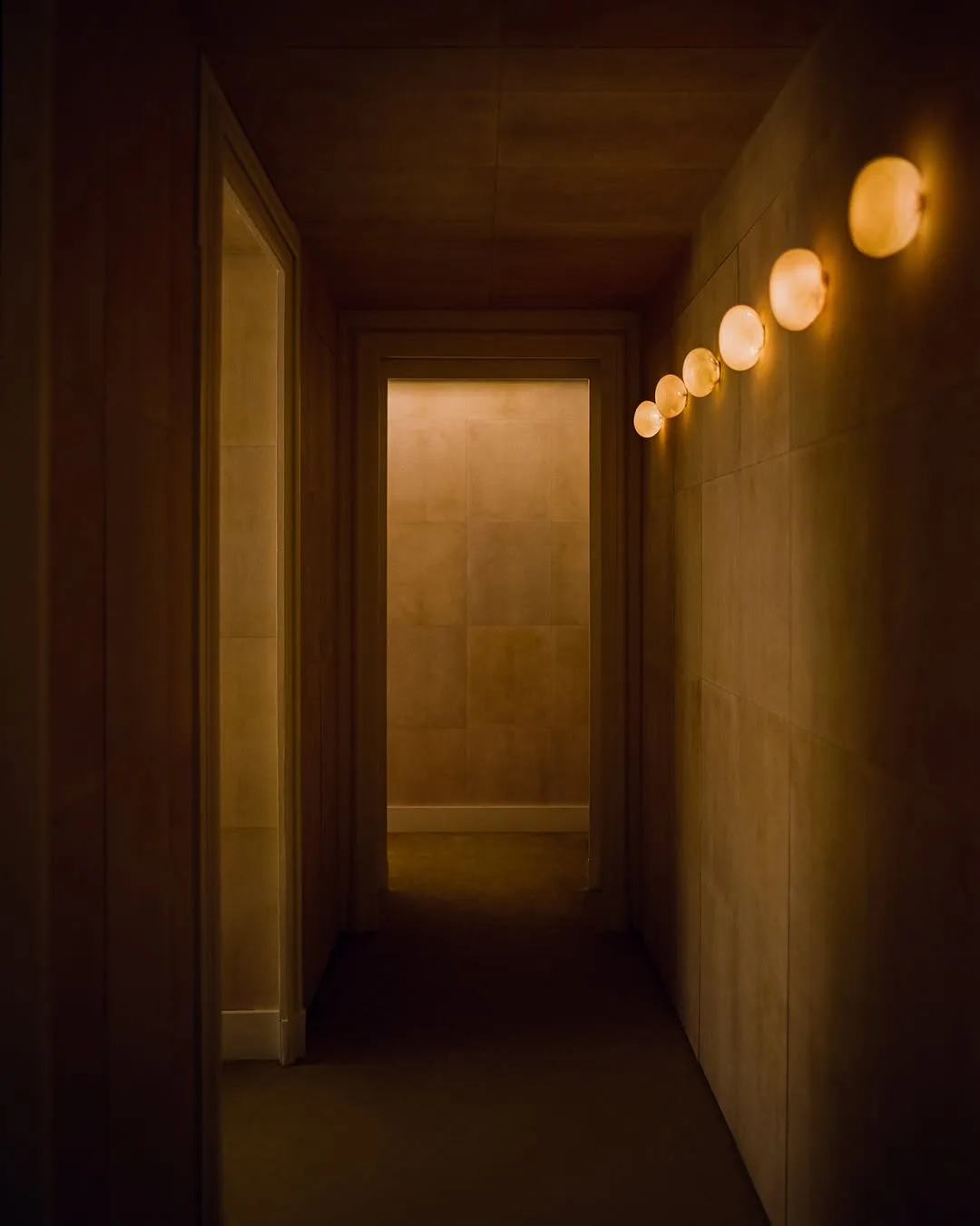
Warm light changes a doorway from a passage into a welcome, especially when ceiling lights cast harsh shadows. Lamps and sconces near face height flatter people as they leave and make evening arrivals feel softer. Use warm light in small entryway decor ideas when the space feels cold, because light shapes mood before furniture gets noticed.
Use a small table lamp on a console, a plug in sconce beside the mirror, or a shaded wall light near the hooks. Bulbs with a warm color tone keep skin and paint looking natural, while very white bulbs can make cream walls feel gray. Put the switch or smart plug where you can reach it without crossing the room.
Entryways without outlets can still glow with a rechargeable lamp or a battery operated sconce made for indoor use. Charge it on the same day each week so the light does not fade quietly into uselessness. Households that arrive home after dark gain the most, because one gentle light prevents the whole house feeling asleep and unwelcoming.
Test the light at night before you decide the entryway is finished. Stand at the door, check your face in the mirror, and look for dark corners where coats disappear. Adjust the shade or bulb once, then leave the setup alone instead of adding more fixtures to a small wall.
Slim coat stand in the corner
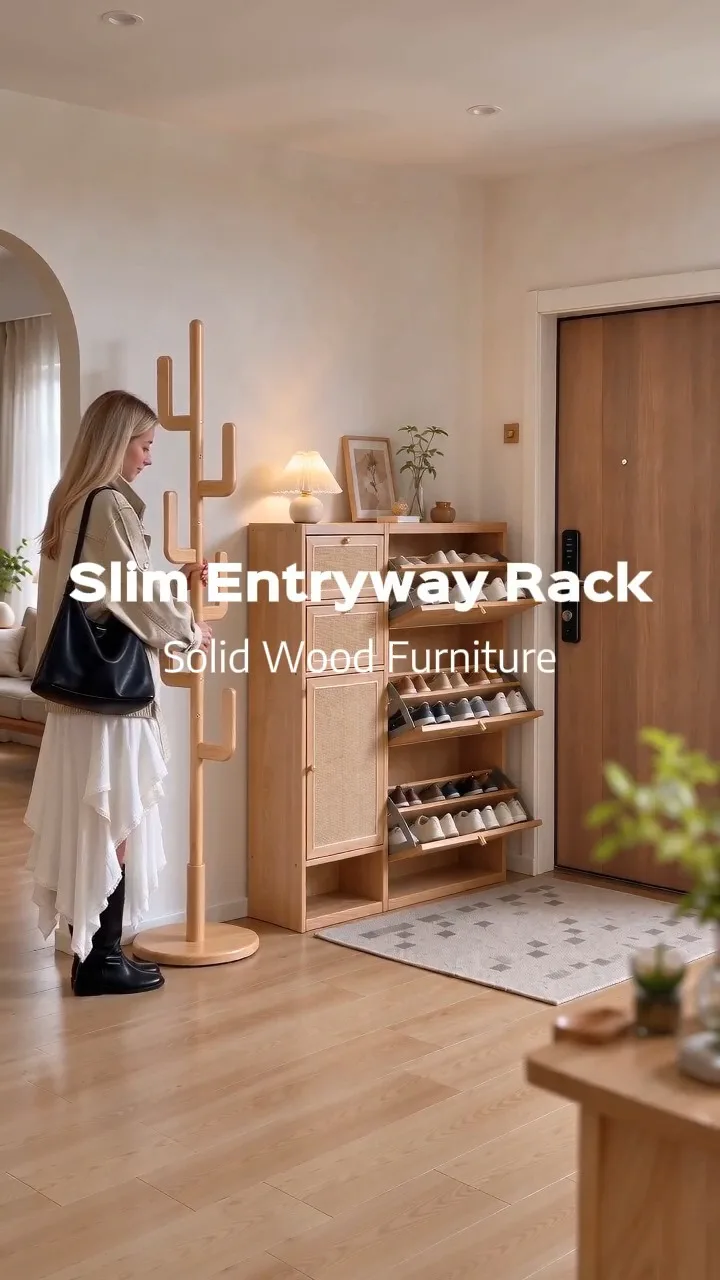
Slim coat stands help when wall hooks are impossible or when guests need extra hanging space during gatherings. A narrow stand can hold coats, a scarf, and a hat in one vertical column, which suits corners that otherwise collect bags on the floor. Choose a base that feels steady before you fall for a pretty silhouette.
Place the stand where the door does not hit it and where coats will not block a vent, a light switch, or the path to the stairs. Corners beside a bench work well because people can hang a coat, sit down, and sort shoes in one small zone. Keep everyday coats on the strongest hooks of the stand.
Coats look calmer when you limit the stand to a few pieces rather than every jacket the family owns. Move spare coats to a bedroom closet or a storage box when the season changes, and leave the stand ready for the current week. Simple limits matter here, because fewer coats mean faster mornings for everyone.
Watch the base after the first week of use. Wobbly stands tip when children pull sleeves or when one side carries all the heavy coats. Balance the load, tighten any screws, and move the stand if your doorway traffic keeps bumping it during normal arrivals and departures.
Front door painted in a soft color
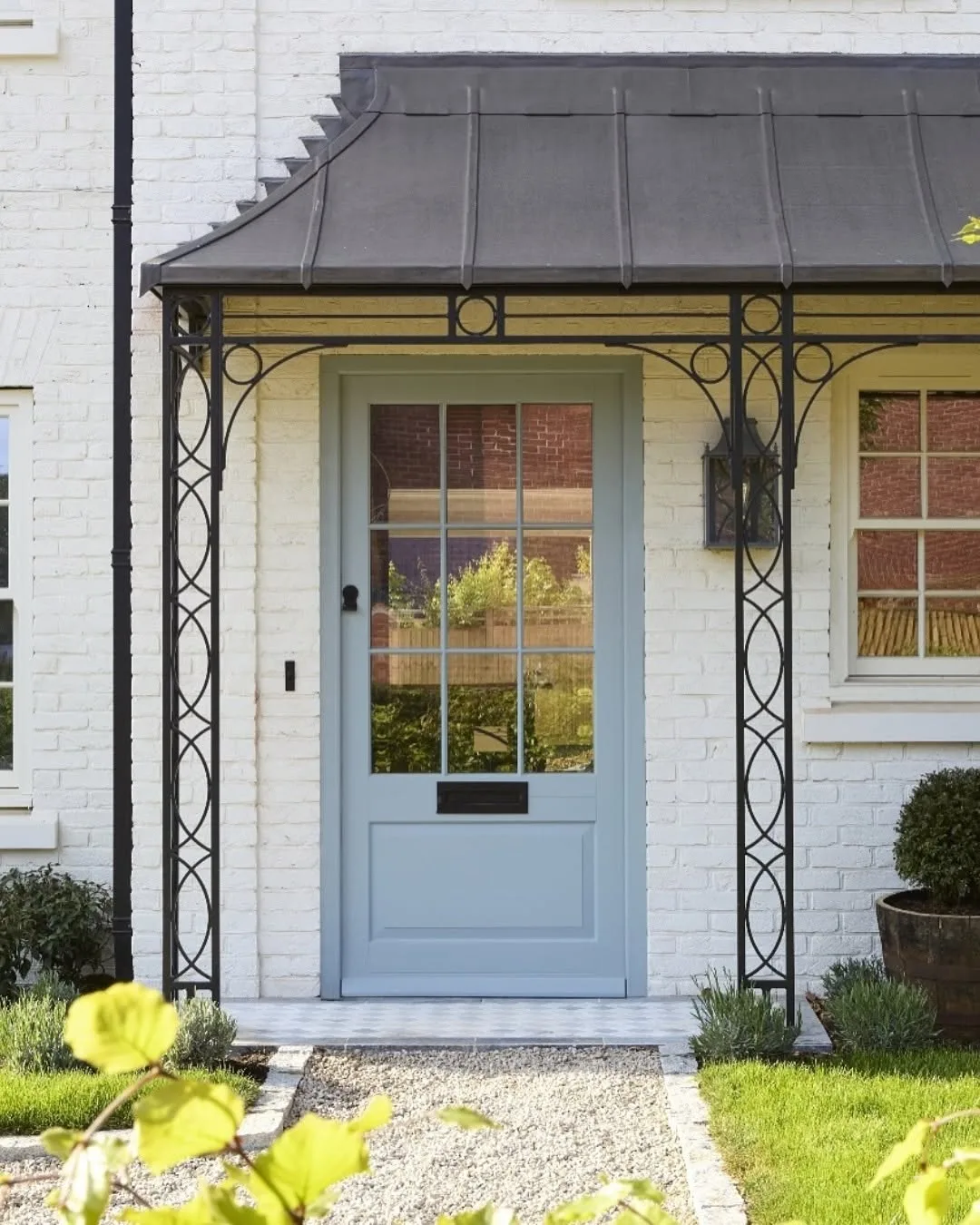
Paint gives a small entryway a clear identity, and the inside face of the front door often offers the easiest place to add color. Soft sage, dusty blue, warm clay, and gentle blush can make white walls feel intentional rather than plain. Paint only the door and its trim when you want a contained change with a tidy edge.
Test paint on a large card and tape it to the door before you commit. Look at the color in morning light, under your warm lamp, and on a gray afternoon, because entry light changes fast. Satin or semi gloss finishes wipe clean more easily than flat paint beside handles, keys, and bag straps.
Visitors see the door color first, so repeat the shade once more in a cushion, a print, or a wreath ribbon. Repetition makes a soft color look planned, while a single bold door can feel like a leftover sample. Households that love quiet neutrals can still use color here, since the door closes and the experiment stays small.
Skip constant repainting when the real problem is clutter on the floor. Paint refreshes the backdrop, but hooks, trays, and shoe limits do the daily work. Finish storage first, choose color second, and you will judge the shade fairly instead of asking paint to hide a busy doorway.
Small welcome sign by the door
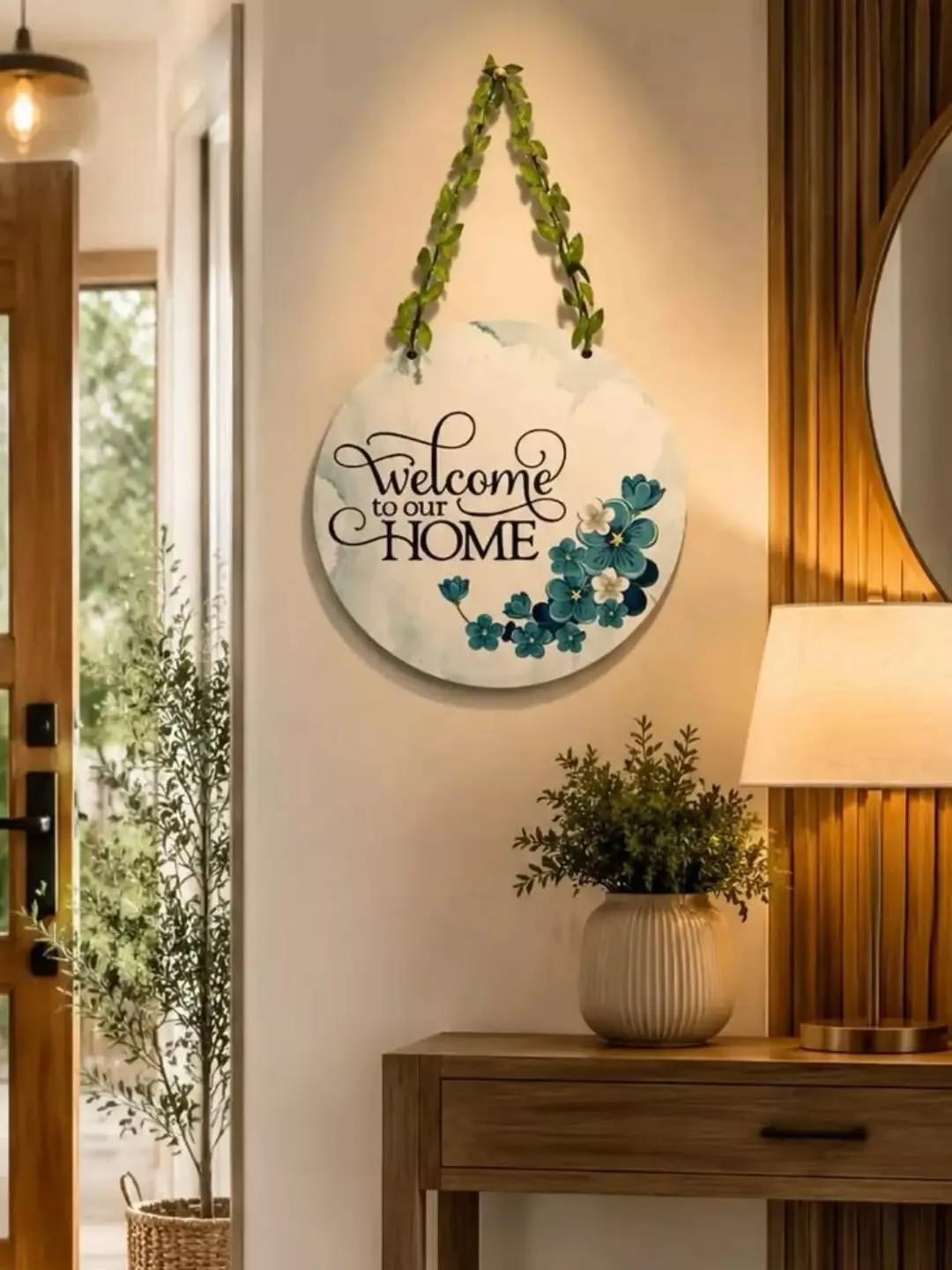
Small welcome signs add a friendly note near the door without demanding much space or money. Wooden boards, framed prints, and ceramic plaques all work when the words stay short and easy to read. Keep the message warm and simple, because the entryway already carries coats, shoes, and daily news from the outside world.
Keep lettering large enough to read at arm length, and hang the sign where coats will not cover it by Tuesday. Leaning a framed sign on a shelf can work in a calm household, but wall hanging is safer where children and pets pass often. Choose colors that echo the door, the runner, or the gallery frames nearby.
Signs suit homes that feel a little plain after the practical pieces are in place. They also give guests a kind focal point near the door, so visitors notice the welcome before the shoe basket or the coat hooks. Keep the tone personal, and avoid slogans that feel like shop displays.
Avoid placing a sign where it competes with the mirror, the gallery wall, and a wreath all at once. Small entryways need one voice at a time. Pick the accent that makes you smile when you come home, then move the spare pieces to a bedroom, a kitchen shelf, or seasonal storage.
One wreath swapped by season
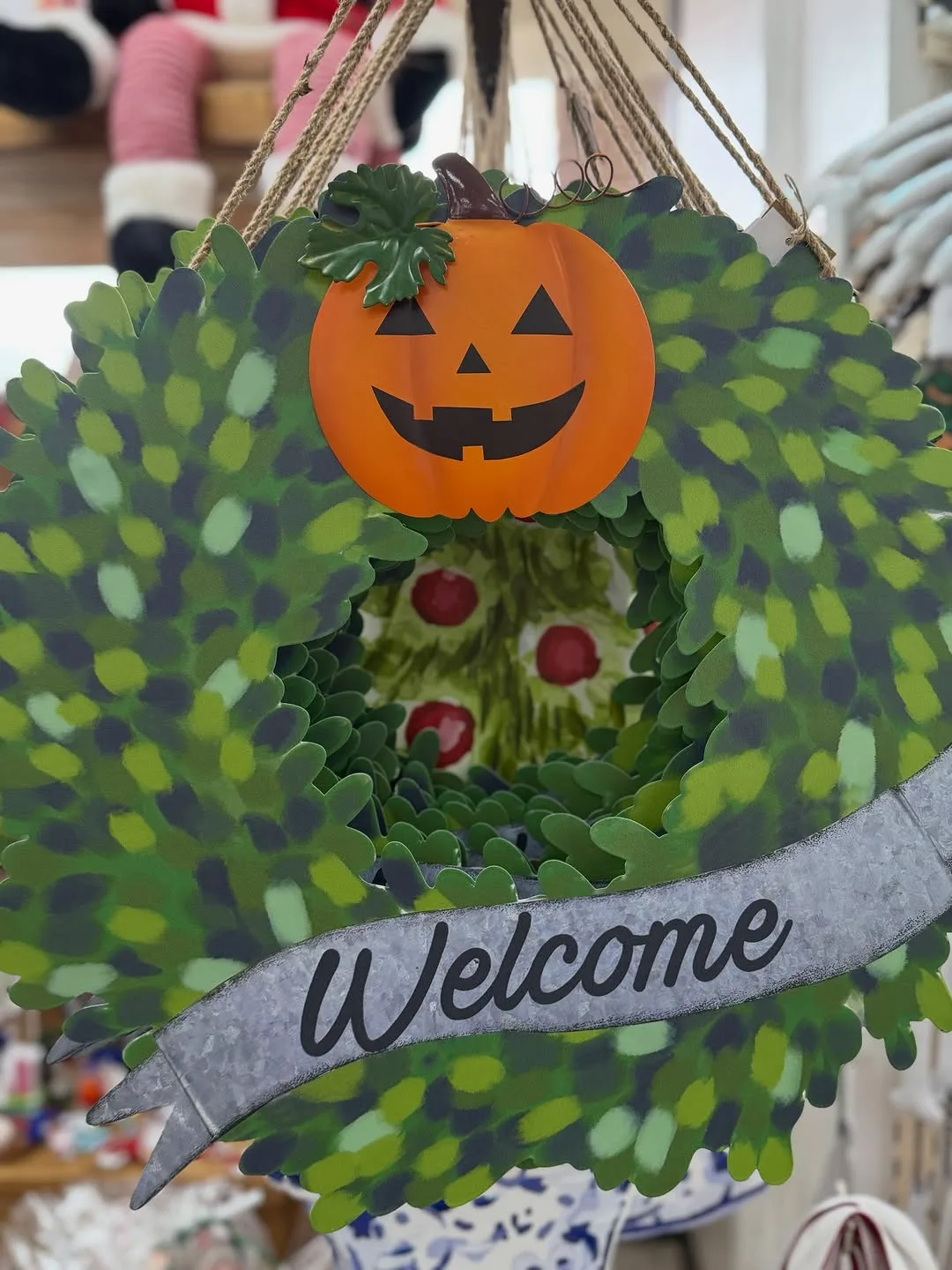
One good wreath can carry the entryway through the year when you swap small details with the seasons. Greenery forms the base, then ribbons, berries, dried flowers, or tiny ornaments change the mood without storing four large wreaths. Hang it inside the front door when weather or hallway rules make outside display less practical.
Swap only the accents and keep the base familiar, because repetition helps a small home feel pulled together. Spring can bring pale ribbon and faux blossoms, autumn can add dried grasses, and winter can carry pinecones or red berries. Store loose pieces in one labeled box near your seasonal decor so the change takes minutes.
Wreaths work for almost every style when you match the base to your door color and hardware. A soft green wreath suits sage and cream schemes, while twig bases fit wood hooks and woven baskets. Hang the wreath at eye level and check that the door still opens, closes, and locks smoothly.
Store the wreath flat or hanging in a closet so the shape does not crush between seasons. Dust it gently before each swap, and remove faded ribbon before it makes the whole entry feel tired. Careful storage protects the one accent you plan to reuse, which keeps the idea friendly for both budget and space.
Boot tray under everyday shoes
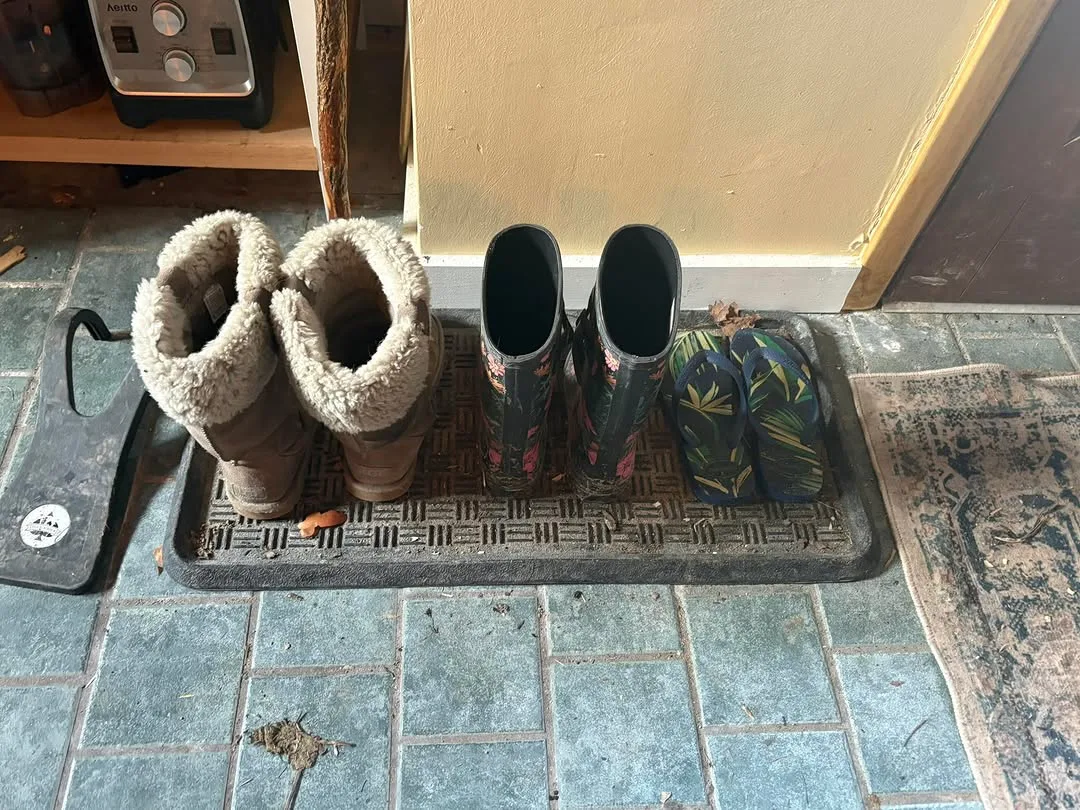
Boot trays catch water, mud, and grit before they spread across the entry floor. A low tray under everyday shoes gives wet footwear a clear boundary, which keeps socks dry during the morning rush. Choose a tray with a small lip and a surface you can rinse in a sink or outside tap.
Choose length based on the pairs that truly live by the door, not every shoe in the house. Two pairs for each person is a generous limit for a small entry, and spare shoes belong in closets or under beds. Metal, rubber, and sturdy plastic trays all work when the size fits under the bench or beside the hooks.
Wet climates and snowy regions gain the most from a boot tray, but sandy areas benefit too because grit stays in one place. Put the tray on top of the runner only if both layers stay flat and safe underfoot. Shake loose dirt outside weekly, and wash the tray when you mop the entry floor.
Rinse the tray before odor and muddy water make it part of the problem. Keep one old cloth nearby for quick spills, and move dry shoes off the tray so air can circulate. Small habits like this protect floors quietly and make the doorway easier to face on dark mornings.
Common Mistakes to Avoid in a Small Entryway
Most entryway clutter starts when people choose decor before they solve storage. Small entryway decor ideas fail quietly when a pretty console leaves no room for keys, when hooks sit too high for children, or when a mirror reflects a pile nobody has sorted. Fix the landing zones first, then add the pieces that make the doorway feel personal and warm.
Crowding causes the second classic problem. Too many baskets, signs, frames, and seasonal objects compete in a space that people cross in three steps, so the eye reads storage instead of welcome. Keep one storage system for small items, one hanging system for coats, and one soft layer underfoot, then stop adding until something leaves.
Light mistakes hide good work. Harsh ceiling bulbs flatten color, while no light near the mirror makes the doorway feel like a cupboard. People also forget the view from inside the house, yet the entry should look calm when you see it from the kitchen or stairs, not only when guests arrive at the front door.
Budget Friendly Ways to Refresh an Entryway
Start with cleaning, sorting, and moving pieces you already own before you spend anything. Small entryway decor ideas often begin with a better hook position, a spare tray from the kitchen, or a basket that was hiding craft supplies in another room. Walk through the door with fresh eyes, list the three problems you see first, and solve those before shopping.
Paint offers strong value when the door or one wall needs new life. Sample pots can cover a small door, and leftover paint from another room can refresh a bench or shelf for almost nothing. Secondhand mirrors, hooks, and benches appear often in charity shops, so measure your space and keep the measurements in your phone while you browse.
Secondhand finds need one quick check before they come home. Test bench hinges, look for mirror damage, and clean baskets well before you fill them with gloves and scarves. Spend first on the item you touch daily, usually hooks or a tray, and let purely decorative pieces wait until the doorway works smoothly.
Entryway Tips That Keep the Doorway Calm
Keep one clear landing strip. Reserve a small surface for keys, mail, and a phone, then defend that strip when bags and parcels try to spread. People relax when the daily drop zone stays visible, and guests see order instead of a search area. Clear the strip each night so the morning begins without a hunt.
Use the back of the door wisely. Slim pockets or one sturdy hook can hold a dog lead, a spare tote, or the umbrella that never fits elsewhere. Check the door swing after you add anything, and keep the weight modest so hinges stay happy. Hidden storage helps most when it stays light and easy to reach.
Hang coats by owner, not by chance. Give each person one main hook and one backup spot, then return coats to those places until the habit sticks. Children follow systems that stay visible and simple, while guests can borrow the open hook without asking. Review the row each season and move spare coats out of the doorway.
Choose closed storage for visual quiet. Baskets with lids, bench boxes, and a tray with a rim all hide small clutter better than open piles. Closed pieces make the entry feel calmer in photos and in real life, especially when work bags and school items arrive together. Keep one open basket only for the items you grab daily.
Leave one hook empty on purpose. Empty space signals welcome because visitors can hang a coat without moving your family piles. Guests feel considered when they see a clear place waiting, and you avoid the awkward shuffle beside the door. Protect that hook during busy weeks, even when your own coats multiply after rainy days.
Rotate one accent with the season. Change a wreath ribbon, a cushion cover, or the print in one frame, then store the spare pieces together in a small box. Small changes refresh the doorway without a shopping trip or a full afternoon of work. Your eye notices the new note because the practical setup stays familiar underneath.
Small routines protect the whole setup. Sweep the grit, empty the tray, return stray shoes, and check the mirror while the kettle boils or the dog waits for a walk. Those few minutes keep small entryway decor ideas looking intentional, and they stop the doorway from sliding back into a holding area for the entire house.
FAQ
How do I decorate an entryway with no console table?
Start with wall pieces that give you the same jobs in less depth. Hooks hold coats, a slim shelf holds keys, and a mirror adds light without touching the floor. Add a bench or basket only when the walkway stays comfortable, because a doorway that works beats a doorway that copies a photo with furniture you cannot pass safely.
What size mirror works in a narrow entryway?
Measure the wall first, then leave clear space around the frame so the mirror feels calm rather than squeezed. Round mirrors around the width of your shoulders give a useful reflection for coats and hair without demanding a wide wall. Hang the center near eye level, and check the view from the open door before you fix the screws.
How can I hide shoes without a closet?
Choose a bench with storage, a boot tray under a bench, or one basket for each person beside the door. Limit daily pairs so the system can breathe, and move spare shoes to bedroom storage before the entry becomes a shoe shop. Visible limits help children too, because each person can see when their spot is full.
What colors make a small entryway feel bigger?
Use light walls as the base, then add one soft color on the door or in a runner so the space feels warm rather than blank. Mirrors and warm light do more for size than color alone, especially in hallways without windows. Repeat your chosen color twice in small pieces, and the doorway will look planned from the street to the stairs.
How do I keep the entryway tidy during busy weeks?
Clean routines need to be tiny or they will not survive real schedules. Put keys in the tray, coats on the assigned hooks, and shoes on the tray or in the bench every time you come home. Spend two minutes after dinner returning stray items, and the doorway will greet you kindly even during the busiest school and work weeks.
Where should I start if my entryway feels chaotic?
Begin at the floor, because clear footing changes the feeling fastest. Move every shoe that is not worn daily, empty the surface where keys land, and sweep the grit into one honest pile. Once you can walk in without stepping around clutter, choose one storage piece and one light or mirror upgrade for the next step.
Conclusion
Small entryways become welcoming when storage leads and decoration follows with a light hand. Hooks catch coats, trays catch keys, baskets hide the small stuff, and warm light makes the whole doorway feel cared for. You do not need a bigger hall to get that result, and small entryway decor ideas work best when each one solves a daily problem beautifully.
Pick one problem at the door and solve it this week. Maybe your keys need a tray, your coats need stronger hooks, or your shoes need a tray that contains the mud. One finished fix builds confidence faster than a full makeover plan, and the doorway will show you the next problem once the first one settles. Careful small entryway decor ideas stay useful long after the first tidy weekend.
Let the entryway stay simple after it starts working. Edit it when seasons change, keep the landing strip clear, and protect the empty hook for guests. Your home will feel calmer from the first step inside, and every arrival will carry a little less stress across the threshold.