15 Closet Organization Ideas for Small Spaces
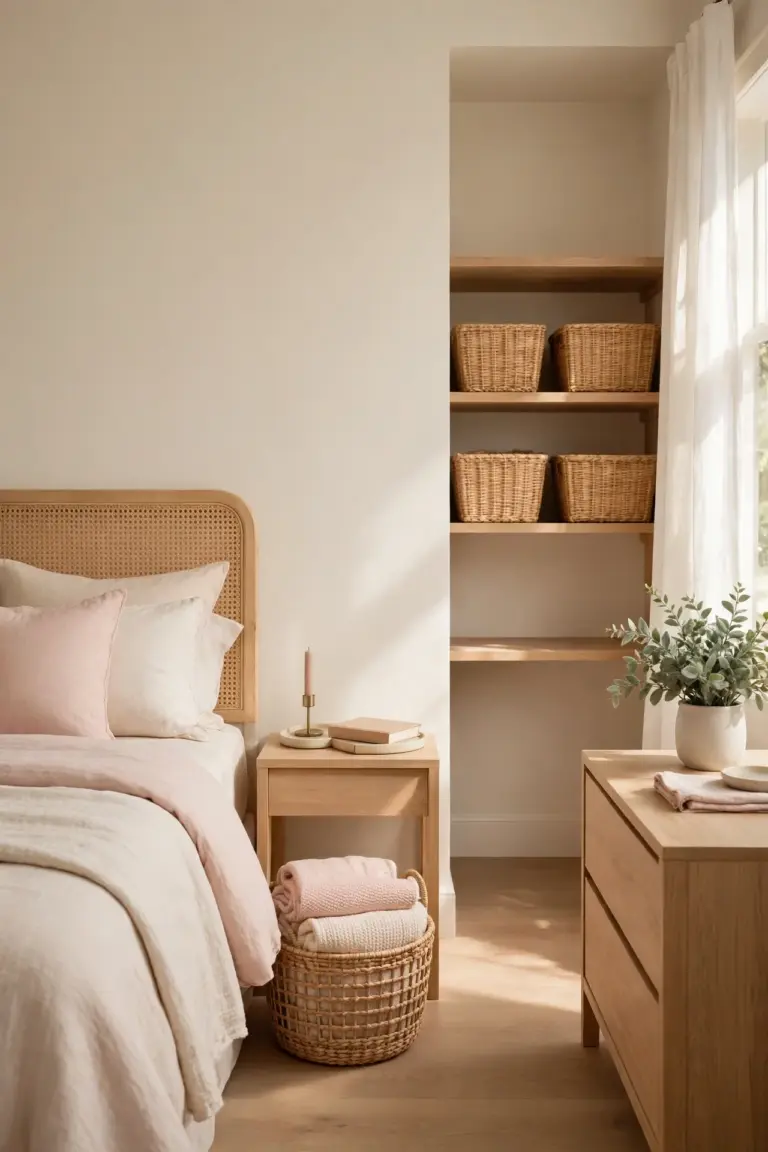
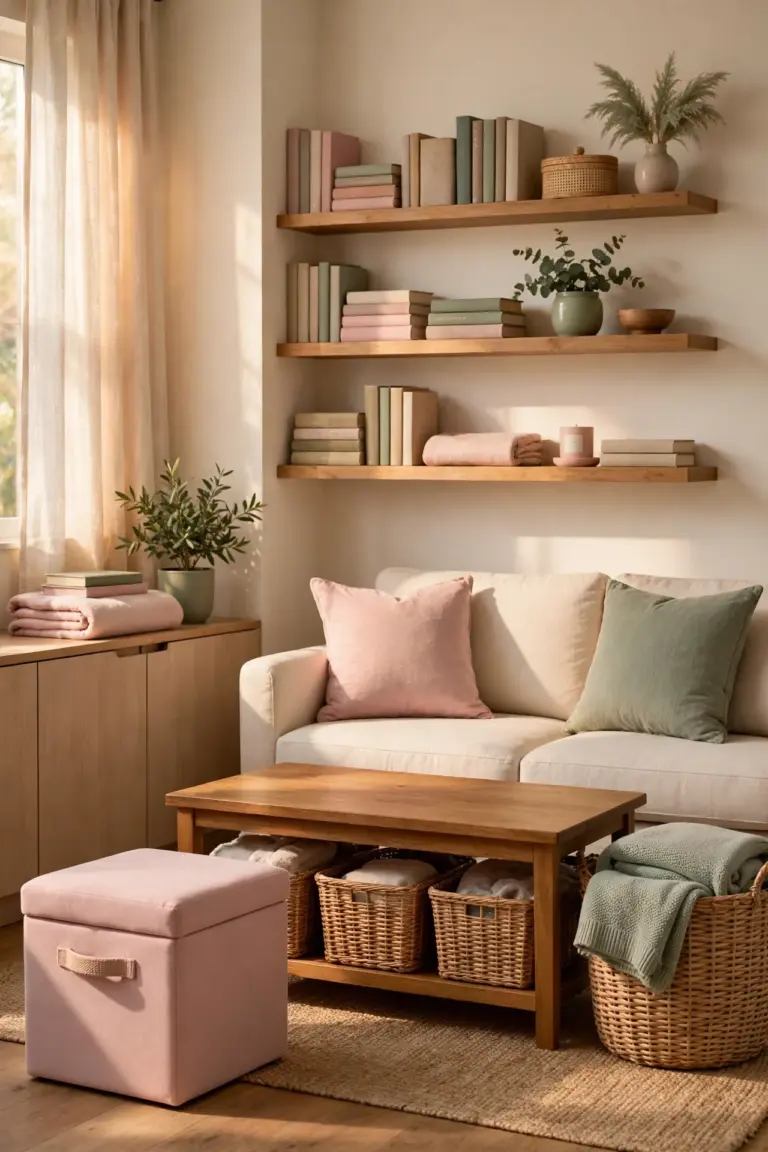
Small closets hold more than most people expect, yet they punish every lazy habit within a week. One crowded rail, one leaning stack of tees and one lost shoe can turn getting dressed into a daily scramble. Gentle closet organization ideas change that picture without new furniture or a bigger room. Every shelf earns its place, every hanger works, and every item lands where your hand expects it to land each morning.
Good news comes first. You rarely need to buy much before you begin, because the real problem is usually placement rather than storage. Clothes you wear weekly hide behind clothes you wore twice last year. Shoes you love sit under boxes you never open. Sorting honestly, grouping similar pieces together and giving each group a clear home fixes most of the chaos before a single new product enters the room.
Inside this guide you will find fifteen practical ways to organize a small closet from rail to floor. Each idea explains why it works, how to set it up, where it helps most and which mistake to dodge. Later sections cover common mistakes, honest budget routes and small daily habits. Work through the ideas in any order, start with the one that tackles your worst corner, and let the calm spread from there.
How can I organize a small closet so everything fits?
Start by emptying one zone at a time, sorting every piece into keep, move or donate piles, and returning only what you truly wear. Group the keepers by type, give each group a fixed spot, and use vertical space on doors and high shelves for the rest. Strong closet organization ideas follow that simple order: edit first, group second, store third, and label last so the system stays easy to maintain.
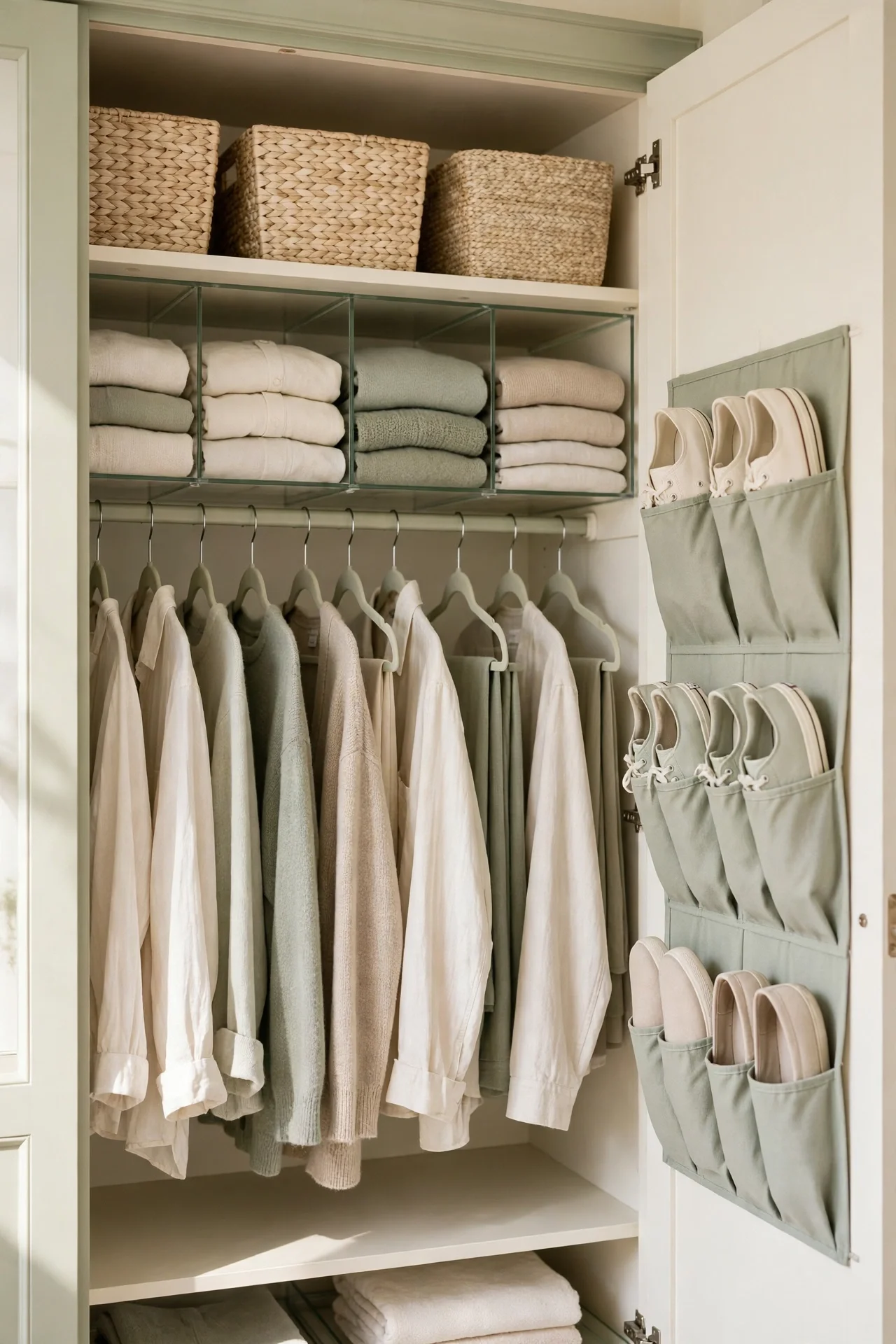
Picture a narrow closet shared by two people in a small flat. Every shirt hangs on slim matching hangers, short clothes sit over a second low rail, and folded knits rest in divided stacks on the single shelf. Shoes line a low rack, scarves loop on one hanger, and the top shelf holds labeled bins for bags and seasonal pieces. Nothing blocks the floor, and both people dress in minutes.
One hanger style for the whole rail
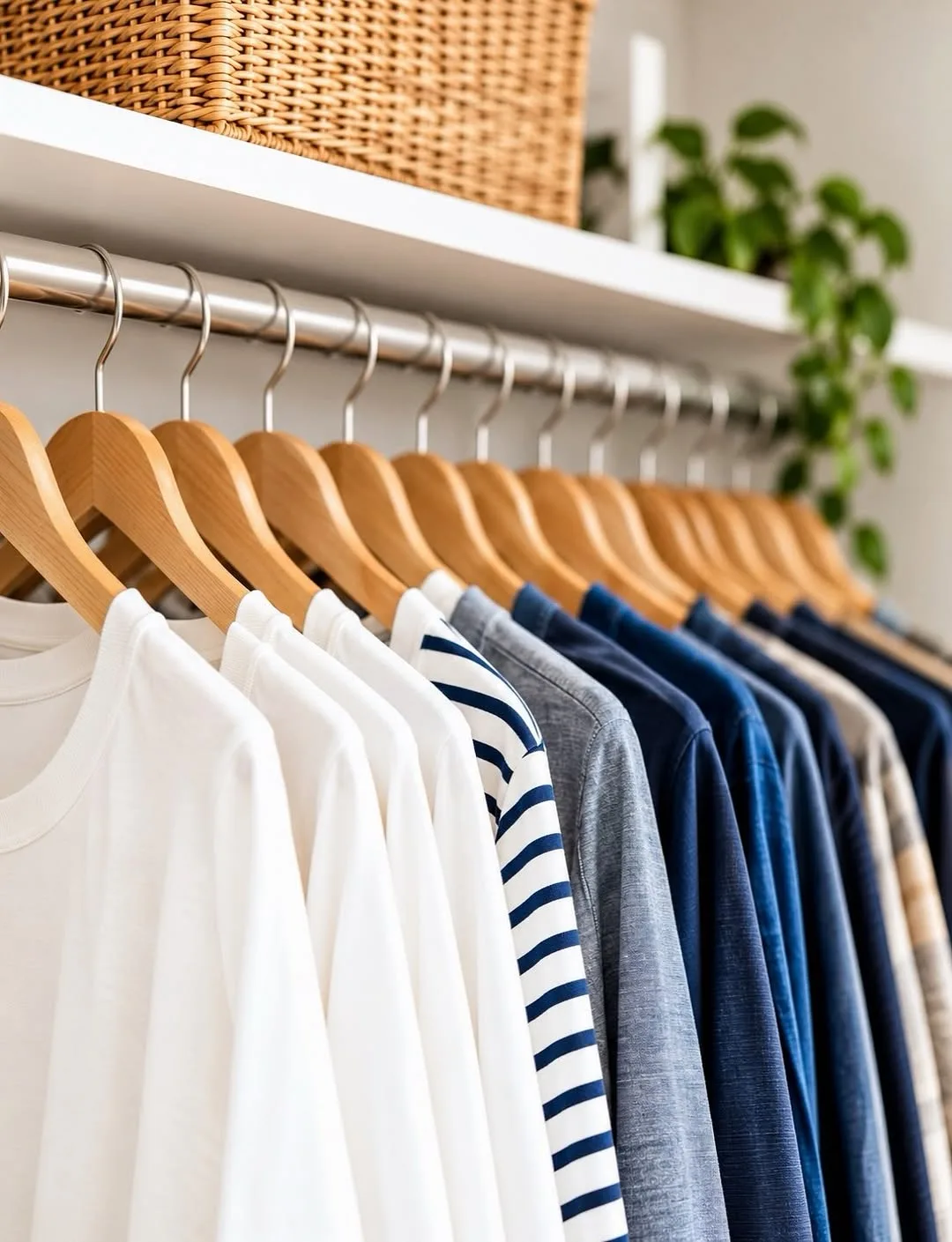
Matching hangers create instant order because every garment hangs at the same height and spacing. Mixed wire, wood and plastic hangers push clothes into uneven clumps, waste centimetres and snag delicate fabrics. One slim style, velvet covered or smooth plastic, grips shoulders neatly and slides easily along the rail. Your eye reads the rail as one calm row instead of a jumble, and picking an outfit feels simpler right away.
Slim hangers save the most room, often fitting a third more clothes than chunky wooden ones on the same rail. Count your hanging pieces first, then buy one pack more than you think you need so spares match later. Among cheap closet organization ideas, a single hanger style delivers the fastest visible change for the least money. Choose one color as well, since matching color deepens the tidy effect.
Families sharing one closet gain the most from this change, because children outgrow hangers quickly and mixed sizes tangle fast. Give each person a section of the rail and, if you like, a different hanger color per person within the same slim style. School uniforms, work shirts and weekend clothes stay in their own zones. Everyone finds their pieces faster, and laundry returns to the right section without debate.
Watch out for bargain hangers with rough edges or weak hooks, because they snap under heavy coats and chew through knit shoulders. Test one hanger with your heaviest garment before buying a full set. Also skip hangers that are too wide for your rail depth, since puffy sleeves and broad shoulders steal the space you just saved. Buy sturdy once, and the rail stays calm for years.
Second rail for short clothes
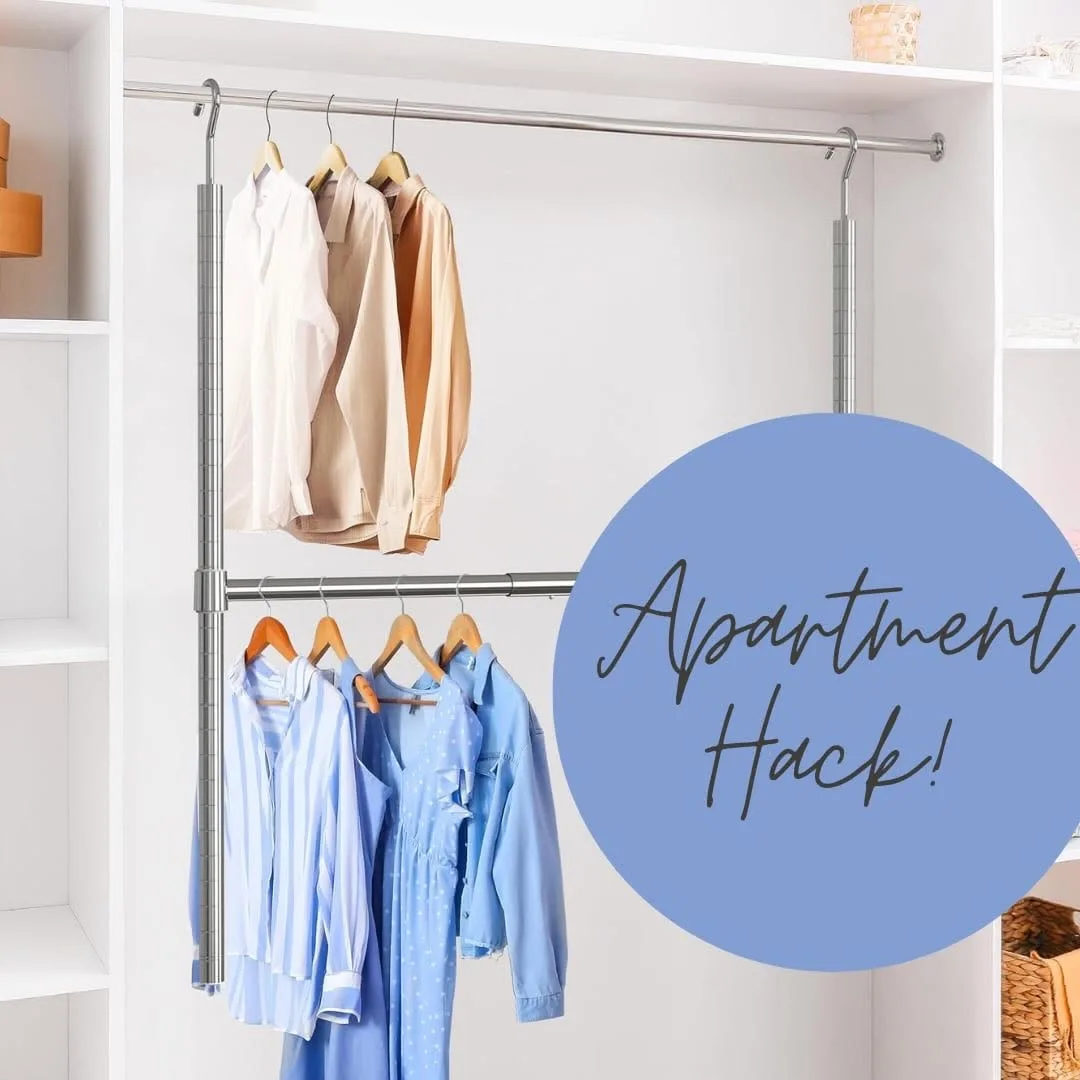
Most closets waste the space under shirts, blouses and jackets because a single high rail leaves a tall empty gap below short clothes. Adding a second lower rail doubles hanging room in that same footprint. Tension rails need no screws and adjust in minutes, while fixed rails suit closets you own outright. Short garments hang in two neat rows, and the floor beneath stays free for a shoe rack or drawers.
Measure before you buy anything. Hang your longest short item, then mark where its hem falls and leave ten centimetres below that line for the lower rail position. Keep at least ninety centimetres of height for the top row if dresses or long coats share the space, or move long pieces to one end. Check that both rails sit level, because sloping rails slide every hanger toward one crowded corner.
Kids closets benefit hugely from a second rail, because children clothes are short and a low rail lets children reach their own outfits. Set the lower rail at child height and keep everyday clothes there, with special occasion pieces up top. Adults with many shirts, folded trousers on hangers and short skirts gain the same doubling effect. Work wardrobes especially improve, since five shirts across two rows wrinkle far less than ten crushed together.
Leave long dresses, coats and jumpsuits out of the double rail zone, because they drag on the lower rail and crumple against the clothes beneath. Give long pieces their own end section with full height. Also avoid loading the lower rail with heavy winter jackets on a tension fitting, since weight can bow the bar over time. Respect the weight limit on the packaging, and both rails stay straight and silent.
Dividers that keep stacks upright
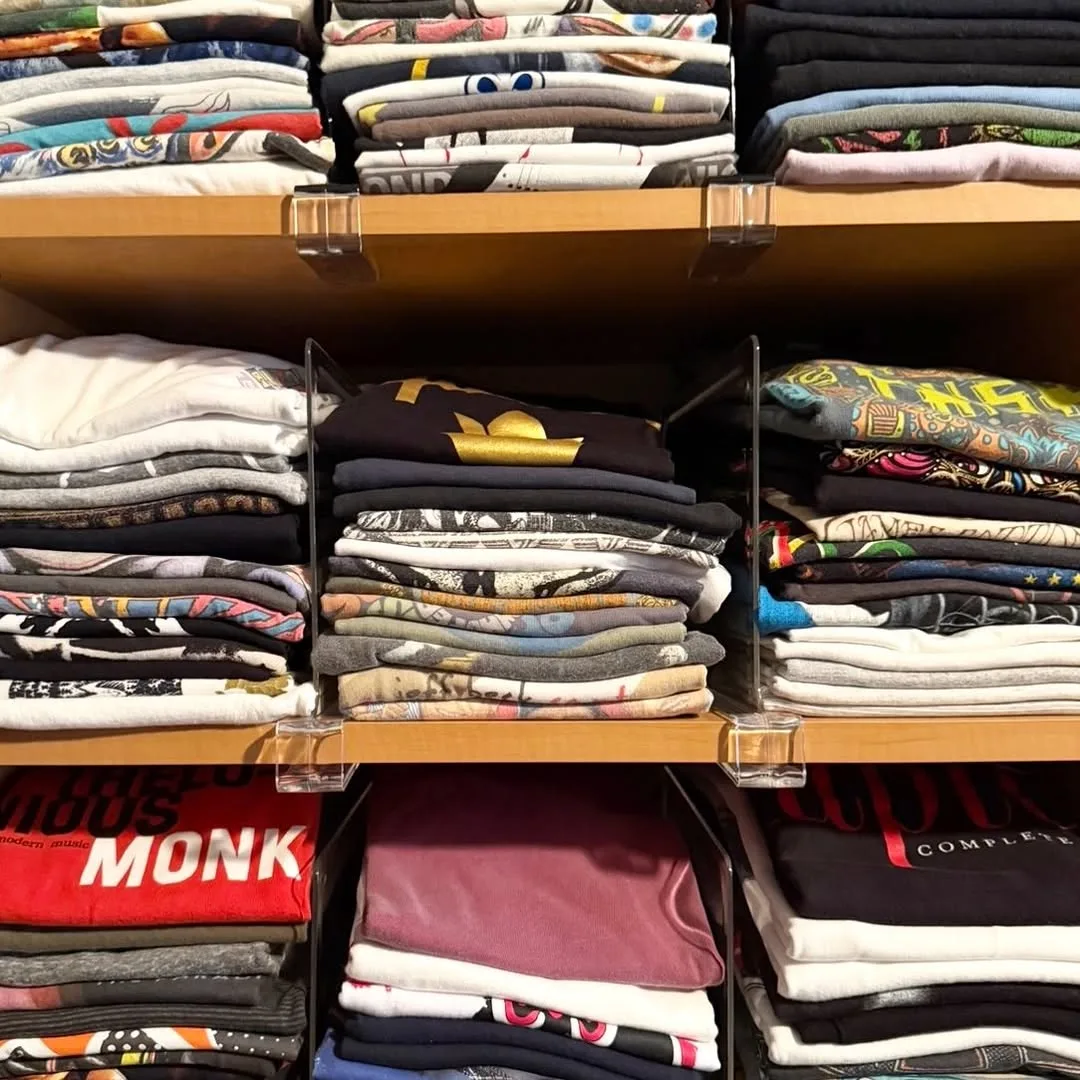
Folded stacks fall because soft piles lean, slump and pull each other down every time one piece slides out. Shelf dividers act like bookends for clothes, holding each stack upright between firm walls. Acrylic, wire and wooden styles all work, and most clip or slide onto a shelf without tools. With dividers in place, you can pull the bottom tee without toppling the whole pile onto the floor.
Choose divider spacing by category rather than by guesswork. Give chunky knits a wide bay, tees a medium bay and light tops a narrow one. Measure your shelf depth as well, since dividers that stop short let stacks lean behind them. Count what you own first: three or four bays handle most single shelves. Leave one bay partly empty for laundry day, so clean clothes land somewhere sensible instead of on the bed.
Sweaters and jeans suit dividers best because both fold into sturdy rectangles that stack high without slipping. Tees and gym clothes benefit too, though they need narrower bays. Anyone who folds laundry in a rush will love the forgiveness here: a slightly crooked stack still stands. Households with one shared shelf per person can mark bays with small labels, ending the morning argument about whose pile is whose.
Avoid cramming each bay completely full, because overfilled stacks bulge over the dividers and lean anyway. Keep stacks to eight or ten pieces at most, and move overflow to a drawer or bin. Also check that clip on dividers grip your shelf thickness firmly; loose dividers slide forward and dump the stack. If your shelves are very thick or very thin, choose standing dividers with weighted bases instead.
Shoe pockets on the closet door
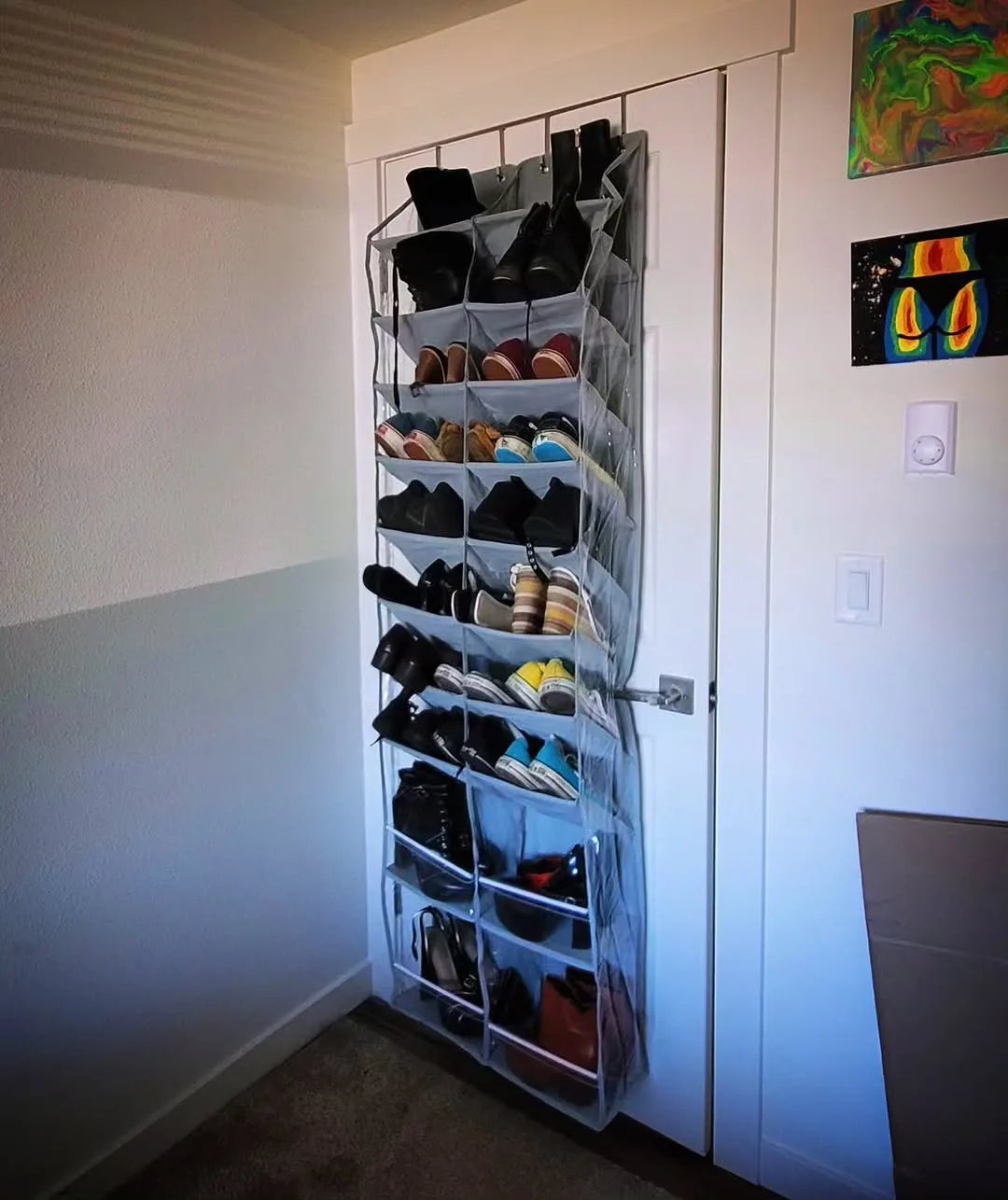
Clear pocket organizers turn a flat closet door into storage for far more than shoes. Each pocket holds one pair of flats, sandals or slippers where you can see them at a glance. The door swings daily anyway, so that surface does double duty without eating shelf or floor space. Transparent pockets matter, because hidden shoes get forgotten while visible shoes get worn, aired and put back properly.
Hang the organizer on strong hooks over the door top, or screw it flat if the door allows, and load the heaviest pairs at the bottom. Door storage ranks high among closet organization ideas because it costs little, installs in minutes and suits doors on wardrobes as well as room doors. Slide belts, gloves, hats and small bags into spare pockets, and one door quietly holds a whole accessories drawer of clutter.
Busy households love door pockets for school mornings, since children can grab their own shoes without digging through a shared pile. Parents of toddlers can store tiny shoes, socks and bibs at adult height, safe from curious hands below. Anyone short on floor space gains the most, because the rack they skipped buying now hangs flat behind a door. Even guests benefit when spare slippers wait in pockets near the entryway closet.
Check your door clearance before ordering, because some organizers add enough thickness to rub the frame. Measure the gap with the door closed, and choose slim hooks if the fit looks tight. Heavy boots stretch pockets out of shape, so keep boots on the floor instead. Also dust the pockets monthly; clear plastic shows crumbs and grit, and a quick wipe keeps the whole closet feeling clean.
Labeled bins on the top shelf
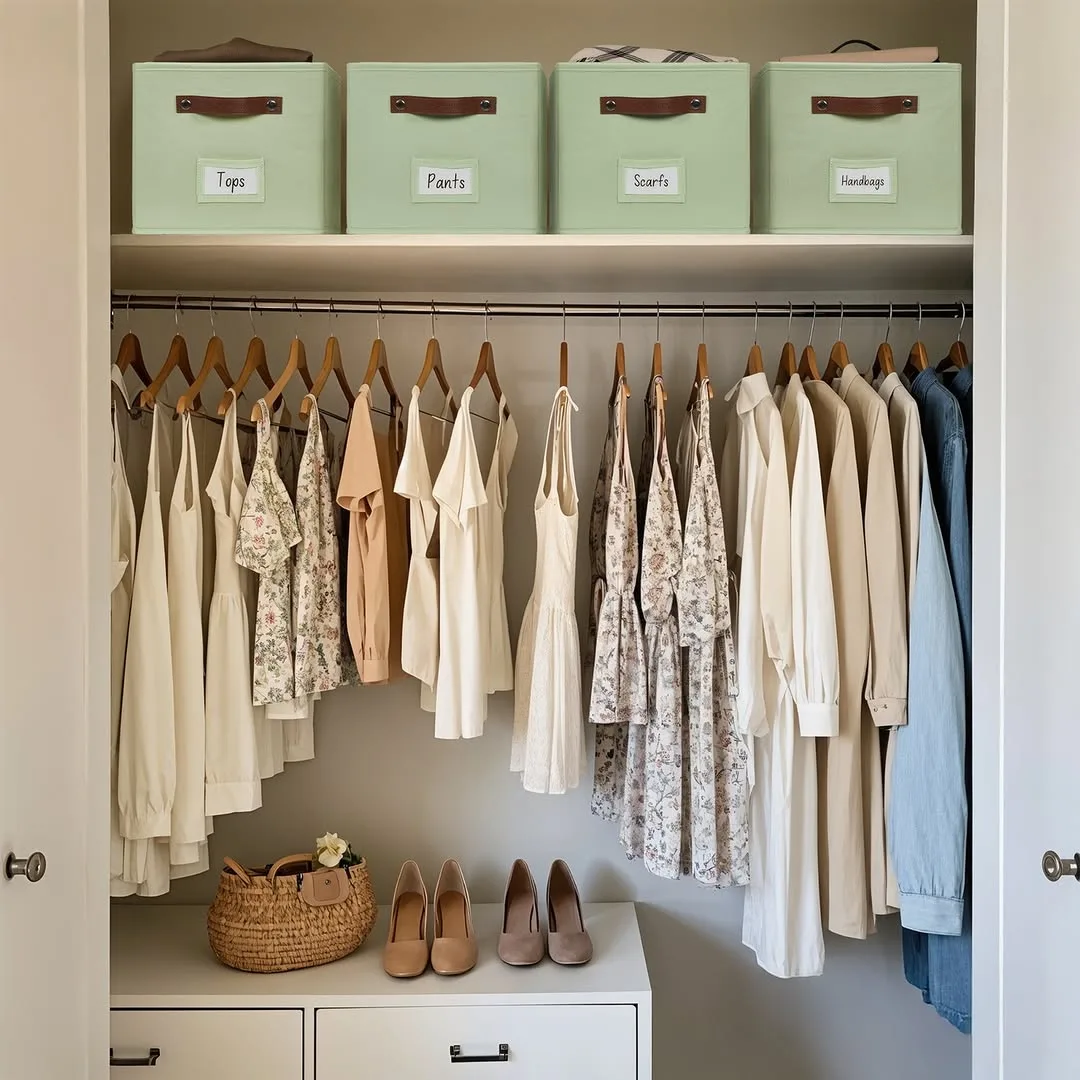
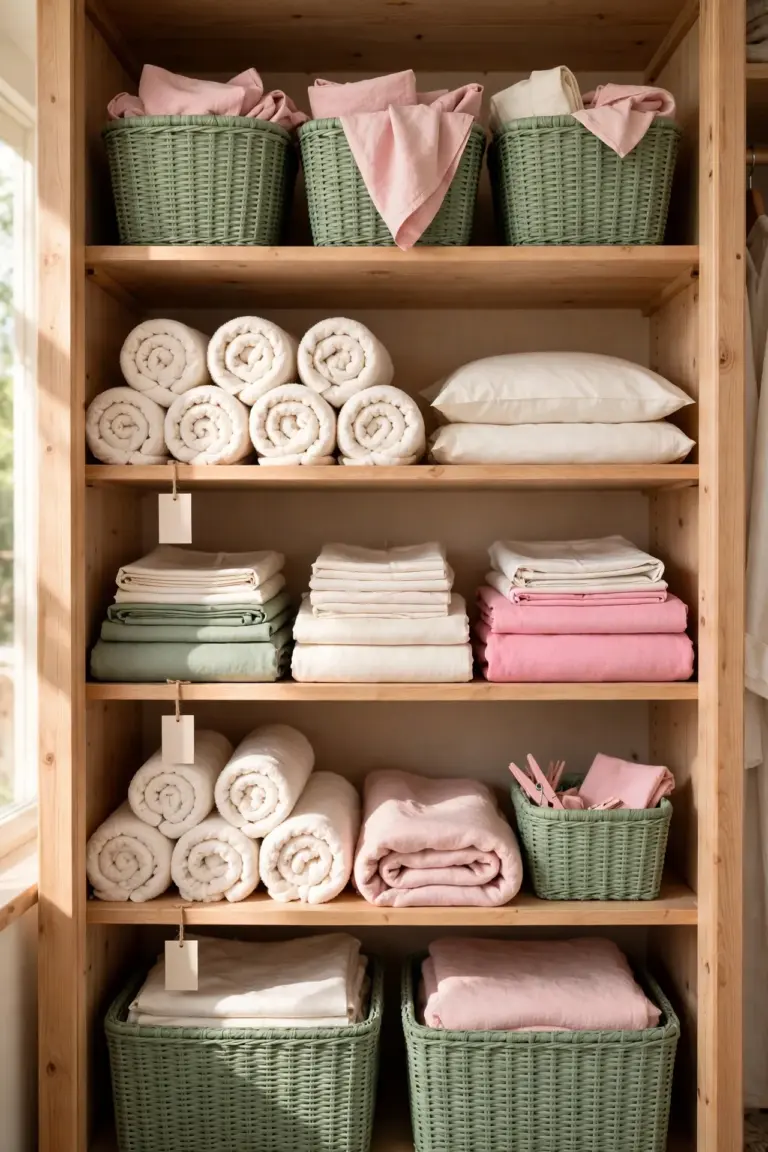
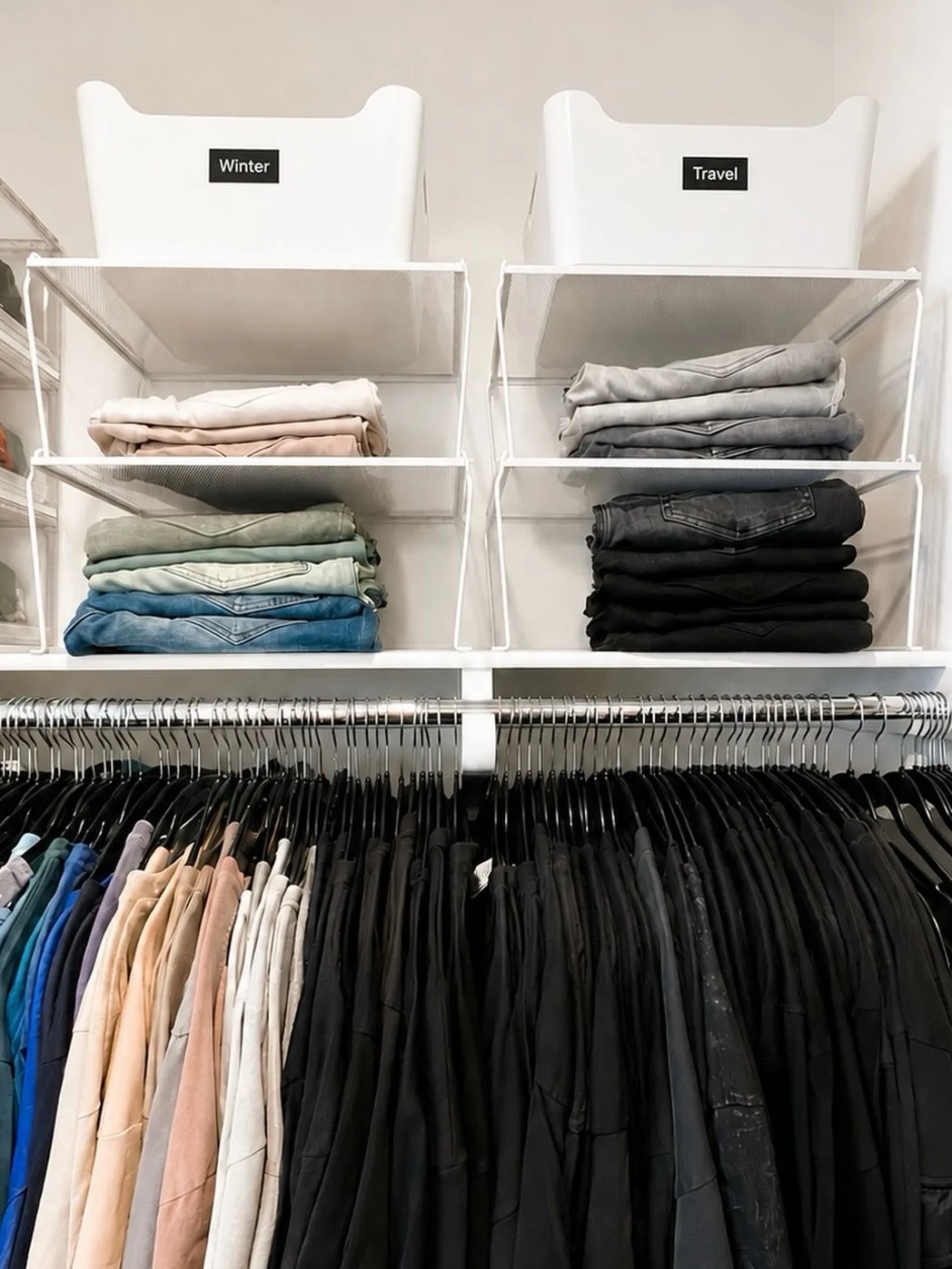
Top shelves collect random clutter because they sit out of easy reach and easy sight. Matching bins with clear labels turn that high shelf into proper storage for things you need monthly, not daily. Bins keep dust off contents, stack or line up evenly, and slide down one at a time. Suddenly the highest space in the closet works as hard as the rail below it.
Pick bins that share one size and color, measure your shelf depth before ordering, and leave two centimetres of clearance above each bin so it slides freely. Label the front face in large clear letters: bags, scarves, gym extras, gift wrap, spare hangers. Photograph the contents and tape the photo inside the lid if your household forgets fast. Keep a small step stool nearby, stored flat against the closet side.
Anyone with seasonal or occasional items benefits most, since bins protect pieces that rest for months between uses. Store interview outfits, festive wear, spare bedding for guests and outgrown children clothes waiting for a younger sibling. People with deep closets gain too, because bins pull forward like drawers and end the reach and hope method of finding things. Labels stop family members from opening every bin to find one scarf.
Resist using the top shelf as a dumping zone for mystery items, because unlabeled overflow breeds faster than any other clutter. If something has no category, it probably has no place in the closet at all. Heavy bins are another trap; a full bin of jeans at head height is awkward and unsafe to lift down. Keep top shelf bins light, and store the heaviest overflow lower down.
Seasonal boxes that rotate twice a year
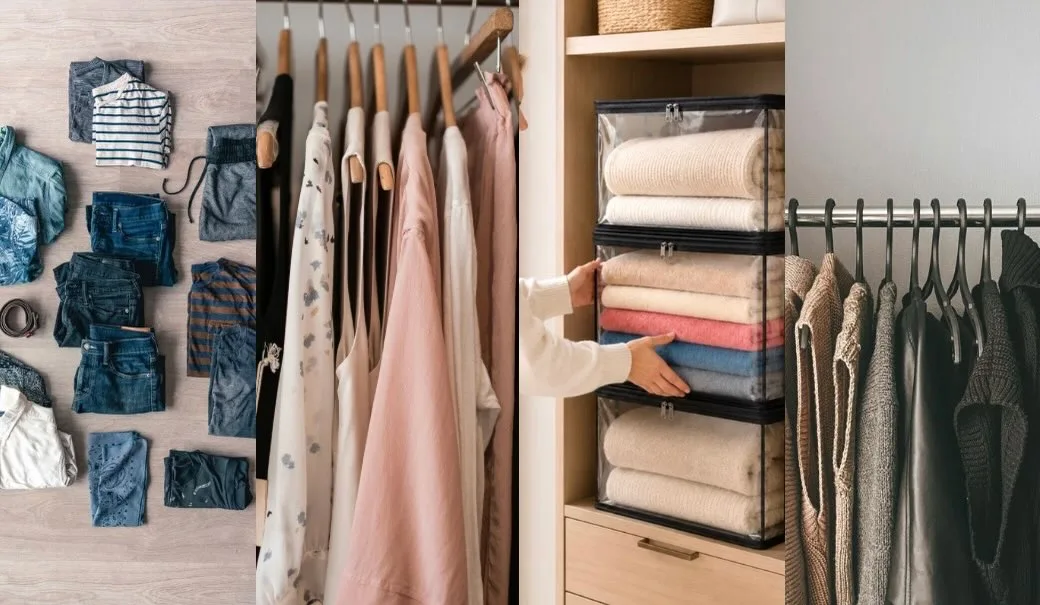
Heavy coats, thick knits and snow boots crowd a small closet for half the year while summer clothes fight for the same rail. Seasonal boxes solve the clash by moving off season pieces out of the prime zone entirely. Twice a year you swap the boxes, and the closet always holds only what the weather demands. Daily dressing speeds up because every hanger and shelf serves the current season.
Pack each box clean and fully dry, fold knits with tissue or plain paper between layers, and add a label on two sides so you can read it from any angle. Store boxes under the bed, on a high shelf in another room, or stacked neatly in the closet top corner. Note the contents on your phone as well. When the swap day comes, wash or air the returning pieces before they rejoin the rail.
Households in places with strong seasons gain the most, since winter and summer wardrobes barely overlap. Small flats benefit doubly, because one stored box can free a quarter of the closet in a single afternoon. Families can run one box per person, which keeps the swap fast and stops children sizes mixing together. Even mild climates help, because party wear, ski gear and beach pieces rotate out of daily view.
Mark swap dates on your calendar now, perhaps the first weekend of spring and the first weekend of autumn, so the job never drifts. Rushing the swap leads to damp clothes sealed away and moth friendly wool stored dirty, so wash everything first and let pieces dry fully. Also keep one light jacket and one warm layer in the closet year round. Weather surprises happen, and a bare closet in a cold snap helps nobody.
Hooks inside the closet door
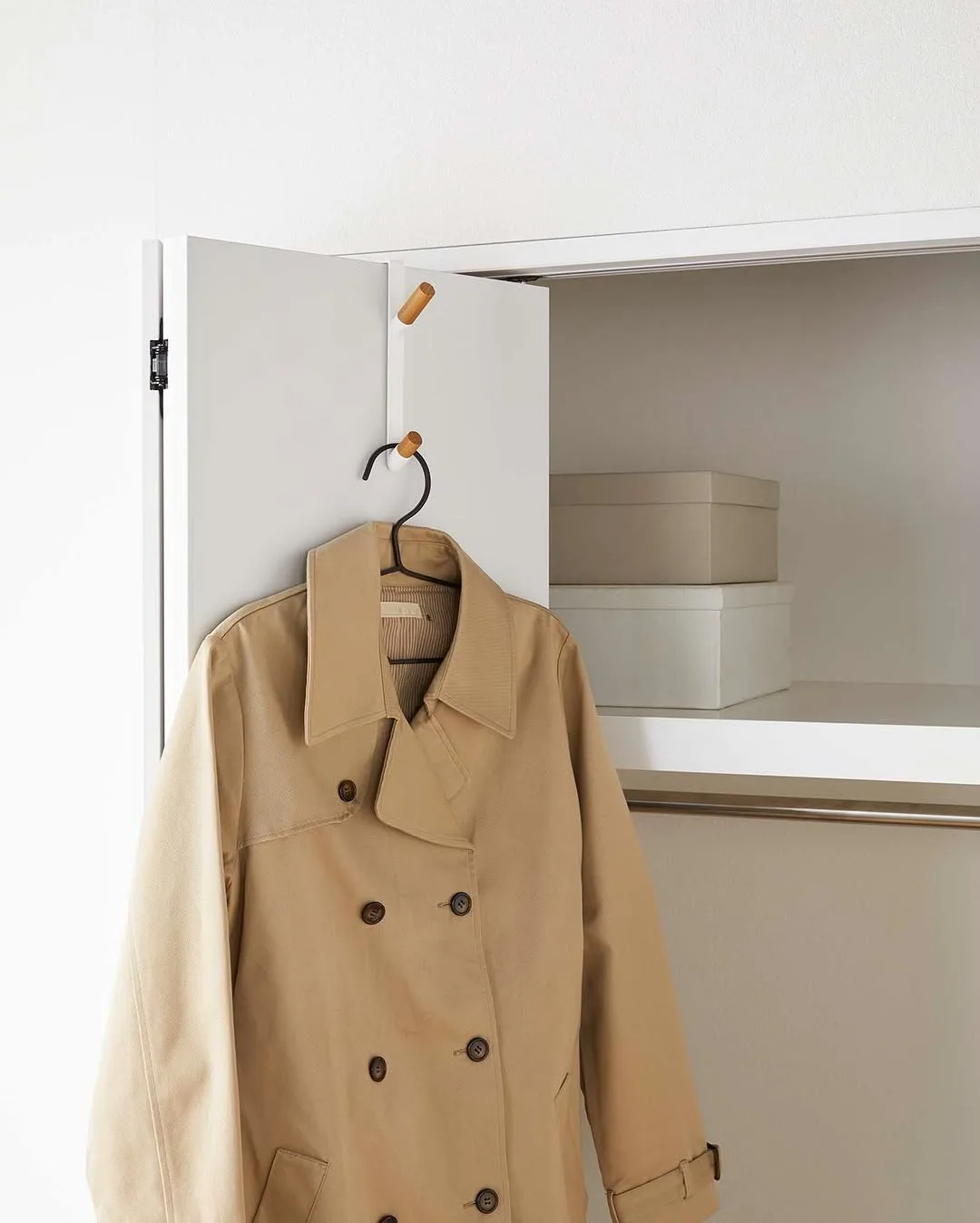
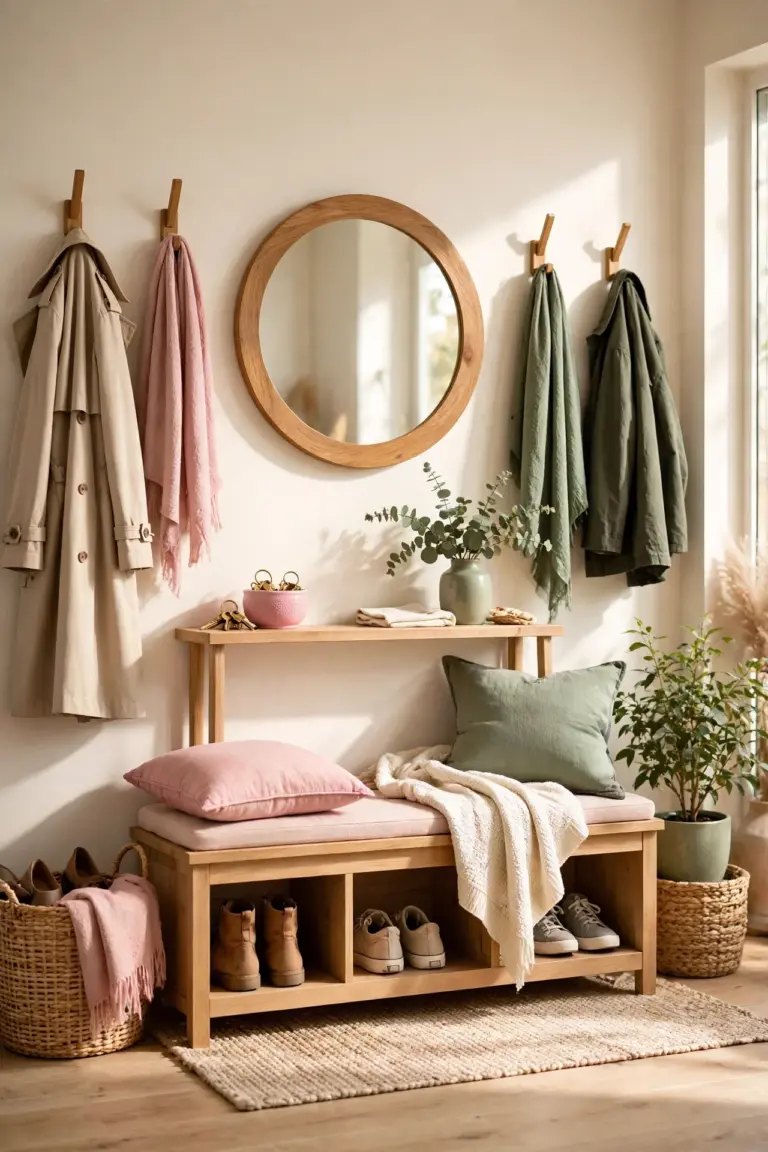
Inside door hooks catch the items that never have a home: tomorrow outfit, the robe, the gym bag, the hat you wear daily. Four or five sturdy hooks in a row hold these floaters at eye level, off the floor and off the chair in the corner. The door gives you a narrow but mighty strip of storage that most closets waste completely. Getting dressed becomes grab and go.
Fit hooks at varied heights if children share the closet, and choose smooth rounded hooks that will not poke holes in knitwear. Adhesive hooks suit lightweight items and smooth doors, while screw in hooks carry coats and full bags safely. Hooks appear in nearly every serious list of closet organization ideas because they cost almost nothing yet rescue the most used items from the floor pile every single day.
Morning routines improve most, since laying tomorrow clothes on hooks the night before removes every decision from the sleepy first ten minutes. People who wear uniforms or work kits love a dedicated hook per outfit. Gym members can hang the packed bag by the door, ready to grab. Hosts can even clear one hook for a guest coat when visitors arrive, keeping the rest of the system untouched.
Test the door swing before fixing permanent hooks, because a loaded hook can bang the wall or block the door from opening fully. Hang light items first and check clearance at the hinge side. Overloading one hook with five coats bends weak fittings and marks the door, so spread weight across the row. If your door is hollow, use adhesive or over door hooks rated for the load instead of screws.
Narrow drawers inside the closet
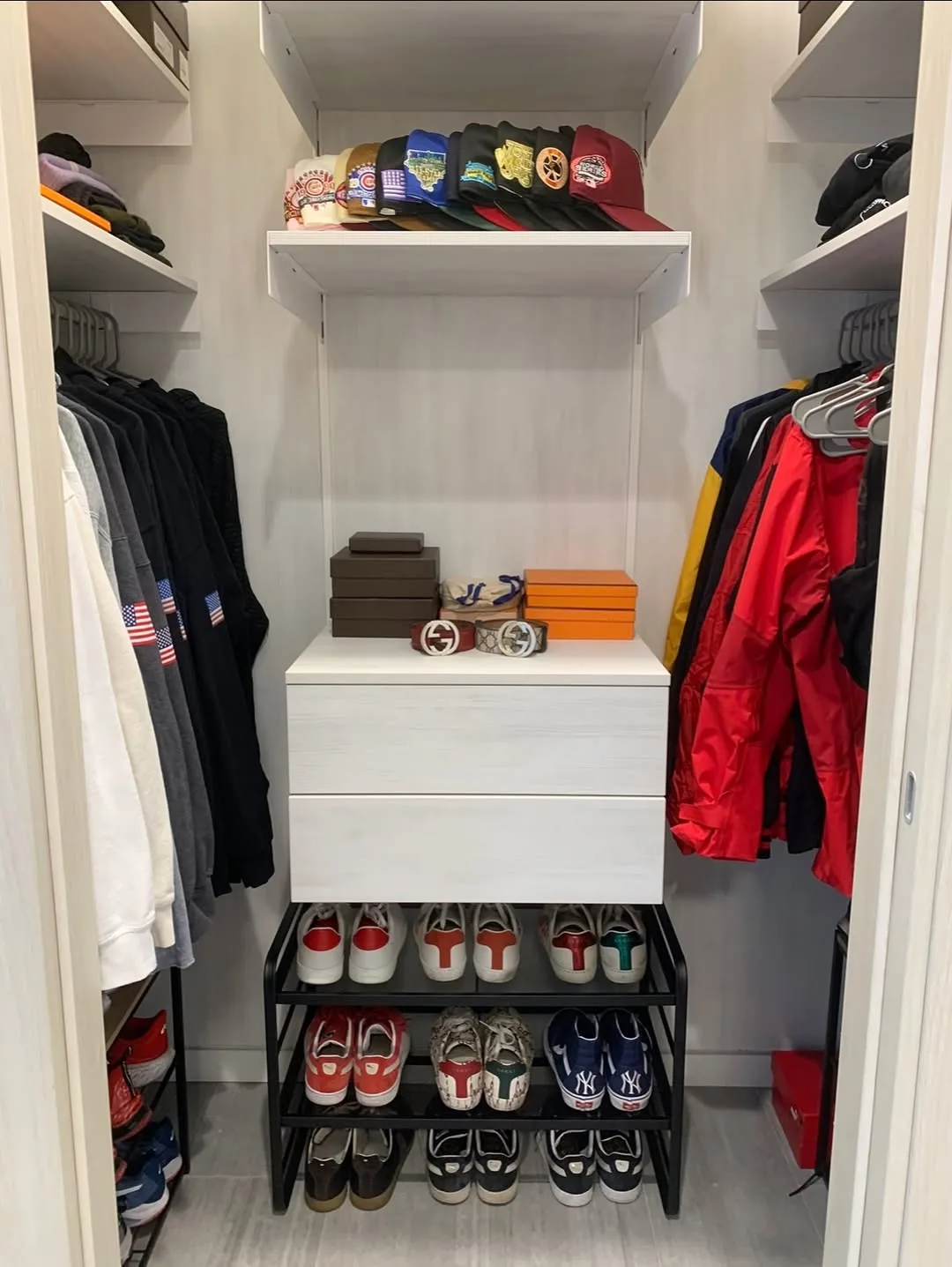
Drawers inside the closet rescue the small loose things that shelves handle badly: underwear, socks, ties, workout gear and pajamas. A narrow drawer unit slides into the gap under hanging clothes or beside the shoe rack, turning dead floor space into the hardest working storage in the room. Each drawer holds one category, so nothing buries anything else. Morning rummaging ends because every small item has a shallow, visible home.
Look for units around forty to sixty centimetres wide with three or four drawers, in plastic, fabric or light wood to match your budget. Measure the floor gap with the door fully open, and check that drawers clear the door swing. Add simple dividers or small boxes inside deep drawers so socks and ties stay in their own lanes. Label drawer fronts if more than one person shares the unit.
Couples sharing one small closet gain the most, because a drawer each for small items ends the mixed pile problem completely. Parents can give children the lowest drawer for socks and underwear they can reach themselves. Anyone whose closet lacks a dresser in the bedroom frees an entire furniture footprint with one slim unit. Shift workers love drawers too, since quiet soft close fronts beat clattering hangers at odd hours.
Measure twice before buying, because drawer units fail more from poor fit than from poor quality. Check width, depth and height against the longest hanging item above, since a tall unit can steal rail space you need. Wobbly fabric drawers sag under heavy jeans, so reserve them for light categories. Leave two centimetres of breathing room on each side; a unit wedged tight will scrape walls and stick every time.
One hanger for scarves and belts
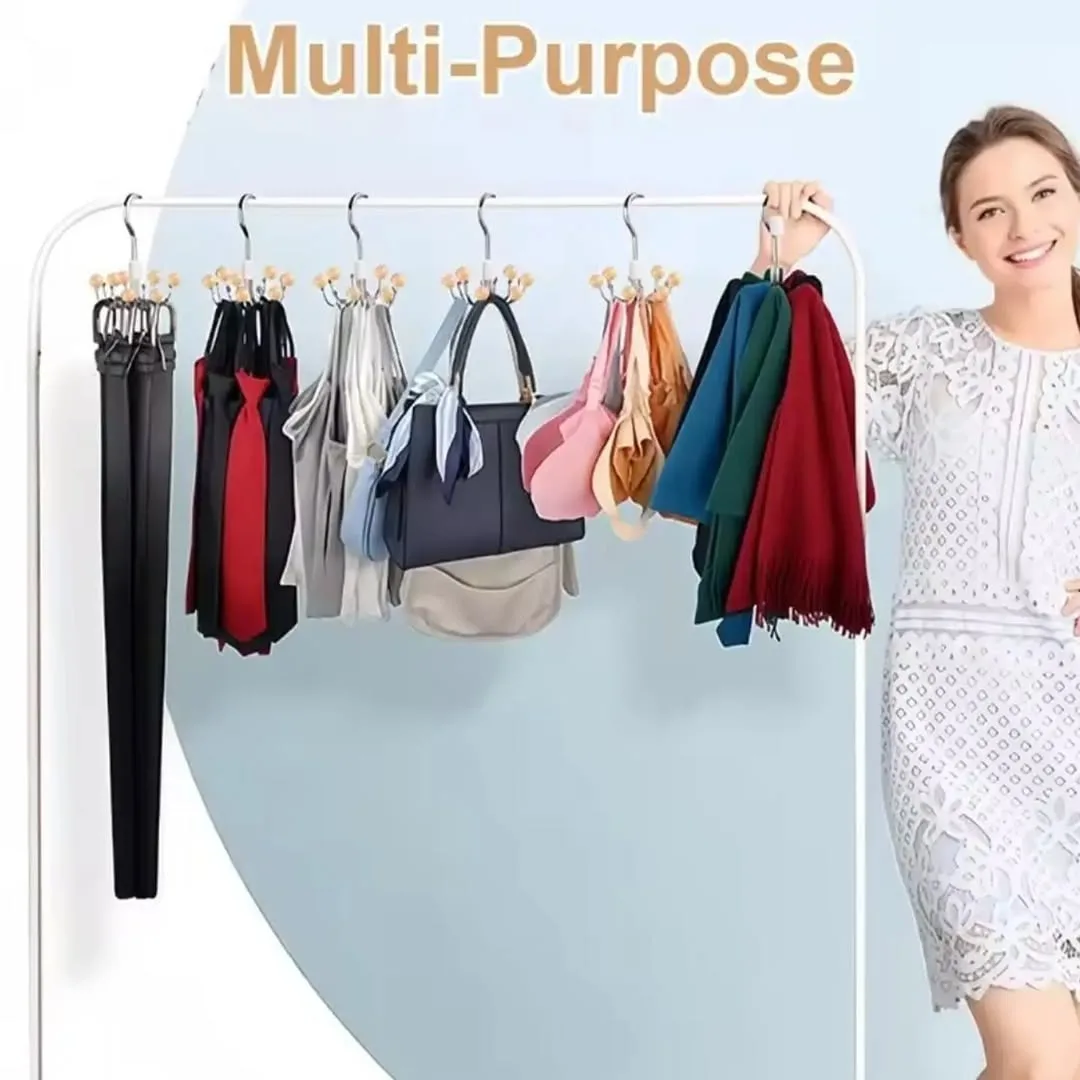
Scarves, belts and ties tangle into a knot wherever they land, usually over one overloaded hook or inside a drawer they strangle. One multi loop hanger gathers the whole family in a single rail slot, each piece on its own ring or bar. Everything hangs visible and untangled, ready to match with an outfit in seconds. The hanger takes the width of one shirt yet holds a dozen accessories calmly.
Hang the accessory hanger at the end of the rail where your hand lands first, or on a door hook if rail space runs short. Choose smooth rings for silk scarves, grippy bars for belts and a tiered style for ties. Sort loops by color family and the whole collection reads like a shop display. One quick glance replaces the old dig through three drawers and a coat pocket.
People who love accessories gain the most, because collections stay visible instead of vanishing into boxes. Stylists and sales staff who plan outfits nightly can build tomorrow look right on the hanger row. Parents can hang school ties and hair bands on low loops where children reach them. Even minimalists benefit, since one hanger proves exactly how many belts you own and quietly stops the duplicates habit.
Keep heavy buckled belts off delicate ring hangers, because weight bends thin loops and drags silk scarves into creases. Hang the heaviest belts on a sturdy bar style or a single strong hook instead. Also avoid stuffing two scarves per loop; doubled pieces hide each other and wrinkle badly. If the collection outgrows one hanger, edit the collection first. Accessories multiply quietly, and one hanger enforces an honest limit.
Clear boxes for bags and accessories

Bags, clutches, sunglasses and spare wallets scatter across shelves and breed dust in every corner they touch. Clear boxes corral each family of accessories into one visible, dust free stack. Because the boxes are transparent, you shop your own collection at a glance instead of buying a near duplicate of a bag you already own. Stacked two or three high, they use vertical shelf space that loose items waste.
Stuff each stored handbag with plain paper or an old tee so it keeps its shape, then stand bags upright inside the box like files. Clear storage anchors many closet organization ideas because visibility prevents both forgetting and double buying. Add silica packets if your home runs humid, and wipe leather with a dry cloth before boxing. Sunglasses travel safely in their cases inside a smaller clear box on top of the stack.
Small collections gain the most order per box, since two boxes can hold every bag, belt backup and travel pouch a person owns. People who rotate handbags weekly love the display effect, because choosing takes seconds. Gift givers can park a box of spare gift bags and wrap in the closet too, ready for birthdays. Anyone downsizing sees the truth fast: if it does not fit the boxes, it likely goes.
Skip oversized boxes that swallow accessories into one deep jumble, because depth hides small items as surely as any drawer. Choose shallow boxes where contents sit in one or two layers at most. Lids matter as well; boxes without lids gather dust on the very pieces they protect. Check plastic quality before buying sets, since brittle corners crack under stacking weight and spill contents at the worst moment.
Low shoe rack on the closet floor
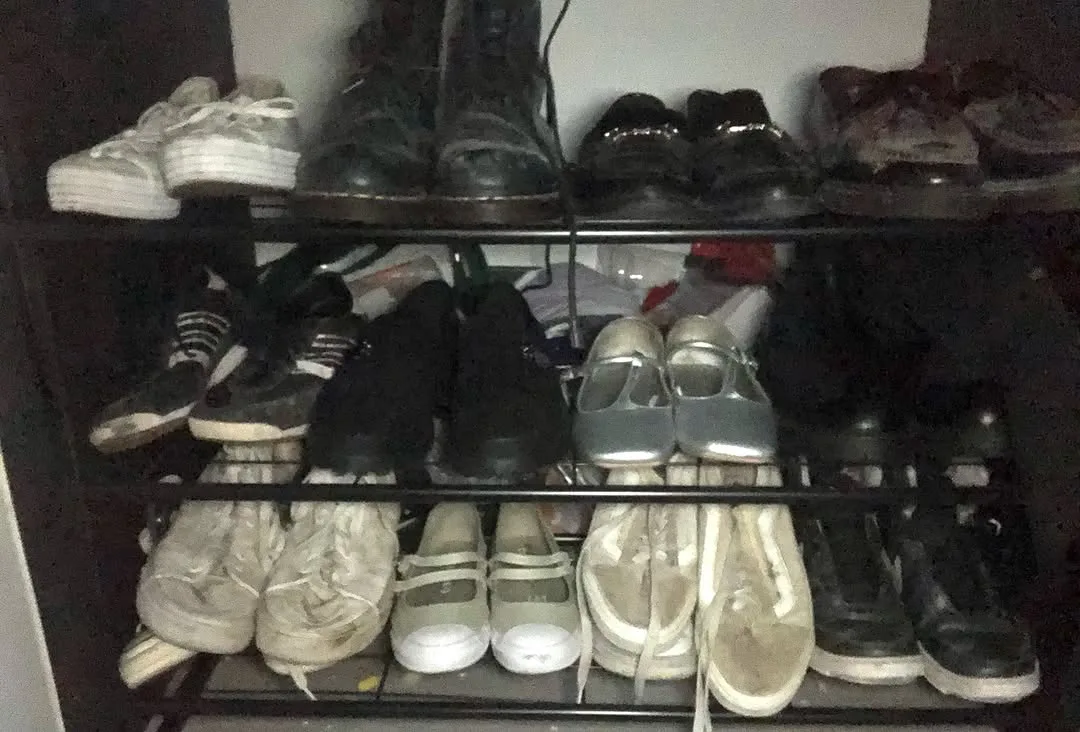
Shoes scattered across a closet floor block the door swing, trip you in the dark and bury the pair you want under three you do not. A low rack lifts every pair into two tidy rows, heels and toes aligned like a shop shelf. Floor space turns from obstacle course into storage, and the closet door finally opens fully. Vacuuming takes seconds once shoes sit on a rack instead of the carpet.
Choose a rack that spans most of your closet width, in bamboo, metal or sturdy plastic, with two tiers for everyday pairs. Measure depth carefully: twenty eight to thirty centimetres fits most shoes without crowding the door. Angled racks display heels neatly, while flat racks suit trainers and boots laid sideways. Leave the top tier for the pairs you wear most, so daily grabbing never disturbs the lower row.
Everyone benefits, yet people with many pairs gain the most visible calm, since racks force a true count of the collection. Couples can split tiers by person and end the mixed heap forever. Parents of growing children can keep one small rack section for school shoes, swapped each term as feet grow. Anyone with back pain will appreciate pairs waiting at grab height on the top tier.
Leave muddy boots and wet shoes off the rack until they dry, because dripping soles stain pairs below and smell up a closed closet fast. Keep a washable mat by the door for wet weather pairs instead. Also resist double stacking shoes on top of each other to save room; crushed toes and scuffed leather cost more than space saves. Cap the collection at what the rack holds, and donate the overflow.
Donation basket on the closet floor
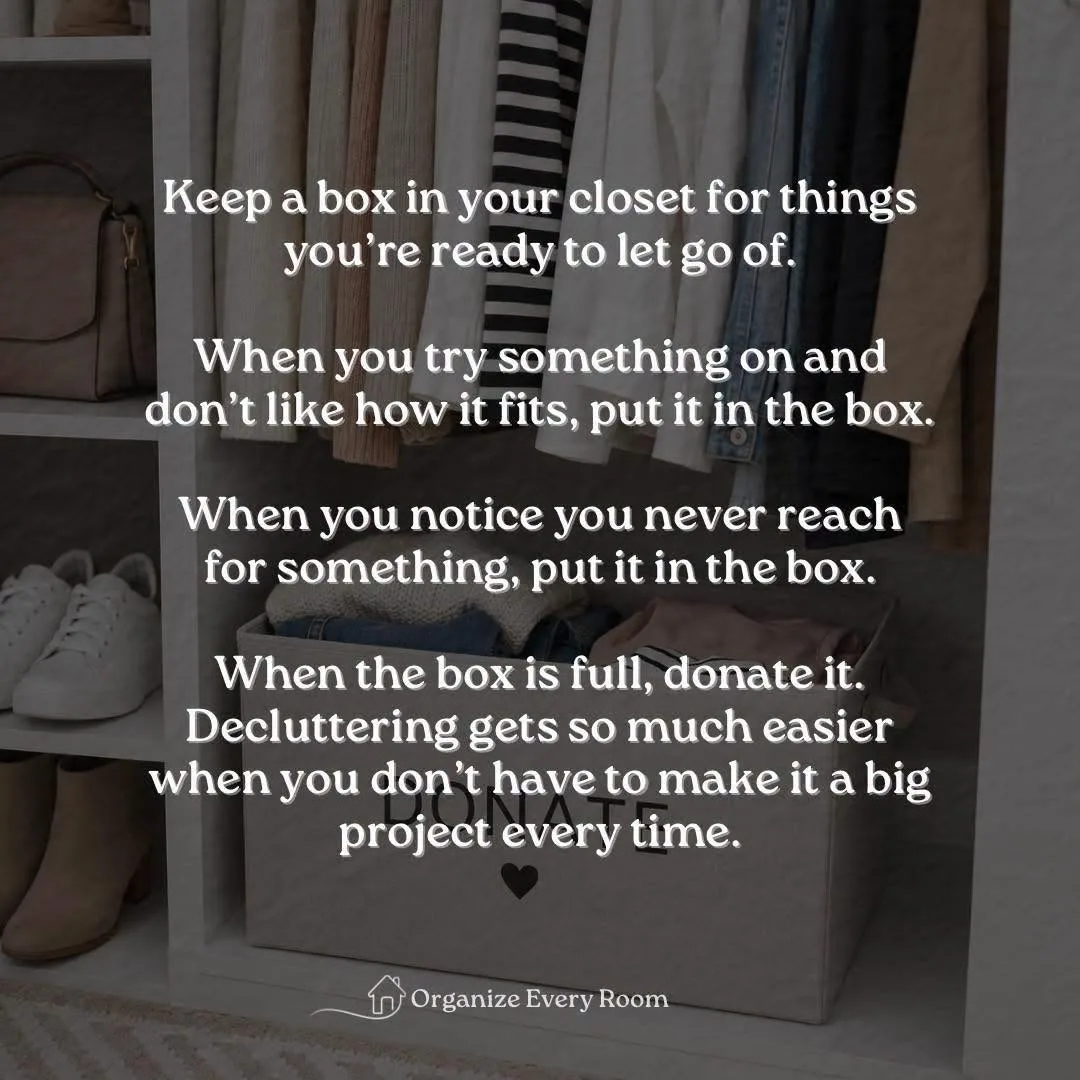
One basket on the closet floor quietly removes more clutter than any organizer you can buy. Every time a shirt feels wrong, a skirt stops fitting or a scarf falls out of favor, it lands in the basket instead of returning to the rail. When the basket fills, the bag goes straight to donation. No big sort, no guilt piles, just a steady gentle exit for pieces you no longer wear.
Place the basket where your hand naturally drops clothes you reject while dressing, usually beside the shoe rack or under the rail end. Choose a basket with handles so carrying it to the car or charity shop takes one trip. Line it with the donation bag itself, and filling the basket literally packs the bag. Keep one small basket per person in shared closets, because personal baskets fill at honest personal speeds.
Parents gain the most, because children outgrow clothes constantly and a basket catches each too small piece the day it fails the morning test. Anyone starting a weight change journey can park in between sizes without cluttering the rail. Sentimental keepers benefit too, since the basket offers a gentle halfway step: pieces rest there a month before leaving, and most people never rescue a single item.
Empty the basket on a schedule, monthly or whenever it fills, because a permanent overflowing basket becomes just another clutter pile with good intentions. Tie the bag and move it out the same day; baskets refill surprisingly fast once the habit forms. Also keep the basket for clothes only. Toys, papers and mystery cables sneak in during busy weeks and stall the whole system, so return strays to their own homes during your weekly reset.
Stick on light for dark closets
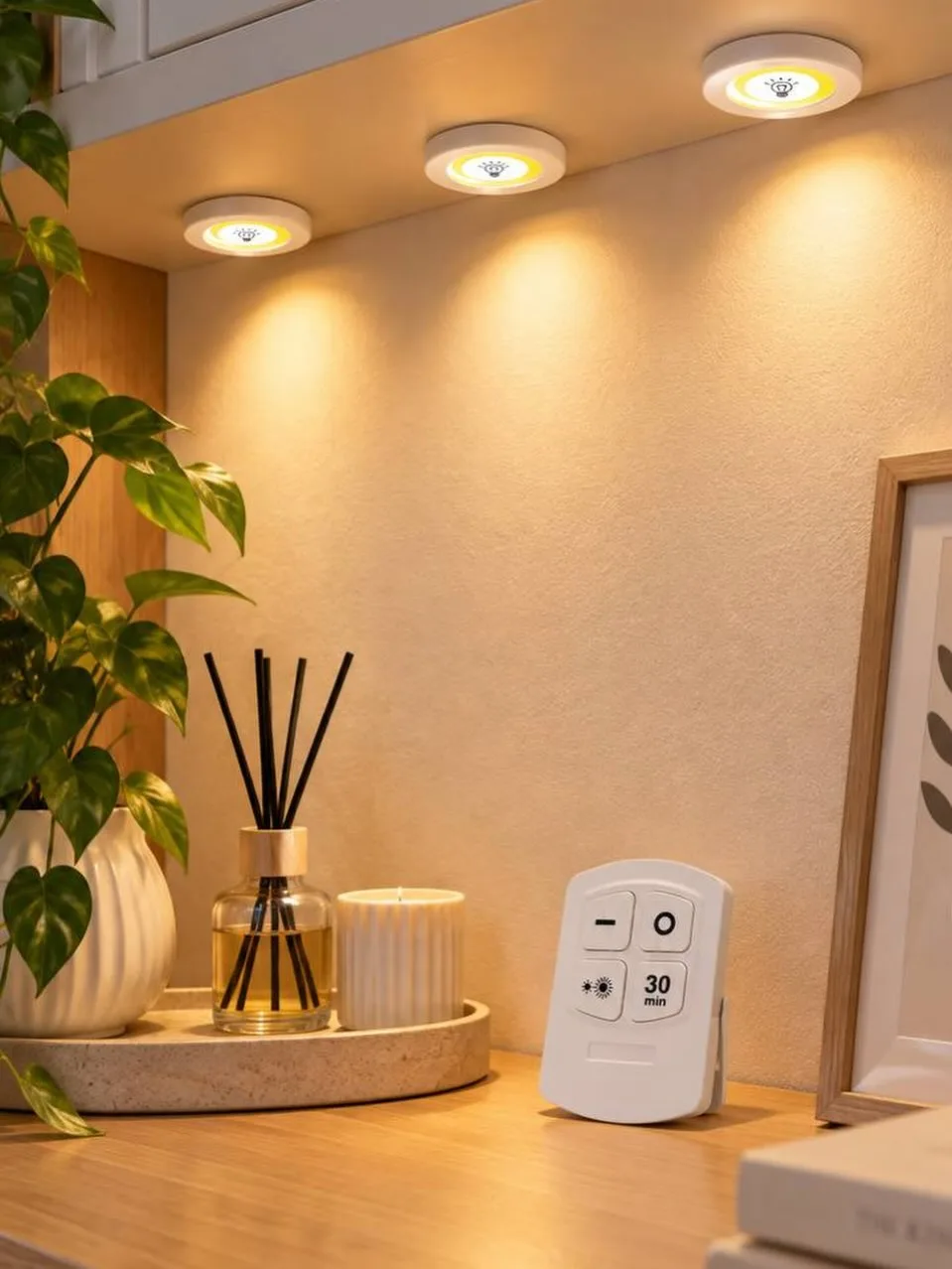
Dark closets hide clothes so well that people rewear the same front five items for months. A stick on light fixes the gloom in minutes, no wiring, no electrician, no tools beyond a clean surface and firm pressure. Motion sensor strips wake when the door opens and sleep when it closes. Suddenly navy and black stop impersonating each other, and the back of every shelf becomes usable storage instead of a cave.
Battery powered strips and puck lights both work; choose rechargeable models if you dislike buying batteries, and warm white light if colors must read true. Lighting rarely tops closet organization ideas lists, yet it multiplies the value of every other system you install. Mount the strip under the top shelf or along the door frame, angled toward the clothes rather than your eyes, and test the sensor reach before final sticking.
Early risers gain the most, because a soft closet light lets one person dress without waking a sleeping partner with the main ceiling light. Parents dressing children before dawn benefit the same way. Anyone with a windowless closet or deep shelves finally sees the true colors they own, which cuts the classic two black skirts problem. Guests using a spare room closet will also thank you silently every morning.
Position the light where hands will not knock it loose, and clean the surface with a dry cloth before sticking so the adhesive grips properly. Skip the cheapest strips with weak glue; a fallen strip tangled in hangers helps nobody. If adhesive fails on textured walls, mount the strip on a thin wooden batten screwed to the frame instead. Replace or recharge on a set day monthly so the light never dies quietly.
Tees folded upright like files
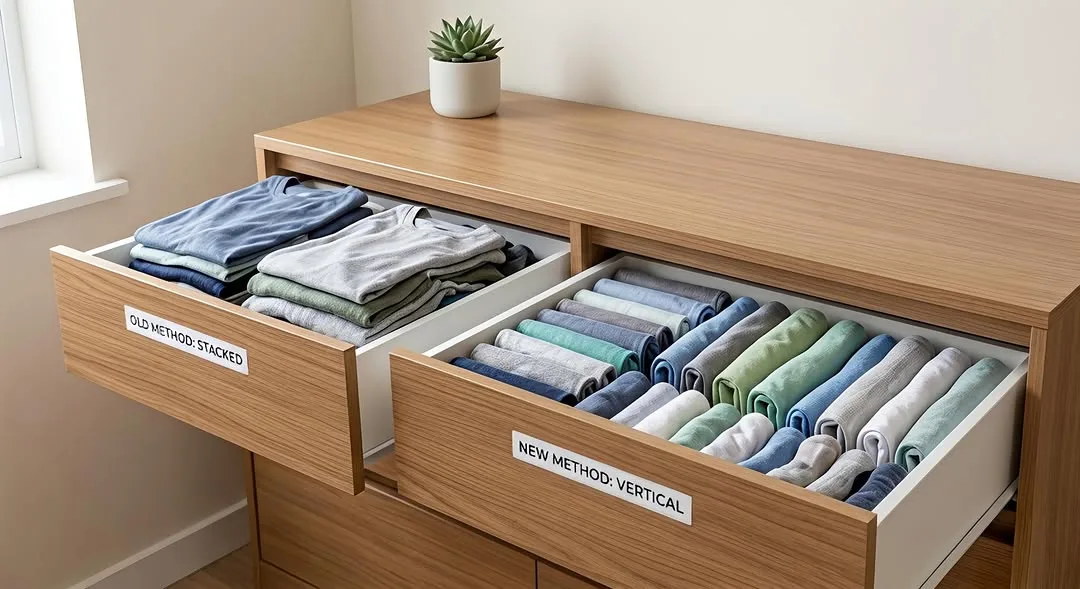
Folding tees upright like files in a drawer or box means every design faces you at once, and pulling one shirt leaves the rest standing. Flat stacks hide all but the top tee, so favorites get worn to death while the bottom half never leaves the pile. File folding takes one extra fold per shirt and pays it back every single morning. Drawers, boxes and deep shelves all suit the method.
Fold each tee into a neat rectangle, sleeves tucked, then fold it in thirds so it stands on its folded edge without leaning. Line the shirts in rows by color or by use: everyday, gym, sleep. Leave a finger of space per row so you can flick through designs like pages. First attempts look wobbly; three laundry days of practice and your hands fold on autopilot while your mind plans breakfast.
Deep drawers suit file folding best, though a simple box on a shelf works nearly as well for overflow tees. Parents love the method for children clothes, because small shirts stand in rows children can browse without upending a stack. Anyone with a big tee collection finally wears the whole rotation. Partners sharing a drawer can split rows left and right, and laundry sorting speeds up because every shirt has a visible slot.
Do not cram rows tight to fit just one more shirt, because compressed files lean, crease and defeat the whole point. When rows overflow, move some tees to a second box or retire the tired ones to the donation basket. Thick hoodies and chunky knits fold too bulky for filing; stack those flat instead. Refresh the rows during laundry returns, and the system holds with almost no effort.
Ten minute closet reset each week
Weekly resets keep every system in this guide alive, because small closets drift toward chaos a little each day. Ten minutes once a week returns hangers to their rail ends, shoes to the rack, stacks to their bays and strays to their homes. Drift never grows teeth when you catch it this early. Think of the reset as brushing the closet teeth: brief, boring and far cheaper than fixing the decay later.
Set a timer, put on music, and work top to bottom: straighten the top shelf bins, refold one leaning stack, rehang anything draped, pair the shoes, empty the donation basket if it looks full. Finish by checking the light and wiping the floor quickly. Ten honest minutes cover a small closet easily. Link the reset to an existing habit, like Sunday laundry or Friday cleaning, so the slot defends itself.
Teens can run their own reset with a simple checklist on the door, and younger children can handle shoes and the donation basket as their jobs. Busy professionals gain the most calm per minute, because weekday mornings stop including archaeology. Anyone who has ever bought a duplicate of a lost item will feel the savings fast. Shared closets stay peaceful when both people reset together and fix drift before blame starts.
Finish each reset by choosing tomorrow outfit and hanging it on a door hook, and the week starts ahead of itself. Skipping resets for a month is the common failure; drift compounds until only a full weekend sort can rescue the closet. If a reset keeps surfacing the same problem spot, treat that spot as a design flaw, not a character flaw. Add a divider, hook or box there and let the system carry the load.
Common Mistakes to Avoid in a Small Closet
Buying organizers before sorting is the classic first mistake. Boxes and racks purchased for clothes you later donate waste money and space at the same time. Sort first, measure second and shop third, always in that order. The second classic mistake is copying a photo perfect closet built for five times your wardrobe. Your system must fit your clothes, your doors and your habits, not a stranger rails on the internet.
Overfilling undoes good systems quietly. Rails packed tight wrinkle clothes and hide pieces until they feel lost, while shelves stacked to the ceiling topple during normal use. Leave breathing room everywhere: a hand of space on the rail, a few centimetres above stacks, one empty pocket or bin slot for laundry day. Space feels luxurious because it is functional. A closet at eighty percent full works twice as well as one bursting at the seams.
Ignoring the door, the floor and the darkness wastes a third of the storage you already own. Doors carry pockets and hooks, floors carry racks and drawers, and a simple light makes every shelf honest. One more mistake deserves mention: keeping clothes for a former life, a former size or a former job. Sentimental pieces deserve a proper box elsewhere. Closet space belongs to the life you dress for this week.
Budget Friendly Ways to Organize a Closet
Begin with the free steps, because the strongest budget friendly closet organization ideas cost nothing at all. Sort honestly, donate boldly, group by category and move off season pieces out of the prime zone. Rearranged shelves and a borrowed rail position can transform a closet in one afternoon. Only after the free pass should you list genuine gaps: perhaps dividers for one shelf, hooks for one door, a light for the dark corner.
Cardboard boxes covered in leftover wrapping paper or plain fabric become tidy bins for the top shelf at almost no cost. Shoe boxes divide drawers beautifully for socks, ties and underwear. Tension rods from the discount shop make fine second rails and scarf holders. Check charity shops and community swap groups for baskets, racks and drawer units before buying new; solid secondhand pieces often outlast flimsy new ones.
Spend first where daily friction lives. For most people that means hangers and a light, then dividers, then door storage, because those four fix the rail, the gloom and the stacks you touch daily. Buy one category at a time and live with it for a fortnight before judging. Slow buying prevents the classic budget trap: a trolley full of matching products for a system your habits quietly reject.
Closet Tips That Keep Mornings Simple
Hang tomorrow outfit before bed. Ten sleepy minutes vanish from your morning when the full outfit, shoes included, waits on a door hook. Choose socks and accessories too, not just the main pieces. Weather checks happen tonight, not at dawn. One hook, one outfit, zero debate: small habits like this one protect every bigger system in the closet from slow daily drift.
Sort laundry straight into zones. Returning clean clothes directly to their rail section, bay or drawer skips the chair pile stage entirely. Carry the basket to the closet and empty it there, piece by piece. Folding takes the same minutes wherever you stand. Skipping the halfway pile keeps stacks honest and stops clean clothes from rejoining the floordrobe culture that quietly eats small bedrooms alive.
Keep one empty hanger at the front. One spare hanger parked at the rail end signals room to breathe and gives new or returning pieces an instant home. Guests borrow it, laundry uses it, and tomorrow outfit often starts there. When the spare vanishes into regular use, your rail is telling you to edit. Treat that tiny signal seriously and the closet never reaches the stuffed stage again.
Return strays during the kettle boil. Tiny returns beat weekend marathons. While the kettle boils or the bath runs, carry three stray items back to the closet: shoes to the rack, a scarf to its hanger, a tee to its row. Small returns keep every zone near perfect without a scheduled effort. Over a month, these micro habits quietly do the work of several full sorting sessions.
Store special occasion pieces up high. Party dresses, interview suits and festive outfits belong on the top shelf in breathable covers or in a labeled bin, not on prime rail space. Daily clothes deserve the easy reach zone between hip and shoulder height. Rotating the rare pieces upward frees the rail for the wardrobe you actually live in. Review the high storage twice a year during the seasonal swap.
Check the donation basket every Sunday. Baskets only work when they empty on rhythm. Glance inside during your weekly reset, tie the bag when it fills, and move donations out within days, not months. Fresh space in the basket keeps the habit alive, because a full basket invites overflow piles beside it. Pair the check with an existing Sunday task and it will never need willpower again.
Simple rhythms hold the whole system together. Big organizing days feel satisfying, yet closets stay tidy because of hooks used nightly, baskets emptied monthly and ten quiet minutes weekly. Choose two tips from this section and practice them for a month before adding more. Steady habits will outperform fancy closet organization ideas every time, because a system you actually maintain beats a beautiful one you abandon by February.
FAQ
How many hangers should I buy for a small closet?
Count your hanging clothes first, then buy that number plus five spares in one slim style. Most small closets hold thirty to fifty hanging pieces comfortably. If your count passes sixty, edit before buying, because more hangers on a short rail only crush clothes tighter. Matching spares matter, since odd hangers creep back in through shopping bags and dry cleaning and quietly rebuild the old uneven rail.
What belongs on the top shelf of a closet?
Rarely used, lightweight items belong up high: out of season pieces in labeled bins, spare bags in clear boxes, guest bedding and special occasion accessories. Keep heavy items and daily pieces low where hands reach safely. One rule keeps the shelf honest: everything up there wears a label. If you cannot name a bin contents from the floor, the label is too small or the item should not be stored there.
How do I stop folded stacks from toppling over?
Dividers do the heavy lifting here, literally holding each stack upright like books between bookends. Keep stacks modest, eight to ten pieces, fold items to a similar width, and give chunky knits wider bays than tees. Pull pieces from the middle of a stack rather than the bottom when you can. If a stack still leans, the bay is too wide or the fold is too sloppy; adjust one of those first.
Can I organize a closet that has no shelves?
Yes, rails and doors can carry almost everything. Add a second rail for short clothes, hang pocket organizers and hooks on the door, stand a narrow drawer unit and a shoe rack on the floor, and file fold tees inside boxes placed under the rail. Shelves help, but zoning matters more. Give every category a fixed home among those five tools and a shelfless closet works surprisingly well.
How often should I sort through my closet?
Twice a year suits most wardrobes, timed with the seasonal box swap in spring and autumn. Each big sort handles donations, repairs, and pieces that no longer fit your life. Between big sorts, the weekly ten minute reset catches daily drift, and the donation basket collects rejects continuously. People whose size or job changes quickly may add a third lighter sort, but the rhythm matters more than the number.
What is the cheapest way to start organizing?
Sorting costs nothing and changes everything, so start there. Empty one zone, donate boldly, group what remains and return each group to a fixed home. Then raid your own home for shoe boxes, baskets and spare hangers before spending anything. Your first small purchase should target your worst friction point, usually hangers or a light. Money spent after a honest sort works three times harder than money spent before it.
Conclusion
Your small closet does not need to grow; it needs zones, limits and a few cheap tools working together. One hanger style calms the rail, dividers calm the shelves, door storage rescues wasted surfaces, and boxes give every category a visible home. Add light, a shoe rack and a donation basket, and the hardest working little room in the house finally feels easy to use every single day.
Pick two or three closet organization ideas from this list and finish them fully before touching the rest. Most people start with hangers and dividers because both pay back within a day. Book your two seasonal swap dates now, while motivation runs high. Small finished systems build trust in the process, and trust makes the next project feel easy instead of overwhelming for everyone in the household.
Enjoy the first calm morning: rail in order, stacks standing, shoes paired, outfit waiting on its hook. Keep the weekly reset sacred and the basket emptying monthly, and your closet will hold that calm through every season swap. Share your neatest corner with a friend who struggles with a tiny closet too. Good systems spread, and small spaces everywhere deserve mornings that start this smoothly.