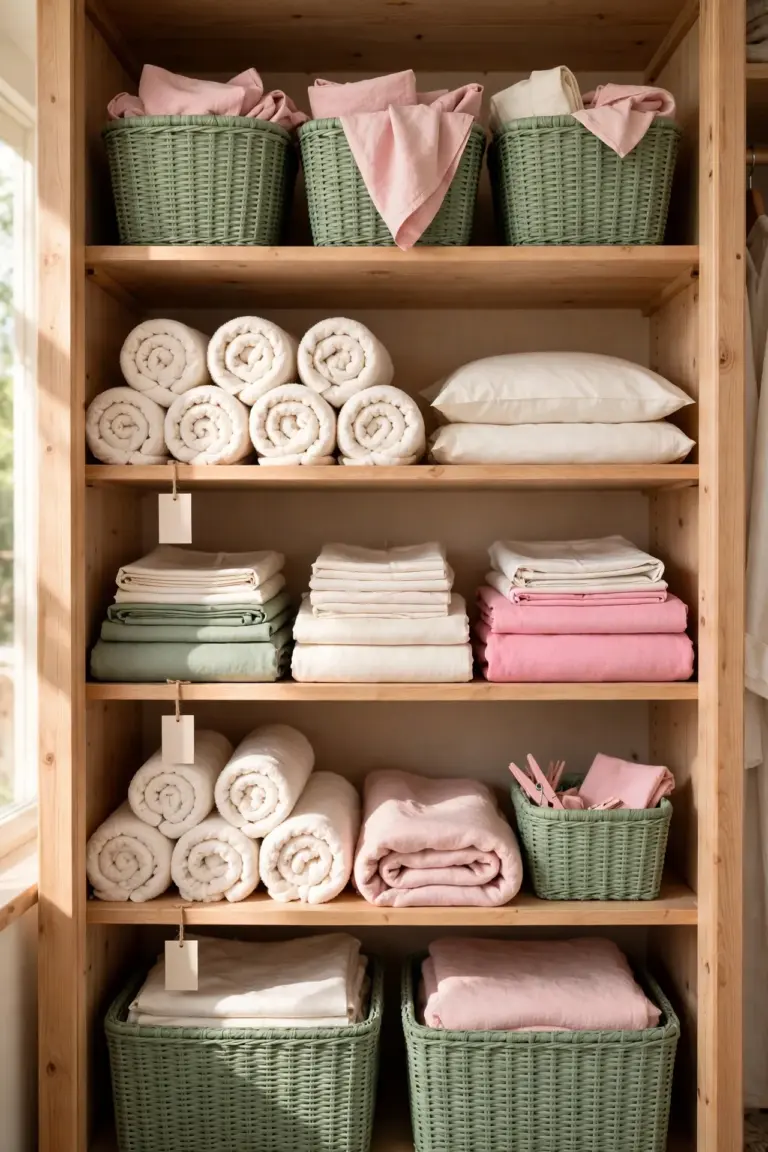

15 Cozy Winter Bedroom Decor Ideas
Cold nights change how a bedroom feels. Floors turn chilly under bare feet, windows let in thin drafts, and a bed that felt fine in October suddenly feels flat and unwelcoming in January. Most bedrooms do not need new furniture to fix that feeling. Small layers of texture, warmer light, and a few thoughtful touches near the bed do most of the work, and cozy winter bedroom decor built on layers costs far less than a full room makeover.
You probably already own half of what you need. Spare blankets sit folded in cupboards, candles wait in drawers, and an extra rug might rest under a table in another room. Winter decorating works best when you gather those pieces first and only buy the gaps. Shoppers who start with a quick home search usually spend less and end up with a room that feels personal rather than copied from a shop display.
Below you will find fifteen simple ideas that layer warmth onto any bedroom, from chunky throws and flannel bedding to pinecone bowls and soft lamplight. Each idea explains why it works, how to use it in a real room, and one mistake to skip. Budget friendly swaps and sleep tips follow the ideas, so you can build cozy winter bedroom decor step by step without overspending or cluttering the room you sleep in.
How can I make a bedroom feel cozy for winter on a budget?
Start with the bed, because the bed fills most of the room and sets the whole mood. Add one warm layer you can touch, like a chunky throw or flannel bedding, then soften the light with a warm lamp or jar lights. Good cozy winter bedroom decor follows that order every time: texture first, light second, small scent and greenery touches last. Most of the effect comes from three or four changes, not fifteen.
Picture a plain double bed with white bedding. Fold a rust colored chunky throw across the foot, swap the pillow covers for cream faux fur, and place one jar of twinkle lights on the nightstand. You changed nothing structural and bought little, yet the room reads warm the moment you walk in. Guests notice the glow and the layers before they notice anything else.
Chunky knit throw layered on the bed

Nothing signals winter comfort faster than a thick knitted throw with visible, chunky stitches. Your hands register the texture before your eyes finish taking in the room, and that first touch tells your body the bed is warm. Chunky knits trap air between their loops, so they add real warmth as well as looks. Drape one across the foot of the bed or fold it lengthwise over one corner for a relaxed, layered finish.
Choose a throw wide enough to cover the foot of the bed with fabric to spare on both sides. Cotton blends wash easily and suit sensitive skin, while wool blends feel warmer and heavier. Cream, oatmeal, and soft grey match almost any bedding, and rust or deep green adds a seasonal note without new cushions. Check the care label before buying, because a throw you cannot wash easily will spend winter folded away.
Couples who run at different temperatures get real value from a throw, because one partner can pull it up without disturbing the other. Solo sleepers use it for reading in bed on weekend mornings. Fold it over the top of the duvet during the day so it works as decor, then shake it out at night. Keeping it within arm reach of the pillows means you actually use it instead of admiring it.
Avoid buying the thinnest bargain throw you can find just to save money. Thin acrylic knits pill quickly, shed fibres onto bedding, and feel scratchy against bare skin. Spend a little more on one good throw and it will serve several winters. Watch dark colored throws on white bedding too, since loose dye and lint show up fast and add laundry.
Plaid flannel bedding in warm tones

Flannel bedding earns its place in winter because the brushed cotton surface holds warm air against your skin. Sliding into a flannel bed feels warm at once, unlike smooth cotton that shocks cold feet awake. Plaid patterns in warm tones like burgundy, forest green, and cream hide everyday creases and read unmistakably seasonal. One full set transforms the largest surface in the room in about five minutes.
Buy the best flannel weight you can afford, because heavier flannel survives weekly washing without thinning. Measure your mattress depth before ordering, since winter bedding stacks thicker and shallow pockets pop off corners. Pair plaid bedding with plain pillow shams or a solid throw so the pattern stays the star. Warm tones also flatter skin in lamplight, which helps the whole room feel softer at night.
Families with kids get extra value from flannel, because children climb into bed for stories and stay warmer during long reads. Guest rooms benefit too, since visitors feel looked after when the bed looks and feels warm. Keep one spare plaid set for the guest bed and rotate it with your own. Laundering both sets on the same day keeps the routine simple through the cold months.
Skip mixing plaid bedding with several other bold patterns in the same room. Pattern pileup makes a small bedroom feel busy instead of restful, and busy rooms rarely feel cozy. Let the plaid lead and keep curtains, rugs, and cushions in plain colors pulled from the plaid. Also wash new flannel on its own the first time, because fresh flannel sheds a surprising amount of lint.
Faux fur cushions in cream
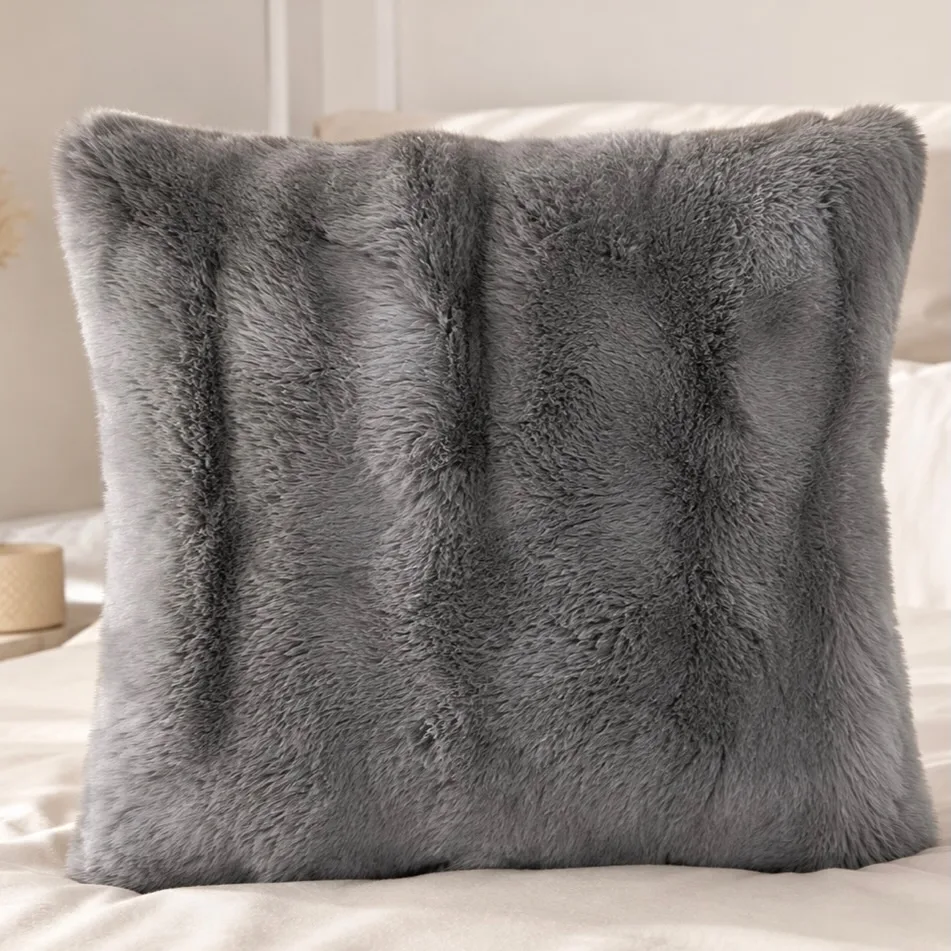
Cream faux fur cushions soften a bed in seconds and lift the light in a winter room. Pale shades matter when daylight runs short, because they keep bedding from looking dull by late afternoon. Deep pile texture invites you to lean back with a book or a hot drink. Two cushions on a double bed give the effect without crowding the pillows you sleep on.
Look for cushion covers with hidden zips so you can wash the covers and store them flat in summer. Longer pile looks luxurious but traps dust, so shake faux fur cushions outside once a week. Pair them with one smooth cushion in linen or velvet for contrast, because mixed textures read richer than one texture repeated. Standard square sizes fit spare covers you may already own, which saves money.
Readers and late night scrollers love a faux fur cushion behind the lower back, since the soft pile cushions the spine against a hard headboard. Parents use one on the nursing chair or the bedroom armchair for night feeds. Place the pair at the front of the bed during the day and move them to a chair at night. Keeping them off the floor preserves the pile and the pale color.
Resist piling on four or five fur cushions because shops display them that way. Too many cushions end up on the floor at bedtime, gather dust, and turn making the bed into a chore you skip. One more caution: keep faux fur away from direct radiator heat and candle flames. Synthetic pile melts and singes faster than natural fibres, and cream shows scorch marks clearly.
Twinkle lights in glass jars

Battery powered twinkle lights coiled inside a glass jar give a bedroom a soft, firefly glow without any wiring or plug hunting. Jars diffuse the tiny points of light, so the effect feels gentle enough for the hour before sleep. Place one jar on the nightstand and another on the dresser for balanced light. Warm white bulbs flatter skin and bedding far better than blue white ones.
Use clean jam jars, mason jars, or small glass vases you already own, and wind the wire loosely so the light spreads through the glass. Copper wire strands blend into most color schemes and hold their shape well. Set the battery pack behind the jar where you can reach the switch without lifting anything. Timers on some strands turn the jar on at dusk and off after you sleep.
Students and anyone in a small room gain a lot from jar lights, because they replace a bulky lamp on a crowded desk or nightstand. Children who fear the dark settle faster with a low jar glow than with a bright plug in light. Try one jar per side of a double bed so both sleepers control their own light. Reading in that glow works for short stretches, though a proper lamp suits long chapters.
Never leave cheap light strands running inside closed jars all day while you are out. Batteries and tiny bulbs can warm up, and faults go unnoticed in an empty house. Switch jars off when you leave and check wires for damage each season. Also avoid mixing jar lights with real candles on the same surface, because reaching past flame to find a switch invites accidents.
Candles on the nightstand
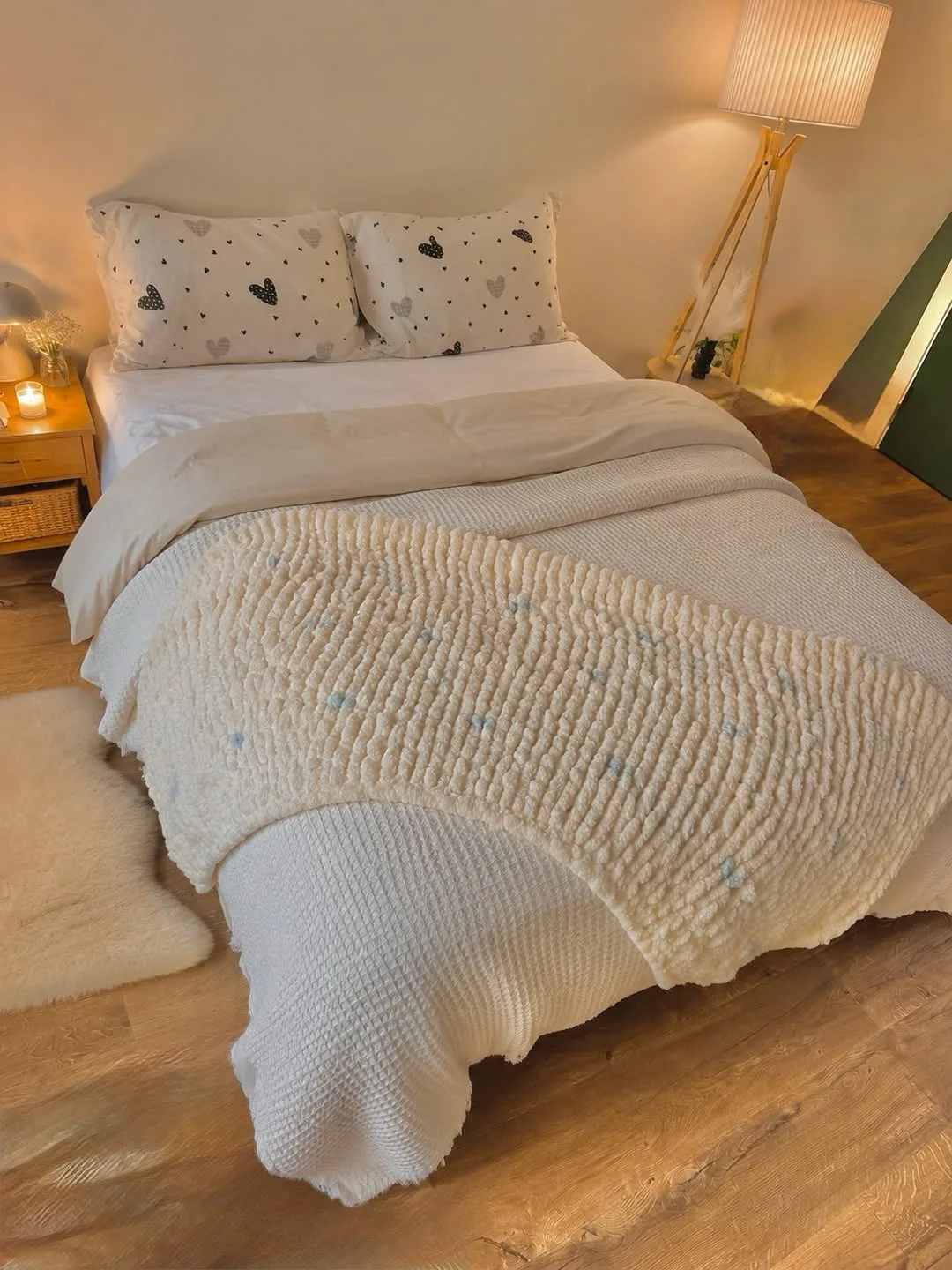
Real candlelight changes a bedroom more than almost any object you can buy. Flame light flickers, and that small movement makes still rooms feel alive and warm. Nightstands place candles close to where you rest, so scent and glow reach you without lighting the whole room. Even one candle on each side of the bed lifts the plainest cozy winter bedroom decor from flat to welcoming.
Pick candles in sturdy glass jars or metal tins with lids, because lids keep dust off the wax and hold in the scent between burns. Woody and spiced scents like cedar, cinnamon, and vanilla suit winter bedrooms, while heavy floral scents can overwhelm a small sleeping space. Keep the wick trimmed short so the flame stays calm and the jar stays free of soot marks. One medium candle per nightstand beats a crowd of tea lights.
People who read in bed love a candle within reach, because the ritual of lighting it marks the shift from busy day to rest. Hosts place a candle in the guest room to make visitors feel considered. Light candles an hour before sleep so the scent settles gently. Extinguish them as part of your lock up routine, and let the room hold the fragrance as you settle.
Always place candles on a heat safe tray or coaster, away from books, bedding, and curtain edges. Never sleep with a candle burning, even a small one, because bedding shifts during the night and can drift toward flame. Keep matches and lighters in a drawer rather than beside the bed if children visit your room. Battery candles with a warm flicker setting give a safer glow for anyone who tends to fall asleep while reading.
Greenery garland along the headboard

Evergreen garlands bring the best of the season indoors and give a plain headboard a finished, deliberate look. Green against wood or white paint reads calm and natural, and the shape softens the hard line where bed meets wall. Faux garlands now look convincingly real and drop no needles onto pillows. Fresh branches work too and add a gentle pine scent that suits winter nights.
Drape the garland in a loose swag rather than a tight straight line, because soft curves look more natural and hide the headboard shape better. Secure it with removable hooks or twine tied at the corners so nothing scratches the finish. Weave a short strand of twinkle lights through the leaves for evening glow. Measure your headboard first, since a garland that ends mid panel looks unfinished.
Minimalists who dislike seasonal clutter often accept a garland, because it adds winter character without extra objects on surfaces. It suits wooden, upholstered, and metal headboards alike, and it photographs beautifully for anyone who shares their home online. Pair it with plain bedding so the green stays the focus. One garland across the headboard plus one small wreath on the door usually feels like enough.
Check fresh greenery every few days and remove any pieces that dry out and turn brittle, since dry needles fall into bedding and irritate skin. Keep fresh branches away from candle flames for the same reason. Faux garlands need a dust shake outdoors each month. Also avoid hanging heavy ornaments from the garland above pillows, because a falling bauble at night startles everyone and can crack a phone screen.
Thick rug for cold morning feet

Few winter upgrades beat stepping onto a thick rug instead of a cold floor when the alarm rings. That first moment of the day sets your mood, and warm feet make getting up far easier in the dark months. A deep pile rug beside the bed also muffles sound, so early risers disturb sleeping partners less. Wool and wool blend rugs feel warmest and resist flattening over time.
Place the rug so it runs along the side of the bed where you actually get out, with at least the front third tucked under the bed frame to hold it steady. Larger rooms suit a big rug under the lower half of the bed with soft borders on both sides. Choose cream, warm grey, or a faded vintage pattern to hide winter lint. A rug pad underneath adds cushion and stops sliding on wood floors.
Early risers gain the most from a bedside rug, because they face the cold floor first and most often. Children who pad into your room at dawn will aim for the soft patch too. Try the rug in a warm tone if your floors run pale, since contrast helps sleepy eyes judge the bed edge. Vacuum it weekly with strong suction, because thick pile hides surprising amounts of dust.
Do not buy a rug so small it only fits one foot, because a token rug reads as an afterthought and still leaves heels on cold boards. Measure the bed side before ordering and size up when in doubt. Thin flatweave rugs disappoint in winter no matter how pretty the pattern looks. Also check door clearance, since deep pile can catch on doors that open into the room.
Velvet cushions in jewel tones

Velvet cushions in jewel tones bring rich color to a winter bedroom without paint or new furniture. Emerald, sapphire, ruby, and deep mustard catch lamplight beautifully and make plain bedding look expensive. Velvet pile changes shade as you brush it, so the cushions look slightly different from every angle. Two or three jewel cushions against cream or white bedding give a calm, boutique feel.
Mix one jewel tone with your existing palette rather than buying a rainbow set. Emerald pairs well with cream and wood, sapphire suits grey bedding, and ruby warms up white and blush schemes. Cotton velvet breathes better than polyester versions and ages more gracefully. Buy covers and inner pads separately when you can, because plump pads matter more than the cover for a rich final look.
Hosts love jewel cushions in the guest room, because rich color makes a simple spare bed feel considered and generous. Home workers who take calls from a bedroom corner also use one as a back support that looks good on camera. Rest a single cushion on an armchair if the bed already carries throws and fur. Balanced rooms repeat the jewel tone once more, perhaps in a curtain tieback or a book cover.
Keep velvet away from the pillows you sleep on every night, because pile flattens under a head for eight hours and collects skin oils. Day cushions belong in front during waking hours and off the bed at night. Brush the pile gently with a clothes brush to revive it. Also test colorfastness with a damp cloth before washing, since deep jewel dyes sometimes bleed onto pale bedding.
Knitted cover hot water bottle

Hot water bottles wrapped in knitted covers deliver targeted warmth that central heating rarely matches. Tuck one at the foot of the bed twenty minutes before sleep and the sheets greet you warm. Knitted covers protect skin from direct heat, stop the rubber smell, and turn a plain bottle into a bedside accessory. Many people find a warm bottle eases tight shoulders and cold feet better than an extra blanket.
Fill the bottle with hot, never boiling, water and leave a small air gap before sealing, because steam pressure stresses seams. Choose covers in chunky cable knit or fair isle patterns that match your throw for a pulled together look. Two bottles work well for couples, one per side. Replace bottles every couple of years, since rubber perishes quietly and leaks tend to appear at the worst moment.
Campers and caravanners know the trick already, but hot water bottles shine brightest in draughty older houses where bedrooms cool fast overnight. Students warm a bed cheaply without heating a whole flat. Place the bottle between duvet and sheet while you brush your teeth. By bedtime the whole sleeping pocket feels welcoming, and the bottle can move down to your feet.
Inspect the stopper and seams each time you fill the bottle, and stop using it if the rubber looks cracked or the cap leaks. Never sit or lie directly on a hot water bottle, because body weight can force seams open. Keep bottles away from sharp bedside clutter like scissors and keys. Store the bottle empty with the stopper out during summer so the inside dries fully.
Nightstand tray with books and water
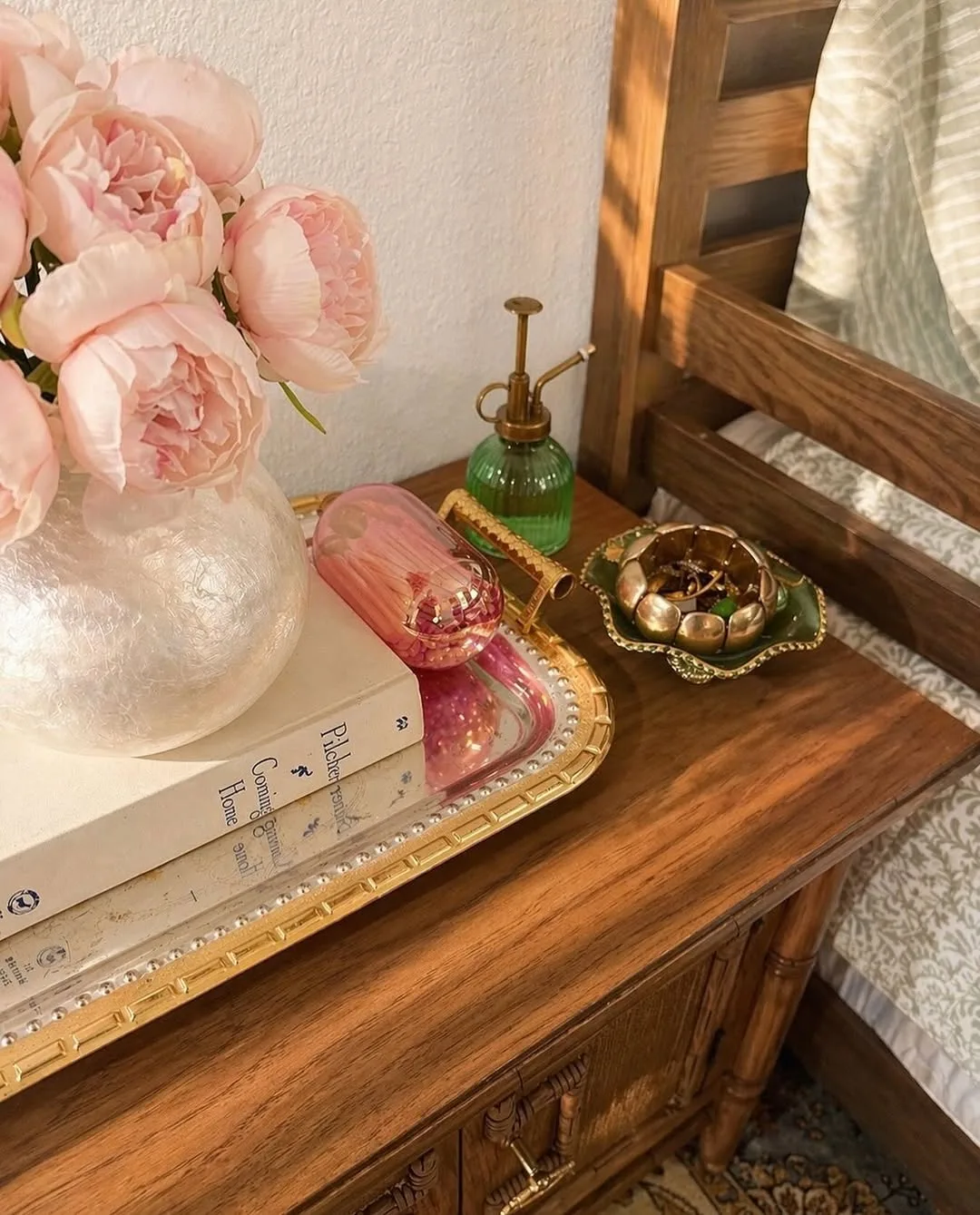
Small trays turn a scattered nightstand into a calm, deliberate station. Books, glasses, a water carafe, and lip balm all gain a home, and the tray edge quietly tells your brain the surface is full. Order beside the bed matters in winter, when you reach for things in the dark more often. Wooden, ceramic, or woven trays each bring a different warmth to the setup.
Set the tray with only what your evening actually uses: current book, water, glasses, and one small comfort like hand cream. A carafe with a cup that doubles as its lid keeps water fresh overnight and looks tidy. Leave room on the nightstand outside the tray for a lamp and a phone. Wipe the tray weekly, because nightstands collect dust faster than almost any other surface.
Partners with different habits benefit most, because each person curates their own tray and neither side spills into the other. Guest rooms feel instantly thoughtful with a tray holding water and a paperback. Try a tray in a warm metal finish if your room already carries lots of wood. Keeping the same small set of objects night after night builds a settling routine your brain links with sleep.
One common mistake turns the tray into a dumping ground for coins, receipts, and tangled chargers within a week. The tray holds evening items only, and everything else needs a different home. Review the tray each Sunday and evict anything that crept in. Also keep water glasses off paperback books, since winter condensation rings ruin covers overnight.
Heavy curtains that block winter drafts

Heavy curtains do quiet, practical work in a winter bedroom. Thick fabric blocks the thin rivers of cold air that slide off window glass at night, and it softens outside noise from wind and early traffic. Rooms with heavy curtains hold their warmth longer after the heating clicks off. In terms of comfort per pound spent, few cozy winter bedroom decor choices pay you back as reliably as proper winter curtains.
Hang curtains high and wide so the fabric covers the frame edges where drafts sneak in, and let hems brush the floor or the sill for a sealed look. Lined curtains insulate far better than single layers, and thermal linings add weight without changing the face fabric. Velvet and heavy cotton both suit bedrooms. Close them at dusk to trap the day warmth, then open them wide on sunny mornings.
North facing rooms and bedrooms above garages feel the cold most, and heavy curtains make the biggest difference there. Light sleepers also gain, because thick fabric dulls street sounds before dawn. Pair curtains with a simple blind for privacy during the day. Choosing a warm neutral like oatmeal lets you keep the curtains up all year, while deep green or burgundy reads more seasonal.
Measure twice before ordering, because curtains that end a few centimetres above a radiator pour warm air behind the fabric instead of into the room. Tuck curtains behind radiators or choose sill length where a radiator sits under the window. Also wash or vacuum heavy curtains before winter, since they hold a season of dust. Heavy fabric on weak rods sags, so check brackets before hanging the extra weight.
Basket of spare blankets by the bed

Woven baskets of spare blankets beside the bed solve the two in the morning chill without a trip to the airing cupboard. Guests can help themselves, partners can add a layer silently, and the basket itself adds soft texture to a corner. Rolled blankets show their colors and patterns, which turns storage into decor. Natural fibres like seagrass, cotton rope, and wool felt suit the winter mood.
Roll blankets instead of folding them, because rolls slide out one at a time without toppling the whole stack. Keep the warmest wool blanket on top for the coldest nights and lighter cotton ones below for milder spells. A basket near the door side of the bed serves guests best. Shake blankets outdoors every few weeks, since stored textiles gather dust even in clean homes.
Grandparents staying over appreciate a blanket basket, because older guests often feel cold sooner and dislike asking for extras. Children building floor beds for movie nights raid the basket happily. Try one large basket for the main bedroom and a smaller one for the guest room. Label nothing and arrange nothing too neatly, since a relaxed basket invites use while a perfect one does not.
Store only clean blankets in the basket, because wool and cotton absorb room smells over weeks and stale fabric undoes the cozy effect. Wash or air blankets before the season starts. Avoid cramming the basket so full that pulling one blanket drags out three. Moth protection matters for real wool, so add a cedar block or a lavender sachet among the rolls.
Bowl of scented pinecones

Scented pinecones in a simple bowl bring woodland character and a soft seasonal fragrance to the nightstand or dresser. Cinnamon, clove, and orange scents read instantly as winter without the sweetness of many candles. Pinecones cost almost nothing to gather, and their shapes echo the natural textures running through cozy winter bedroom decor this season. One bowl scents the area near the bed rather than the whole house, which suits light sleepers.
Gather fallen cones from parks or garden trees, then bake them on low heat for half an hour to clean them and open the scales. A few drops of essential oil or a light mist of scented spray refreshes them monthly. Wooden, ceramic, and brass bowls all work, and a small bowl suits a nightstand better than a wide centerpiece. Refresh the scent after guests leave if you prefer your own blend.
Sensitive noses do best with lightly scented cones or plain cones paired with a sprig of dried orange peel. Crafters sell scented cones at winter markets for anyone short on time or trees. Place the bowl where air moves gently, such as near a door, so fragrance drifts rather than pools. Children enjoy helping gather and count the cones, which makes the bowl feel like a family project.
Strong synthetic fragrance oils can trigger headaches in a closed bedroom, so start with a few drops and add more only if needed. Never place scented cones where a curious pet can chew them, because oils and treated cones upset stomachs. Also keep cones away from candle flames on the same surface. Replace the bowl contents each season so the scent stays fresh and the cones stay dust free.
Quilts layered in mixed patterns

Layered quilts bring history and handcrafted warmth to a winter bed. Mixing patterns like small florals, checks, and stripes sounds risky, yet quilts forgive mixing because their stitched texture unifies them. A folded quilt across the foot adds weight that many sleepers find calming. Vintage and handmade quilts also carry stories, which makes a bedroom feel lived in rather than staged.
Build the mix around one shared color that appears in every quilt, such as cream or dusty blue, and the patterns will cooperate. Place the largest pattern on the bottom layer and the smallest print on top. Cotton quilts breathe well under a duvet, while a single quilt over a sheet suits milder winter climates. Fold each layer back at a slightly different angle so every pattern shows.
Quilters obviously treasure layered beds, but anyone who inherited a family quilt gains a reason to use it daily instead of storing it away. Guest beds look generous under two folded quilts. Try a checked quilt with a floral for a cottage feel, or stripes with a plain dyed quilt for a calmer look. Rotating which quilt sits on top refreshes the room every week at zero cost.
Wash vintage quilts gently and rarely, because old stitching and fabrics tear under harsh cycles and hot water. Test a corner for color bleeding before the first wash. Avoid layering so many quilts that the bed feels heavy to climb into or hot by midnight. Three layers including the duvet usually mark the comfort limit for most sleepers, and extra quilts belong in the blanket basket.
Warm lamp glow for evenings

Light decides whether a winter bedroom feels cozy or clinical, and warm lamp glow does the heavy lifting after dark. Overhead lights flatten texture and glare off pale walls, while low lamps pool light where you actually sit and read. Warm bulbs in the lower color range mimic candlelight and flatter every fabric in the room. Two small lamps beat one bright one for balance and symmetry beside the bed.
Choose bulbs labeled warm white and keep the same tone in every lamp, because mixed tones make a room feel unsettled. Fabric shades diffuse light more gently than metal or glass, and cream shades warm the glow further. Place lamps at roughly head height when you sit up in bed. Smart plugs on a timer give you warm light at dusk without any effort.
Night owls reading beside a sleeping partner rely on a focused warm lamp more than any other item in this guide. Parents checking on children also move more safely through a softly lit room. Try one lamp per side of the bed with separate switches. Dimmer plugs cost little and let one lamp serve both bright morning routines and low evening wind down time.
Bright white bulbs undo every other cozy choice in the room, so check the box before buying spares and keep one tone throughout. Bare bulbs in clear shades glare at eye level from bed, which tires your eyes before sleep. Also keep lamp cords tidy and out of walkways. A beautiful lamp loses its charm the moment someone trips over its cable in the dark.
Common Mistakes to Avoid With Winter Bedroom Decor
Most winter bedroom regrets come from buying decor before adding warmth. Shoppers fill a basket with cushions and ornaments while the bed still lacks a warm layer and the windows still leak cold air. Fix the bed, the floor, and the drafts first, and let pretty objects come last. Practical cozy winter bedroom decor always starts with comfort, because a room that feels cold cannot look cozy for long.
Overloading the bed ranks as the second common error. Throws, quilts, fur cushions, and velvet cushions all compete, and making the bed becomes a ten minute puzzle you abandon by week two. Choose two or three layers you love and store the rest. A bed you can make in two minutes stays made, and a made bed carries the whole room.
Ignoring scent and light balance causes the third set of problems. Three scented products at once fight each other, and one glaring bulb cancels four soft ones. Pick a single scent family for the room and one warm bulb tone throughout. Test the room at night before buying anything else, because bedrooms reveal their real problems only after dark.
Budget Friendly Ways to Make a Bedroom Cozy
Shop your own home before any store. Spare blankets, candles, jars, trays, and rugs already live in most houses, just in the wrong rooms. Moving a rug from a hallway or a basket from the bathroom costs nothing and often solves the problem completely. Many cozy winter bedroom decor successes begin with a Sunday reshuffle rather than a shopping trip.
Spend first on the items your skin touches: bedding, a throw, and a hot water bottle. Those pieces decide how the bed feels, while purely decorative objects can wait for sales or second hand finds. Charity shops and winter sales reward patient shoppers with wool blankets and real wood trays at small prices. One quality purchase a month builds a room that lasts for years.
Borrow the expensive senses cheaply. Pinecones, branches, and dried orange slices cost little and deliver scent and texture that shops sell at a premium. Library books refresh the nightstand tray weekly without spending anything. Even lighting improves cheaply when you swap one bulb for a warm tone and clean the shade. Small free changes often outperform one large purchase.
Cozy Bedroom Tips for Better Sleep
Warm the bed early. Place the hot water bottle or switch on an electric blanket while you change and brush your teeth, so the sheets feel welcoming the moment you climb in. Warmth that greets you beats warmth you wait for. Your body relaxes faster, and falling asleep takes less effort on cold nights.
Dim lights in stages. Move from overhead light to lamps, then to jar lights or a candle during the last hour before sleep. Gradual dimming tells your body the day is ending. Phones on bright settings undo the effect, so lower screen brightness too. Bedrooms feel cozier with every step down toward darkness.
Keep one scent only. Choose a single winter scent across candles, pinecones, and any sprays, because layered competing scents keep your brain alert. Cedar, vanilla, and cinnamon each work alone. Blow out candles and close lids before sleep so the scent fades gently. Your nose rests overnight and notices the scent fresh again tomorrow.
Clear the floor path. Keep the route from bed to door free of baskets, shoes, and laundry, because winter nights mean more trips in the dark. Warmth feels better when you move safely. A clear path also makes the room look calmer at a glance. Move the blanket basket to the wall side instead.
Layer for two temperatures. Set the bed so each sleeper controls their own warmth, with a shared duvet plus personal throws or quilts folded on each side. Arguments about heating settings fade when nobody feels trapped. Guests appreciate the same freedom on spare beds. Comfort you can adjust beats comfort chosen for you.
End the day tidy. Spend two minutes returning tray items, cushions, and throws to their places before you sleep. Waking to an ordered room feels calmer than waking to yesterday clutter. Small nightly resets protect the cozy effect you built. Morning you will be grateful every single time.
None of these habits costs money, yet together they protect your sleep all winter. Treat the bedroom as a place that recovers you, and let every object earn its place by helping you rest. Small steady routines turn simple cozy winter bedroom decor into real winter comfort, night after night.
FAQ
How do I make a small bedroom feel cozy without clutter?
Focus on the bed and one surface only. Layer the bed with a throw and warm bedding, keep the nightstand to a tray and a lamp, and leave every other surface clear. Small rooms feel cozy when the soft things cluster in one place. One rug and warm light finish the effect without adding objects.
What colors make a bedroom feel warm in winter?
Cream, oatmeal, warm white, rust, burgundy, and deep green all warm a room without darkening it. Pale colors reflect lamplight, while jewel tones add depth in cushions and curtains. Keep walls and bedding light if the room gets little sun. Test colors at night, because shades shift under warm bulbs.
How can I warm up a bedroom without turning up the heating?
Layer the bed with flannel bedding and a quilt, block window drafts with heavy curtains, and place a thick rug over cold floors. Warm the bed itself with a hot water bottle before you get in. These steps target the cold where you actually feel it. Most people sleep comfortably in a cool room under warm bedding.
Are candles safe to use in a bedroom?
Candles are safe when you treat them with steady respect. Burn them on a heat safe surface away from bedding and curtains, keep wicks trimmed, and always put them out before sleep. Never leave a flame alone with pets or children in the room. Battery candles with warm flicker settings offer a worry free option for anyone who reads until they drift off.
How many layers should a winter bed have?
Most sleepers do well with a sheet, a warm duvet, and one extra layer such as a throw or quilt. Hot sleepers may drop the extra layer and keep it folded at the foot for cold snaps. Cold sleepers add flannel bedding underneath instead of piling more on top. Adjust weekly as the weather shifts rather than remaking the whole system nightly.
When should I switch my bedroom over for winter?
Start when nights turn cold enough that you reach for socks indoors, usually a few weeks before the deepest winter. Swap bedding and add the rug and curtains first, then bring in scent and decor touches. Pack summer items away in the same session so cupboards stay balanced. Reversing the routine in spring takes half the time once the system exists.
Conclusion
Winter asks a lot of a bedroom. Your room must warm you, calm you, and send you to sleep in the dark months when energy runs low. Layers on the bed, soft light, blocked drafts, and one gentle scent meet most of that ask without big spending. Good cozy winter bedroom decor simply removes every small discomfort between you and rest.
Begin with the single change your room needs most, whether that is flannel bedding, a rug for cold floors, or a warmer lamp. Live with it for a week and notice how the room feels at bedtime. Add the next layer only when the first feels settled. Slow building protects your budget and keeps the room personal.
Eventually the room starts to look after you. Warm sheets wait at night, soft light greets you at dusk, and every object near the bed has a job. That is the real promise of a cozy winter bedroom: comfort you can feel with your eyes closed. Sleep well, and let the cold stay outside where it belongs.